
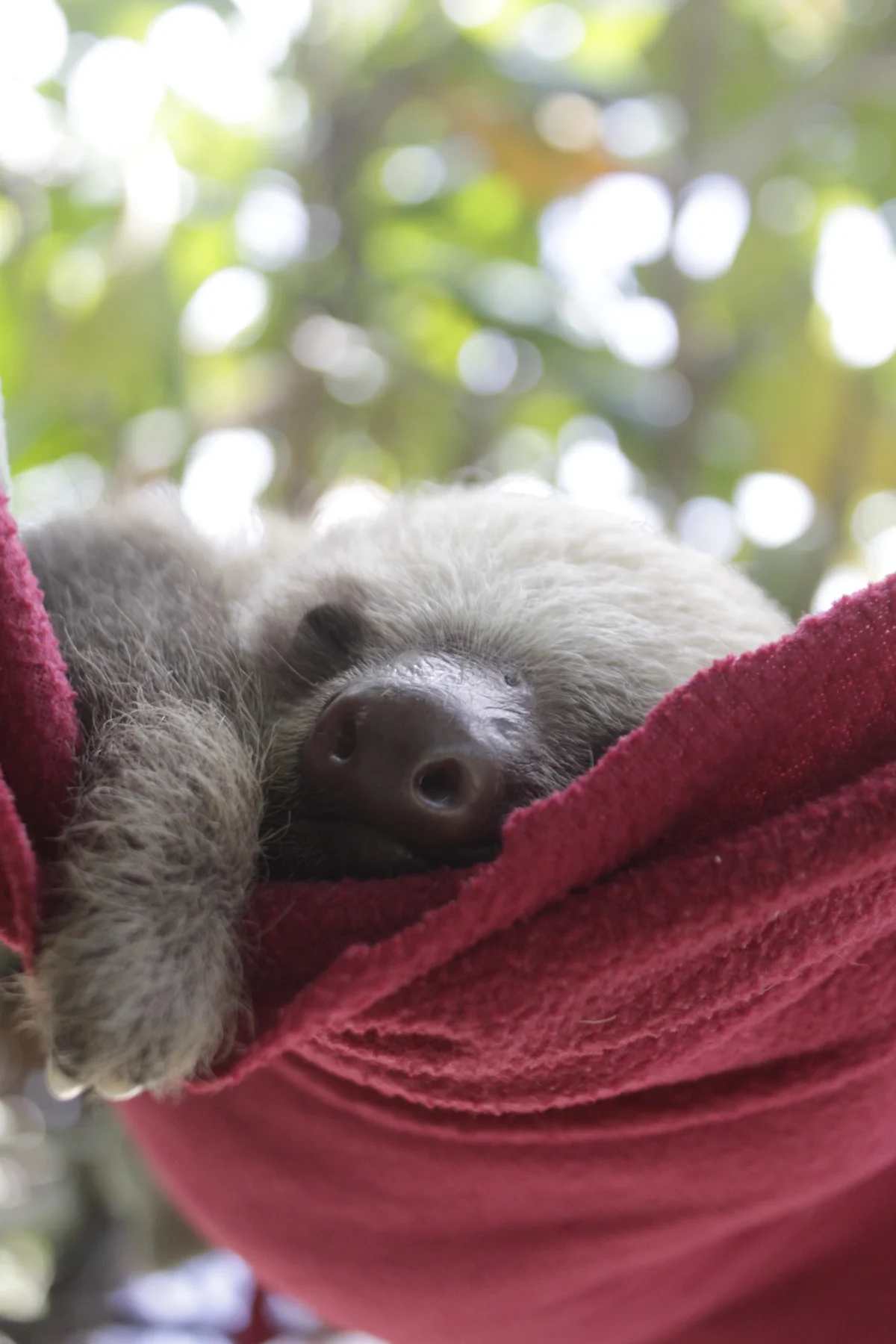
The modern landscape of online philanthropy often appears deceptively simple to the casual observer. A distressed animal is identified, a digital fundraising campaign is deployed across social media channels, contributors submit donations through secure payment gateways, and the necessary veterinary care is subsequently administered. For many years, this straightforward transaction defined the public’s understanding of digital animal rescue operations. However, an in-depth examination behind the scenes of organizations like the Toucan Rescue Ranch (TRR) reveals a vastly more complex, multi-layered ecosystem. Operating out of Costa Rica, TRR serves as a critical sanctuary for injured, displaced, and orphaned wildlife. A thorough exploration of its marketing and operational workflows demonstrates that what appears online as a simple call to action is actually the culmination of extensive interdisciplinary collaboration, rigorous medical protocols, and sustained strategic communication.
The Genesis of a Campaign: Clinical Stabilization Before Public Outreach
A prevailing misconception among digital donors is that fundraising initiatives originate within marketing departments. In professional wildlife rescue operations, the chronology of a campaign begins not with copywriting or graphic design, but inside the veterinary clinic.
When a compromised animal arrives at the Toucan Rescue Ranch—frequently suffering from the consequences of vehicular collisions, domestic animal attacks, electrocution from unsecured power lines, or severe habitat fragmentation—marketing considerations are entirely superseded by emergency medicine. The initial hours and days are characterized by intensive diagnostic procedures. Staff veterinarians conduct thorough physical examinations, perform blood panels, take radiographs, and stabilize vital signs. Only once the patient has passed through immediate physiological crisis and entered a stable recovery trajectory does the narrative apparatus engage.
This sequencing is essential for maintaining scientific accuracy and operational integrity. Before marketing personnel draft a single sentence or select a photograph for public consumption, they must consult directly with the veterinary team. These internal briefings ensure that every detail communicated to the public—from specific diagnoses to projected rehabilitation timelines—reflects the clinical reality. Consequently, a successful fundraising campaign functions as an interdisciplinary achievement. Without the diagnostic precision of veterinarians, there is no medical foundation; without daily husbandry from animal caregivers, there are no developmental milestones to report; and without strategic marketing communication, the narrative fails to reach the global audience necessary to sustain financial operations.
The Ethical Imperative of Transparent Storytelling
Crafting digital narratives for wildlife conservation requires navigating a delicate ethical balance. Communicators must convey the authentic urgency of a rescue while maintaining profound respect for both the animal subjects and the digital audience.
Wildlife rescue inherently involves graphic and distressing realities. Animals frequently arrive bearing the physical scars of anthropogenic pressures, such as severe burns from power lines or extensive trauma from road accidents. While omitting these truths entirely sanitizes the reality of conservation work, exploiting graphic imagery for shock value undermines ethical communication standards. Professional sanctuaries strive for a middle ground: transparency coupled with a forward-looking perspective on healing.
The objective of contemporary conservation storytelling is not emotional manipulation, but educational empowerment. By clearly explaining the etiology of an injury, the corresponding veterinary intervention, and the specific resource requirements of the recovery process, organizations foster informed support. Donors are treated as active participants in the rehabilitation journey rather than passive recipients of emotional appeals. This communication model builds long-term trust, ensuring that supporters understand the systemic threats facing Costa Rican biodiversity.
Anatomy of Rehabilitation: Beyond the Initial Publish Date
A critical realization for professionals entering the non-profit sector is that publishing a fundraising campaign marks the beginning of the operational timeline rather than its conclusion.
Wildlife rehabilitation is rarely a linear process. While public attention often spikes during the initial rescue announcement, the recovery phase frequently spans weeks, months, or even years. During this extended period, the veterinary and husbandry teams maintain continuous monitoring, adjusting treatment plans as the animal progresses. To sustain donor engagement and reflect operational reality, marketing strategies must evolve synchronously with the animal’s recovery.
This ongoing reporting transforms a static financial transaction into a dynamic narrative arc. When supporters can trace an animal’s trajectory—from initial trauma through successive stages of healing—the impact of their contribution becomes tangible. Celebrating incremental victories is a vital component of this process. Whether an orphaned two-toed sloth achieves a target weight milestone, a fractured limb demonstrates radiographic bone healing, or a recovering bird regains independent foraging capabilities, these updates validate the allocation of donor funds. Conversely, transparency must also encompass setbacks. Healing is frequently non-linear, and communicating complications maintains the integrity of the institution-donor relationship.
Deconstructing the Economic Reality of Wildlife Conservation
For individuals removed from day-to-day sanctuary operations, financial contributions can easily remain abstract figures on a digital display. In practice, however, these funds translate directly into immediate biological necessities and operational logistics.
An analysis of expenditure allocations within wildlife rescue facilities illustrates the multifaceted nature of rehabilitation costs. Donations directly support:
- Nutritional Protocols: Sourcing specialized diets, including fresh produce, browse, and specialized formulas tailored to specific avian, mammalian, and reptilian dietary requirements.
- Pharmacology and Diagnostics: Procuring anesthetics, antibiotics, pain management therapeutics, and laboratory testing supplies necessary for ongoing clinical evaluations.
- Husbandry and Enrichment: Constructing and maintaining enclosures that simulate natural habitats, alongside behavioral enrichment items designed to prevent captivity-induced stress.
- Medical Infrastructure: Maintaining specialized veterinary surgical equipment, incubators, and radiography units capable of handling diverse wildlife species.
By mapping financial inputs directly to these operational necessities, sanctuaries demystify the donation process. Contributors recognize that their support directly influences survival outcomes, bridging the physical distance between international donors and the frontline of conservation in Costa Rica.
Broader Implications for Modern Conservation Models
The operational realities observed within institutions like the Toucan Rescue Ranch highlight a broader shift in how non-profit organizations engage with global audiences. Modern conservation funding relies less on transactional fundraising and more on community-building and trust-generation.
As environmental pressures intensify across Central America, the burden on rescue, rehabilitation, and release (RRR) facilities continues to grow. Addressing these systemic challenges requires a coordinated approach involving veterinary science, animal husbandry, environmental education, and strategic communication. Educational outreach teams play a vital role in this continuum, translating individual rescue cases into broader lessons regarding human-wildlife coexistence, habitat preservation, and legislative advocacy.
Ultimately, the phrase "Donate Now" represents the convergence of numerous specialized efforts. It encapsulates the immediate intervention of a veterinarian, the daily dedication of animal caregivers, the educational outreach of conservationists, the strategic framing of communicators, and the financial commitment of global donors. By acknowledging the breadth of this collaborative network, the conservation sector reinforces a fundamental truth: protecting wildlife is not an isolated transaction, but a shared, continuous responsibility.
