
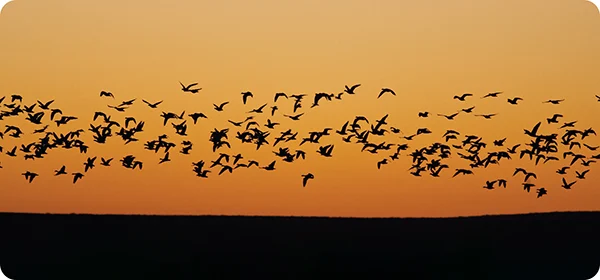
As the northern hemisphere turns the calendar page from the dog days of August to the crisp mornings of September, the natural world undergoes a profound and demanding biological transformation. For backyard wildlife, particularly avian species, the arrival of autumn marks the commencement of one of the most rigorous periods of the annual cycle. While human communities adjust to shifting school schedules, the return of cooler weather, and the transition from summer vacations to autumn routines, North America’s resident and migratory birds face physiological challenges of unprecedented intensity. According to wildlife biologists and ornithological experts, this critical juncture of the year requires extraordinary metabolic output, driven entirely by two simultaneous biological imperatives: the shedding and regrowth of plumage, known as molting, and the preparation for long-distance migratory journeys.
The convergence of these seasonal stressors creates a high-stakes environment where nutritional deficiencies can prove fatal. Conservationists and backyard bird-feeding specialists emphasize that the success of a bird’s autumn transition relies heavily on the availability of high-energy, protein-dense food sources. As natural food supplies—such as late-season seeds, berries, and insects—begin to dwindle or shift, local backyard habitats transform into vital feeding stations. Providing targeted nutrition during this window not only aids local wildlife in overcoming the physical toll of seasonal change but also offers bird enthusiasts an unparalleled opportunity to observe complex ecological dynamics unfolding just outside their windows.
The Biological Pressures of Autumn: Molting and Migration
The physiological demands placed upon birds during September and October are immense. Ornithologists divide this autumn transition into two primary categories of metabolic expenditure: feather replacement and endurance preparation.
Molting is a mandatory biological process wherein birds discard worn, frayed feathers accumulated over the breeding and summer seasons and grow an entirely new set of plumage. Feathers are composed almost entirely of keratin, a specialized structural protein. Consequently, during the four-to-eight-week molting window, a bird’s daily requirement for dietary protein spikes dramatically. At the same time, the synthesis of new tissue requires a massive surplus of metabolic energy. Because compromised or worn feathers severely impair aerodynamic efficiency, water repellency, and thermal insulation, completing a successful molt is a matter of immediate survival as temperatures begin to plummet.
Simultaneously, migratory species face the daunting challenge of endurance travel. Long-distance migrants, such as certain warblers, thrushes, and sparrows, must double their baseline body weight within a remarkably compressed timeframe of just a few weeks. This rapid weight gain is achieved through hyperphagia—a state of excessive eating driven by instinctive hormonal surges—which allows birds to accumulate dense layers of subcutaneous fat. This fat reserve serves as the literal fuel for hours, and sometimes days, of continuous, non-stop flight over geographic barriers such as the Gulf of Mexico, mountain ranges, and urban sprawl.
Dr. Eleanor Vance, an avian ecologist specializing in passerine migration patterns, notes the razor-thin margin for error inherent in this seasonal window. "The physiological ledger for a migratory bird in autumn leaves zero room for deficit," Dr. Vance explains. "If a bird fails to acquire adequate protein during its molt, its flight capabilities are compromised. If it fails to accumulate sufficient lipid reserves during pre-migratory fattening, it simply will not possess the caloric energy required to complete the journey southward. Every second of daylight in September is dedicated to foraging."
Chronology of the Avian Seasonal Cycle
To understand the urgency of the autumn transition, wildlife specialists examine the predictable, cyclical timeline that governs avian behavior throughout the calendar year:

- Spring (March – May): Birds return to breeding grounds, establish territories, find mates, and expend massive amounts of energy raising altricial or precocial young.
- Summer (June – August): Parental duties peak, followed by the gradual conclusion of the nesting season. Adults enter a period of relative post-breeding recovery as the long, warm days begin to wane.
- Early Autumn (September): Daylengths shorten noticeably, triggering hormonal shifts that initiate both the post-nuptial molt and migratory restlessness, known scientifically as Zugunruhe. Natural forage transitions from green foliage and insects to hard mast, seeds, and berries.
- Late Autumn (October – November): Peak migratory movements occur across major North American flyways. Resident species finalize their winter coat replacements and establish dominance hierarchies around reliable food sources.
- Winter (December – February): Survival mode sets in, where metabolic maintenance against freezing temperatures becomes the primary daily objective.
Nutritional Requirements and Feeding Strategies
Given the biological constraints of this period, the dietary profile required by wild birds undergoes a sharp pivot. While carbohydrate-rich seeds are valuable year-round, autumn demands an immediate surplus of lipids (fats) and proteins.
Avian feeding experts and commercial resource providers note that standard backyard seed mixes often fall short of meeting these elevated biological thresholds. To successfully support birds through the dual pressures of molting and migration, habitat enhancement requires specialized formulations. Recommended provisions include high-protein seed blends enriched with peanuts, specialized oil-rich seeds such as Nyjer, and energy-dense components like sunflower chips. Furthermore, animal-fat derivatives such as high-grade suet and specialized insect-based spreads, including commercial bark butter formulations, provide immediate, easily digestible caloric density that mimics the natural consumption of suety insect larvae found beneath tree bark.
Retailers and conservation organizations within the wildlife management sector report a measurable surge in consumer demand for high-fat and high-protein bird food products starting in late August and peaking throughout September. Industry data indicates that backyard naturalists increasingly view feeding stations not merely as a recreational hobby, but as an essential conservation intervention that mitigates habitat fragmentation and urban sprawl.
Expert Perspectives and Educational Outreach
Industry leaders have ramped up educational initiatives to help the public navigate the complexities of autumn wildlife care. Among these resources, specialized audio programming—such as the Nature Centered Podcast produced by Wild Birds Unlimited—has gained significant traction among nature enthusiasts. In recent episodes focused on the mechanics of seasonal transition, naturalists John and Brian dissect the behavioral cues of autumn wildlife, offering practical guidance on how backyard modification can maximize species diversity.
"When people understand why birds are behaving a certain way at their feeders in September, the interaction transforms from passive observation to active stewardship," remarked a spokesperson for the avian research community. "When you provide high-fat suet, raw peanuts, or specialized chip blends, you are directly participating in the conservation life-support system of your local ecosystem."
Broader Implications and Ecological Impact
The phenomenon of the autumn transition highlights the intricate web of interdependence linking residential backyards to larger regional ecosystems. As climate shifts, agricultural expansion, and urbanization alter natural landscapes, migratory birds face increasingly fragmented pathways. The availability of reliable, calorie-rich urban and suburban feeding stations plays an increasingly documented role in bridging the gaps between shrinking natural habitats.
Urban ecologists point out that backyard feeding stations, when managed responsibly with high-quality, predator-deterrent setups, can enhance local overwintering survival rates and provide essential staging areas for exhausted migrants. However, experts also emphasize best practices, urging homeowners to maintain clean feeding apparatuses to prevent the spread of avian pathogens, which can easily transmit when high concentrations of wildlife gather in restricted areas.
Ultimately, the changing of the guard from summer to autumn serves as a powerful reminder of the resilience required by the natural world. By recognizing the immense physiological toll of molting and migration, and by responding with targeted, scientifically backed nutritional support, backyard observers can play a meaningful, active role in ensuring the safe passage of local and migratory bird populations through their most demanding season of the year.
