
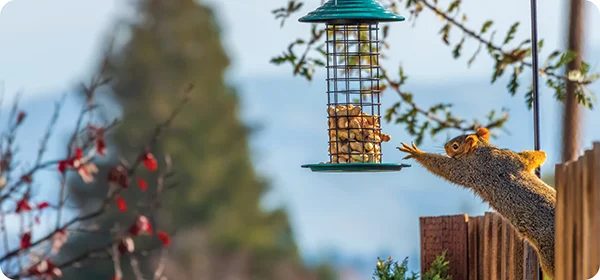
The intersection of suburban wildlife management and backyard hobbyist bird feeding has increasingly become a delicate balancing act for millions of property owners across North America. As urban sprawl encroaches upon natural habitats and localized wildlife populations adapt to human-subsidized environments, backyard bird feeders frequently transform into high-value foraging sites for a wide array of non-target animals. From agile tree squirrels to aggressive flocks of dominant avian species, the unintended beneficiaries of backyard feeding initiatives often deplete seed reserves, damage expensive equipment, and displace the songbirds that homeowners intend to support. Addressing this widespread challenge requires an integrated approach combining physical deterrents, habitat modification, and strategic dietary selections.
The Evolution of Backyard Bird Feeding and Wildlife Interactions
Backyard bird feeding has evolved from a passive, seasonal hobby into a multi-million-dollar industry and a critical component of citizen science and wildlife conservation. According to historical market data from the specialty pet and hobby sectors, tens of millions of households in the United States and Canada actively maintain feeding stations. This widespread practice provides supplementary nutrition to native bird populations, particularly during harsh winter conditions and critical migration periods.
However, the sheer volume of high-energy food made readily available in residential areas creates an irresistible ecological pull for opportunistic mammals and hyper-abundant bird species. For wildlife such as the Eastern gray squirrel, finding reliable sustenance is a continuous, high-energy expenditure. When these animals encounter unprotected bird feeders, the concentration of lipid- and carbohydrate-rich seeds represents an evolutionary jackpot. Consequently, what begins as an enjoyable pastime frequently devolves into an adversarial relationship between property owners and local fauna.
Engineering Solutions for Squirrel-Proofing Feeders
Among the most persistent challenges reported by backyard enthusiasts is the intrusion of squirrels. Known for their exceptional leaping ability, problem-solving intelligence, and relentless persistence, squirrels can empty a standard feeder in minutes while occasionally causing structural damage to hanging mechanisms and wooden frames. Industry experts and wildlife management professionals emphasize that physical exclusion remains the most effective, humane method for mitigating squirrel interference.
Pole-mounted feeding systems offer the highest degree of success when paired with engineered barriers. Stovepipe baffles—smooth, cylindrical metal guards installed directly onto vertical poles—prevent squirrels from gaining the necessary traction to climb toward the food source. For optimal efficacy, wildlife specialists recommend positioning these baffles at least five feet above the ground. Furthermore, the entire pole assembly must be located a minimum of ten feet away from overhanging tree branches, fences, deck railings, or other elevated launch points that would allow a squirrel to bypass the barrier via an aerial leap.

When property owners must hang feeders from tree branches or eaves where pole installation is impractical, alternative tactics are required. In these scenarios, utilizing standard tube or hopper feeders equipped with domed overhead baffles can thwart attempts to access the feed from above. These dome structures block access from hanging wires and chains. Additionally, retrofitting existing feeders with exterior metal exclusion cages allows smaller songbirds to pass safely through protective grid openings while physically barring larger squirrels and aggressive avian bullies.
Managing Avian Competitors and Nuisance Bird Populations
Beyond mammalian wildlife, many hobbyists face the challenge of managing nuisance bird species. In the context of backyard ornithology, nuisance birds are typically defined as gregarious, highly assertive species that congregate in large numbers, rapidly monopolize feeding stations, and actively exclude smaller, more vulnerable native songbirds. Common examples include various blackbird species, starlings, and house sparrows, which can quickly consume expensive seed blends and deter favored wildlife.
Controlling these populations relies heavily on targeted nutritional management and specialized feeder design rather than eradication. Ornithologists and feeding specialists advise auditing the contents of standard commercial seed mixes. Many inexpensive blends contain high proportions of cracked corn and white millet, ingredients that serve as a primary attractant for starlings, blackbirds, and pigeons.
Substituting these generic mixes with specialized grains can drastically reduce unwanted visits. Safflower seed, for instance, is highly palatable to preferred backyard species such as cardinals, titmice, and chickpeas, yet is largely unappealing to blackbirds and squirrels. Similarly, offering pure suet cakes—as opposed to rendered fat blends containing added grains or fruits—can deter starlings while continuing to attract woodpeckers, nuthatches, and wrens.
Feeder architecture also plays a pivotal role in species selection. Modern manufacturing innovations have introduced weight-sensitive mechanisms designed to shut off access to feeding ports when heavier animals land on the perch. Other designs incorporate short perches or entirely perch-less mesh configurations that favor agile, small-bodied birds capable of clinging vertically, while rendering the food inaccessible to bulkier competitors.
Economic and Ecological Implications
The economic impact of unmanaged wildlife at backyard feeding stations extends beyond the immediate cost of replacement seed. Industry analysts estimate that property owners collectively spend billions of years on feed, feeders, and accessories. When a significant percentage of these resources is consumed by non-target species, the financial efficiency of the hobby diminishes rapidly.

Ecologically, concentrating large numbers of aggressive birds or habituated mammals at a single artificial food source can carry unintended consequences. High-density feeding stations can potentially facilitate the transmission of avian pathogens, such as trichomoniasis or Mycoplasma gallisepticum (house finch eye disease), if strict sanitation protocols are not maintained. Furthermore, artificially sustaining inflated populations of hyper-abundant generalist species can create localized ecological imbalances, putting pressure on native cavity-nesters and rarer migratory songbirds.
Industry Guidance and Expert Consultation
Navigating the complexities of backyard wildlife management has prompted a rise in specialized consumer education. Organizations such as Wild Birds Unlimited, the largest franchise system of backyard nature specialty stores across North America, maintain networks of certified specialists trained to advise consumers on localized pest and wildlife challenges. These professionals frequently emphasize that effective backyard management is not about eliminating wildlife, but rather establishing sustainable boundaries that prioritize the conservation and enjoyment of native songbirds.
Industry outreach initiatives, including educational podcasts and regional workshops, continue to stress the importance of adaptive management. Because wildlife behavior varies significantly by geographic region, seasonal shifts, and local habitat composition, property owners are encouraged to continuously evaluate their feeding stations, adjust seed formulations, and upgrade physical deterrents as new challenges arise. Through a combination of thoughtful engineering, selective feeding, and ecological awareness, hobbyists can successfully reclaim their outdoor spaces and restore harmony to their backyard habitats.
