
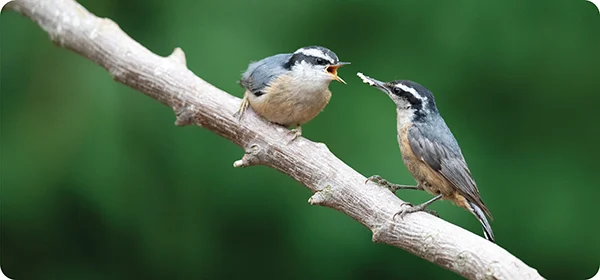
The arrival of spring and early summer brings a profound transformation to backyards across North America, marked by the vibrant sights and sounds of a new generation of wildlife. For millions of homeowners and amateur ornithologists, the seasonal emergence of fledgling birds—ranging from newly airborne bluebirds escorted by their fathers to persistent goldfinches and chickadees demanding nourishment—represents a deeply engaging natural spectacle. Beyond mere backyard entertainment, however, the successful rearing of these young avian populations is increasingly understood by wildlife biologists and conservation experts to be intimately linked with human stewardship. Providing reliable food sources, optimal nesting structures, and wildlife-friendly habitats can measurably enhance the survival rates and overall health of local bird species during their most vulnerable developmental phases.
The intersection of suburban landscaping, supplementary feeding, and avian reproductive success has become a subject of considerable scientific inquiry in recent decades. Ornithological studies consistently demonstrate that backyard bird feeding extends far beyond an aesthetic pastime, serving as a critical nutritional lifeline that directly influences the reproductive timing, brood size, and fledging success of common backyard birds. As urbanization continues to fragment natural habitats and diminish native food webs, the role of the backyard conservationist has evolved from a passive observer to an active participant in regional ecosystem health.
Scientific Insights into Supplemental Feeding and Reproduction
Research into avian ecology has revealed that access to dependable supplemental feeding stations yields profound physiological and behavioral advantages for breeding birds. Foremost among these advantages is the phenomenon of earlier egg-laying. Field studies indicate that female birds with consistent access to high-energy seeds, suet, and specialized blends during the late winter and early spring consistently initiate nesting earlier than their wild counterparts in unsupplemented environments.
This chronological advantage carries significant evolutionary weight. Earlier broods encounter substantially lower levels of seasonal competition for finite resources such as insect protein and prime territory. Furthermore, early-season fledglings typically exhibit higher rates of survival through their critical first year of life, largely due to the extended window of favorable weather and abundant natural foraging opportunities available before autumn migration or winter scarcity sets in.
In addition to advancing the breeding timeline, supplemental food sources alleviate the daily energetic burdens placed upon breeding females. Constructing a structurally sound nest and foraging for adequate nutrition simultaneously demands immense caloric expenditure. When food is readily accessible near potential nesting sites, females can curtail the hours spent scouring the landscape for sustenance. This conserved energy is instead redirected toward meticulous nest site selection, structural reinforcement, and vigilant nest defense against predators such as corvids, squirrels, and domestic cats.
Nutritional Optimization During the Nesting Cycle
The dietary requirements of nesting birds shift dramatically across the breeding season, necessitating specialized nutrition for both the adults and their altricial young. During the incubation and brooding phases, parents require heightened levels of protein and calcium to support eggshell formation and muscle recovery. Once hatched, nestlings experience exponential growth rates, requiring an uninterrupted supply of soft-bodied insects, seeds, and specialized lipids.
Avian nutritionists and wildlife specialists emphasize that the presence of abundant, high-quality feeder food liberates parent birds to conduct more focused searches for diverse natural food resources, such as caterpillars and spiders, which are essential for nestling development. Extensive field observations indicate that optimal nutrition directly correlates with reduced sibling aggression within the nest, as adequate food provisioning minimizes competition-driven stress among hatchlings. Consequently, well-nourished nestlings achieve accelerated growth rates, superior feather development, and higher body mass indices prior to fledging, all of which strongly predict post-fledging survival.

To meet these demanding physiological requirements, wildlife authorities recommend targeted feeding formulations. Specialized products such as high-protein nesting blends—incorporating ingredients like sunflower chips, peanuts, mealworms, specialized suet bits, tree nuts, and bioavailable calcium—are specifically engineered to support birds through the pre-nesting, incubation, and post-fledging periods. Similarly, high-fat renderings like bark butter provide concentrated caloric density that helps adult birds maintain their own metabolic equilibrium while provisioning demanding broods.
Habitat Management and Nesting Infrastructure
While supplemental nutrition serves as a foundational pillar of backyard conservation, wildlife biologists stress that food alone cannot guarantee reproductive success. The physical architecture of the yard plays an equally decisive role in determining whether nesting attempts will thrive or fail.
A primary consideration in modern wildlife-friendly landscaping is the intentional departure from immaculately manicured lawns. Pristine, highly maintained turfgrass environments frequently lack the structural diversity and biological micro-habitats required by native birds. Insects, fallen twigs, spider silk, and plant down—essential materials for durable, camouflaged nest construction—are scarce in sterile yards. Conservationists advocate for leaving designated garden corners "a little messy," allowing leaf litter, dead brush, and native perennial stalks to accumulate organically.
Furthermore, integrating native trees, shrubs, and wildflowers into residential landscapes recreates the native plant communities upon which specialized insects and birds co-evolved. Native flora provides not only architectural support for cup- and pendant-nesting species but also hosts the caterpillars and arthropods that form the irreplaceable foundation of a nestling’s diet.
Complementing natural habitat features, the installation of properly designed and scientifically positioned nesting boxes can dramatically improve nesting outcomes. Artificial cavities offer vital sanctuary during periods of extreme meteorological stress, such as prolonged cold snaps or torrential spring rains that threaten unshielded clutches. Proper box dimensions, appropriate entrance hole diameters to deter invasive competitors like House Sparrows and European Starlings, and secure mounting configurations are essential variables that determine whether a nest box becomes a safe nursery or an ecological trap.
Broader Ecological Implications and Community Engagement
The collective impact of millions of backyard feeding stations and wildlife-friendly gardens extends far beyond individual property lines, contributing significantly to regional biodiversity conservation. As human development continues to encroach upon native ecosystems, residential green spaces increasingly function as critical stepping stones and urban refugia for migratory and resident bird populations.
Data compiled from citizen science initiatives, such as Project FeederWatch and the Great Backyard Bird Count, highlight the vital role that public participation plays in tracking avian population trends. Observations submitted by backyard naturalists provide ornithologists with expansive datasets regarding shifts in breeding ranges, phenological changes in migration and nesting timing, and the localized impacts of supplemental feeding on bird health.
Organizations within the nature specialty and wild bird care sectors, including industry leaders such as Wild Birds Unlimited, emphasize that the engagement of everyday citizens in backyard conservation fosters a broader cultural appreciation for environmental stewardship. Through educational programming, specialized product development, and resources like the Nature Centered podcast, conservation advocates continue to bridge the gap between scientific research and practical residential application.

Ultimately, the phenomenon of backyard nesting offers a tangible connection to the natural world right outside the doorstep. As millions of households witness the delicate, demanding process of avian reproduction unfold in real-time, the realization that human actions—ranging from sustainable landscaping choices to the provision of targeted nutrition—can measurably tilt the balance toward survival underscores the profound value of active ecological stewardship in modern society.
