
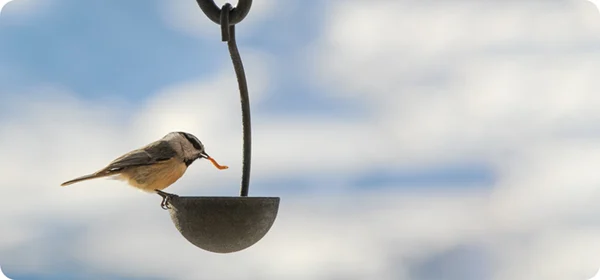
The intersection of Mother’s Day gift-giving and backyard ornithology has long been defined by traditional offerings, ranging from potted geraniums to standard cut-flower bouquets that inevitably fade within a week. However, ornithologists and backyard nature retailers are championing a paradigm shift for the spring holiday season: supplementing backyard ecosystems with native insects and specialized protein-rich bird foods. While the concept of presenting a mother with "bugs" may initially sound unconventional, market analysts and wildlife experts argue that this approach aligns perfectly with the peak of the North American avian breeding and migration season. By reframing garden enhancement as an active conservation strategy, gift-givers can provide an enduring experience that brings vibrant songbirds directly to the backyard throughout the spring and summer months.
The timing of Mother’s Day in early May coincides precisely with one of the most critical biological windows of the year for North American bird populations. Across the continent, May marks the height of the avian nesting season for resident species, as well as the peak of the vernal neo-tropical migration. Millions of migratory songbirds—including warblers, vireos, thrushes, and tanagers—are actively traversing the skies, requiring immense caloric reserves to fuel their arduous journeys northward. Concurrently, resident nesting birds are locked in a relentless cycle of provisioning their altricial young, which depend almost entirely on soft-bodied insects for the protein and moisture necessary for rapid physical development. Providing an abundant, reliable source of bugs and high-energy mealworms during this pivotal month directly impacts reproductive success and regional biodiversity.
Environmental horticulturists emphasize a two-pronged methodology to establish a thriving, bird-friendly backyard ecosystem that serves as an ideal seasonal gift. The first component involves moving away from ephemeral, commercially forced cut flowers in favor of robust native flora. Unlike sterile ornamental cultivars, native perennial plants, shrubs, and trees act as host species for specialized native insects, caterpillars, and pollinators. When planted in garden beds or decorative patio containers, these native species create a sustainable, self-replicating food web. Mother’s Day thus becomes an opportunity to establish a perennial landscape feature that yields ecological dividends not just for a few weeks, but for decades, offering continuous visual appeal and a front-row seat to local wildlife activity.

Complementing natural habitat restoration, commercial feeding stations offer an immediate and reliable supplemental food source that bridges the gap for foraging adults. Ornithological supply companies, notably Wild Birds Unlimited (WBU), have developed specialized formulations designed specifically to cater to insectivorous species during the high-demand spring cycle. Dried and live mealworms, specialized nesting seed blends containing high-protein insect components, and dense seed cylinders enriched with bugs, nuts, and berries provide targeted nutrition. According to wildlife feeding specialists, offering live mealworms in specialized platform feeders acts as a powerful magnet for discerning songbirds that might otherwise bypass a standard seed-only station. This combination of structural habitat and supplemental feeding creates a sanctuary that appeals directly to the maternal instincts of backyard bird enthusiasts.
The broader ecological implications of supporting insectivorous birds during the spring migration and nesting window extend far beyond backyard entertainment. Urban and suburban sprawl has fragmented native habitats, reducing the natural carrying capacity of local ecosystems and leaving migratory species vulnerable to exhaustion and starvation. By intentionally bolstering insect populations through native planting and supplementing with protein-dense feeds, suburban homeowners effectively create strategic stopover habitats and foraging corridors. Furthermore, encouraging an active interest in backyard ecology fosters grassroots conservation awareness, engaging millions of citizens in habitat preservation, citizen-science data collection, and broader environmental stewardship initiatives right from their own patios.
