
The arrival of spring ushers in one of the most anticipated events in North American ornithology: the mass migration of hummingbirds. Millions of tiny, jewel-toned birds are currently completing an extraordinary seasonal journey, traveling thousands of miles from their wintering grounds in Central America and Mexico to nesting sites across the United States and Canada. For backyard bird enthusiasts, conservationists, and casual observers alike, the appearance of the season’s first hummingbird marks a celebrated shift in the natural calendar, sparking a surge of interest in backyard feeding and habitat preparation.
The Epic 2,000-Mile Migration: Geography and Timing
The scale of the hummingbird migration is nothing short of breathtaking given the diminutive size of the travelers. Most migratory species, such as the widely distributed Ruby-throated Hummingbird (Archilochus colubris) in the eastern half of the continent, weigh between two and four grams—roughly the weight of a single penny. Yet, these birds undertake a grueling 2,000-mile journey that often requires a non-stop, 18-to-22-hour flight across the Gulf of Mexico.
The timing of this migration is meticulously coordinated with the blooming of native wildflowers and the emergence of early-season insects, which provide the vital proteins and carbohydrates necessary to sustain the birds’ hyperactive metabolisms. Biologists note that male hummingbirds generally lead the migration, departing winter territories earlier to secure prime breeding grounds and establish territories rich in nectar sources. Females follow closely behind, arriving a week or two later as temperatures stabilize and food sources become more reliable.
Geographically, the arrival window spans several months. While southern coastal states may spot their first returning migrants as early as late February or March, northern regions in Canada often do not see arrivals until mid-to-late May. In the western United States, the migration patterns are even more diverse. While species such as the Rufous Hummingbird undertake staggering long-distance journeys from Mexico all the way to Alaska, other western residents—including Anna’s, Costa’s, and Allen’s hummingbirds—are already well into their nesting cycles by early spring, occasionally remaining year-round in temperate coastal microclimates.
Ornithological Mechanics: Flight, Diet, and Behavior
Observing hummingbirds offers a unique window into some of the most specialized biomechanics in the animal kingdom. The characteristic hum associated with hummingbirds is generated by wings that beat at astonishing speeds—ranging from 50 beats per second during normal hovering to upwards of 80 beats per second during aggressive territorial displays or courtship dives.

This extreme energy expenditure requires a specialized diet. Contrary to popular misconception, hummingbirds do not feed primarily by sucking nectar through their bills like a straw. Instead, they use a specialized, forked, and open-grooved tongue that laps up liquid at a rate of approximately 12 to 13 times per second. Capillary action draws the nectar into the grooves, allowing the bird to consume up to its own body weight in sugar water daily. In addition to nectar, hummingbirds consume vast quantities of small insects and spiders, which provide essential fats, amino acids, and proteins required for feather growth and egg production.
Backyard observers often note complex behavioral patterns during the spring feeding season. Territorial defense is fierce; hummingbirds frequently engage in high-speed aerial chases, flare their iridescent gorgets (throat feathers), and fan their tail feathers to warn off intruders. These interactions, combined with sharp chittering and squeaking vocalizations, make hummingbirds among the most dynamic and entertaining species to observe in residential ecosystems.
Conservation, Backyard Habitats, and Feeding Best Practices
As urban development and habitat fragmentation continue to challenge migratory bird populations, backyard conservationists play an increasingly critical role in supporting hummingbirds during their journey. Wildlife experts and ornithological organizations emphasize that creating a welcoming environment involves more than simply hanging a sugar-water feeder.
Providing a comprehensive habitat requires a dual approach: supplementing natural resources with well-maintained nectar feeders while cultivating a landscape rich in native flowering plants. In the eastern regions, plants such as bee balm, cardinal flower, and columbine serve as vital nectar sources. In the west, trumpet creeper, penstemons, and native salvias attract species like the Black-chinned and Broad-tailed hummingbirds.
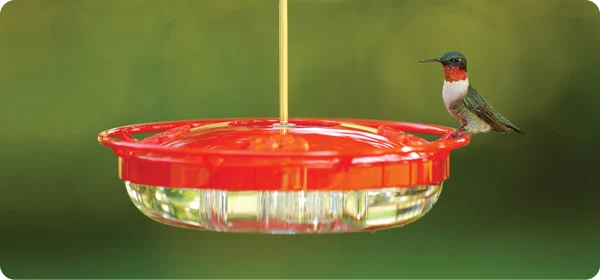
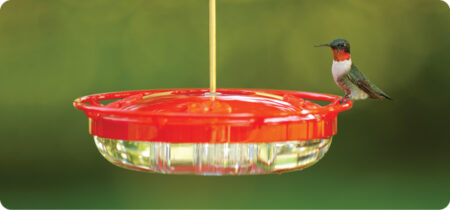
Experts advise adherence to rigorous maintenance standards for artificial feeders. Sugar water—typically mixed at a ratio of four parts water to one part refined white sugar—must be changed every three to five days, and more frequently during periods of high heat, to prevent the growth of harmful molds and bacteria that can prove fatal to the birds. Furthermore, the use of clear plastic feeder bases has grown in popularity among bird enthusiasts, as it allows researchers and hobbyists alike to witness the rapid lapping action of the hummingbird’s tongue up close without disrupting natural feeding behaviors.
Broader Ecological Implications and Expert Outreach
The annual return of hummingbirds carries significant ecological weight beyond backyard enjoyment. As primary pollinators for a vast array of native flowering plants, hummingbirds contribute directly to the reproductive success of numerous plant species. The pollen that accumulates on their foreheads and bills during feeding is transported from flower to flower, facilitating cross-pollination across fragmented landscapes.

Environmental scientists and wildlife organizations monitor these migration patterns closely as indicators of broader ecological health and climate trends. Shifts in seasonal temperatures can trigger mismatches between the arrival of migratory birds and the peak bloom times of their primary food sources—a phenomenon known as trophic mismatch. Monitoring programs, such as citizen science initiatives tracking first-arrival dates, provide researchers with invaluable longitudinal data regarding the impacts of changing climate conditions on avian species.
Educational initiatives continue to play a vital role in fostering public engagement with bird conservation. Organizations dedicated to backyard wildlife management frequently host educational podcasts, webinars, and community workshops aimed at teaching the public how to optimize their yards for migratory wildlife. These resources emphasize that small modifications—such as eliminating pesticide use, planting native flora, and maintaining clean water sources—can collectively yield substantial benefits for regional biodiversity.
Ultimately, the arrival of spring hummingbirds bridges the gap between scientific research and everyday human experience. Whether viewed from a suburban patio or studied in a remote forest reserve, the resilience of these tiny migratory travelers serves as a powerful reminder of the interconnectedness of natural systems across the North American continent.
