
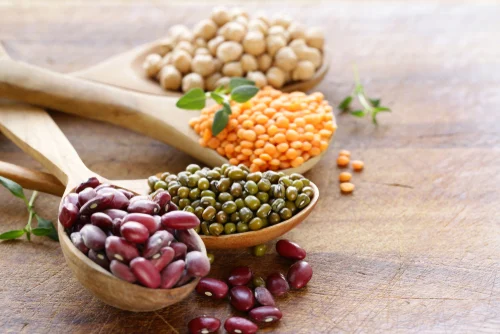
The question of whether raw dried beans are safe for backyard poultry has become a significant point of concern for small-scale farmers and hobbyist chicken keepers. While leguminous plants serve as a cornerstone of nutrition for many species, raw dried beans contain a potent anti-nutritional factor known as phytohaemagglutinin—a lectin that functions as a natural insecticide for the plant but poses a severe, often lethal, toxicity risk to chickens. Poultry keepers must understand the biochemical risks associated with these legumes, as the ingestion of even a small quantity of raw material can lead to rapid physiological decline and death.
The Biochemical Threat: Phytohaemagglutinin
Phytohaemagglutinin (PHA) is a type of protein known as a lectin, which is found in many varieties of beans, with the highest concentrations occurring in red kidney beans, white kidney beans, and broad beans. In the natural world, these lectins serve a protective evolutionary purpose. By interfering with the digestive processes of insects and potential herbivores, the plant effectively discourages consumption.

However, when ingested by non-ruminant animals such as chickens, the toxin binds to the surface of the intestinal lining. This binding process disrupts the absorption of nutrients and causes systemic inflammation of the gastrointestinal tract. Clinical observations indicate that the toxin is highly effective at inducing acute gastrointestinal distress. Symptoms of PHA poisoning in poultry include, but are not limited to, extreme lethargy, watery diarrhea, violent vomiting, and rapid loss of motor function. Due to the high metabolic rate of chickens, the absorption of the toxin is swift, and mortality can occur after the consumption of as few as three to four raw beans.
Chronology of Toxicity Risk
The danger posed by dried beans is not a new discovery in veterinary science; it is a well-documented hazard in agricultural nutrition. Historically, the process of preparing beans for consumption has always involved rigorous thermal processing. The timeline of risk typically follows a predictable pattern:
- Ingestion: A chicken encounters a raw, dried bean—often found in spilled pantry supplies or discarded kitchen waste.
- Immediate Reaction: Within 30 to 60 minutes of ingestion, the PHA lectin begins to bind to the glycoproteins on the intestinal wall.
- Onset of Symptoms: Between one and three hours post-ingestion, the bird experiences severe cramping and acute enteritis.
- Critical Phase: If the dosage is sufficient, the bird enters a state of shock, leading to potential cardiac or respiratory failure within four to twelve hours.
Unlike other common dietary mistakes that might cause mild indigestion, raw bean toxicity is rarely a manageable condition once the symptoms manifest. There is no standard medical antidote for avian PHA poisoning, making strict dietary prevention the only viable strategy for flock health.

Supporting Data and Comparative Analysis
Nutritional science emphasizes the difference between the raw and processed states of legumes. According to standard agricultural data, the raw bean possesses a "trypsin inhibitor" and high lectin activity. Thermal processing—specifically boiling at temperatures above 100 degrees Celsius—denatures these proteins, rendering them biologically inactive.
Comparative studies in avian nutrition show that while many grains and seeds are safe for consumption in their natural state, legumes require specific preparation methods. For example, while sprouted beans are often considered a healthy dietary addition for humans, the sprouting process does not universally neutralize the toxicity of all bean varieties. Certain legumes, such as kidney beans, retain dangerous levels of lectins even after the initial germination stage. Consequently, agricultural experts advise a blanket policy: if a bean is in its dried state, it must be subjected to a full cooking process before it can be deemed safe for any poultry diet.
The Role of Processing: Soaking and Boiling
The industry standard for preparing beans for poultry—if they are to be fed at all—is a multi-step process that ensures the complete destruction of toxins. Simply soaking the beans is insufficient; while soaking leaches out some water-soluble toxins, it does not remove the heat-stable lectins.

The procedure requires:
- Extended Soaking: Beans should be soaked for a minimum of 8 to 12 hours to begin the rehydration process.
- Disposal of Water: The soaking liquid must be discarded, as it contains leached toxins.
- Thorough Boiling: The beans must be boiled in fresh water until they are completely soft. Partial cooking is as dangerous as not cooking them at all, as it may not reach the internal temperature required to break the molecular bonds of the lectins.
- Cooling: The beans must be fully cooled before being offered to the flock to prevent thermal burns to the crop and esophagus.
Implications for Backyard Flock Management
The implications for backyard chicken keepers are clear: household waste management must be strictly monitored. It is a common practice to feed table scraps to chickens, but this requires an understanding of what constitutes "safe" scraps. Dried beans, whether meant for human soups or long-term storage, should be kept in secure, inaccessible containers.
Furthermore, the rising trend of urban farming has introduced many novice keepers to the complexities of avian husbandry. Extension services and veterinary nutritionists emphasize that "natural" does not always equate to "safe." The case of the raw bean serves as a primary example of how natural plant defenses can be at odds with the dietary requirements of domesticated animals.

Distinguishing Safe Legumes
It is important to note that not all legumes are toxic to chickens. The toxicity of PHA is specifically associated with the dried, mature seeds of certain bean varieties.
- Fresh Green Beans: These are generally considered safe for chickens because the concentration of lectins in the immature pods is significantly lower than in the mature, dried seeds.
- Canned Beans: Commercially canned beans have already undergone high-heat processing during the canning phase, which denatures the toxins. However, they present a different health concern: high sodium content. Excessive salt intake can lead to kidney issues and electrolyte imbalances in poultry. Therefore, if canned beans are provided, they must be rinsed thoroughly under running water to remove the brine and should be served as a rare, supplementary treat rather than a primary food source.
- Peas and Lima Beans: These are generally safe, but they should still be provided as part of a balanced, nutritionally formulated commercial feed, which remains the bedrock of a healthy poultry diet.
Expert Guidance and Best Practices
Poultry experts, such as those associated with agricultural extension offices and specialized avian health organizations, advocate for a "feed-first" mentality. A bird’s primary source of nutrition should always be a high-quality, nutritionally balanced pellet or crumble specifically formulated for their age and life stage.
When introducing treats or scraps, keepers should follow the "10% rule," meaning that no more than 10% of a chicken’s total daily caloric intake should come from snacks outside of their standard feed. In the case of beans, the risk-to-reward ratio is highly unfavorable. Given that a single handful of dried beans can result in the loss of an entire flock, the most prudent course of action is to omit dried beans from the poultry diet entirely.

Conclusion
The management of a healthy flock requires constant vigilance regarding dietary inputs. The potential for severe toxicity from raw, dried beans is a critical reminder of the hazards present in common household food supplies. By adhering to rigorous safety protocols—specifically avoiding raw beans and ensuring that any bean-based treats are thoroughly processed—poultry keepers can mitigate unnecessary risks and ensure the longevity and health of their flocks. Education remains the primary tool in preventing accidental exposure, and those responsible for the care of backyard poultry should prioritize evidence-based feeding practices above all else.
