
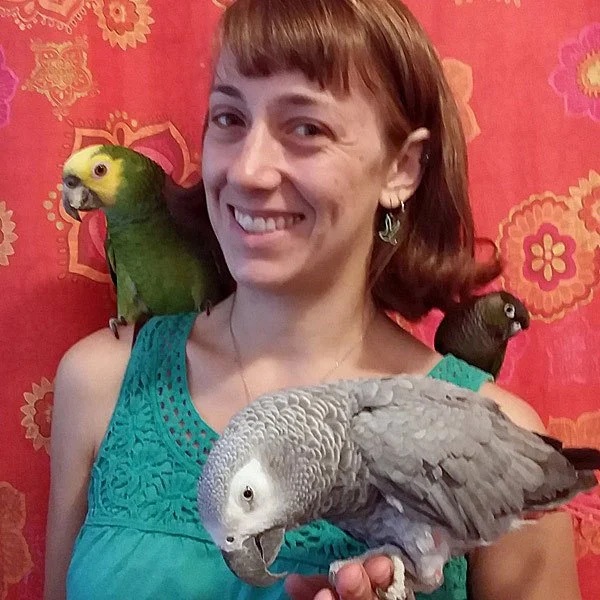
The upcoming "Avian Vet Insider" webinar, scheduled for Friday, April 10, 2026, at 12:00 p.m. PST, will delve into the critical and often challenging subject of avian neoplasia. Presented by Dr. Stephanie Lamb, a recognized expert in avian veterinary medicine, this educational session aims to provide pet bird owners and interested parties with comprehensive knowledge regarding the diverse spectrum of neoplastic diseases affecting avian species. This marks the first installment of a two-part series dedicated to this complex topic, acknowledging the breadth and depth of information that needs to be covered.
The webinar is poised to address a wide array of conditions, ranging from seemingly minor skin growths to aggressive, life-threatening cancers. Dr. Lamb’s presentation will illuminate both the more frequently encountered types of avian cancers and those considered rarer, offering insights into their presentation, potential causes, and diagnostic approaches. The "Avian Vet Insider" series has historically served as a vital resource for the avian community, delivering timely and expert-driven information on various aspects of pet bird health and welfare. This particular webinar comes at a time when understanding and managing complex diseases in companion animals is of increasing importance to dedicated owners.
Understanding Avian Neoplasia
Neoplasia, in its broadest definition, refers to the uncontrolled, abnormal growth of cells, which can result in the formation of tumors. In avian medicine, this encompasses a significant category of diseases that can affect nearly any organ system within a bird’s body. The complexity arises from the unique physiology of birds, their rapid metabolism, and the often subtle, or in some cases rapid, progression of disease.
Dr. Stephanie Lamb, whose image accompanies promotional materials for the event, is depicted with an Amazon and an African Grey parrot, underscoring her practical experience with these popular companion species. Her expertise is crucial in translating complex oncological concepts into accessible information for a non-veterinary audience. The webinar’s focus on "common types of cancer that our birds can present and some of the rarer avian cancers" suggests a structured approach, likely beginning with a foundational overview of neoplastic processes before delving into specific disease entities.
The choice to make this a two-part webinar is a strategic decision, reflecting the multifaceted nature of avian cancers. Part 1 is expected to lay the groundwork, introducing fundamental concepts, common presentations, and perhaps a categorization of prevalent neoplastic conditions. Part 2 will likely build upon this foundation, exploring more specialized topics, advanced diagnostics, treatment modalities, and prognosis. This structured approach ensures that participants can absorb the information effectively without feeling overwhelmed.
Background and Context
The "Avian Vet Insider" webinar series is a recurring initiative, often hosted by prominent veterinary professionals and organizations dedicated to avian health. While specific details about the host organization or the exact genesis of this particular webinar series are not provided in the initial announcement, such events typically stem from a commitment to continuing education for pet owners and a desire to bridge the gap between veterinary science and the public’s understanding of animal health. The increasing sophistication of veterinary diagnostics and treatments for companion animals, including birds, necessitates ongoing education for owners to ensure they can provide the best possible care for their pets.
The date, Friday, April 10, 2026, places this webinar in the near future, allowing ample time for promotion and registration. The specified time, 12:00 p.m. PST, is a deliberate choice, often catering to individuals who may have flexible work schedules or are seeking to engage in educational activities during a lunch break. The inclusion of a time zone converter link is a thoughtful addition, acknowledging the global reach of online educational platforms and ensuring accessibility for a diverse audience. This demonstrates a commitment to inclusivity and user-friendliness.
Expert Speaker: Dr. Stephanie Lamb
While the provided snippet does not offer a detailed biography of Dr. Stephanie Lamb, her role as the presenter of a webinar on a specialized topic like avian neoplasia strongly indicates a significant level of expertise and experience in avian medicine. Veterinary specialists in avian medicine undergo rigorous training and often focus on specific areas of practice. Her appearance with common pet bird species suggests a direct involvement in the care and treatment of these animals, making her insights particularly valuable. The image of her with birds, while illustrative, also serves to humanize the event and establish a connection with the audience.
The potential impact of Dr. Lamb’s presentation can be significant. For pet owners who have experienced the heartbreak of a bird diagnosed with cancer, the webinar offers an opportunity for deeper understanding, potential validation of their experiences, and insight into what lies ahead. For those who have not yet encountered such a diagnosis, the webinar serves as a proactive measure, equipping them with knowledge to recognize potential signs and to engage more effectively with their avian veterinarians. This proactive approach to pet health is a cornerstone of responsible pet ownership.

Implications and Broader Impact
The focus on avian neoplasia has several important implications for the pet bird community. Firstly, it highlights the growing recognition of cancer as a significant health concern in companion birds. As avian veterinary care advances, so too does our ability to diagnose and manage complex diseases. This means that conditions that may have been previously overlooked or untreatable are now more likely to be identified and addressed.
Secondly, the webinar emphasizes the importance of owner education. Empowered owners are better equipped to monitor their birds for subtle changes, seek veterinary care promptly, and make informed decisions about diagnosis and treatment. This can lead to improved outcomes for affected birds and a stronger bond between owners and their avian companions. The proactive nature of learning about potential diseases before they manifest is a hallmark of dedicated pet ownership.
Thirdly, by covering both common and rare cancers, Dr. Lamb’s presentation can contribute to a more nuanced understanding of avian oncology. This can be invaluable for both owners and potentially for general practice veterinarians seeking to enhance their knowledge in this specialized field. Sharing such expertise through webinars plays a crucial role in advancing the overall standard of care for pet birds.
The fact that this is a two-part series suggests a commitment to thoroughness. Avian cancers can manifest in a multitude of ways, from epithelial tumors to mesenchymal tumors, lymphoid neoplasms, and endocrine disorders. Each category requires a detailed explanation, and a single session might not be sufficient to cover the nuances of diagnosis, staging, and treatment options. The strategic division of content into two parts indicates a well-planned curriculum designed to maximize participant learning and retention.
Anticipated Content and Audience Engagement
Attendees can anticipate a presentation that likely begins with the fundamental principles of cancer biology as it applies to birds. This could include discussions on cellular mutations, the role of genetics and environmental factors, and the physiological differences between avian and mammalian tumor development. Dr. Lamb will likely categorize common avian tumors, perhaps by the type of tissue affected (e.g., skin tumors, liver tumors, kidney tumors, reproductive tract tumors) or by their typical presentation in birds.
The webinar is explicitly designed for "pet bird owners who has dealt with something similar in one of your birds, or someone who wants to learn more about neoplasia and how it effects birds." This broad target audience underscores the webinar’s accessibility and its intention to educate a wide range of individuals. For owners who have faced this challenge, the webinar may offer a sense of community and shared understanding, as well as practical advice for navigating the emotional and medical aspects of a cancer diagnosis. For those new to the topic, it serves as an essential primer.
The inclusion of a Q&A segment, a common feature of live webinars, would further enhance engagement, allowing participants to pose specific questions to Dr. Lamb and receive expert guidance. This direct interaction is a significant benefit of live online events, fostering a dynamic learning environment.
Future Considerations and the Role of Veterinary Science
The ongoing advancements in veterinary oncology are rapidly changing the landscape of cancer treatment for companion animals. Techniques such as advanced imaging (CT scans, MRIs), surgical biopsies, histopathology, and even chemotherapy and radiation therapy are becoming more accessible and refined for avian patients. Dr. Lamb’s webinar will likely touch upon these developments, providing an overview of current diagnostic and therapeutic possibilities.
However, it is crucial for owners to understand that not all neoplastic conditions in birds are curable, and the prognosis often depends on the type of cancer, its stage at diagnosis, and the bird’s overall health. The webinar’s focus on understanding neoplasia is, therefore, a vital step in managing owner expectations and ensuring that decisions are made in the best interest of the bird’s quality of life.
The "Avian Vet Insider" series, through its commitment to disseminating expert knowledge on complex topics like avian neoplasia, plays a critical role in elevating the standard of care for pet birds. By equipping owners with the knowledge and understanding necessary to recognize, address, and manage these challenging diseases, such educational initiatives contribute significantly to the well-being and longevity of our feathered companions. The upcoming webinar on April 10, 2026, is anticipated to be an invaluable resource for the avian community.
