
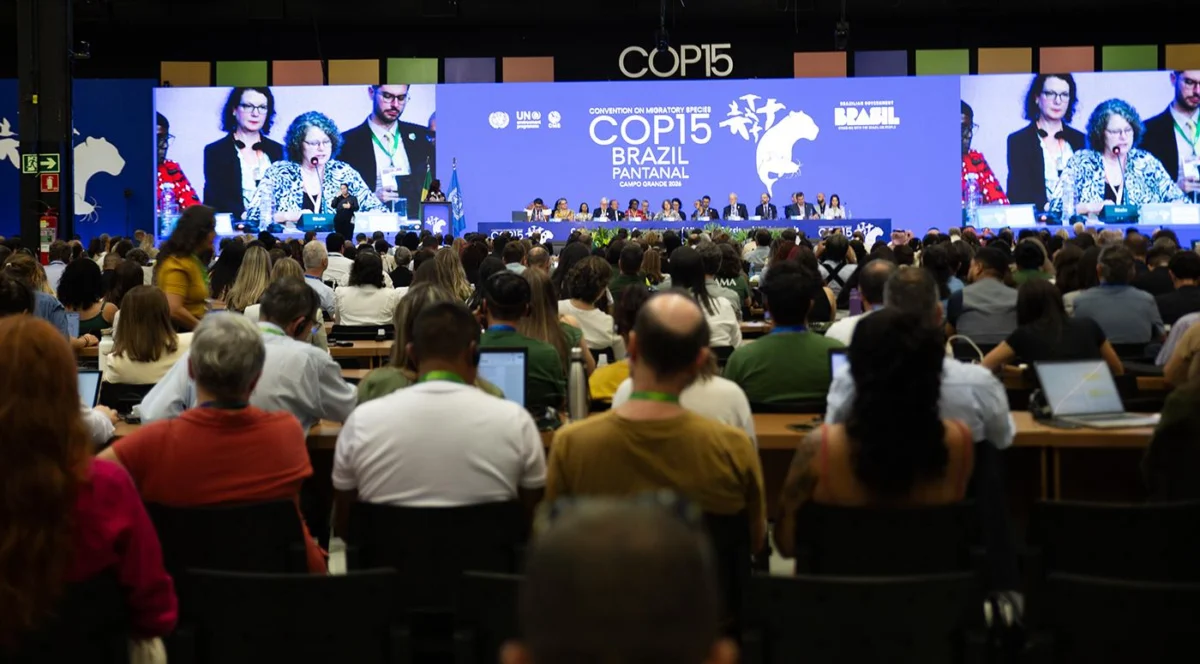
The 15th Conference of the Parties (COP15) to the Convention on Migratory Species (CMS), held in Campo Grande, Brazil, concluded on March 25, 2026, with a resounding affirmation of the pivotal role wetlands and freshwater systems play in global biodiversity conservation. The adoption of the "Pantanal Declaration" during the High-Level Segment marked a significant achievement, underscoring the critical functions of these vital ecosystems for climate regulation, water security, community livelihoods, and, crucially, as essential resting, feeding, breeding, and connectivity sites for migratory species. The conference, hosted on the doorstep of the world’s largest tropical wetland, the Pantanal, saw delegates from across the globe commit to enhanced international cooperation and strengthened conservation efforts.
The COP culminated in the approval of all proposed resolutions, decisions, and amendments to the Appendices by consensus. Key outcomes included prioritized scientific research and collaborative initiatives addressing deep-sea mining, freshwater ecosystems, marine flyways, and measures to mitigate vessel strikes on vulnerable whale populations. A notable outcome was the addition of 40 species, subspecies, and populations to the CMS Appendices, a list that includes species of high conservation priority such as the Lesser Yellowlegs, Hudsonian Godwit, Hudsonian Whimbrel, and the Giant Otter, reflecting a growing global recognition of the threats facing these traveling wildlife. Looking ahead, Germany announced its commitment to host COP16 in 2029, coinciding with the 50th anniversary of CMS, which will be celebrated in Bonn, its birthplace. Delegates characterized COP15 as a testament to "science-driven multilateral decision-making" and a reaffirmation of the commitment to protect migratory species and their habitats amidst complex geopolitical and environmental challenges.
The Pantanal Declaration: A Landmark Commitment
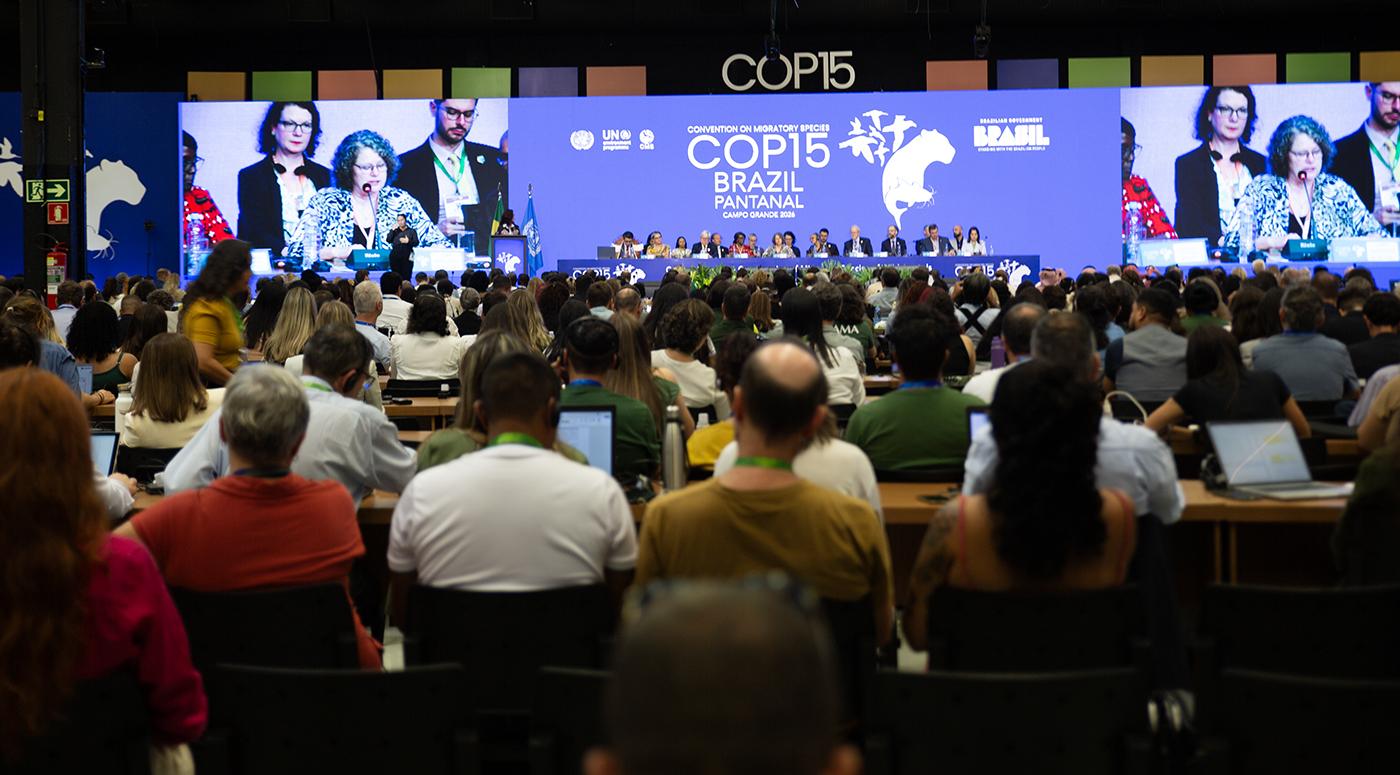
The adoption of the Pantanal Declaration at the outset of COP15 set a crucial tone for the entire conference. The declaration explicitly recognizes "the central role of wetlands and freshwater systems in biodiversity conservation, climate regulation, water security, and communities’ livelihoods, and that they constitute critical sites for resting, feeding, breeding and connectivity along migratory routes." This statement, originating from the High-Level Segment of CMS COP15, elevates the importance of these ecosystems from regional to global conservation agendas. The Pantanal, a UNESCO World Heritage site renowned for its extraordinary biodiversity and immense ecological connectivity, served as a potent symbol of the interconnectedness of habitats that migratory species rely upon. Its inclusion in the declaration underscores the understanding that protecting these species necessitates a holistic approach to landscape-level conservation, emphasizing the vital role of intact and functional wetland ecosystems.
A Successful Conclusion and a Look Towards the Future

The final day of COP15 witnessed the successful conclusion of negotiations, with all agenda items reaching consensus. The plenary sessions affirmed the collaborative spirit and dedication of the participating nations. The resolutions passed address a wide array of pressing issues, from the intricate challenges posed by deep-sea mining to the urgent need for enhanced protection of freshwater biodiversity and the establishment of robust marine flyway conservation strategies. The commitment to reducing vessel strikes on whales, a significant threat to many marine mammal populations, also received strong endorsement.
The addition of 40 new species to the CMS Appendices highlights the ongoing efforts to identify and protect species facing critical threats. The inclusion of species like the Lesser Yellowlegs and Hudsonian Godwit, which undertake arduous migrations across continents, underscores the transboundary nature of conservation challenges and the necessity for international cooperation. The foresight in recognizing these species signals a proactive approach to averting further population declines and potential extinctions.
The announcement that Germany will host COP16 in 2029 in Bonn, the city where CMS was established, provides a sense of continuity and reinforces the enduring legacy of the convention. This future gathering will mark a significant milestone, allowing for a comprehensive review of progress and a recalibration of strategies for the subsequent five years.
A "Happy COP" for Migratory Species
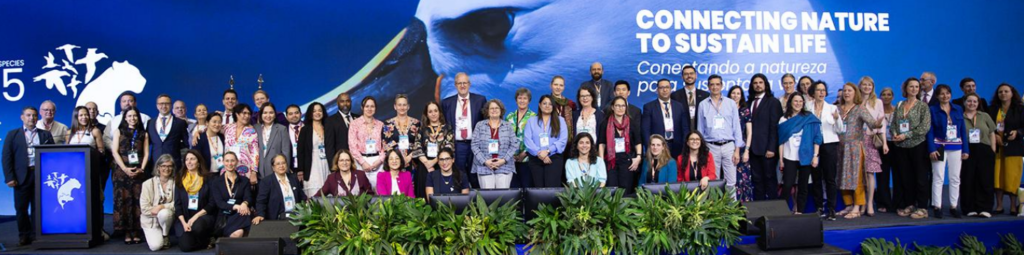
Throughout the conference, a palpable sense of optimism and productive collaboration pervaded the proceedings. Delegates frequently referred to COP15 as a "happy COP," a sentiment attributed to the smooth progression of negotiations and the shared commitment to the conservation of migratory species. This positive atmosphere is crucial for tackling the multifaceted environmental and geopolitical crises that threaten wildlife. The emphasis on science-driven decision-making and multilateral cooperation provides a robust framework for addressing these complex challenges.
The Power of Connectivity: Insights from the COP President
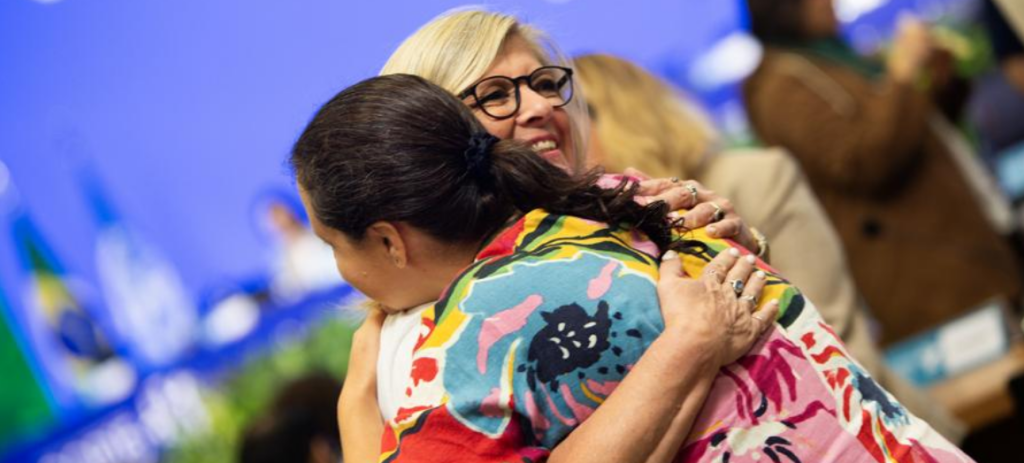
Joao Paulo Capobianco, the COP15 President and Executive Secretary of Brazil’s Ministry of the Environment and Climate Change, delivered a powerful closing address that resonated with the core themes of the conference. He eloquently articulated the interconnectedness of the planet, stating, "From the Pantanal to the Arctic, from the oceans to the savannas, migratory species connect our planet in ways no political map ever could. They remind us that ecological integrity depends on continuity on flows that must remain alive, uninterrupted, and resilient. And this is precisely what is at stake."
Capobianco’s emphasis on "connectivity" as the linchpin of ecological survival was particularly impactful. He asserted, "Connectivity is not an abstract concept. It is the difference between survival and collapse. Between ecosystems that function and those that fail. To protect migratory routes, ecological corridors, and critical habitats is to protect the very fabric of life on Earth." His words served as a potent reminder that the fate of migratory species is intrinsically linked to the health of the planet and the well-being of humanity.
Chronology of Key Events and Discussions
Day 5 & 6: Negotiations Reach a Successful Climax
The concluding days of COP15 were characterized by intense negotiations as working groups finalized their recommendations and forwarded them to the plenary for adoption. Discussions revolved around the finer details of policy implementation, scientific research priorities, and financial mechanisms for conservation. The smooth flow of these deliberations contributed to the overall positive atmosphere, solidifying the perception of COP15 as a highly successful meeting. The outcomes of these final sessions included the formal adoption of resolutions on crucial issues such as the conservation of freshwater ecosystems, the reduction of threats to marine mammals, and the enhancement of flyway conservation efforts.
Day 4: Wetlands International Takes Center Stage
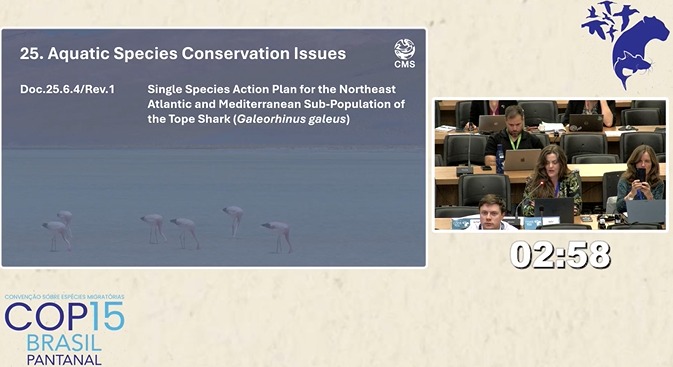
Mid-COP, the focus sharpened on specific conservation initiatives, with Wetlands International playing a prominent role. A significant achievement was the presentation and forwarding of the "Single Species Action Plan for the Northeast Atlantic and Mediterranean Sub-Population of the Tope Shark (Galeorhinus galeus)" to the COP plenary. Irene Kingma, representing the Dutch Elasmobranch Society and supported by Wetlands International, championed this vital initiative, highlighting the urgent need for coordinated conservation efforts for this vulnerable shark species.
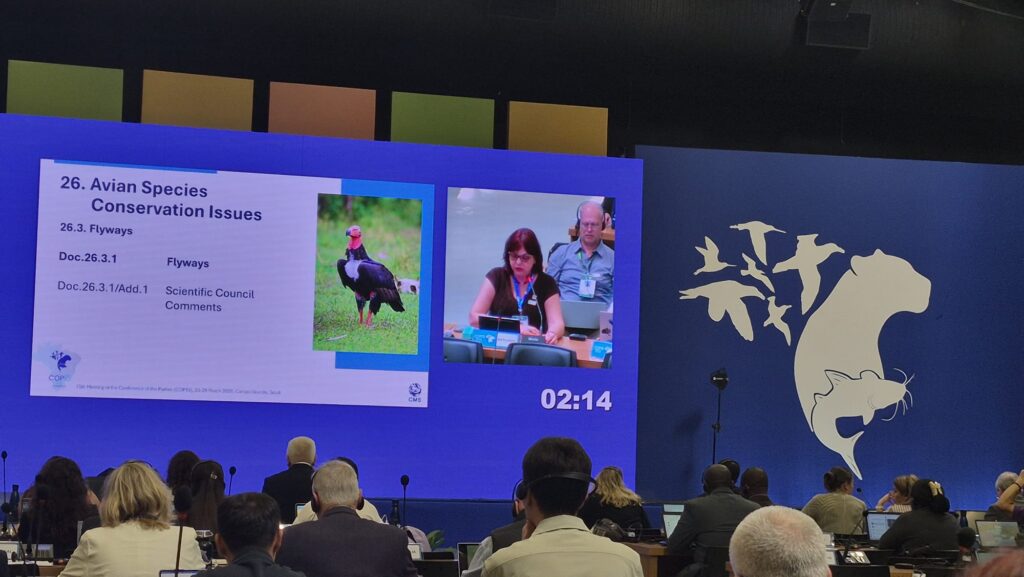
Furthermore, Wetlands International actively engaged in discussions surrounding flyways, a key priority for the organization. Rafaela Nicola, Director of Wetlands International Brazil, delivered an intervention from the floor, emphasizing the critical role of flyway expertise and a "flyway and swimway" approach to addressing cross-cutting issues like renewable energy development and ecological connectivity. Nicola highlighted the importance of data sources such as the International Waterbird Census and the newly established Global Waterbird Estimates Partnership in informing effective flyway conservation strategies. The organization’s advocacy also extended to supporting the "Multi-species Action Plan for Amazonian Migratory Catfish," further demonstrating its commitment to freshwater biodiversity.
Day 3: Wetland Governance and Fire Management in the Spotlight
The third day of COP15 saw delegates delving into complex agenda items within the Committee of the Whole (CoW), a critical body for reviewing and adopting resolutions. While discussions on deep-sea mining dominated much of the day, attention was also given to a draft decision on freshwater fish, which received strong support from Wetlands International and its partners.
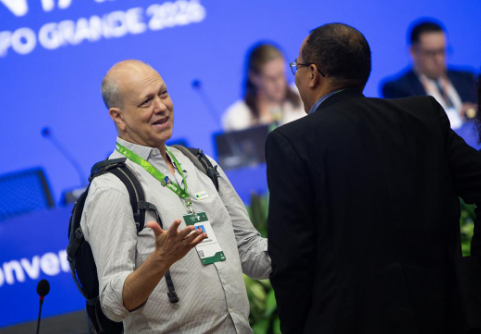
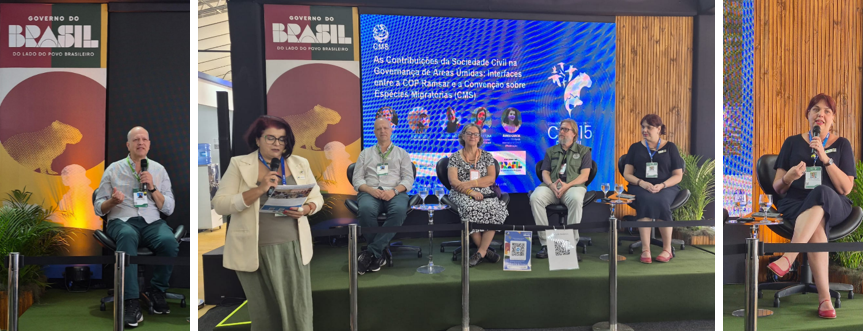
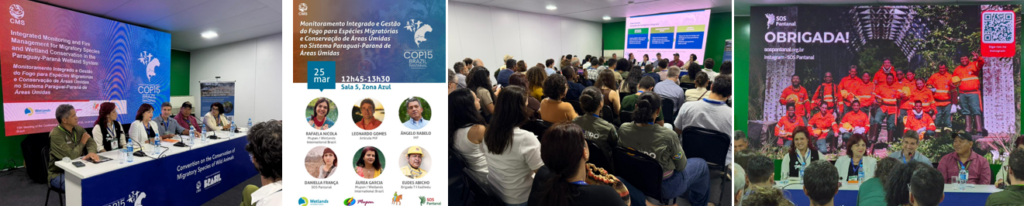
Beyond the plenary debates, Wetlands International organized and co-hosted pivotal side events that brought together diverse stakeholders. A key session focused on wetland governance, co-hosted with Mupan, the Ministry of Environment and Climate Change of Brazil, and CEMAVE/ICMBio. This event underscored the power of collaboration between civil society, scientists, and governments in strengthening ecological connectivity and protecting migratory species within the Paraguay-Paraná river and wetland system. Rafaela Nicola emphasized the significance of reactivating Brazil’s National Wetlands Committee as a crucial step in aligning national efforts with global commitments.
Another critical side event centered on fire management in the Pantanal, bringing together various perspectives on prevention, response, and ecosystem resilience. The session featured invaluable input from Indigenous leadership, including Chief Eudes Abicho from the Kadiwéu Territory, who highlighted the importance of traditional knowledge and frontline experience in addressing fire challenges. Áurea Garcia, General Director of Mupan and Policy Coordinator at Wetlands International Brazil, stressed the need for integrated responses that combine local knowledge, science, and coordinated action to combat the increasing frequency and intensity of fires in the Pantanal, noting that lessons learned in the territory could inform global wetland conservation strategies.
Day 2: The Alarming Decline of Migratory Freshwater Fish
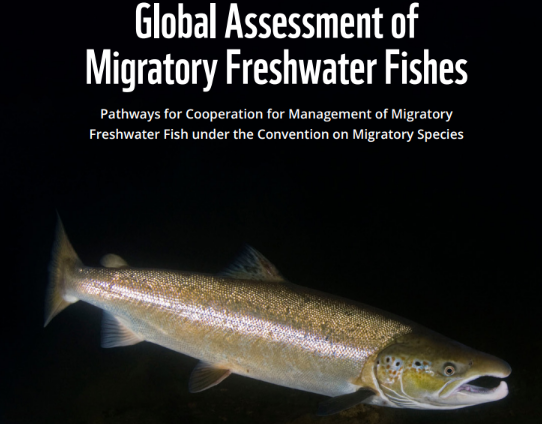
The second day of COP15 began with a stark report on the critical state of migratory freshwater fish. A new CMS study revealed that some of the world’s longest and most significant freshwater fish migrations are rapidly collapsing. The "Global Assessment of Migratory Freshwater Fishes" identified 325 species as candidates for coordinated international conservation efforts, highlighting an overlooked biodiversity crisis in the planet’s shared river basins. These species are facing accelerating declines due to dam construction, habitat fragmentation, pollution, overfishing, and climate change impacts.
The report indicates that migratory freshwater fish populations have declined by an alarming 81% since 1970. Coenraad Krijger, CEO of Wetlands International, issued an urgent call to action, stating, "Migratory freshwater fish populations are in freefall: declining 81% since 1970. We need to accelerate efforts to safeguard their Swimways and invest in the conservation of these species, which are critical to communities and ecosystems across the globe. This is why migratory fishes are one of the priorities in Wetlands International’s new 10-year strategy." Despite the grim findings, the assessment also serves as a powerful call to action for COP15 Parties, providing clear recommendations for protecting and restoring rivers to safeguard migratory routes.
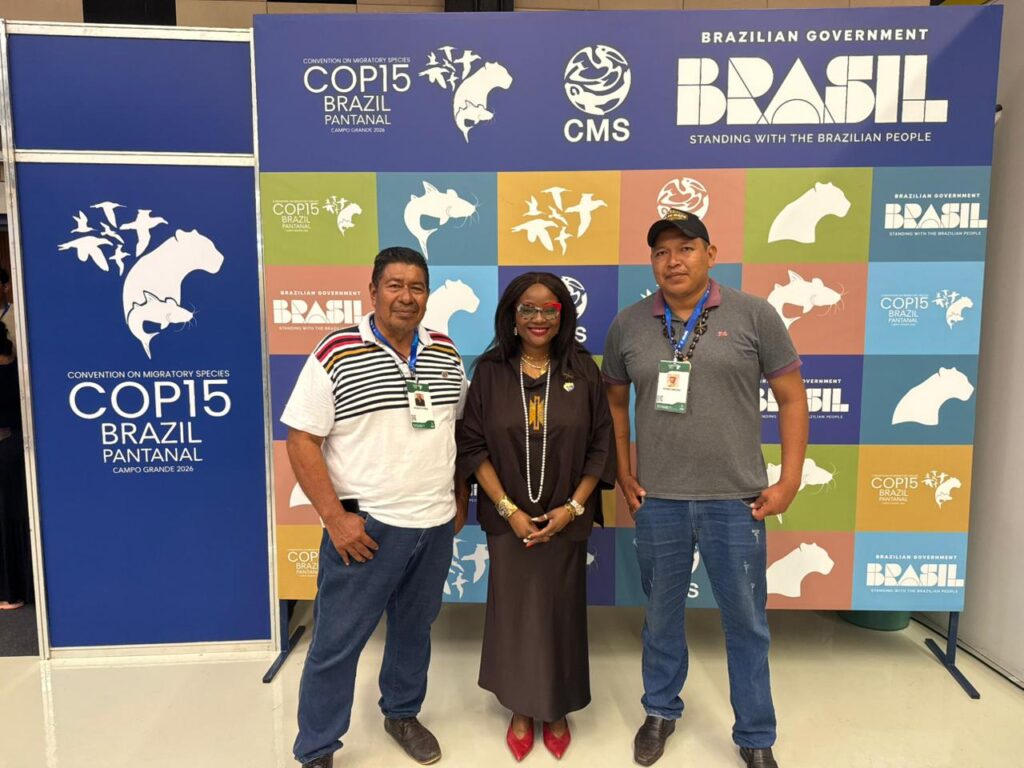
During the day’s negotiations, the COP progressed through its agenda, though concerns were raised about items being deferred to a cross-cutting issues working group, potentially leading to an overloaded final agenda. The Wetlands International delegation actively engaged in corridor discussions and participated in events, including facilitating a crucial meeting between Indigenous leaders from the Kadiwéu Territory and Dr. Musonda Mumba, the Ramsar Secretary General.
Day 1: The Pantanal Takes Center Stage at COP15 Opening
COP15 commenced on March 23, 2026, in Campo Grande, Brazil, strategically positioned near the Pantanal, a globally significant wetland and a flagship landscape for Wetlands International. The host nation’s commitment was immediately evident with the adoption of the Pantanal Declaration during the High-Level segment. This declaration emphasized the critical need for maintaining, enhancing, and restoring ecological connectivity across terrestrial, freshwater, and marine ecosystems, particularly through wetlands and other key habitats along migratory routes, to ensure the survival and sustainability of migratory species and their habitats.
Brazil’s Minister of Environment and Climate Change, Marina Silva, highlighted the significance of hosting COP15 in this iconic region, underscoring its vital role for migratory species and overall biodiversity. She urged delegates to take decisive actions to ensure the continued movement of migratory species across borders, recognizing their intrinsic value and their contribution to human well-being. Minister Silva also emphasized the COP as an opportunity to "rekindle the light of multilateralism," a sentiment crucial for reversing the ongoing loss of migratory species.
Amy Fraenkel, CMS Executive Secretary, presented the interim State of the World’s Migratory Species report, detailing current extinction risks and population declines, and called for intensified cross-border cooperation to achieve the Convention’s objectives. During a high-level panel, Dr. Musonda Mumba, Ramsar Secretary General, made a compelling appeal for increased investment in wetland protection and restoration. She later met with the Wetlands International delegation to discuss strengthening international cooperation around the Paraguay-Paraná Wetland System and advancing the Ramsar Regional Initiative. Rafaela Nicola highlighted the strategic importance of this region for wetland conservation and migratory species, emphasizing the need to connect local actions in the Pantanal with global decision-making on biodiversity and climate.
Wetlands International’s Active Engagement
Throughout COP15, Wetlands International’s delegation was actively engaged in advocacy, participating in numerous events, and contributing to crucial discussions. The organization opened a photo exhibition titled "Pantanal: Landscapes and lives in motion," featuring striking images that showcase the Pantanal as a dynamic territory shaped by water, fire, and human interaction. The exhibition highlighted the biome’s remarkable biodiversity, estimated to host over 4,700 species, and emphasized the integral role of Indigenous Peoples and local communities in its protection. Alen Keller de Oliveira Gomes, Administrative and Financial Director of Mupan, noted that the exhibition served as an invitation to understand the Pantanal as a territory of people, knowledge, and active protection, connecting local realities with global debates on biodiversity and climate.
The collective efforts and outcomes of CMS COP15, particularly the strong endorsement of wetlands’ role in migratory species conservation through the Pantanal Declaration, signal a significant step forward in global environmental policy. The successful conclusion of the conference and the commitments made by participating nations offer a renewed sense of hope for the future of the world’s most vulnerable and peripatetic wildlife.
