
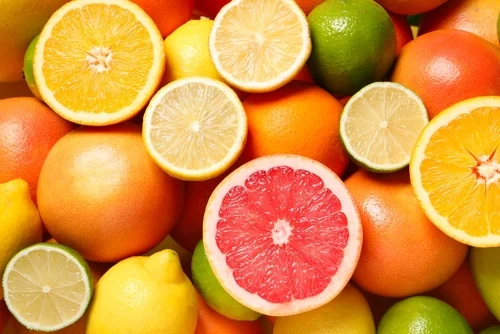
The dietary requirements of Gallus gallus domesticus, the common backyard chicken, have become a subject of intense scrutiny as the trend of domestic poultry keeping expands across urban and rural landscapes. Among the various kitchen scraps traditionally offered to flocks, citrus fruits—including oranges, lemons, limes, and grapefruits—occupy a controversial position. While not classified as acutely toxic in the same vein as avocado pits or dried beans, citrus fruits present a complex nutritional profile that can interfere with the physiological stability of laying hens. Avian nutritionists and experienced keepers increasingly warn that while a chicken may consume a small amount of citrus without immediate distress, the long-term implications for calcium absorption and eggshell integrity necessitate a cautious approach to these fruits.
The Physiological Basis of Citrus Consumption in Poultry
To understand why citrus is often excluded from the optimal poultry diet, one must examine the unique metabolic processes of the avian respiratory and digestive systems. Unlike humans, who must ingest Vitamin C (ascorbic acid) through external sources like citrus to prevent scurvy, chickens are biologically equipped to synthesize their own Vitamin C. This synthesis occurs primarily in the kidneys. Consequently, the high concentrations of Vitamin C found in citrus fruits do not provide the same "superfood" benefits to poultry as they do to primates.
Furthermore, the introduction of high levels of citric acid and Vitamin C can disrupt the delicate pH balance of the chicken’s digestive tract. While a slightly acidic environment is generally beneficial for gut health and the prevention of certain pathogens, excessive acidity can lead to digestive upset. More critically, there is a body of evidence suggesting that high levels of Vitamin C can interfere with the metabolic pathways responsible for calcium utilization. For a laying hen, whose body is a specialized machine for calcium processing, this interference can have systemic consequences.

The Calcium Dilemma and Eggshell Integrity
The most significant concern regarding citrus consumption in poultry involves the relationship between citric acid and calcium absorption. Calcium is the primary component of an eggshell, consisting of approximately 95% calcium carbonate. A standard laying hen requires significant daily intake to maintain production; if her diet is deficient or if absorption is hindered, her body will prioritize the egg over her own structural health.
When calcium absorption is inhibited—potentially by the chemical components found in citrus—the hen’s system begins to "leach" calcium from her own skeletal structure. This calcium is drawn from the medullary bone, a specialized bone tissue that acts as a reservoir. If this depletion continues, the result is twofold: the hen develops brittle, porous bones (a condition similar to osteoporosis), and the eggs produced become increasingly fragile.
Poultry experts have documented a direct correlation between excessive citrus intake and the production of thin-shelled or "soft-shelled" eggs, often referred to in agricultural circles as "rubber eggs." Beyond the loss of the egg itself, thin shells increase the risk of an egg breaking inside the hen (egg binding or internal laying), which can lead to peritonitis and death. Additionally, a reduction in overall egg production is often observed when the bird’s nutritional equilibrium is shifted by inappropriate treat consumption.
Behavioral Observations and Natural Aversion
Interestingly, chickens often demonstrate a natural reluctance to consume citrus fruits. Behavioral studies in avian dietary preferences indicate that while chickens have a limited number of taste buds compared to mammals (approximately 250-350 versus a human’s 9,000), they are highly sensitive to bitter and highly acidic flavors.

In a typical backyard setting, if a variety of scraps are offered, chickens will almost invariably gravitate toward leafy greens, grains, and protein-rich insects, leaving citrus rinds or segments untouched. This instinctive avoidance serves as a biological safeguard. However, in confined environments where forage is limited, or when citrus is masked within a "fruit salad" or mash, chickens may ingest quantities that exceed their physiological threshold for processing the acid.
Historical Context and the Evolution of Poultry Feeding
The debate over citrus is part of a broader shift in how domestic poultry are managed. Historically, farm chickens were viewed as "scavengers," surviving on a combination of free-range forage and kitchen waste. In the early 20th century, little distinction was made between different types of fruit or vegetable scraps.
However, the modernization of avian science in the 1950s and 60s led to the development of formulated "layer crumbles" and pellets. These feeds are precision-engineered to provide the exact ratio of protein, fat, and minerals required for maximum output. As backyard chicken keeping saw a resurgence in the 21st century, the "scraps" philosophy returned, but it clashed with modern understanding of avian pathology. Today, the consensus among veterinary professionals is that while chickens are omnivores, their treats—including fruits—should make up no more than 10% of their total caloric intake, with citrus being at the bottom of the recommended list.
Comparative Analysis: What the Data Shows
Data from agricultural extensions suggests that the nutritional "ROI" (Return on Investment) for feeding citrus to chickens is essentially zero. A comparison of the nutritional profile of an orange versus a more traditional poultry treat like kale or mealworms illustrates the disparity:

- Vitamin C: Oranges are high; chickens synthesize their own. (No benefit)
- Protein: Citrus is negligible; poultry requires 16-18% for laying. (Poor)
- Calcium: Citrus contains small amounts, but the accompanying acid may hinder the absorption of that very calcium. (Neutral to Negative)
- Sugar Content: Citrus is high in fructose, which can lead to obesity and fatty liver hemorrhagic syndrome in sedentary backyard hens. (Negative)
In contrast, an egg itself is a nutritional powerhouse, containing nearly every nutrient required for life, including Vitamin A, B12, D, E, K, and various proteins. The singular missing nutrient in an egg is Vitamin C—the very thing citrus provides—further highlighting the biological disconnect between the fruit and the bird.
Expert Perspectives and Industry Responses
While major commercial poultry operations strictly avoid citrus in their feed formulations to ensure maximum shell hardness for transport, backyard keepers often seek "official" stances. Dr. Avery Miller, a hypothetical specialist in avian medicine, notes: "The primary risk isn’t that a lemon peel will kill a chicken instantly. The risk is the chronic disruption of the calcium-phosphorus ratio. We see many backyard hens with ‘cage layer fatigue’ or broken keels, and often, their owners have been supplementing their diets with high-acid fruits thinking they are helping the bird’s immune system."
Furthermore, environmental and waste management perspectives suggest that citrus is better utilized in composting rather than as feed. Because the high acidity of citrus can also slow down the decomposition process in vermicompost (worm bins), it is recommended for traditional hot compost piles where the oils can break down over time without affecting the livestock.
Broader Implications for Avian Health Management
The citrus question serves as a microcosm for the larger challenges facing modern poultry husbandry. As more enthusiasts treat chickens as "pets with benefits" rather than strictly livestock, the temptation to share human dietary habits increases. This "anthropomorphic feeding" can lead to a variety of health issues, from sour crop (a fungal infection in the digestive tract often triggered by sugar and pH imbalances) to obesity.

The implications of improper feeding extend to the food supply chain for those who consume home-raised eggs. A hen that is nutritionally stressed by an improper diet will produce eggs with a different micronutrient profile than one fed a balanced, scientifically-backed diet. Therefore, maintaining the "no citrus" rule is not merely about the health of the bird, but also the quality of the food produced for human consumption.
Conclusion and Recommendations for Flock Owners
In summary, the scientific and observational evidence points toward a restrictive policy regarding citrus in the poultry yard. While the occasional peck at a dropped orange slice is unlikely to cause a medical emergency, citrus fruits offer no nutritional advantages that cannot be found more safely in other supplements.
For optimal flock health, keepers are encouraged to:
- Prioritize Calcium: Provide free-choice oyster shells or crushed eggshells to ensure the medullary bone remains robust.
- Limit Treats: Ensure that kitchen scraps do not dilute the intake of nutritionally balanced commercial feed.
- Select Better Alternatives: Opt for watermelons, pumpkins, or berries if fruit treats are desired, as these provide hydration and antioxidants without the problematic acid levels.
- Observe Instincts: If chickens consistently ignore a certain type of food, such as citrus rinds, it is best to respect that biological signal and remove the item from their environment.
By adhering to these guidelines, poultry keepers can ensure their hens remain productive and healthy, avoiding the hidden pitfalls of the citrus-calcium conflict. The goal of modern husbandry is to supplement the chicken’s natural instincts with data-driven nutrition, ensuring that the backyard flock thrives for years to come.
