
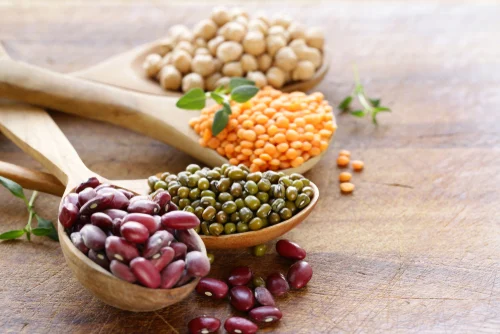
The growing movement toward backyard poultry farming has brought a renewed focus on avian nutrition and the safety of supplemental feeding. While many kitchen scraps are beneficial for chickens, providing a cost-effective way to diversify their diet, certain common pantry staples harbor hidden biological threats. Among the most dangerous of these are raw, dried beans. These legumes contain a potent toxin known as phytohaemagglutinin (PHA), a type of lectin that serves as a natural insecticide for the plant but can be fatal to birds and harmful to humans if not properly neutralized through heat.
The primary concern for poultry keepers is the concentration of this toxin. Scientific analysis reveals that even a minute quantity of raw beans can lead to rapid physiological decline in chickens. Experts warn that as few as three or four raw kidney beans can cause death in an adult bird within a short window of time. Understanding the biochemical nature of this threat, the symptoms of poisoning, and the rigorous preparation methods required to render legumes safe is essential for maintaining a healthy flock.
The Biochemical Profile of Phytohaemagglutinin
Phytohaemagglutinin is a sugar-binding protein, or lectin, found in high concentrations in the seeds of many legumes. In nature, PHA functions as a defense mechanism, protecting the seeds from being consumed by insects and certain pathogens. While many plants contain lectins, the specific variety found in beans—particularly the Phaseolus vulgaris species, which includes kidney beans, navy beans, and pinto beans—is notably toxic to monogastric animals and birds.

The toxicity of PHA is measured in hemagglutinating units (hau). Raw red kidney beans can contain anywhere from 20,000 to 70,000 hau. To put this in perspective, fully cooked beans typically contain only 200 to 400 hau, a level that is generally considered safe for consumption. The toxin works by binding to the carbohydrate portions of the proteins on the surface of the epithelial cells lining the small intestine. This binding interferes with the absorption of nutrients and disrupts the cellular integrity of the digestive tract, leading to acute systemic distress.
The Biological Impact on Avian Systems
Chickens are particularly vulnerable to PHA poisoning due to their relatively small body mass and rapid metabolic rates. When a chicken ingests a raw, dried bean, the toxin immediately begins to interact with the lining of the digestive system. Because the bean is dried and hard, the bird’s gizzard attempts to grind it down, which actually facilitates the release of the toxin into the digestive tract.
The symptoms of lectin poisoning in poultry are often sudden and severe. Initial signs include a noticeable decrease in activity and a ruffled appearance. As the toxin binds to the intestinal walls, the bird may experience extreme gastrointestinal distress, manifesting as severe diarrhea and a loss of appetite. In many cases, the damage to the intestinal lining is so rapid that the bird cannot recover. Unlike humans, who may experience intense vomiting and nausea before recovering, the avian digestive system is less equipped to expel toxins quickly, often leading to a fatal outcome within 24 to 48 hours of ingestion.
Chronology of Ingestion and Symptom Progression
The timeline from ingestion to fatality can be alarmingly short. Poultry experts have documented the following general progression of PHA toxicity in backyard flocks:

- Ingestion (0–2 Hours): The chicken consumes the raw beans, often mistaken for high-protein treats or found in spilled garden supplies.
- Early Reaction (2–6 Hours): The toxin begins binding to the intestinal villi. The bird may become lethargic and withdraw from the flock.
- Acute Phase (6–12 Hours): Digestive disruption peaks. Owners may observe watery or discolored droppings. The bird’s crop may feel impacted or slow to empty as the digestive process halts.
- Critical Decline (12–24 Hours): Systemic shock sets in due to nutrient malabsorption and fluid loss. The bird may lose the ability to stand or hold its head up.
- Fatality (24–48 Hours): In cases where a lethal dose (3–4 beans) was consumed, the bird typically expires due to organ failure or extreme dehydration.
Identifying High-Risk Legumes
While all raw dried beans should be treated with caution, the concentration of phytohaemagglutinin varies across different varieties. Red kidney beans are the most notorious, containing the highest levels of the toxin. However, other legumes also pose significant risks:
- Red Kidney Beans: Highest PHA concentration; most dangerous.
- White Kidney Beans (Cannellini): Contain about one-third the toxin of the red variety but are still lethal in raw form.
- Broad Beans (Fava Beans): Contain lectins as well as vicine and convicine, which can cause favism, another form of toxicity.
- Pinto and Navy Beans: Moderate to high levels of PHA.
- Soybeans: Contain trypsin inhibitors and lectins that must be neutralized by heat.
Conversely, some legumes are naturally lower in these specific toxins. Fresh green beans, lima beans, and peas are generally considered safe for chickens to consume raw, as they are harvested in a succulent state before the seeds have matured and developed high concentrations of dried lectins.
Safe Preparation: The Science of Neutralizing Toxins
The risk associated with dried beans does not mean they must be excluded from a chicken’s diet entirely. Legumes are an excellent source of vegetable protein, fiber, and essential minerals. However, the preparation process must be meticulous to ensure the PHA is completely destroyed.
The only effective way to neutralize PHA is through sustained, high-heat cooking. The following protocol is recommended by agricultural experts and veterinarians:

- Soaking: Dried beans must be soaked in water for at least 12 to 15 hours. This begins the rehydration process and allows some of the surface lectins to dissolve.
- Draining and Rinsing: The soaking water must be discarded, as it contains leached toxins. The beans should be rinsed thoroughly under fresh, running water.
- Boiling: This is the most critical step. The beans must be placed in fresh water and brought to a rolling boil (212°F or 100°C). They must remain at this temperature for at least 10 to 30 minutes.
- Simmering: After the initial hard boil, the beans can be simmered until tender.
- Cooling: Once fully cooked, the beans must be cooled to room temperature before being offered to the flock to prevent thermal burns to the birds’ crops.
It is important to note that slow cookers (crock-pots) are often insufficient for neutralizing PHA. Many slow cookers do not reach the necessary boiling temperature quickly enough, and some may only reach internal temperatures of 170°F to 180°F. Research has shown that heating beans to these lower temperatures can actually increase the toxicity of the PHA, making them more dangerous than if they were left raw.
Sprouting and Canned Alternatives
Sprouting is often cited as a way to increase the nutritional profile of seeds and grains. While sprouting can reduce the levels of hemagglutinin in some bean varieties, it is not a foolproof method for all. For instance, kidney beans retain significant toxicity even after sprouting. Therefore, the safest practice is to boil any bean that has been stored in a dried state, regardless of whether it has been sprouted.
Canned beans offer a convenient and safe alternative for poultry owners. Because the commercial canning process involves high-pressure steam and high temperatures, the toxins are effectively neutralized before the product reaches the shelf. However, canned beans are often packed in a brine high in sodium. Excessive salt intake can lead to kidney damage and electrolyte imbalances in chickens. Owners should thoroughly rinse canned beans in a colander to remove excess salt and additives before feeding them to their birds.
Broader Implications for Backyard Poultry Management
The danger of raw beans highlights a larger issue within the backyard chicken community: the misconception that all "natural" or "farm-fresh" foods are inherently safe. As more households turn to chickens for egg production and pest control, the reliance on kitchen scraps as a primary food source has increased. This necessitates a higher level of education regarding avian-specific toxins.

Veterinary toxicologists point out that chickens have a different physiological response to certain compounds than humans or even other livestock. For example, while humans can tolerate small amounts of theavocado toxin persin or the theobromine in chocolate, these can be fatal to poultry. The raw bean issue serves as a primary example of why "table scrap feeding" must be managed with scientific rigor rather than guesswork.
Expert Recommendations and Conclusion
Agricultural extensions and poultry experts suggest a "safety-first" approach to supplemental feeding. To ensure the health of a flock, owners should adhere to the following guidelines:
- Avoid Raw Legumes: Never allow chickens access to garden areas where beans are being dried or stored.
- Verify Cooking Temperatures: Ensure all beans are boiled at 212°F; avoid using low-heat slow cookers for bean preparation.
- Moderation is Key: Even safe treats like cooked beans or rinsed canned beans should not exceed 10% of a chicken’s total daily caloric intake. The majority of their diet should consist of a nutritionally balanced commercial poultry feed.
- Monitor the Flock: If accidental ingestion occurs, contact a veterinarian immediately. While treatment options for PHA poisoning are limited, supportive care such as hydration and activated charcoal may be attempted in some cases.
In conclusion, while the image of a farm chicken pecking at various garden offerings is idyllic, the reality of avian nutrition requires careful oversight. Raw, dried beans represent a significant biological hazard that can turn a healthy flock into a casualty of a preventable mistake. By understanding the chemical nature of phytohaemagglutinin and committing to safe preparation practices, poultry keepers can provide their birds with the nutritional benefits of legumes without the lethal risks.
