
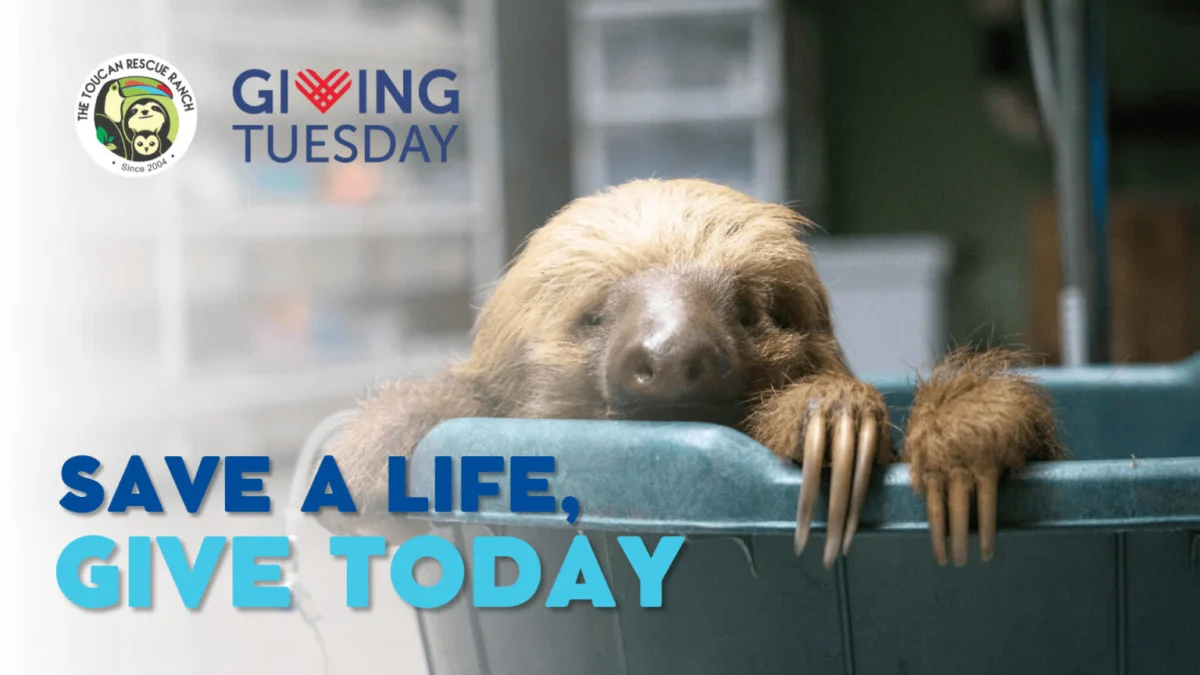
The Toucan Rescue Ranch (TRR), a prominent wildlife conservation organization based in Costa Rica, has announced a critical fundraising initiative in conjunction with Giving Tuesday to address an unprecedented surge in wildlife emergencies. After two decades of operation, the sanctuary reports that 2024 is on track to become its most challenging year to date, with animal admissions already surpassing the total figures recorded for the entirety of 2023. As a small, donor-funded nonprofit, the organization is appealing to the global community to help secure $8,000 in immediate funding to sustain its rescue, rehabilitation, and rewilding programs.
A Record-Breaking Year for Wildlife Admissions
The Toucan Rescue Ranch has reached a pivotal juncture in its 20-year history. Statistics released by the organization indicate an alarming upward trend in the number of vulnerable animals requiring professional intervention. In 2023, the facility treated over 400 animals, a figure that was considered high at the time. However, by July 2024, the ranch had already exceeded that annual total.
This surge in admissions places an immense strain on the facility’s resources, staff, and medical supplies. The organization operates as a 24/7 wildlife hospital and rehabilitation center, meaning that every new admission requires immediate triage, specialized nutrition, and long-term care plans. The current trajectory suggests that 2024 will conclude with the highest volume of wildlife emergencies the sanctuary has ever managed, necessitating a doubling of efforts to maintain the high standard of care required for successful rewilding.
The Root Causes: Human-Wildlife Conflict in Costa Rica
The increase in wildlife emergencies is not a random occurrence but is deeply rooted in escalating human-wildlife conflicts. As Costa Rica continues to develop its infrastructure and tourism sectors, the natural habitats of native species are increasingly fragmented. The Toucan Rescue Ranch identifies three primary drivers behind the current crisis: electrocutions, vehicular accidents, and the illegal pet trade.
Electrocution remains one of the most devastating threats to Costa Rica’s arboreal wildlife, such as sloths, monkeys, and anteaters. As these animals navigate through fragmented forests, they often mistake uninsulated power lines for tree branches. The resulting injuries are frequently catastrophic, requiring complex surgeries and months of intensive care.
Vehicular accidents are another significant factor, particularly in areas where highways bisect biological corridors. As wildlife attempts to cross roads to reach food sources or mates, they are often struck by high-speed traffic. Furthermore, despite strict national laws, the illegal pet trade continues to impact local biodiversity. Animals confiscated from domestic settings often arrive at the ranch with nutritional deficiencies, behavioral issues, and physical trauma, requiring specialized psychological and physical rehabilitation before they can be considered for release.
The Crisis of Wildlife Orphans
One of the most poignant statistics highlighted by the Toucan Rescue Ranch is that 41.8% of the animals currently in their care are orphans. These young animals, ranging from infant sloths to fledgling owls and toucans, are often the survivors of incidents that claimed the lives of their mothers.
Caring for wildlife orphans is one of the most resource-intensive aspects of conservation. Unlike adult animals that may only need medical treatment for a specific injury, orphans require surrogate care that mimics the natural upbringing they would have received in the wild. This includes around-the-clock feedings, temperature-controlled environments, and a carefully managed socialization process to ensure they do not become habituated to humans. The goal for these orphans is always rewilding—equipping them with the necessary skills to survive and thrive independently in their natural habitats.
Two Decades of Evolution in Conservation
The Toucan Rescue Ranch was founded 20 years ago with a focus on rescuing toucans, but it has since evolved into a comprehensive wildlife center catering to a vast array of Costa Rican fauna. Over the past two decades, the organization has adapted its protocols to meet the changing needs of the environment.
The ranch’s mission is built on four pillars: rescue, rehabilitation, research, and rewilding. Each animal that enters the facility undergoes a rigorous assessment. The medical team works to stabilize and heal injuries, while the rehabilitation team focuses on physical therapy and instinctual training. Rewilding, the final stage, involves transitioning the animal back into a protected wilderness area. This process is often gradual, involving "soft releases" where animals are monitored in a semi-wild environment before being fully integrated back into the ecosystem.
The Role of Giving Tuesday in Global Conservation
Giving Tuesday, which follows the United States’ Thanksgiving holiday, has grown into a global movement that encourages radical generosity. For nonprofits like the Toucan Rescue Ranch, which do not receive significant government subsidies, this day is vital for financial sustainability.
The ranch’s current campaign seeks to raise $8,000 to cover the rising costs of medical supplies, specialized diets, and enclosure maintenance. In a transparent breakdown of how contributions are utilized, the organization noted that even small donations have a measurable impact. Contributions of $10, $25, $50, or $100 go directly toward the daily operations of the clinic and the specialized care required for high-needs patients. As a registered nonprofit, donations are tax-deductible, providing an incentive for international donors to support Costa Rican biodiversity.
Official Perspectives and Community Impact
While official statements from government environmental agencies emphasize the importance of private-public partnerships, organizations like the Toucan Rescue Ranch fill a critical gap in the national conservation framework. By providing a safe haven for injured wildlife, the ranch assists the Ministry of Environment and Energy (MINAE) in managing wildlife emergencies that the state may not have the capacity to handle alone.
Conservationists argue that the work performed at the ranch has implications far beyond the individual animals saved. Species like toucans and sloths play essential roles in their ecosystems. Toucans, for instance, are vital seed dispersers, helping to maintain the health and diversity of the rainforest. By rehabilitating and releasing these animals, the Toucan Rescue Ranch is actively participating in the restoration of Costa Rica’s natural heritage.
Broader Implications for Environmental Stewardship
The current crisis at the Toucan Rescue Ranch serves as a microcosm of the broader challenges facing global biodiversity. As human footprints expand, the frequency of wildlife emergencies is likely to increase. The record-breaking number of admissions in 2024 is a clear indicator that the pressure on natural systems is reaching a breaking point.
The organization’s focus on education and research is designed to address these root causes. By hosting educational programs and collaborating on scientific research, the ranch aims to foster a culture of coexistence between humans and wildlife. Understanding the patterns of electrocution or the specific paths of animal migration can lead to better urban planning, such as the installation of wildlife bridges and the insulation of power lines.
The Path Forward: Healing, Rehabilitating, and Rewilding
As the Toucan Rescue Ranch looks toward the future, its commitment to "giving the voiceless a voice" remains the core of its operations. The rewilding process is not just about returning an animal to the woods; it is about ensuring that the animal can contribute to the genetic diversity and ecological stability of its species.
The $8,000 goal for Giving Tuesday represents more than just a financial target; it represents the survival of hundreds of animals currently in the ranch’s care. The facility’s leadership emphasizes that every animal that crosses their threshold gives the team a renewed purpose. The success of the rewilding program is the ultimate metric of their work—seeing a once-injured sloth climb back into the canopy or a rescued toucan take flight in the rainforest is the "magic" the organization strives to create.
Conclusion
The Toucan Rescue Ranch stands at a critical juncture, facing an unprecedented demand for its services amidst a record-setting year of wildlife emergencies. The organization’s call for support this Giving Tuesday highlights the fragile balance between human development and wildlife preservation in one of the world’s most biodiverse regions. Through the continued generosity of global donors, the ranch aims to maintain its role as a sanctuary of hope, ensuring that Costa Rica’s native species are not just rescued and rehabilitated, but successfully returned to the wild where they belong. The outcome of this campaign will directly influence the sanctuary’s ability to navigate the challenges of 2024 and beyond, safeguarding the future of the voiceless creatures that define the natural beauty of Central America.
