
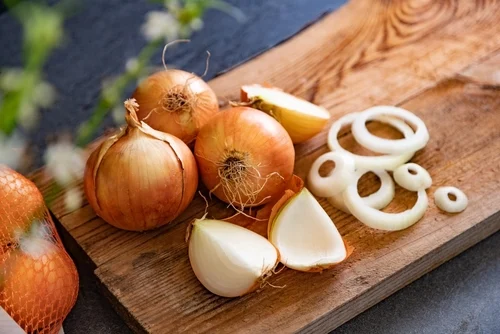
The practice of feeding kitchen scraps to backyard poultry has long been a staple of sustainable homesteading, yet modern veterinary science highlights specific dietary hazards that can compromise the health of a flock. Among the most significant of these risks is the consumption of onions, a common culinary ingredient that contains chemical compounds capable of inducing severe physiological distress in avian species. While chickens are often viewed as opportunistic omnivores, the presence of thiosulphate in onions and various related plants presents a clear and present danger to their hematological systems. Understanding the chemical interactions between the Allium family and avian biology is essential for poultry keepers aiming to maintain a healthy and productive environment.
The Chemical Mechanism of Onion Toxicity
The primary toxic agent found in onions (Allium cepa) is thiosulphate, an organosulfur compound that the avian digestive system is ill-equipped to process. When a chicken ingests onion—whether raw, cooked, or dried—the thiosulphate is absorbed into the bloodstream. Once present, it causes oxidative damage to the hemoglobin molecules within the red blood cells. This process leads to the formation of Heinz bodies, which are clumps of denatured hemoglobin that attach to the surface of the red blood cell.

The presence of Heinz bodies signals the bird’s spleen and liver to identify these cells as damaged or foreign. Consequently, the body begins to destroy these red blood cells at a rate significantly faster than the bone marrow can produce new ones. This condition, known as hemolytic anemia, results in a precipitous drop in the blood’s ability to transport oxygen to vital organs and tissues. Unlike humans, who possess specific enzymes to mitigate low-level oxidative stress from such compounds, chickens and other animals like dogs and cats are highly susceptible to this "onion-induced Heinz body anemia."
Identifying Symptoms and Clinical Progression
The clinical manifestation of onion poisoning in poultry can vary based on the quantity consumed and the size of the bird. However, the progression of symptoms generally follows a predictable pattern of systemic failure. Because the primary issue is a lack of oxygen delivery, the first signs are often behavioral and respiratory.
Initial symptoms frequently include lethargy and a noticeable decrease in activity levels. As the anemia progresses, chickens may exhibit rapid, labored breathing (polypnea) as they attempt to compensate for the reduced oxygen-carrying capacity of their blood. Physical weakness often follows, making it difficult for the birds to forage or reach nesting boxes. In severe cases, the destruction of red blood cells leads to jaundice, visible as a yellowish tint in the comb, wattles, or skin, caused by the buildup of bilirubin—a byproduct of red blood cell breakdown.

Digestive upset is also a common indicator. Diarrhea may occur as the body attempts to expel toxins, further dehydrating the bird and exacerbating the weakness caused by anemia. If the dose of thiosulphate is high enough, the condition can be fatal, leading to sudden death due to organ failure or hypoxia. Veterinary experts emphasize that even if a single ingestion does not kill the bird, chronic low-level exposure can lead to stunted growth, reduced egg production, and a permanently weakened immune system.
The Allium Family Spectrum: Onions vs. Garlic
While the entire Allium genus contains varying levels of sulfur compounds, not all members pose the same level of risk. The Allium family includes onions, shallots, leeks, chives, scallions, and garlic. Among these, the common onion contains the highest concentration of thiosulphate and is considered the most dangerous. Shallots and leeks follow closely behind, and their inclusion in poultry diets should be strictly avoided.
Garlic (Allium sativum) represents a unique case within this botanical group. While it does contain thiosulphate, the concentration is significantly lower—estimated to be only a fraction of what is found in onions. Furthermore, garlic has been studied for its potential medicinal properties in poultry management. When administered in controlled, negligible amounts, garlic is believed to support the immune system, improve respiratory health, and act as a mild natural repellent against internal parasites.

Many poultry experts, including noted author Lisa Steele of Fresh Eggs Daily, suggest that garlic powder or crushed fresh cloves can be used safely if integrated into a balanced diet. The processing of garlic into powder further reduces the volatile sulfur compounds, making it a popular additive in commercial and homemade feeds. However, the distinction remains critical: while garlic may offer benefits in moderation, onions offer no such safety margin and should be excluded entirely from the chicken coop.
Chronology of Dietary Research and Veterinary Guidelines
The understanding of avian nutrition has evolved from the mid-20th-century "farm scrap" model to a more rigorous, science-based approach. Historically, chickens were viewed as the "garbage disposals" of the farm, consuming nearly any organic waste produced by a household. However, as the backyard chicken movement grew in the early 21st century, veterinary researchers began documenting an increase in "lifestyle-related" illnesses in small flocks, leading to more specific dietary restrictions.
In the last two decades, organizations such as the American College of Veterinary Pathologists have conducted extensive studies on Heinz body anemia across species. This research has solidified the consensus that certain human foods, previously thought to be harmless, are indeed toxic. By the mid-2010s, prominent poultry health databases, such as ChickenDVM, categorized onions as a high-risk food item. Modern guidelines now emphasize that while chickens require a diverse diet, their primary nutrition should come from a formulated layer or grower feed, with treats—including vegetables—making up no more than 10% of their total intake.

Official Responses and Expert Recommendations
Veterinary professionals and poultry experts consistently advise a "better safe than sorry" approach to feeding. Dr. Brigid McCrea, a poultry specialist, has often noted that the metabolic rate of a chicken is significantly higher than that of a mammal, meaning toxins can move through their system with devastating speed. The official stance from most agricultural extension offices is that while a chicken might survive a small accidental ingestion of onion, there is no nutritional justification for intentionally providing it.
Lisa Steele, a fifth-generation chicken keeper and host of "Welcome to my Farm," has been a vocal advocate for natural but safe flock management. Her recommendations focus on the "allium nuance," where she distinguishes between the therapeutic use of garlic and the toxic nature of onions. Steele emphasizes that the health risks of onions—specifically the potential for irreversible blood damage—far outweigh any trace minerals or vitamins the vegetable might provide.
Broader Impact and Implications for Flock Management
The prohibition of onions in the poultry diet reflects a broader shift in how backyard farmers approach animal husbandry. As chickens are increasingly viewed as both productive livestock and companion animals, the standard for their care has risen. This shift has implications for how households manage food waste.

To ensure flock safety, many keepers have adopted a "dual-bucket" system for kitchen scraps: one for "chicken-safe" items like kale, watermelon, and cucumber, and another for "compost-only" items like onion skins, avocado pits, and citrus peels. This management strategy prevents accidental poisoning and ensures that the nutrients returned to the garden via compost do not pose a risk to the birds if they happen to forage in the compost pile later.
Furthermore, the onion issue highlights the importance of education for new hobbyists. As the popularity of backyard chickens continues to surge globally, the dissemination of accurate nutritional information is vital for preventing avoidable flock losses. The implication is clear: a successful poultry operation relies not just on housing and protection from predators, but on a sophisticated understanding of avian physiology and the chemical properties of the food provided to them.
Summary of Safe Alternatives
For those looking to provide their chickens with healthy treats that offer nutritional boosts without the risk of toxicity, several alternatives are widely recommended by avian nutritionists:

- Leafy Greens: Spinach, kale, and swiss chard provide essential vitamins A, C, and K.
- Cucurbits: Pumpkins, squash, and cucumbers are hydrating and contain seeds that some believe act as natural dewormers.
- Berries: Blueberries and strawberries are high in antioxidants.
- Herbs: Oregano, thyme, and parsley are safe and can support respiratory and immune health.
- Grains: Oats and sprouted grains provide excellent energy sources, particularly in colder months.
By adhering to these safety guidelines and respecting the biological limitations of the avian digestive system, poultry keepers can ensure their flocks remain vibrant, healthy, and productive. The exclusion of onions is a small but critical component of a comprehensive biosecurity and nutritional plan that prioritizes the long-term well-being of the birds.
