
In the dynamic and often challenging realm of global conservation, Lovelater Sebele stands as a pivotal figure, spearheading BirdLife International’s efforts to protect Africa’s critically endangered vulture populations. As a Senior Vulture Conservation Officer based in Zimbabwe, her work extends across southern Africa, emphasizing that effective conservation must transcend traditional boundaries, embracing inclusivity and diverse perspectives, especially those of marginalized groups. Her insights underscore a critical shift in conservation philosophy, moving away from top-down directives towards collaborative, culturally sensitive engagement.
The Indispensable Role of Vultures and Their Precarious Existence
Vultures, often maligned for their appearance and habits, are ecological linchpins, providing essential ecosystem services that are frequently undervalued. These aerial scavengers are nature’s most efficient clean-up crew, swiftly disposing of carcasses that could otherwise become breeding grounds for disease. Their role is so profound that the economic value of the natural services provided by vultures in southern Africa alone is estimated at a staggering US$1.8 billion annually. This figure encompasses not only the removal of decaying animal remains but also the prevention of disease outbreaks, which can save livestock and human lives, thereby averting significant public health and economic crises. Without vultures, the landscape would be strewn with putrefying carcasses, leading to increased populations of facultative scavengers like rats and feral dogs, which can transmit diseases such as rabies, anthrax, and bovine tuberculosis to both wildlife and human communities.

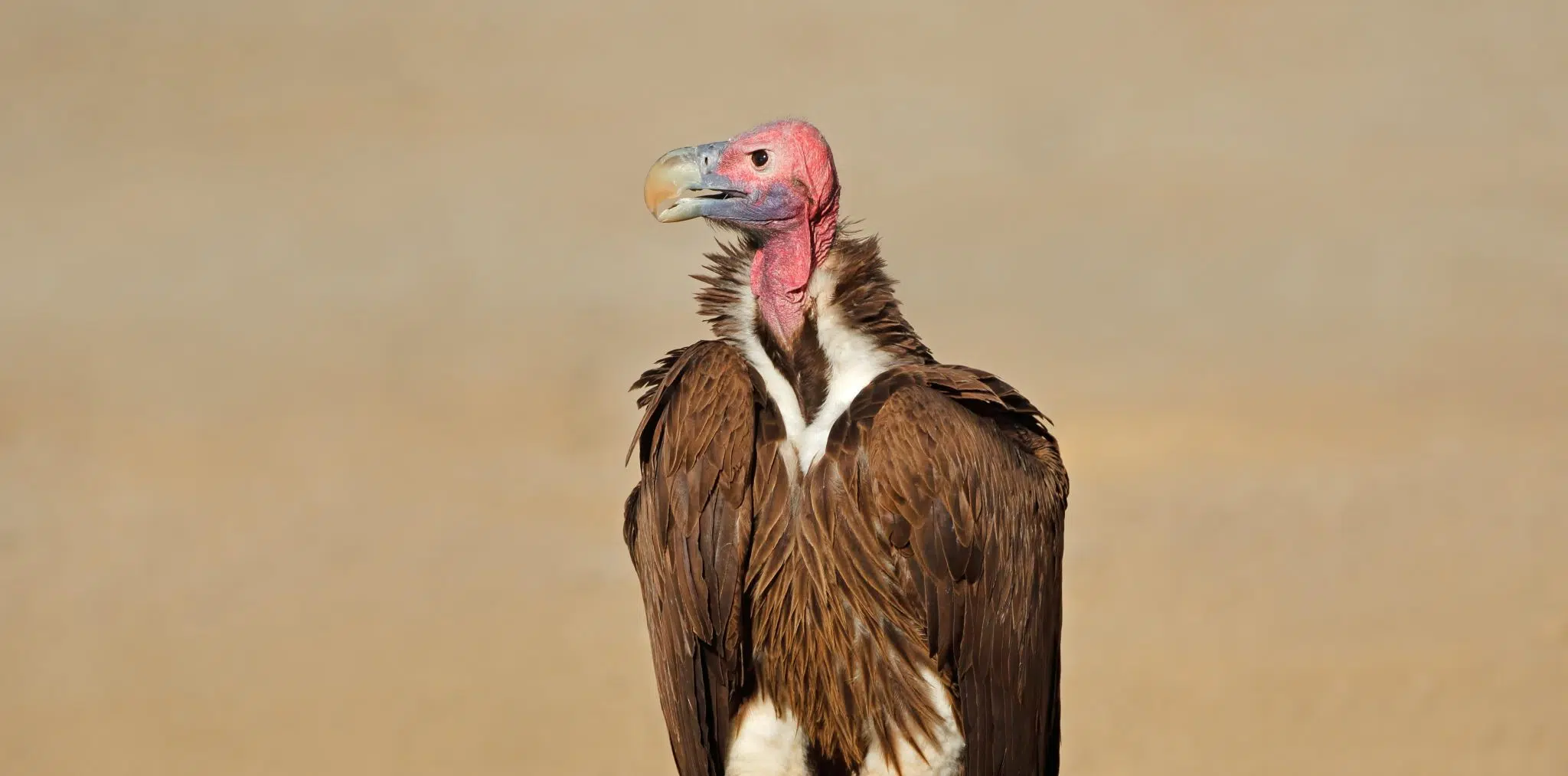
Despite their ecological and economic importance, many vulture species across Africa face an existential crisis. The Lappet-faced Vulture, Cape Vulture, White-backed Vulture, and Hooded Vulture – species central to Sebele’s work – are all listed as Endangered or Critically Endangered by the IUCN, signaling rapid population declines. These majestic birds, with their distinctive bald heads perfectly adapted for hygiene during feeding, are frequently misunderstood. As Sebele aptly observes with a broad smile, "First of all, they are not good-looking birds. They are big with bald heads. They spend a lot of time on smelly carcasses. So people do wonder why you would actually want to work with vultures!" This perception challenge often overshadows their critical ecological function, leading to a lack of public appreciation and support, even within segments of the broader conservation community.
Challenging Perceptions: Vultures in African Culture and the Threat of Belief-Based Use
While Western perspectives might focus on the aesthetic challenges of vultures, traditional African cultures often hold deep, complex, and ancient connections to nature, including birds. Throughout Africa, animals and birds are revered as totems, symbolizing clans, attributes, and ancestral lineages. These totems often foster a profound respect and fondness for the depicted species, embedding them within the cultural fabric. Beyond totems, birds serve as vital indicators for livelihoods, with their migratory patterns and behaviors signaling seasonal changes, impending rains, or dry spells, directly impacting agricultural practices and community well-being.
However, some cultural connections pose significant challenges for vulture conservation. Certain species are intertwined with beliefs about death, witchcraft, or spiritual practices, which can paradoxically lead to both protection (out of fear) and persecution. A particularly pervasive threat is the "belief-based use" of vultures, where body parts are utilized in traditional physical and spiritual healing practices. Sebele explains, "vulture parts are used in both physical and spiritual healing in African culture." This practice, rooted in generations of observational knowledge, connects vulture behavior to perceived spiritual attributes. For instance, the observation that vultures cover vast distances and appear to know where carcasses lie has led to the belief that their heads possess foresight, making them sought after for spiritual practices aiming to bestow similar wisdom or luck.

This demand for vulture parts fuels an illicit trade, contributing significantly to poaching pressures. Historically, conservation efforts have often approached such practices with a stance of outright eradication, a strategy Sebele and BirdLife International have learned to re-evaluate. "There was a time when we thought about completely eradicating the use of vultures," Lovelater recalls, "but we realised that you do not get rid of a culture like that." This recognition marks a crucial pivot towards more inclusive and sustainable conservation strategies.
Evolution of Conservation Strategies: From Eradication to Collaboration
The realization that top-down, prohibitive approaches often fail or drive traditional practices underground has led to a more nuanced engagement with cultural custodians, particularly traditional healers. The legacy of colonial powers, who often demonized and suppressed traditional African religions in favor of Christianity or Islam, further complicated the understanding and open discussion of these practices. This historical context meant that even today, accurately gauging the extent of traditional medicine use is challenging, as many practices were forced into secrecy. Yet, the sheer numbers in associations dedicated to such practices, like one in Zimbabwe boasting 45,000 members, suggest a vast client base and a significant societal presence.
BirdLife International and its partners are now focused on dialogue and collaboration rather than confrontation. "We appreciate that we will never get to a point where there is zero use of these species in medicine, but we are working with traditional healers in cognizance of the culture," Sebele states. This involves creating platforms for discussion among practitioners, raising awareness about the endangered status of vultures, and, most importantly, identifying alternative materials that can be used to continue longstanding cultural practices without harming nature. This approach acknowledges the deep-seated cultural significance while working towards sustainable solutions that benefit both people and wildlife.

Addressing Systemic Inequities in Conservation
Sebele’s perspective extends beyond species-specific challenges to broader systemic issues within the conservation sector itself. While personally fortunate to have strong family support, she highlights the pervasive nature of systemic challenges that disadvantage women and people from diverse ethnic backgrounds. "Those kinds of challenges in conservation genuinely exist, and they are mostly systematic. They generally work against women and work against people of different ethnic backgrounds," she asserts.
This critique extends to the development of conservation strategies. Many "universal" behavior-change strategies, often developed in Western contexts, are applied globally without sufficient consideration for the unique beliefs, social structures, and ways of life prevalent in Africa. Such "one-size-fits-all" solutions, Sebele argues, ultimately fit no one perfectly, leading to ineffective or even counterproductive outcomes. She emphasizes that "Conservation is not just the plants and animals in the space; it has a social and cultural aspect to it. As conservationists, we need to be open to these dimensions." This calls for a fundamental re-evaluation of how conservation programs are designed and implemented, ensuring they are locally relevant and culturally appropriate.
Local Voices, Global Impact: Community Engagement and Successes

The pivot towards inclusive, community-led conservation has yielded tangible successes. Where BirdLife partners have actively engaged with local communities, there’s a growing understanding of the criminal offense associated with killing and harvesting vultures. This increased awareness has led to communities reporting suspicious activities, contributing directly to law enforcement efforts. Sebele affirms, "Yes, we are making inroads."
At the core of this progress is the discovery of common ground: both conservationists and local communities share a desire to see vultures thrive. Communities recognize the intrinsic value of these birds and the critical ecosystem services they provide. There’s a clear understanding that if vultures disappear, ecosystems face collapse, and traditional culture, which often relies on a healthy natural world, cannot be perpetuated. This shared understanding forms the bedrock of collaborative efforts.
Local knowledge has proven invaluable, often revealing practical benefits of vultures that even experienced conservationists might overlook. Sebele recounts a surprising lesson: "For local communities, vultures are valuable because when they lose livestock they have to spend days searching for it. If they are not seeing soaring vultures, they still hope the animal is alive. If they see vultures circling an area, the plan is to investigate what they are looking at – it saves them time they would otherwise spend searching for an already dead [animal]." This simple yet profound insight demonstrates how understanding local needs and perspectives can create powerful incentives for conservation.
Communities are now actively contributing to vulture conservation by identifying and removing threats from their landscapes, such as reporting poisoned carcasses or participating in anti-poaching patrols. They also assist in mapping nesting sites, providing crucial data for monitoring and protection. This collective power of conservationists working in genuine partnership with communities is a force too potent to ignore, demonstrating that when diverse knowledge systems converge, more robust and sustainable solutions emerge.

The Future of Inclusive Conservation
Lovelater Sebele’s work embodies a hopeful vision for the future of conservation – one where local voices are not just heard but are at the forefront of action. Her dedication stems from a profound sense of responsibility: "I’m standing in for the voiceless, for organisms that have every right to be here but unfortunately cannot speak for themselves." The increasing interest in conservation among people, particularly in Africa, fuels her optimism.
The "Mixed Flock" series, of which Sebele’s story is a part, celebrates this diversity within BirdLife’s global partnership. It highlights how individuals from varied backgrounds bring unique character and perspective, enriching the collective understanding and capacity to address complex environmental challenges. By bringing together scientific expertise, traditional ecological knowledge, and community-led initiatives, conservation efforts become more resilient, equitable, and ultimately, more successful. This integrated approach ensures that the global chorus for nature is not only powerful but also harmonious, reflecting the rich tapestry of human and ecological diversity it seeks to protect.
