
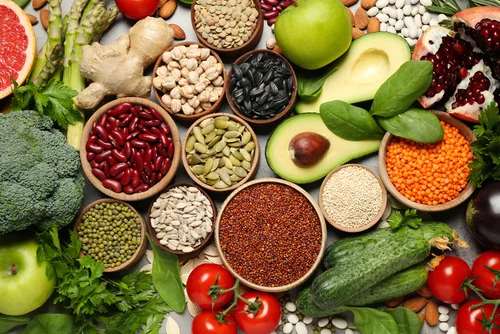
The modern resurgence of backyard poultry keeping has transformed the chicken from a purely agricultural commodity into a common suburban companion, yet this shift has introduced significant nutritional challenges for hobbyist farmers. While chickens are biologically classified as omnivores—capable of consuming a diverse array of flora and fauna—there is a pervasive misconception that they can function as literal "garbage disposals" for all household food waste. Recent veterinary data and agricultural studies suggest that a lack of dietary specificity is a leading cause of preventable illness in domestic flocks. Maintaining a healthy flock requires a sophisticated understanding of avian physiology and the specific chemical compounds found in common human foods that can prove debilitating or fatal to birds.

The Physiology of Avian Toxicity and the Rise of Backyard Husbandry
The history of poultry nutrition has evolved significantly over the last century. In the early 1900s, farm chickens largely subsisted on "scratch grains" and whatever insects they could forage in an open-pasture environment. As the practice moved into confined suburban spaces during the 21st century, the diet of the average chicken shifted toward a reliance on kitchen scraps. While this promotes a circular economy and reduces household food waste, it exposes birds to concentrated toxins they would rarely encounter in the wild.

Avian metabolisms are distinct from mammalian systems; they process certain alkaloids and acids with much less efficiency. According to the Merck Veterinary Manual, many substances that are safely metabolized by humans can cause myocardial necrosis or rapid renal failure in birds. The primary concern for keepers is not just immediate mortality, but the cumulative effect of low-level toxins that can shorten a hen’s productive laying life and compromise the nutritional quality of the eggs produced.

Primary Toxic Hazards: Identifying High-Risk Foods
Veterinary experts and agricultural extension services, such as the Maine Extension Service, have identified several categories of food that pose an immediate risk to poultry health. These substances contain specific toxins that target the respiratory, cardiovascular, and digestive systems of the bird.

The Persin Risk in Avocados
One of the most dangerous foods for a chicken is the avocado. Every part of the avocado plant—including the skin, pit, leaves, and the flesh itself—contains a fungicidal toxin known as persin. In birds, even small amounts of persin can lead to myocardial necrosis, characterized by a rapid increase in heart rate, respiratory distress, and death within 48 hours. Studies indicate that as little as 5% of an avocado can be fatal to smaller avian species, making it a "zero-tolerance" food for poultry keepers.

Solanine and the Nightshade Family
A significant portion of common garden produce belongs to the Solanaceae, or nightshade, family. This includes white potatoes, tomatoes, eggplants, and peppers. These plants produce solanine, a glycoalkaloid that serves as a natural pesticide. In chickens, solanine destroys red blood cells and can cause severe anemia, diarrhea, and heart failure.
.jpg)
While the toxins are most concentrated in the leaves and stems, they are also present in the skins and "eyes" of white potatoes, particularly if they have turned green from light exposure. It is a common misconception that boiling potatoes neutralizes solanine; however, scientific analysis shows that while high-heat frying may reduce levels, boiling is ineffective. Conversely, sweet potatoes belong to the Convolvulaceae (morning glory) family and do not contain solanine, making them a safe alternative.

Cyanogenic Glycosides in Stone Fruits
The seeds and pits of many common fruits—including apples, cherries, peaches, plums, and apricots—contain amygdalin, which breaks down into hydrogen cyanide when ingested. Cyanide interferes with cellular respiration, effectively cutting off oxygen to the body’s cells. Symptoms in poultry include a bluish tint to the comb (cyanosis), gasping for breath, and sudden cardiac arrest. While the flesh of these fruits is safe and nutritious, they must be meticulously cored or pitted before being offered to the flock.

Household Hazards: Modern Foods and Chemical Risks
As chickens become more integrated into the household environment, they are increasingly exposed to processed foods that were never intended for avian consumption.

The Phytohaemagglutinin Threat in Raw Beans
Raw or undercooked dried beans, particularly kidney beans, contain high levels of phytohaemagglutinin (lectin). This compound is highly toxic to both humans and birds, but chickens are especially susceptible due to their small body mass. Ingesting as few as three or four raw beans can cause death in a healthy adult hen within hours. To make dried beans safe, they must be soaked for several hours and boiled at high temperatures to denature the lectins.

Methylxanthines: Caffeine and Chocolate
Caffeine and theobromine, both members of the methylxanthine chemical family, are found in coffee, tea, and chocolate. These stimulants are processed very slowly by the avian liver. Ingestion leads to a rapid, irregular heartbeat, tremors, and eventual seizures. Because of the high potency of these compounds relative to a chicken’s size, there is no "safe" amount of chocolate or caffeine for poultry.

Thiosulphate and the Allium Family
Onions contain thiosulphate, a compound that causes oxidative damage to red blood cells, leading to hemolytic anemia. While garlic is also part of the Allium family, it contains significantly less thiosulphate and is often used in small amounts as a health supplement for chickens. However, large quantities of onions can lead to jaundice and death. Furthermore, anecdotal evidence from the poultry community suggests that heavy onion consumption can impart an undesirable flavor to the eggs.

Nutritional Interference: Foods to Limit
Not all harmful foods are immediately toxic; some act as nutritional antagonists, interfering with the bird’s ability to absorb essential minerals like calcium, which is critical for eggshell formation.

- Oxalic Acid (Spinach and Rhubarb): Rhubarb leaves are universally recognized as toxic due to extreme levels of oxalic acid. However, even spinach, which is highly nutritious, contains oxalic acid. In excess, this acid binds to calcium, creating calcium oxalate and making the mineral unavailable for the bird’s use. This can result in soft-shelled eggs and bone density issues.
- Citrus Fruits: While humans rely on citrus for Vitamin C, chickens synthesize their own. There is evidence that excessive citrus consumption can interfere with calcium absorption and contribute to a decline in egg production.
- Dairy Products: Chickens are biologically incapable of producing lactase, the enzyme required to break down milk sugars. While small amounts of fermented dairy like yogurt can provide probiotics, excessive milk or cheese often leads to severe diarrhea and dehydration.
Economic and Agricultural Implications
The impact of dietary mismanagement in backyard flocks extends beyond animal welfare to economic and public health concerns. The backyard poultry industry has grown into a multi-million dollar sector, with approximately 1% of all U.S. households now participating in some form of small-scale egg production.

When a flock is fed an improper diet, the "feed conversion ratio"—the efficiency with which a bird turns feed into eggs or meat—is compromised. This increases the cost of production for the hobbyist. Furthermore, the use of chemical-treated lawns or the feeding of moldy scraps (which contain mycotoxins) can lead to the bioaccumulation of harmful substances in the eggs, which are then consumed by the household.

Chronology of Best Practices in Poultry Feeding
- Pre-1950s: Chickens primarily scavenged or were fed whole grains. Nutritional deficiencies were common but rarely diagnosed.
- 1950s–1990s: The rise of commercial "crumbles" and "pellets" standardized poultry nutrition, focusing on maximum growth and egg output.
- 2000s–Present: The "Backyard Revolution" reintroduced kitchen scraps into the diet. This era saw a spike in accidental poisonings as keepers treated chickens like household pets (dogs/cats) rather than livestock with specific needs.
- The Future: Precision feeding and the use of fermented feeds are becoming popular, emphasizing gut health and the avoidance of "toxic treats" to ensure long-term flock sustainability.
Analysis of Broader Impacts
The decision to strictly curate a chicken’s diet is a foundational element of responsible animal husbandry. By excluding toxic substances such as persin, solanine, and cyanide-bearing seeds, keepers can significantly reduce veterinary costs and mortality rates. Experts suggest that treats should never exceed 10% of a chicken’s total daily intake, with the remaining 90% coming from a high-quality, nutritionally balanced commercial feed.

In conclusion, while the chicken’s omnivorous nature allows for a varied diet, it does not grant immunity to the complex chemical defenses of the plant world or the processed additives of the human world. A professional approach to flock management requires the keeper to act as a gatekeeper, ensuring that the "treat bowl" contains only those items that contribute to the bird’s vitality. Through education and the application of veterinary science, backyard farmers can maintain a productive, healthy, and safe environment for their avian charges.
