
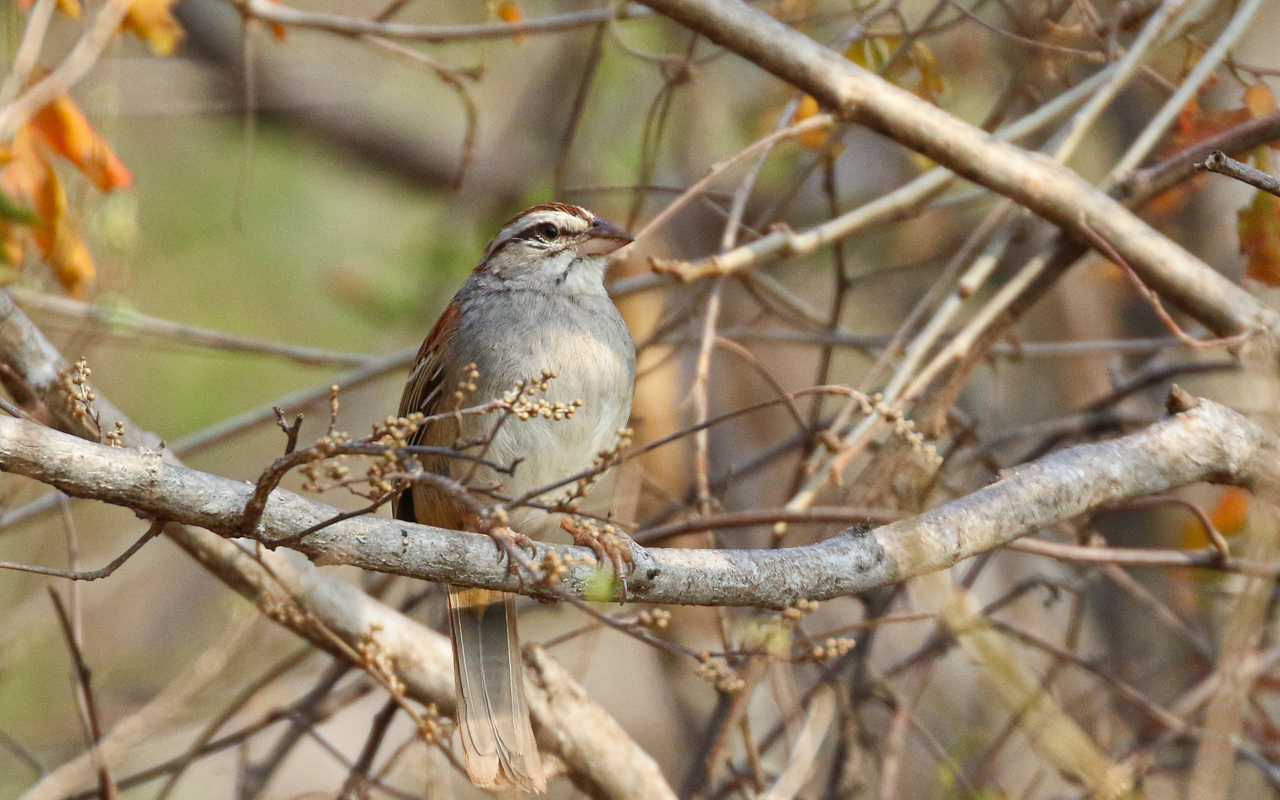
An extensive 14-day ornithological survey conducted across the diverse landscapes of Southern Mexico has successfully documented 407 species of birds, supplemented by an additional 21 species identified through distinct vocalizations. The expedition, which spanned the states of Oaxaca, Chiapas, Campeche, and Tabasco, highlighted the extraordinary biodiversity of the region, which serves as a critical junction between the Nearctic and Neotropical faunal realms. The sightings included high concentrations of specific families, most notably 26 species of hummingbirds, 36 species of warblers, and 18 species of sparrows, underscoring the ecological richness of the Mexican southeast.

Overview of Regional Biodiversity and Ecological Significance
Southern Mexico is globally recognized for its high levels of endemism and habitat diversity. The expedition traversed several distinct ecoregions, ranging from high-altitude pine-oak forests and humid cloud forests to xeric scrublands, tropical dry forests, and expansive freshwater marshes. This environmental variety is a result of the complex topography of the Sierra Madre de Oaxaca and the Sierra Madre del Sur, combined with the lowland basins of the Isthmus of Tehuantepec and the Usumacinta River system.
The data gathered during this period contributes to the ongoing monitoring of avian populations in areas of high conservation priority. For birding tourism, a growing sector of Mexico’s green economy, such expeditions demonstrate the viability of sustainable travel as a means of supporting local communities and preserving critical habitats.
Phase I: The Highlands and Valleys of Oaxaca
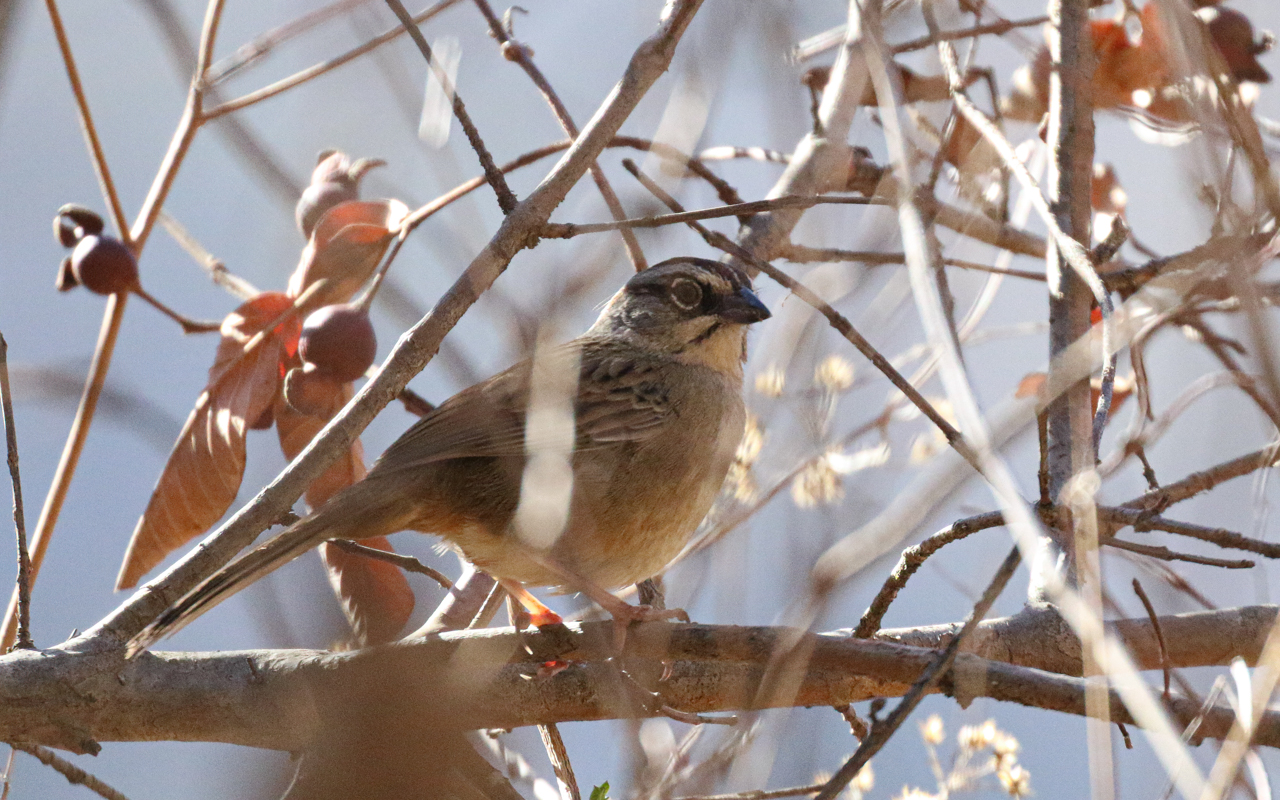
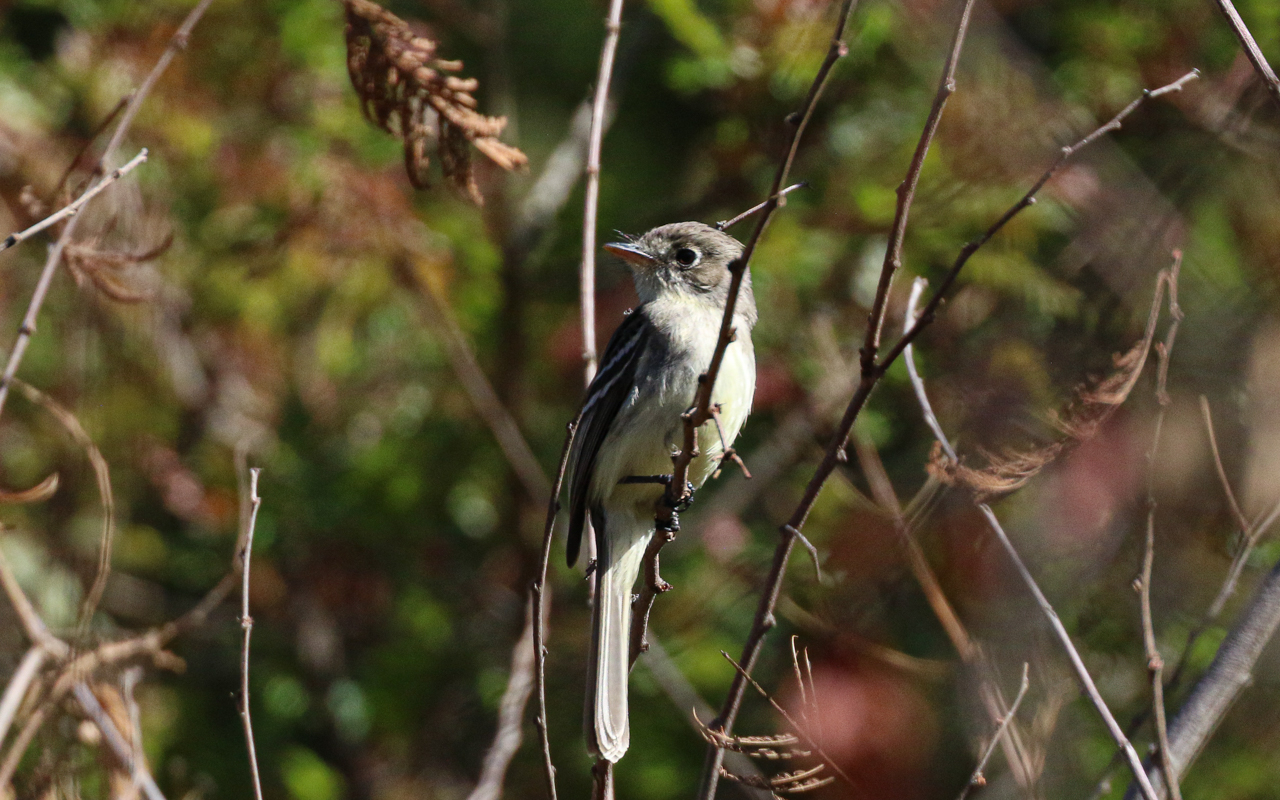
The expedition commenced in the Central Valley of Oaxaca, a region characterized by its unique xeric scrub and proximity to the Sierra Madre de Oaxaca. On the initial days of the survey, the team identified several key endemics, including the West Mexican Chachalaca, the Pileated Flycatcher, and the Oaxaca Sparrow. The presence of the Dwarf Vireo and the Blue Mockingbird further confirmed the health of the scrubland ecosystem at the foot of the mountains.
In the northern reaches of Teotitlán del Valle, the survey transitioned to aquatic environments. At the Piedra Azul reservoir, researchers noted a significant population of Least Grebes alongside various sandpipers, storks, and herons. This location also provided an opportunity to observe the intersection of natural heritage and local culture at the "Bug in the Rug" workshop, where traditional Oaxacan weaving techniques utilize natural dyes, a practice that aligns with the broader goals of environmental sustainability.
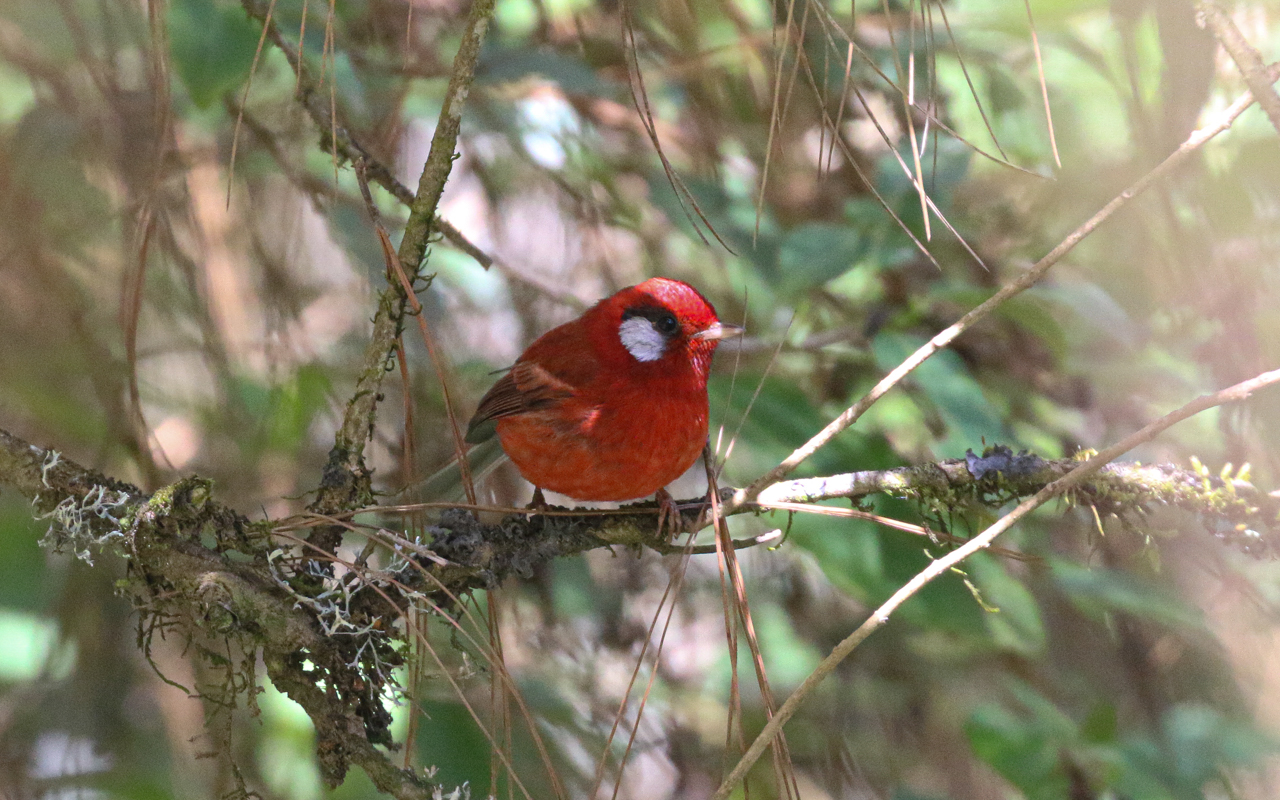
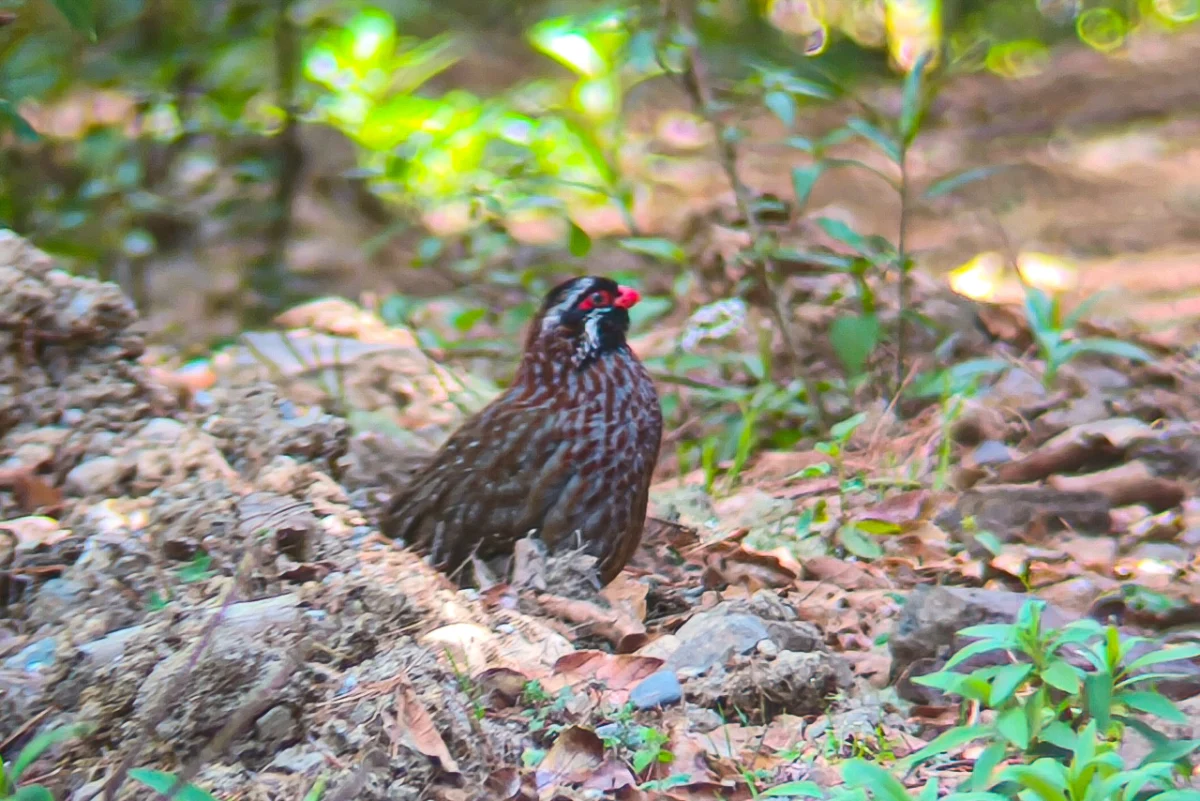
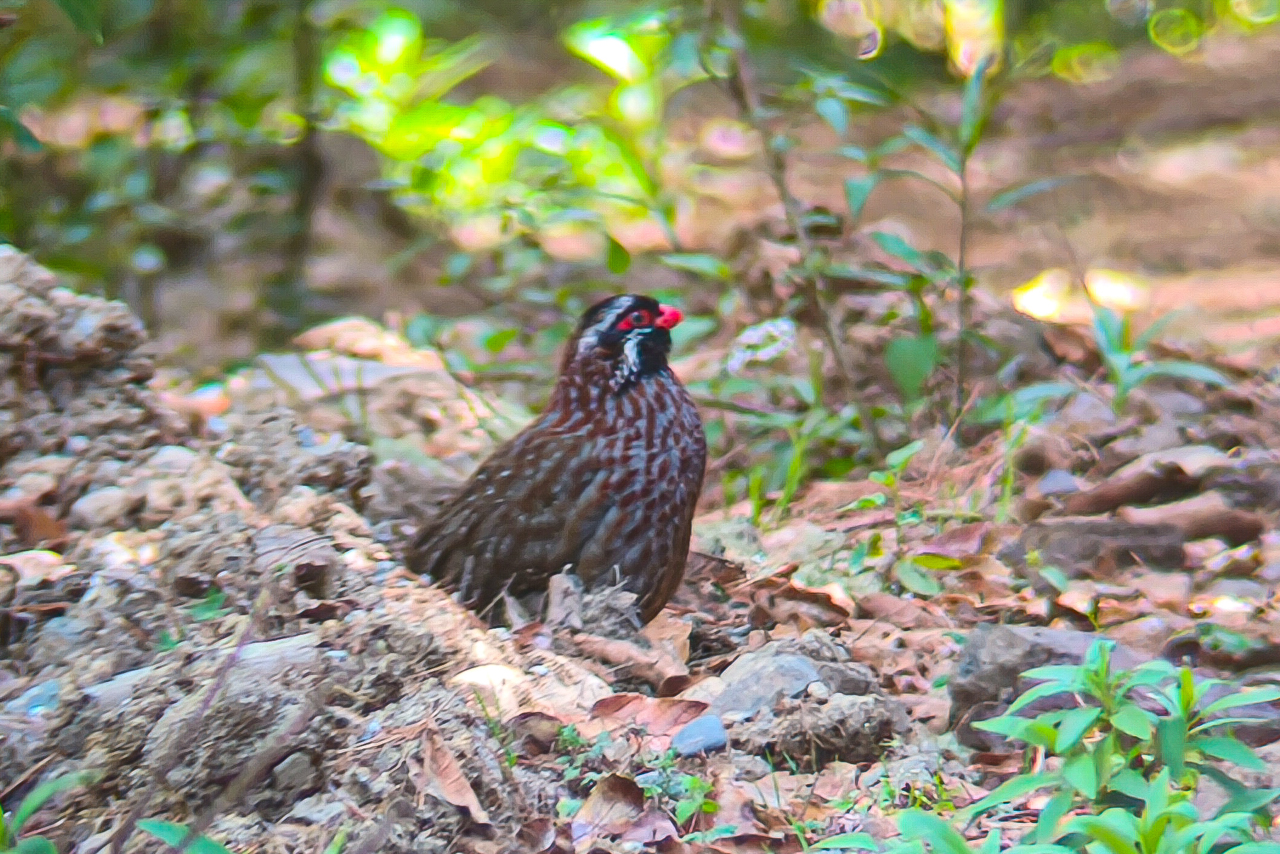
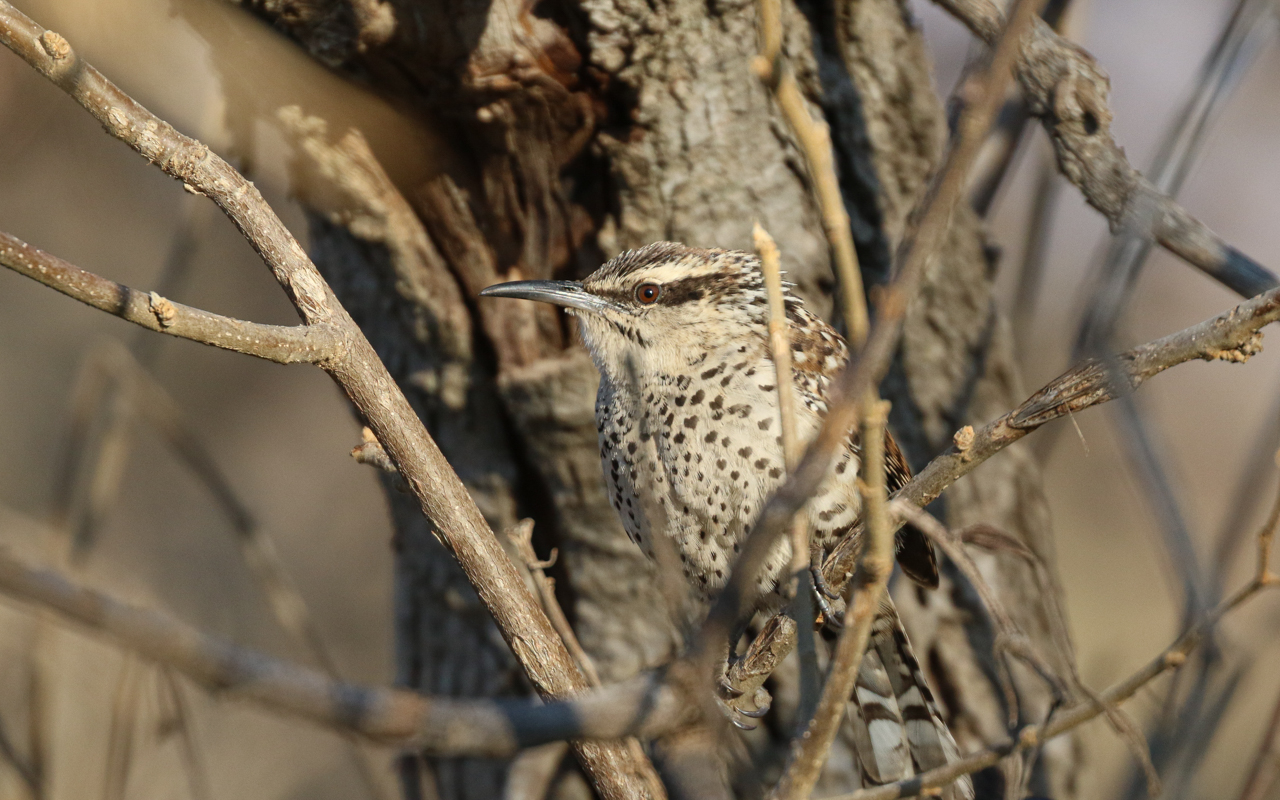
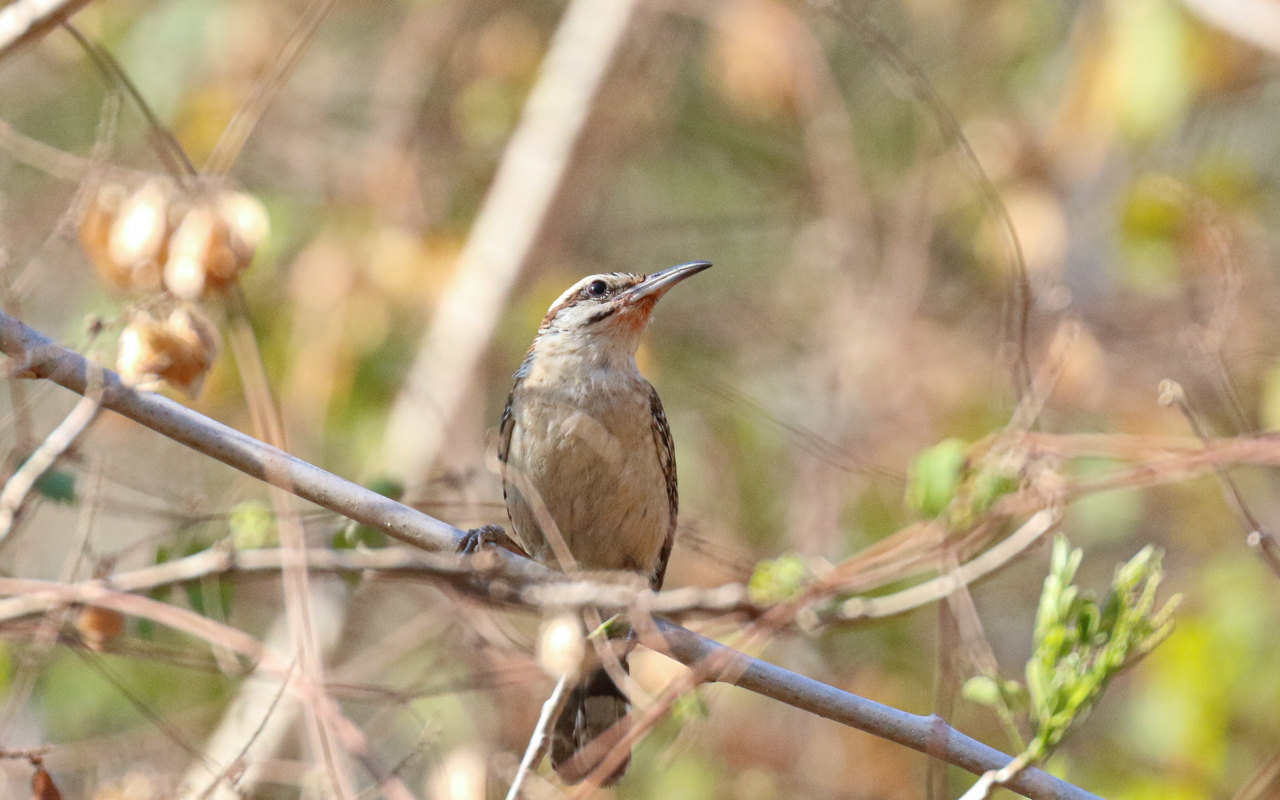
The ascent into the Sierra Madre de Oaxaca at Cumbre Ixtepeji revealed a dramatic shift to pine-oak and cloud forest habitats. Among the most significant observations were the Gray-barred Wren and the Dwarf Jay, species that often travel in mixed-species flocks through moss-covered oak canopies. The expedition also recorded the Long-tailed Wood-Partridge, a species known for its elusive nature, which allowed for uncharacteristically close observation. High-altitude specialists such as the Red Warbler (White-cheeked) and the Mountain Trogon were also documented, alongside a massive overhead migration of Swainson’s Hawks, indicating the region’s importance as a migratory corridor.
Phase II: Archaeological Landscapes and the Sierra Madre del Sur
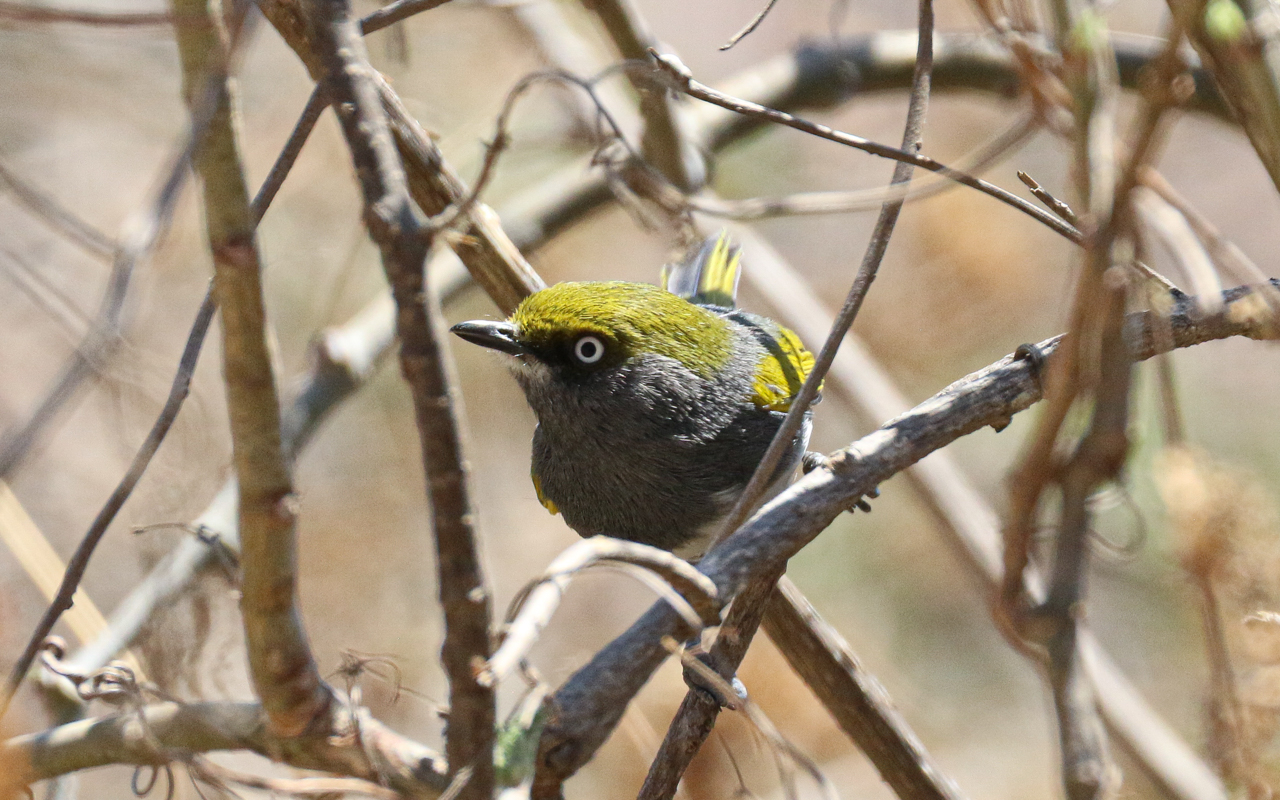
The survey integrated historical sites into its ecological assessment, recognizing that archaeological zones often act as de facto nature reserves. At Monte Albán, the team recorded five individuals of the Ocellated Thrasher and the elusive Slaty Vireo. The appearance of a Lesser Roadrunner within the ruins highlighted the adaptability of certain species to anthropogenically influenced landscapes.
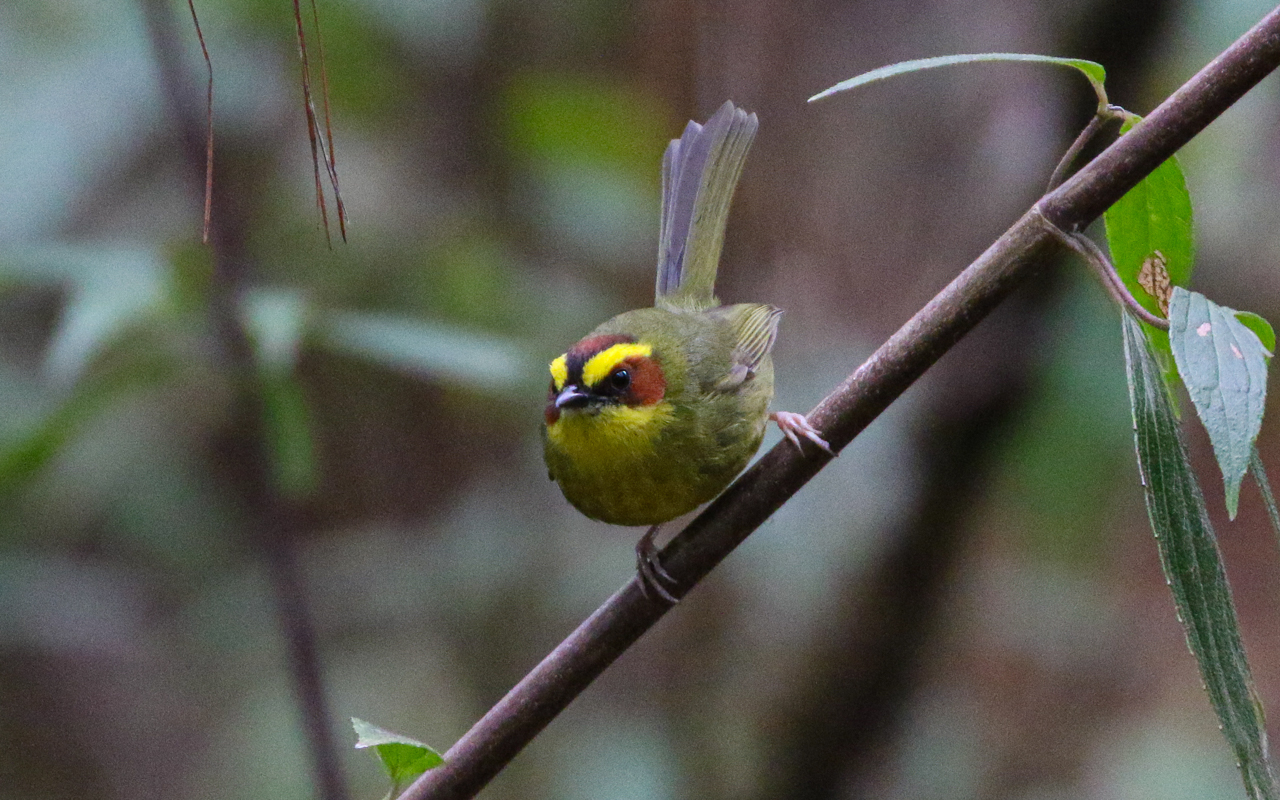
Moving south into the Sierra Madre del Sur, the expedition established a base within the cloud forests of Miahutlán. The "Puesta del Sol" area proved particularly fruitful due to the presence of the Mexican Hand Tree (Chiranthodendron pentadactylon), whose large, nectar-rich flowers attracted a diverse array of orioles, thrushes, and tanagers. Observations here included the Cinnamon-bellied Flowerpiercer and the Orange-bellied Nightingale-Thrush.
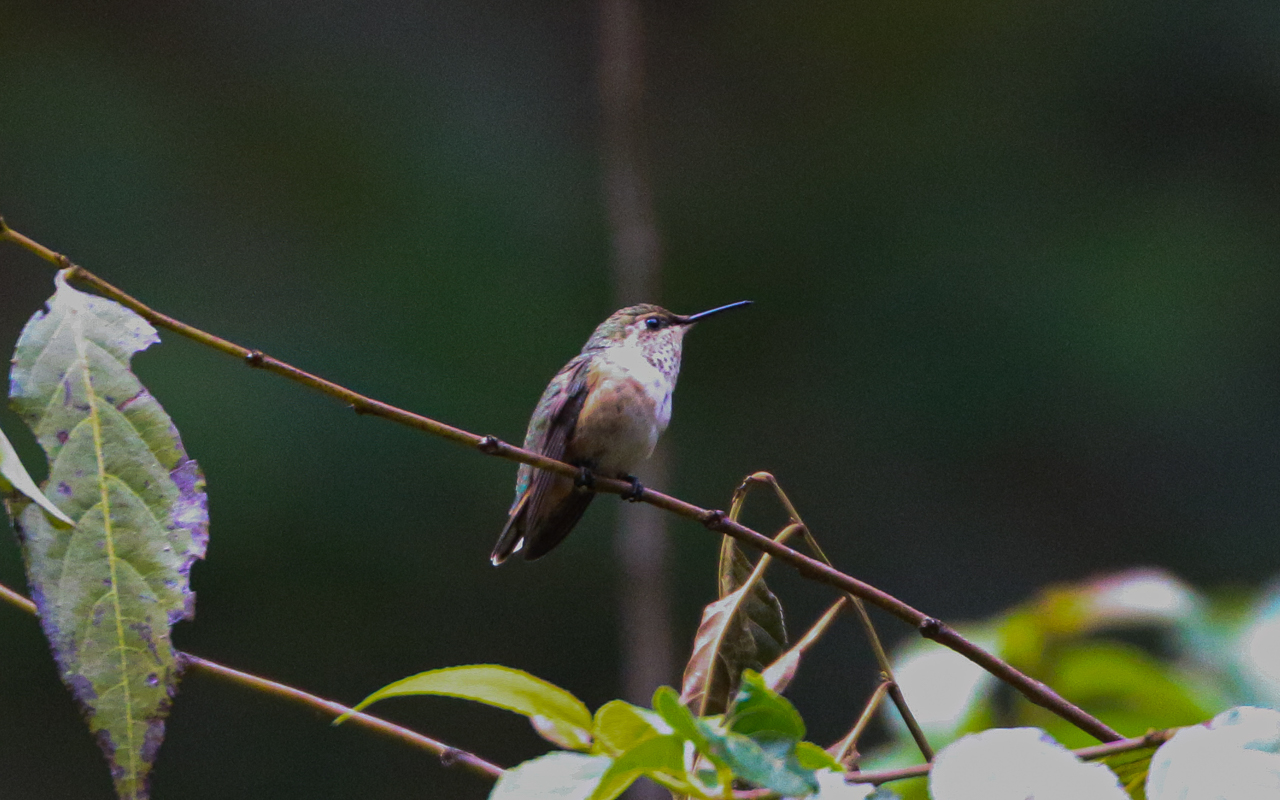
As the team descended toward the Pacific slope, the vegetation transitioned into tropical dry forest. This shift yielded sightings of the Bumblebee Hummingbird—one of the world’s smallest avian species—as well as the Golden-cheeked Woodpecker and the Yellow-winged Cacique. The rapid change in species composition over short altitudinal gradients illustrates the "island" effect of the Southern Mexican mountains, where isolated peaks foster unique evolutionary paths.
Phase III: The Pacific Coast and the Isthmus of Tehuantepec
The expedition reached the Pacific Coast at Huatulco National Park, a protected area consisting of dry tropical forest and coastal dunes. The survey recorded a high density of Western Mexico endemics, including the Citreoline Trogon, Russet-crowned Motmot, and the Lilac-crowned Amazon. A notable surprise occurred in the coastal dunes, where the team observed a Lesser Ground Cuckoo, a species typically difficult to spot due to its secretive behavior. Coastal scanning also revealed the presence of Blue-footed Boobies and a group of humpback whales, emphasizing the connectivity between terrestrial and marine ecosystems.
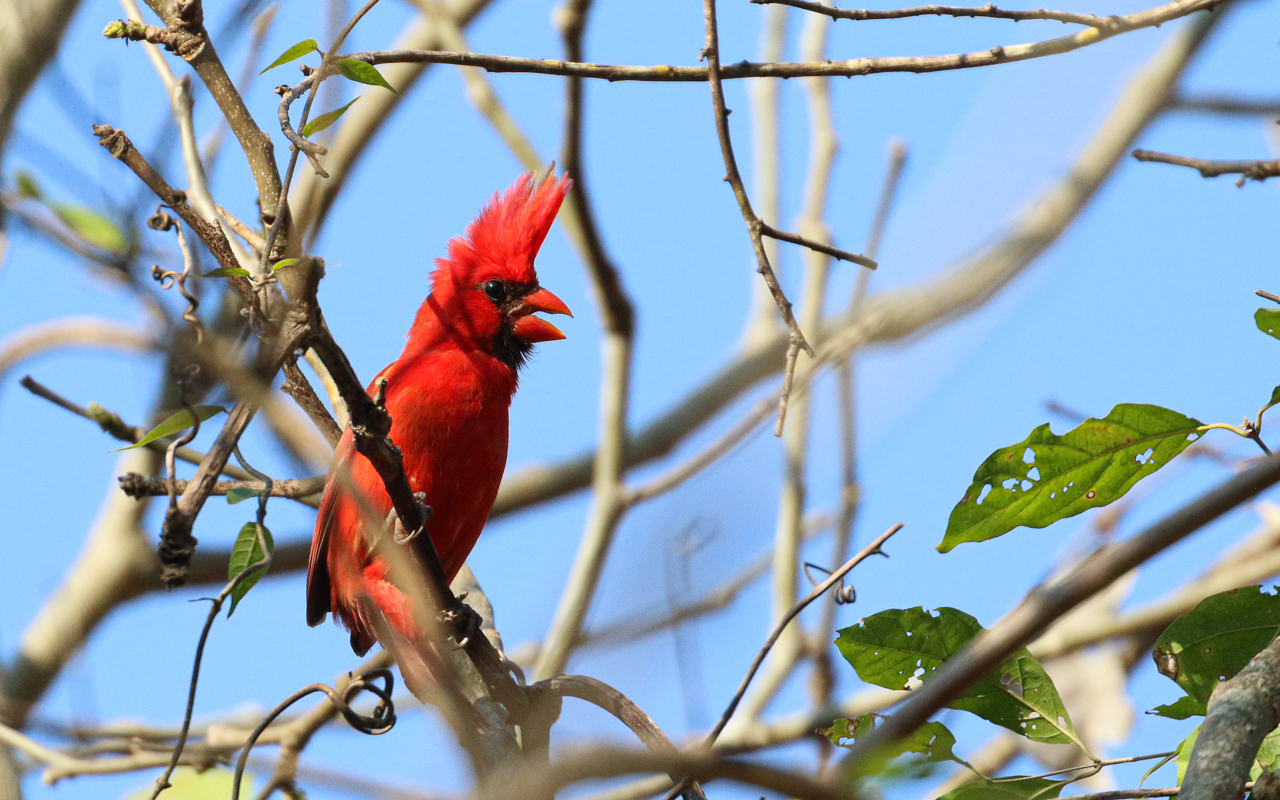
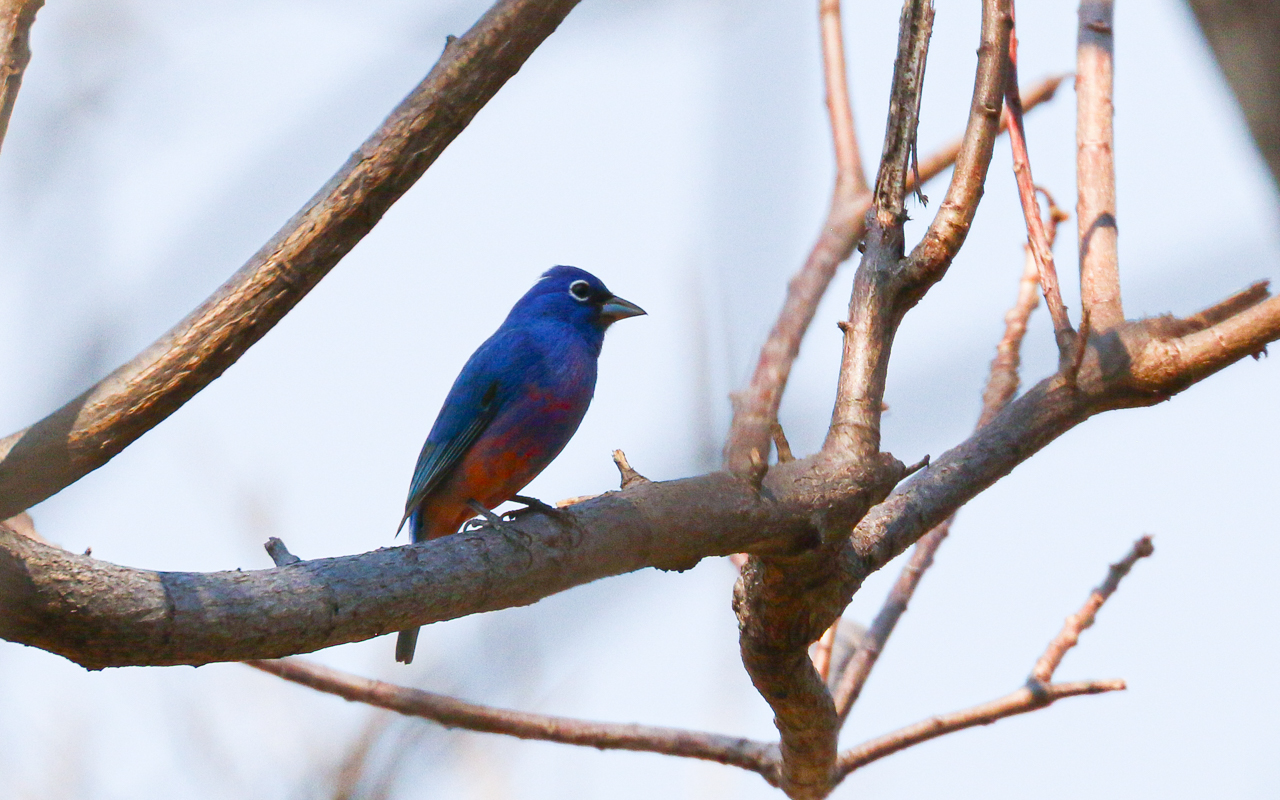
In the Isthmus of Tehuantepec, the narrowest point between the Gulf of Mexico and the Pacific Ocean, the team focused on species adapted to the region’s notoriously high winds and stunted tropical forests. The primary target, the Rose-bellied Bunting, was successfully located, with six individuals observed foraging. This area also served as a critical site for shorebird monitoring. At the Santa María Xadani lagoon, the team documented an extensive list of migratory waders, including the American Golden Plover, Marbled Godwit, and Hudsonian Whimbrel.
Phase IV: The Highlands of Chiapas and Sumidero Canyon
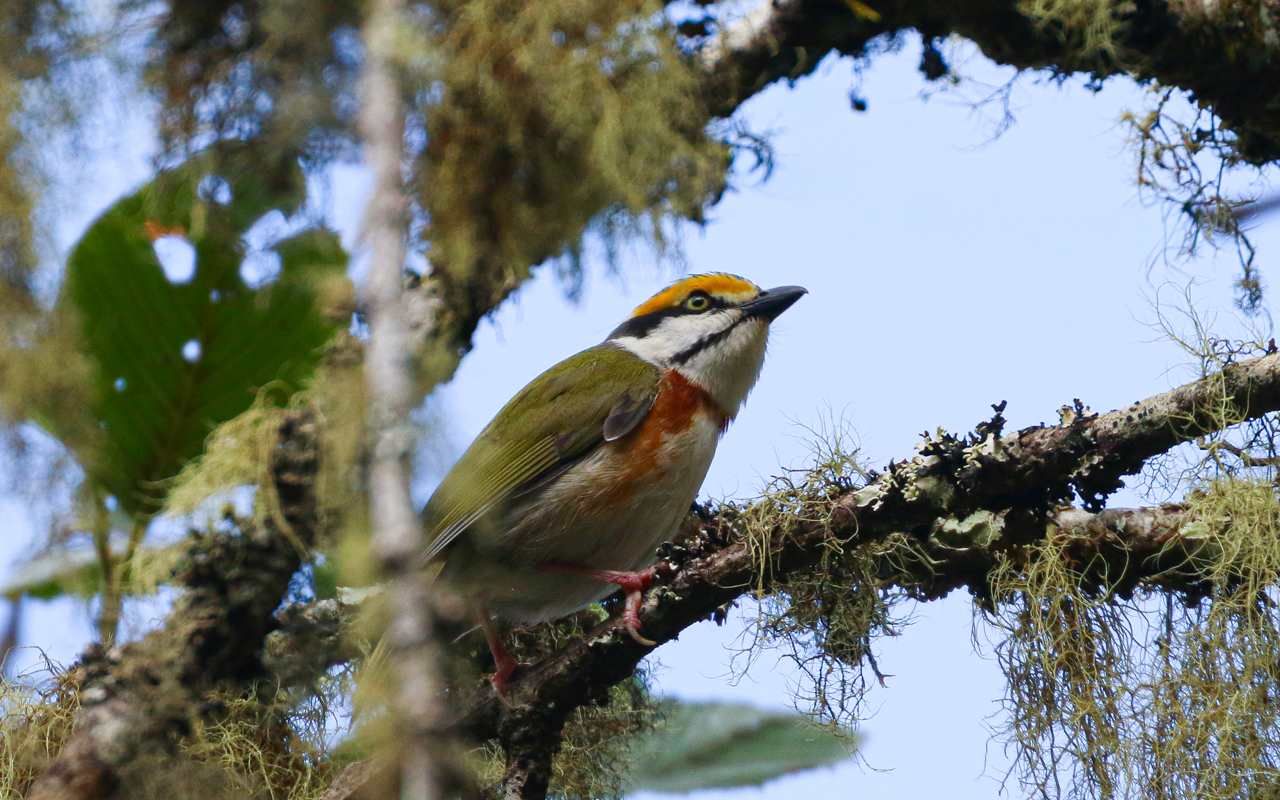
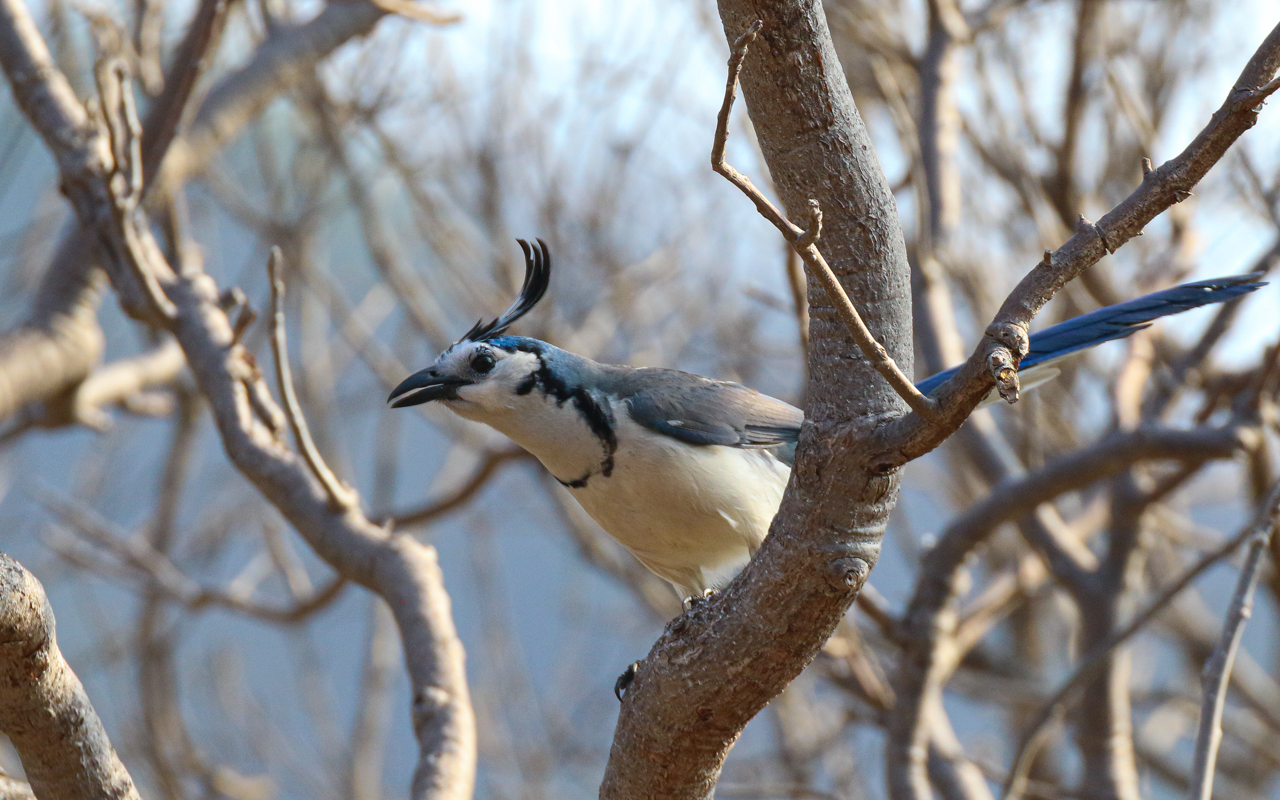
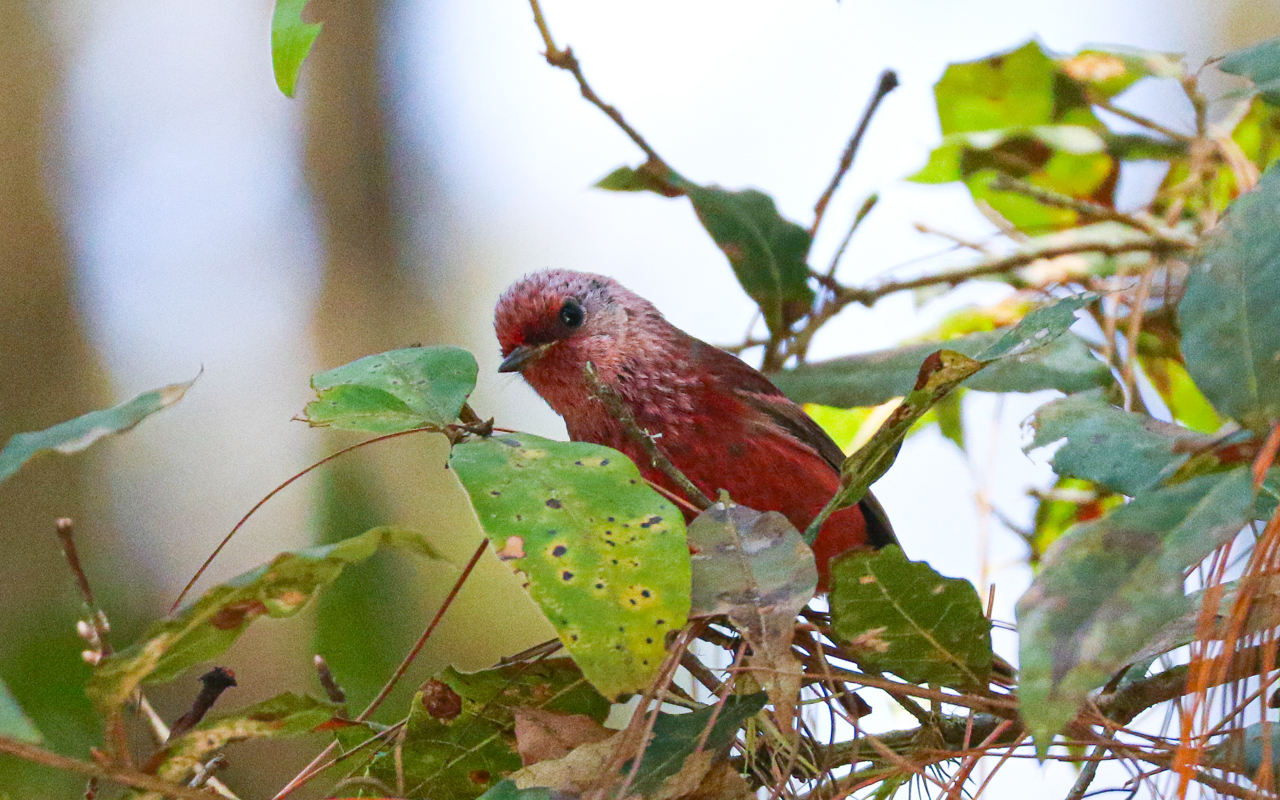
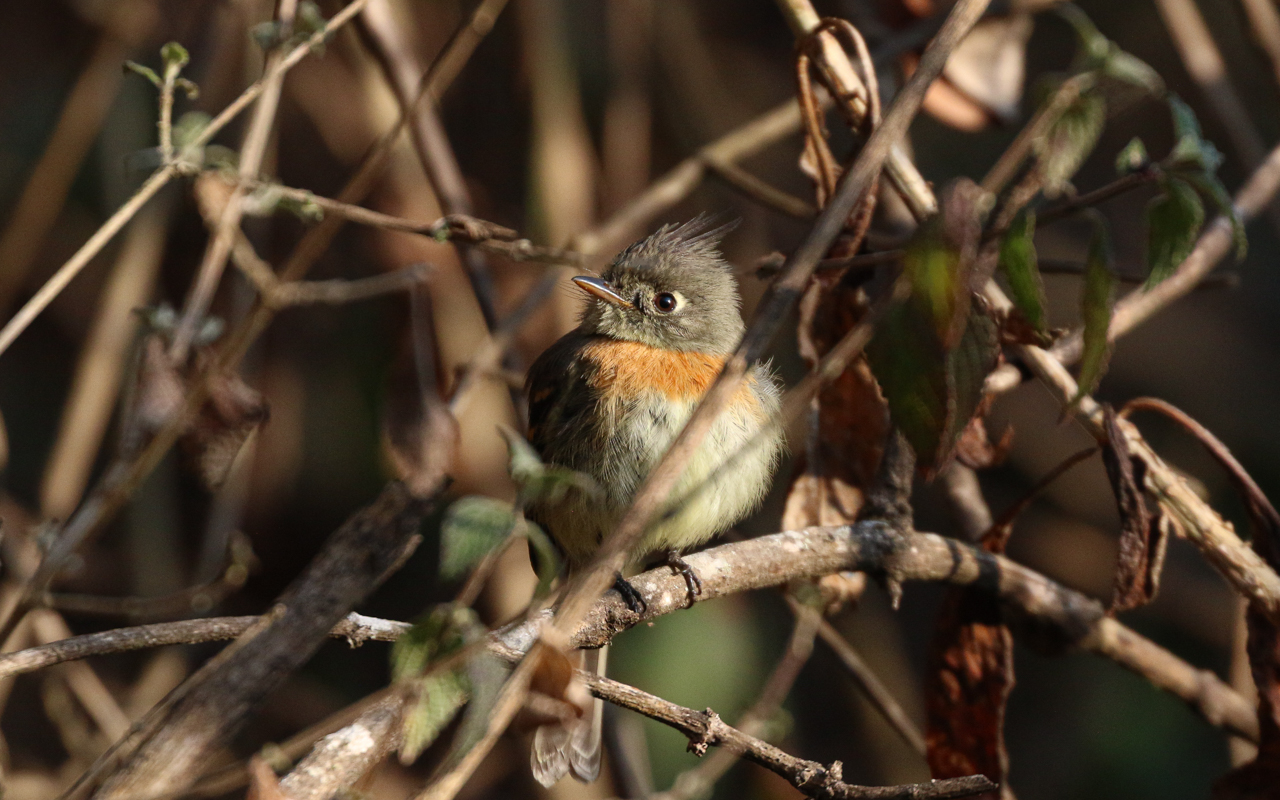
Entering the state of Chiapas, the expedition explored the La Sepultura Reserve and the highlands surrounding San Cristóbal de las Casas. The Montetik Reserve, characterized by bromeliad-laden pine-oak forests, provided sightings of the iconic Pink-headed Warbler, a species currently listed as "Vulnerable" by the IUCN due to habitat loss. Other significant finds in the Chiapas highlands included the Unicolored Jay, the Blue-and-white Mockingbird, and the Belted Flycatcher.
A major highlight of the Chiapas leg was the survey of Sumidero Canyon. Spanning several altitudinal levels, the canyon hosts a variety of microclimates. The team witnessed a spectacular "ant swarm" feeding event, where multiple species, including the Fan-tailed Warbler and the Red-throated Ant-Tanager, converged to prey on insects flushed by army ants. The discovery of both male and female Blue Seedeaters feeding on bamboo shoots provided rare data on this specialized and nomadic species.
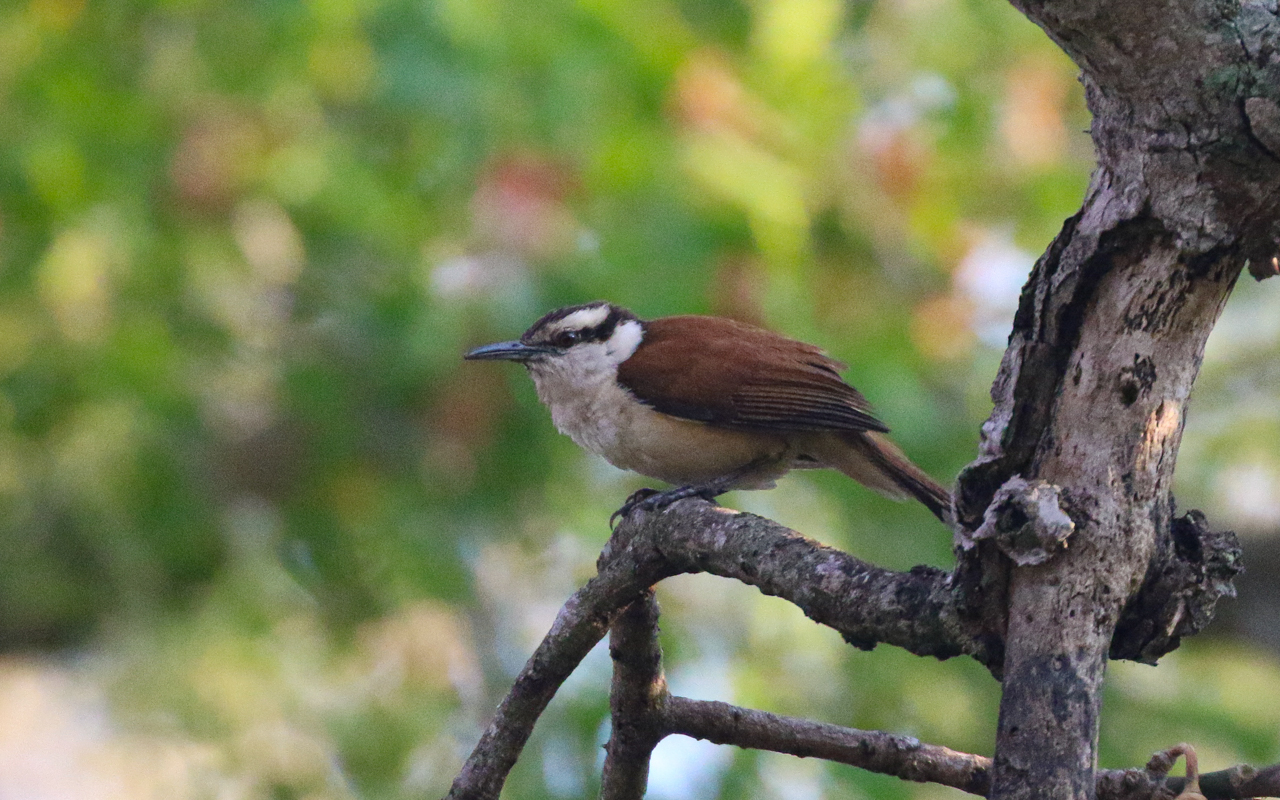
The survey also included a visit to the El Ocote Biosphere Reserve, a karst tropical jungle known for its difficult terrain and high biodiversity. Despite persistent rain, the team successfully documented the Nava’s Wren, a micro-endemic species restricted to the rocky limestone outcrops of the Chimalapas region.
Phase V: The Maya Lowlands and the Centla Marshes
The final stages of the expedition took place in the humid tropical forests of Palenque and the vast wetlands of Tabasco. The Palenque Archaeological Zone, a UNESCO World Heritage site, served as a backdrop for observing the Keel-billed Toucan, Scarlet Macaw, and Chestnut-colored Woodpecker. The presence of large psittacines like the Scarlet Macaw in the ruins is a testament to ongoing reintroduction and conservation efforts in the Palenque region.
The survey concluded in the Centla Marshes, often referred to as "Mexico’s Little Pantanal." This vast wetland complex is one of the most important aquatic ecosystems in North America. The team recorded 31 individuals of the Jabiru, the largest stork in the Americas, along with ten Pinnated Bitterns. The presence of these large waders, alongside thousands of migratory passerines and waterfowl, underscores the international importance of the Centla Marshes as a wintering and stopover site for birds traveling along the Mississippi and Central flyways.
Analysis of Implications and Conservation Outlook
The documentation of 407 species over 14 days serves as a powerful indicator of the biological health of Southern Mexico’s protected areas. However, the expedition also noted the ongoing pressures of habitat fragmentation and climate change, particularly in the cloud forests and xeric scrublands.
From a conservation perspective, the success in locating micro-endemics like the Nava’s Wren and the Rose-bellied Bunting highlights the necessity of maintaining the integrity of the "Chimalapas-Ocote" corridor. Furthermore, the integration of community-based tourism, as seen in Teotitlán del Valle and various local lodges, suggests that economic incentives are increasingly aligned with the protection of avian habitats.
Ornithologists and environmental policymakers may use these findings to refine habitat management plans and to bolster the case for expanded protected status in the Isthmus of Tehuantepec and the Sierra Madre del Sur. As migratory patterns shift due to global environmental changes, the continued monitoring of these southern Mexican "hotspots" remains vital for the survival of both resident and migratory bird populations across the Western Hemisphere.
