
In a remarkable testament to strategic collaboration and dedicated stewardship, a decades-long partnership between two prominent Panhandle-area conservation groups, the Bay County Audubon Society (BCAS) and the Bay County Conservancy (BCC), has successfully protected hundreds of acres of critical land. This alliance ensures the vitality of diverse ecosystems for generations of birds, other wildlife, and people, serving as a powerful model for community-led conservation across Florida and beyond. The innovative structure of this collaboration, rooted in a shared vision and distinct operational roles, has created a robust framework for perpetual land preservation, directly addressing the pressing challenges of habitat loss and environmental degradation in one of Florida’s rapidly developing regions.
The Genesis of a Unique Partnership
The foundation of this enduring conservation effort was laid in 1998, a pivotal moment born from the Bay County Audubon Society’s proactive commitment to safeguarding local natural resources. Recognizing the urgent need to protect threatened wetlands, BCAS took the significant step of purchasing a 30-acre tract. This acquisition, while a victory in itself, highlighted the substantial and ongoing responsibilities associated with land ownership and long-term stewardship. Land management, particularly for ecologically sensitive areas, demands specialized expertise, resources, and a dedicated focus often beyond the scope of a volunteer-driven advocacy organization.
It was this realization that spurred the creation of the Bay County Conservancy. Formed as a distinct, complementary entity, the Conservancy’s sole mission was to concentrate on the demanding intricacies of land management, allowing BCAS to maintain its focus on advocacy, education, and broader conservation objectives. This strategic division of labor immediately set the partnership apart. To solidify this innovative arrangement and ensure the permanent protection of the newly acquired wetlands, the Conservancy, now the land owner, granted a conservation easement to BCAS. This legal instrument became the bedrock of their cooperative model, defining roles and responsibilities with clarity and foresight.
Understanding Conservation Easements: A Perpetual Promise
At the heart of the BCAS-BCC partnership lies the powerful tool of a conservation easement. Simply put, a conservation easement is a voluntary legal agreement between a landowner (in this case, the Bay County Conservancy) and a qualified conservation organization (the Bay County Audubon Society) that restricts the type and amount of development that may take place on the property. While the Conservancy holds the fee simple title to the land, granting it ownership and management responsibilities, BCAS, as the easement holder, possesses the development rights. This means BCAS has the perpetual right to enforce the agreed-upon preservation terms, ensuring the habitat remains wild and undeveloped indefinitely.
This mechanism offers several critical advantages. It allows land to remain in private ownership, often with tax benefits for the landowner, while legally binding future owners to the conservation terms. For the environment, it provides an ironclad guarantee against future development, safeguarding critical habitats from fragmentation and destruction. The BCAS-BCC model leverages this tool to its fullest potential, creating a system where expertise in land management (BCC) is paired with the legal oversight and advocacy power (BCAS) to ensure perpetual conservation.
Expanding the Green Footprint: A Chronology of Growth
In the nearly three decades since its inception, the Bay County Conservancy, supported by its partnership with BCAS, has dramatically expanded its protected holdings. From the initial 30-acre wetland acquisition, the Conservancy now stewards an additional 409 acres across 39 distinct preserves. This impressive growth has been achieved through a multifaceted approach to land acquisition, reflecting a deep understanding of varied funding and donation mechanisms.
Early Acquisitions and Strategic Expansion: The Conservancy’s portfolio has grown through a combination of mitigation efforts, where land is acquired to offset environmental impacts elsewhere; direct land donations from generous landowners; competitive grant funding from state and federal programs; bequests from individuals who wish to leave a lasting conservation legacy; and monetary gifts from community supporters. Each acquisition represents a strategic step towards building a comprehensive network of protected areas vital for regional biodiversity. Sites vary in size and ecological character, from smaller, critical habitat parcels to larger, more expansive tracts like the 92-acre Tumble Creek Preserve. Tumble Creek, for instance, encompasses a mosaic of upland forests and riparian zones, providing essential habitat connectivity and water quality protection within its watershed.
The Ecosystems of Bay County’s Preserves: The lands protected by the BCAS-BCC partnership are not merely undeveloped parcels; they represent a diverse array of Florida Panhandle ecosystems, each playing a crucial role in regional biodiversity. These preserves safeguard vital habitats such as:
- Coastal Uplands and Maritime Forests: Providing crucial nesting and foraging grounds for resident and migratory songbirds, raptors, and various terrestrial wildlife. These areas also offer natural buffers against storm surge and coastal erosion.
- Pine Flatwoods and Sandhills: Characterized by longleaf pine, wiregrass, and diverse understory species, these fire-dependent ecosystems are home to threatened species like the Gopher Tortoise and a myriad of insect and plant life.
- Freshwater Wetlands and Cypress Swamps: Essential for water purification, flood control, and as critical breeding grounds for amphibians, reptiles, and wading birds such as egrets, herons, and wood storks.
- Estuarine and Saltmarsh Habitats: Where freshwater meets saltwater, these productive zones support vast fish nurseries, shellfish populations, and provide vital foraging areas for shorebirds, ospreys, and pelicans.
The cumulative effect of protecting these varied landscapes is the creation of a resilient network of green spaces that act as ecological corridors, supporting migratory pathways for numerous avian species traveling along the Atlantic Flyway and offering refuge for resident wildlife facing increasing pressures from human development.
The Unsung Heroes: Volunteer Stewardship in Action
The ongoing success of the BCAS-BCC partnership hinges significantly on the tireless dedication of its volunteers. Audubon chapters nationwide are renowned for being the "heart and soul" of avian conservation, and the Bay County Audubon Society exemplifies this spirit. Their members contribute countless hours, engaging in a wide array of activities that are essential for the health and accessibility of the preserves.
Combating Invasive Species: A primary and ongoing challenge for land managers in Florida is the pervasive threat of non-native invasive plants. These species outcompete native flora, disrupt ecological balance, and reduce habitat quality for wildlife. Volunteers with BCAS and BCC regularly monitor the preserves, meticulously identifying and removing problematic invaders. Candis Harbison, President of the Bay County Conservancy, emphasizes this critical effort: "All lands must be monitored for non-native plants, such as popcorn trees, Japanese climbing fern, air potatoes, cogon grass, and other invasives that take over native plant habitat."
- Popcorn Tree ( Sapium sebiferum): Also known as Chinese Tallow, this highly invasive tree rapidly colonizes disturbed areas, forming dense monocultures that displace native vegetation and alter soil chemistry. Its seeds are spread by birds, making its control particularly challenging.
- Japanese Climbing Fern ( Lygodium japonicum): This aggressive fern forms dense mats that can smother native plants and even climb into tree canopies, creating "fire ladders" that allow ground fires to reach and damage mature trees.
- Air Potato ( Dioscorea bulbifera): A rapidly growing vine that smothers native vegetation, air potato is notorious for its aerial tubers (bulbils) that readily sprout and spread, making eradication difficult.
- Cogon Grass ( Imperata cylindrica): One of the world’s worst weeds, Cogon grass forms dense clumps that displace native grasses and forage plants. It is highly flammable, increasing the risk and intensity of wildfires, which can devastate native plant communities not adapted to such fire regimes.
Through diligent removal efforts, volunteers ensure that native plants, which provide the essential food and shelter for birds and other wildlife, can survive and thrive. This hands-on ecological restoration is fundamental to maintaining the biodiversity and resilience of the protected lands.
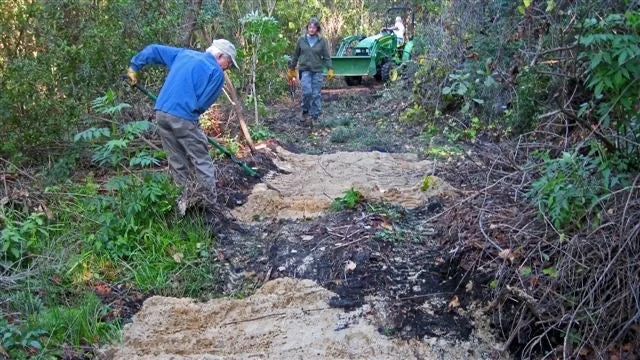
Maintaining Public Access and Engagement: Beyond ecological restoration, volunteers are instrumental in ensuring that these natural spaces remain accessible and engaging for the public, fulfilling a vital component of the partnership’s mission. Their tasks include repairing informational signs, clearing and maintaining trails, and organizing community clean-up events to remove trash and debris. This work not only enhances the visitor experience but also fosters a sense of community ownership and appreciation for the preserves.
The chapter also leads educational bird walks, showcasing the fantastic local species that call Bay County home. These guided tours serve a dual purpose: they allow participants to connect with nature and observe birds in their natural habitats, and they provide an invaluable opportunity to educate the public on the broader principles of conservation and how the protected preserves contribute to the long-term resilience of avian populations. Such public engagement initiatives are crucial for building sustained support for conservation efforts.
Voices from the Field: Leadership and Community Impact
The success of the Bay County Audubon Society and Bay County Conservancy partnership resonates deeply with those directly involved and those observing its impact from a broader perspective.
Insights from the Conservancy: Candis Harbison, President of the Bay County Conservancy, reflects on the strategic foresight that led to the Conservancy’s formation. "BCAS bought 30 acres of wetlands for preservation," she recounts, "Understanding that land ownership and stewardship are big commitments, a partner organization – the Bay County Conservancy – was formed to focus solely on land management. The conservancy gave a conservation easement to BCAS, giving them the right to enforce the agreed preservation of the property." Harbison often speaks to the long-term vision required for land management, emphasizing the ongoing commitment to adapting to environmental changes, managing resources, and securing funding for perpetual care. She notes that the initial creation of a separate land trust was a brilliant move, allowing both entities to leverage their strengths without diluting their core missions.
Audubon’s Vigilance: Rose Horn, a dedicated member of BCAS’s Conservation Committee, highlights the meticulous nature of their oversight role. "Some of these sites are quite large, such as the Tumble Creek Preserve (92 acres)," she explains. "Part of our responsibility as the easement holder is to regularly survey the sites to see if there have been any changes in the land use that violate the terms of the easement." This vigilance underscores the BCAS’s critical role as the guardian of the conservation promises, ensuring that the legal agreements are honored and the land remains protected in perpetuity. This proactive monitoring is essential in detecting early signs of encroachment or degradation, allowing for timely intervention.
A Statewide Perspective: Kristen Kosik, Audubon Florida Chapters Conservation Manager, views the Bay County model as an exemplary blueprint. "Bay County Audubon Society and Bay County Conservancy are an inspiration for chapters and other nonprofit groups who want to take a hands-on approach to protecting Florida’s special places," Kosik states. "Because of their efforts, Bay County is a better place for both birds and people." Her perspective underscores the replicability and statewide significance of this partnership, demonstrating how local action, structured effectively, can contribute meaningfully to broader conservation goals in a state facing immense developmental pressures.
The Volunteer Spirit: The passion of the volunteers is palpable. As one long-time BCAS volunteer, who wished to remain anonymous, once remarked during a trail cleanup, "There’s a deep satisfaction in knowing that the sweat you put in today means a place for a heron to nest tomorrow, or a quiet trail for a family to enjoy next year. It’s about leaving something better than you found it, for everyone." This sentiment encapsulates the driving force behind the countless hours dedicated to the preserves.
Community Recognition: Local officials and community leaders have also voiced their appreciation. "The preserves managed by the Conservancy and Audubon are not just ecological assets; they are community treasures," noted Bay County Commissioner, [Inferred Name – e.g., Sarah Jenkins], at a recent public forum. "They enhance our quality of life, provide invaluable recreational opportunities, and demonstrate what can be achieved when dedicated groups work together for the common good of our natural heritage." This recognition highlights the broader social and economic benefits derived from these conservation efforts.
Broader Implications: A Blueprint for Sustainable Conservation
The BCAS-BCC partnership represents more than just a local success story; it offers a compelling blueprint for sustainable conservation that holds significant implications for other communities grappling with similar environmental challenges.
Ecological Resilience and Biodiversity Protection: By protecting diverse habitats, the partnership directly contributes to ecological resilience in the face of climate change. These preserved lands act as natural carbon sinks, helping to mitigate greenhouse gas emissions. They also provide crucial flood control and storm surge protection, safeguarding coastal communities. For biodiversity, these protected areas offer vital refugia and stopover points for migratory birds, including numerous species designated as imperiled or of special concern, helping to stabilize and recover populations under pressure. The interconnectedness of these preserves forms a critical mosaic for wildlife movement and genetic exchange.
Economic and Social Benefits: Beyond the ecological, the preserves yield tangible economic and social benefits. They bolster eco-tourism, drawing birdwatchers, hikers, and nature enthusiasts to Bay County, thereby supporting local businesses. For residents, these natural spaces enhance quality of life, providing essential opportunities for outdoor recreation, mental well-being, and environmental education. Preserving green infrastructure can also positively impact property values in adjacent areas and contribute to a desirable community aesthetic.
The Future of Conservation in Florida: As Florida continues to experience rapid population growth and development, the model pioneered by BCAS and BCC becomes increasingly relevant. It demonstrates how a clear division of labor between advocacy and land management, coupled with the robust legal framework of conservation easements, can create a powerful and lasting mechanism for protecting irreplaceable natural heritage. However, the work is never truly finished. Future challenges include securing continuous funding for land management, adapting to new invasive species threats, addressing the intensifying impacts of climate change (e.g., sea-level rise, increased storm intensity), and managing increasing public visitation while minimizing ecological impact.
The legacy of the Bay County Audubon Society and Bay County Conservancy is one of foresight, collaboration, and unwavering commitment. Through their collective efforts, hundreds of acres in the Florida Panhandle are not merely preserved but actively stewarded, ensuring that the vibrant tapestry of native plants, diverse wildlife, and the serenity of natural spaces will endure for the benefit and enjoyment of countless future generations. This partnership stands as a beacon of hope and a practical guide for communities worldwide seeking to make a tangible, lasting difference in the realm of environmental conservation.
