
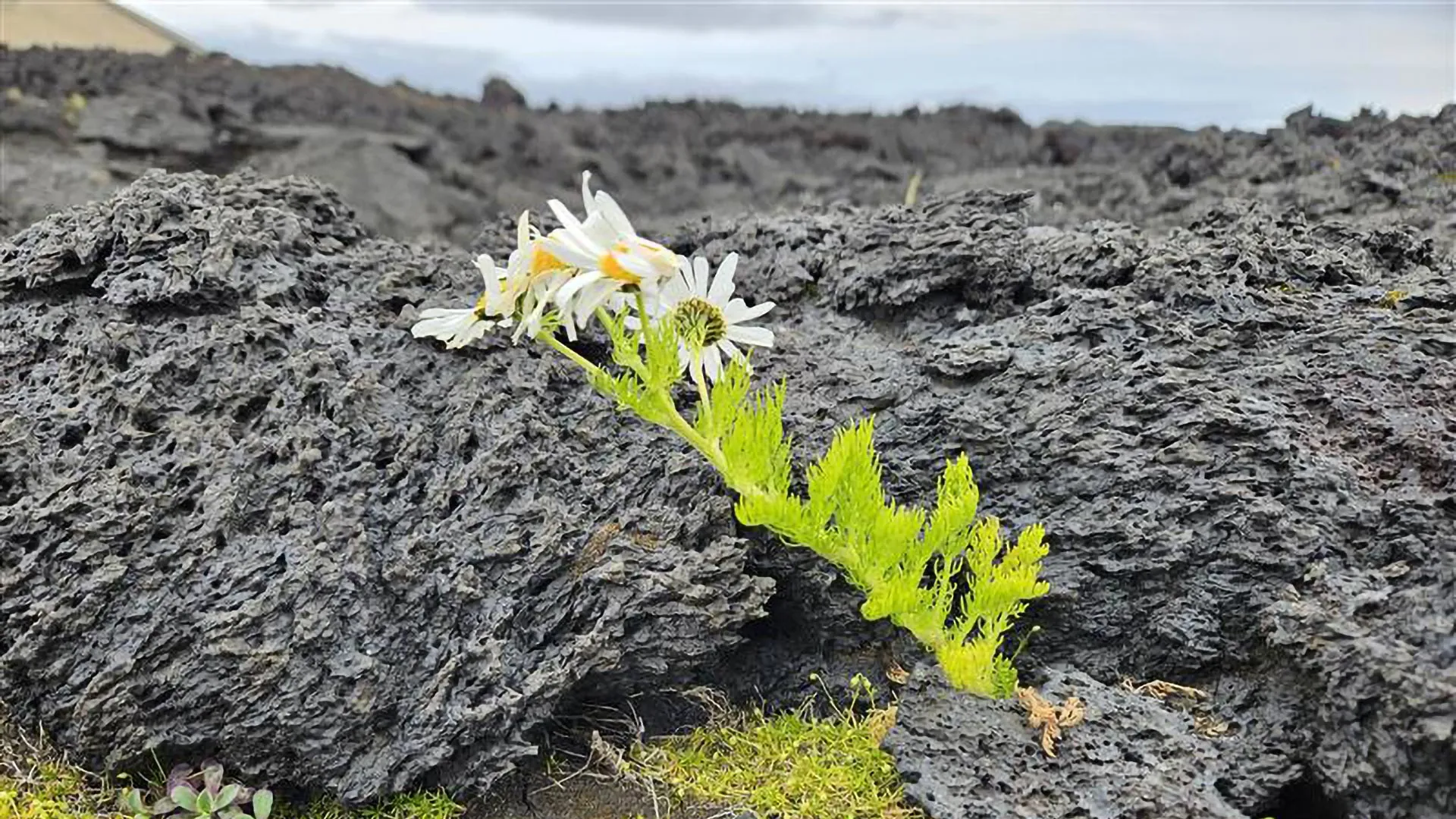
This long-accepted ecological theory has been significantly challenged by a recent study published in Ecology Letters. Researchers from institutions in Iceland, Hungary, and Spain have discovered that the majority of the vascular plant species found colonizing Surtsey since 1965 lack any of the typical features traditionally linked to efficient long-distance seed dispersal. Instead, the primary agents facilitating this botanical migration appear to be common avian species, including gulls, geese, and various shorebirds, which inadvertently transport seeds through their digestive systems or via external attachment. Through these dynamic movements, these birds have delivered a surprising diversity of plant life to the nascent island, effectively laying the foundational elements for its young and steadily developing ecosystem. This groundbreaking finding necessitates a re-evaluation of fundamental principles governing island biogeography and the mechanisms of ecological succession.
The Birth of Surtsey: A Pristine Laboratory
The story of Surtsey begins with a dramatic underwater volcanic eruption that commenced on November 14, 1963, approximately 32 kilometers off the southern coast of Iceland. What started as a submarine event quickly breached the ocean surface, spewing ash and lava to form a new landmass. Over the next four years, the eruption continued intermittently, shaping the island and increasing its size. By the time the volcanic activity ceased in June 1967, Surtsey had stabilized into an island roughly 1.4 square kilometers in area, a barren expanse of fresh volcanic rock, ash, and cinder, entirely devoid of life.
From its very inception, Surtsey was recognized by the scientific community as an unparalleled natural laboratory. The Icelandic government, with foresight, declared it a nature reserve in 1965, even while the eruption was still ongoing, ensuring that human interference would be minimal. This strict protection was crucial, allowing scientists to observe the processes of colonization and ecological succession in an entirely natural, undisturbed setting. In 2008, Surtsey was designated a UNESCO World Heritage site, cementing its status as a site of outstanding universal value for scientific research. This pristine environment offered a unique opportunity to study how life establishes itself on a virgin landmass, free from pre-existing flora, fauna, or human influence, providing insights into the very origins of ecosystems on Earth and potentially on other planets.
Challenging Conventional Wisdom on Plant Dispersal
For decades, ecological theory, particularly in the realm of island biogeography, posited that successful colonization of remote, newly formed islands was largely dependent on specific plant traits facilitating long-distance dispersal. These traits fall into several categories:
- Anemochory (Wind Dispersal): Seeds with wings, plumes, or exceptionally light weight, allowing them to be carried by air currents over vast distances. Examples include dandelions or some orchid seeds.
- Hydrochory (Water Dispersal): Seeds or fruits designed to float, often with a tough, impermeable outer layer to withstand prolonged exposure to saltwater. Coconuts are the quintessential example, capable of oceanic voyages.
- Zoochory (Animal Dispersal): This category traditionally focused on two main sub-mechanisms:
- Endozoochory (Internal): Fleshy fruits that entice animals (especially birds and mammals) to eat them, with seeds then dispersed intact in droppings.
- Epizoochory (External): Seeds with hooks, barbs, or sticky coatings that attach to the fur or feathers of animals, hitching a ride.
The prevailing assumption was that plants lacking these specialized adaptations would have a negligible chance of reaching and establishing populations on distant, isolated landmasses like Surtsey. The sheer distance, the harsh marine environment, and the randomness of dispersal events were thought to filter out all but the most well-equipped colonizers.
However, the new study in Ecology Letters meticulously documented the arrival of 78 vascular plant species on Surtsey since the first observations in 1965. The research team, comprising experts from the Natural Science Institute of Iceland, the Hungarian Natural History Museum, and Estación Biológica de Doñana (CSIC, Spain), systematically analyzed the dispersal characteristics of these colonizing species. Their findings revealed a striking pattern: a significant majority of these plants—far more than predicted by conventional models—do not possess the specialized morphological features for long-distance wind or water dispersal, nor do they produce fleshy fruits typically associated with endozoochory by fruit-eating birds.
Instead, the study highlights the critical role of birds in a more opportunistic and less specialized manner. Gulls, geese, and shorebirds, frequent visitors to Surtsey for resting, nesting, or foraging, were identified as the primary vectors. These birds, often moving between mainland Iceland or other nearby islands and Surtsey, carry seeds in two principal ways:
- Endozoochory (through gut): Seeds consumed incidentally while foraging for other food items (like insects, small fish, or other plant matter) pass through the birds’ digestive tracts. While some seeds might be destroyed, many can survive and be deposited in viable condition within nutrient-rich droppings.
- Epizoochory (external attachment): Seeds, often small and lacking specific attachment structures, can adhere temporarily to muddy feet, feathers, or beaks of birds during their movements across different habitats.
This mechanism implies a much broader range of plant species can be dispersed than previously thought, as it is less dependent on co-evolutionary traits between specific plants and animals (e.g., a specific fruit for a specific bird) and more on the general habits and movements of common bird species. The "surprising diversity" of plants on Surtsey, therefore, is a direct testament to the efficacy of these non-specialized, incidental dispersal events facilitated by avian life.
Birds as Unexpected Architects of Life: Expert Insights
The implications of these findings are profound, resonating through the scientific community and prompting a re-evaluation of established ecological paradigms. Dr. Pawel Wasowicz of the Natural Science Institute of Iceland, one of the study’s lead authors, articulated the significance: "Birds turned out to be the true pioneers of Surtsey – carrying seeds of plants that, according to conventional theories, shouldn’t be able to get there. These results overturn traditional assumptions about plant colonization and show that to understand how life spreads and responds to environmental change, we must look at the interactions between plants and animals. Life does not move in isolation – it follows life." His statement underscores a fundamental shift in perspective: from viewing plant dispersal as primarily a function of static plant traits to recognizing it as a dynamic outcome of complex biotic interactions.
Co-leader of the research, Dr. Andy Green of the Estación Biológica de Doñana (CSIC, Spain), further emphasized the wide-reaching implications for both theoretical ecology and practical conservation. "Animals – especially birds – are key drivers of plant dispersal and colonization," Dr. Green stated. "As migration routes shift under a warming climate, birds will play a vital role in helping plants move and adapt to new environments." This highlights the proactive role birds can play in facilitating ecological responses to global change, acting as mobile bridges for plant communities facing habitat shifts and climate stress. The traditional view often underestimated this dynamic interconnectivity, focusing instead on passive dispersal mechanisms.
The study has been met with significant interest from other ecologists, who see it as a powerful validation of long-term, empirical research. Many within the field acknowledge that while theoretical models provide valuable frameworks, real-world observations, particularly from unique settings like Surtsey, are essential to refine and sometimes overhaul those models. The consensus emerging is that future ecological predictions and conservation strategies must integrate a more nuanced understanding of animal-mediated dispersal, moving beyond simplistic classifications of dispersal syndromes.
Broader Impact and Implications: Ecology, Conservation, and Climate Change
The findings from Surtsey carry substantial weight for several critical areas:
1. Reforming Ecological Models and Theories:
The study directly challenges the foundational tenets of island biogeography, a field pioneered by Robert MacArthur and E.O. Wilson. While their equilibrium theory remains robust in explaining species richness based on island size and isolation, the Surtsey research refines our understanding of how species actually arrive. Future ecological models must now explicitly account for the significant and often underestimated role of generalist avian species in facilitating plant dispersal. This means incorporating more dynamic, interaction-based parameters rather than solely relying on plant morphological traits. Models predicting colonization rates, species composition, and ecosystem assembly will need to be updated to reflect this avian "ferry service."
2. Guiding Conservation Strategies:
For conservation biologists, the implications are particularly salient. If birds are such potent drivers of plant dispersal, then protecting their habitats, migration corridors, and stopover sites becomes even more critical for the health and connectivity of plant communities. Conservation efforts aimed at restoring degraded islands or creating new habitats should consider not just the physical environment but also the avian populations that can act as natural dispersal agents. Furthermore, understanding which bird species are most effective at transporting which seeds can inform targeted restoration efforts, for instance, by encouraging specific bird populations to visit target areas. Conversely, this also highlights the potential for birds to inadvertently transport invasive plant species, necessitating careful monitoring and management in sensitive ecosystems.
3. Adapting to Climate Change:
Perhaps one of the most significant implications lies in the context of a rapidly warming climate. As global temperatures rise, plant species are increasingly forced to shift their geographical ranges to find suitable climatic conditions. This phenomenon, known as climate-induced range shift, is often hindered by dispersal limitations. The Surtsey study suggests that birds could act as crucial facilitators, enabling plants to "keep pace" with changing climate zones. By moving seeds across fragmented landscapes, over mountain ranges, or even across oceans, birds can help plants overcome dispersal barriers that might otherwise lead to extinction. This concept positions birds as potential "climate change vectors," helping to maintain biodiversity by facilitating adaptive plant migration. Predicting these avian-mediated shifts, however, adds another layer of complexity to climate change models, requiring a deeper understanding of bird migration patterns, diet, and seed viability through their digestive systems.
Surtsey: A Living Laboratory Continues to Unveil Secrets
The research underscores Surtsey’s unparalleled value as a living laboratory. Since its emergence, scientists have meticulously documented the arrival and establishment of various life forms. Beyond vascular plants, the island has seen the colonization of mosses and lichens, a rich diversity of invertebrate species carried by wind or sea, and the establishment of breeding bird colonies, including gulls, fulmars, and guillemots. Grey seals have also established breeding grounds on its shores. Each new arrival and interaction provides invaluable data, illustrating fundamental ecological principles in real-time.
The long-term monitoring conducted on Surtsey, spanning six decades, is precisely what allowed this paradigm-shifting discovery to occur. Dr. Wasowicz aptly concluded, "Long-term research like that carried out on Surtsey is invaluable for biology. It allows us to witness ecological processes that would otherwise remain invisible – how life colonizes, evolves, and adapts. Such work is essential for understanding the future of ecosystems in a rapidly changing world."
Future research on Surtsey will undoubtedly delve deeper into the specifics of avian-mediated dispersal, potentially using genetic analyses to trace the origin of colonizing seeds, identifying the precise bird species responsible for different plant introductions, and quantifying the success rates of various dispersal mechanisms. This ongoing observation will continue to provide critical insights into how ecosystems are built, how life responds to new opportunities, and how it adapts to environmental pressures, offering a microcosm for understanding the larger global ecological challenges facing our planet. The barren rock that once emerged from the ocean continues to be a fertile ground for scientific discovery, demonstrating the intricate and often surprising ways in which life colonizes and thrives.
