
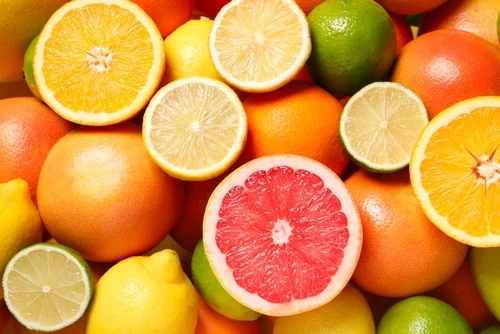
The intersection of domestic waste management and avian nutrition has become a focal point for researchers and backyard poultry enthusiasts alike, particularly regarding the safety of feeding citrus fruits to Gallus gallus domesticus. While chickens are known for their omnivorous nature and ability to process a wide variety of kitchen scraps, emerging veterinary data and nutritional studies suggest that the inclusion of citrus in a flock’s diet may lead to physiological complications. Specifically, the consumption of oranges, lemons, limes, and grapefruits is linked to the disruption of calcium absorption, a critical component in the skeletal health of the bird and the structural integrity of eggshells. As the trend toward sustainable, small-scale egg production grows, understanding the biochemical impact of common organic waste is essential for maintaining flock longevity and productivity.
The fundamental concern surrounding citrus consumption in poultry lies in the chemical interaction between citric acid and the avian digestive system. For a laying hen, calcium is the most vital mineral in her daily intake. A standard eggshell is composed of approximately 94 to 97 percent calcium carbonate. To produce a single egg, a hen must mobilize roughly 2 grams of calcium, a significant portion of which is drawn directly from her bloodstream and her medullary bone reserves. When citrus fruits are ingested in significant quantities, the high acidity and specific phytochemicals, such as limonene found in the rinds, are believed to interfere with the metabolic pathways responsible for calcium uptake in the intestines. This interference creates a nutritional deficit that forces the bird’s body to prioritize immediate egg production over skeletal maintenance.

The Mechanism of Calcium Leaching and Skeletal Degradation
In the absence of sufficient absorbed calcium, the avian endocrine system triggers a compensatory mechanism. The parathyroid gland releases hormones that signal the bones to release stored calcium into the bloodstream to ensure the egg currently in the oviduct can be properly shelled. While this biological failsafe allows for continued reproduction in the short term, the long-term implications are severe. Continuous leaching of minerals leads to osteoporosis, making the bird’s bones brittle and prone to fractures. In a professional poultry setting, this condition is often referred to as "cage layer fatigue," though it is equally prevalent in backyard settings where nutritional imbalances occur.
The external manifestation of this internal crisis is usually observed in the quality of the eggs produced. Initial signs of citrus-induced calcium interference include a noticeable thinning of the eggshell. As the condition progresses, hens may produce "soft-shelled" or "rubber" eggs—eggs encased only in a membrane without a calcified outer layer. Beyond the obvious loss of product for the farmer, soft-shelled eggs pose a significant health risk to the hen. They are more difficult for the bird to pass, increasing the likelihood of egg binding (dystocia), a potentially fatal condition where an egg becomes stuck in the reproductive tract. Furthermore, the presence of thin-shelled eggs in the nesting box often leads to accidental breakage, which can encourage "egg-eating" behavior within the flock, a habit that is notoriously difficult to break once established.
The Vitamin C Paradox in Avian Nutrition
A common misconception among hobbyist farmers is that citrus fruits provide a beneficial boost of Vitamin C (ascorbic acid) to chickens, similar to the benefits seen in human nutrition. However, avian physiology differs fundamentally from that of primates and guinea pigs in this regard. Chickens possess the genetic and enzymatic capability to synthesize their own Vitamin C within their kidneys and liver. Under normal environmental conditions, a healthy chicken produces all the ascorbic acid it requires for tissue repair and immune function.

While supplemental Vitamin C is sometimes used in industrial poultry operations to combat extreme heat stress, it is rarely necessary for the average backyard flock. In fact, an excess of dietary Vitamin C can further exacerbate the issues with calcium. Studies have indicated that while Vitamin C can assist in calcium absorption in some species, in poultry, the primary driver of shell quality is Vitamin D3 and a balanced calcium-to-phosphorus ratio. Because citrus fruits offer no unique nutritional benefits that the chicken cannot provide for itself, the risk of metabolic interference far outweighs any perceived dietary gain. It is a notable biological fact that an egg contains every nutrient required to sustain life except for Vitamin C, further illustrating the bird’s independence from external sources of this specific vitamin.
Evolutionary Biology and Behavioral Aversion
Observational data from poultry behaviorists suggests that chickens possess a natural, albeit not infallible, aversion to citrus. This is likely an evolutionary adaptation. The avian palate is sensitive to bitter and highly acidic flavors, which often serve as a warning sign for substances that are difficult to digest or potentially toxic. When presented with a diverse array of food options, such as a mixed fruit salad or a compost heap, chickens will frequently pick around orange peels or grapefruit segments.
This "nutritional wisdom" allows wild ancestors of the domestic chicken to avoid harmful flora. However, in a backyard setting where food sources may be limited or where treats are mixed into highly palatable mashes, a chicken may inadvertently consume enough citrus to trigger the aforementioned calcium issues. Experts recommend that while a stray segment of orange is unlikely to cause acute toxicity, the intentional feeding of citrus scraps should be avoided entirely to prevent cumulative metabolic stress.

Guidelines for Safe Kitchen Scrap Management
The rise of the "zero-waste" movement has encouraged many households to use chickens as a living recycling system for kitchen leftovers. While this is generally beneficial, it requires a nuanced understanding of avian toxicology. To ensure flock health, poultry nutritionists categorize kitchen waste into three tiers: safe, cautious, and toxic.
Citrus falls into the "cautious" category, primarily due to its impact on production rather than immediate lethality. Other foods in this category include spinach and chard, which contain oxalic acid—another compound that binds with calcium and prevents its absorption. In contrast, the "toxic" category includes items such as raw green potato skins (containing solanine), dried or undercooked beans (containing phytohaemagglutinin), and avocado skins or pits (containing persin).
For optimal egg production and skeletal health, the following dietary guidelines are recommended by veterinary experts:

- Compost, Don’t Feed: Citrus rinds, pulp, and seeds should be directed to the compost pile rather than the chicken coop. The high acidity of citrus can also slow down the decomposition process in some vermicompost systems, but it is perfectly safe for traditional heat-based composting.
- Prioritize Calcium-Rich Greens: Instead of citrus, provide scraps like kale, broccoli florets, and turnip greens, which offer bioavailable calcium and essential minerals without the acidic interference.
- Monitor Shell Quality: If a flock begins producing thin-shelled eggs, owners should immediately evaluate the treat-to-feed ratio. Treats should never exceed 10 percent of a chicken’s total daily intake.
- Supplemental Grit and Calcium: Always provide free-choice oyster shell or crushed eggshells (washed and dried) to allow hens to regulate their own calcium needs independently of their primary feed.
Broader Implications for Small-Scale Egg Producers
The implications of nutritional choices in backyard poultry extend beyond the health of individual birds; they affect the economic viability of small-scale egg production. For many producers, the goal is a self-sustaining system where waste is minimized. However, the reduction in egg yield caused by improper feeding can negate the cost savings of using kitchen scraps. A hen that stops laying or produces unmarketable eggs due to a citrus-heavy diet becomes a net loss in a homesteading economy.
Furthermore, the veterinary costs associated with treating brittle bones or egg binding can be substantial. As the global community moves toward more localized food systems, the role of the "expert hobbyist" becomes more critical. Maintaining a flock requires more than just providing space and water; it requires a sophisticated understanding of how various organic compounds interact with the complex reproductive machinery of the hen.
In conclusion, while the domestic chicken is a resilient and versatile eater, the biological evidence against citrus consumption is compelling. The interference with calcium metabolism, the lack of nutritional necessity for external Vitamin C, and the potential for long-term skeletal damage suggest that citrus should remain absent from the poultry diet. By prioritizing scientifically backed nutritional practices, backyard farmers can ensure their flocks remain healthy, their eggshells remain strong, and their poultry operations remain productive for years to come. The most effective use of leftover citrus in a sustainable home remains the compost bin, where its acidity can be neutralized over time, eventually returning to the soil to grow crops that are safer for avian consumption.
