
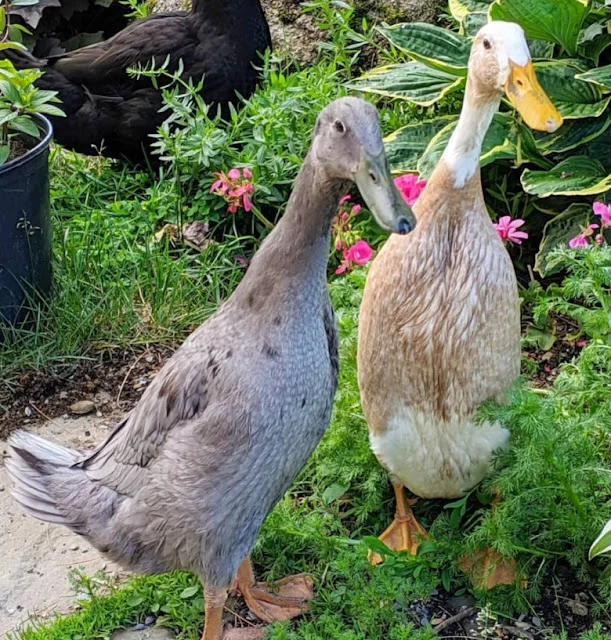
The Indian Runner duck, scientifically classified as Anas platyrhynchos domesticus, represents one of the most distinct and recognizable avian breeds in the world, primarily characterized by its unusual vertical posture and rapid terrestrial locomotion. Unlike the majority of domestic duck breeds that exhibit a horizontal carriage and a characteristic waddle, the Indian Runner stands erect, often compared to the silhouette of a bowling pin or a penguin. This unique physiological structure is not merely an aesthetic anomaly but a result of centuries of selective breeding aimed at creating a highly mobile, efficient foraging animal capable of navigating vast agricultural landscapes. Today, the breed is valued not only for its prolific egg-laying capabilities but also for its role in sustainable pest management and its historical significance in the development of modern poultry science.

Historical Origins and the Chronology of Global Dispersal
The history of the Indian Runner duck is deeply rooted in Southeast Asia, with its lineage predating modern record-keeping. Archaeological evidence, including stone carvings found on the island of Java in Indonesia, suggests that upright ducks similar to the Runner have existed for over 2,000 years. These early ancestors were central to the agricultural economies of Indonesia, Thailand, and Vietnam, where they were employed as biological control agents in rice paddies.
The chronology of the breed’s international expansion began in the mid-19th century. In the 1830s and 1840s, sea captains and traders began transporting these "penguin ducks" from the East Indies to Europe. The breed first gained significant attention in the United Kingdom, where its unique appearance fascinated naturalists and farmers alike. In 1868, Charles Darwin highlighted the breed in his seminal work, The Variation of Animals and Plants under Domestication, noting their peculiar gait and structural differences from the common Mallard.

By the late 1800s, the Indian Runner had reached the United States. The breed was officially recognized by the American Poultry Association’s Standard of Perfection in 1898. Its arrival sparked a revolution in the egg industry, as the Runner’s productivity far outpaced that of traditional European meat ducks. Throughout the 20th century, the breed was further refined, leading to the diverse color varieties and high-performance strains seen in contemporary agriculture.
Anatomical Specifications and Unique Locomotion
The defining characteristic of the Indian Runner is its vertical carriage, which is a direct result of its skeletal anatomy. In most duck breeds, the legs are positioned toward the center of the body to facilitate swimming and a horizontal balance. In the Indian Runner, the pelvic girdle is set significantly further back toward the tail. This posterior leg placement forces the bird into an upright stance to maintain its center of gravity while standing or moving.

Physically, Indian Runners are categorized as a "light" breed. Mature drakes (males) typically weigh between 3.5 and 5 pounds, while ducks (females) weigh between 3 and 4.5 pounds. They stand approximately 20 to 30 inches tall. Their necks are long and slender, transitioning into a slim, cylindrical body. Their wings are proportionally small, rendering them incapable of sustained flight, a trait common among domesticated waterfowl bred for terrestrial utility.
Their movement is notably different from the "waddle" of a Pekin or Muscovy duck. Because of their leg placement and light frames, Runners are capable of a true run. This mobility was historically essential for the "duck herding" practices of Southeast Asia, where large flocks were driven miles to forage in harvested fields during the day and returned to enclosures at night.

Genetic Diversity and Color Varieties
The Indian Runner holds the distinction of possessing the greatest variety of recognized colors within a single duck breed. While the original imported birds were often "fawn and white" or "mallard" patterned, selective breeding has expanded the palette to 16 distinct varieties recognized by various international poultry standards. These include:
- Solid Colors: Black, White, Chocolate (Brown), and Blue (a slate-gray hue).
- Patterns: Fawn and White, Penciled, Trout, and Silver.
- Rare Variants: Apricot and Lavender.
The "Blue" variety is of particular interest to geneticists as it is a heterozygous trait; breeding two blue ducks will result in a Mendelian distribution of 50% blue, 25% black, and 25% "splashed" or silver offspring. This genetic complexity underscores the breed’s long history of intensive selection by enthusiasts and commercial breeders.

Quantitative Analysis of Egg Production and Reproductive Traits
From a commercial and homesteading perspective, the Indian Runner is prized primarily for its exceptional fecundity. While the average domestic duck might lay 60 to 150 eggs per year, a well-managed Indian Runner can produce between 180 and 250 eggs annually. Some high-production strains have been documented laying upwards of 300 eggs in a single year, rivaling the output of high-performance chicken breeds like the White Leghorn.
The eggs are typically medium to large, weighing between 65 and 80 grams. The shell color ranges from a stark white to a light greenish-blue, depending on the specific strain and individual genetics.

Despite their high egg production, Indian Runners are generally characterized by a low incidence of broodiness. Centuries of selection for "working" birds that forage daily have largely suppressed the maternal instinct to sit on and hatch eggs. In a commercial setting, this is advantageous as it prevents the cessation of egg-laying. However, for conservationists or hobbyists wishing to propagate the breed naturally, the use of an incubator or a broody "foster" hen is often required. The incubation period for Indian Runner eggs is approximately 28 days.
Agricultural Utility: Integrated Pest Management
One of the most significant modern applications of the Indian Runner duck is in the field of Integrated Pest Management (IPM). Due to their high energy levels and natural foraging instincts, these ducks are highly effective at clearing agricultural land of pests without the need for chemical intervention.

A prominent example of this utility can be found in the viticulture industry. Vineyards in South Africa, most notably the Vergenoegd Löw Wine Estate, employ "armies" of thousands of Indian Runner ducks. These flocks are released into the vineyards to consume white snails and various insects that threaten the grapevines. This practice provides a dual benefit: it eliminates the need for toxic pesticides and provides natural fertilization through the ducks’ nitrogen-rich droppings.
The ducks’ physical structure is uniquely suited for this work. Their narrow bodies allow them to navigate between tight rows of crops without causing the trampling damage that larger, heavier breeds might inflict. Furthermore, their preference for protein-rich slugs and snails over leafy greens makes them safer for use in vegetable gardens compared to geese, which are primarily grazers.

Conservation Status and Breed Maintenance
The Livestock Conservancy currently lists the Indian Runner duck under the "recovering" category. This classification indicates that while the breed is no longer in immediate danger of extinction, its genetic base requires careful monitoring and promotion to ensure long-term viability. The rise of industrial factory farming in the mid-20th century saw a shift toward heavy, fast-growing meat breeds like the Pekin, which led to a decline in the population of specialized egg-laying and foraging breeds like the Runner.
Maintaining the health of an Indian Runner flock requires attention to their specific metabolic needs. Because they are highly active and prolific layers, they require a diet higher in protein and calcium than meat-focused breeds. Additionally, like all waterfowl, they require access to clean water for head-dipping and preening to maintain respiratory and plumage health, though they spend significantly more time on land than other ducks.

Analysis of Broader Impact and Implications
The enduring popularity of the Indian Runner duck has had a measurable impact on the development of other poultry breeds. Most notably, the Indian Runner was a primary progenitor in the creation of the Khaki Campbell and the Buff Orpington duck. By crossing the Runner with heavier breeds like the Rouen, breeders were able to create "dual-purpose" birds that retained much of the Runner’s egg-laying prowess while gaining enough body mass to be viable for meat production.
In the context of the global shift toward sustainable and organic farming, the Indian Runner is poised for a resurgence. As consumers and regulators increasingly push for the reduction of synthetic pesticides, the "bio-worker" model exemplified by the Runner duck offers a proven, historical solution to modern agricultural challenges. The breed serves as a living testament to the efficacy of traditional farming practices and the importance of maintaining genetic diversity in domestic livestock.

Through a combination of unique biological traits, a robust historical legacy, and high economic utility, the Indian Runner duck remains a cornerstone of the avian world. Whether utilized for large-scale pest control in vineyards or kept as a productive egg-layer on a small-scale farm, the breed continues to demonstrate that specialized evolution—even when it results in a "weird" or "penguin-like" appearance—can yield extraordinary practical benefits.
