
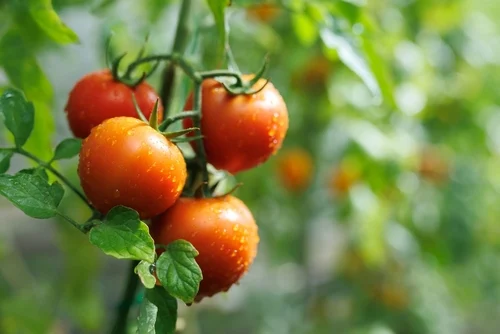
The integration of garden produce into the diets of backyard poultry has become a standard practice among small-scale farmers and hobbyists seeking to enhance the nutritional intake of their flocks. However, the use of tomatoes (Solanum lycopersicum) as a dietary supplement requires a nuanced understanding of botanical chemistry and avian physiology. While ripe tomatoes offer a variety of health-boosting antioxidants and vitamins, the plant belongs to the Solanaceae, or nightshade, family, which produces naturally occurring toxins designed to deter herbivores. For the modern poultry keeper, distinguishing between the beneficial fruit and the hazardous components of the tomato plant is essential for maintaining flock longevity and productivity.
Understanding the Nightshade Family and Chemical Toxicity
The Solanaceae family includes a wide array of common agricultural crops, such as potatoes, eggplants, peppers, and tomatoes. The primary concern for poultry health within this family is the presence of glycoalkaloids, specifically solanine and tomatine. These compounds serve as a natural defense mechanism for the plant, providing resistance against insects, fungi, and animals.
Solanine is a potent neurotoxin found in various concentrations throughout the nightshade family. In tomatoes, it is most concentrated in the green, vegetative portions of the plant. When ingested by chickens, solanine acts as an acetylcholinesterase inhibitor, disrupting the nervous system’s ability to transmit signals properly. This can lead to rapid physiological decline.

Tomatine, while similar to solanine, is specific to the tomato plant. It is found in high concentrations in green, unripe fruit but diminishes significantly as the fruit reaches peak ripeness. While generally considered less toxic to humans in small quantities, the avian digestive system is highly sensitive to these alkaloids, making even moderate ingestion a potential medical emergency for a bird.
The Botany of Danger: Leaves, Stems, and Unripe Fruit
The distribution of toxins within the tomato plant is not uniform, creating a sliding scale of risk based on the part of the plant consumed and its stage of maturity. Agricultural experts and avian veterinarians emphasize that the leaves and stems of the tomato plant are the most hazardous components. These parts contain the highest concentrations of solanine and should never be offered to poultry.
In a garden setting, chickens allowed to forage freely may inadvertently consume fallen leaves or peck at the stalks of tomato plants. This risk is heightened during the late summer and autumn when plants may begin to wither, potentially concentrating alkaloids in the remaining foliage. Furthermore, unripe or "green" tomatoes pose a significant threat. During the growth phase, the fruit utilizes tomatine to protect its developing seeds. It is only through the ripening process—marked by the transition from green to yellow, orange, or red—that these chemical levels drop to a range considered safe for consumption.
Clinical Symptoms of Solanine and Tomatine Poisoning
Identifying the onset of glycoalkaloid poisoning in a flock is critical for timely intervention. Because chickens are prey animals, they often mask symptoms of illness until they are in a state of advanced distress. Owners must monitor for specific physiological and behavioral changes associated with nightshade toxicity.

Symptoms of solanine poisoning in poultry are often severe and multi-systemic. They include:
- Neurological Impairment: Slowed pulse and general lethargy.
- Gastrointestinal Distress: Severe diarrhea and vomiting (though vomiting is less common in birds, it may manifest as a discharge from the beak).
- Hypothermia: A noticeable drop in body temperature, often resulting in the bird huddling or appearing puffed up.
- Abdominal Pain: Evidenced by a lack of movement or a hunched posture.
Symptoms of tomatine poisoning, while occasionally less lethal, still cause significant suffering and can weaken a bird’s immune system. These typically include nausea, abdominal cramps, and persistent diarrhea. In a production environment, such distress leads to an immediate cessation of egg-laying as the bird’s body redirects energy toward detoxification and survival.
Nutritional Profile and Systemic Benefits of Ripe Tomatoes
Despite the inherent risks associated with the plant itself, the fully ripe fruit of the tomato is a nutritional powerhouse when administered correctly. For healthy, adult chickens, ripe tomatoes provide a suite of micronutrients that support various biological functions.
Tomatoes are rich in lycopene, a powerful antioxidant that has been linked to improved immune response in poultry. Additionally, they contain significant levels of:

- Vitamin A: Essential for respiratory health and the maintenance of epithelial tissues.
- Vitamin C: An important factor in stress management and collagen production.
- Vitamin K: Critical for blood clotting and bone metabolism.
- Potassium: An electrolyte necessary for proper heart function and fluid balance.
- Carotenoids: Pigments that can enhance the vibrancy of egg yolks, a trait often prized by backyard egg consumers.
When integrated into a balanced diet, these nutrients support the digestive system and contribute to overall skeletal integrity. However, these benefits are only realized if the fruit is served at the appropriate stage of ripeness and in the correct volume.
Best Practices for Dietary Supplementation in Poultry
The transition from a standard commercial feed to a diet supplemented with garden treats requires a disciplined approach. The "10% Rule" is the industry standard for supplemental feeding. This guideline dictates that treats, including ripe tomatoes, should not exceed 10% of a bird’s total daily caloric intake. For an average adult chicken, this equates to approximately one to two tablespoons of tomato per day.
Commercial poultry feeds are scientifically formulated to provide a precise balance of proteins, fats, minerals, and vitamins. Over-supplementing with watery fruits like tomatoes can dilute the nutritional density of the diet, leading to protein deficiencies or an imbalance in calcium-to-phosphorus ratios, which are vital for eggshell quality.
Furthermore, the method of delivery is important. Tomatoes should be sliced or mashed to prevent choking hazards and to allow the owner to inspect the fruit for any signs of mold or rot, which can introduce harmful mycotoxins into the flock.

Vulnerability Factors: Age and Health Status
Not all members of a flock react to dietary changes or toxins in the same manner. Age and underlying health status play a pivotal role in a bird’s ability to process glycoalkaloids.
Chicks and juvenile birds should be strictly prohibited from consuming tomatoes. Their developing digestive systems and smaller body masses make them exceptionally vulnerable to even trace amounts of tomatine. A dose that might cause mild lethargy in an adult hen could prove fatal to a six-week-old pullet.
Similarly, elderly birds or those recovering from respiratory infections or reproductive issues should be kept on a strict diet of high-quality commercial feed. These "compromised" birds have lower metabolic reserves to deal with the physiological stress of processing plant toxins.
Agricultural Impact and the Rise of Backyard Farming
The increase in backyard poultry keeping over the last decade has led to a rise in accidental poisonings as new keepers navigate the complexities of avian nutrition. In response, agricultural extension offices and veterinary clinics have increased their outreach regarding "garden-to-coop" safety.

From a broader perspective, maintaining flock health is an economic necessity for many small-scale producers. The loss of a single laying hen represents not only the loss of potential egg revenue but also the sunk cost of the feed and care required to bring the bird to maturity. By adhering to strict feeding protocols regarding nightshades, keepers protect their investment and ensure the biosecurity of their local food systems.
Expert Recommendations and Preventative Measures
To mitigate the risks associated with tomatoes, experts recommend several proactive steps for poultry management:
- Fencing and Exclusion: If chickens are allowed to free-range, tomato gardens should be securely fenced off. Chickens are naturally curious and will often peck at green fruit or low-hanging leaves if given the opportunity.
- Controlled Disposal: When clearing out garden beds at the end of the season, tomato vines and unpicked fruit should be composted in an area inaccessible to the birds or disposed of off-site.
- Selective Harvesting: Only harvest the reddest, softest tomatoes for the flock. If a tomato has green "shoulders" or patches, it should be ripened further on a windowsill before being offered to the birds.
- Observation: Following the introduction of any new treat, keepers should observe the flock for 24 hours to ensure there are no adverse reactions.
In conclusion, while tomatoes can serve as a beneficial and highly anticipated treat for backyard chickens, they are not without peril. The presence of solanine and tomatine in the green elements of the plant necessitates a cautious and informed approach. By prioritizing ripeness, practicing moderation, and excluding vulnerable birds from supplementation, poultry keepers can safely harness the nutritional benefits of the garden while safeguarding the health and vitality of their flocks.
