
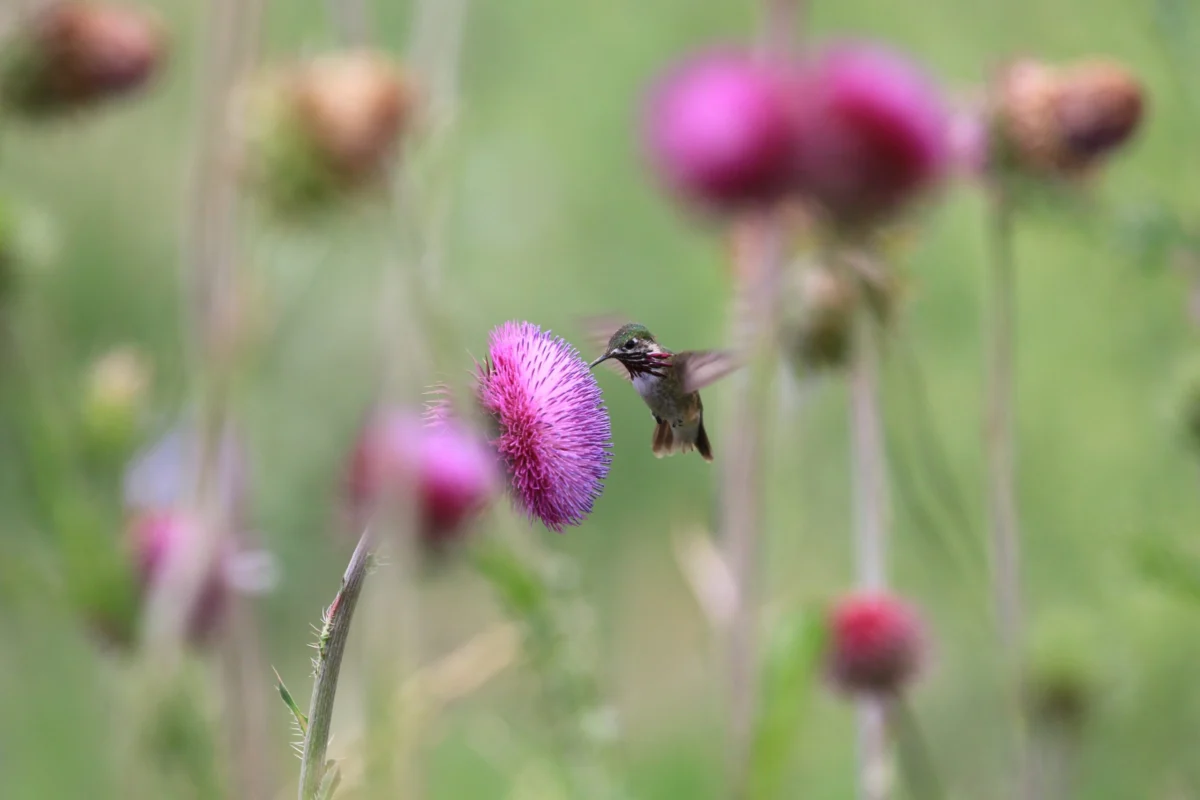
In an era characterized by relentless change and escalating complexity, the pursuit of mental equilibrium and a sense of belonging has become an increasingly significant challenge for individuals globally. Amidst widespread concerns regarding stress, anxiety, and the pervasive effects of modern life, a growing body of scientific evidence and anecdotal experience points towards a surprisingly accessible and profound remedy: the practice of birdwatching, or birding. This seemingly simple engagement with the natural world offers not merely a pastime but a potent pathway to enhanced psychological well-being, fostering mindfulness, community, and a deeper connection to the planet.
The Modern Predicament and the Search for Solace
The contemporary human experience is often defined by a constant barrage of information, digital connectivity, and the pressures of fast-paced urban environments. Global events, economic uncertainties, and social shifts contribute to a heightened sense of unease. According to the World Health Organization, depression and anxiety disorders are significant global health burdens, affecting hundreds of millions worldwide, with prevalence rates notably increasing in recent years, particularly among younger populations. This mental health crisis underscores an urgent need for effective, accessible, and non-pharmacological interventions that can complement traditional medical approaches.
For many, the natural world offers a counterpoint to this complexity, providing a space for respite and rejuvenation. As the Northern Hemisphere gradually inclines towards longer days, particularly in the spring months, the earth’s natural systems begin to stir from their winter dormancy. Rising temperatures, the melting of snow, the budding of trees, and the return of migratory species collectively signal a period of renewal. This seasonal transition, with its attendant increase in daylight and Vitamin D exposure, is frequently associated with a collective uplift in mood and a reduction in seasonal affective patterns. However, merely being outdoors, while beneficial, can be amplified through purposeful engagement.
Nature’s Prescription: The Unique Advantages of Birdwatching
The overarching benefits of nature exposure on mental health are well-documented. Extensive research links time spent in natural environments with reduced physiological stress markers, improved mood, and decreased symptoms of depression and anxiety. Proximity to green spaces alone has been shown to have a measurable positive impact on an individual’s mental health and overall well-being. Recognizing these benefits, public health initiatives and medical professionals are increasingly advocating for greater incorporation of outdoor activity into daily routines, often referred to as "green prescribing" or "nature prescriptions."
Within this broader context, birdwatching emerges as a particularly potent form of nature engagement. A 2024 study involving college students, for instance, indicated that participation in birding activities was associated with demonstrably greater gains in subjective well-being and more significant reductions in psychological distress compared to general nature walks. This distinction arises from the intentional and focused nature of birding. It transforms passive outdoor time into an active, rewarding, and deeply mindful interaction with the environment.
Birding necessitates presence. It requires observers to attune their senses to their surroundings—listening for calls and songs, scanning the canopy or shoreline for movement, and patiently waiting for a glimpse of a feathered subject. This deliberate focus serves as a powerful antidote to anxious thought patterns and rumination, redirecting mental energy away from internal worries towards an external, captivating subject. Birds, with their intricate behaviors, vibrant plumages, and melodious vocalizations, are engaging without being overwhelming.
Moreover, birding offers unique social benefits. For individuals who may experience social anxiety or discomfort in traditional social settings, birding provides an avenue for connection within a shared, wholesome interest, often without the direct pressure of sustained conversation. Birding groups, both informal and organized, facilitate community building around a common passion, fostering a sense of belonging and camaraderie. This shared pursuit also strengthens an individual’s connection to place; regular visits to local parks or birding hotspots allow for an intimate observation of seasonal changes, fostering a deeper appreciation and sense of stewardship for local ecosystems.
A Historical Lens: From Observation to Well-being
The human relationship with birds is ancient, deeply woven into cultural narratives, mythologies, and scientific endeavors. Historically, birds served as vital indicators of environmental health, guides for navigation, and sources of inspiration. The formalization of birdwatching as a distinct activity gained momentum in the 19th and early 20th centuries, driven by a growing scientific interest in ornithology and the burgeoning conservation movement, notably exemplified by organizations like the National Audubon Society. Early birders were often scientists or amateur naturalists focused on identification, documentation, and the collection of specimens.
However, the late 20th and early 21st centuries witnessed a significant shift. As urbanization accelerated and human connection to wild spaces diminished, the concept of "nature deficit disorder," coined by author Richard Louv, highlighted the detrimental impact of this disconnect on human development and well-being. Simultaneously, the biophilia hypothesis, proposed by E.O. Wilson, articulated the innate human tendency to connect with nature and other living systems. These theories provided a scientific framework for understanding why interaction with the natural world, including birds, is not merely pleasant but essential for human flourishing.
The advent of digital tools, such as eBird (a platform for bird observations), Merlin Bird ID apps, and online communities, has democratized birding, making it more accessible and engaging for a wider audience. This technological integration has also facilitated the aggregation of vast amounts of citizen science data, contributing significantly to ornithological research and conservation efforts. Over time, the understanding of birding evolved from a purely observational or scientific pursuit to one increasingly recognized for its intrinsic therapeutic value, a recognition amplified by the modern mental health landscape.
Birds as Enduring Symbols of Hope and Resilience
Beyond its direct psychological benefits, birds have long served as potent cultural symbols of hope, freedom, and perseverance across diverse civilizations and epochs. Their annual migrations, often spanning continents, embody an unwavering faith in the promise of renewed life and abundant resources. Their daily songs, delivered at dawn, are a declaration of vitality and an affirmation of life even in the face of ecological challenges.
Literary and philosophical traditions are replete with avian metaphors for enduring spirit. In 1861, American poet Emily Dickinson famously encapsulated hope as "the thing with feathers that perches in the soul and sings the tune without the words, and never stops at all." Decades later, the Bengali polymath Rabindranath Tagore, in his collection Fireflies, penned the evocative line, "Faith is the bird that feels the light when the dawn is still dark." These enduring poetic expressions underscore humanity’s ancient and intuitive understanding of birds as beacons of resilience, offering solace and inspiration through hardship. This symbolic resonance adds another layer to birding’s therapeutic power, connecting individuals not just to the present moment but to a rich tapestry of human experience and enduring optimism.
Building Community and Fostering Stewardship
The impact of birding extends beyond individual well-being to broader societal benefits. Birding communities, whether local clubs, online forums, or informal groups, create robust networks that combat social isolation and foster a shared sense of purpose. These communities often engage in citizen science projects, contributing invaluable data on bird populations, migration patterns, and habitat health, which directly informs conservation strategies.
By connecting individuals intimately with local ecosystems, birding cultivates a deeper appreciation for biodiversity and the delicate balance of natural environments. This appreciation frequently translates into active environmental stewardship. As people grow to love and understand the birds in their local parks, backyards, or wildlife refuges, they become more invested in protecting these habitats from degradation and advocating for conservation policies. This symbiotic relationship—where personal well-being is enhanced through nature, and that enhanced connection, in turn, fuels environmental action—is critical in an era of climate change and biodiversity loss. Birders often become the frontline advocates for wetlands, forests, and grasslands, understanding their intrinsic value not just for birds but for the overall health of the planet and human society.
Accessibility and Inclusivity in Birding
One of birding’s most compelling attributes is its remarkable accessibility. It requires minimal specialized equipment—often just a pair of binoculars, though even that is optional for a beginner—and can be practiced in nearly any environment. From urban city parks and suburban backyards to vast wilderness areas and coastal wetlands, birds are ubiquitous. This low barrier to entry makes it an inclusive activity, transcending age, socio-economic status, and physical ability.
Organizations and initiatives are actively working to further enhance inclusivity within the birding community, addressing historical underrepresentation and promoting diversity. Efforts focus on creating welcoming spaces, providing resources for underserved communities, and highlighting the diverse faces of birding. This commitment to accessibility ensures that the profound mental health and community benefits of birdwatching are available to as wide a demographic as possible, recognizing that connection to nature is a universal human need.
Expert Perspectives and Endorsements
Leading mental health organizations and public health bodies increasingly acknowledge and promote the benefits of outdoor engagement and mindfulness practices for mental well-being. The American Psychiatric Association, for instance, regularly emphasizes the role of physical activity and nature exposure in managing stress, anxiety, and depression. Similarly, conservation organizations like the Cornell Lab of Ornithology and the National Audubon Society actively champion birding not only as a means of connecting people to nature but also as a powerful tool for fostering mental health, recognizing that a healthy human population is more likely to support a healthy environment. Public health campaigns frequently integrate messages about spending time outdoors, understanding that such activities contribute significantly to both physical and psychological health, acting as a preventative measure against chronic stress and mood disorders.
Practical Pathways to Birding: Your Adventure Awaits
As communities globally acknowledge the struggles of mental illness, particularly during awareness campaigns such as Mental Health Awareness Month in May, channeling the hope and resilience embodied by birds offers a tangible, actionable strategy for well-being. For those ready to embark on their birding journey, resources abound. Organizations like the National Audubon Society provide comprehensive guides on how to begin, covering essential equipment, identification tips, and ethical birding practices.
The beauty of birding lies in its adaptability. There is no single "right" way to participate. An individual might find profound peace simply by observing American Robins foraging on a lawn in a local city park, fascinated by their purposeful movements and characteristic chirps. Others may prefer to become intrepid weekend explorers, venturing off the beaten path to identify as many species as possible, meticulously logging their observations. Still others might develop a deep fascination with the subtle plumage variations of wintering shorebirds at a nearby wildlife refuge, dedicating hours to discerning species and subspecies. Birding is inherently a personal adventure, inviting each participant to define their engagement in a way that resonates most deeply with their own needs and interests. It is not a substitute for professional mental healthcare, but it stands as an accessible, low-cost practice that powerfully connects individuals to their humanity and transforms everyday nature exposure into an active, rewarding wellness regimen.
Local Spotlight: Birding in the Rio Grande Valley
In regions such as Albuquerque, New Mexico, nestled in the foothills of the Sandia Mountains and alongside the vital Rio Grande, birding opportunities are exceptionally rich and diverse. This area serves as a critical migratory corridor and offers a confluence of habitats, attracting a vast array of avian species throughout the year. During the spring migration, birders in this region keenly anticipate the arrival of neo-tropical migrants and the temporary presence of species only stopping over on their northward journeys. These can include striking birds like the elegant White-faced Ibis, the distinctively long-billed Curlew, the vibrant Wilson’s Warbler, and the agile Bank Swallow, alongside the occasional "rarity" that has veered off its typical migratory path. The thrill of unexpected sightings and the meticulous logging of observations on platforms like eBird contribute significantly to the engagement and satisfaction derived from birding in such dynamic environments.
The intersection of ornithology and local ecological issues is a pertinent area of discussion in such regions. Recently, the critical relationship between birds and water resources along the Middle Rio Grande in New Mexico was the subject of a conversation on the "Water Matters!" podcast, hosted by Rin Tara and John Fleck. This podcast, dedicated to providing up-to-date information on ongoing water issues in the Southwest, explored the ecological significance of the Rio Grande as a crucial lifeline for countless bird species, particularly in an arid region facing increasing water scarcity. Discussions covered popular birding locations within Albuquerque and along the Middle Rio Grande, highlighting the unique avian biodiversity sustained by this river system and underscoring the vital importance of water conservation for both wildlife and human communities. Such dialogues further emphasize that birding is not merely a solitary pursuit but is intrinsically linked to broader ecological health and community engagement.
In conclusion, as the world navigates its complexities, the enduring practice of birdwatching offers a powerful, accessible, and deeply rewarding avenue for cultivating mental well-being, fostering a profound connection to nature, and inspiring resilience. It is a testament to the enduring power of the natural world to provide solace, purpose, and hope in an ever-changing landscape.
