
Along the expansive, sun-drenched sandbanks of a vital river system, the delicate black-and-white forms of Indian Skimmers meticulously press themselves into the earth, laying their eggs. These vulnerable nests, exposed beneath the vast open sky, rely solely on nature’s camouflage and the birds’ innate caution for protection. Yet, just a short distance away, the looming threat of free-ranging dogs patrols the shore, ever vigilant for an easy meal. This stark scene of vulnerability is, however, being met by a powerful, yet often unseen, force: a vigilant community standing guard. This commitment to local stewardship, replicated across diverse ecosystems globally, is proving to be a cornerstone of modern conservation, transforming stories of decline into narratives of hope and recovery.
One such story unfolds on the Chambal River, a lifeline for the Endangered Indian Skimmer (scientific name: Rynchops albicollis), a species acutely dependent on these fragile riverine habitats for its survival. At the forefront of this critical conservation effort is Parveen Shaikh, whose unwavering dedication, in collaboration with local communities and the esteemed Bombay Natural History Society (BNHS), has steered the species away from the brink. Her impactful work has garnered international recognition, culminating in her being awarded a prestigious 2026 Whitley Award, often dubbed the "Green Oscars" for grassroots environmental leaders. This accolade highlights not only her personal commitment but also the profound potential of community-led initiatives in safeguarding biodiversity.
The Shifting Sands of the Chambal: A Battle Against Habitat Loss
Parveen Shaikh’s journey along the Chambal River provided her with an intimate understanding of the intricate balance of riverine ecosystems and how seemingly subtle environmental shifts can precipitate widespread ecological disruption. While the river’s waters often maintain a deceptive clarity, upstream infrastructural developments, particularly dams, have dramatically altered its natural flow regimes. These changes have led to unpredictable seasonal drops in water levels, progressively eroding the natural barriers that once provided critical protection for nesting sites. What were historically safe, isolated sandbanks, naturally shielded from terrestrial threats, gradually became accessible thoroughfares for predators, livestock, and humans. This increased accessibility rendered entire colonies of breeding Indian Skimmers acutely vulnerable to disturbance, egg predation, and direct habitat destruction, contributing significantly to their perilous decline.
The Indian Skimmer, easily identifiable by its striking black cap, white body, and distinctive orange-and-yellow bill with a longer lower mandible, is a specialist feeder, using its unique bill to ‘skim’ the water surface for small fish. Its global population is estimated to be fewer than 6,000 individuals, making every breeding success vital. The Chambal River, flowing through Madhya Pradesh, Rajasthan, and Uttar Pradesh, is one of its last strongholds in India, particularly within the National Chambal Wildlife Sanctuary. This sanctuary, established to protect its unique riverine fauna including gharials, Ganges river dolphins, and various turtle species, nonetheless faces persistent challenges from human pressures outside its core protected zones.
A Community’s Watch: The Nest Guardian Programme
In response to the escalating threats, Parveen Shaikh, drawing upon her deep understanding of local dynamics, conceptualized and implemented a "nest guardian programme." Simple in its premise, yet profoundly transformative in its impact, this initiative empowers local community members, many of whom are traditional river users, to become active custodians of the Skimmers’ breeding success. During the crucial breeding season, trained community members take shifts monitoring nesting areas, acting as a crucial deterrent against potential threats. Their responsibilities extend to meticulously tracking changes in water levels, allowing for proactive measures to mitigate risks posed by fluctuating river flows. This constant, quiet presence has established an invaluable line of defence, yielding tangible and encouraging results. Since the programme’s inception in 2017, the Indian Skimmer population along the Chambal River has witnessed a remarkable resurgence, growing from an estimated 400 individuals to nearly 1,000. This near doubling of the population within a relatively short period stands as a monumental achievement for a species whose global numbers continue to face immense pressure, offering a powerful testament to the efficacy of localized, community-driven conservation.
Parveen Shaikh, reflecting on these successes, articulated the profound motivation behind her work: "Seeing small successes, such as a protected nest or a chick taking its first flight, reminds me that consistent effort can create real change." This sentiment underscores the long-term commitment and resilience required for successful conservation, particularly when working at the interface of human activity and natural ecosystems. The Whitley Award for 2026 not only celebrates these past achievements but also provides crucial funding and a global platform to expand the community-led riverine protection model, specifically targeting new areas like Prayagraj on the Ganga River, further solidifying the future of the Indian Skimmer.
Beneath the Surface: Conservation Beyond Protected Areas in the Galápagos
Thousands of kilometres away from the sandy riverbanks of India, amidst the unique volcanic highlands of the Galápagos Archipelago, another compelling conservation narrative unfolds. Here, the focus shifts from exposed nests to hidden burrows, and from riverbanks to agricultural landscapes. On Santa Cruz Island, the Critically Endangered Galápagos Petrel (Pterodroma phaeopygia) embarks on its annual migration, returning from its extensive life at sea to nest in silent, subterranean chambers carved into the fertile volcanic soil of farmlands. These burrows, often camouflaged by vegetation, represent the species’ fragile link to land and its continued survival.
For Paola Sangolquí, a dedicated marine conservation coordinator at Fundación Jocotoco, the protection of these elusive nesting sites has become a life’s defining mission. Her pioneering efforts are fundamentally redefining the scope of conservation, deliberately moving beyond the conventional boundaries of formally protected areas. Instead, Sangolquí’s approach emphasizes direct engagement and collaboration with farmers, landowners, and local communities. This strategy is rooted in a profound understanding that effective conservation cannot be confined to arbitrary park borders but must extend across the broader landscapes where human populations live, work, and interact with the natural world.
The Galápagos Petrel, an endemic seabird, faces a distinct set of pressures. Its primary threats stem from the proliferation of invasive species, including black rats, feral cats, and pigs, which prey voraciously on eggs, chicks, and even adult birds within their burrows. Compounding this challenge is the relentless expansion of agriculture, which degrades and fragments the petrels’ vital nesting habitats. For many years, a significant number of these crucial nests remained undocumented, hidden in plain sight amidst the agricultural fields. It was only through meticulous fieldwork, conducted in close coordination with the Galápagos National Park Directorate, that their presence began to be systematically revealed.
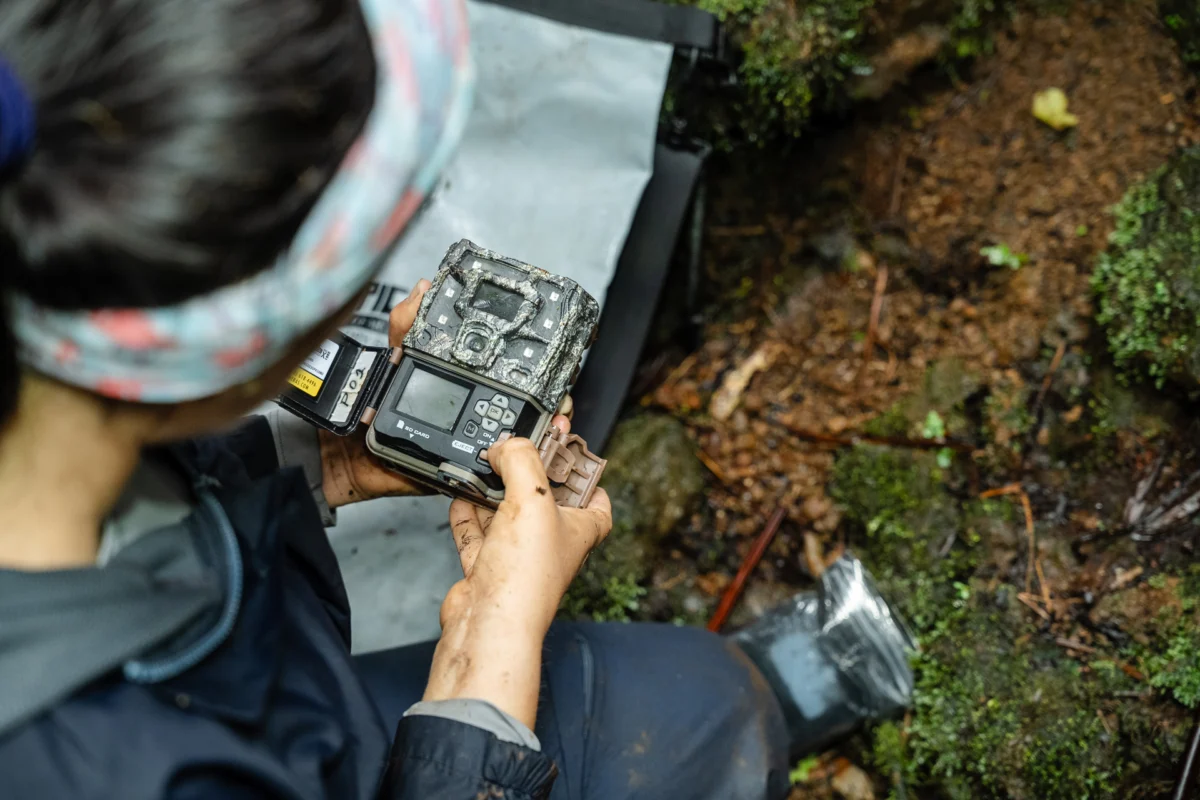
Once identified, the conservation work unfolds steadily and methodically: protecting individual burrows, rigorously monitoring petrel activity, implementing targeted predator control measures, and, perhaps most importantly, assiduously building trust and rapport with the landowners who share their territories with these vulnerable birds. This process is inherently iterative, requiring patience, consistent communication, and a shared vision for the future.
Paola Sangolquí highlights the transformative power of this collaborative approach: "As awareness has grown, local communities and landowners hosting nests have begun to see the petrel as a symbol of shared responsibility… every time I see a chick successfully fledge, I am reminded why we do this work; it is about giving a species a real chance to tell its story." This profound shift in perception is critical. Landowners, initially perhaps unaware or indifferent, begin to view the petrel not as a distant ecological concern but as an integral part of their own immediate environment, a species whose future is inextricably linked with their own stewardship. Through this process, conservation transcends mere intervention; it evolves into a deeply embedded sense of joint responsibility, fostering a sustainable coexistence between human activities and wildlife.
A Shared Horizon: The Power of Localized Stewardship
Though separated by vast geographical distances, distinct species, and vastly different landscapes, the compelling narratives of Parveen Shaikh and Paola Sangolquí are united by a common, overarching theme: conservation that intrinsically begins from within the territory itself. Whether along the dynamic, ever-shifting edges of a river or beneath the ancient, fertile soil of a volcanic island, these crucial efforts are sustained by individuals and communities who make a conscious, unwavering choice to stay, to meticulously observe, and, ultimately, to deeply care.
The implications of these localized, community-based conservation models are far-reaching. They demonstrate that effective biodiversity protection is not solely the domain of large governmental agencies or international NGOs but can thrive through the empowered actions of local people. This model addresses the core challenges of habitat loss and human-wildlife conflict by integrating conservation goals into local livelihoods and cultural values. It fosters a sense of ownership and pride, ensuring the long-term sustainability of interventions. Furthermore, these stories highlight the importance of scientific research and monitoring in understanding species’ needs and the impact of conservation actions, providing data-driven insights that inform future strategies.
In this collective decision—a decision characterized by its quiet dedication, its unwavering constancy, and its communal spirit—lies the profound possibility of ecological recovery and the promise of a more harmonious future for both humanity and the natural world. The recognition bestowed upon figures like Parveen Shaikh through the Whitley Award not only celebrates their individual achievements but also amplifies the urgent message that grassroots conservation, when empowered and supported, holds the key to safeguarding our planet’s invaluable biodiversity. BirdLife International, through its global network and partnerships with organizations like BNHS and Fundación Jocotoco, continues to champion these localized successes, advocating for and facilitating community-led conservation efforts worldwide. The successes in Chambal and the Galápagos serve as powerful blueprints for addressing the global biodiversity crisis, demonstrating that even the most threatened species can recover when human communities choose to become their guardians.
Congratulations from the entire BirdLife flock to Parveen and Paola for their extraordinary dedication and inspiring achievements in the realm of conservation. Their work stands as a beacon of hope, illuminating the path forward for a sustainable future.
