
The ecological diversity of Northern Colombia remains one of the most significant focal points for global ornithology, offering a unique intersection of lowland mangroves, arid scrublands, and the isolated, high-altitude ecosystems of the Sierra Nevada de Santa Marta. A recent eight-day biological survey and birding expedition, conducted from late March through early April, has provided a comprehensive snapshot of the region’s current avian health, documenting over 20 endemic species and several critically endangered taxa. The expedition, which traversed a variety of altitudinal zones, serves as a vital record of the biodiversity present in one of the world’s most irreplaceable endemic bird areas (EBAs).
The Biological Significance of the Caribbean Lowlands
The expedition commenced in the coastal city of Barranquilla, a region that serves as a gateway to the complex wetland systems of the Magdalena River delta. On March 29, researchers and observers initiated field studies at "KM 4," an area characterized by its mosaic of open habitats, dry forests, and freshwater wetlands. The high density of species in this transitional zone was immediately apparent, with 64 distinct avian species recorded within a 90-minute window. This high rate of detection underscores the productivity of the Caribbean coastal plains. Key observations included the Northern Screamer (Chauna chavaria), a species restricted to northern Colombia and northwestern Venezuela, and the Chestnut-winged Chachalaca (Ortalis garrula), a Colombian endemic.
Further exploration of the Isla de Salamanca National Natural Park revealed the critical importance of mangrove conservation. This "park of the road" acts as a vital corridor for both migratory and resident species. Among the mangroves and forest edges, the team documented the American Pygmy Kingfisher and the Pied Puffbird. However, the most significant find was the Sapphire-bellied Hummingbird (Chrysuronia lilliae). Classified as Critically Endangered by the IUCN, this species is restricted to a narrow strip of mangroves on the Caribbean coast. Its presence confirms that despite ongoing anthropogenic pressures and habitat fragmentation, these specialized mangrove pockets still support some of the world’s rarest avian life.

The Sierra Nevada de Santa Marta: An Island of Evolution
As the expedition moved inland and upward, the focus shifted to the Sierra Nevada de Santa Marta, the world’s highest coastal mountain range. Rising from sea level to nearly 5,700 meters, this isolated massif functions as an evolutionary island, hosting a staggering number of species found nowhere else on Earth. The transition from the Caribbean lowlands to the montane forests of the Sierra Nevada represents a dramatic shift in both climate and biodiversity.
On March 30, the team focused on the San Lorenzo Ridge, reaching the high-elevation cloud forests by sunrise. The clear conditions facilitated the observation of a suite of high-altitude endemics. Among the most notable was the Sierra Nevada Antpitta (Grallaria spatiator), a member of a family known for their elusive nature and complex vocalizations. The ridge also provided sightings of the White-tailed Starfrontlet and the Yellow-crowned Redstart, both endemic to these mountains.
The data collected at these higher elevations highlights the "verticality" of biodiversity in the Santa Marta range. Species such as the Black-cheeked Mountain-Tanager and Carriker’s Mountain Tanager were recorded in the elfin forests near the ridge, while lower-down slopes yielded the Southern Emerald Toucanet and the Masked Trogon. This altitudinal zonation is a key characteristic of the region, where a change of just a few hundred meters in elevation can result in a completely different set of species.
Mid-Elevation Surveys and Conservation Indicators
The middle elevations of the Santa Marta range, particularly around the Minca and El Dorado areas, serve as a critical buffer zone between the developed lowlands and the protected high-altitude forests. On March 31 and April 1, the expedition surveyed these mid-elevation sites, focusing on feeder stations and known nesting sites that allow for closer monitoring of secretive species.
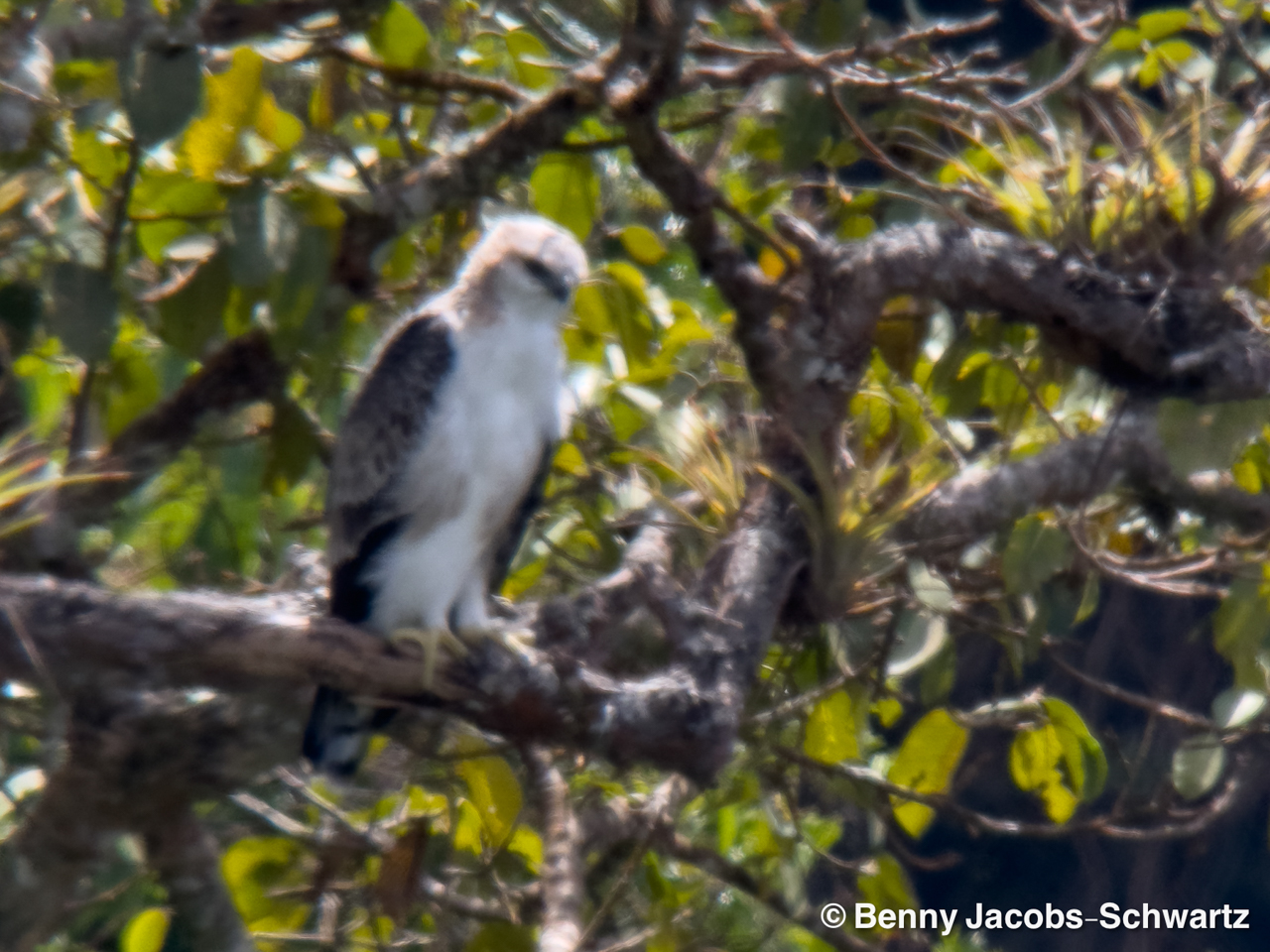
One of the highlights of the mid-elevation survey was the observation of a juvenile Black-and-Chestnut Eagle (Spizaetus isidori). This raptor is currently classified as Endangered, with a declining population primarily due to habitat loss and persecution by farmers. The presence of a juvenile suggests successful breeding in the region, although the absence of the adults during the observation period underscores the large home ranges and low density of these apex predators.
The mid-elevation forests also proved productive for endemic ground-dwelling birds. The team secured excellent views of the Black-fronted Wood-Quail and the Santa Marta Antbird. An unusual sighting was recorded in this zone: the Rufous-necked Wood-Rail. Typically associated with lowland mangroves, its presence at a higher-elevation feeder site suggests a degree of habitat flexibility or perhaps a seasonal movement pattern that warrants further scientific investigation.
Transition to the Arid North: La Guajira and Los Flamencos
The final phase of the expedition involved a transition from the lush, humid forests of the mountains to the xeric (dry) scrublands and coastal lagoons of the La Guajira peninsula. This region, characterized by its arid climate and thorny vegetation, hosts a distinct set of "Guajira endemics"—species shared between northern Colombia and the Maracaibo basin of Venezuela.
Upon arriving at Los Flamencos Sanctuary on April 2, the team documented a shift in avian community composition. Species such as the Vermilion Cardinal and the Orinocan Saltator, both specialists of the arid scrub, were observed. The coastal lagoons provided a sharp contrast, supporting a high biomass of waterbirds. The expedition utilized boat surveys to document the biodiversity of the lagoons, recording American Flamingos, Roseate Spoonbills, and the striking Scarlet Ibis (Eudocimus ruber).

The presence of the Mangrove Rail in these saline environments further emphasizes the ecological complexity of the Guajira coast. Additionally, the team observed shorebirds such as the Semipalmated Plover and the Hudsonian Whimbrel, highlighting the region’s importance as a stopover point for Nearctic migrants returning to their northern breeding grounds.
Regional Specialties and Final Observations
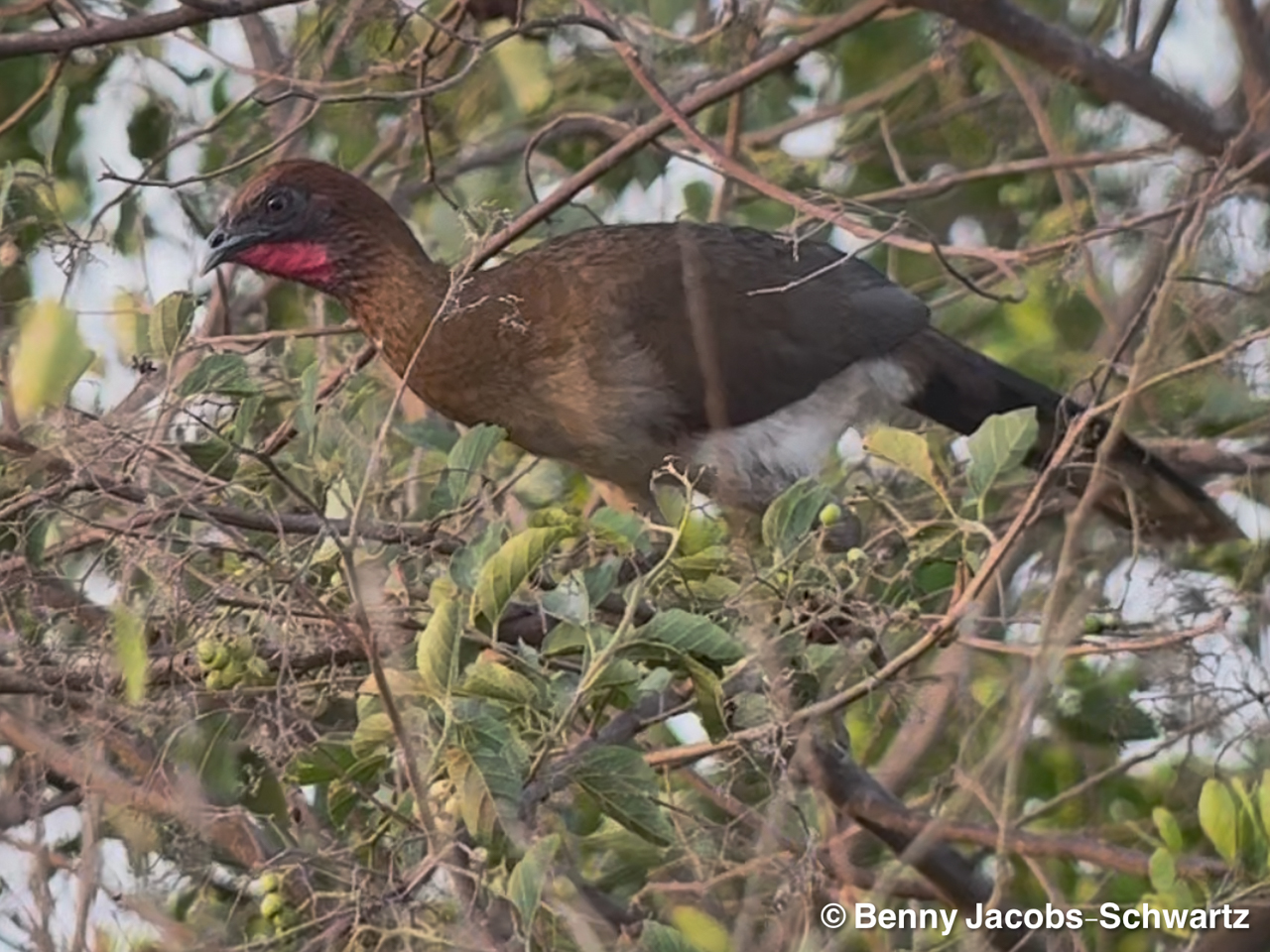
The survey concluded in the dry forests near Riohacha on April 3. This area is critical for several regional specialties that are often difficult to locate elsewhere. The team recorded the Rufous-vented Chachalaca and the Bare-eyed Pigeon, along with the Glaucous Tanager and the Tocuyo Sparrow. These species are adapted to the harsh, seasonally dry conditions of the northernmost tip of South America.
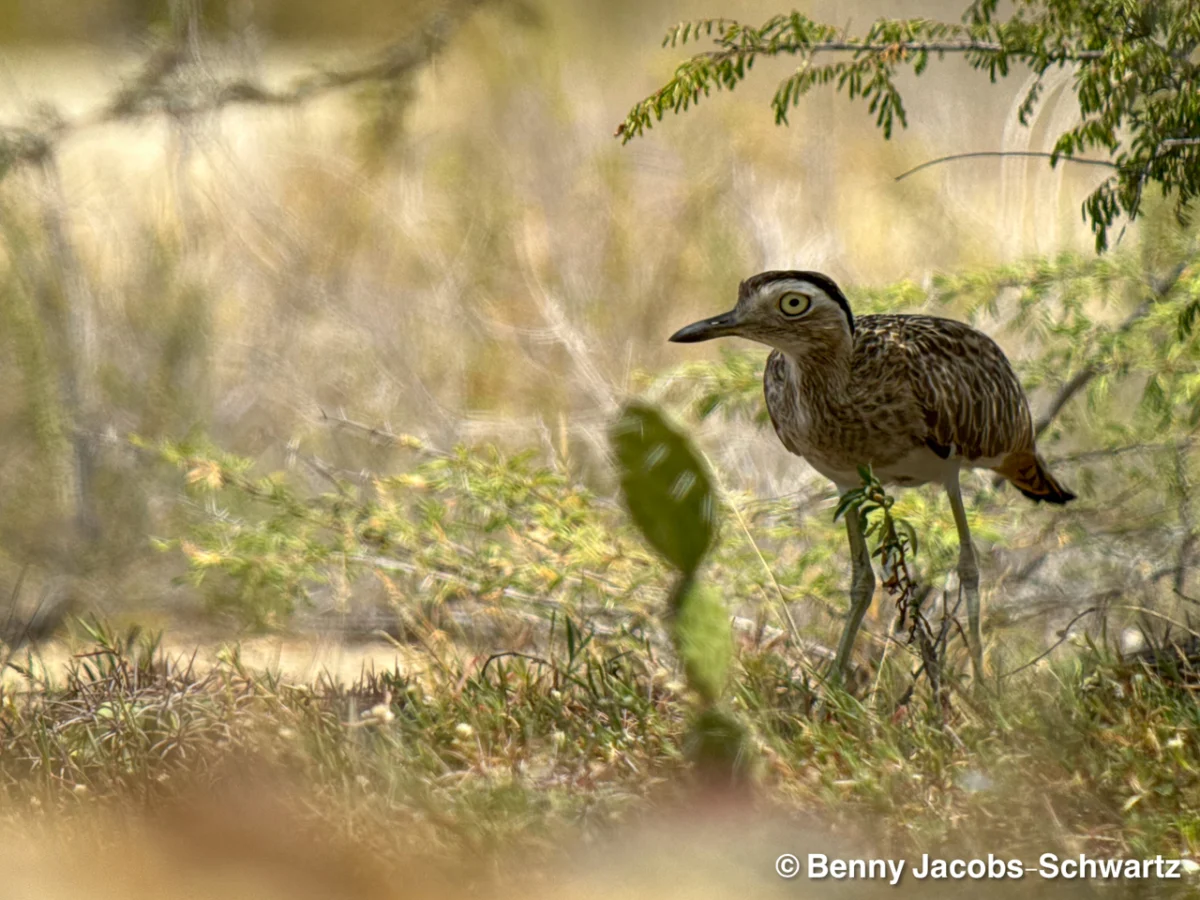
In the final hours of the field study, the team added the Double-striped Thick-knee and the Vermilion Flycatcher to the list, bringing the total number of species observed during the week to well over 200. The expedition officially concluded with a return flight to Bogotá on April 4, marking the end of a comprehensive assessment of the Caribbean and Santa Marta avian corridors.
Implications for Conservation and Sustainable Tourism
The findings of this expedition have significant implications for conservation strategy in Colombia. The documentation of 20 endemic species—including the Santa Marta Woodstar, Santa Marta Blossomcrown, and Santa Marta Screech-Owl—reinforces the status of the Sierra Nevada de Santa Marta as a global conservation priority. The data suggests that while the protected areas at higher elevations remain relatively intact, the transitional forests and lowland mangroves are under greater threat.
The presence of the Sapphire-bellied Hummingbird in the Isla de Salamanca area is particularly noteworthy. As a critically endangered species, its survival is entirely dependent on the preservation of the remaining mangrove fragments. Conservationists argue that the protection of these habitats must be integrated into regional development plans, especially as infrastructure projects expand around Barranquilla and Santa Marta.
Furthermore, the expedition highlights the growing importance of birding tourism as an economic driver for conservation. In the post-conflict era, Colombia has seen a surge in international birdwatchers drawn by the country’s status as the world’s most bird-rich nation. This "green" economy provides a financial incentive for local communities to preserve forests rather than clear them for agriculture. Sites like the feeders in Minca and the boat tours in Los Flamencos demonstrate how sustainable tourism can provide livelihoods while fostering a culture of environmental stewardship.
Synthesis of Findings
The eight-day survey successfully mapped the distribution of key avian taxa across a diverse range of ecosystems. The results confirm that Northern Colombia remains a bastion of avian biodiversity, hosting an extraordinary concentration of endemic and threatened species. However, the expedition also identified clear vulnerabilities, particularly for species with highly specialized habitat requirements or those sensitive to altitudinal changes.
As climate change continues to shift environmental boundaries, the "sky islands" of the Santa Marta Mountains may face increasing pressure, as species are forced to move higher to find suitable temperatures. Monitoring expeditions like this one provide the baseline data necessary to track these shifts and implement adaptive management strategies. The successful documentation of rare raptors, critically endangered hummingbirds, and a vast array of endemics serves as both a celebration of Colombia’s natural heritage and a call to action for the continued protection of these irreplaceable landscapes.
