
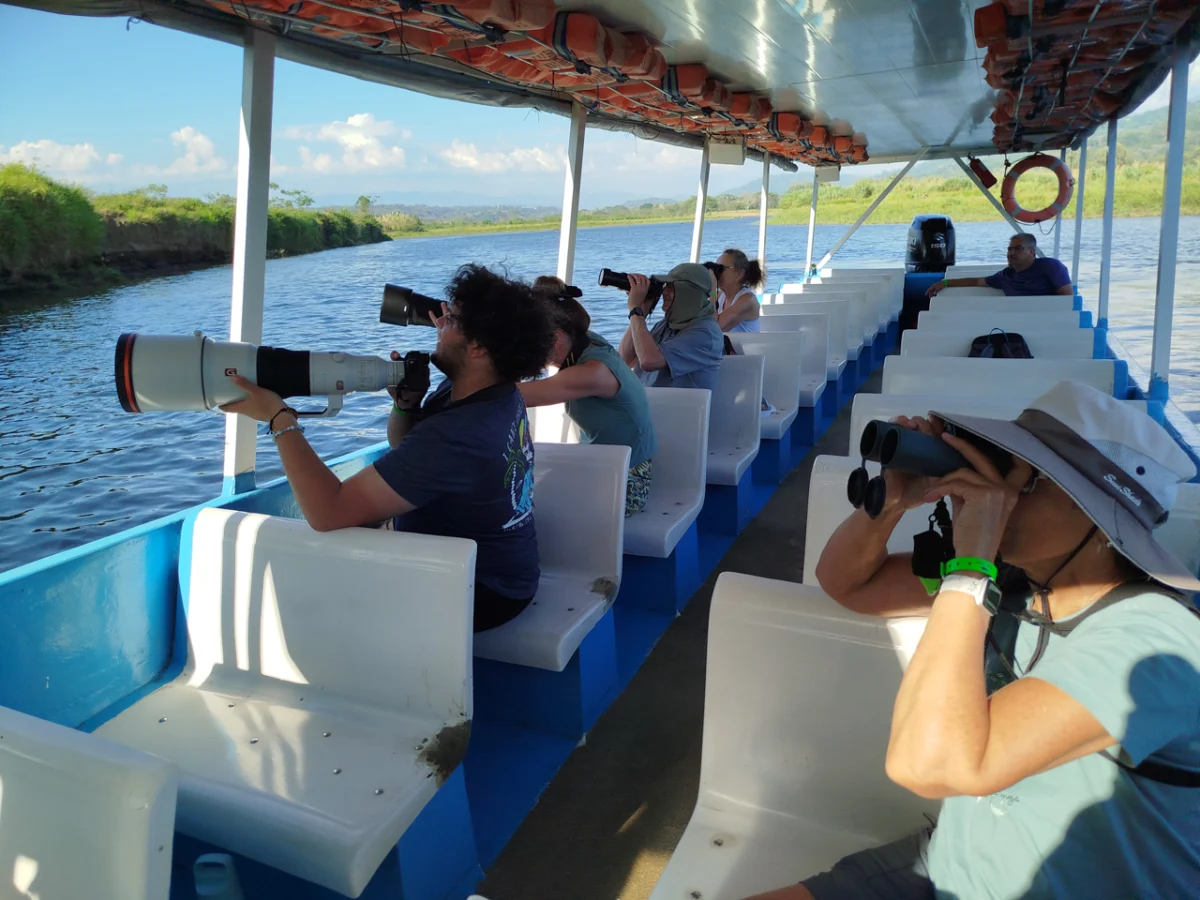
The Republic of Costa Rica has once again solidified its standing as a premier global destination for ornithological travel following the successful completion of an intensive eleven-day birding expedition. The tour, which navigated a comprehensive circuit through the country’s most vital biological corridors, documented a vast array of species ranging from high-altitude endemics in the Talamanca highlands to secretive wetland specialists in the Caribbean lowlands. This recent survey underscores the success of Costa Rica’s conservation model, which protects approximately 28% of its national territory, providing a sanctuary for over 900 bird species—roughly 10% of the world’s total avian population within a landmass that comprises only 0.03% of the earth’s surface.
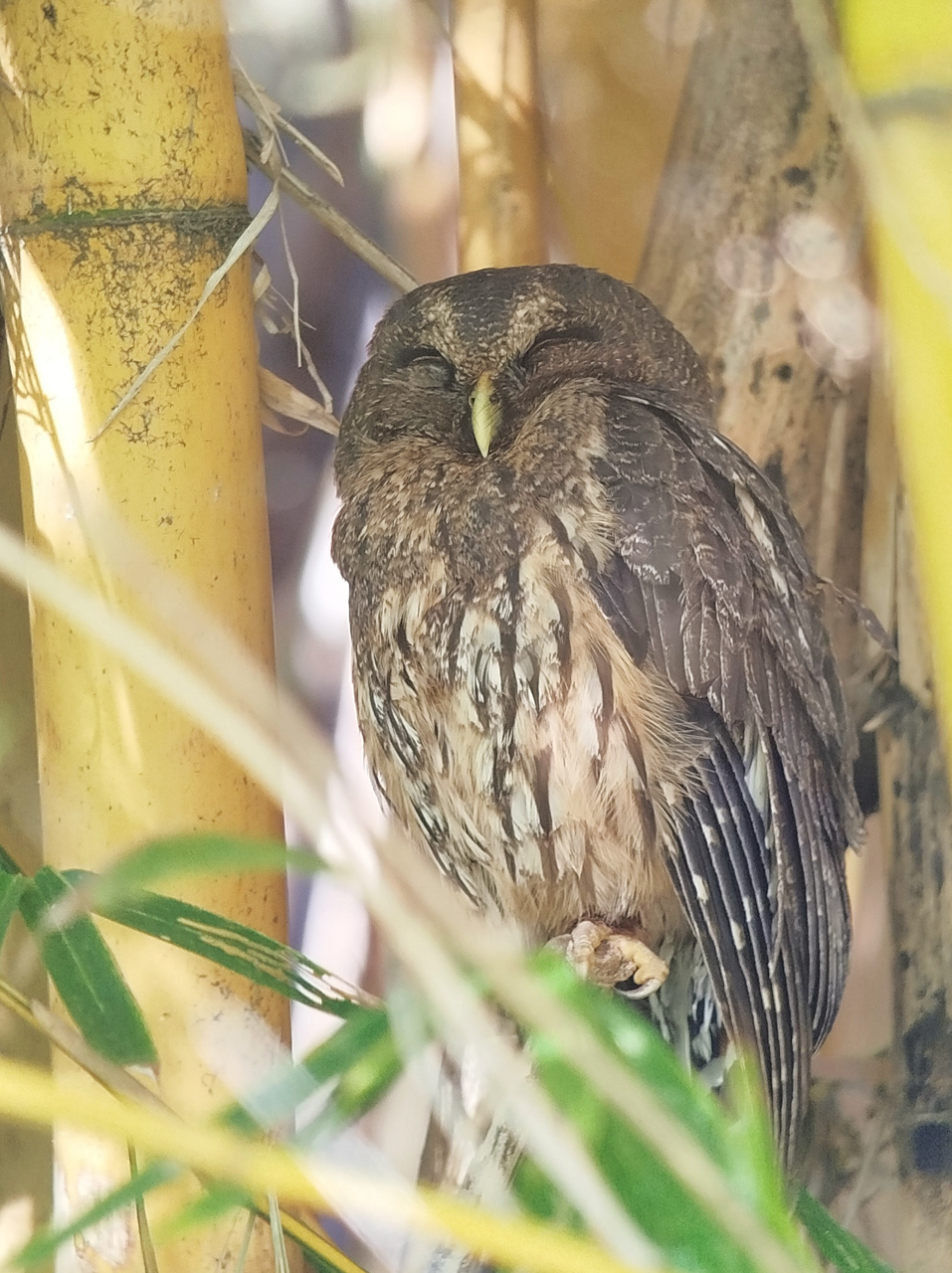
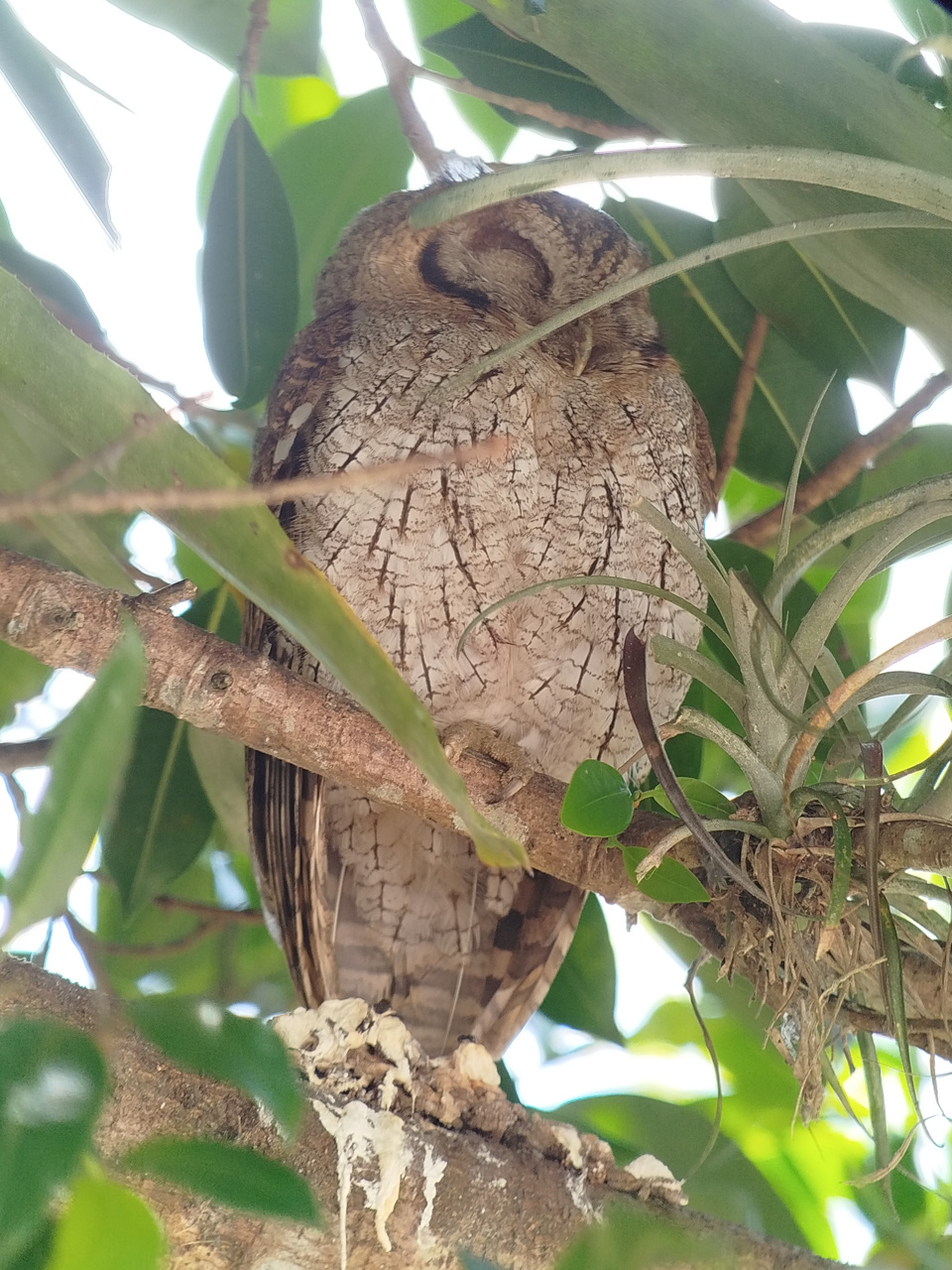
The expedition commenced in the Central Valley, utilizing the eastern suburbs of San José as a strategic base. Early observations at the Hotel Bougainvillea provided an immediate glimpse into the country’s urban-adjacent biodiversity. Resident species such as the Clay-colored Thrush—Costa Rica’s national bird—and the Crimson-fronted Parakeet were documented alongside more elusive nocturnal residents. The discovery of a Mottled Owl roosting within the hotel grounds on the first evening set a high bar for the tour, while the presence of the White-eared Ground-Sparrow highlighted the importance of well-maintained botanical gardens in supporting skulking, forest-edge species within developed areas.
The Pacific Lowlands and the Carara Ecotone
The second phase of the journey involved a descent toward the Pacific coast, a region characterized by a unique transition zone between the dry forests of the north and the humid rainforests of the south. This "ecotone" creates a biological crossroads that supports an extraordinarily high concentration of species. Stops along the route to Orotina and the Caldera Mangroves yielded observations of the Mangrove Hummingbird, a species endemic to Costa Rica and currently listed as "Near Threatened" by the IUCN. The presence of this specialist, which relies exclusively on mangrove nectar, serves as a critical indicator of the health of the coastal estuary systems.
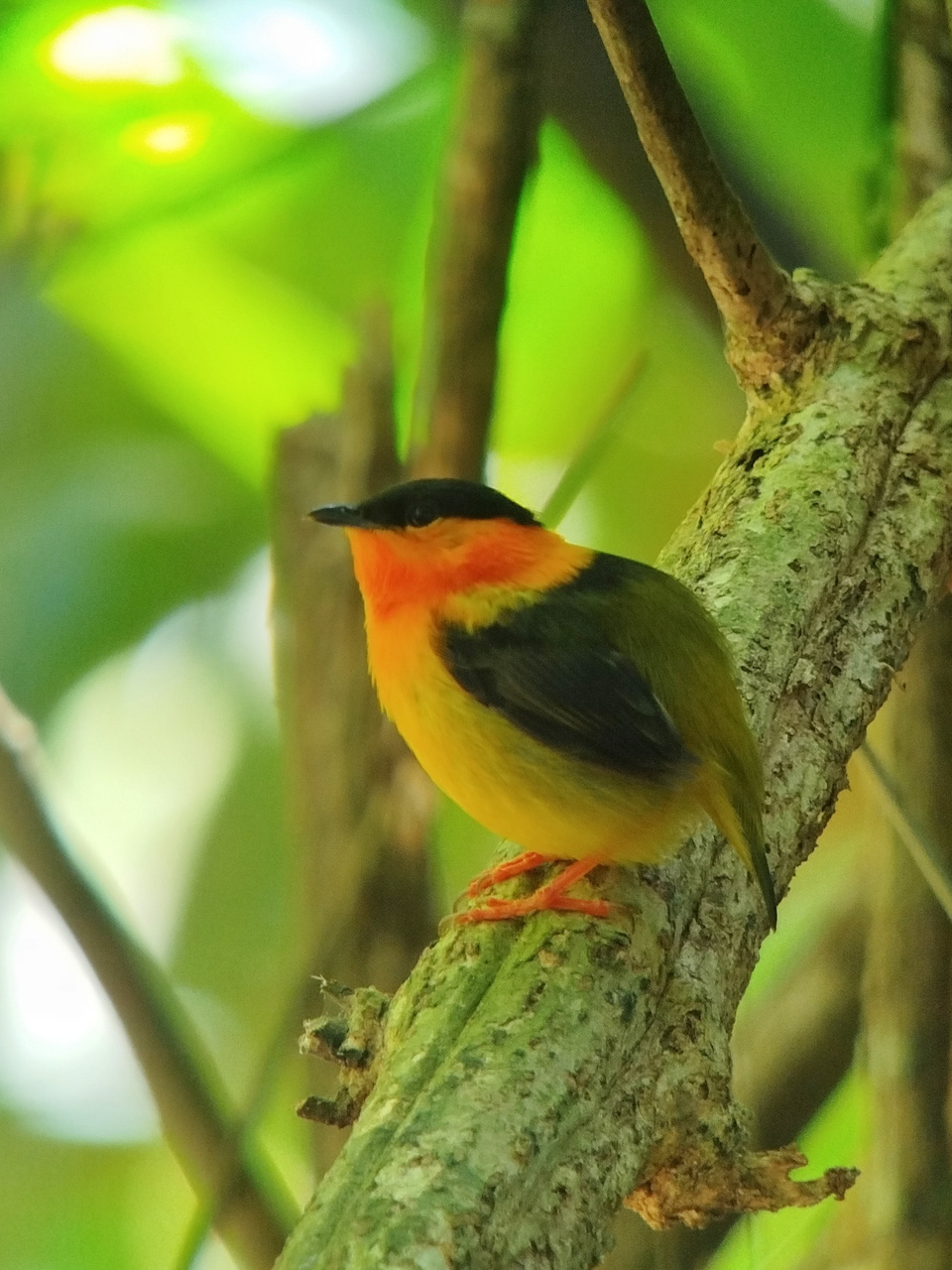
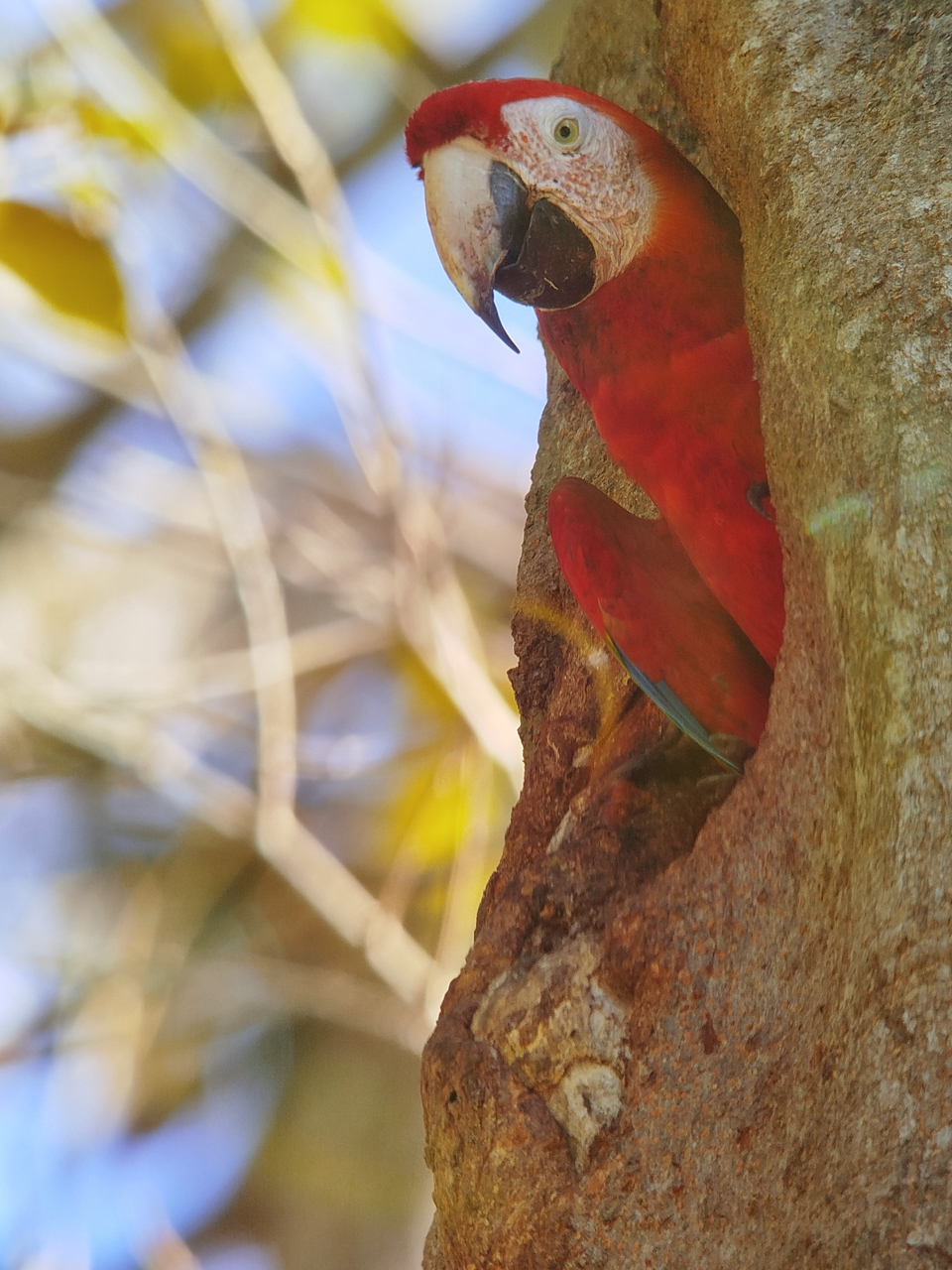
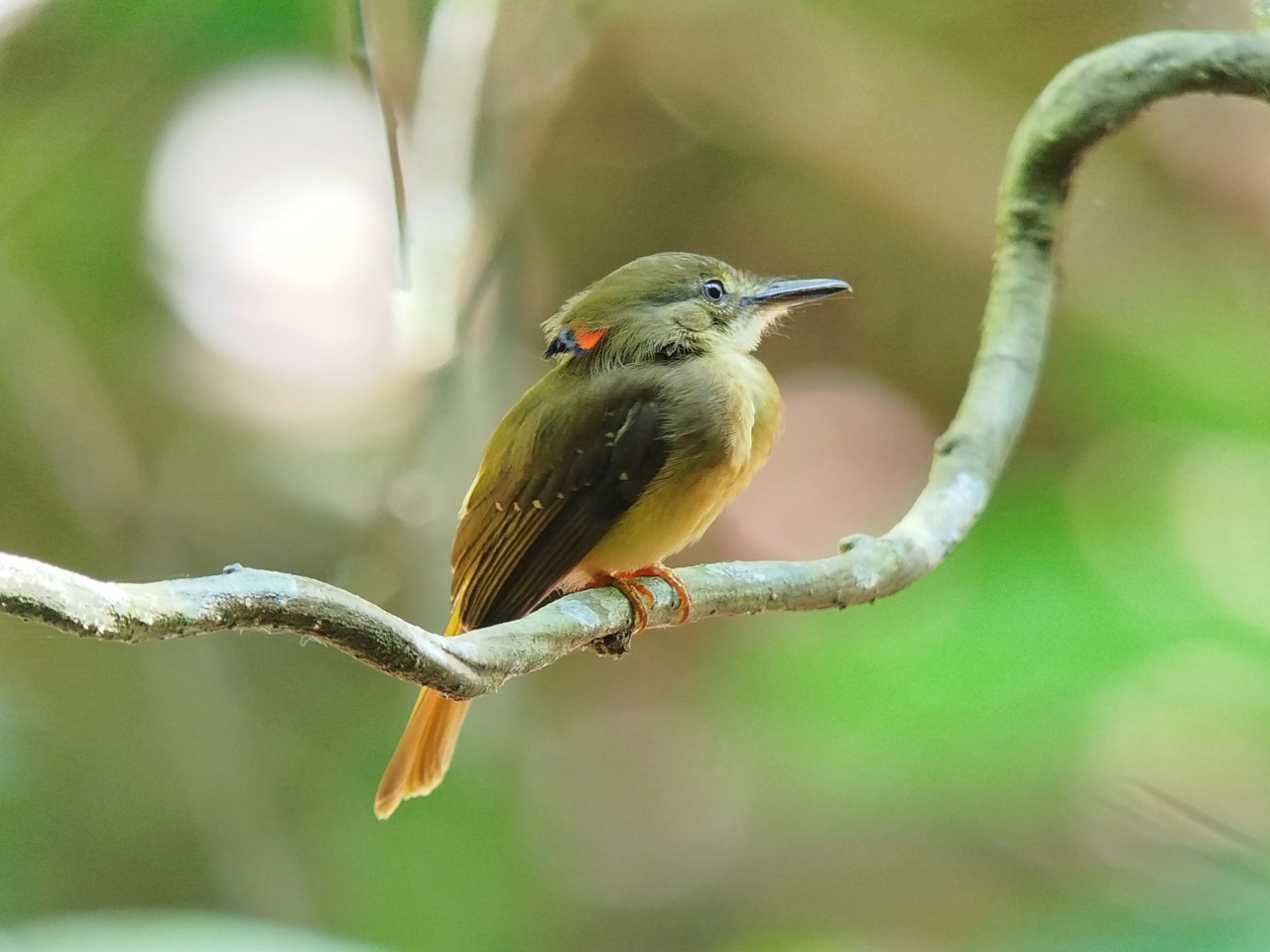
At Carara National Park, the group conducted extensive surveys along the Sendero La Meandrica and the Quebrada Bonita trails. Carara is recognized as one of the few remaining strongholds for the Pacific population of the Scarlet Macaw. The tour recorded significant numbers of these iconic psittacines, including a single flock of 32 individuals. Beyond the macaws, the park’s primary forest interior revealed complex social structures among birds, such as the lekking behavior of the Orange-collared Manakin and the presence of mixed-species foraging flocks containing Dot-winged Antwrens and White-shouldered Tanagers. The documentation of the Royal Flycatcher, known for its spectacular but rarely seen flamboyant crest, was a highlight of the lowland forest segment.
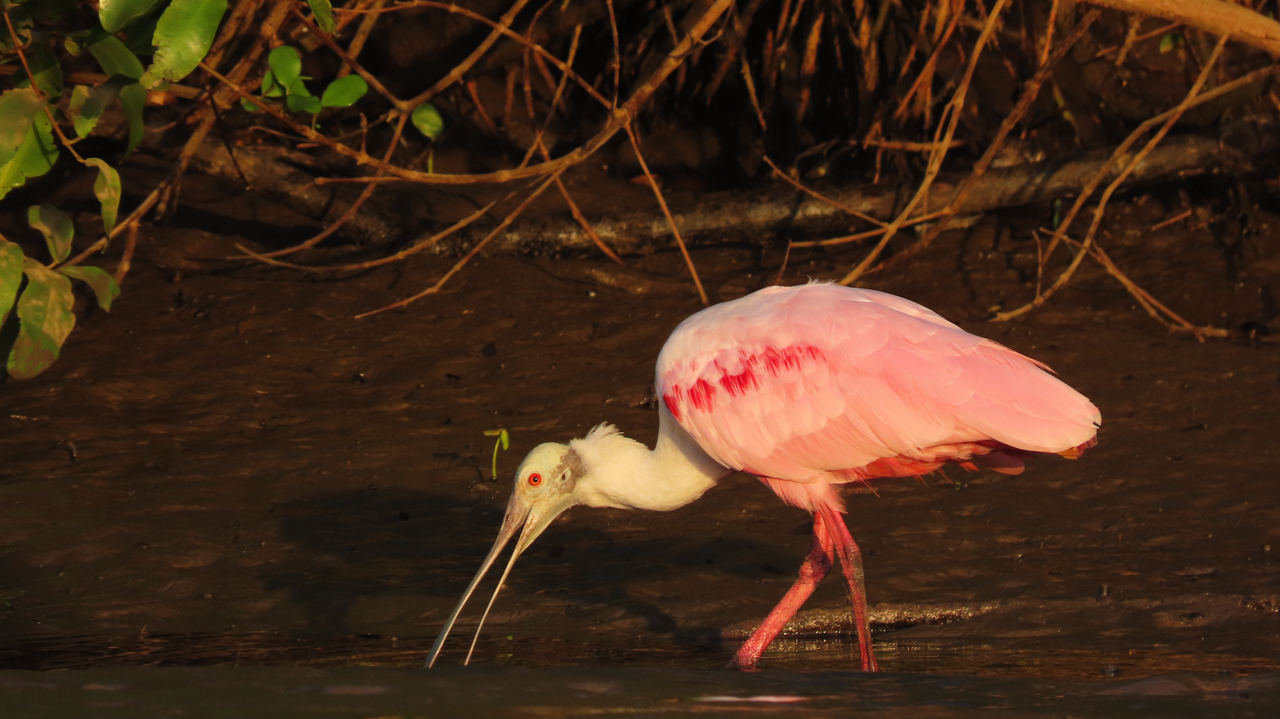
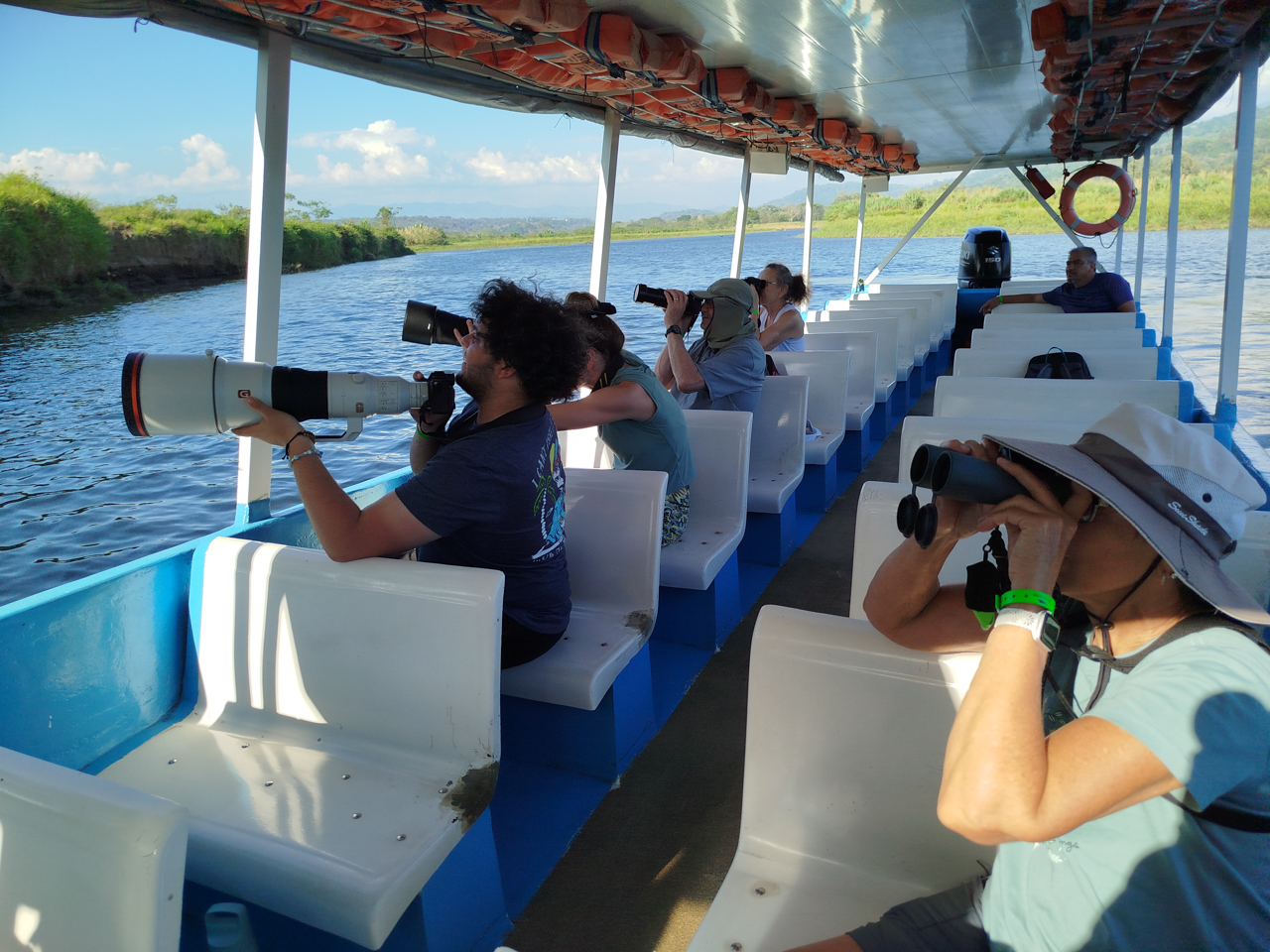
The Tárcoles River estuary provided a contrast to the dense forest, offering a high-density environment for waterbirds and shorebirds. The expedition utilized a river boat to observe American Crocodiles and a diverse assemblage of herons, including the Bare-throated Tiger-Heron and the Roseate Spoonbill. The late-afternoon observation of 22 Lesser Nighthawks hawking for insects over the water provided data on the crepuscular activity patterns of the region’s aerial insectivores.
Highland Endemism in the Talamanca Range
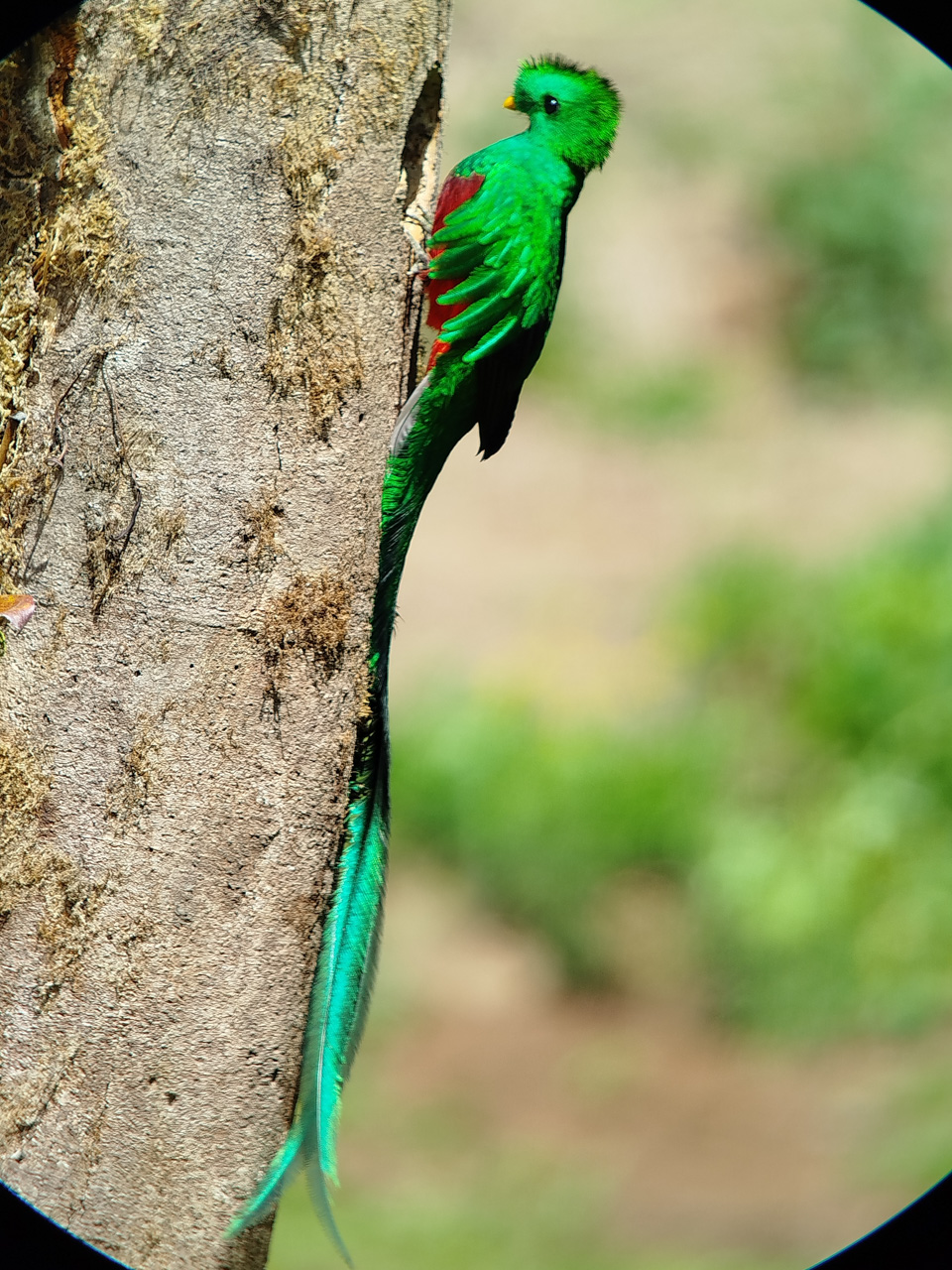
Shifting focus from the lowlands to the subalpine rain forests, the tour ascended into the Talamanca Mountains, a region characterized by high levels of endemism due to its geographic isolation. The primary objective in the Los Quetzales National Park area was the Resplendent Quetzal, a bird of immense cultural and biological significance. The group successfully observed a male quetzal, whose presence is tied to the availability of wild avocado trees (Lauraceae family). The conservation of these fruiting trees is vital for the survival of the species, which is currently classified as "Near Threatened" due to habitat loss.
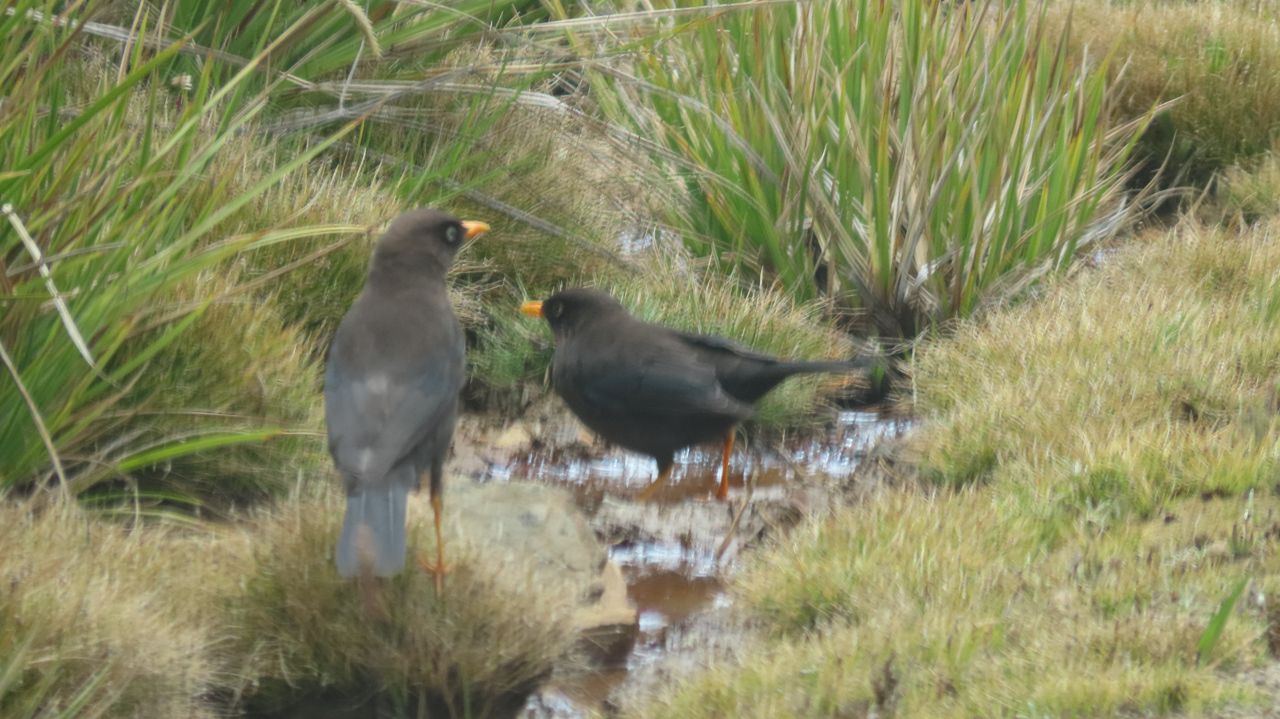
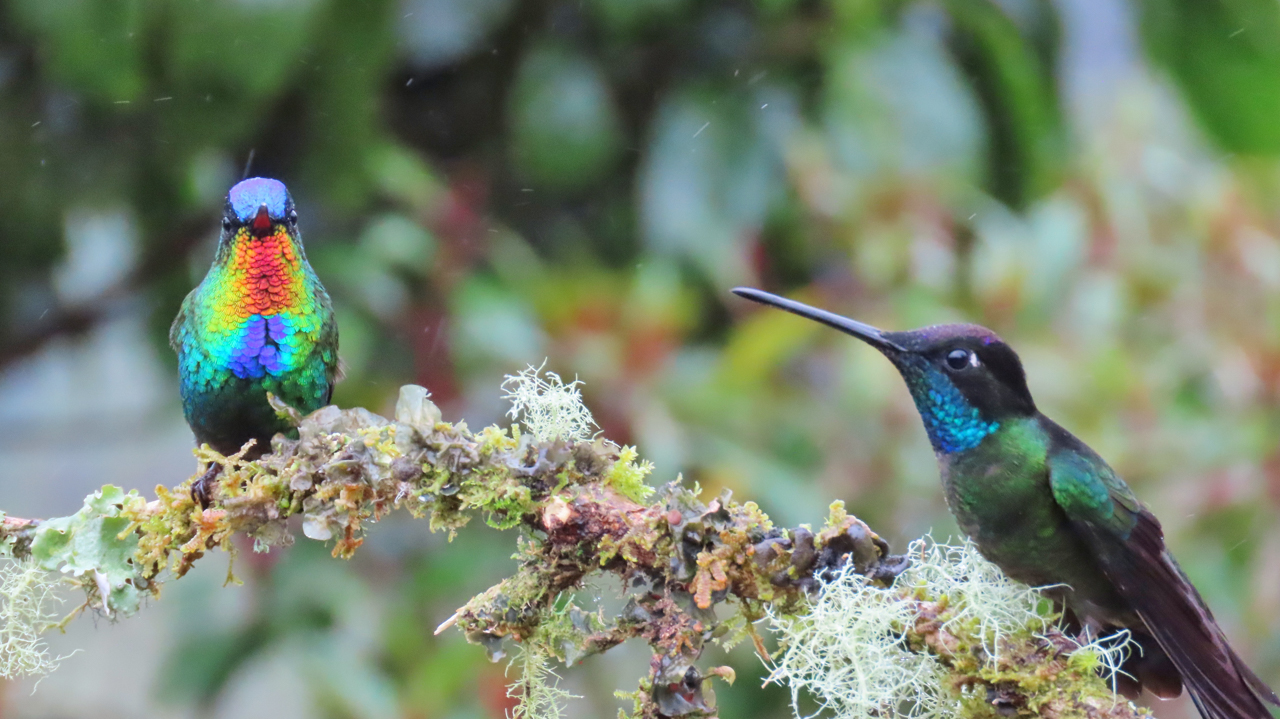
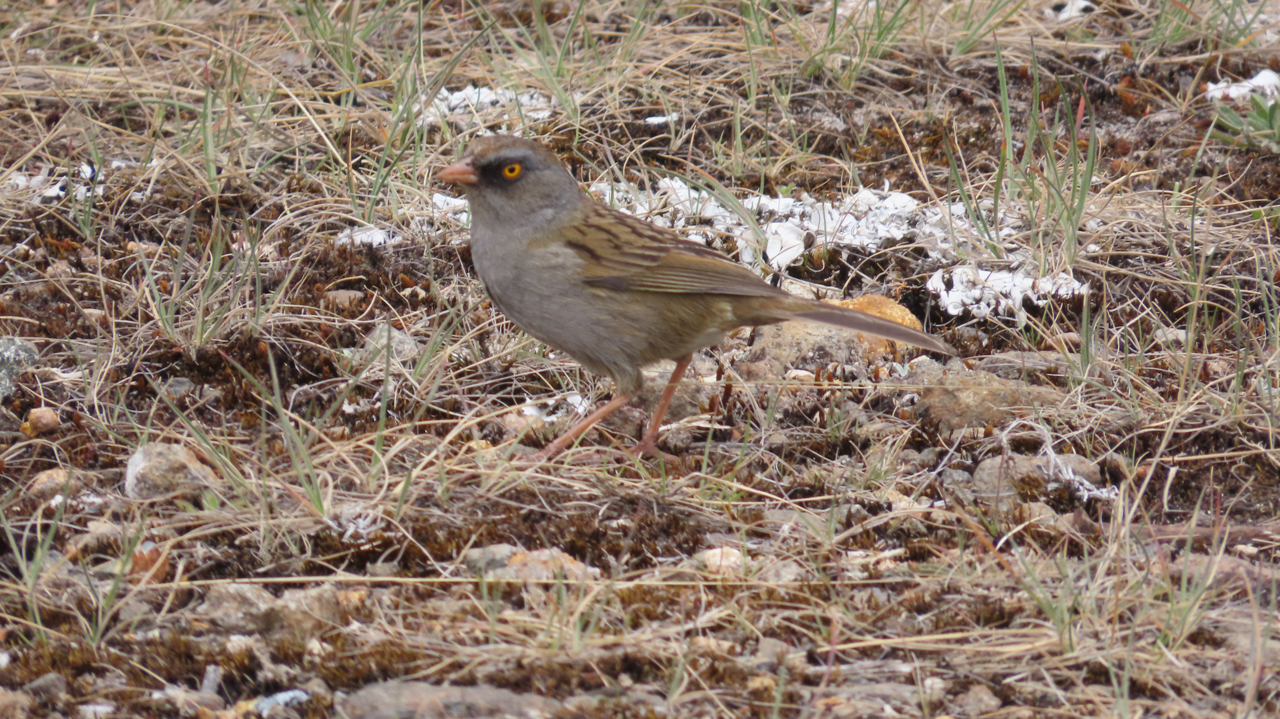
The high-altitude paramo near Cerro Buenavista, located at approximately 3,000 meters above sea level, allowed for the documentation of specialized species adapted to the thin air and cooler temperatures. These included the Volcano Junco, a regional endemic found only in the high peaks of Costa Rica and western Panama, and the Timberline Wren. The hummingbird feeders at Paraíso Quetzal Lodge provided a quantitative look at highland nectar-feeders, with up to 21 Fiery-throated Hummingbirds recorded simultaneously, demonstrating the high carrying capacity of well-managed supplemental feeding stations in supporting local populations during blooming cycles.
Mid-Elevation Dynamics and the Arenal Volcanic Slopes
The middle segment of the expedition focused on the humid mid-elevation forests of the Quelitales and Cartago regions. This area serves as a critical altitudinal corridor for birds that migrate up and down the mountains in response to seasonal fruit and nectar availability. A significant event occurred at the Culebra Brenes site, where the group observed 18 Hook-billed Kites soaring in a single thermal. This species is often elusive and solitary; such a high concentration suggests a significant movement or a localized abundance of their primary food source, arboreal snails.
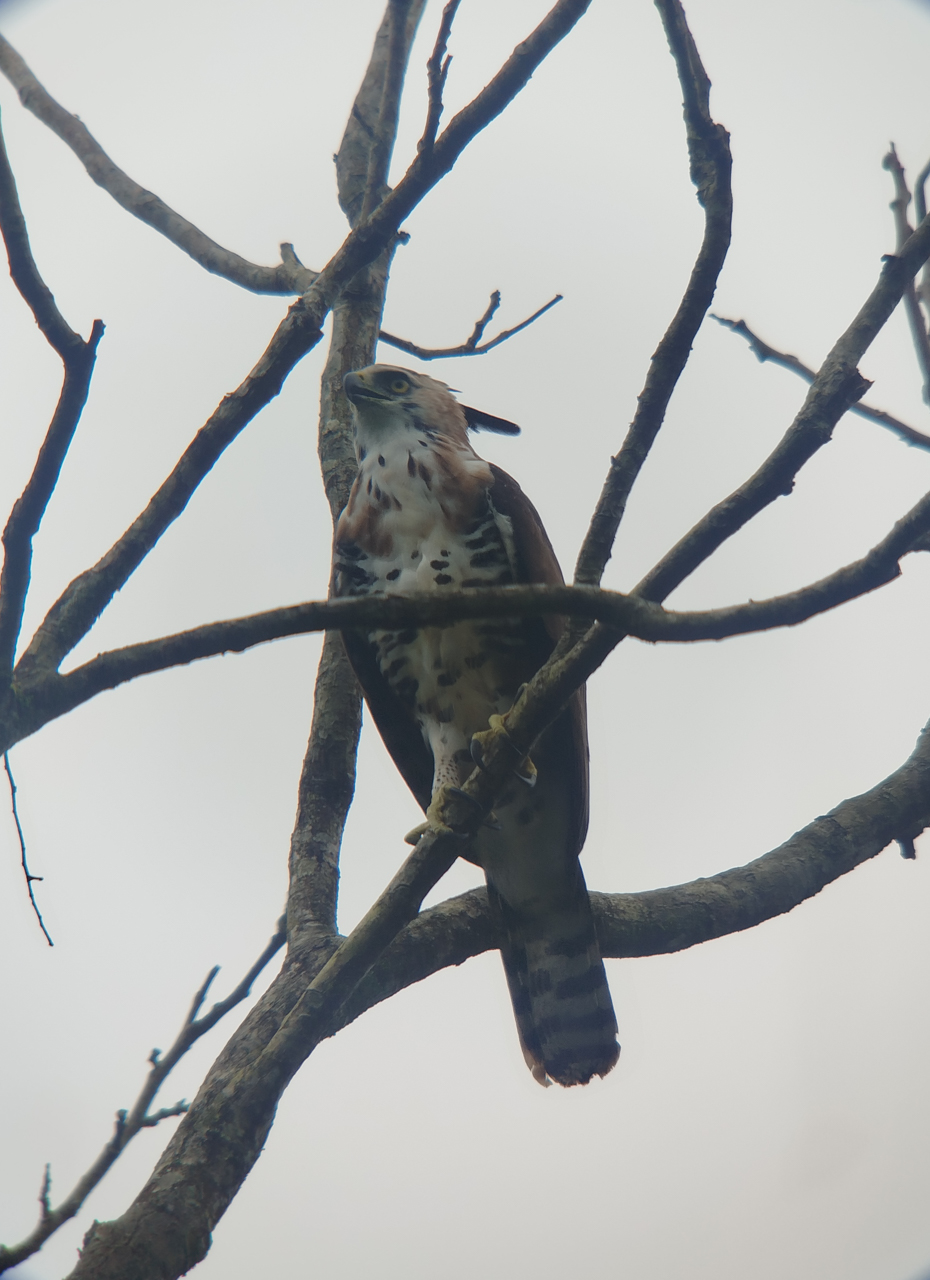
The transition to the Arenal Observatory Lodge, situated on the flanks of the Arenal Volcano, shifted the focus to the Caribbean-slope biodiversity. The lodge’s location provides a unique vantage point for observing raptors and canopy species. The sighting of an Ornate Hawk-Eagle, a powerful predator of the tropical forest canopy, indicated a healthy ecosystem capable of supporting top-tier carnivores. The nocturnal surveys in this region were equally productive, adding the Black-and-white Owl to the tour’s comprehensive list.
In addition to the raptors, the Arenal region proved to be a stronghold for toucans and their smaller relatives, the aracaris. The Keel-billed Toucan and Yellow-throated Toucan were frequently sighted, highlighting the importance of the lodge’s protected forest in providing the large, hollow trees required by these cavity-nesters.
The Caribbean Lowlands and the La Selva Research Legacy
The final leg of the tour took place at the La Selva Biological Station, a world-renowned site managed by the Organization for Tropical Studies (OTS). La Selva is one of the most studied tropical rainforests in the world, and its long-term data sets are foundational to our understanding of tropical ecology. The expedition’s visit to this site resulted in the observation of the Agami Heron, a species notorious for its secretive nature and preference for shaded, overhanging stream banks.
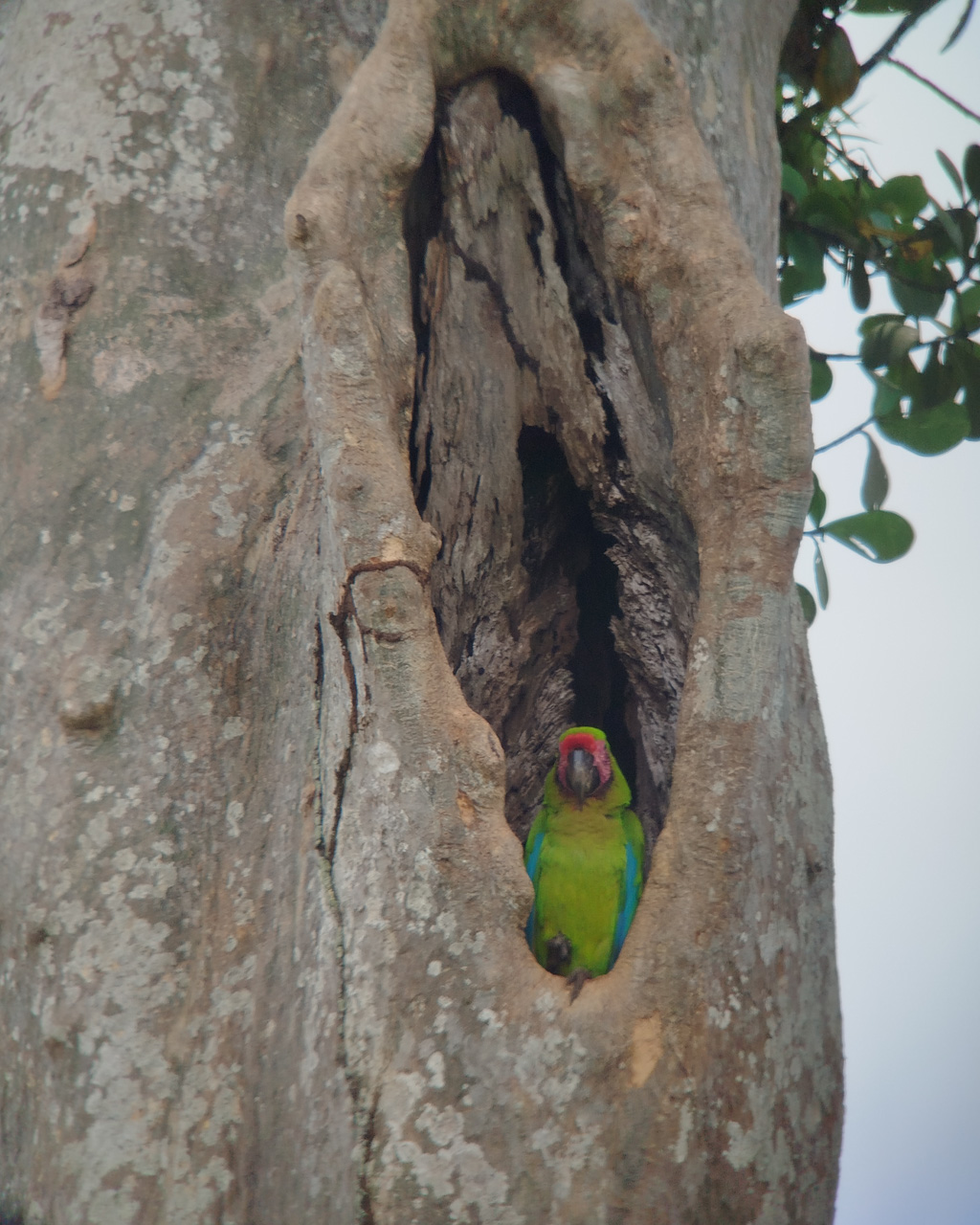
The Caribbean lowlands also provided a second opportunity to document the Great Green Macaw. Unlike its Scarlet cousin, the Great Green Macaw is "Critically Endangered," with its survival inextricably linked to the Almendro tree (Dipteryx panamensis). The observation of this species at both Las Brisas Abajo and La Selva is an encouraging sign of the success of the Mesoamerican Biological Corridor, an international initiative to connect protected areas across Central America.
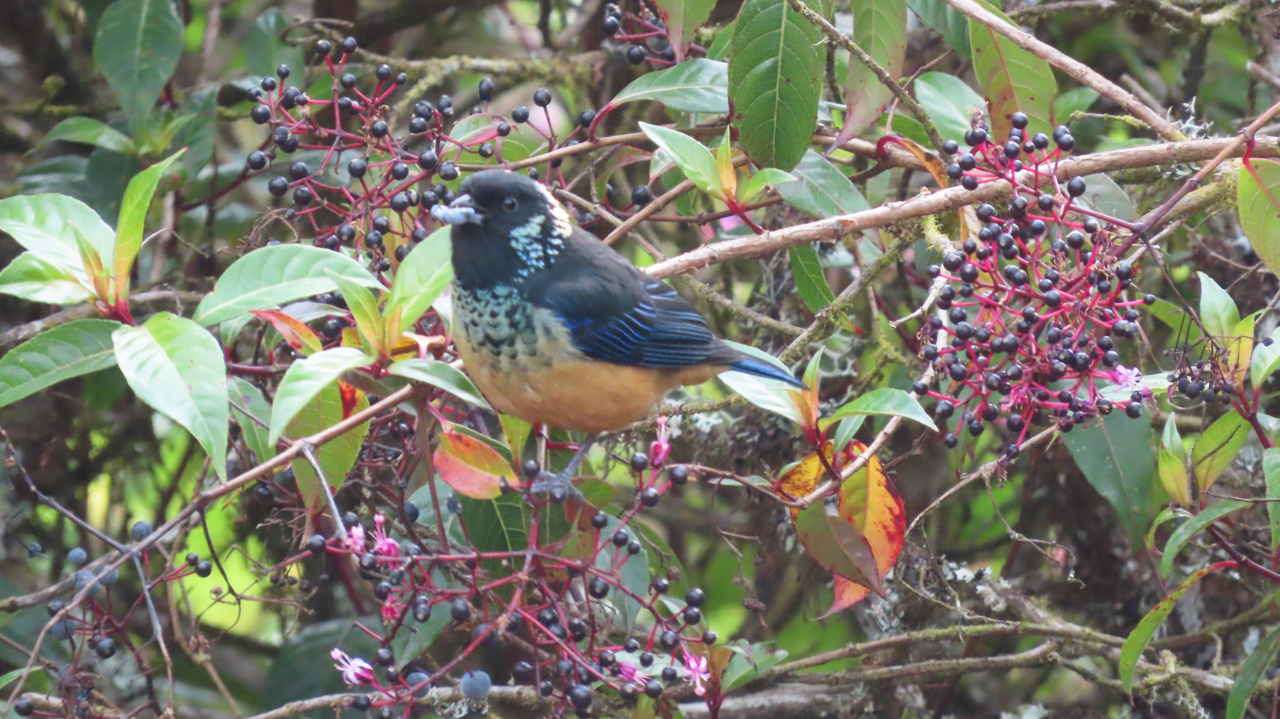
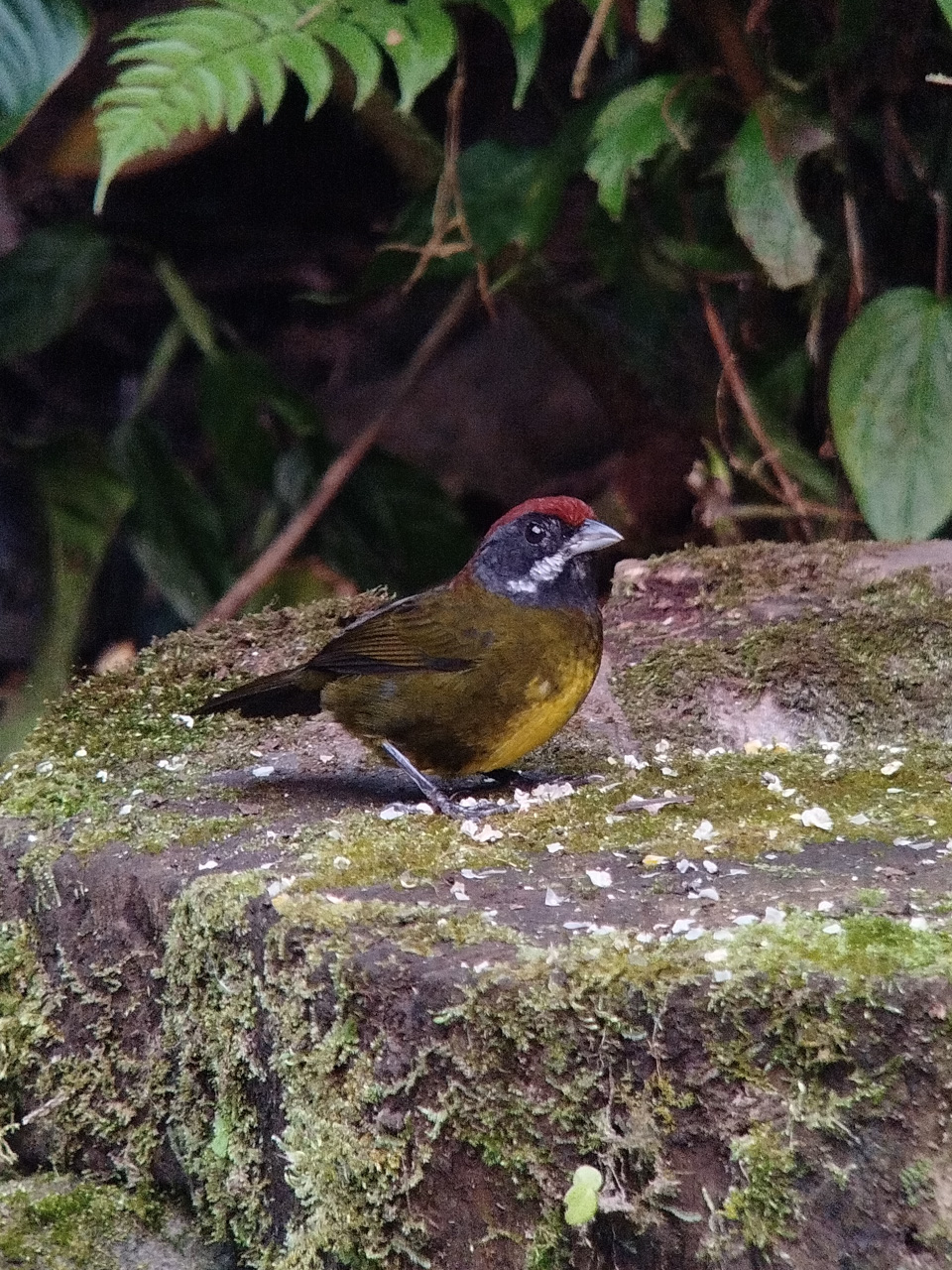
The tour concluded with a visit to the Cinchona area, specifically the Galería de Colibrí. This site, which overlooks the Sarapiquí Canyon, serves as a vital stop for birders and a sanctuary for species like the Red-headed Barbet and the Emerald Toucanet. The high visibility of these species at Cinchona underscores the economic value of birding tourism to local communities, which increasingly see bird conservation as a viable alternative to extractive land uses.
Economic and Conservation Implications
The results of this eleven-day "Sampler" tour provide more than just a list of sightings; they offer a snapshot of the current state of Costa Rican biodiversity. From a conservation perspective, the documentation of endangered species like the Great Green Macaw and endemics like the Mangrove Hummingbird validates the importance of protected areas and the corridors that link them.
From an economic standpoint, the tour exemplifies the "green-gold" economy that Costa Rica has pioneered. Birdwatching tourism is a high-value, low-impact industry that incentivizes the preservation of primary forests. According to the Costa Rican Tourism Board (ICT), birdwatchers are among the highest-spending tourists, often staying longer and visiting more remote regions than the average traveler. This creates a direct financial incentive for local landowners to maintain forest cover and restore degraded habitats.
The successful documentation of over 300 species in just eleven days highlights the efficiency of Costa Rica’s infrastructure for nature tourism. The presence of specialized lodges, professional guides, and accessible national parks makes it possible to conduct high-level biological surveys in a relatively short timeframe. As global biodiversity faces increasing threats from climate change and habitat fragmentation, the data gathered by such expeditions contributes to the broader understanding of species distribution and population health.
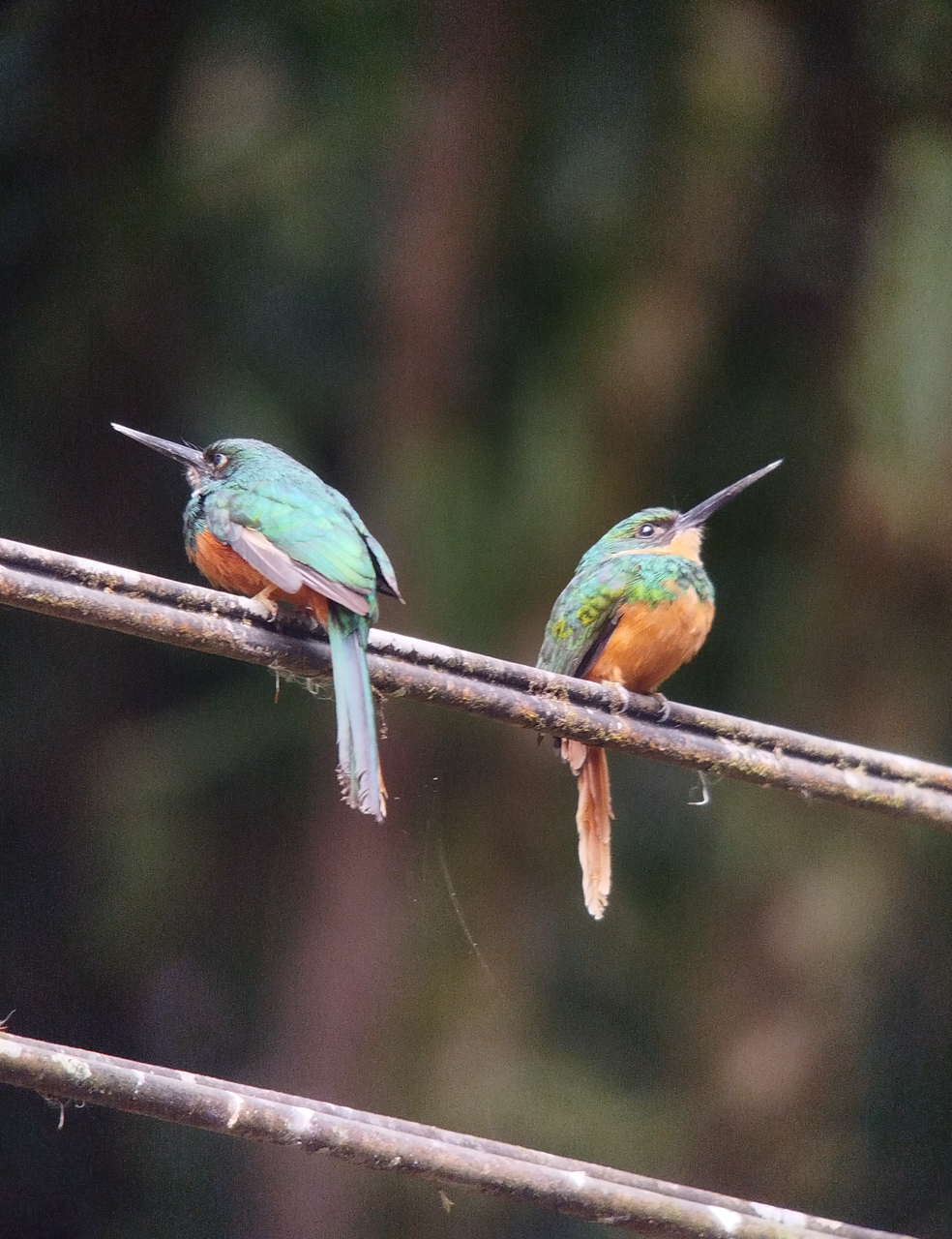
The tour concluded in San José on March 23, with the final tally reflecting a diverse cross-section of Costa Rica’s avian wealth. The expedition not only celebrated the aesthetic beauty of the Resplendent Quetzal and the Scarlet Macaw but also emphasized the critical need for continued vigilance in protecting the habitats that these and hundreds of other species call home. The legacy of this journey remains a testament to Costa Rica’s enduring commitment to its natural heritage.
