
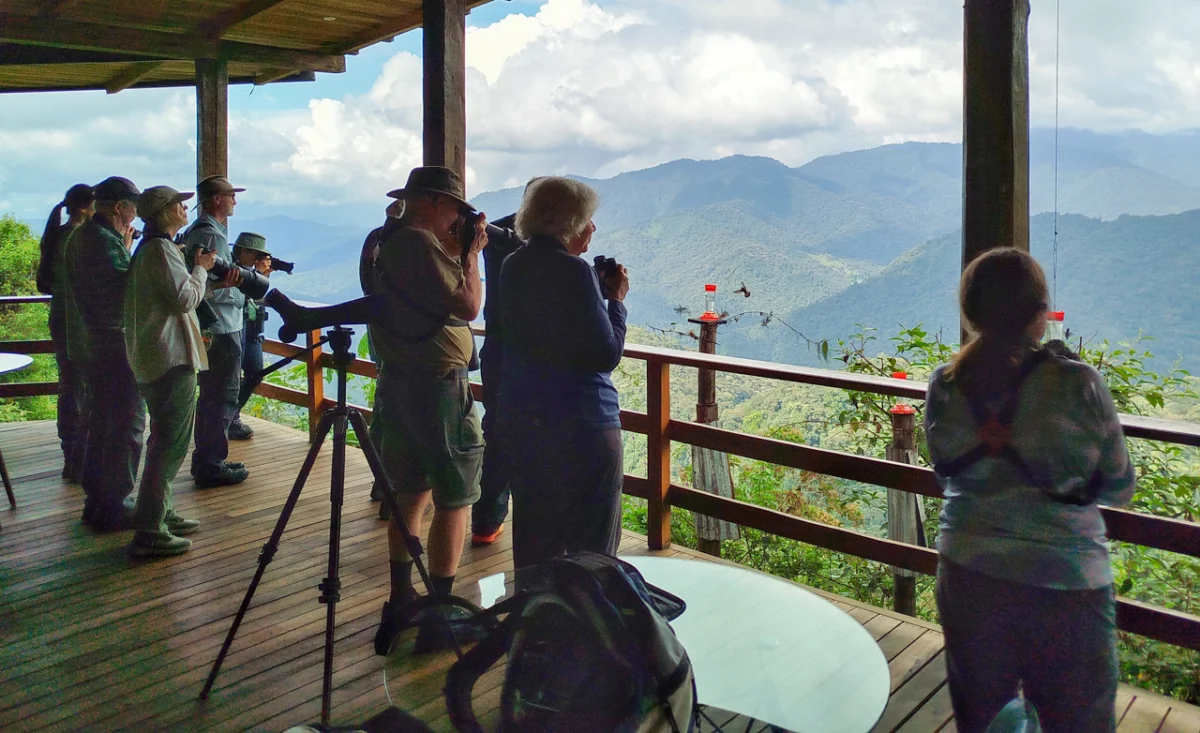
An intensive 17-day ornithological expedition across Ecuador has concluded with the documentation of 556 avian species, highlighting the country’s status as one of the most biodiverse regions on the planet. Led by professional guides Ernesto Carman and local experts, the journey traced a complex transect beginning in the dry inter-Andean valleys, ascending the high-altitude páramo, traversing the western Chocó cloud forests, and concluding in the deep Amazonian basin. This total represents nearly one-third of Ecuador’s total bird species, a remarkable figure achieved through a strategic itinerary covering seven distinct lodges and multiple microclimates.
The expedition served not only as a census of regional biodiversity but also as an evaluation of the success of community-based conservation models. From the private reserves of the Andes to the Kichwa-owned territories of the Napo River, the data gathered reflects the critical intersection between eco-tourism and habitat preservation.
The Western Slope and the Chocó Endemic Corridor
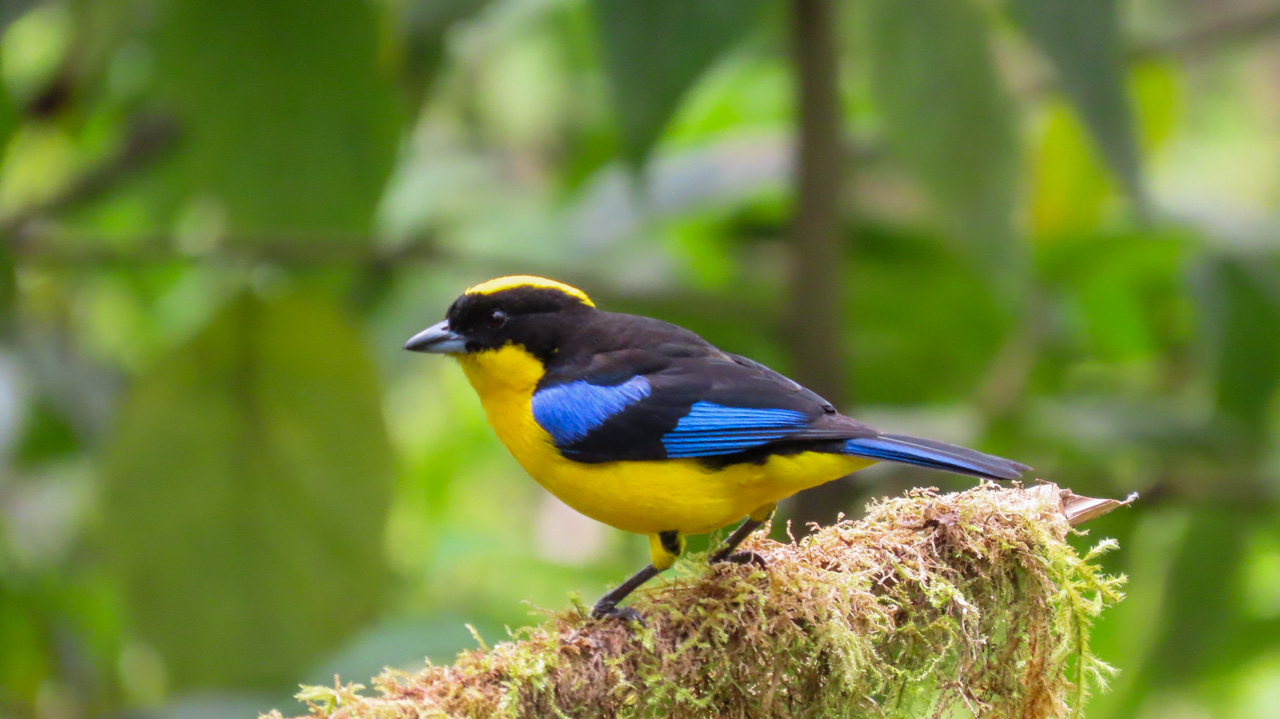
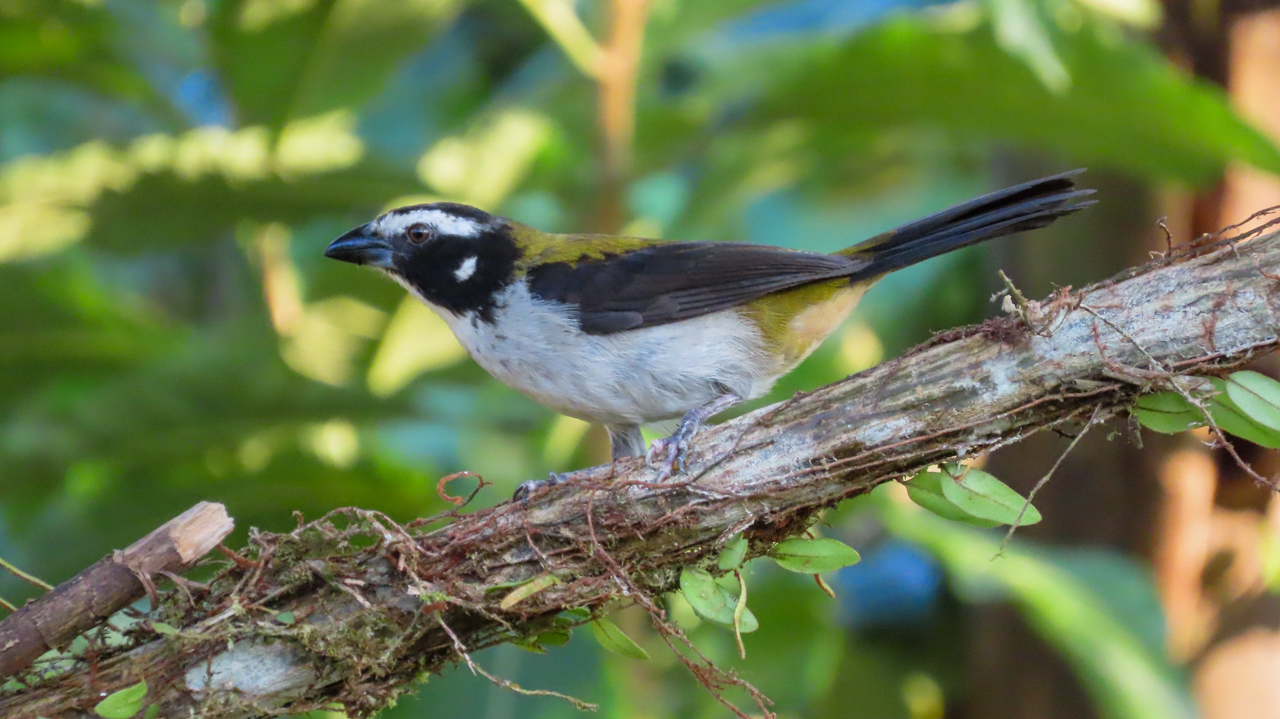
The expedition commenced on March 30 in Puembo, located in the dry inter-Andean valley near Quito. This rain-shadow region, characterized by cacti and eucalyptus, provided an initial look at species adapted to more arid conditions. However, the focus quickly shifted on March 31 toward the western slope of the Andes, specifically the Chocó cloud forest. The Chocó is recognized globally as a biodiversity hotspot with high levels of endemism, and the group’s stay at Sachatamia Lodge and surrounding reserves yielded several high-priority targets.
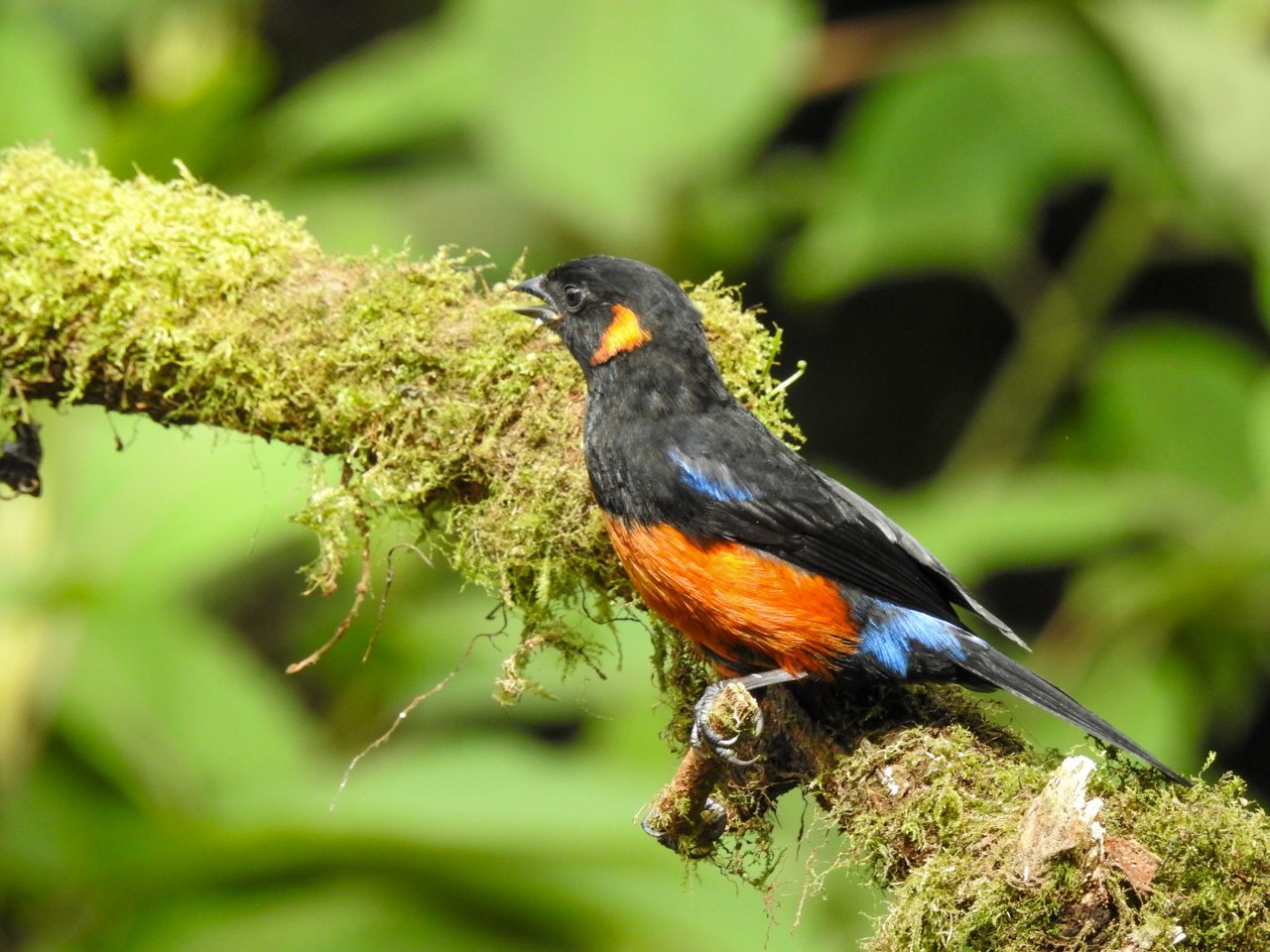
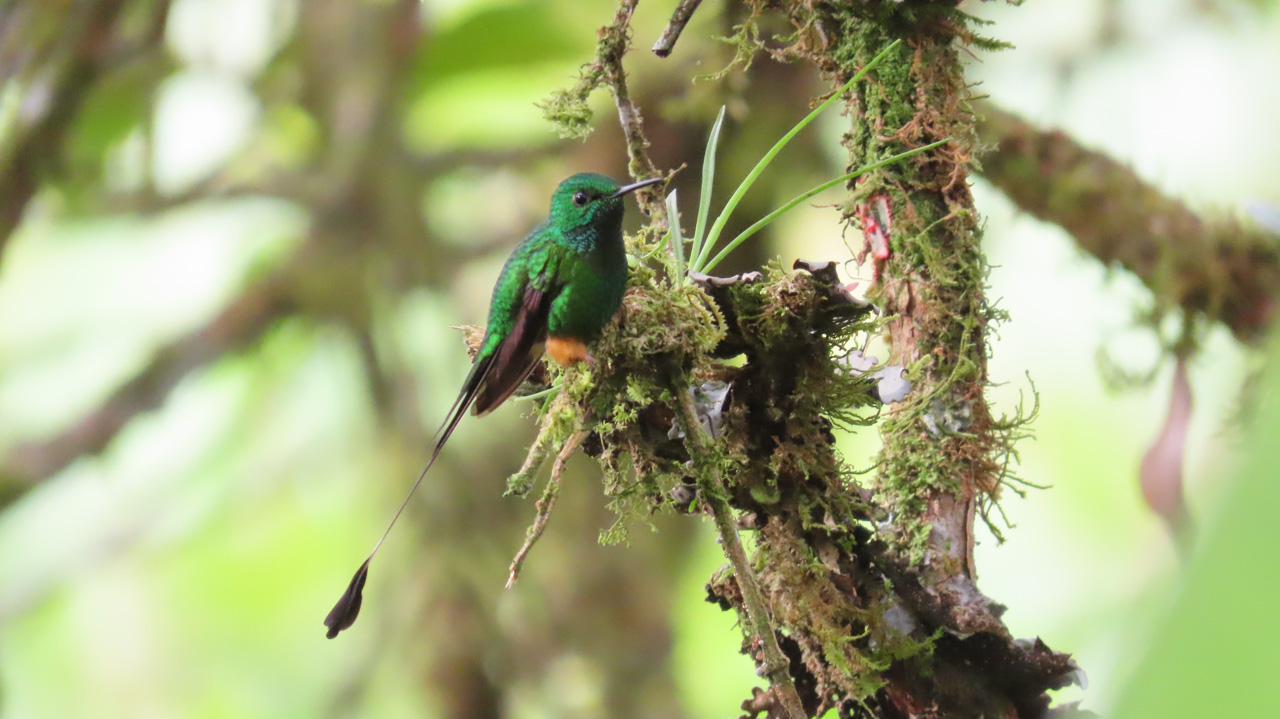
At Reserva Zuro Loma, located at a higher elevation above Nono, the group documented the Sword-billed Hummingbird (Ensifera ensifera), the only bird species with a bill longer than its body. This morphological marvel was seen alongside other high-altitude specialists such as the Sapphire-vented Puffleg and the Scarlet-bellied Mountain Tanager. The expedition also noted the success of habituation techniques at these reserves, which allowed for close-range observation of elusive species like the Equatorial and Rufous-crowned Antpittas.
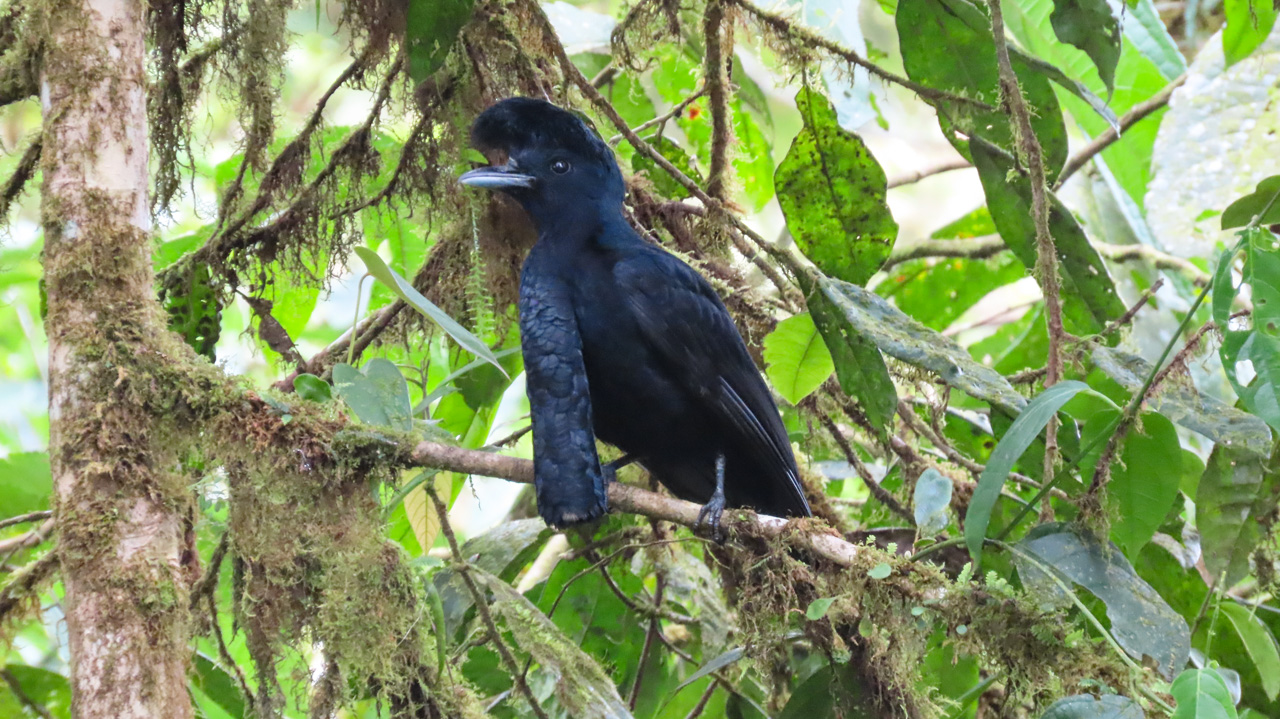
A significant highlight of the western leg occurred at Sachatamia Lodge’s insect light hide, where a female Long-wattled Umbrellabird was observed feeding an immature. This sighting is of particular interest to ornithologists, as the species is currently classified as Vulnerable by the IUCN due to habitat loss. Observations of nesting or parental behavior in the wild provide valuable data on the reproductive cycles of these rare cotingas.
Conservation Pioneers: The Legacy of Refugio Paz de las Aves
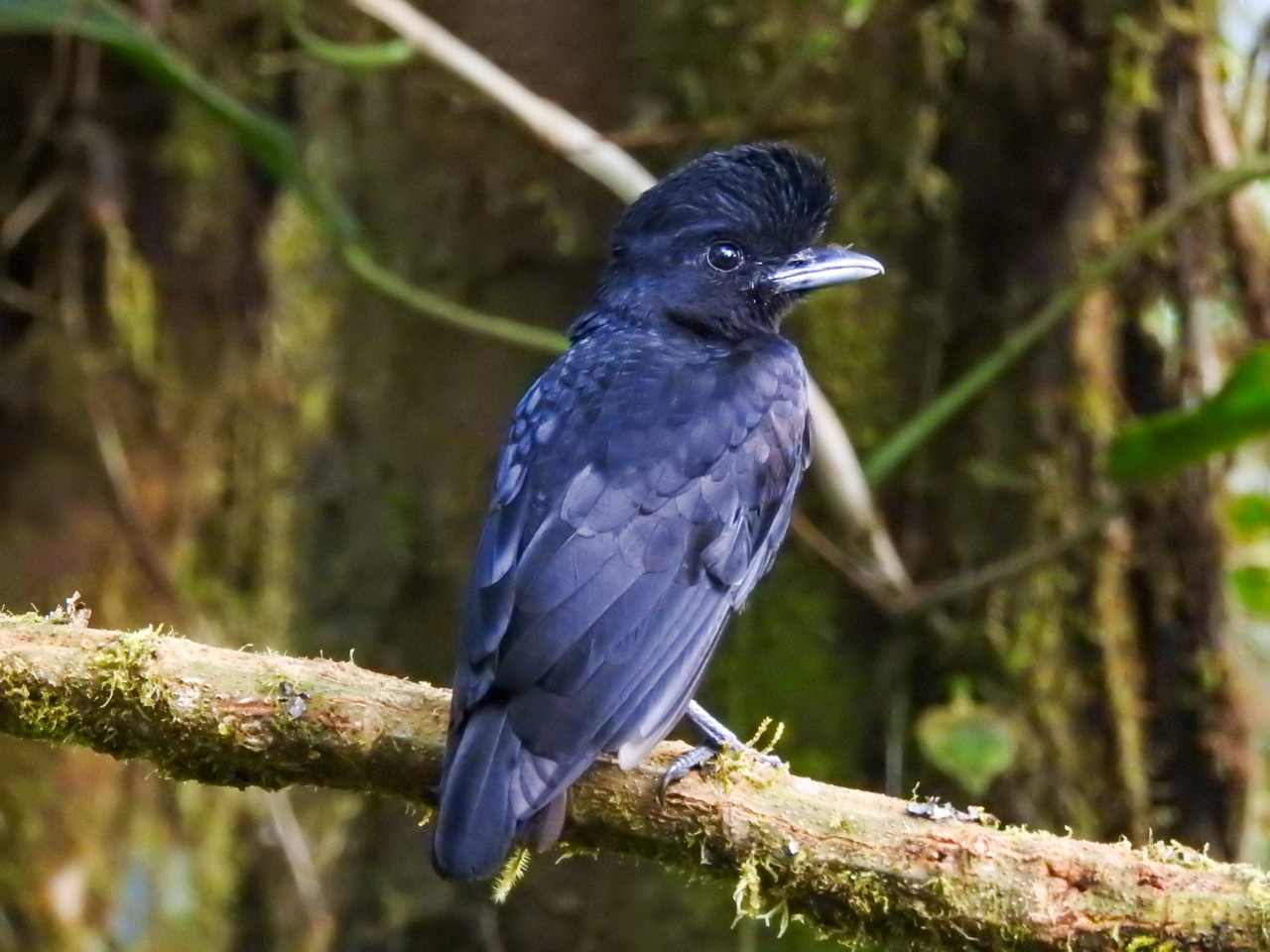
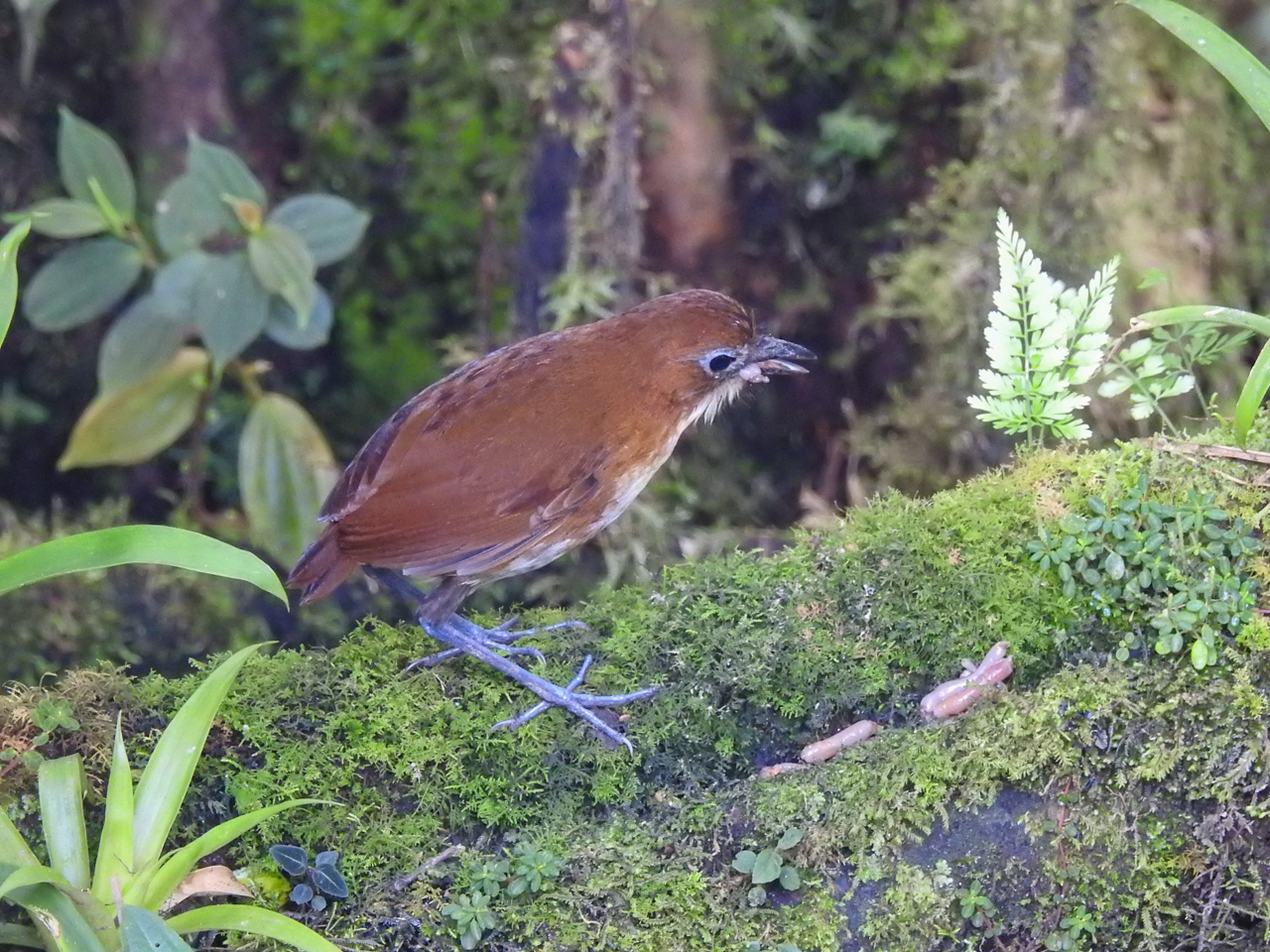
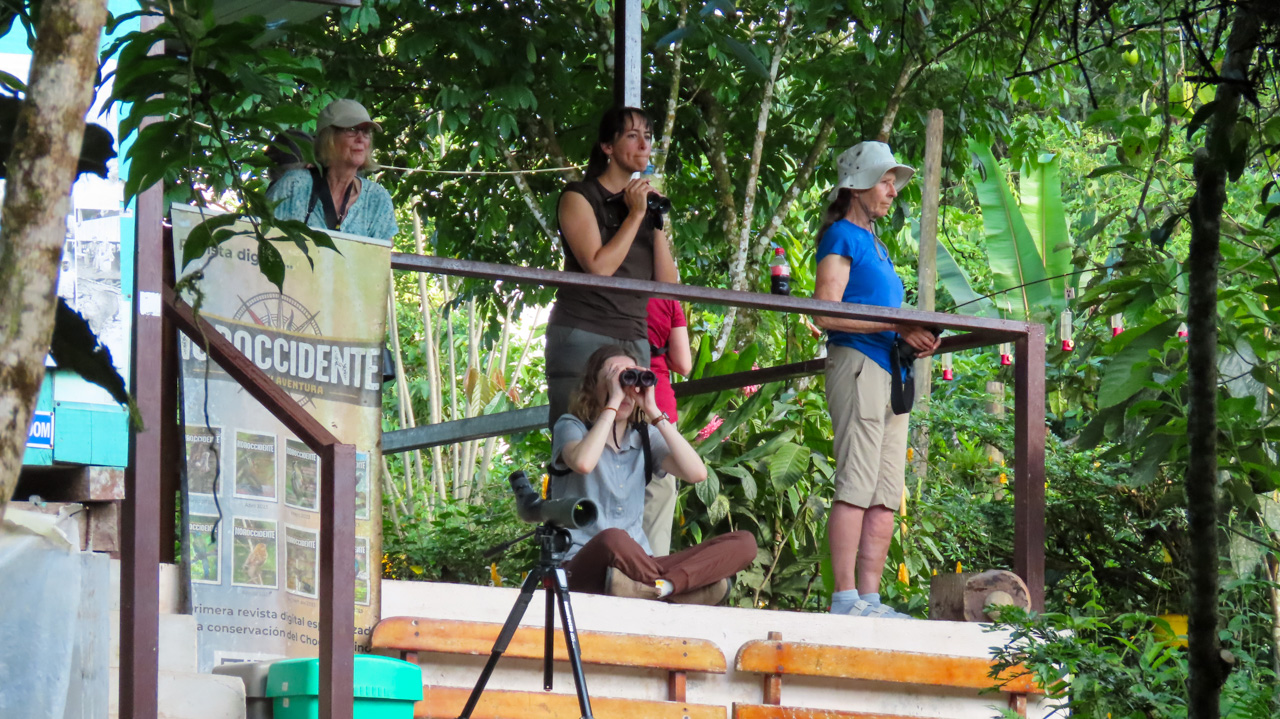
On the final morning in the Chocó region, the expedition visited Refugio Paz de las Aves, a site of immense historical significance in the birding community. It was here that Angel Paz, a former logger turned conservationist, pioneered the technique of habituating antpittas—famously shy forest-floor birds—to come to feeding stations.
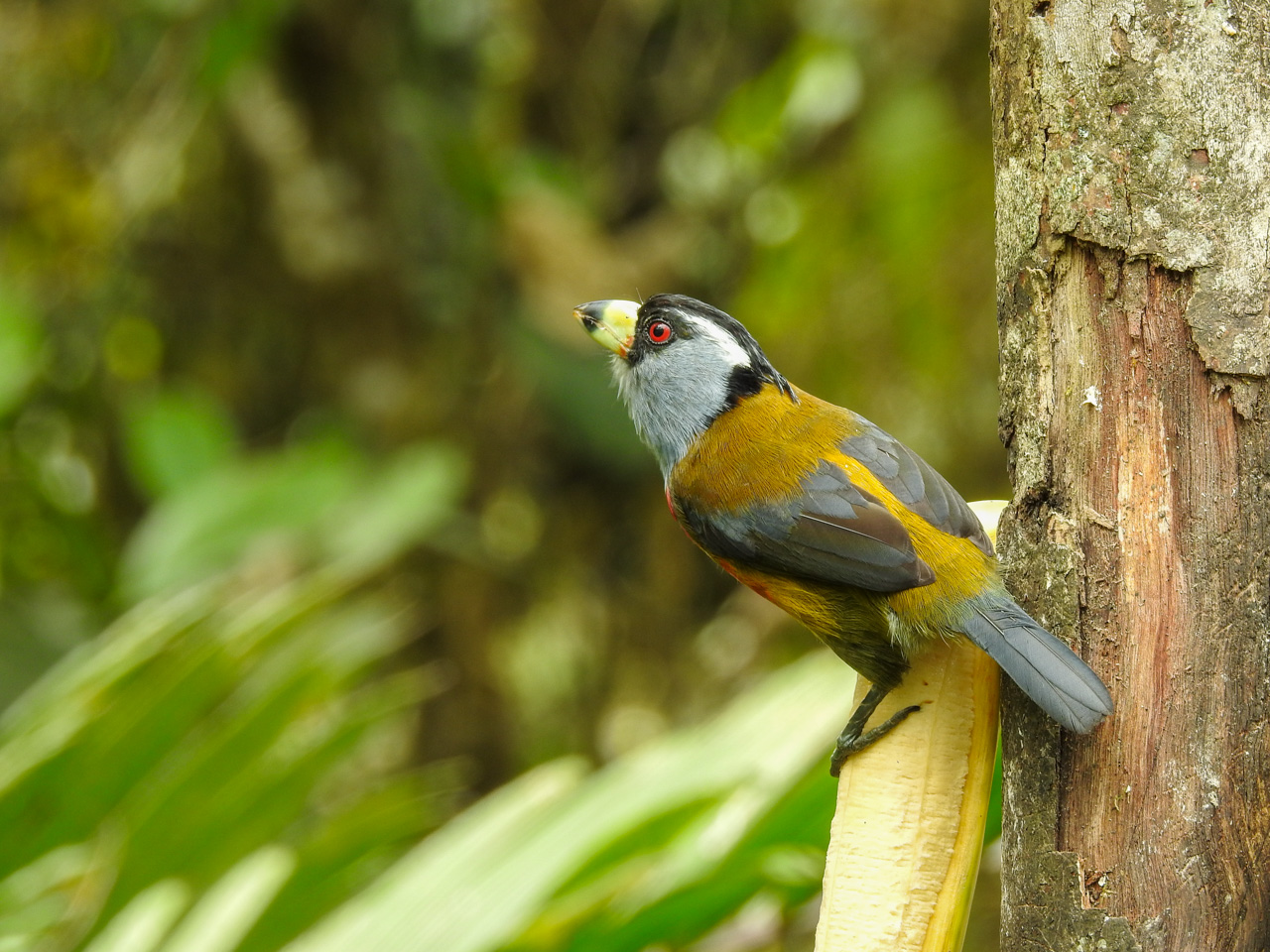
The group met with Paz and his nephew, Esteban, witnessing the Andean Cock-of-the-rock display at a traditional lek. The continued presence of species like the Yellow-breasted Antpitta and the Toucan Barbet at this site serves as a testament to the viability of private conservation. By transforming his land into a sanctuary, Paz created a socio-economic model that has been replicated throughout the Neotropics, proving that standing forests can be more profitable than timber or cattle when managed for eco-tourism.
Crossing the Continental Divide: The High Andes and Paramo
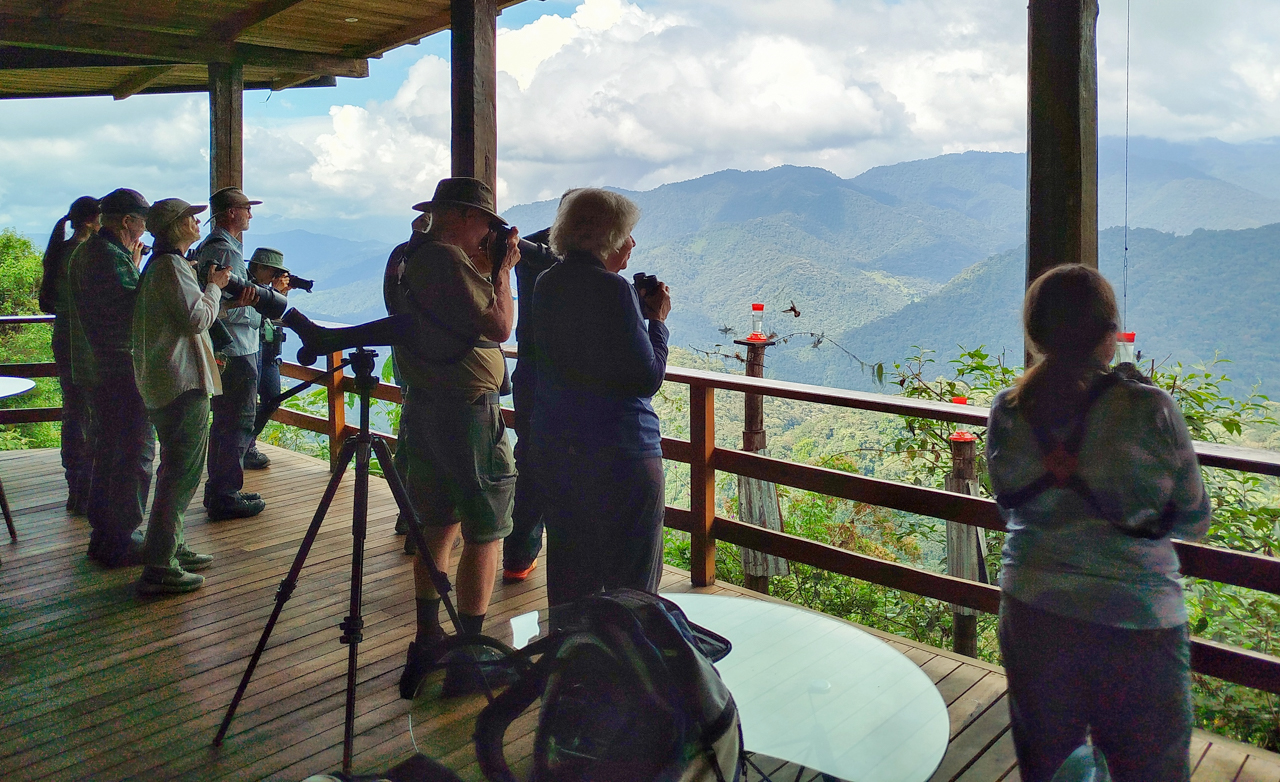
The transition from the western to the eastern slopes required a high-altitude traverse through the Papallacta region. On April 3 and 4, the expedition reached the alpine tundra, or páramo, at elevations exceeding 4,300 meters. This harsh environment is home to specialists such as the Rufous-bellied Seedsnipe and the Blue-mantled Thornbill.
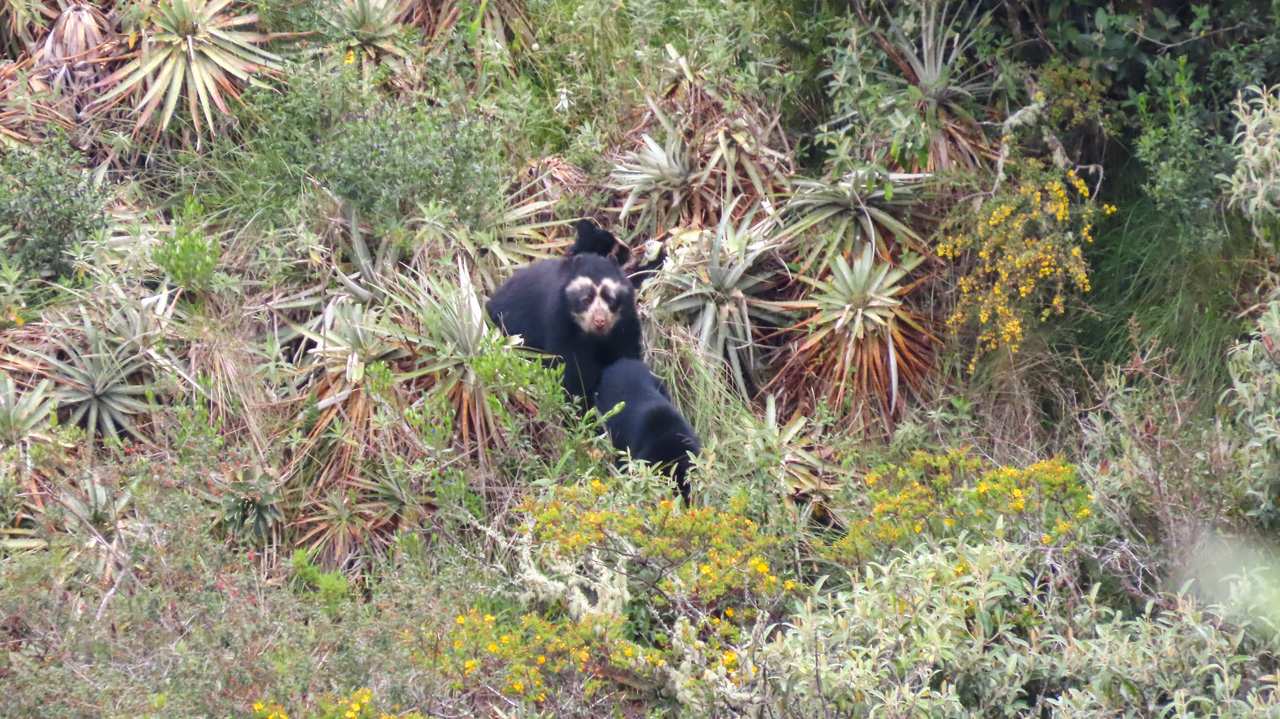
The most notable event of this transit was the sighting of a female Andean Bear (Tremarctos ornatus) with two cubs. The Andean Bear is South America’s only native bear species and is currently listed as Vulnerable. Seeing a family group foraging on Puya plants provided a rare glimpse into the health of the local megafauna. Furthermore, the observation of two Andean Condors—the national symbol of Ecuador and a species facing severe population pressures—confirmed the continued importance of the Reserva Ecológica Cayambe-Coca as a corridor for large raptors.
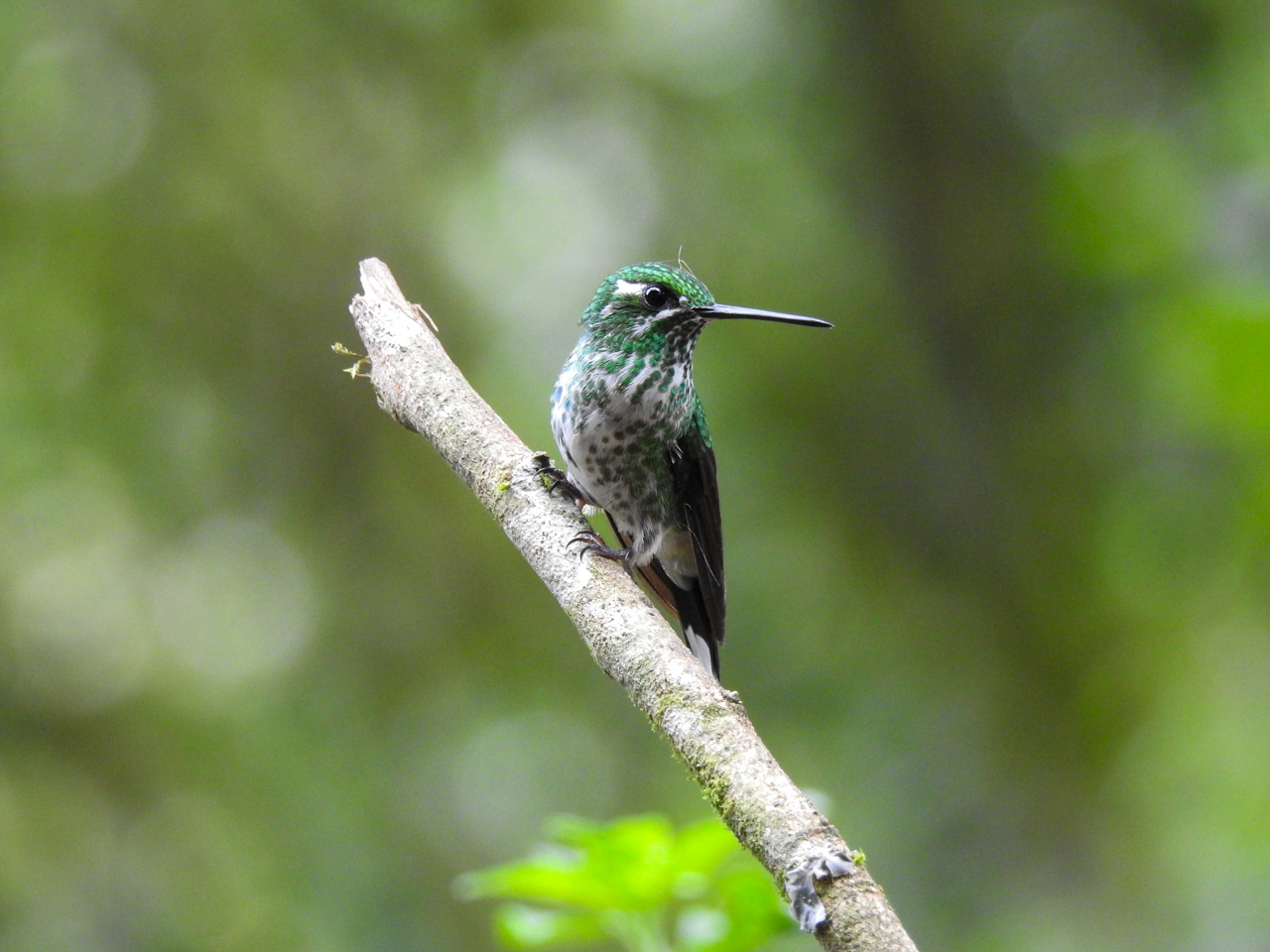
Descending to Guango Lodge at 2,700 meters, the group focused on the temperate forest of the eastern slope. Guided by Luis Panamá, the expedition documented the Torrent Duck, a species uniquely adapted to the powerful whitewater rivers of the Andes. The hummingbird feeders at Guango also showcased the altitudinal shift in species, introducing the Long-tailed Sylph and the Tourmaline Sunangel.
The Foothill Amazon: WildSumaco and Community Research
From April 7 to 10, the expedition moved into the foothill forests of the Sumaco Volcano. This elevation zone is often cited as having the highest species richness per square kilometer because it acts as a transition zone between the high mountains and the lowland Amazon.
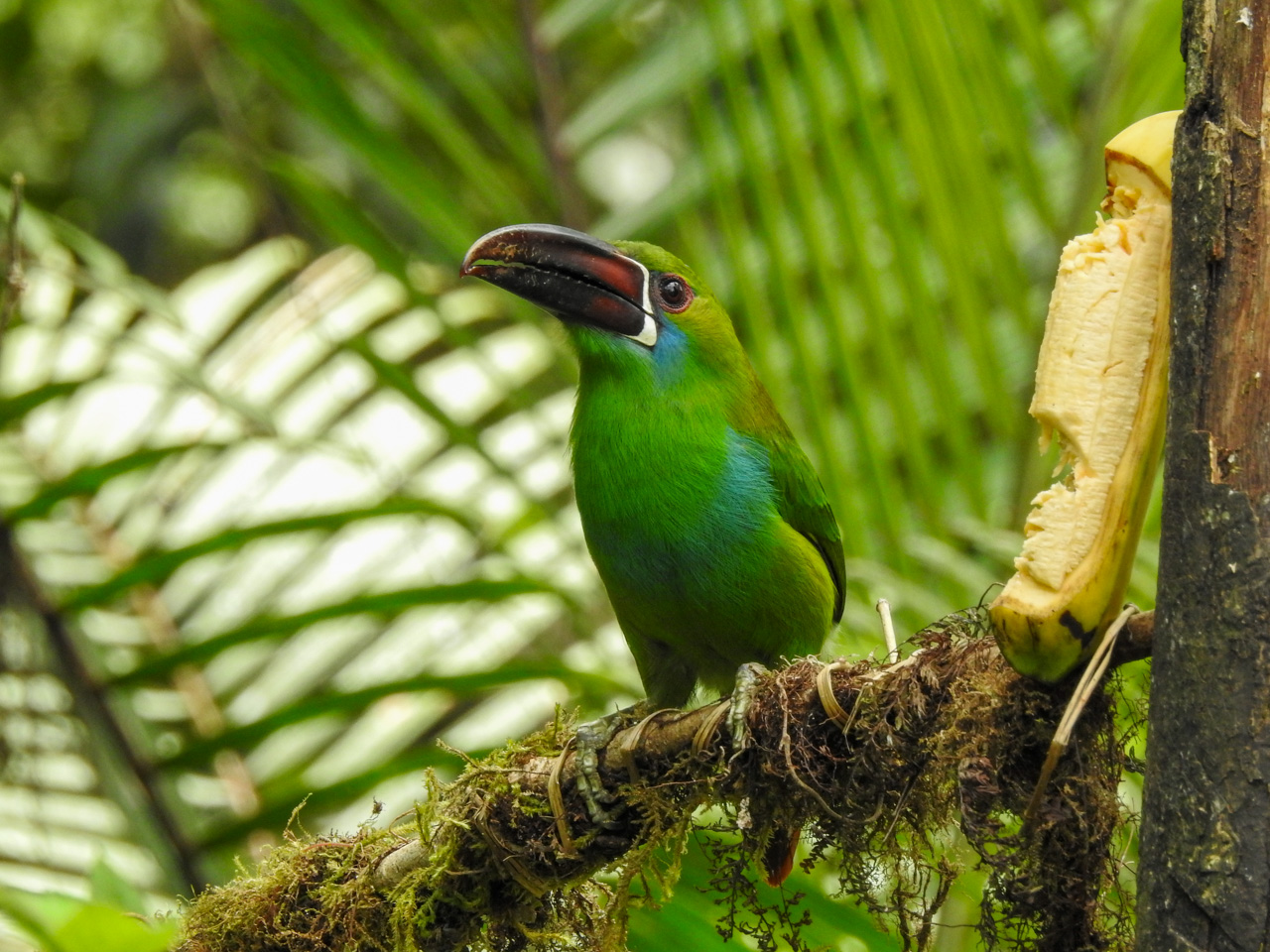
The group collaborated with local guide Byron Gualavisí, who is heavily involved in the Amarún Pakcha project—a Kichwa-led initiative focused on cultural research and forest preservation. This site provided access to rare foothill specialties, including the Lanceolated Monklet and the Military Macaw. The expedition also documented several species of Rallidae, including the Black-banded Crake, which are notoriously difficult to see without the specialized local knowledge provided by community guides.
Deep Amazonian Immersion at Sani Lodge
The final phase of the journey (April 10–14) took the group into the heart of the Amazon basin at Sani Lodge. This facility is unique in the region as it is entirely owned and operated by the Kichwa community of Sani Isla. The community famously rejected offers from oil companies to drill on their land, choosing instead to protect their 40,000 hectares of primary rainforest through sustainable tourism.
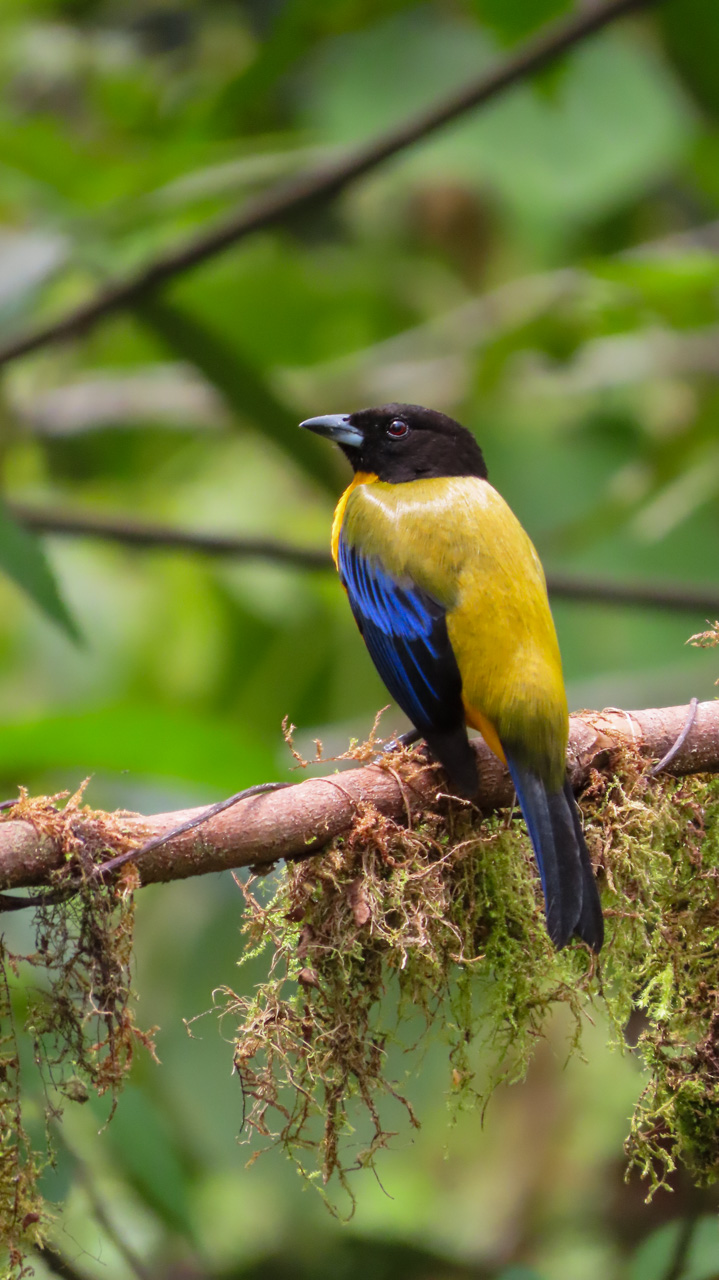
Guided by Kichwa naturalists Carlos “Churi” and Ólger, the expedition utilized canopy towers and black-water lagoon excursions to maximize species counts. From a 30-meter-high platform built into a Kapok tree, the group observed canopy specialists such as the Spangled Cotinga and the Many-banded Aracari.
The aquatic ecosystems around Sani provided sightings of the Hoatzin, a primitive bird with a unique digestive system that allows it to ferment leaves, and the Arapaima (Arapaima gigas), one of the world’s largest freshwater fish. The group’s visit to the Sani community also highlighted the cultural dimension of conservation, featuring traditional food preparation and demonstrations of sustainable cacao processing.
Statistical Summary and Ecological Implications
The 556 species recorded during the 17-day period underscore the immense ecological value of the Ecuadorian Andes and Amazon. The expedition’s findings can be categorized into several key highlights:
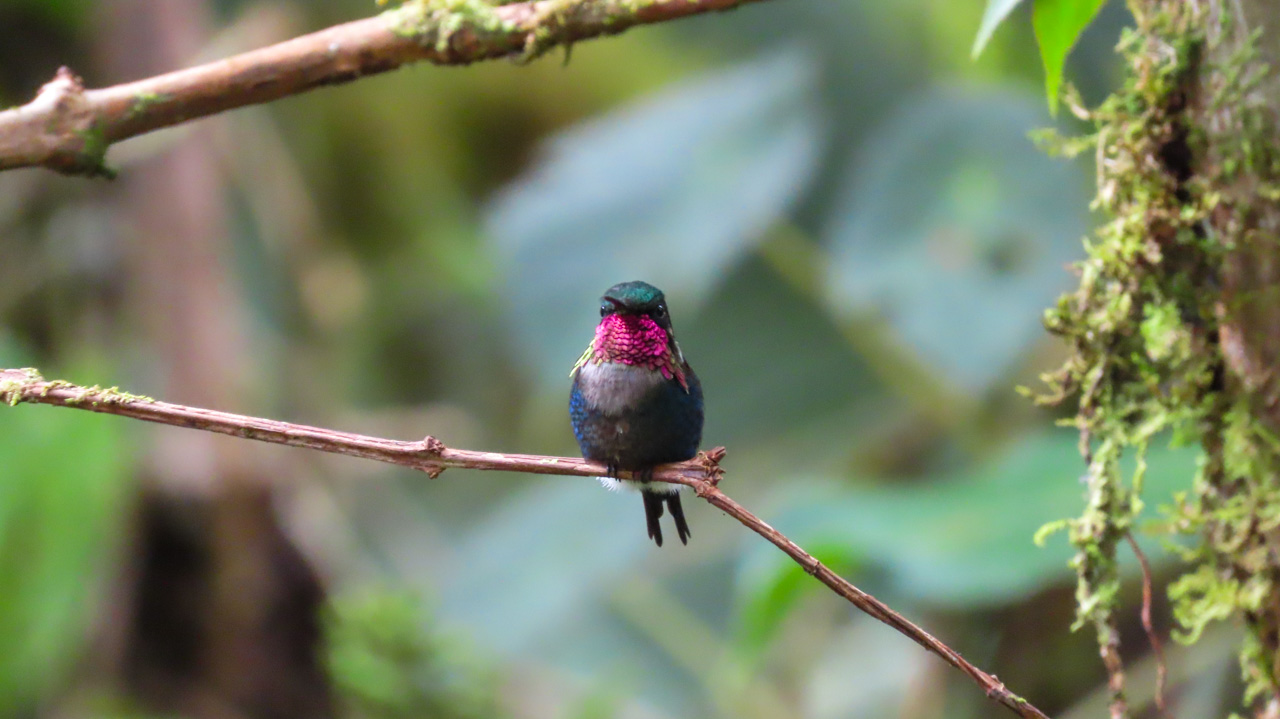
- Hummingbirds: Over 50 species were recorded, ranging from the tiny White-bellied Woodstar to the Giant Hummingbird, the world’s largest.
- Raptors: High-value sightings included the Black-and-chestnut Eagle, the Orange-breasted Falcon, and the Andean Condor.
- Mammals: Beyond the avian focus, the expedition recorded the Andean Bear, Western Pygmy Marmoset, Red Howler Monkey, and Andean Fox.
- Migration Patterns: The group documented significant movements of North American migrants, such as Blackburnian Warblers and a massive flock of 275 Eastern Kingbirds, highlighting Ecuador’s role as a vital stopover and wintering ground.
Conclusion: The Future of Ecuadorian Eco-Tourism
The expedition concluded on April 14 with a final stop at Tambo Cóndor, where a male Andean Condor was observed at eye level against a cliff face. This final sighting served as a poignant reminder of the fragility and majesty of Ecuador’s wildlife.
The success of this 17-day transect demonstrates that high-intensity birding tours are a powerful tool for environmental advocacy. By patronizing community-owned lodges and private reserves, international birders provide the economic justification for keeping forests standing. As habitat loss continues to threaten Neotropical species, the models seen at Refugio Paz de las Aves and Sani Lodge represent the most viable path forward for preserving the "astonishing diversity" that Ernesto Carman and his group set out to document. The 556 species recorded are more than just a list; they are a biological indicator of a landscape that, for now, remains a sanctuary for the world’s most extraordinary winged inhabitants.
