
The diverse ecosystems of South Florida, ranging from the sprawling mangrove forests of the Gulf Coast to the remote coral islands of the Dry Tortugas, continue to serve as critical habitats for a vast array of resident and migratory bird species. A recent multi-day expedition through these regions has highlighted the ecological significance of Florida’s protected lands, documenting over 100 distinct species and providing a snapshot of the current state of avian health in the face of varying environmental conditions, including regional droughts. This survey, spanning from Fort Myers through the Everglades and into the Florida Keys, underscores the importance of ongoing conservation efforts in maintaining one of the most unique biological corridors in North America.
The Mangrove Frontiers: J.N. Ding Darling and the Gulf Coast
The expedition commenced in Fort Myers with an intensive study of the J.N. Ding Darling National Wildlife Refuge. Spanning over 6,000 acres, this refuge constitutes part of the largest undeveloped mangrove ecosystem in the United States. Mangroves are vital to Florida’s coastal integrity, acting as a buffer against storm surges and providing a complex nursery for marine life and avian species. During the survey, observers recorded 47 species within the refuge alone.
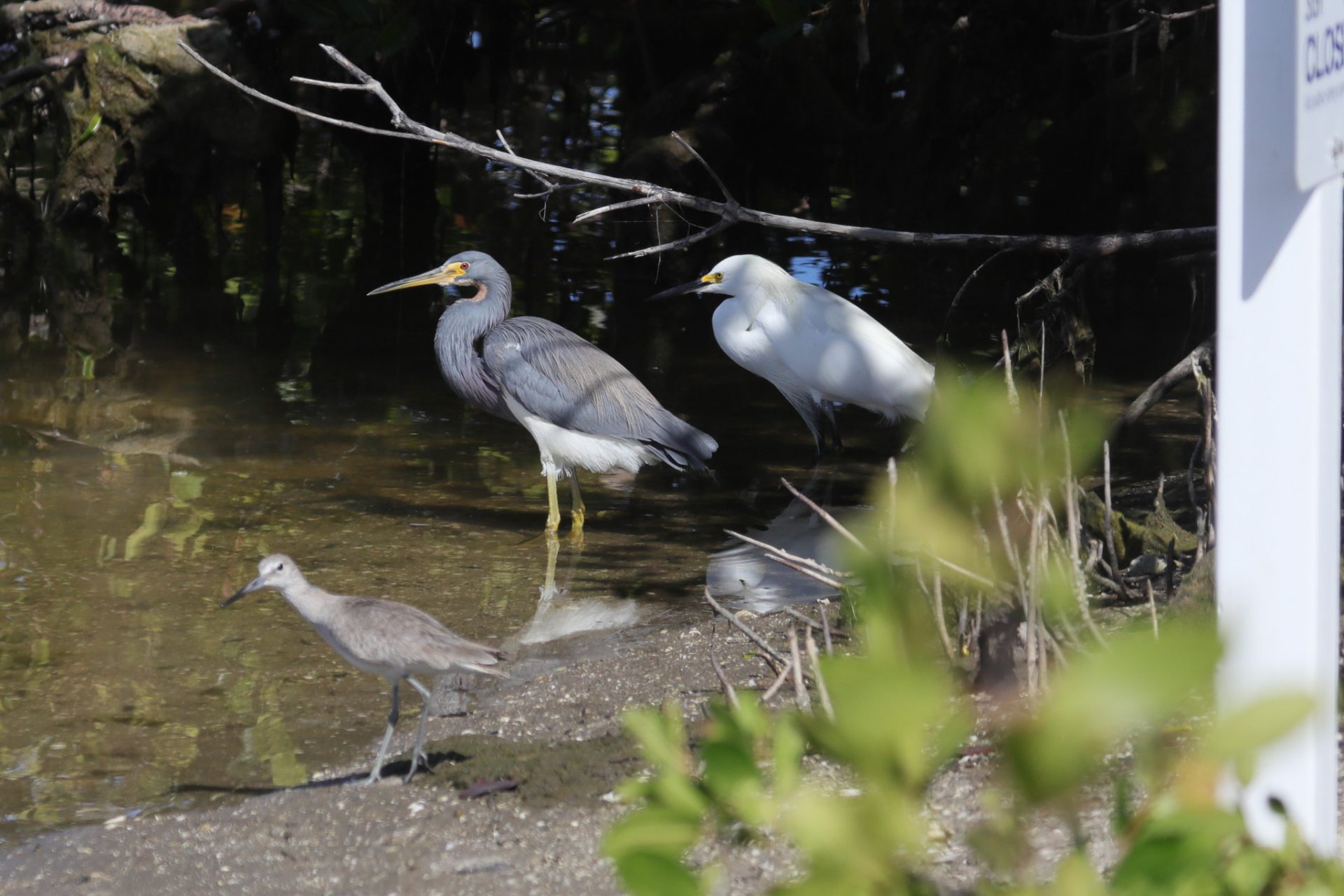
Key sightings included the Reddish Egret (Egretta rufescens), a species known for its "canopy feeding" behavior and one that remains a focal point for coastal conservation due to its specific habitat requirements. The presence of the American White Pelican (Pelecanus erythrorhynchos) and Florida Boat-tailed Grackles (Quiscalus major) further indicated a healthy distribution of both migratory and year-round residents. The refuge’s four-mile wildlife drive remains a primary site for ecological monitoring, allowing researchers and the public to observe species diversity in a controlled, protected environment.

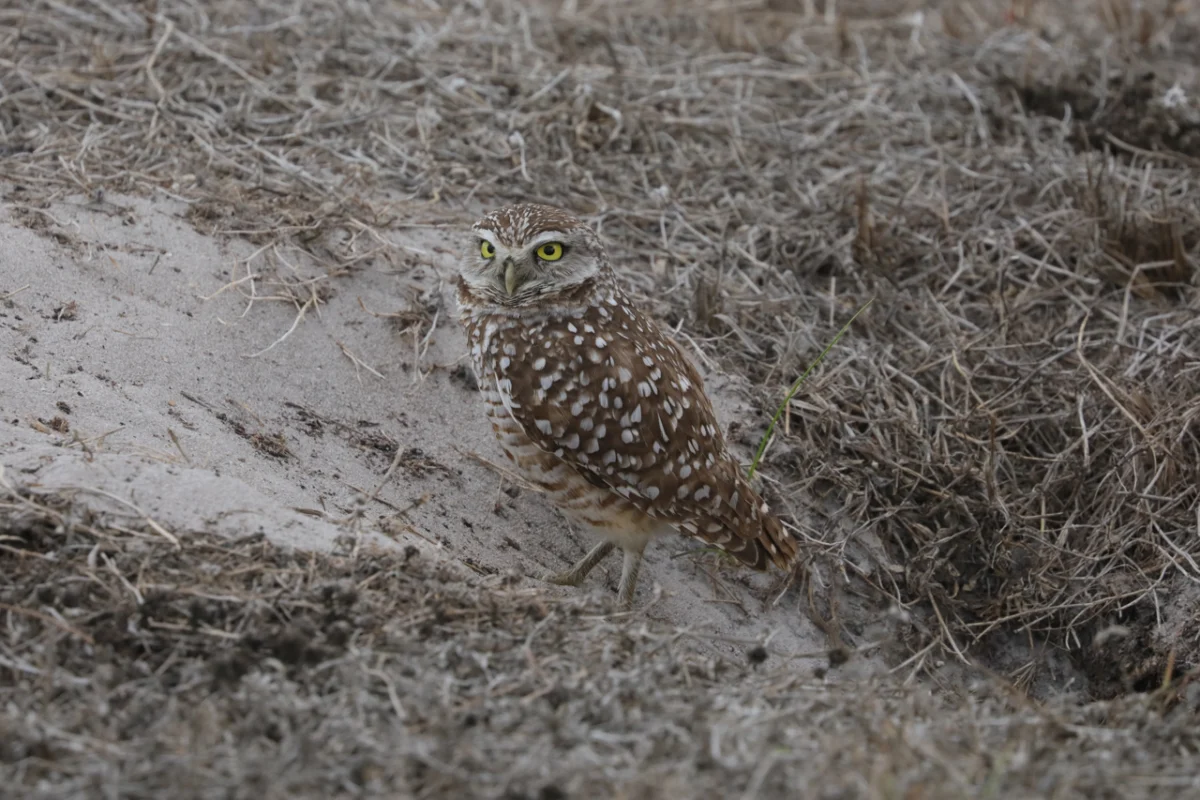
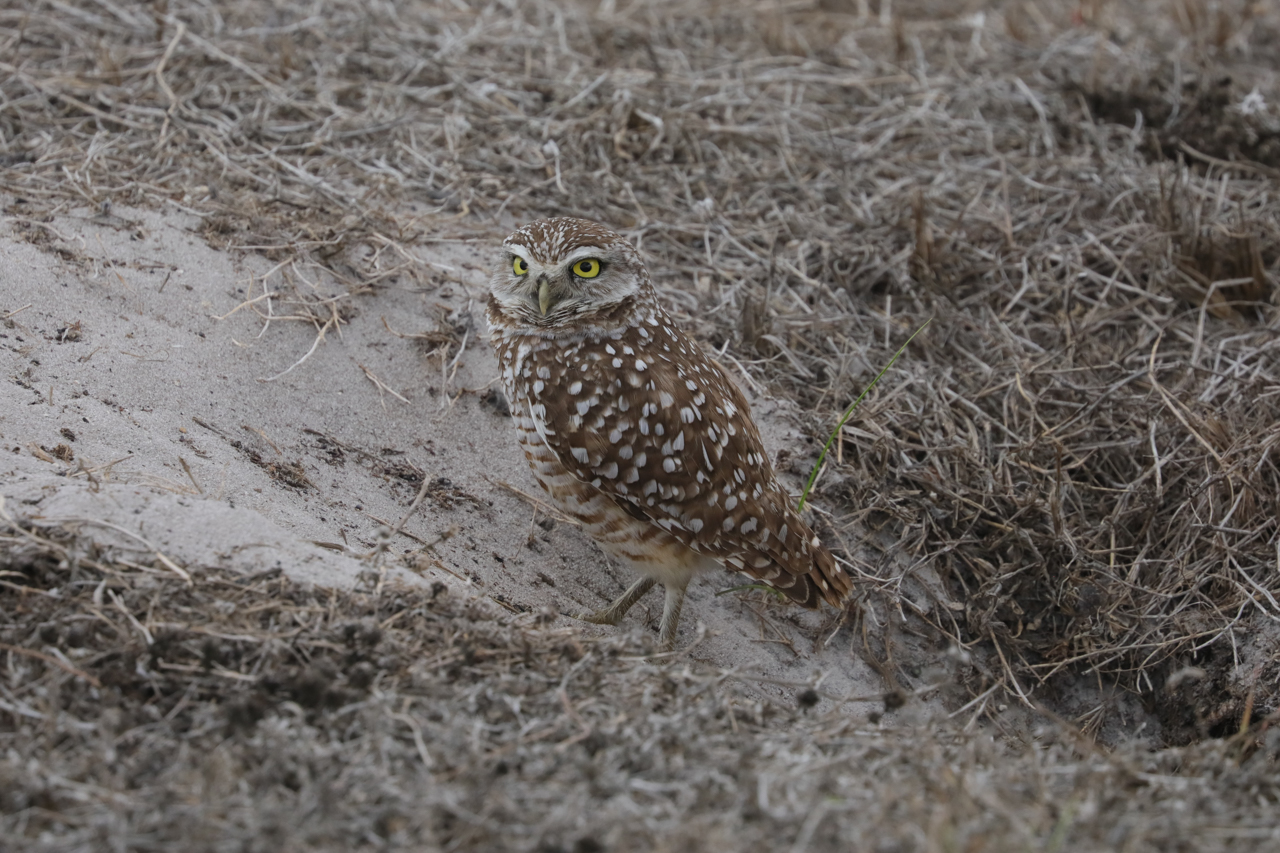
Beyond the refuge, the expedition explored urban and suburban fringes, where species like the Burrowing Owl (Athene cunicularia) and the Short-tailed Hawk (Buteo brachyurus) were documented. The Burrowing Owl, a species of special concern in Florida, often utilizes modified landscapes such as local baseball fields and roadside verges. Sightings at Pelican Boulevard confirmed that these owls continue to persist in proximity to human activity, though they require vigilant protection of their subterranean nesting sites. The observation of both light and dark morphs of the Short-tailed Hawk—a rare raptor in the United States primarily found in Florida—offered significant data on the distribution of this elusive predator.
Pine Flatwoods and the Preservation of Endemic Species
Moving inland toward the Babcock Webb Wildlife Management Area (WMA), the focus shifted to the pine flatwoods, an ecosystem dependent on regular fire cycles to maintain its open structure. This habitat is essential for the Red-cockaded Woodpecker (Dryobates borealis), a federally protected species. The expedition successfully located these woodpeckers, noting their reliance on mature longleaf pines for cavity nesting. The recovery of this species is often cited as a triumph of active land management, involving prescribed burns and the installation of artificial nesting inserts.
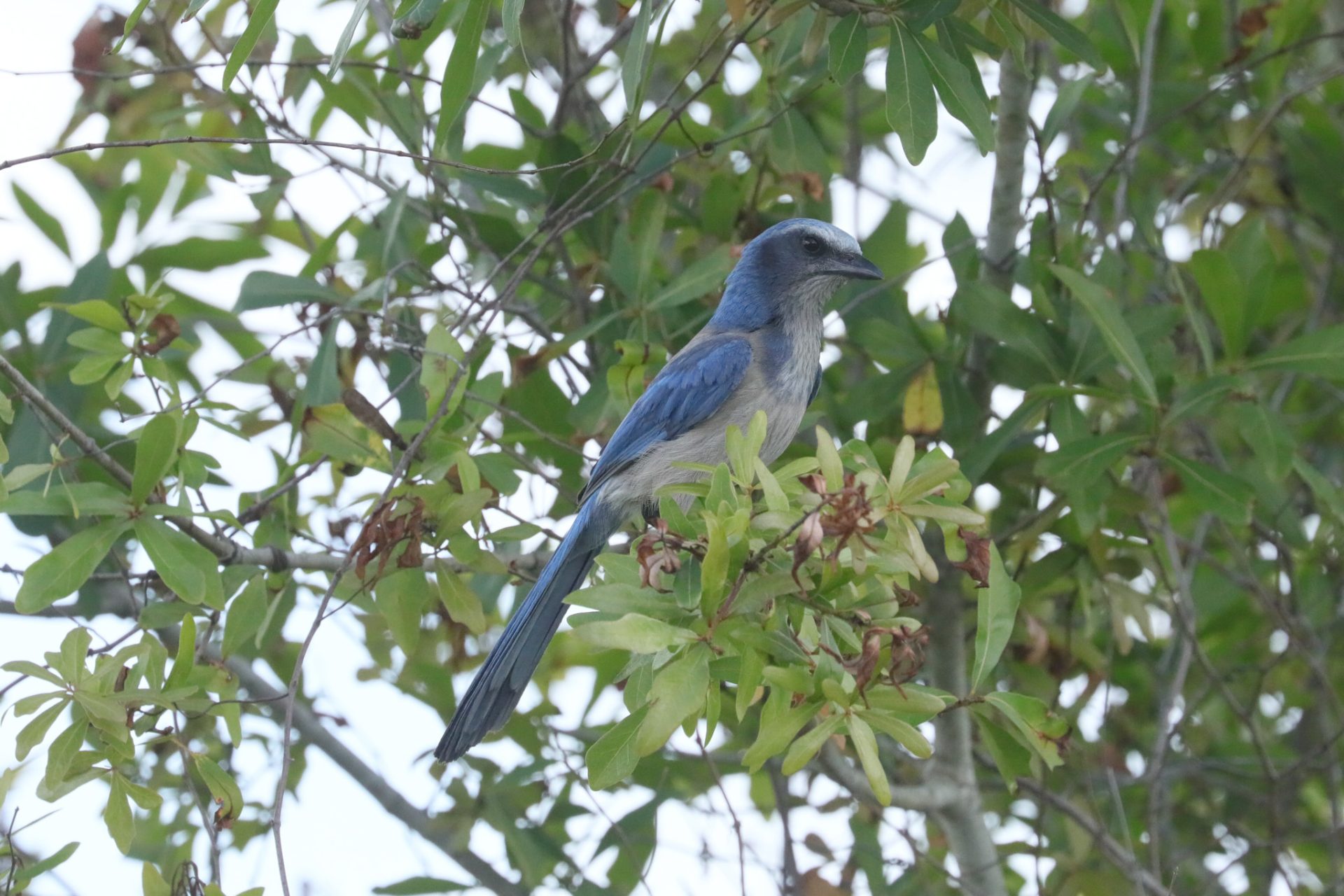
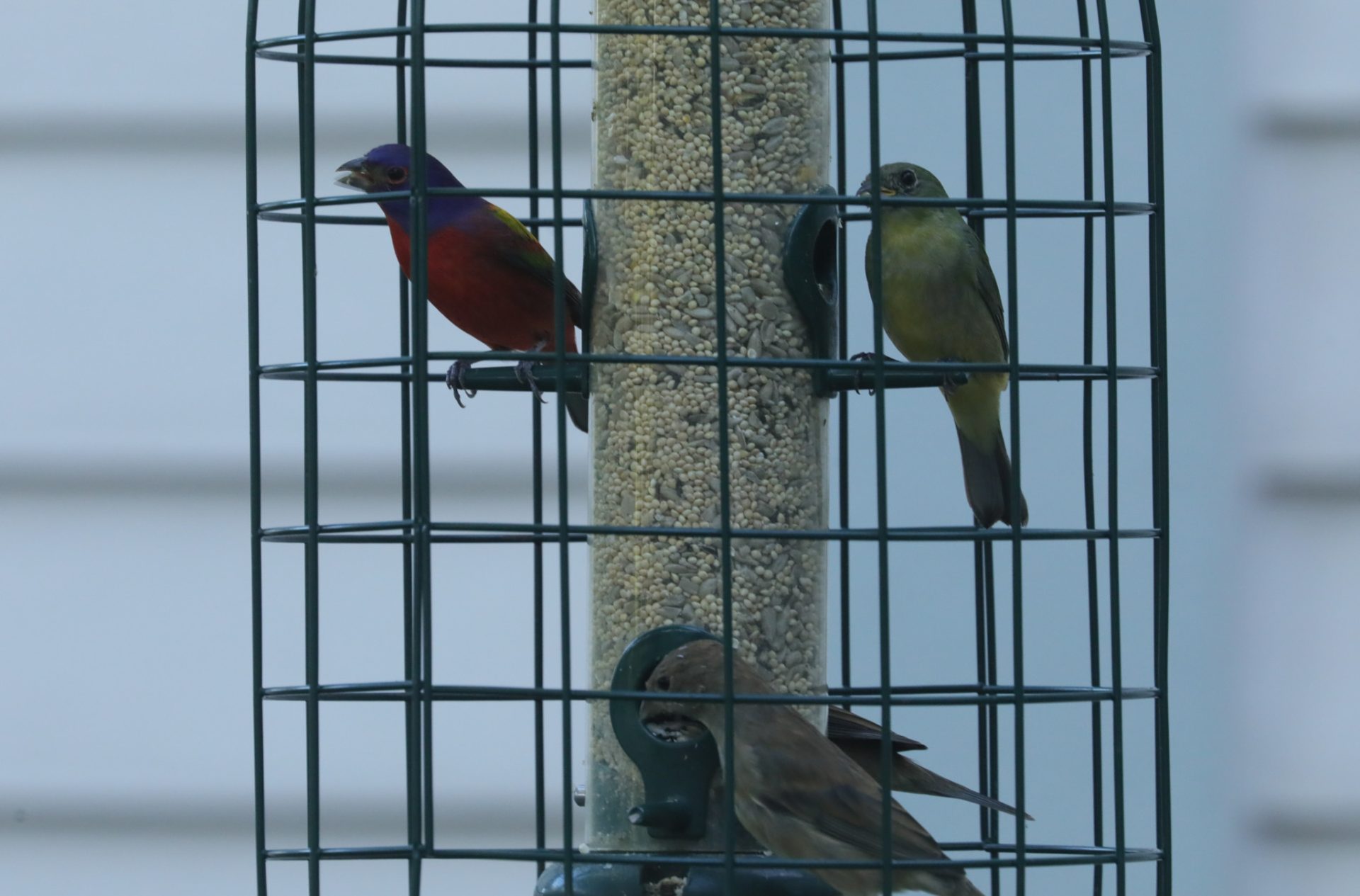
The search for Florida’s only endemic bird, the Florida Scrub-Jay (Aphelocoma coerulescens), led the group to Lehigh Acres. The Scrub-Jay is restricted to the oak-pine scrub habitats of the Florida peninsula. Because this species is non-migratory and has extremely specific habitat requirements, it is highly susceptible to habitat fragmentation. The documentation of a family group in an undeveloped scrubby patch highlights the precarious nature of these populations as urban development continues to encroach upon the remaining scrub islands.
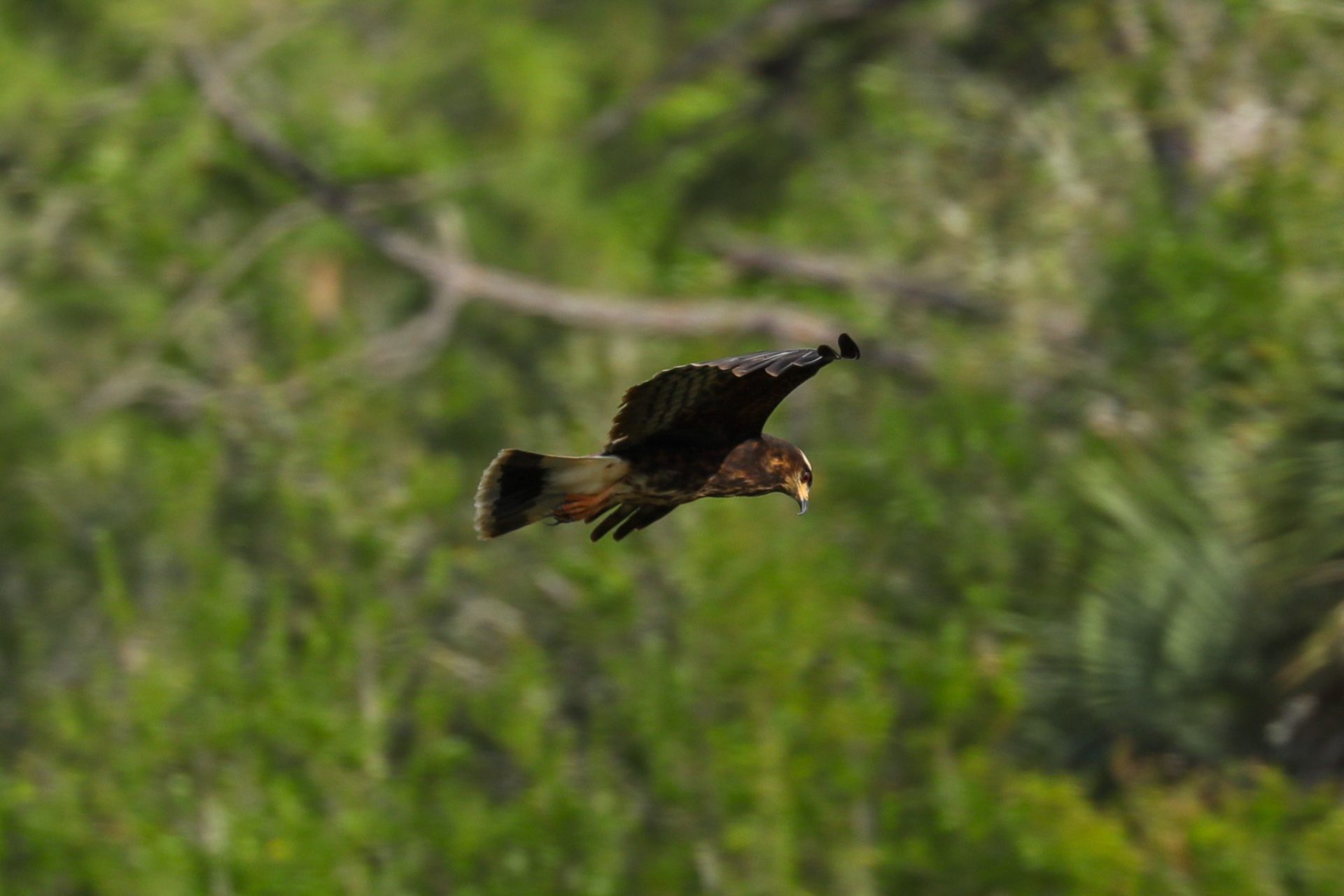
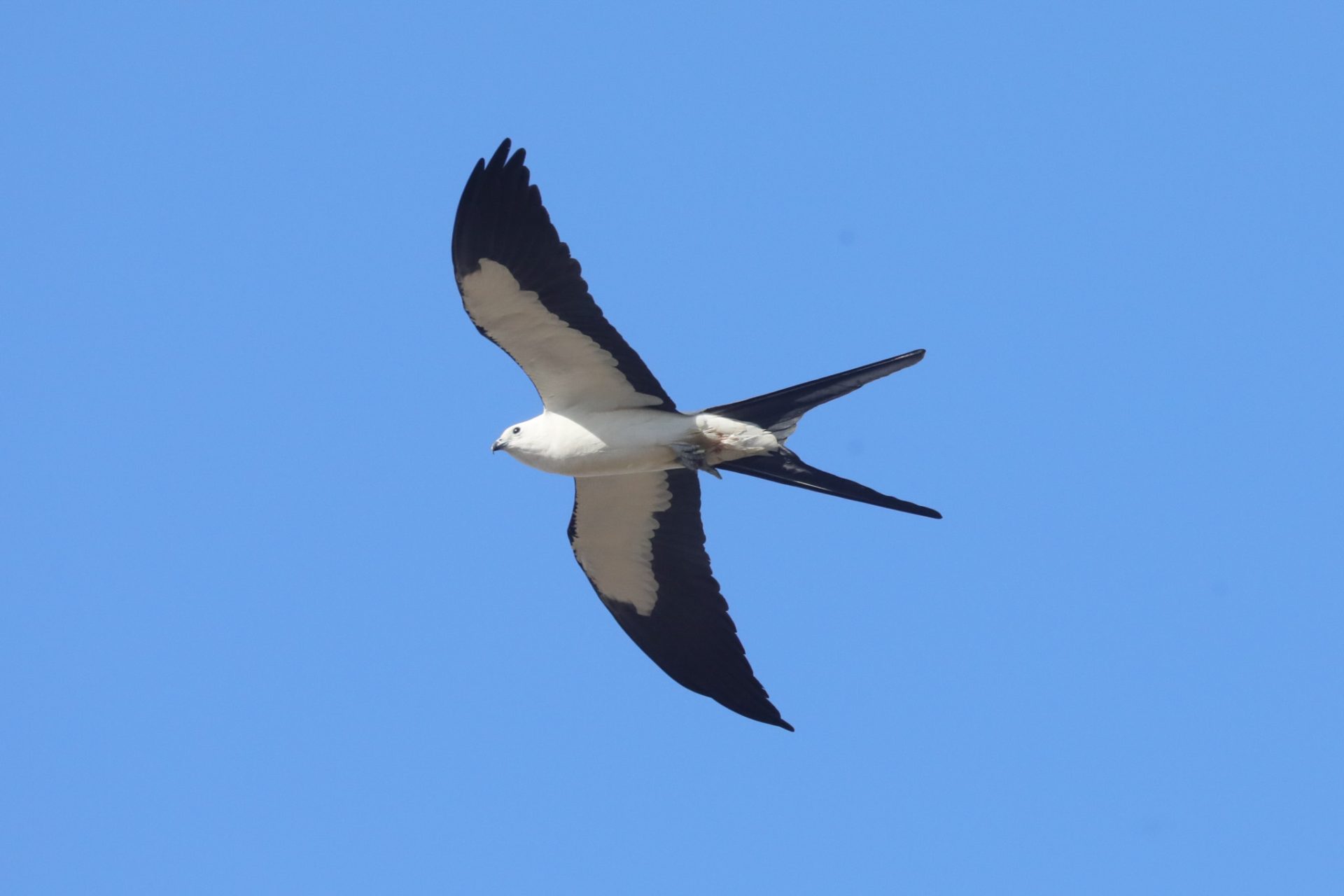
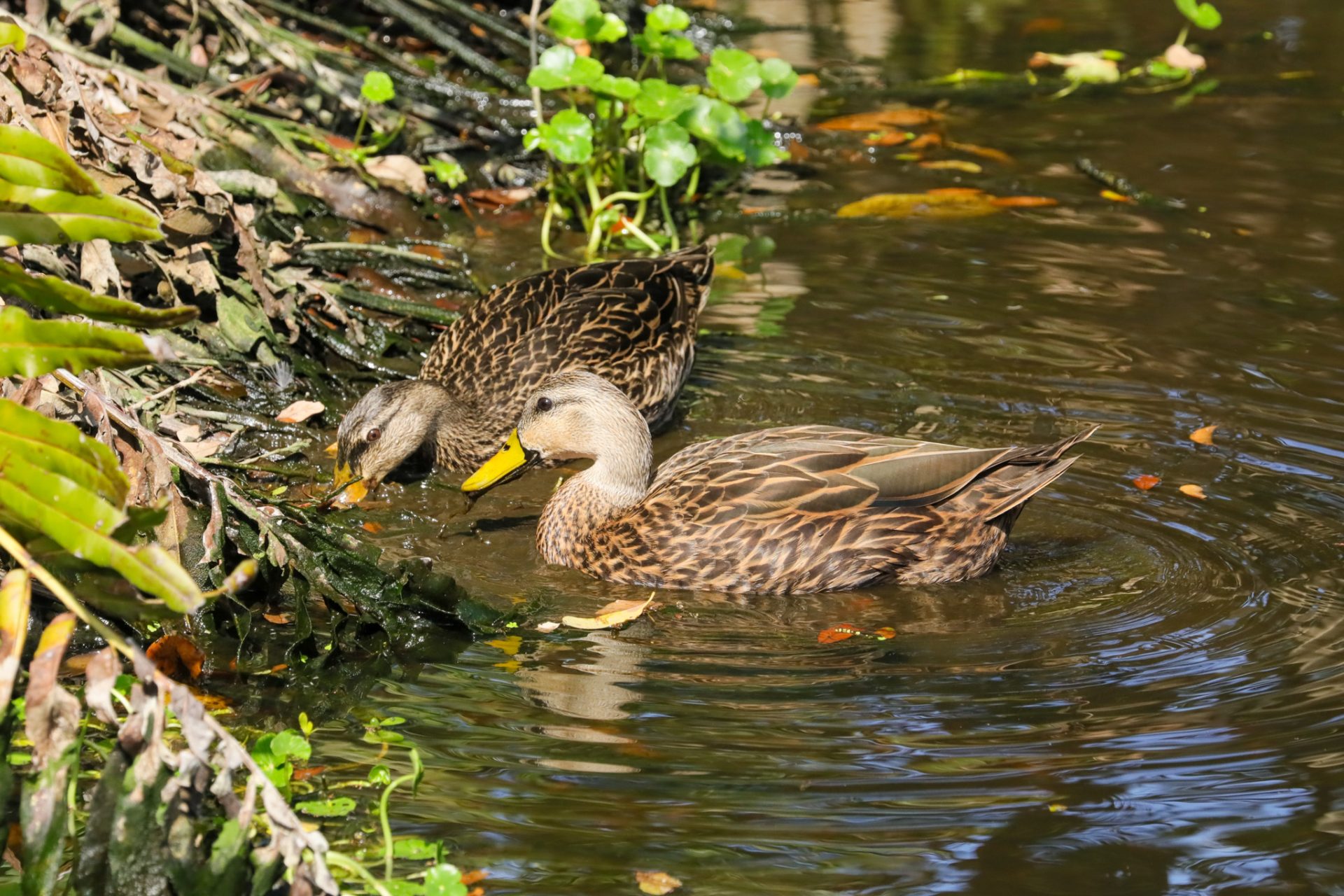
Inland wetlands also provided rich data. At Harns Marsh, a site known for its waterfowl and specialized raptors, the expedition recorded the Snail Kite (Rostrhamus sociabilis). This endangered raptor is a dietary specialist, feeding almost exclusively on apple snails. Its presence at Harns Marsh, alongside species such as the Limpkin and Mottled Duck, indicates the success of local water management areas in mimicking natural wetland functions.
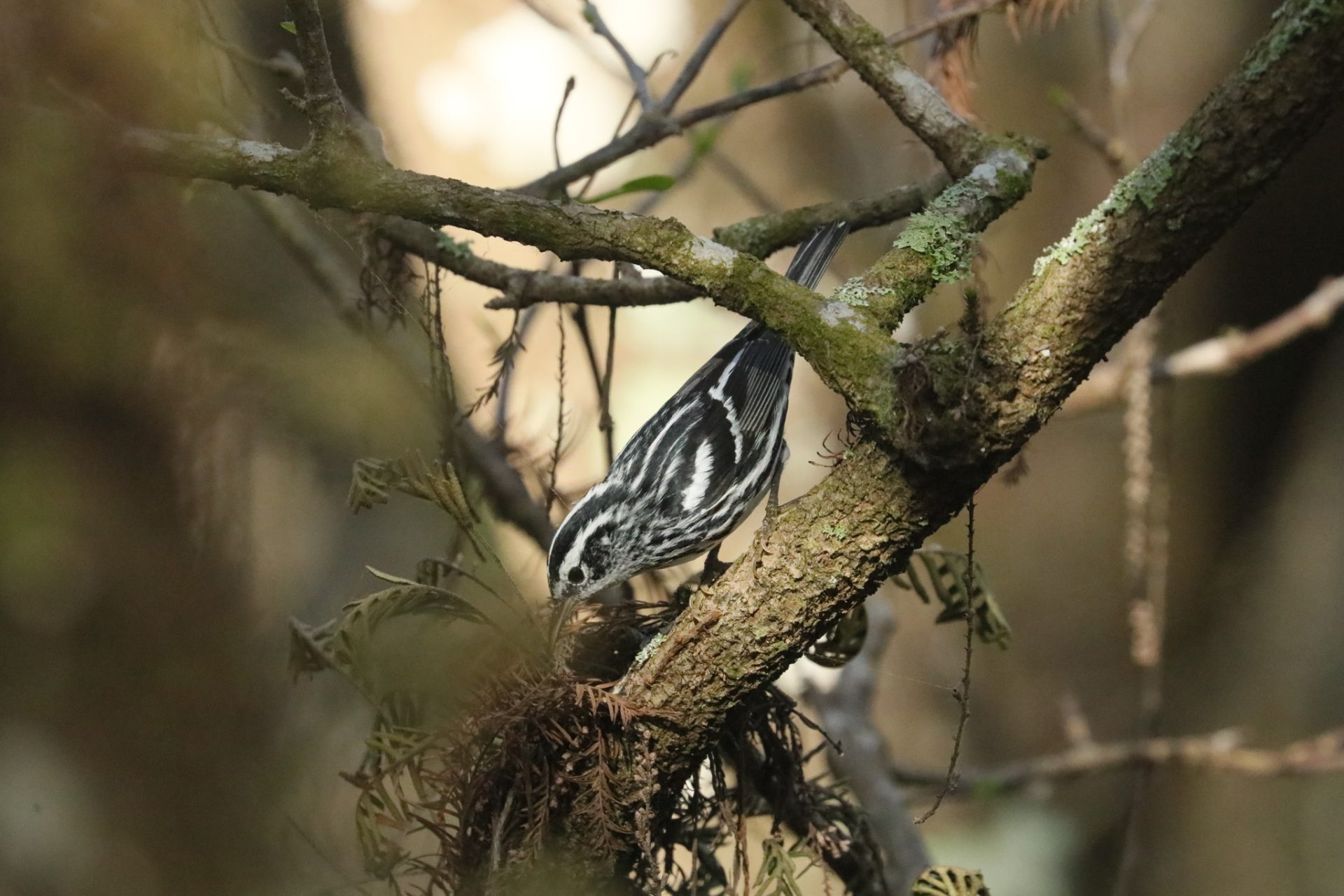
The Everglades and the Impact of Hydrological Shifts
The expedition’s transition into the Everglades National Park coincided with a period of regional drought. As a "River of Grass," the Everglades relies on a delicate balance of sheet flow—shallow water moving slowly southward. During the visit, water levels were lower than historical averages, which can consolidate prey for wading birds but also stress certain nesting populations.
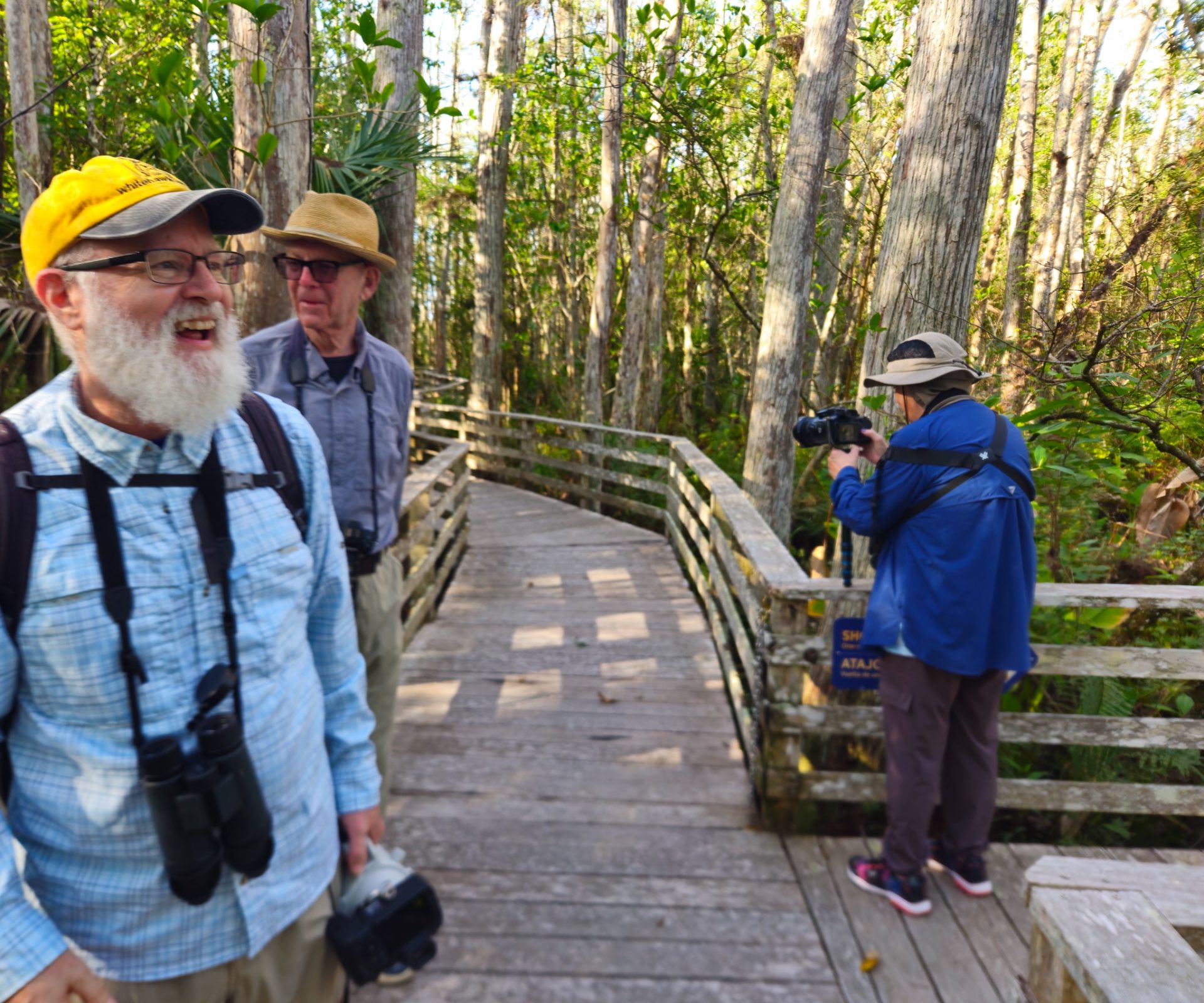
At Lucky Hammock and Mahogany Hammock, the survey noted the resilience of various species. Highlights included the White-tailed Kite (Elanus leucurus) and the Barred Owl (Strix varia). Further south, at the Flamingo Campground and East Pond, the documentation of Shiny Cowbirds and the Wurdemann’s Heron—a unique color morph of the Great Blue Heron—provided insight into the avian diversity of the brackish transition zones where the Everglades meet Florida Bay.
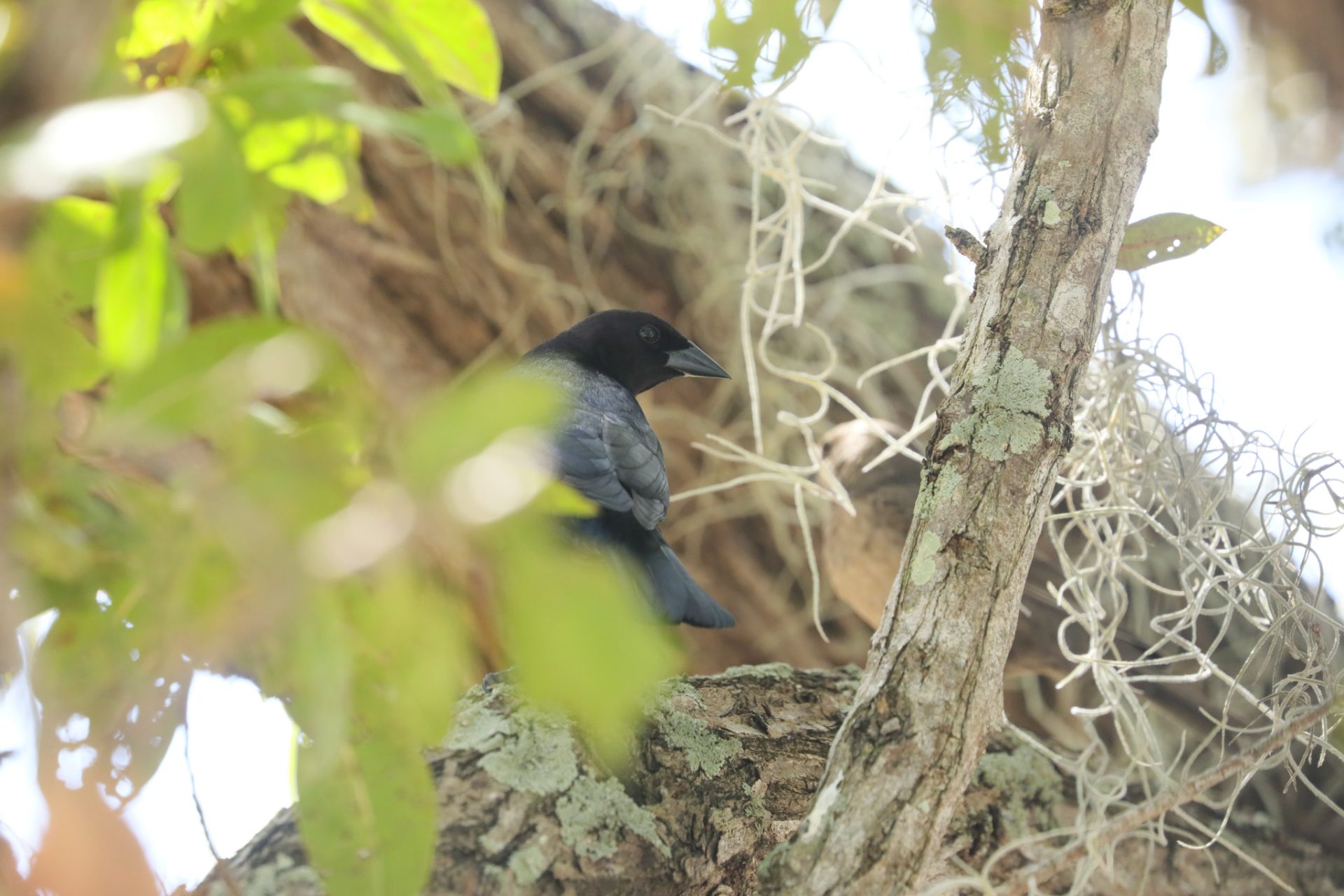
The presence of the American Crocodile (Crocodylus acutus) at Flamingo served as a reminder of the apex predators that share these habitats. While the drought conditions altered the distribution of some waterfowl, the overall species count remained robust, with sightings of Caspian Terns and American Wigeons suggesting that the Everglades remain a vital stopover for migrants even during dry spells.
Island Biogeography: From the Keys to the Dry Tortugas
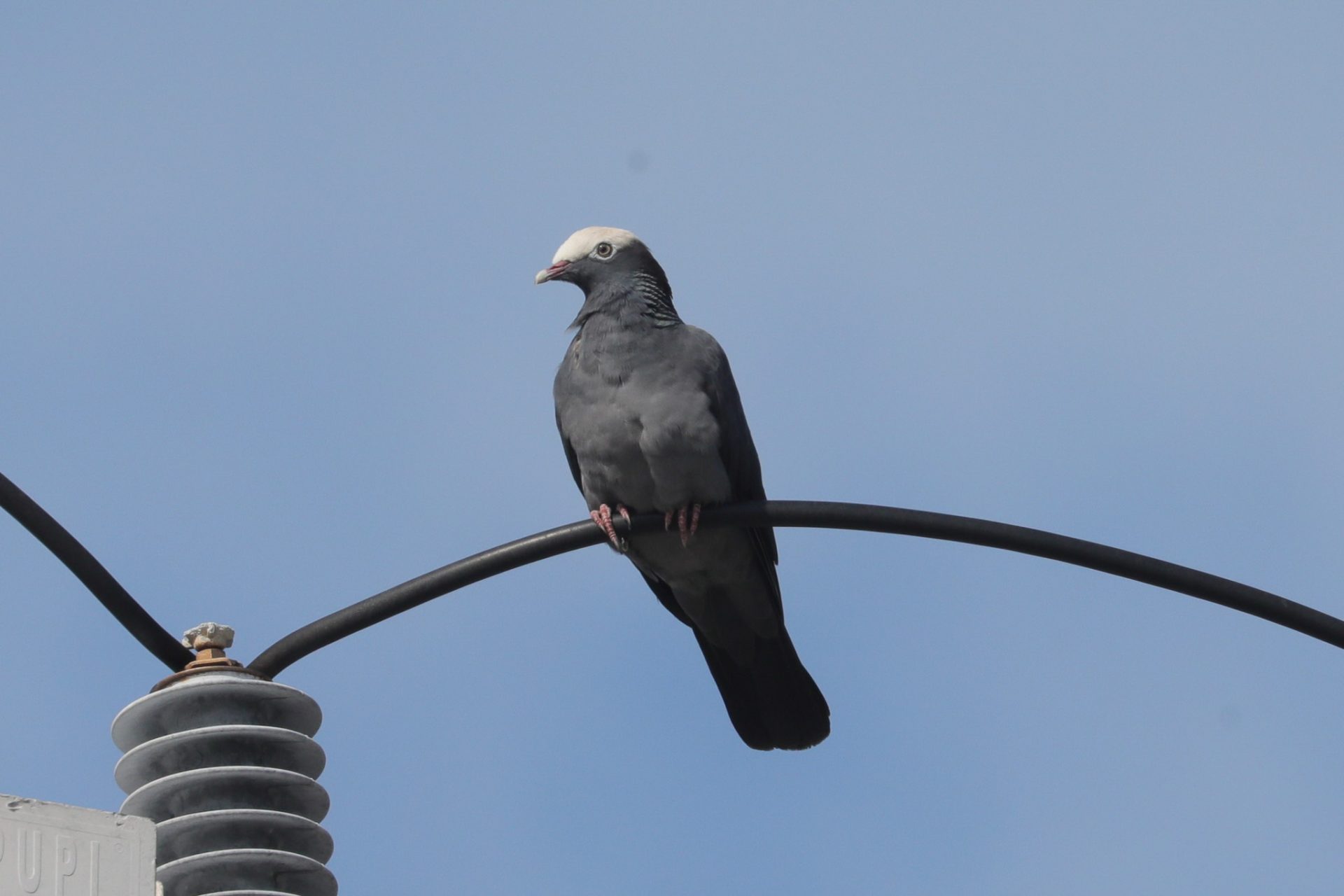
The journey through the Florida Keys provided an opportunity to observe species influenced by Caribbean proximity. The White-crowned Pigeon (Patagioenas leucocephala), which relies on mangrove fruit and hardwood hammocks, was a primary target. In Key West, the team observed the Great White Heron—the white morph of the Great Blue Heron—which is largely restricted to the shallow waters of the Keys.
The expedition reached its climax with a journey to the Dry Tortugas National Park, located 68 miles west of Key West. This remote archipelago is a cornerstone of Atlantic avian research. The historic Fort Jefferson serves as a backdrop for one of the most significant nesting colonies in the Western Hemisphere.
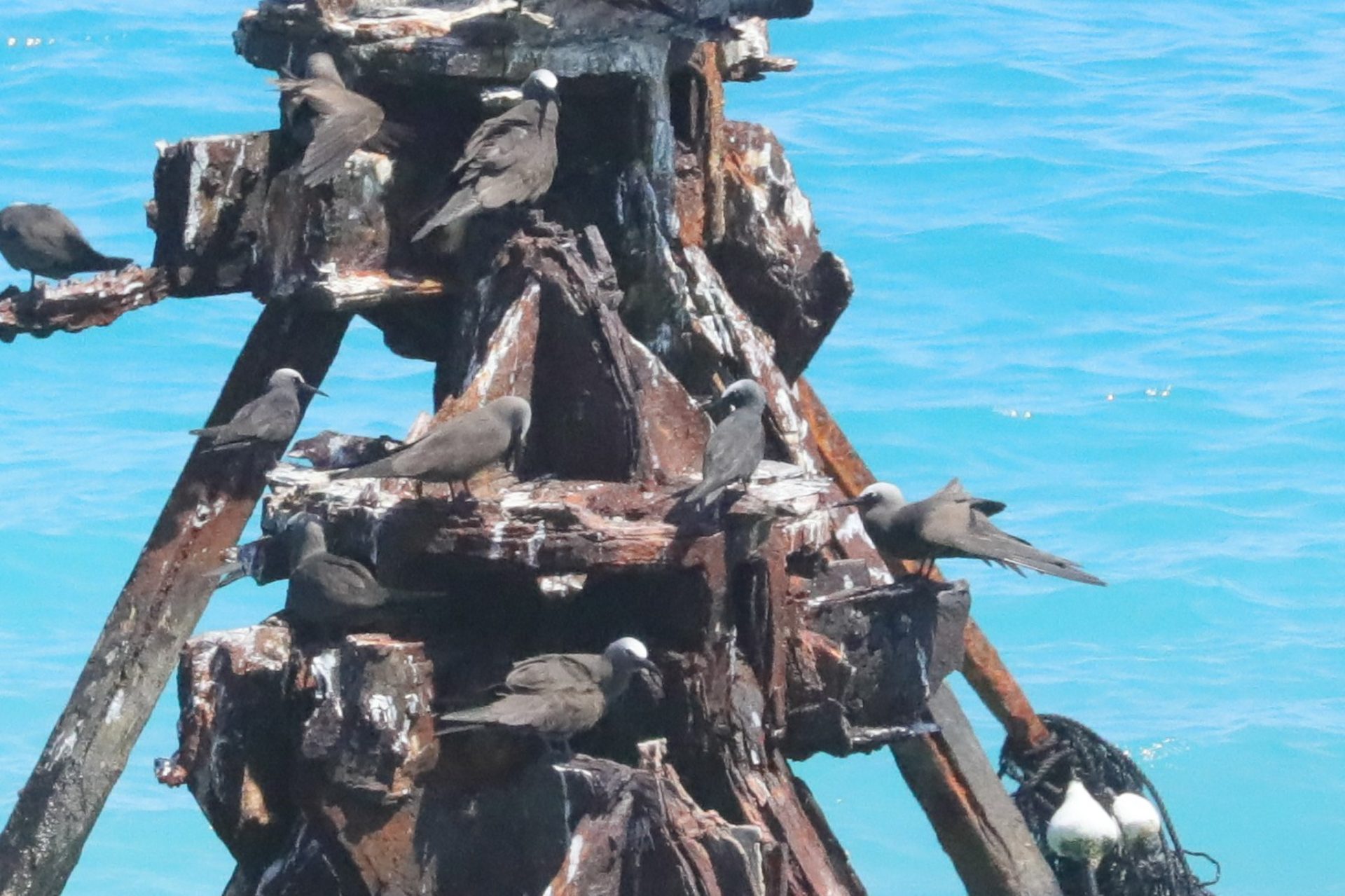
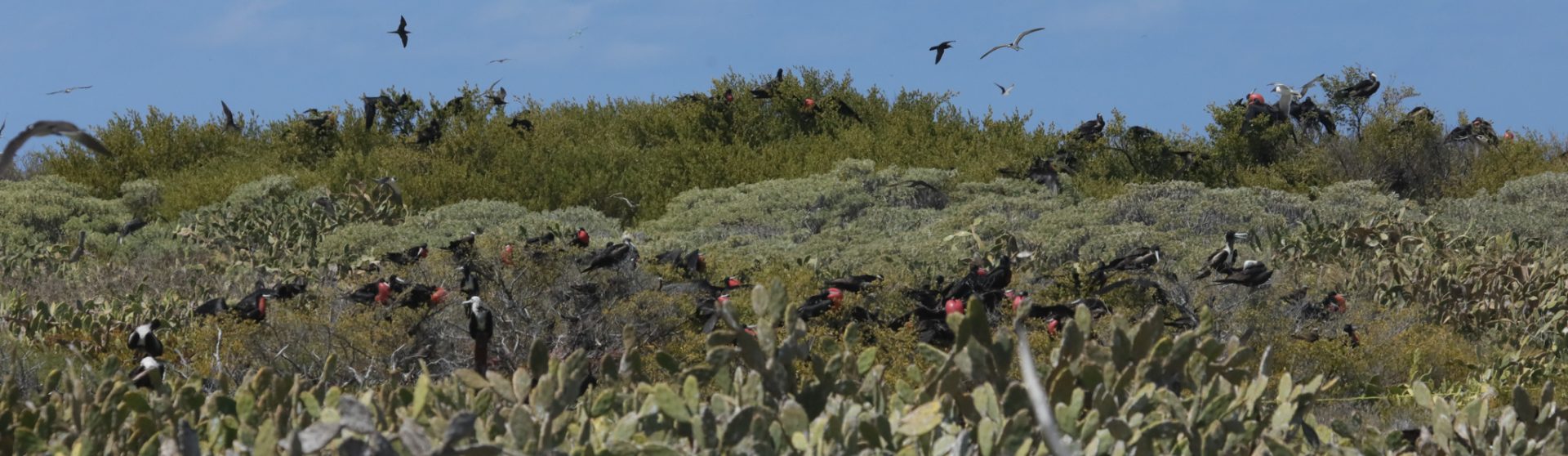
Thousands of Sooty Terns (Onychoprion fuscatus) and Brown Noddies (Anous stolidus) were documented nesting on the islands. A significant find during this leg was the return of the Black Noddy (Anous minutus), a rare visitor to the United States. By observing Black Noddies perched alongside Brown Noddies, researchers were able to conduct direct comparative analysis of the two species in a natural setting. Additionally, the Magnificent Frigatebird (Fregata magnificens) colony showed active dominance displays, with males inflating their distinctive red gular pouches. On the return voyage, the group observed the Masked Booby (Sula dactylatra) colony on East Key, the only such nesting colony in the continental United States.
Urban Wetlands and the Role of Reclaimed Landscapes
The survey concluded in North Miami and the surrounding areas, focusing on the role of man-made or restored wetlands in supporting biodiversity. The Wakodahatchee Wetlands in Delray Beach serve as a premier example of how treated wastewater can be utilized to create high-quality wildlife habitat.
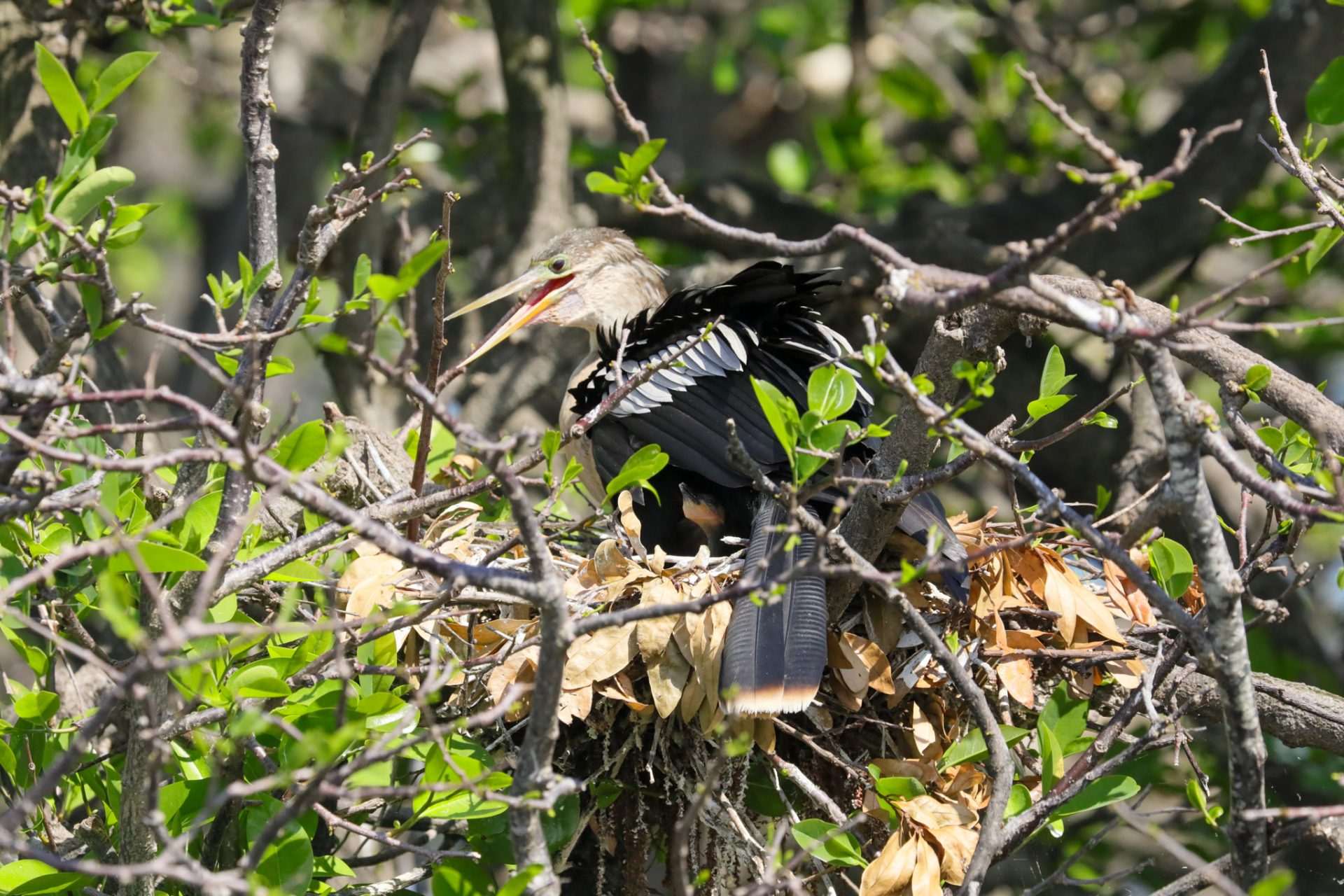
The wetlands feature a boardwalk that allows for close-range observation without disturbing the residents. Species documented here included the Wood Stork (Mycteria americana)—the only stork that breeds in North America—and the Anhinga (Anhinga anhinga). The observation of Anhingas with chicks provided evidence of successful breeding cycles within these reclaimed environments. The site also hosted the Scaly-breasted Munia, an introduced species that has established a presence in South Florida’s tropical climate.

Economic and Ecological Implications
The findings of this expedition reflect the broader importance of Florida’s ecotourism industry. According to data from the Florida Fish and Wildlife Conservation Commission (FWC), wildlife viewing contributes billions of dollars annually to the state’s economy. Birding, in particular, is a major driver of tourism in regions like Fort Myers, the Everglades, and the Keys.
However, the data gathered also points to ongoing challenges. Habitat loss in the scrublands, the impact of invasive species like the Common Myna and Shiny Cowbird, and the sensitivity of the Everglades’ hydrology to climate fluctuations all pose long-term risks. The successful documentation of species like the Florida Scrub-Jay and the Red-cockaded Woodpecker highlights the necessity of continued land acquisition and active management.
In conclusion, the South Florida avian survey demonstrates that while the region faces significant environmental pressures, its network of national wildlife refuges, state parks, and managed wetlands continues to support an extraordinary level of biodiversity. The presence of rare and endemic species across the peninsula serves as both a biological treasure and a critical indicator of the overall health of Florida’s unique ecosystems. Continued monitoring and public engagement remain essential to ensuring that these avian populations thrive for future generations.
