
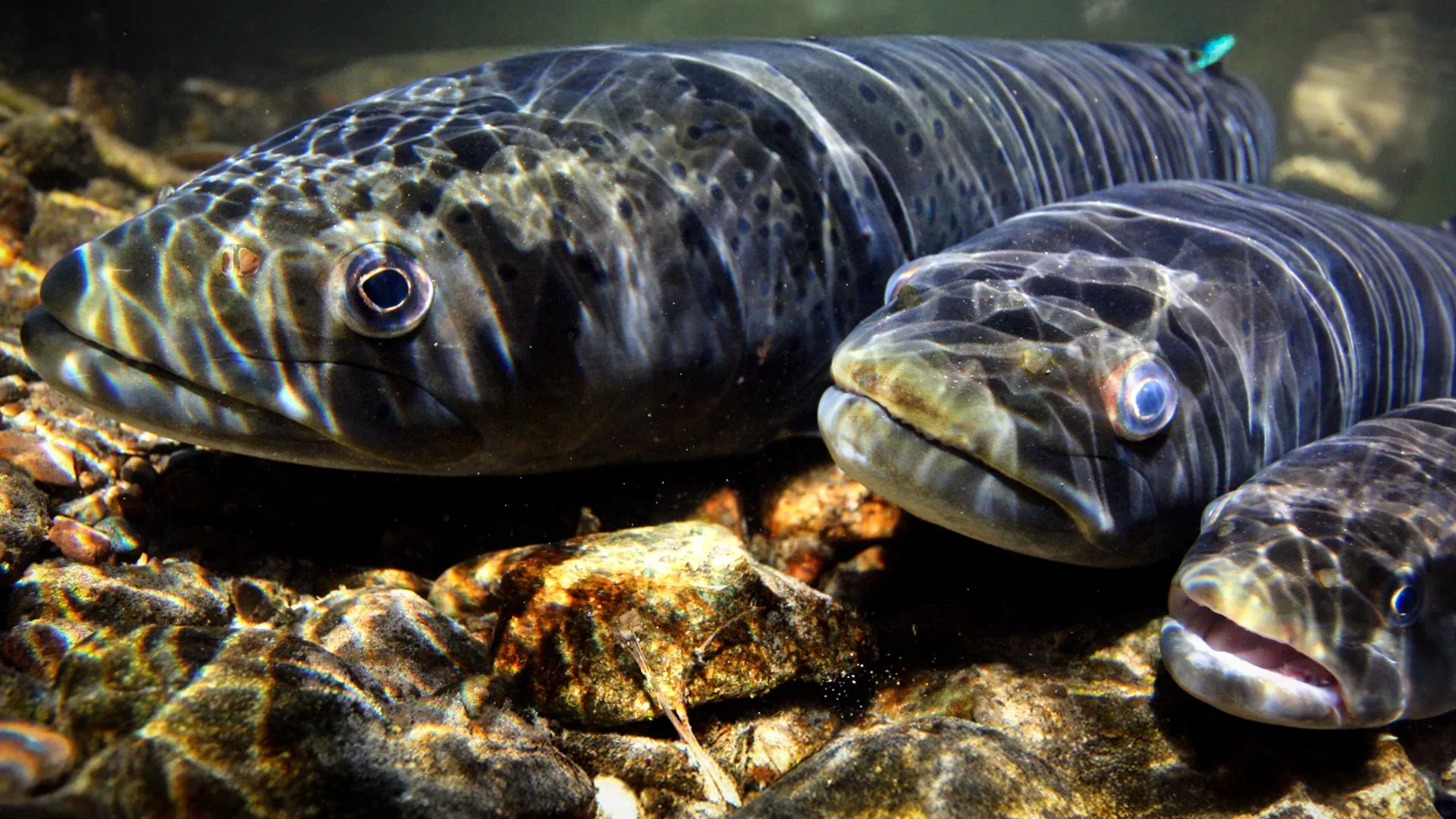
Beneath the often-calm surfaces of the world’s rivers, an unseen ecological catastrophe is rapidly unfolding, jeopardizing some of Earth’s most vital and extensive animal migrations. A groundbreaking new report from the Convention on the Conservation of Migratory Species of Wild Animals (CMS), a United Nations environmental treaty, issues a stark warning: the epic journeys of migratory freshwater fish are breaking down at an alarming rate, signaling a largely overlooked biodiversity crisis with profound implications for ecosystems and human societies alike.
Released at the CMS 15th Meeting of the Conference of the Parties (COP15) held in Brazil, the "Global Assessment of Migratory Freshwater Fishes" paints a dire picture, identifying these crucial species as among the most threatened worldwide. Their decline is not merely an ecological footnote; it represents a fundamental threat to the health and functionality of river systems, the sustainability of major inland fisheries, and the food security and livelihoods of hundreds of millions of people who depend on them. The report underscores that the integrity of these underwater highways is paramount, linking diverse habitats essential for spawning, feeding, and nursery grounds, often spanning multiple national borders.
The Unseen Crisis Beneath the Surface
While global attention often focuses on iconic terrestrial or marine migrations, the plight of freshwater migratory fish has remained largely out of the spotlight, despite their disproportionate rate of decline. Freshwater ecosystems, in general, are experiencing biodiversity loss faster than their terrestrial or marine counterparts. This new assessment brings the urgent reality of migratory freshwater fish into sharp focus, revealing the intricate web of life that relies on uninterrupted river pathways. These species are not just fish; they are engineers of their environment, transporting nutrients, supporting complex food webs, and acting as key indicators of river health.
The sheer scale of the problem is staggering: migratory freshwater fish populations have plummeted by an estimated 81% globally since 1970. This figure is a chilling testament to the accelerated pace of environmental degradation impacting river systems worldwide. Even more concerning, nearly all (97%) of the 58 migratory fish species currently listed under CMS (which includes both freshwater and saltwater species) are now classified as threatened with extinction, highlighting an immediate and critical need for comprehensive conservation action.
Drivers of Decline: A Multifaceted Threat
The comprehensive report, drawing on extensive global datasets and IUCN assessments of nearly 15,000 freshwater fish species, provides the most detailed overview to date of the conservation challenges facing these vital creatures. It identifies a confluence of human-induced pressures driving this rapid decline. Foremost among these are the construction of dams and other instream barriers, which fragment essential migration routes, effectively cutting off fish from their spawning grounds or feeding areas. Globally, millions of such barriers impede natural river flow, turning once-connected lifelines into disconnected segments.
Habitat degradation, stemming from deforestation, agricultural runoff, and urbanization, further exacerbates the problem by destroying critical breeding and nursery habitats. Pollution, from industrial discharges to plastic waste and agricultural chemicals, contaminates water bodies, directly harming fish and their food sources. Overfishing, driven by increasing demand and often poorly regulated practices, depletes populations faster than they can reproduce. Finally, climate-related ecosystem changes, including altered water temperatures, extreme weather events, and modified hydrological cycles, disrupt the delicate environmental cues that migratory fish rely on for their life cycles, further pushing them towards extinction.
Global Scope and Species at Risk
The assessment identifies a sobering 325 migratory freshwater fish species as immediate candidates for coordinated international conservation efforts. This number is in addition to the 24 species already recognized under the Convention’s Appendices I (species requiring strict protection) and II (species needing international cooperation), underscoring a largely overlooked biodiversity crisis unfolding across shared river systems. While a detailed regional breakdown of these 325 species was not fully detailed in the provided context, the report implies a widespread distribution across major river basins on all continents, with some species occurring in multiple regions, contributing to the total count.
Key river systems identified as global priorities for conservation include the iconic Amazon and La Plata-Paraná basins in South America, the Danube in Europe, the Mekong in Asia, the Nile in Africa, and the Ganges-Brahmaputra across the Indian subcontinent. These rivers, often traversing numerous national boundaries, represent the last bastions for many long-distance migratory fish, yet they are increasingly under threat from accelerated development, resource extraction, and climate change impacts. The interconnected nature of these river systems means that conservation efforts in one country can be undermined by a lack of action in another, emphasizing the critical need for cross-border collaboration.
The Convention on Migratory Species (CMS) and COP15 Context
The Convention on the Conservation of Migratory Species of Wild Animals (CMS), an environmental treaty under the aegis of the United Nations Environment Programme (UNEP), serves as a crucial platform for international cooperation on migratory species. Its mandate is to conserve terrestrial, aquatic, and avian migratory species throughout their range. The 15th Meeting of the Conference of the Parties (COP15), held in Brazil, provided the opportune moment to spotlight this urgent issue. COP meetings are where member states review the conservation status of migratory species, set priorities, and adopt resolutions and recommendations to advance conservation efforts. The release of this comprehensive assessment at COP15 aimed to galvanize political will and mobilize resources towards addressing the freshwater fish crisis. Listing species under CMS Appendices I and II provides a framework for signatory nations to implement protective measures, ranging from habitat preservation to species-specific action plans and the regulation of harvest.
Amazon Basin: A Critical Battleground
As the host nation for COP15, Brazil played a pivotal role in bringing the issue of migratory freshwater fish to the forefront, particularly focusing on South America’s immense river systems, the Amazon and La Plata-Paraná. The Amazon Basin, unparalleled in its biodiversity, remains one of the last major strongholds for migratory freshwater fish populations. However, increasing development pressures, including planned hydroelectric dams, mining operations, and agricultural expansion, are rapidly eroding this status.
A detailed case study accompanying the global assessment identified 20 migratory fish species within the Amazon that meet the criteria for potential CMS Appendix II listing, signifying their need for international cooperative management. These long-distance migratory species are not just ecologically significant; they form the backbone of regional fisheries, accounting for approximately 93% of total landings and supporting an industry valued at an estimated US$436 million each year. The loss of these species would devastate both the ecosystem and the millions of people whose livelihoods depend on these fish.
Among these remarkable species is the dorado (gilded) catfish (Brachyplatystoma rousseauxii), a bottom-dwelling species notable for its metallic gold/silver coloring and impressive size, reaching up to 2 meters (6.5 ft) in length. This species undertakes the longest known freshwater migration of any fish on Earth, an astonishing journey of 11,000 kilometers from the Andean headwaters of the Amazon to coastal nursery areas and back, a testament to the incredible adaptations and connectivity required for these migrations.
In response to this urgent need, Brazil and other regional countries are proposing a Multi-species Action Plan for Amazonian Migratory Catfish (2026-2036). This ambitious initiative, developed through extensive regional cooperation, aims to create a coordinated conservation strategy across the basin. Furthermore, Brazil has proposed the addition of the spotted sorubim catfish (Pseudoplatystoma corruscans) to CMS Appendix II. This proposal emphasizes the need for concerted action in the La Plata Basin, where these fish face similar threats from dams, altered water flows, and intensive fishing pressure. These initiatives represent some of the most ambitious international efforts to date to protect migratory freshwater fish, reinforcing the core principle of CMS: conservation solutions must encompass the full geographic range of migratory species and rely on robust cooperation between countries.
Urgent Calls for Coordinated Action
The release of the report spurred strong calls for immediate and coordinated global action from leading experts and conservationists. Dr. Zeb Hogan, the lead author of the assessment, articulated the critical situation: "Many of the world’s great wildlife migrations take place underwater. This assessment shows that migratory freshwater fish are in serious trouble, and that protecting them will require countries to work together to keep rivers connected, productive, and full of life." His statement underscores the fundamental need for a paradigm shift in how rivers are managed, moving away from fragmented national approaches to integrated, basin-wide strategies.
Amy Fraenkel, CMS Executive Secretary, echoed this sentiment, emphasizing the report’s significance: "This new assessment highlights a major priority for the conservation of migratory species and their habitats, that has not had adequate focus to date. By aligning science, policy and international cooperation, governments can safeguard the world’s remaining great freshwater fish migrations and the communities and ecosystems that depend on them." Her remarks highlight the power of the CMS framework to translate scientific findings into actionable policy at an international level.
Michele Thieme, Vice President and Deputy Lead of Freshwater at World Wildlife Fund-US, stressed the interconnectedness of river systems and the urgency of the crisis: "Rivers don’t recognize borders – and neither do the fish that depend on them. The crisis unfolding beneath our waterways is far more severe than most people realize, and we are running out of time. Rivers need to be managed as connected systems, with coordination across borders, and investments in basin-wide solutions now before these migrations are lost forever." Her powerful words serve as a rallying cry, urging governments, industries, and communities to act decisively before these irreplaceable natural phenomena are lost forever.
Practical Steps and Policy Implications
The report not only details the crisis but also outlines practical steps that governments and stakeholders can take immediately to reverse these devastating trends. These include:
- Prioritizing River Connectivity: Implementing policies that halt the construction of new dams on critical migratory routes, and where possible, facilitating dam removal or retrofitting existing dams with effective fish passage systems.
- Strengthening Protected Area Networks: Expanding and effectively managing protected areas that encompass critical spawning grounds, feeding habitats, and migratory corridors within and across national borders.
- Combating Pollution: Enacting and enforcing stricter regulations on industrial and agricultural discharges, investing in wastewater treatment infrastructure, and promoting sustainable land-use practices to reduce runoff.
- Sustainable Fisheries Management: Implementing science-based quotas, regulating fishing gear, establishing no-fishing zones during critical life stages, and combating illegal, unreported, and unregulated (IUU) fishing.
- Integrating Climate Resilience: Incorporating climate change adaptation strategies into river basin management plans, such as maintaining riparian vegetation to moderate water temperatures and managing water flows to support ecological needs.
- Fostering Transboundary Cooperation: Establishing and strengthening agreements and joint management bodies for shared river basins, ensuring coordinated conservation actions across political boundaries.
The implications for national and international policy are significant. The findings demand a re-evaluation of infrastructure development projects, particularly in hydropower, to ensure ecological sustainability. They also call for stronger integration of biodiversity conservation goals into broader sustainable development agendas, including the UN Sustainable Development Goals (SDGs) related to water (SDG 6), life below water (SDG 14), and life on land (SDG 15). The report serves as a critical input for upcoming biodiversity targets, highlighting a sector that has been historically underrepresented in global conservation efforts.
Broader Ecological and Socio-Economic Impacts
The collapse of migratory freshwater fish populations extends far beyond the direct loss of species. Ecologically, it disrupts nutrient cycling, alters food webs, and diminishes the resilience of entire river ecosystems. Many migratory fish are keystone species, whose disappearance can trigger cascading effects, impacting everything from aquatic insects to larger predators, including birds and mammals that rely on them for food.
Socio-economically, the impact is equally profound. Inland fisheries provide a vital source of protein and essential micronutrients for hundreds of millions of people, particularly in developing countries. The decline of these fisheries threatens food security, exacerbates poverty, and undermines the cultural heritage of communities that have relied on these migrations for generations. The economic value derived from these fisheries, as highlighted by the Amazonian example, is substantial, and its loss would have significant ripple effects on regional economies.
The Path Forward: A Vision for Connected Rivers
The "Global Assessment of Migratory Freshwater Fishes" is not just a report of alarm; it is a roadmap for recovery. It underscores that the opportunity to safeguard these incredible migrations still exists, but the window is rapidly closing. The path forward requires a fundamental shift in how humanity views and manages its freshwater resources—from fragmented national waterways to interconnected, living systems.
By embracing the principles of river connectivity, investing in sustainable management practices, and fostering unprecedented international cooperation, governments and societies can work together to restore the health of our rivers and ensure that the vital migrations of freshwater fish continue for generations to come. This collective effort is not just about saving fish; it is about preserving the lifeblood of our planet and securing a sustainable future for all. The time for urgent, concerted action is now, to prevent these magnificent underwater journeys from becoming mere echoes of the past.
