
The relentless global appetite for sand, fueled by escalating population growth, rapid urbanization, and burgeoning economic development, is now critically outpacing the planet’s capacity to sustainably replenish this vital resource. This unsustainable consumption pattern poses a profound threat to global water and food security, undermines climate resilience, jeopardizes biodiversity, and impedes long-term sustainable development, according to a stark new report from the United Nations Environment Programme (UNEP). The report, titled "Sand and Sustainability: An Essential Resource for Nature and Development," underscores the urgent need for governments and industries worldwide to recognize and fully integrate the multifaceted value of sand – not only for societal and economic progress but also for the health of natural ecosystems and our ability to adapt to a changing climate.
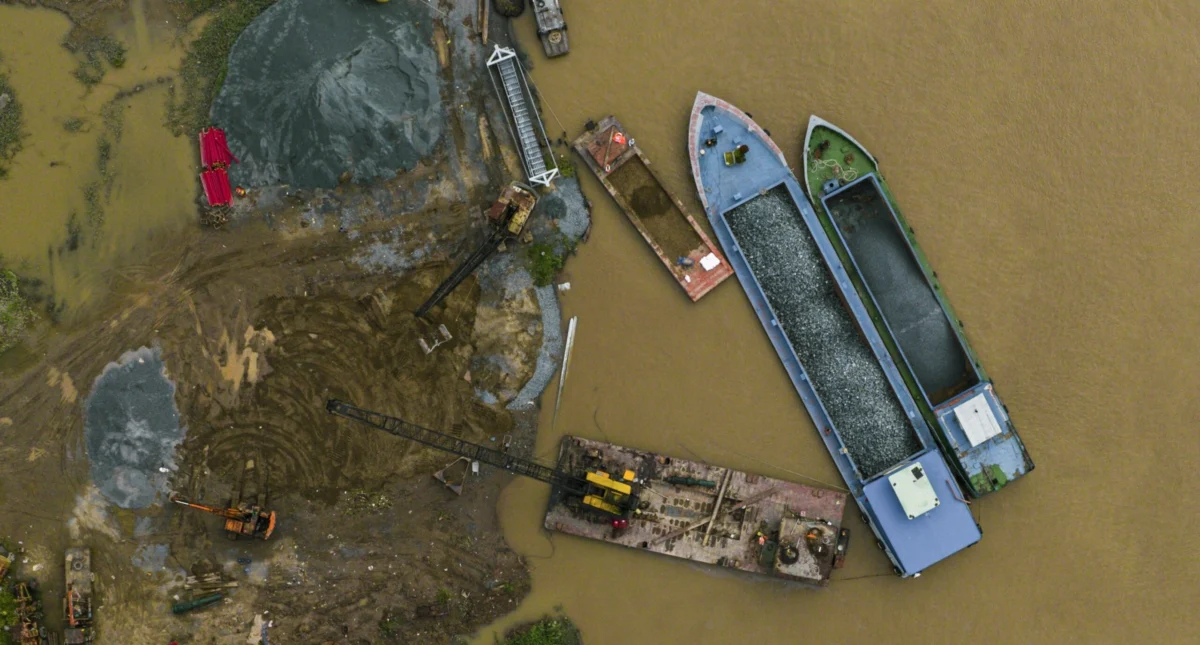
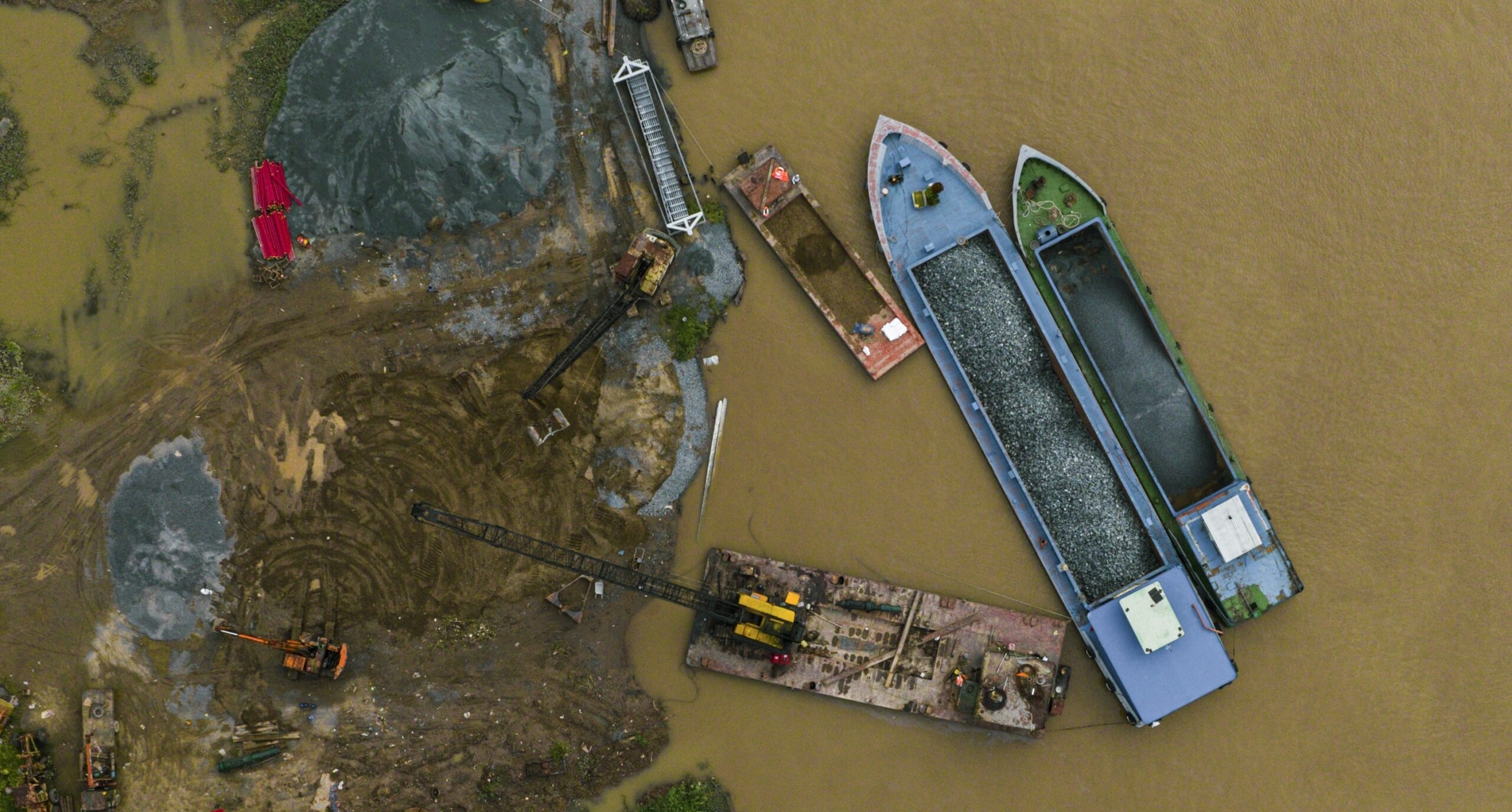
Sand, often overlooked, is the bedrock of modern infrastructure. It is by far the largest extractive industry on Earth, with an astonishing 50 billion tonnes extracted annually. The vast majority of this extraction occurs from the world’s freshwater systems, including rivers, deltas, and coastal wetlands. This immense volume of sand is primarily channeled into the production of concrete, the ubiquitous material used in constructing buildings, roads, bridges, and countless other critical infrastructure projects that underpin contemporary civilization. Without sand, the intricate web of modern societies, economies, and developmental ambitions would simply crumble.
The geological processes that create sand are remarkably slow, involving gradual erosion over millennia. Humanity’s current rate of sand extraction dwarfs nature’s ability to regenerate it. Projections indicate that demand for sand, particularly for construction purposes, is set to surge by as much as 45 percent by 2060, exacerbating the existing deficit and intensifying environmental pressures.
Pascal Peduzzi, Director of the UNEP Global Resource Information Database in Geneva (GRID-Geneva), highlighted this critical oversight. "Sand is sometimes referred to as the unrecognized hero of development," Peduzzi stated. "But its essential role in sustaining natural services that we depend on is even more overlooked. Sand is our first line of defense against sea level rise, storm surges, and salination of coastal aquifers – all hazards exacerbated by climate change."
The Dual Nature of Sand: ‘Dead’ vs. ‘Alive’
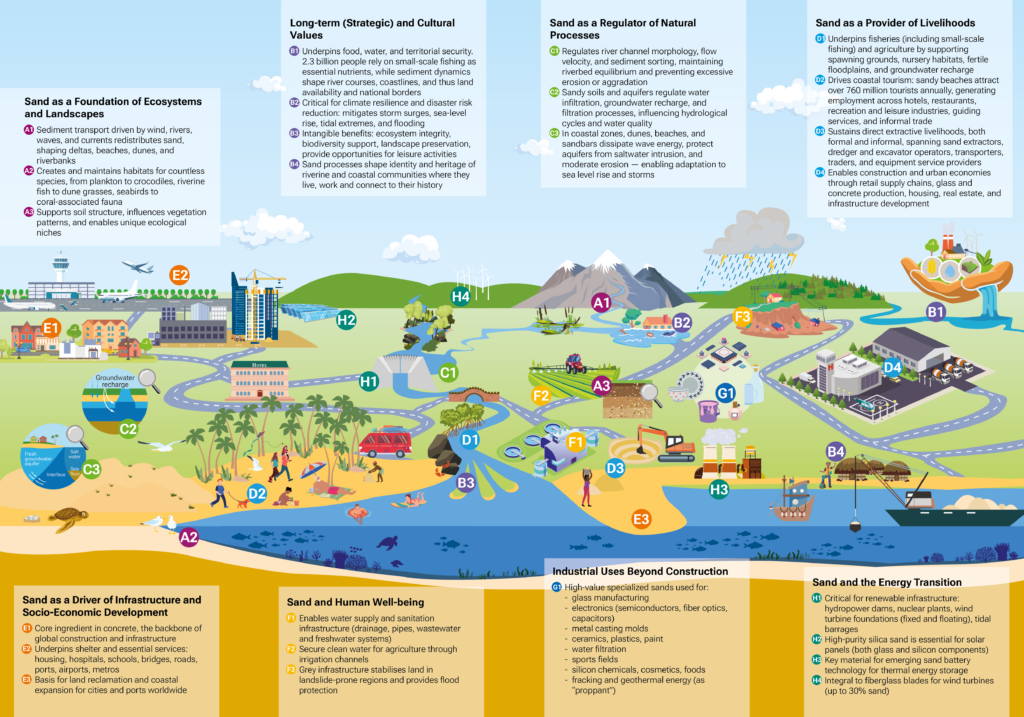
The UNEP report meticulously details a fundamental tension: sand exists in two critical forms, each with distinct roles. When extracted and processed into materials like concrete, asphalt, or glass, sand is effectively removed from natural systems, becoming "dead" sand. While essential for human construction, this form is divorced from its ecological functions.
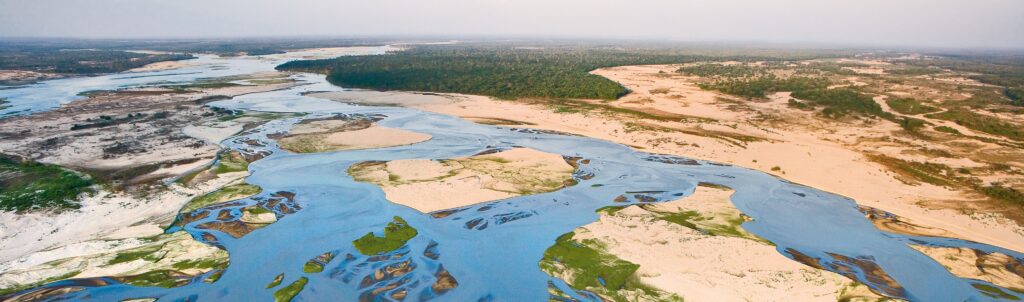
In stark contrast, "alive" sand, found in rivers, deltas, and coastal zones, continues to play a crucial role in maintaining landscape stability and supporting vital ecosystem services. This "living" sand acts as a natural filter for water, regulates river flows, protects coastlines from erosion, sustains the integrity of deltas, prevents the intrusion of saltwater into freshwater aquifers, and provides essential habitats for a rich tapestry of biodiversity.
Richard Lee, Global Head of Communications at Wetlands International, who reviewed the report, emphasized this duality: "Sand is not only a cornerstone of our societies and economies, but also a critical component of the very fabric of the ecosystems that our societies and economies are built on – in many cases, literally. Sand helps shape the structure of rivers, floodplains, beaches and deltas, maintaining the land beneath hundreds of millions of people’s homes, fields & feet."

He further elaborated on the cascading negative impacts of over-extraction. "Sand also provides critical habitats for fish, birds, crabs, and countless other species, and helps maintain ecological balance," Lee added. "Extract too much – as we are doing – and the results can be disastrous: lives and livelihoods lost as river and coastal erosion undermines buildings and infrastructure; families forced to migrate as deltas sink and shrink; water insecurity rises as the water table falls and salt water intrudes further inland; and food security worsens as fields flood and fisheries decline."
A Growing Crisis: Data and Trends
The scale of sand extraction is staggering. Globally, over 50 billion tonnes are extracted annually. This figure represents a significant portion of the world’s total material extraction, dwarfing that of fossil fuels, minerals, and biomass.
Key Data Points:
- Annual Extraction: Approximately 50 billion tonnes of sand are mined each year.
- Primary Sources: Freshwater rivers, deltas, and coastal wetlands are the most heavily exploited sources.
- Projected Demand: Demand for construction sand is anticipated to rise by up to 45% by 2060.
- Ecological Impact: Over-extraction leads to riverbed and coastal erosion, habitat destruction, and saltwater intrusion into freshwater sources.
- Marine Protected Areas (MPAs): Data from UNEP’s Marine Sand Watch indicates that roughly half of dredging companies operate within MPAs, accounting for approximately 15% of the total volume of dredged sand. This highlights a critical governance failure where protected areas are being exploited.
Timeline of Escalating Concern
While the demand for sand has always been tied to human development, the current crisis has accelerated over the past few decades due to rapid global urbanization and economic growth, particularly in Asia and Africa.
- Late 20th Century: Increasing global construction activities began to put a strain on readily accessible sand sources.
- Early 21st Century: The scale of extraction became unsustainable, leading to noticeable environmental degradation in many river systems and coastal areas. Reports of localized sand shortages and ecological damage began to emerge.
- 2010s: International bodies, including UNEP, started to highlight the severity of the sand crisis, emphasizing its link to broader environmental and development challenges. Research and data collection efforts intensified.
- 2020s: The UNEP "Sand and Sustainability" report series has become a critical platform for raising awareness and advocating for policy change, culminating in the latest comprehensive assessment released in May 2026.
Addressing the Imbalance: A Call for Integrated Governance
The UNEP report advocates for a paradigm shift in how sand is managed. It calls on governments and industries to treat sand not merely as a raw material but as a strategic resource that underpins both the built environment and economic development, while simultaneously sustaining vital biodiversity and ecosystem services. This requires a move towards integrated governance that spans multiple sectors and scales.
Key Recommendations:
- Recognize Multifaceted Values: Acknowledge sand’s intrinsic value to nature and climate resilience, alongside its economic utility.
- Improve Data and Monitoring: Invest in comprehensive data collection, mapping, and monitoring systems to identify areas of high ecological value and to accurately assess cumulative impacts of extraction.
- Enhance Transparency: Ensure greater transparency in sand extraction permits, project approvals, and the flow of financing for sand extraction projects.
- Coordinated Governance: Implement coordinated governance mechanisms across sectors (e.g., environment, infrastructure, planning) and scales (local, national, regional, global).
- Long-Term Planning: Develop robust, long-term planning strategies that balance supply needs with the imperative of ecosystem protection.
- National and Sectorial Roadmaps: Encourage countries to develop specific roadmaps for responsible sand management, building on existing frameworks and tools.
- Global Cooperation: Given its global nature, addressing sand sustainability may necessitate enhanced regional coordination and the development of global governance mechanisms.
Broader Impact and Implications
The consequences of unchecked sand extraction extend far beyond localized environmental damage.
- Water Security: Depleted riverbeds and coastal erosion can lead to falling water tables and increased saltwater intrusion into freshwater aquifers, impacting drinking water supplies and irrigation for agriculture.
- Food Security: Coastal flooding and salinization of agricultural lands due to diminished natural defenses can devastate crop yields. Declining fish populations in degraded aquatic habitats also threaten a critical food source for millions.
- Climate Resilience: The natural buffering capacity of coastal wetlands and deltas, which are rich in "living" sand, is eroded by extraction. This leaves coastal communities more vulnerable to extreme weather events, storm surges, and rising sea levels, all amplified by climate change.
- Biodiversity Loss: The destruction of riverine and coastal habitats directly leads to a decline in fish, bird, invertebrate, and plant species, disrupting ecological balance and reducing the resilience of ecosystems.
- Social Disruption: Communities reliant on these ecosystems for their livelihoods – through fishing, agriculture, or tourism – face displacement and economic hardship. The loss of land due to erosion can force migration.
Official Responses and Analysis
The UNEP report, co-authored by 27 international experts, represents a significant scientific consensus on the gravity of the sand crisis. Its release in May 2026 serves as a timely warning and a crucial call to action.
The report’s assessment tool, accessible online, is designed to empower local, national, and regional authorities with the data and analytical capabilities needed to make informed decisions about sand management. This practical tool aims to translate scientific findings into actionable policy.
The evidence from regions like Africa and Southeast Asia, where unsustainable extraction is particularly acute, demonstrates the tangible negative impacts. Growing opposition from affected communities underscores the human cost of this resource depletion. The fact that nearly half of dredging companies operate within Marine Protected Areas, as highlighted by Marine Sand Watch data, points to a critical need for stronger enforcement and more effective monitoring within designated conservation zones. Without robust impact assessments and transparent decision-making, MPAs risk becoming mere designations on a map rather than effective ecological safeguards.
The call for early and coordinated intervention is crucial. Addressing sand sustainability now, while still possible and cost-effective, is far preferable to mitigating the severe, long-term consequences of inaction. This necessitates a global perspective, recognizing that sand flows across borders and that sustainable management requires international cooperation.
Conclusion: Choosing Wisely for a Sustainable Future
Ultimately, the report’s central message is one of urgent choice. Whether sand is intended for development or for the preservation of nature, it is an indispensable resource for our future. The path forward demands a conscious and careful approach, prioritizing sustainable extraction, robust governance, and a profound respect for the ecological functions that "living" sand provides. The future of our planet’s infrastructure, our food and water security, and our ability to withstand the impacts of climate change hinges on our collective wisdom in managing this most fundamental of resources.
