
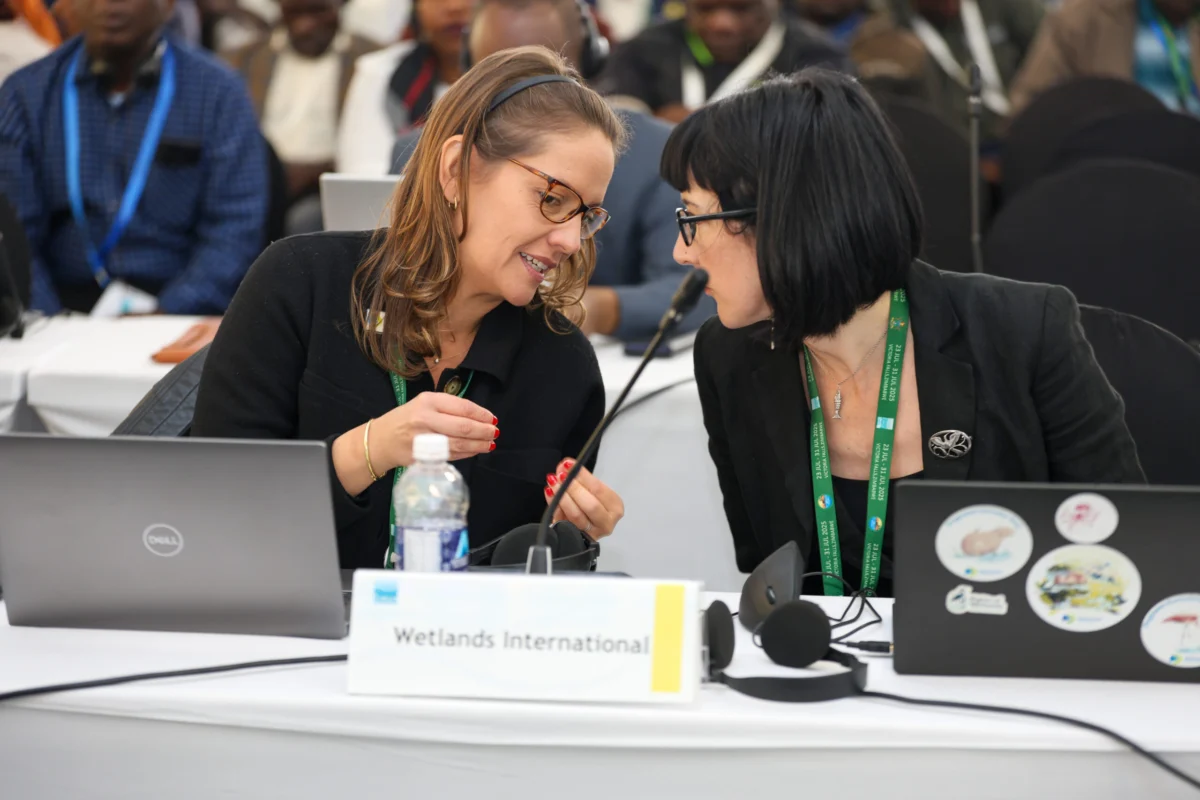
Geneva, Switzerland – May 4, 2026 – The Ramsar Convention on Wetlands’ Standing Committee (SC67) concluded its crucial intersessional meeting in Switzerland, marking a significant step forward in the global effort to protect and restore vital wetland ecosystems. The committee adopted a comprehensive indicator framework for the Ramsar 5th Strategic Plan (2025-2034) and solidified partnerships aimed at accelerating wetland action worldwide. The meeting, held on the shores of Lake Geneva, a designated Wetland of International Importance, underscored the urgent need for coordinated global efforts following the highly successful COP15 in Zimbabwe.
Landmark Adoption of Strategic Plan Indicator Framework
A pivotal achievement of SC67 was the adoption of the indicator framework for the Ramsar 5th Strategic Plan, covering the period 2025-2034. This framework, developed by the Standing Committee’s Scientific and Technical Review Panel (STRP), provides the essential metrics for monitoring progress towards the ambitious goals set at COP15 in Victoria Falls, Zimbabwe. The swift adoption of this framework is seen as a testament to the collaborative spirit and commitment of the Ramsar Contracting Parties.
"This is a critical follow-up to COP15 and a real success to get this developed by STRP and adopted swiftly at SC67," stated a representative from Wetlands International, highlighting the importance of tangible mechanisms to track progress. The indicator framework will enable Contracting Parties to measure their contributions to key objectives, such as increasing the number of Ramsar sites, restoring degraded wetlands, and integrating wetland values into national policies. Without such a framework, the effectiveness of the Strategic Plan would be significantly diminished, leaving its ambitious targets vulnerable to incomplete implementation.
GeoWetlands Initiative Gains Momentum
The SC67 also saw robust discussions and decisions regarding the GeoWetlands initiative, a critical tool for the remote sensing and monitoring of wetlands. Wetlands International, a key partner in this initiative, expressed its honour in continuing to contribute to its development and coordination.
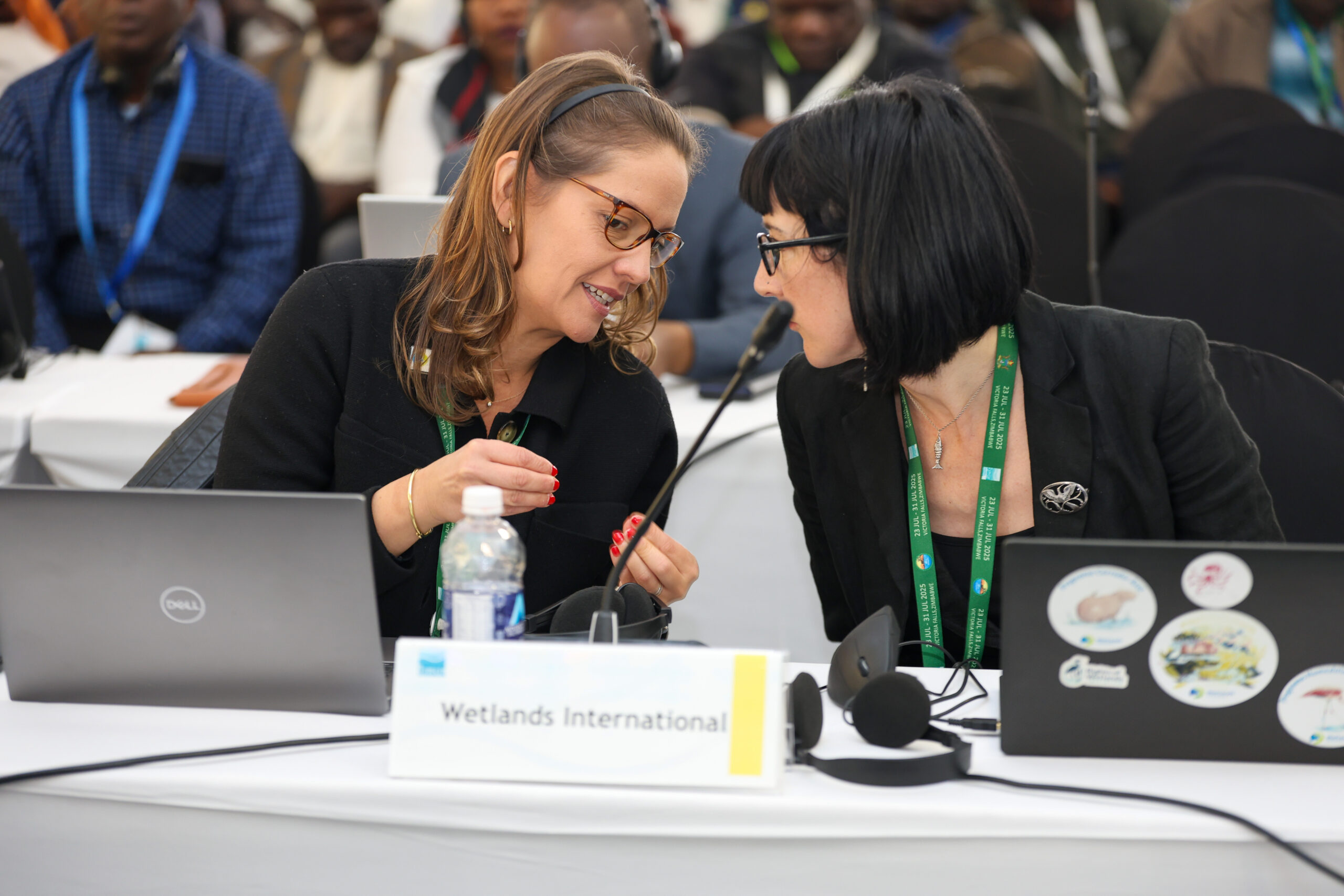
"Wetlands International regards the Geowetlands work as one of the very many incredibly valuable initiatives of the Convention, tailored to the needs of Parties," a statement from the organization read. "We are honoured to continue to contribute, including by coordinating the Geowetlands partnership as we have been doing for recent months, in addition to our national offices working directly with many Parties at national level. We consider it very positive that the 2026-2028 workplan and partnership agreement have been finalised, giving us a framework in which we can collaborate, to progress remote sensing of wetlands in a coordinated way in this triennium, as well as moving forwards on National Wetland Inventories."
The finalization of the 2026-2028 workplan and partnership agreement for GeoWetlands is expected to significantly enhance the capacity of countries to map, monitor, and manage their wetland resources. This initiative is crucial for understanding the extent and condition of wetlands globally, providing essential data for conservation planning and policy development. Accurate spatial data is foundational to effective wetland management, enabling targeted interventions for restoration and protection.
International Organisation Partners Reinforce Commitment to Strategic Plan Delivery
The meeting also featured an update from the six International Organisation Partners (IOPs) of the Ramsar Convention: Birdlife International, International Institute for Water Management (IMWI), International Union for Conservation of Nature (IUCN), Wetlands International, World Wide Fund for Nature (WWF), and the Wildfowl and Wetlands Trust (WWT). The IOPs collectively presented their ongoing and planned support for the implementation of the 5th Strategic Plan, approved at COP15.
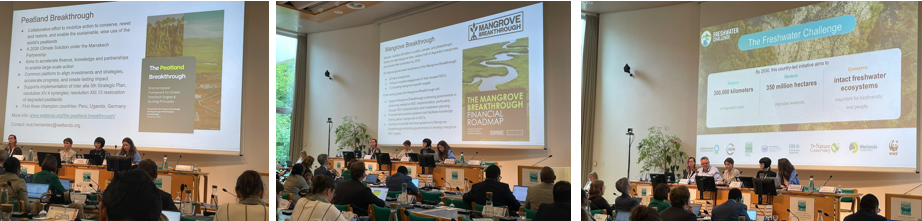
A significant focus of their update was their collaborative work on three voluntary global initiatives: the Freshwater Challenge, the Mangrove Breakthrough, and the Peatland Breakthrough. These initiatives aim to accelerate action in critical wetland ecosystems, recognizing their immense value for biodiversity, climate regulation, and human well-being.
The Freshwater Challenge, for instance, seeks to restore 350 million hectares of degraded freshwater ecosystems by 2030, a target that aligns directly with the Ramsar Strategic Plan’s objectives. Similarly, the Mangrove Breakthrough aims to halt and reverse mangrove loss, while the Peatland Breakthrough focuses on restoring and conserving peatlands, vital carbon sinks. The coordinated efforts of the IOPs through these breakthroughs are designed to leverage collective expertise and resources, amplifying the impact of national-level conservation efforts.

Prioritizing Wetland Action: Key Priorities for the Future
During the Opening Plenary, Laura MacKenzie, Senior Advocacy Officer at Wetlands International, delivered a powerful statement on behalf of all six IOPs, outlining three paramount priorities for wetland action:
- Addressing Root Causes of Wetland Loss: This includes tackling the financial and economic decision-making processes that often drive wetland degradation. The statement emphasized the need to re-evaluate economic models that fail to account for the invaluable ecosystem services provided by wetlands.
- Reconfiguring Human-Wetland Relationships: This priority calls for a fundamental shift in how societies perceive and interact with wetlands, including exploring concepts like the "Rights of Wetlands" – a notion gaining traction in environmental jurisprudence.
- Elevating Wetlands within Multilateral Environmental Agreements (MEAs): The statement underscored the critical role of wetlands in achieving the objectives of other global agreements, such as the Convention on Biological Diversity (CBD), the UN Framework Convention on Climate Change (UNFCCC), and the UN Convention to Combat Desertification (UNCCD). Wetlands are presented as essential "watery connectors" that underpin progress across these interconnected environmental challenges.
The emphasis on integrating wetland considerations across various MEAs highlights a growing understanding of their cross-cutting importance. Wetlands are not isolated ecosystems but are integral to climate regulation, water security, and biodiversity conservation, making their inclusion in broader environmental strategies crucial for holistic success.
Global Waterbird Estimates Partnership Continues Vital Work
The SC67 also provided an update on the Global Waterbird Estimates Partnership (GWEP). Wetlands International reiterated its commitment to this vital endeavor, which aims to provide updated population estimates for waterbird species worldwide.
"As we work together to deliver 2027 Waterbird Population Estimates, we would like to reiterate how essential the contributions have been: from the governments of Australia, Switzerland and the United Kingdom, Birdlife International, Manomet, and Wetlands International – notwithstanding the urgent need to fill the funding gaps," the organization stated. "It’s been a pleasure to work constructively and intensively with contracting parties, the STRP, and many other critical partners and collaborators since the adoption of the resolution last July at COP15, including as part of the interim coordination committee and as G-WEP secretariat, and we look forward to building on that over the coming critical months as this vital work takes flight."
Accurate waterbird population estimates are critical for understanding the health of wetland ecosystems and the status of migratory species. These estimates inform conservation priorities, identify critical sites, and support the effective implementation of international conservation agreements related to migratory birds. The GWEP, through its collaborative approach, is a prime example of how scientific partnerships can drive effective conservation action.
The Road to COP16: Maintaining Momentum Between Conferences
The Ramsar Standing Committee meetings, while less publicized than the Conferences of the Parties (COPs), play an indispensable role in maintaining the momentum of the Convention. The next COP, COP16, is scheduled for June 2028 in Panama City, Panama. Given the triennial cycle of COPs, these intersessional meetings are vital for reviewing progress, refining strategies, and ensuring accountability.
"Unlike the higher-profile climate COPs that take place every year, the next wetlands COP won’t be until June 2028," noted Laura MacKenzie in a statement. "This makes these in-between meetings especially important for maintaining momentum, reviewing progress, strengthening accountability, sharing knowledge and tools, and deepening partnerships for delivery."
Wetlands International’s Strategic Focus at SC67
Wetlands International outlined five key strategic priorities that guided its participation and interventions at SC67, demonstrating a clear alignment with the Ramsar Convention’s objectives:
- Demonstrating Support for COP15 Resolutions: The organization showcased how its global work directly contributes to the implementation of resolutions adopted at COP15, including the conservation of waterbird flyways, restoration of degraded freshwater ecosystems through the Freshwater Challenge, and the designation of wetlands as protected areas or Other Effective Area-Based Conservation Measures (OECMs) in support of the Global Biodiversity Framework’s 30×30 target.
- Contributing to Technical and Scientific Work: Wetlands International updated Contracting Parties on its contributions to essential technical and scientific initiatives, such as Geowetlands and the Global Waterbirds Estimates Partnership, reinforcing the data-driven approach to wetland conservation.
- Highlighting the Need to Factor Wetland Values into Finance and Economic Policy: In response to growing evidence of nature’s economic importance, exemplified by the IPBES business and biodiversity assessment and UNEP’s State of Nature Finance report, Wetlands International emphasized the urgent need to integrate the value of wetlands into financial and economic decision-making. The organization cited concerning examples, such as the weakening of glacier protection laws in the High Andes impacting water security and the proposed dilution of the EU Water Framework Directive, as evidence of the ongoing challenges.
- Building Momentum Behind Transformative Ideas: Wetlands International actively explored support for new initiatives, including a potential draft resolution on the "Rights of Wetlands," building on the momentum generated by the IUCN’s resolution on the rights of rivers. The organization also shared success stories from the Freshwater Challenge, Mangrove Breakthrough, and Peatland Breakthrough, encouraging greater government participation in these voluntary global initiatives. These breakthroughs are crucial for mainstreaming wetland action into national targets and plans, thereby enhancing efforts to meet climate, biodiversity, water security, and sustainable development goals.
- Supporting Multilateralism for Water and Wetland Action: The organization highlighted the successful outcomes of the Convention on Migratory Species COP15 in Brazil, which adopted decisions on flyways and migratory wetland species, alongside the Pantanal Declaration. Wetlands International stressed the importance of continuing to prioritize wetlands as critical interconnectors at all upcoming Rio Convention COPs and the UN Water Conference, underscoring their role in biodiversity conservation, climate regulation, water security, and community livelihoods.
Panama Poised to Host COP16
The SC67 meeting concluded with an update from Panama on its preparations to host the Ramsar Convention’s COP16 in Panama City in June 2028. Following Zimbabwe’s successful stewardship of COP15, Panama faces a significant task in building upon the current momentum. However, Panama’s established global leadership in nature conservation, particularly concerning wetlands, bodes well for the future of the Convention. Wetlands International, with an office in Panama, has pledged its commitment to supporting the nation in ensuring that COP16 further accelerates global wetland action. The successful hosting of COP16 in Panama is anticipated to further galvanize international cooperation and commitment to safeguarding these indispensable ecosystems.
