
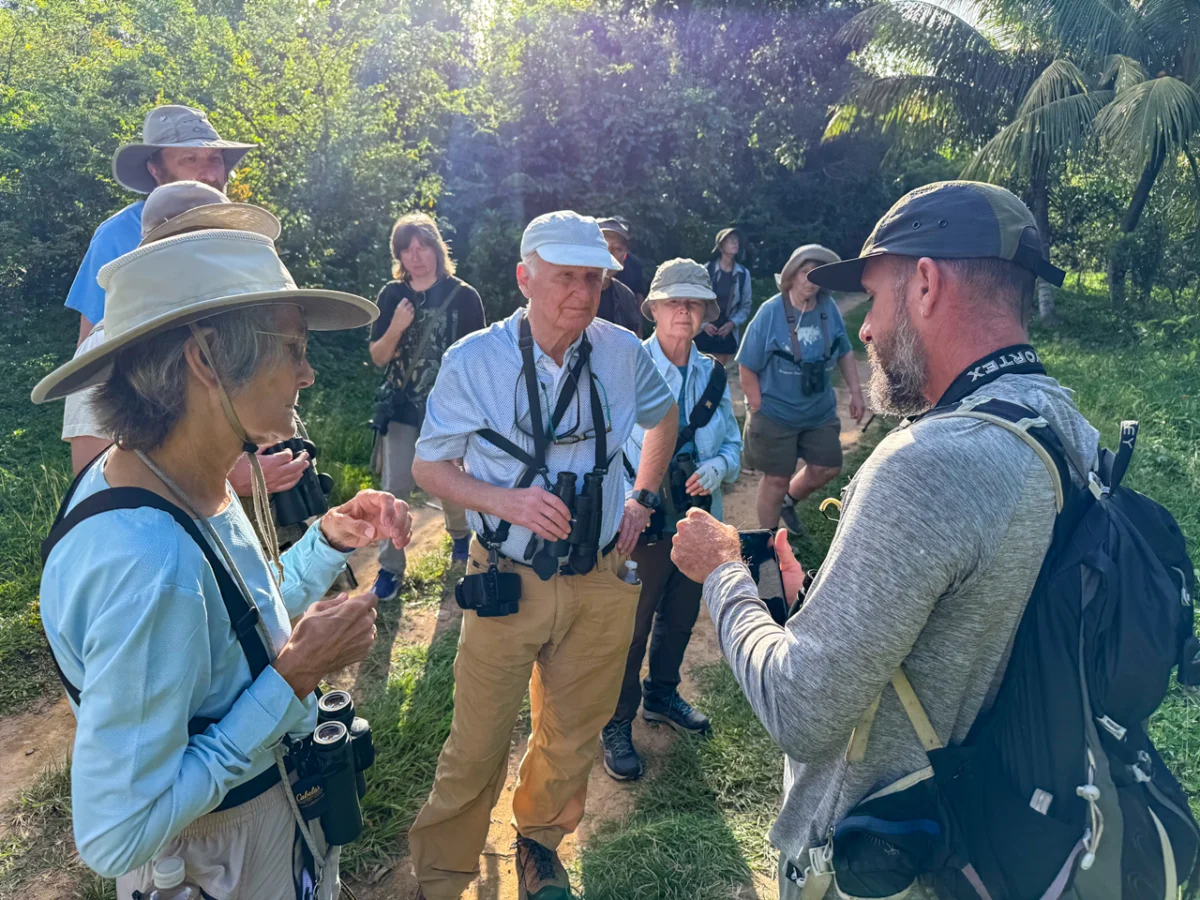
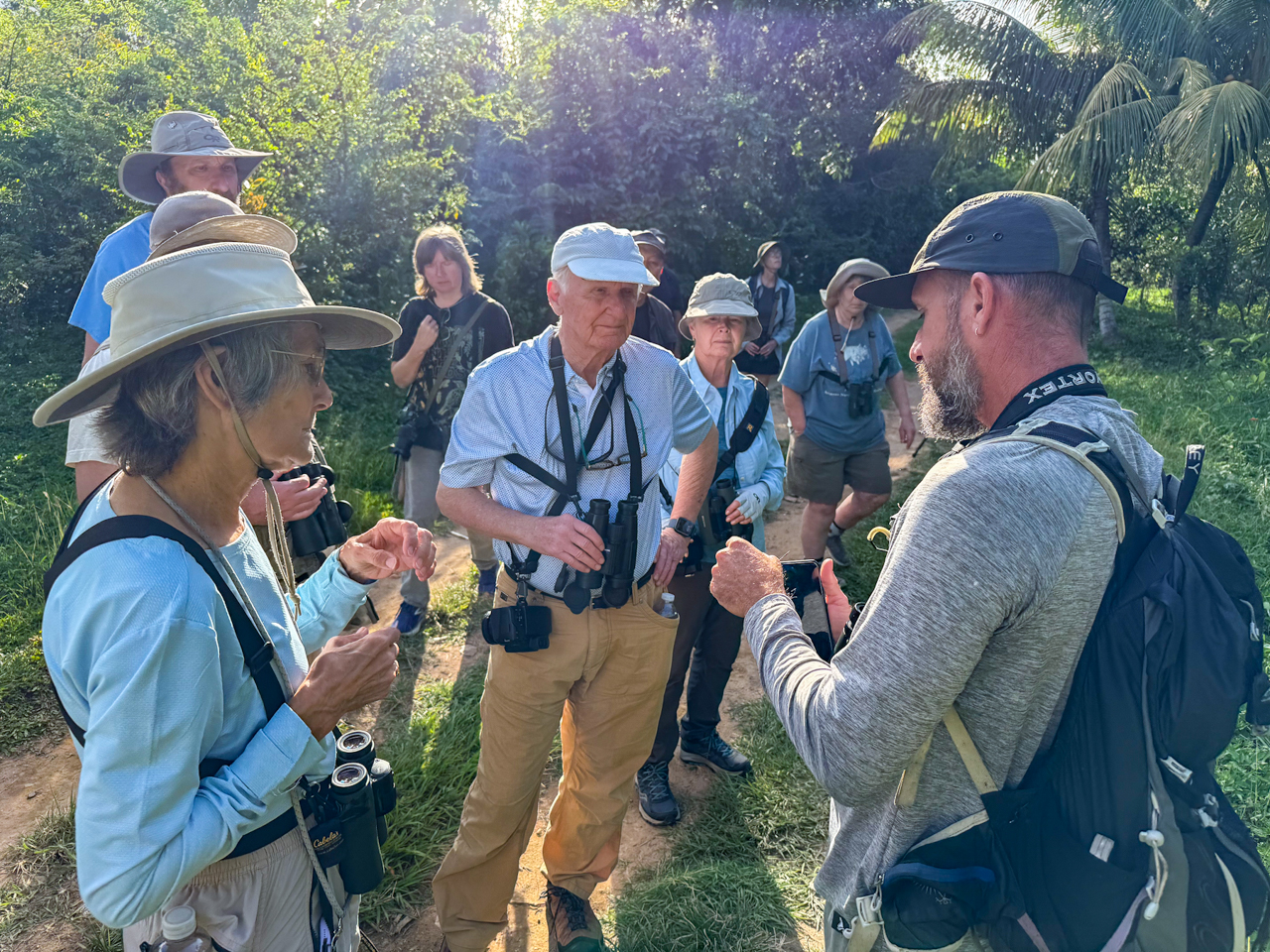
The successful conclusion of a comprehensive seven-day ornithological expedition across Puerto Rico has provided new insights into the island’s avian recovery and biodiversity, recording a total of 126 species—the highest count for this specific tour to date. From March 3 to March 9, 2026, a group of international observers, led by expert guides Alcides Morales-Perez and Benny Jacobs-Schwartz, traversed the island’s diverse ecological zones, from the northern karst forests to the high-altitude Maricao Mountains and the tropical rainforest of El Yunque. The expedition’s findings underscore the resilience of Puerto Rico’s endemic species and the critical importance of ongoing habitat restoration efforts in the face of shifting climate patterns and historical deforestation.
The Northern Karst and the Recovery of the Puerto Rican Amazon
The expedition officially commenced on March 4, following an arrival briefing in San Juan. The primary objective of the first field day was the Río Abajo State Forest, situated within the island’s northern karst region. This area is characterized by rugged limestone formations and lush secondary forests, serving as a stronghold for some of the island’s most vulnerable species.
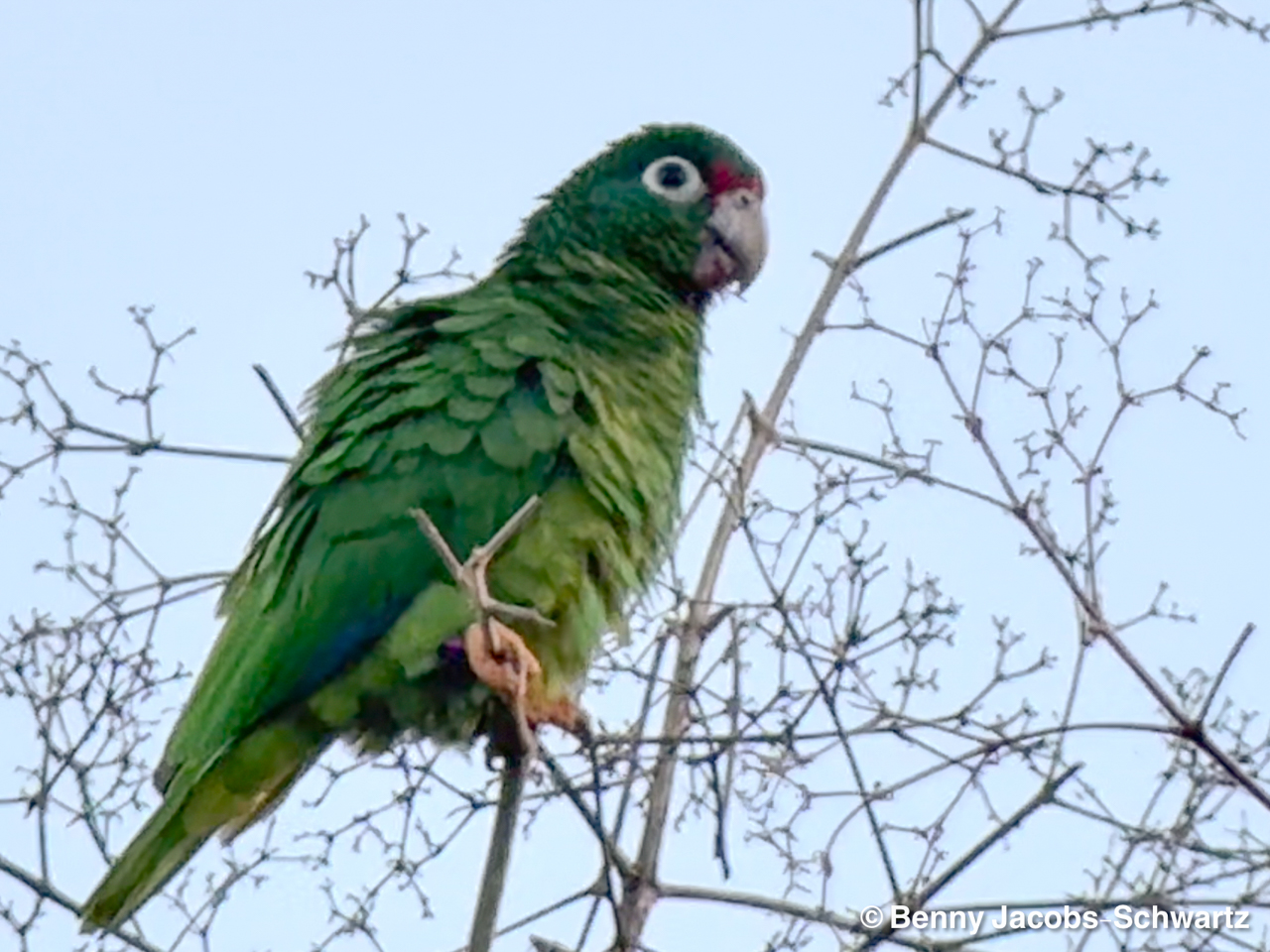
The most significant sighting of the morning was the Puerto Rican Amazon (Amazona vittata), a critically endangered parrot that was once on the brink of extinction. In the 1970s, the wild population had dwindled to fewer than 15 individuals. However, through the collaborative efforts of the U.S. Fish and Wildlife Service and the Puerto Rico Department of Natural and Environmental Resources (DNER), the Río Abajo population has become a beacon of conservation success. The group observed multiple pairs foraging and flying above the canopy, a testament to the success of the captive breeding and release programs that have bolstered wild numbers to several hundred.
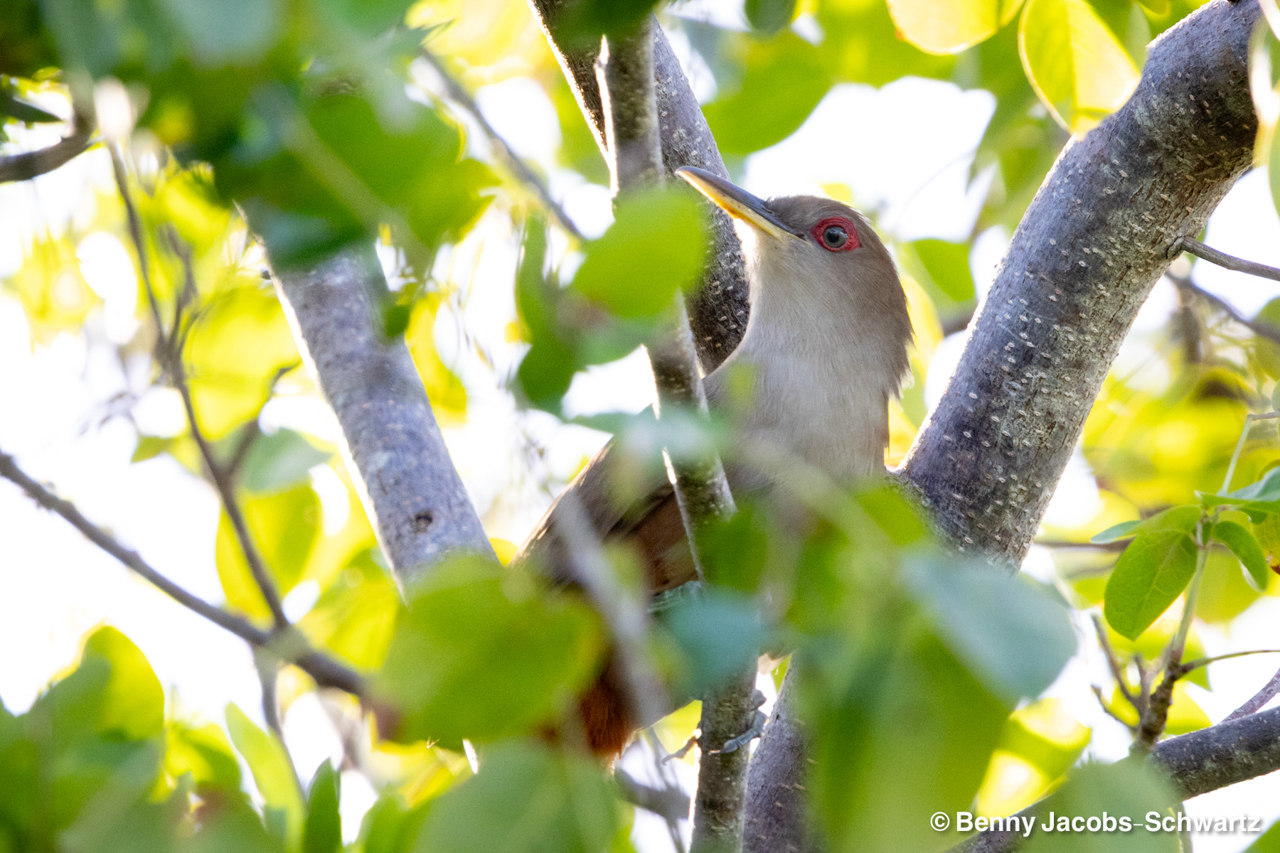
Beyond the Amazons, the karst forest provided sightings of several other endemics. The Puerto Rican Lizard-Cuckoo, a bird known for its slow, deliberate movements and impressive tail, was observed alongside the Puerto Rican Emerald and the elusive Puerto Rican Bullfinch. A rare sighting of the resident subspecies of the Broad-winged Hawk (Buteo platypterus brunnescens), which is endangered and highly localized in these forests, added significant value to the morning’s data.
Wetland Ecosystems and Coastal Diversity
Transitioning from the dense forest to the coastal wetlands, the group visited Charca Arizona and later the Cambalache State Forest. These sites provided a stark contrast in habitat, highlighting the importance of oxbow lakes and lowland karst for migratory and resident waterbirds.
At Charca Arizona, the group identified a flock of West Indian Whistling Ducks, a species that remains rare and localized across the Caribbean. The presence of Blue-winged Teal, White-cheeked Pintails, and Ring-necked Ducks indicated a healthy wintering population of migratory waterfowl. The coastal survey continued at Playa Sardinera and the Amador wetlands, where shorebird diversity was on full display. Observers recorded Black-bellied Plovers, Semipalmated Plovers, and Ruddy Turnstones, while the mangroves hosted a Tricolored Heron in breeding plumage.
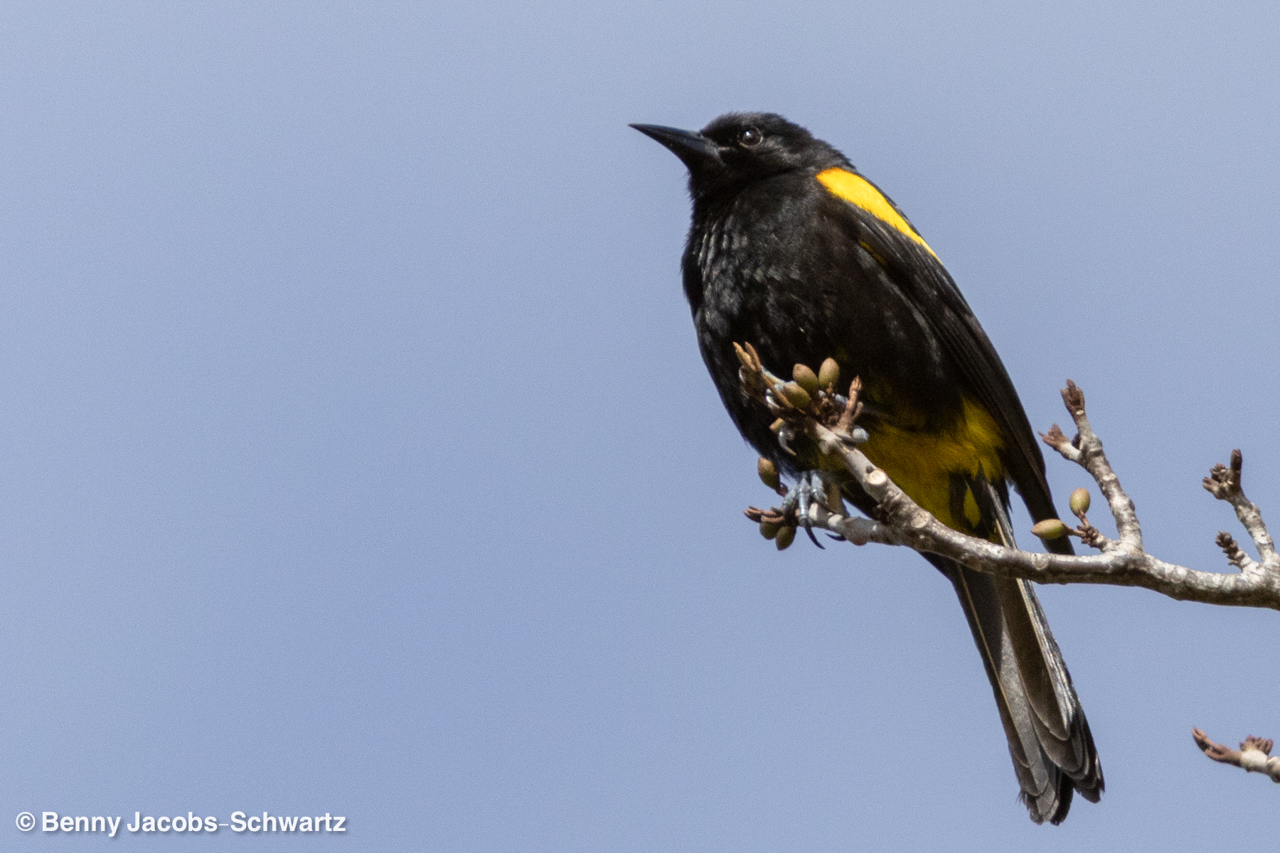
The inclusion of the Venezuelan Troupial and the Puerto Rican Oriole at Cambalache Forest illustrated the intersection of endemic species and naturalized introduced birds, a recurring theme in Puerto Rican ecology.
Western Extremities: Terns, Raptors, and the Masked Duck
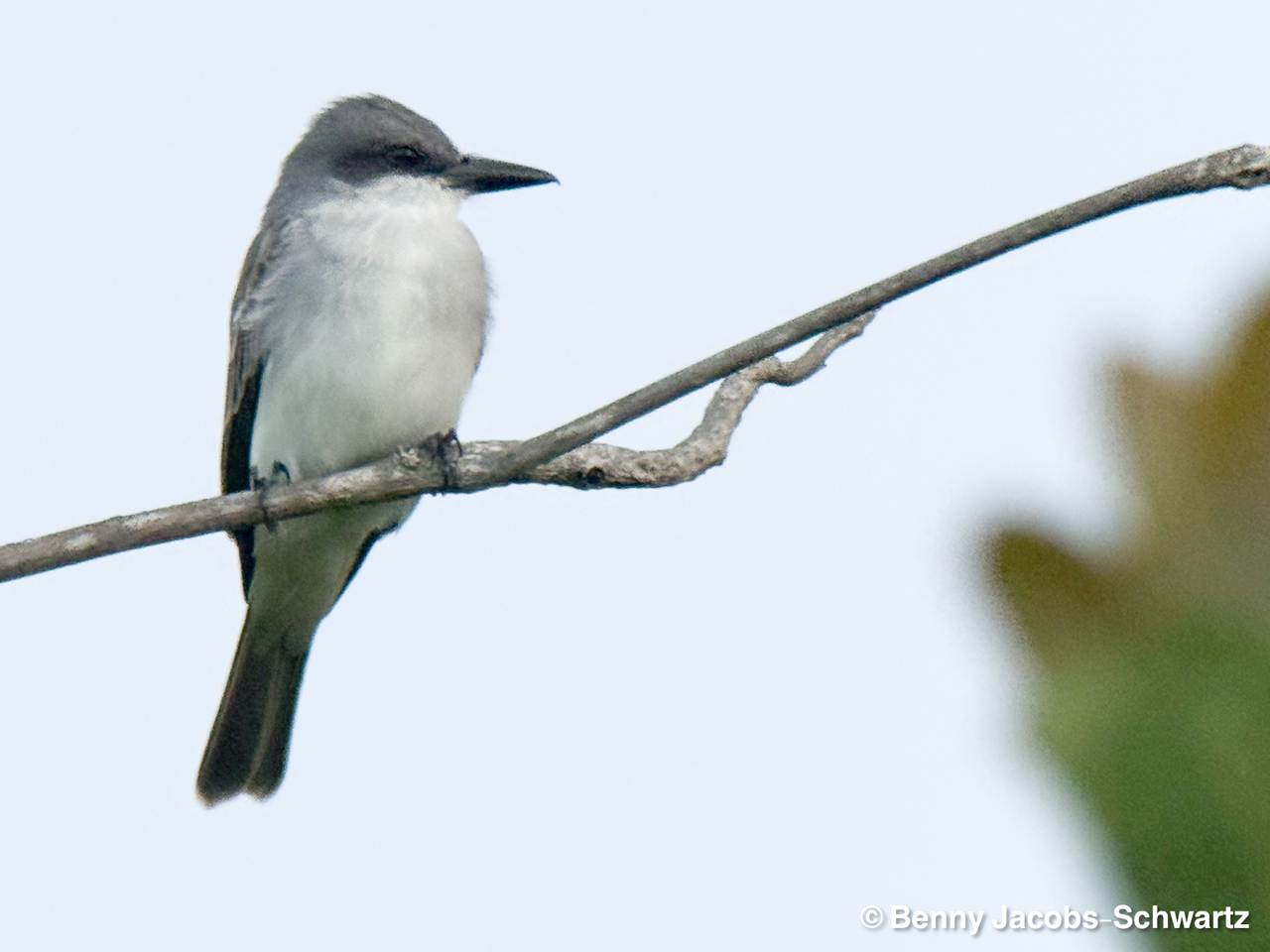
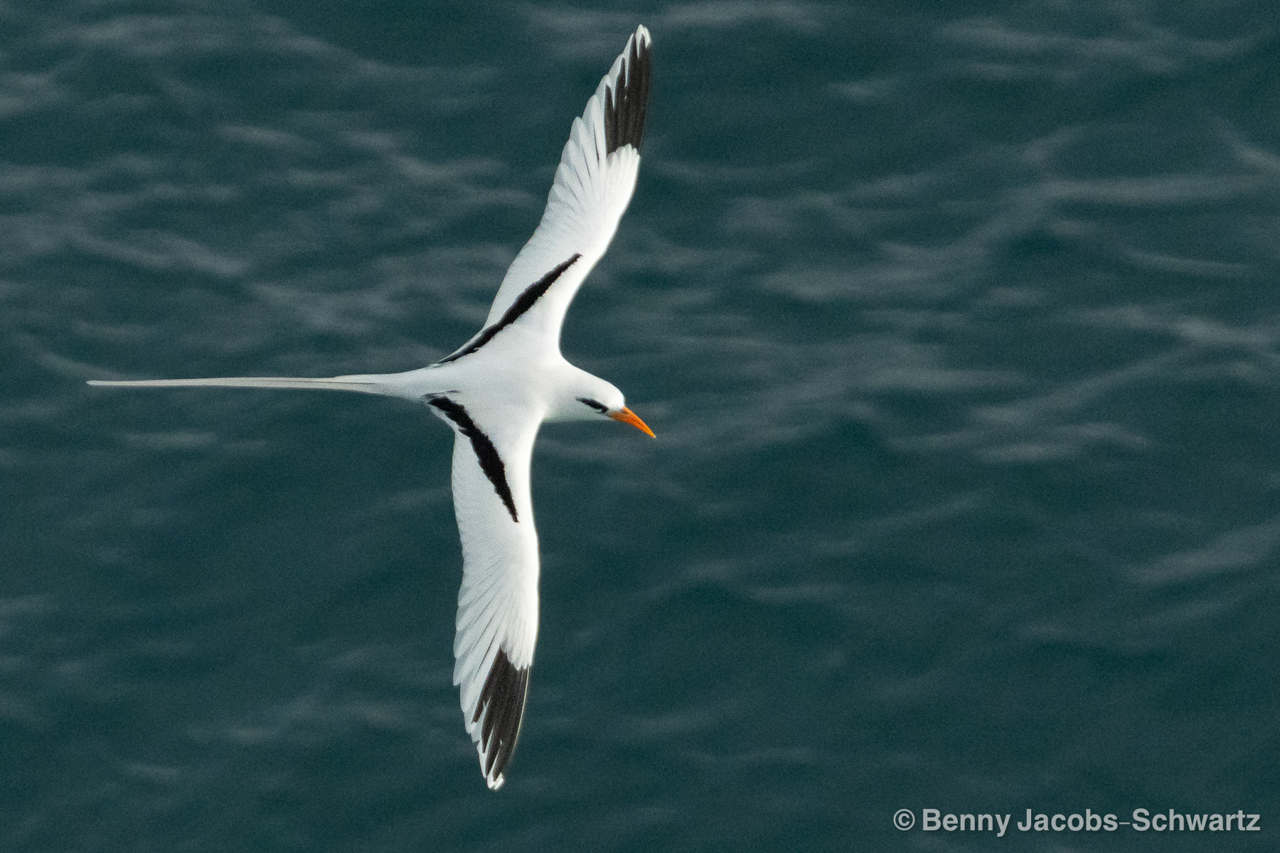
On March 5, the expedition moved toward the northwestern coast, visiting Los Merenderos de Guajataca. The coastal stunted forests and cliffs overlooking the Atlantic Ocean provided an ideal vantage point for observing White-tailed Tropicbirds. These elegant seabirds were seen navigating the thermals to reach their nesting sites on the cliff faces.
The afternoon focused on the Lajas Valley and the Cabo Rojo region, areas known for their agricultural landscapes and freshwater lagoons. The Lajas Valley rice fields have become an accidental haven for introduced finches, including Northern Red Bishops and Scaly-breasted Munias. However, the highlight for the scientific record was the observation of a Northern Harrier, an uncommon wintering raptor in Puerto Rico.
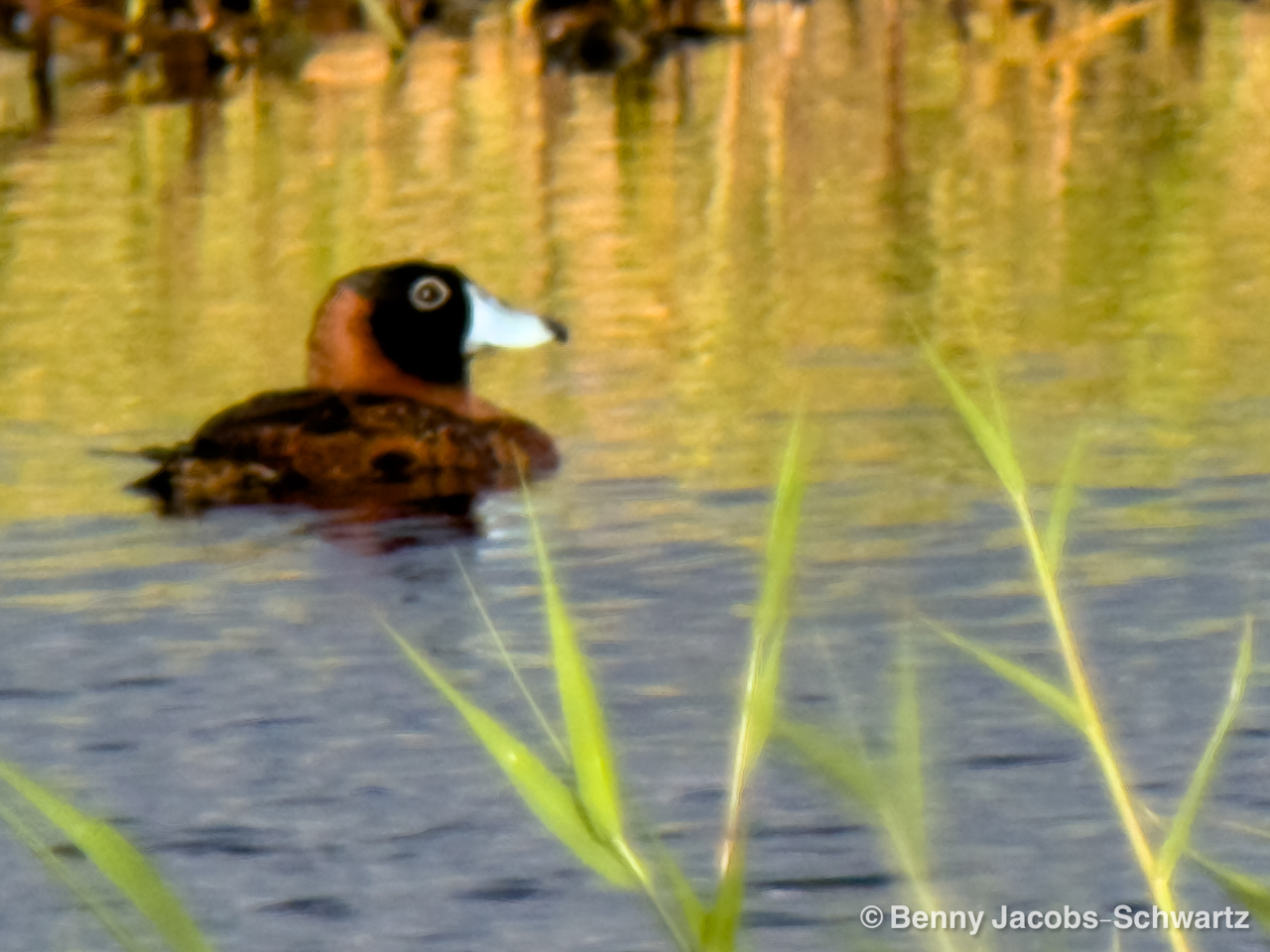
The most significant find of the day occurred at the Cartagena Lagoon National Wildlife Refuge. Guide Alcides Morales-Perez located four Masked Ducks (Nomonyx dominicus), including one male and three females. The Masked Duck is notoriously elusive due to its secretive nature and preference for dense vegetation, making this sighting a major highlight for the expedition’s species list.
Highland Endemics and the Elfin Woods Warbler
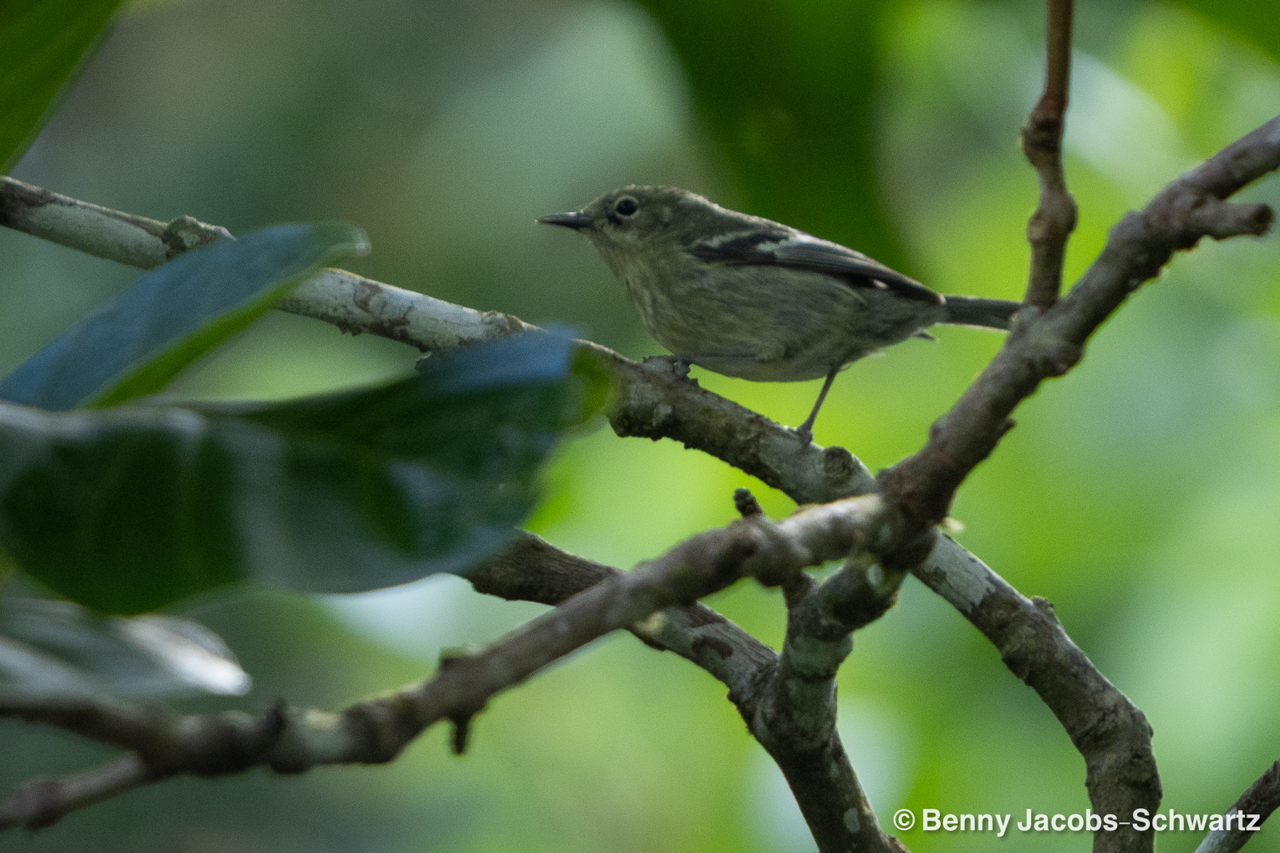
The fourth day of the tour, March 6, was dedicated to the Maricao Mountains, a region of high-altitude serpentine forest that hosts some of the island’s most specialized avian residents. Despite breezy conditions, the group successfully located the Elfin Woods Warbler (Setophaga angelae).
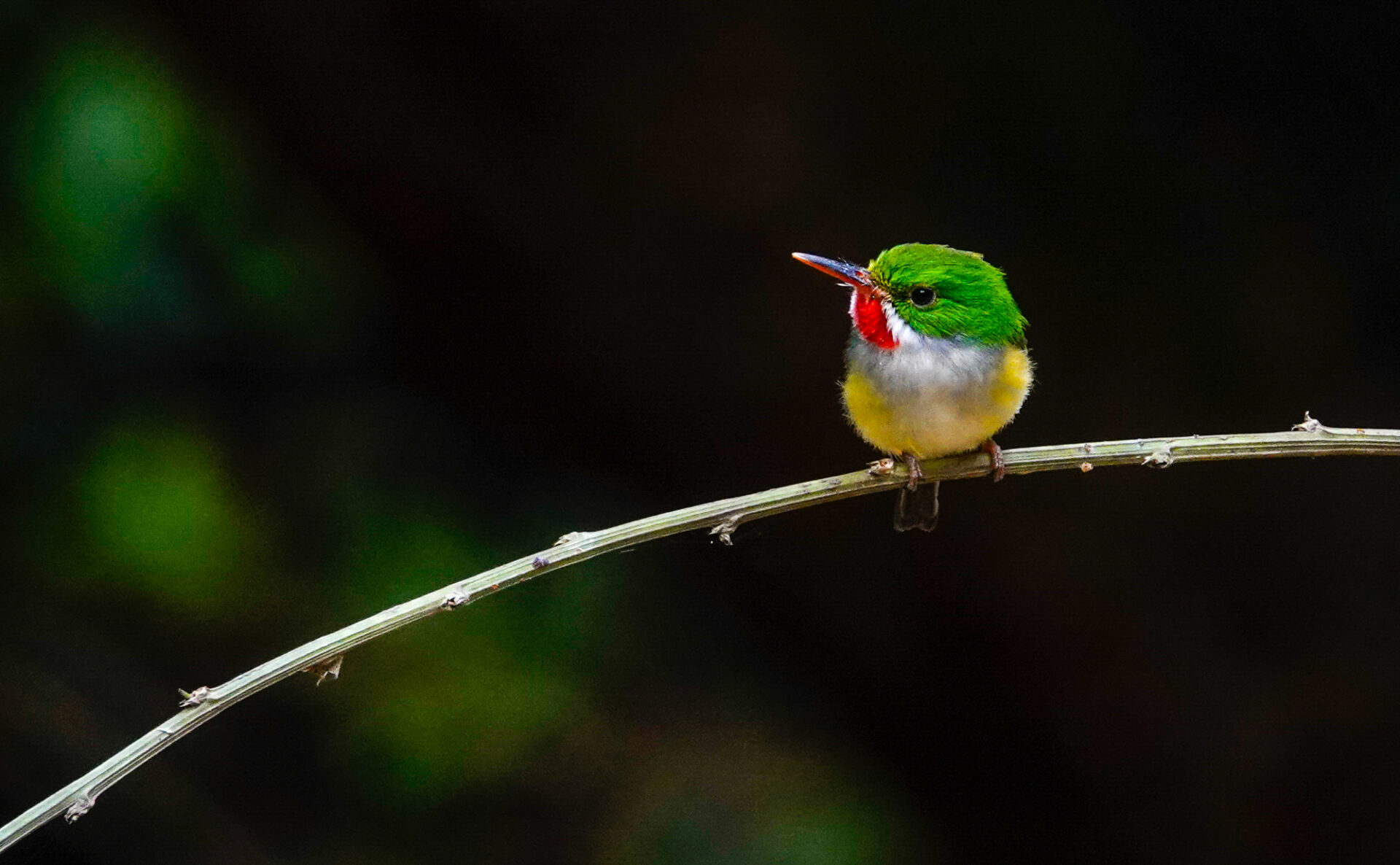
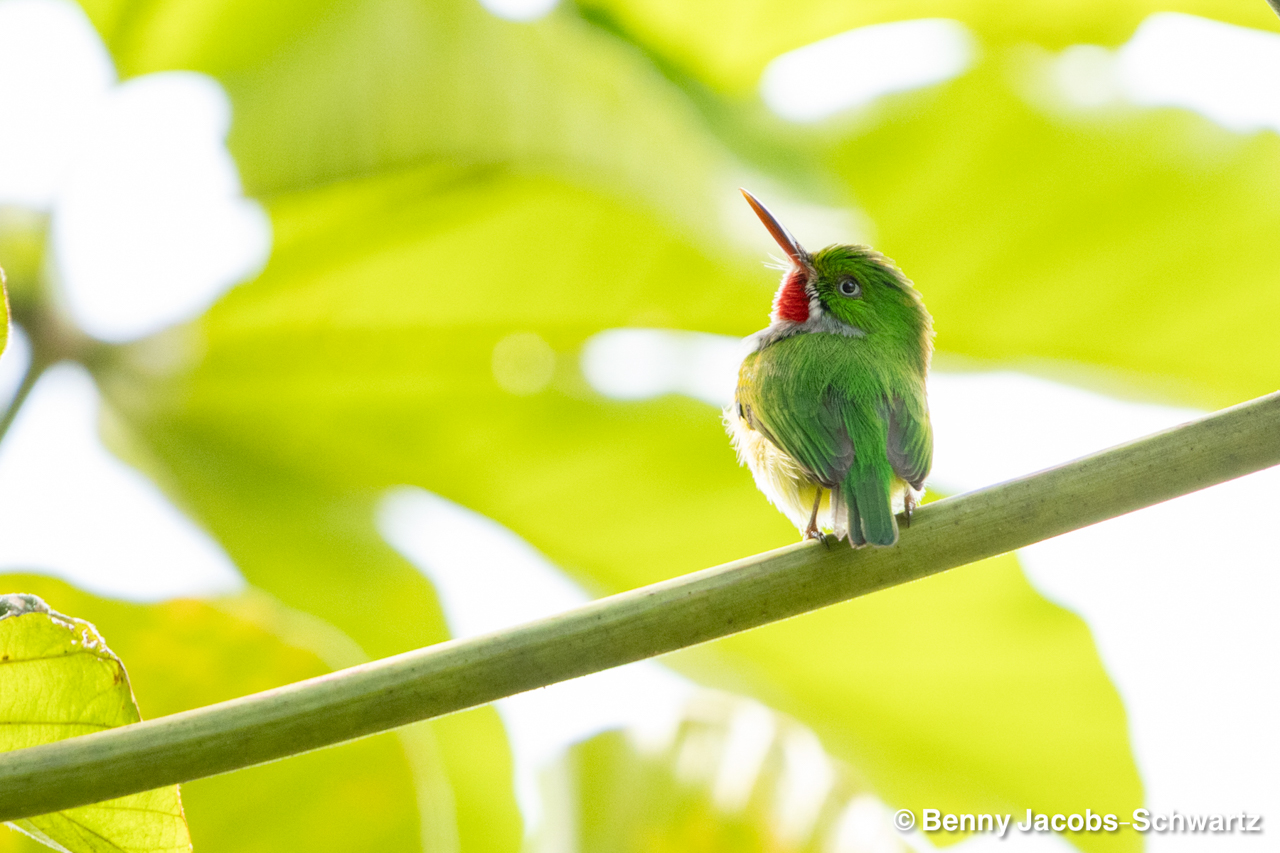
First described by science only in 1971, the Elfin Woods Warbler is a habitat specialist restricted to high-elevation forests. Seeing four individuals provided a rare opportunity to observe this vulnerable species in its natural environment. The mountains also yielded views of the Puerto Rican Tanager—which genetic testing has recently revealed belongs to its own unique family (Nesospingidae)—and the charismatic Puerto Rican Tody, often described as a "flying emerald."
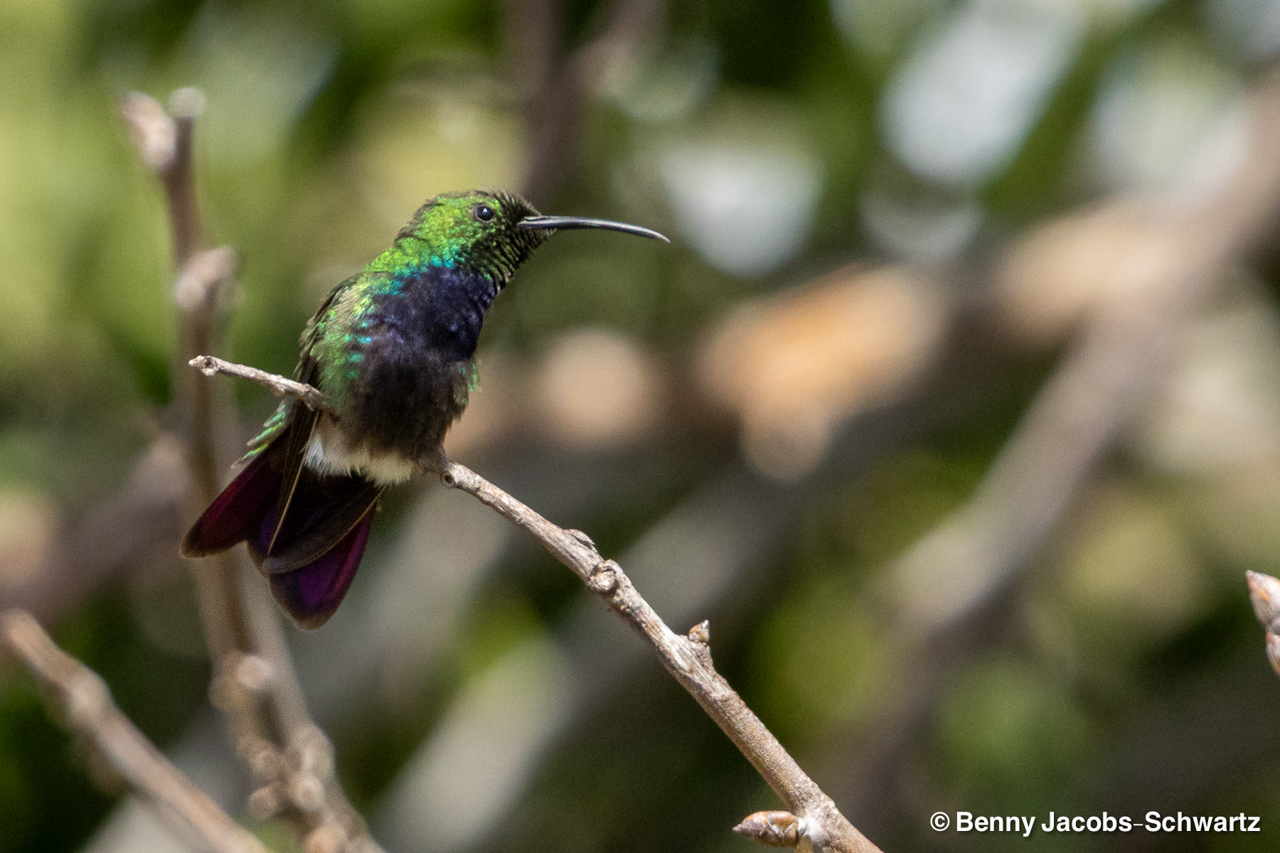
In a notable observation of breeding behavior, the group located a Green Mango hummingbird on its nest, providing photographic documentation of the species’ reproductive cycle in the highlands.
Arid Landscapes and the Puerto Rican Nightjar
On March 7, the expedition shifted to the Guánica State Forest, a UNESCO Biosphere Reserve and one of the best-preserved tropical dry forests in the world. This ecosystem is home to the Puerto Rican Nightjar (Antrostomus noctitherus), a species once thought to be extinct until its rediscovery in the 1960s.
While the Nightjar was the primary nocturnal target, the daytime survey of Guánica and the nearby Boquerón Wildlife Refuge produced sightings of the Lesser Antillean Pewee and the Caribbean Martin, the latter marking the beginning of the spring nesting season. The day concluded with a successful nocturnal trek in the dry scrub, where the group heard a chorus of Nightjars and achieved a visual confirmation of a perched individual, confirming the continued presence of this endangered insectivore in its primary habitat.
The Eastern Corridor and the Rain Forest
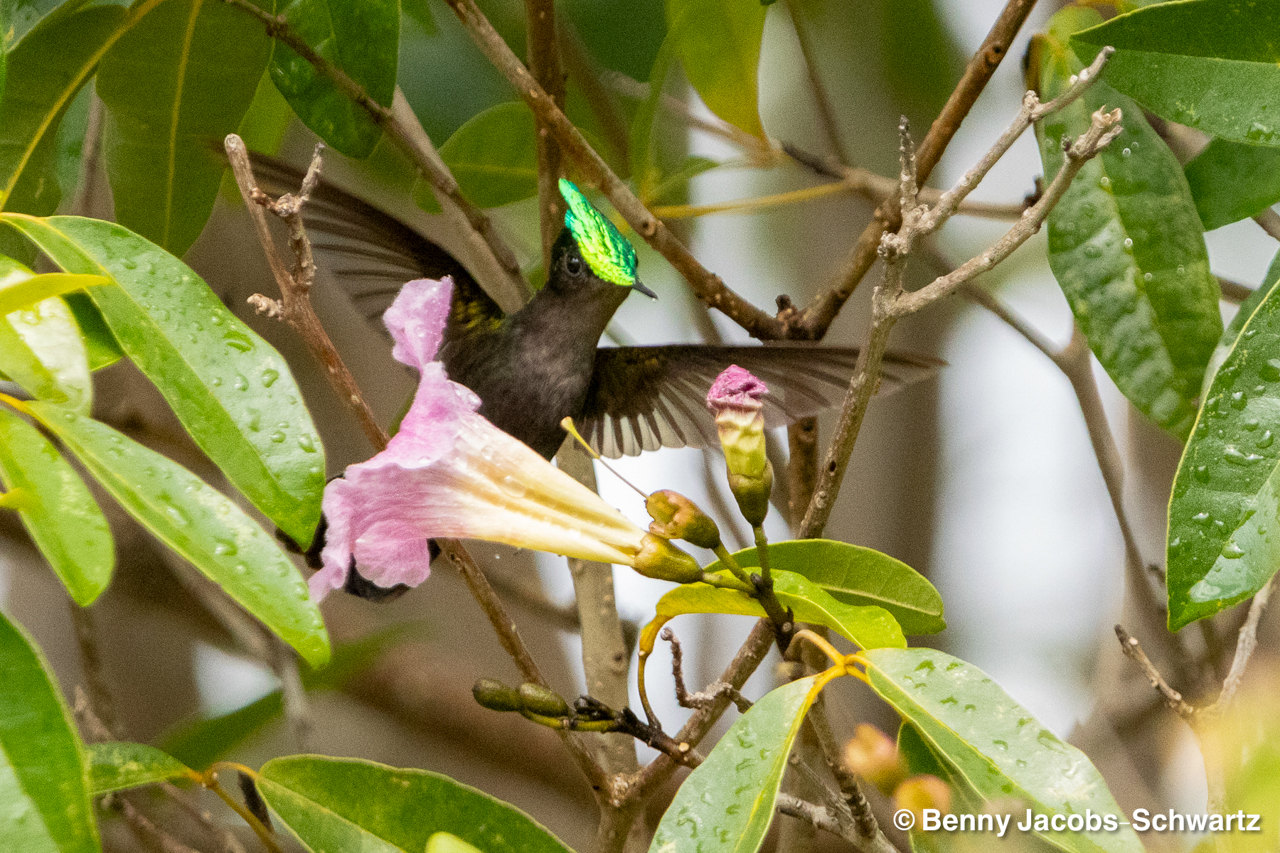
The final leg of the journey took the group to the eastern side of the island. On March 8, the tour visited the historical Central Aguirre and the Las Mareas estuary. Central Aguirre, a former sugar plantation, now serves as a site where flowering trees attract both endemic and introduced hummingbirds, such as the Green-throated Carib and the Antillean Crested Hummingbird.
On March 9, the expedition entered El Yunque National Forest, the only tropical rainforest within the United States National Forest System. Receiving between 120 and 200 inches of rain annually, El Yunque provides a unique microclimate. Here, the group observed the Puerto Rican Spindalis and the Puerto Rican Woodpecker, alongside migratory warblers such as the Northern Parula.
The expedition concluded at the Medio Mundo y Daguao Nature Reserve. In a rare and remarkable sighting, the group observed six American Flamingos. While historically present in Puerto Rico, flamingos are now considered rare visitors, and their presence in the eastern wetlands suggests a potential shift in regional movement patterns or a slow return to former habitats.
Analysis of Findings and Conservation Implications
The 2026 Puerto Rico expedition achieved more than just a high species count; it provided a snapshot of an island in ecological transition. The recording of 126 species, including all 17 recognized endemics, indicates that Puerto Rico remains a vital hub for Caribbean biodiversity.
1. Conservation Successes: The stability of the Puerto Rican Amazon population in Río Abajo and the sightings of the Elfin Woods Warbler in Maricao suggest that habitat protection in these key biodiversity areas (KBAs) is yielding results.
2. The Impact of Introduced Species: The presence of Blue-and-Yellow Macaws, Orange-fronted Parakeets, and various African finches highlights the ongoing challenge of naturalized species. While these birds add to the "count," their long-term impact on native nesting sites and food sources remains a subject of study for local ecologists.
3. Wetland Importance: The sightings of the Masked Duck and the American Flamingo emphasize the necessity of preserving coastal lagoons and mudflats. These areas are often the most threatened by coastal development and rising sea levels.
4. Ecotourism as a Tool: The expedition demonstrated that professional birding tours contribute to the local economy, particularly in rural areas like Maricao and Lajas, providing a financial incentive for the preservation of natural habitats.
The tour concluded with a farewell dinner in San Juan, where participants reflected on the cultural and natural richness of the island. The data collected during these seven days will be contributed to global databases like eBird, assisting scientists in monitoring avian population trends across the West Indies. As Puerto Rico continues to navigate the challenges of environmental conservation, expeditions such as this remain crucial for documenting the survival and flourishing of its unique avian heritage.
