
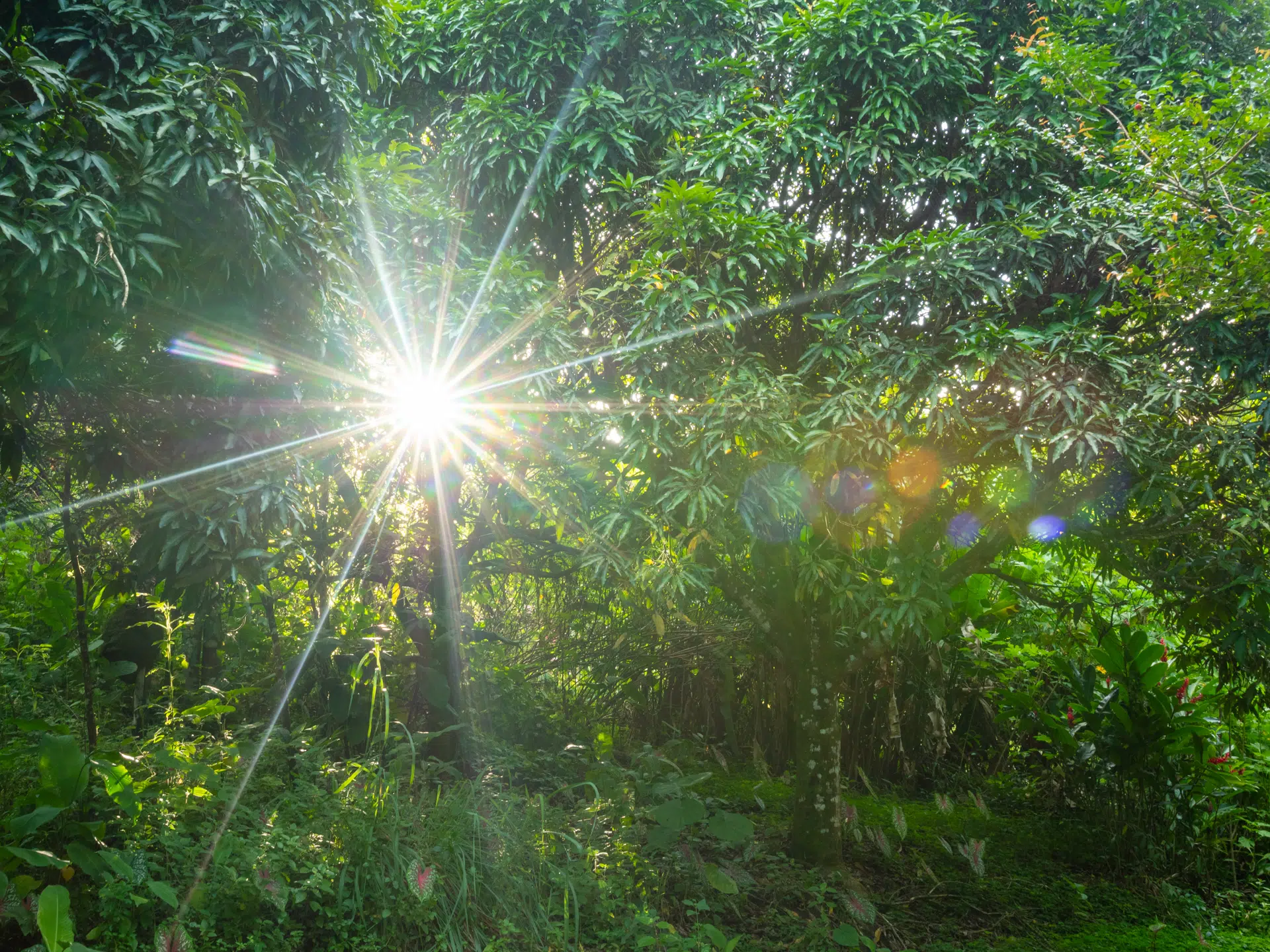
For decades, the Atlantic Forest has been shaped by relentless deforestation, expansive cattle ranching, aggressive sugarcane expansion, and pervasive land-use change. Today, more than 80% of this vital biome has disappeared, leaving behind isolated forest remnants that still shelter extraordinary biodiversity—including hundreds of bird species found nowhere else on Earth. However, the narrative of the Atlantic Forest is not solely one of loss; it is profoundly a story of persistence, resilience, and renewed determination. In a significant step towards safeguarding this global biodiversity hotspot, BirdLife International recently convened with its key partners—Aves Argentinas, Guyra Paraguay, and SAVE Brasil—in northeastern Brazil. This regional workshop, held in April 2026, was specifically focused on advancing the comprehensive Atlantic Forest Action Plan through three shared and critical priorities: robust protection, strategic restoration, and the promotion of sustainable land use practices. The gathering underscored a collective commitment to transform fragmented hope into a cohesive, impactful conservation movement, demonstrating that conservation and sustainable livelihoods can indeed grow together.
The Atlantic Forest: A Biodiversity Hotspot Under Siege
Stretching originally along Brazil’s Atlantic coast and extending inland into parts of Paraguay and Argentina, the Atlantic Forest, or Mata Atlântica, once covered an area larger than France. It is recognized globally as one of the most biodiverse and threatened biomes on Earth. Despite its drastically reduced size, its remaining fragments host an unparalleled concentration of life. Scientists estimate that it contains approximately 7% of the world’s plant species and 5% of its vertebrate species, with a high degree of endemism, meaning many species are found nowhere else. For instance, over 2,200 species of birds, mammals, reptiles, and amphibians are endemic to this forest, including iconic species like the golden lion tamarin and numerous unique bird species. The original article highlights "hundreds of bird species found nowhere else on Earth," a testament to its irreplaceable ecological value.

The decline of the Atlantic Forest began centuries ago, predating even the Amazon’s widespread deforestation. European colonization in the 16th century initiated a long history of exploitation, with early timber extraction for shipbuilding and construction giving way to expansive agricultural frontiers. The 18th and 19th centuries saw vast tracts cleared for coffee plantations, which fueled Brazil’s economic growth but decimated forest cover. In the 20th century, rapid urbanization, particularly the growth of major cities like São Paulo and Rio de Janeiro within the biome, industrialization, and the relentless expansion of cattle ranching and sugarcane cultivation further accelerated habitat loss. More recently, the intensification of agricultural practices, often driven by global commodity markets, continues to exert immense pressure on the remaining fragments. This historical trajectory of land-use change has resulted in a landscape characterized by isolated forest patches, severely hindering gene flow among species and making them more vulnerable to local extinctions and climate change impacts. The cumulative effect is a fragmented ecosystem struggling to maintain its ecological integrity and the crucial ecosystem services it provides, such as water regulation, soil conservation, and climate stabilization for millions of people.
A Unified Front: The Atlantic Forest Action Plan Workshop
The recent workshop, organized by BirdLife International in northeastern Brazil, marked a critical juncture in regional conservation efforts. Held across key locations in Alagoas and Pernambuco states in April 2026, the event brought together leading conservation organizations from across the biome’s geographical span. BirdLife International, a global partnership of conservation organizations, acted as the convenor, leveraging its international reach and scientific expertise. Its regional partners—Aves Argentinas, a prominent conservation body in Argentina; Guyra Paraguay, dedicated to nature conservation in Paraguay; and SAVE Brasil, a leading force in Brazilian bird conservation—each contributed their localized knowledge and on-the-ground experience.
The core objective of the workshop was to collectively advance the Atlantic Forest Action Plan, a strategic framework designed to guide and coordinate conservation activities across the biome. Discussions during the technical sessions focused on harmonizing strategies, sharing best practices, and identifying opportunities for synergistic collaboration. Representatives from BirdLife International underscored the urgency of integrated conservation efforts, stating that "the future of the Atlantic Forest hinges on a united, cross-border approach that addresses both ecological restoration and human well-being." The three shared priorities—protection, restoration, and sustainable land use—formed the pillars of the action plan.

- Protection: This pillar emphasizes strengthening and expanding the network of protected areas, both public and private, and ensuring their effective management. It also involves advocating for robust environmental policies and combating illegal deforestation and land encroachment.
- Restoration: Recognizing that passive protection is insufficient given the extensive loss, restoration focuses on active reforestation, ecological corridor creation to reconnect fragmented habitats, and rehabilitation of degraded lands. This includes native tree planting and promoting natural regeneration.
- Sustainable Land Use: This is arguably the most complex yet crucial pillar, aiming to integrate conservation into economic activities. It promotes agroforestry, sustainable agriculture, ecotourism, and other practices that provide livelihoods for local communities while minimizing environmental impact.
"The workshop served as a crucial platform for harmonizing strategies and ensuring our collective efforts are impactful and scalable," commented a representative from SAVE Brasil during the proceedings. "By learning from each other’s successes and challenges, we can build a more resilient future for the Atlantic Forest and its communities." These sentiments were echoed by delegates from Aves Argentinas and Guyra Paraguay, highlighting the transnational nature of the challenge and the shared commitment to overcoming it.
Pioneering Sustainable Livelihoods: The Agroforestry Revolution
Beyond the strategic meetings and technical discussions, the workshop participants embarked on field visits to witness firsthand the innovative conservation efforts rooted in the territory itself. One particularly inspiring visit took the team to forest fragments in Alagoas and Pernambuco, where they encountered João Evangelista, a local producer whose family has spearheaded a transformative approach to land management. João’s land stands as a living testament to successful agroforestry, a practice deeply ingrained in his father’s legacy.
In a region historically dominated by monoculture crops like sugarcane and extensive cattle ranching, João Evangelista’s work offers a compelling alternative—one where agricultural production and environmental conservation are not opposing forces but mutually reinforcing elements. His farm exemplifies a diversified system where economic crops coexist harmoniously with native vegetation. Banana trees flourish alongside indigenous forest species, while cacao and coffee plants diversify the agricultural output. This integrated approach allows the forest to gradually reclaim spaces that were once cleared, fostering biodiversity and ecological health.

For João, restoring the land extends far beyond mere tree planting. It is intrinsically linked to protecting vital water sources, improving crop yields through natural processes, reducing pest infestations without synthetic chemicals, and, crucially, creating sustainable opportunities for younger generations to remain connected to and thrive within rural life. His philosophy encapsulates the interconnectedness of nature and human well-being. During the visit, he eloquently articulated this synergy: "Where there are trees, there are birds. And where there are birds, the land becomes healthier." This simple yet profound statement underscores the ecological benefits of his methods, where the presence of diverse bird populations indicates a thriving, balanced ecosystem capable of sustaining both wildlife and human livelihoods. The success of such agroforestry models provides tangible evidence that economic development and ecological preservation can advance hand-in-hand, offering a replicable pathway for sustainable land management across the Atlantic Forest biome.
Sanctuaries of Life: Private Reserves and Community Empowerment
Another pivotal stop for the workshop participants was the Reserva Particular do Patrimônio Natural (RPPN) Pedra D’Antas, a private reserve diligently protected by SAVE Brasil for over two decades. Nestled among the remaining forest fragments, this reserve serves as a critical refuge for biodiversity, showcasing the power of sustained local conservation efforts. The RPPN Pedra D’Antas is a haven for more than 250 bird species, an impressive number given the biome’s overall degradation. Alarmingly, 14 of these species are globally threatened, highlighting the reserve’s crucial role in preventing their extinction. Beyond avian life, the reserve also shelters a diverse array of mammals, amphibians, and endemic plant species that continue to resist the pressures of fragmentation and habitat loss.
The experience at Pedra D’Antas went beyond observing wildlife; it immersed the team in the human dimension of conservation. Local guides, dedicated park rangers, committed researchers, and surrounding communities shared their intimate knowledge of the forest and their active involvement in its stewardship. Their narratives illustrated how conservation has become inseparable from their livelihoods, with activities like ecotourism providing economic benefits that directly support the reserve’s maintenance. Community members play an integral role in monitoring wildlife, participating in restoration projects, and educating visitors, thereby fostering a deep sense of ownership and responsibility for the territory. This long-term stewardship model, sustained over more than twenty years, exemplifies how local engagement is vital for the enduring success of conservation initiatives. The commitment of these individuals transforms conservation from an abstract concept into daily, tangible work—a continuous effort carried out by people who know these forests intimately and who remain steadfast in their protection, even as external pressures on the landscape continue to grow.

Broader Implications and the Path Forward
The collaborative workshop and the inspiring field visits underscore the broader implications of Atlantic Forest conservation, extending far beyond biodiversity preservation. The biome’s remaining fragments are crucial for providing essential ecosystem services to millions of people. For instance, the forests regulate water cycles, supplying freshwater to major urban centers in Brazil, including São Paulo and Rio de Janeiro. They play a vital role in climate regulation, sequestering carbon, and preventing soil erosion. The degradation of these forests directly threatens these services, leading to water scarcity, increased flood risks, and exacerbated climate impacts.
From a policy perspective, Brazil has established environmental laws, such as the Forest Code and a comprehensive system of protected areas, which are critical frameworks for conservation. However, enforcement and the political will to uphold these regulations remain ongoing challenges. The collaborative efforts of organizations like BirdLife International and its partners are essential not only for on-the-ground action but also for advocating for stronger environmental governance and sustainable development policies across the region.
Despite the inspiring examples, significant challenges persist. Illegal logging, continued agricultural expansion (including new frontiers for soy and sugarcane), mining, and the impacts of climate change (such as altered rainfall patterns and increased extreme weather events) continue to threaten the fragile remnants of the Atlantic Forest. Therefore, the long-term success of the Atlantic Forest Action Plan hinges on sustained funding, robust policy support, and expanded international collaboration. Investing in these initiatives is not merely an environmental imperative but an economic and social one, ensuring the well-being of future generations. The global community has a vested interest in the Atlantic Forest, recognizing its critical role in global biodiversity conservation and its potential to contribute significantly to climate change mitigation efforts through large-scale restoration.

Conclusion: The Enduring Spirit of Resistance
The story of the Atlantic Forest is one of profound loss, yet it is equally a testament to remarkable persistence and the enduring power of collective action. While the biome may survive today in fragmented patches, these fragments remain deeply connected through the dedication of people, the strength of partnerships, and the unwavering commitment to collective action across international borders. The recent workshop and the inspiring stories of individuals like João Evangelista and communities surrounding RPPN Pedra D’Antas demonstrate that the decision to resist further degradation is not only possible but is actively being embraced.
Within these resilient communities and the vital networks of conservation organizations, something larger than just biodiversity persists: it is the resolute decision to resist the forces of destruction, to restore what has been lost, and to forge a future where humans and nature can thrive in harmony. This daily work, fueled by intimate knowledge of the forests and a deep sense of responsibility, offers a beacon of hope for one of the world’s most critically endangered biomes. The Atlantic Forest’s future, though challenging, is being actively rewritten by those who refuse to let its unique legacy fade.
©All photos by Juan F. Ricaurte.
