
The Standing Committee 67 (SC67) of the Ramsar Convention on Wetlands, held in Switzerland on the shores of Lake Geneva, has concluded with significant advancements in the global effort to protect and restore wetland ecosystems. The meeting, the first intersessional gathering since the successful 15th Conference of the Parties (COP15) in Zimbabwe, focused on translating the ambitious goals set in Victoria Falls into actionable strategies and concrete progress. A major achievement was the adoption of the Indicator Framework for the Ramsar Convention’s 5th Strategic Plan (2025-2034), a crucial step to monitor and measure the effectiveness of wetland conservation efforts worldwide.
Strategic Plan Framework Adopted, Paving the Way for Enhanced Monitoring
Thursday, May 7th: In a significant development on the final day of SC67, the Standing Committee formally adopted the Indicator Framework for the Ramsar Convention’s 5th Strategic Plan (2025-2034). This framework is designed to provide measurable indicators for tracking progress towards the Plan’s ambitious targets, ensuring accountability and allowing for adaptive management of wetland conservation initiatives. The swift development and adoption of this framework, following its initial conceptualization by the Scientific and Technical Review Panel (STRP) and subsequent refinement, underscores the commitment of Ramsar Contracting Parties to robust implementation following COP15. This achievement is seen as a critical follow-up to the commitments made in Zimbabwe, providing the necessary tools to assess the effectiveness of global wetland action over the next decade.
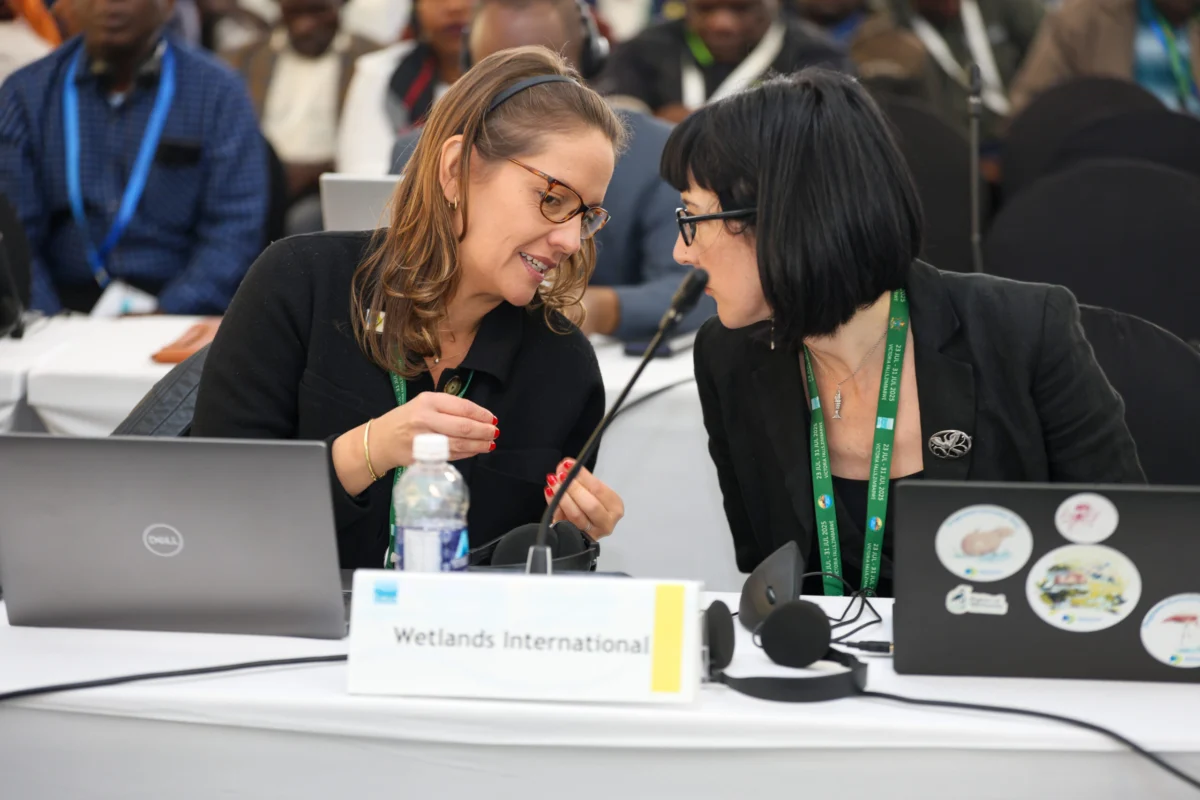
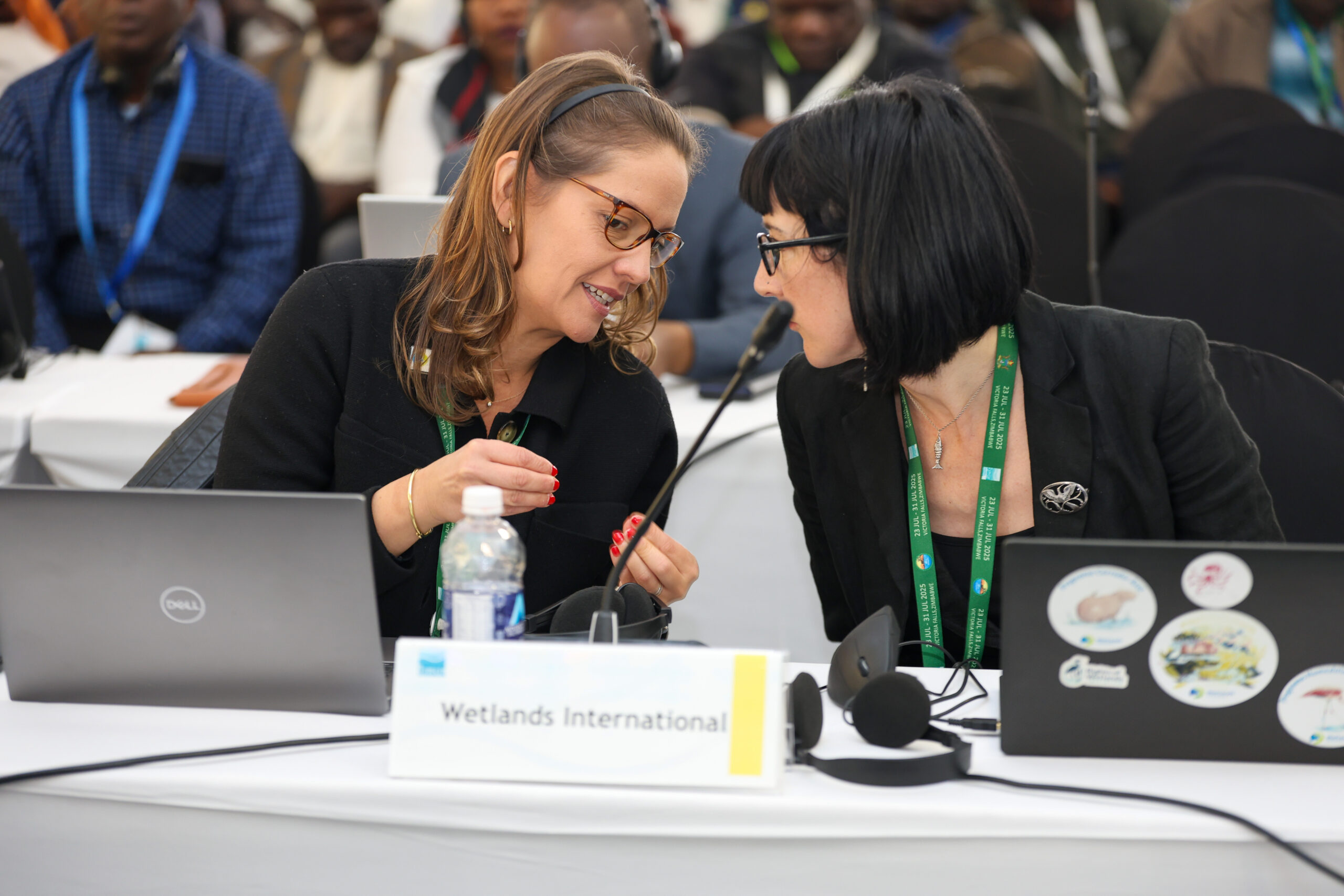
Wetlands International, a key partner of the Ramsar Convention, actively participated in the discussions. The organization specifically intervened during deliberations on the GeoWetlands initiative, expressing strong support for its role in advancing wetland monitoring. "Wetlands International regards the Geowetlands work as one of the very many incredibly valuable initiatives of the Convention, tailored to the needs of Parties, and we are honoured to continue to contribute including by coordinating the Geowetlands partnership as we have been doing for recent months, in addition to our national offices working directly with many Parties at national level," stated a representative. The organization welcomed the finalization of the 2026-2028 workplan and partnership agreement for GeoWetlands, viewing it as a vital framework for collaborative progress in remote sensing of wetlands and the advancement of National Wetland Inventories.
International Organizations Pledge Support for Strategic Plan Delivery
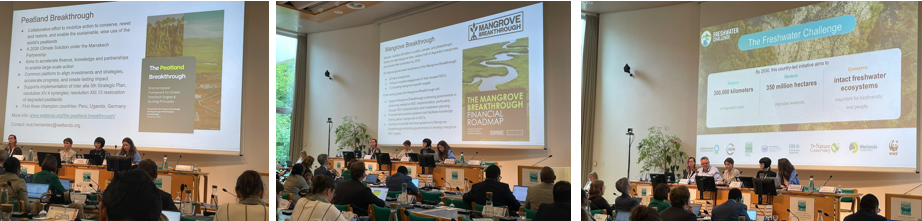
Wednesday, May 6th: The collective efforts of the Ramsar Convention’s International Organisation Partners (IOPs) in supporting the delivery of the 5th Strategic Plan were highlighted. Representatives from Birdlife International, the International Water Management Institute (IWMI), the International Union for Conservation of Nature (IUCN), Wetlands International, the World Wide Fund for Nature (WWF), and the Wildfowl & Wetlands Trust (WWT) provided an update to the Standing Committee. They emphasized their collaborative work on three key voluntary global initiatives aimed at accelerating wetland conservation and restoration: the Freshwater Challenge, the Mangrove Breakthrough, and the Peatland Breakthrough. These initiatives represent a united front among non-governmental organizations to mobilize resources and action towards the goals established at COP15.
Opening Plenary Sets Priorities for Wetland Action
Tuesday, May 5th: The SC67 proceedings commenced with Laura MacKenzie, Senior Advocacy Officer at Wetlands International, delivering a pivotal statement during the Opening Plenary on behalf of all six IOPs. The statement articulated three overarching priorities for urgent wetland action:
- Addressing Root Causes of Wetland Loss: This includes a critical examination of financial and economic decision-making processes that often lead to wetland degradation.
- Reconfiguring Human-Wetland Relationships: This encompasses fostering a deeper understanding of the intrinsic value of wetlands and exploring concepts like the "Rights of Wetlands."
- Elevating Wetlands in Multilateral Environmental Agreements (MEAs): The statement stressed the need to recognize wetlands as integral to the delivery of other global environmental commitments, particularly those under the three Rio Conventions (on Climate Change, Biodiversity, and Desertification) and the UN Water Conference. Wetlands were underscored as essential "watery connectors" that underpin progress across these interconnected agendas.
During the meeting, Wetlands International also provided an update on the Global Waterbirds Estimates Partnership (GWEP). The organization expressed gratitude to the secretariat and the UK STRP representative for their comprehensive report on GWEP’s progress. "As we work together to deliver 2027 Waterbird Population Estimates, we would like to reiterate how essential the contributions have been: from the governments of Australia, Switzerland and the United Kingdom, Birdlife International, Manomet, and Wetlands International — notwithstanding the urgent need to fill the funding gaps," the intervention stated. Wetlands International highlighted its constructive and intensive collaboration with contracting parties, the STRP, and other partners since the adoption of the GWEP resolution at COP15. The organization is actively involved in the interim coordination committee and serves as the G-WEP secretariat, looking forward to building on this momentum in the coming months.
Historical Context: From Victoria Falls to Lake Geneva
The significance of SC67 is underscored by the global attention wetlands garnered in July of the previous year at the 15th Conference of the Parties (COP15) of the Ramsar Convention on Wetlands. Hosted in Zimbabwe alongside the majestic Victoria Falls, one of the world’s most iconic Wetlands of International Importance, COP15 marked a pivotal moment for wetland conservation. COP meetings, akin to the high-profile climate COPs, typically attract significant media and public attention, featuring crucial political commitments from heads of state and ministers, culminating in the adoption of resolutions that shape global environmental policy for years to come. The Victoria Falls Declaration, adopted at COP15, set ambitious targets for wetland protection, restoration, and wise use.
However, the intersessional meetings of the Ramsar Standing Committee play a vital, though often less publicized, role. These gatherings, held between COPs, are essential for maintaining the momentum generated at the larger conferences. They provide critical platforms for reviewing progress, strengthening accountability mechanisms, sharing knowledge and innovative tools, and deepening the partnerships necessary for effective implementation. SC67, held in Switzerland on the picturesque shores of Lake Geneva—itself a Wetland of International Importance—served this crucial function. With the next Ramsar COP scheduled for June 2028 in Panama City, these Standing Committee meetings are indispensable for ensuring that the ambitious agenda set forth at COP15 remains on track.
Wetlands International’s Strategic Focus at SC67
Wetlands International, in close collaboration with its fellow IOPs (Birdlife International, IUCN, IWMI, WWF, and WWT), has been actively engaged in SC67, focusing on five key strategic priorities:

Demonstrating Support for COP15 Resolutions
Wetlands International has emphasized the strong alignment between its renewed organizational strategy and the Ramsar Convention’s 5th Strategic Plan. The organization has been showcasing how its on-the-ground projects in wetland landscapes worldwide directly contribute to the implementation of key resolutions adopted at COP15. This includes efforts related to the conservation and restoration of waterbird flyways and critical sites, the restoration of degraded freshwater ecosystems through initiatives like the Freshwater Challenge, and the designation and management of wetlands as protected areas or Other Effective area-based Conservation Measures (OECMs) in support of the Global Biodiversity Framework’s 30×30 target.
Contributing to Technical and Scientific Endeavors
The organization has provided updates on its contributions to critical technical and scientific work underpinning global wetland action. This includes supporting site designation and management efforts, such as the GeoWetlands earth observation initiative and the Global Waterbirds Estimates Partnership. The GWEP, in particular, is crucial for understanding and monitoring global waterbird populations, providing vital data for conservation planning.
Highlighting the Integration of Wetland Values into Finance and Economic Policy
Drawing on recent reports such as the IPBES business and biodiversity assessment and UNEP’s State of Nature Finance report, which highlight the stark financial imbalance between nature conservation and destruction, Wetlands International has underscored the urgent need for greater integration of wetland values into financial and economic policies. The organization shared practical examples of progress while also raising concerns about the undermining of wetland safeguards in the name of development. Specific examples cited include the weakening of laws protecting glacier areas in the High Andes, which exacerbates threats to wetlands and water security from lithium mining, and the proposed dilution of the EU Water Framework Directive. These instances represent serious challenges to effective wetland protection.
Building Momentum Behind Transformative Initiatives
Wetlands International is actively promoting transformative solutions for wetland conservation. This includes exploring support for a potential new draft resolution on the "Rights of Wetlands," building upon the IUCN’s recent resolution on the rights of rivers. The organization has also shared success stories from the Freshwater Challenge, Mangrove Breakthrough, and Peatland Breakthrough, demonstrating how these initiatives bring together governments, NGOs, the private sector, and financial institutions to accelerate wetland conservation and restoration. The aim is to encourage broader government participation in these voluntary global initiatives, thereby enhancing the mainstreaming of wetland action into national targets and plans to meet climate, biodiversity, water security, and sustainable development goals.
Championing Multilateralism for Water and Wetland Action
The year 2026 began with positive developments for wetlands and multilateralism. The Convention on Migratory Species COP15, hosted by Brazil, adopted decisions on flyways, connectivity, and migratory wetland species. The Pantanal Declaration championed the central role of wetlands not only in biodiversity conservation but also in climate regulation, water security, and community livelihoods. SC67 provided an opportunity to outline how this positive trajectory can continue by ensuring wetlands are prioritized as critical watery interconnectors at all upcoming Rio Convention COPs and the UN Water Conference.
Looking Ahead: Panama Gears Up for COP16
A particularly inspiring agenda item at SC67 was the update from Panama on their preparations to host the Ramsar Convention COP16 in Panama City in June 2028. Following the successful COP15 in Zimbabwe, which saw strong leadership from the host nation, Panama faces the challenge of building upon that momentum. With Panama’s established global leadership in nature conservation, particularly concerning wetlands, and the presence of a Wetlands International office in the country, there is optimism that the next COP will further accelerate wetland action worldwide. The commitment from Wetlands International to support Panama in this endeavor signals a continued dedication to advancing the global wetlands agenda.
The outcomes of Standing Committee 67 represent a significant step forward in the global commitment to safeguarding wetlands, crucial ecosystems that provide invaluable services for people, nature, and climate. The adoption of the indicator framework and the strengthened partnerships among international organizations and Contracting Parties lay a solid foundation for accelerated action in the coming years.
