
In the heart of Senegal’s ecologically rich Casamance region, a sophisticated system of satellite monitoring is proving instrumental in safeguarding vital mangrove ecosystems. The Global Mangrove Watch (GMW) platform, a collaborative initiative that leverages remote sensing technology, has recently triggered crucial interventions in several Marine Protected Areas (MPAs), highlighting both the vulnerabilities and resilience of these critical coastal habitats. The alerts, originating from advanced satellite data analysis, have empowered local conservation teams and government officials to swiftly identify and address threats ranging from human-induced habitat destruction to natural environmental shifts.
The Power of Early Detection: Séléki’s Mangrove Crisis Averted
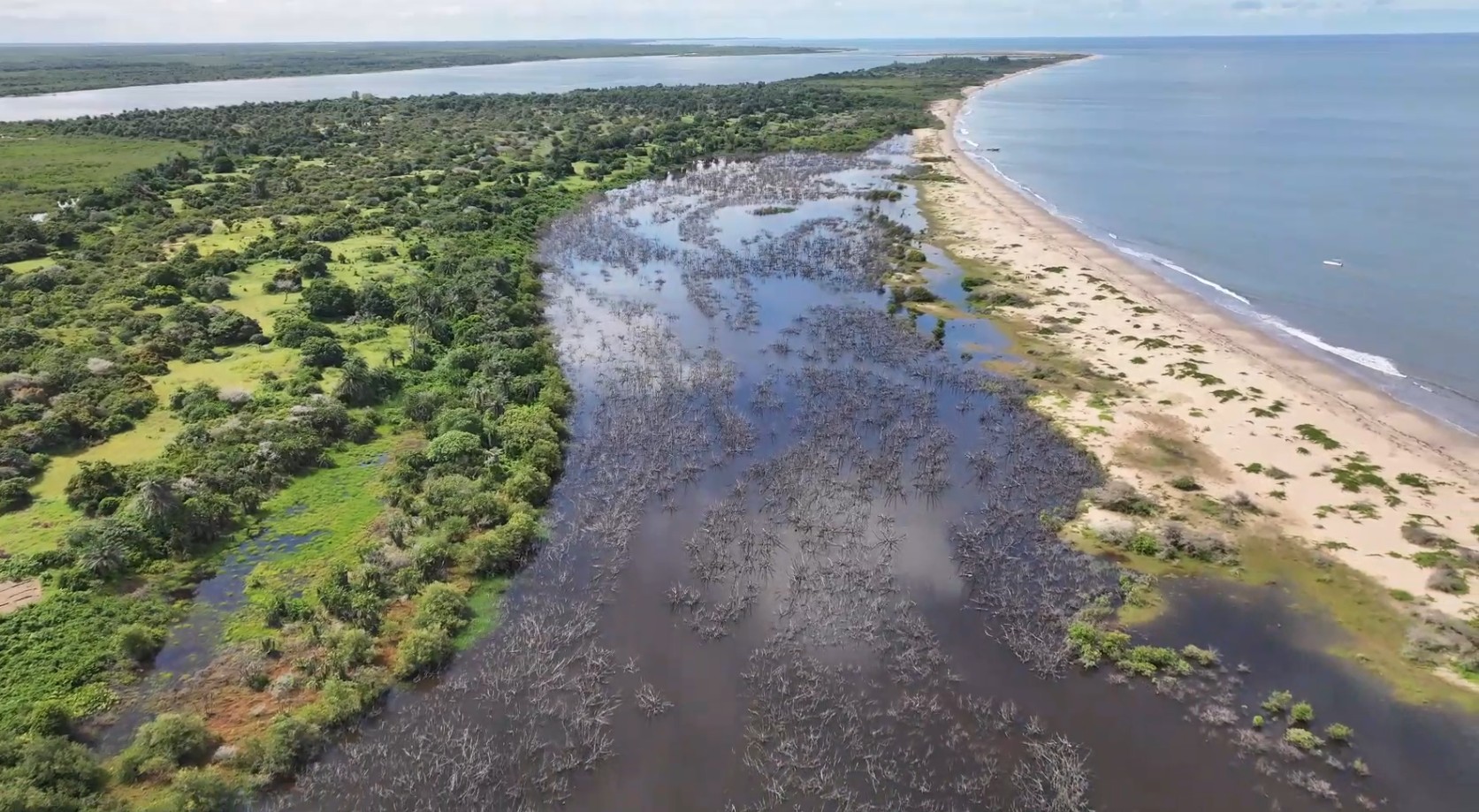
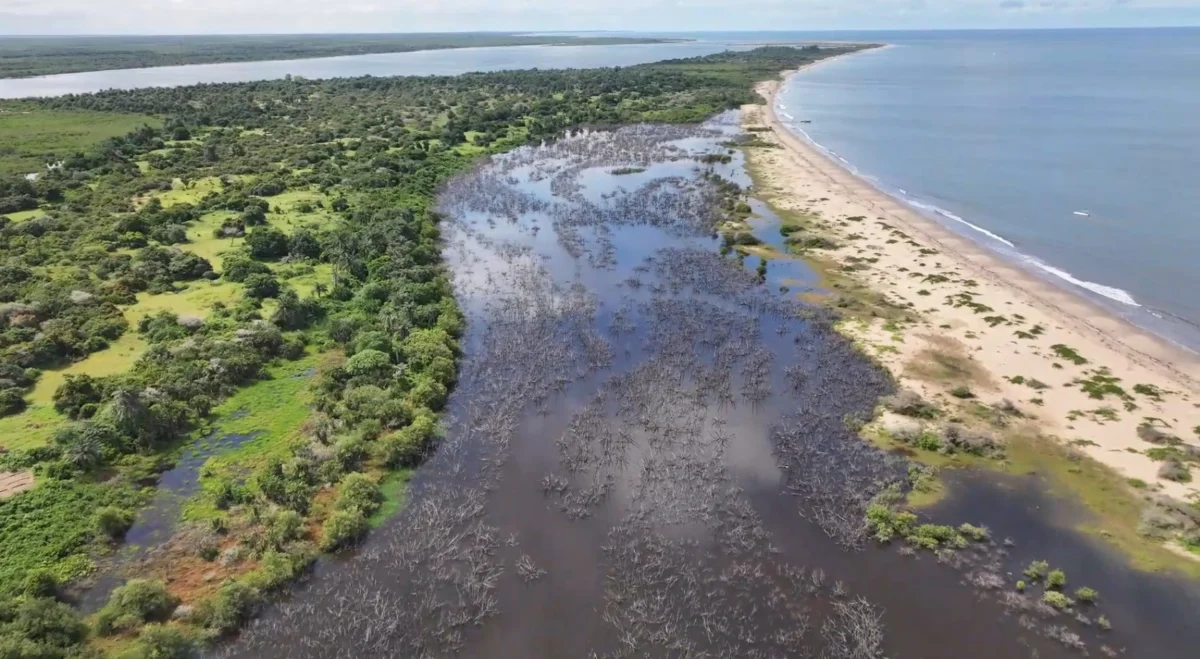
The village of Séléki, nestled within the UKB Marine Protected Area (Ufoyaal Kassa-Bandial) in the Casamance, found itself at the epicenter of a significant mangrove degradation event. The alert system of Global Mangrove Watch, designed to provide near real-time detection of mangrove loss, flagged a concerning disappearance of approximately two hectares of mangrove forest. This digital warning was immediately relayed to Wetlands International’s local team, comprising field officers Boubacar Sagna and Khadim Diop. Prompted by the GMW alert, they collaborated with Capitaine Agustin Sadio, an officer from the Marine Protected Area agency, to investigate the affected site. Their on-the-ground assessment revealed the primary culprit: the construction of dikes.
These dikes, erected to establish aquaculture ponds, had inadvertently disrupted the natural hydrological regime of the area. By blocking the natural flow of brackish water, they deprived the mangroves of the essential tidal inundation required for their survival. Over time, this disruption led to the slow but steady wilting of the mangrove trees, a silent crisis unfolding beneath the surface. The intervention in Séléki exemplifies the critical role of GMW in transforming vast, often unmanageable, protected areas into actively monitored zones. Without the GMW alert, the degradation might have continued unnoticed for a much longer period, leading to irreversible ecological damage.
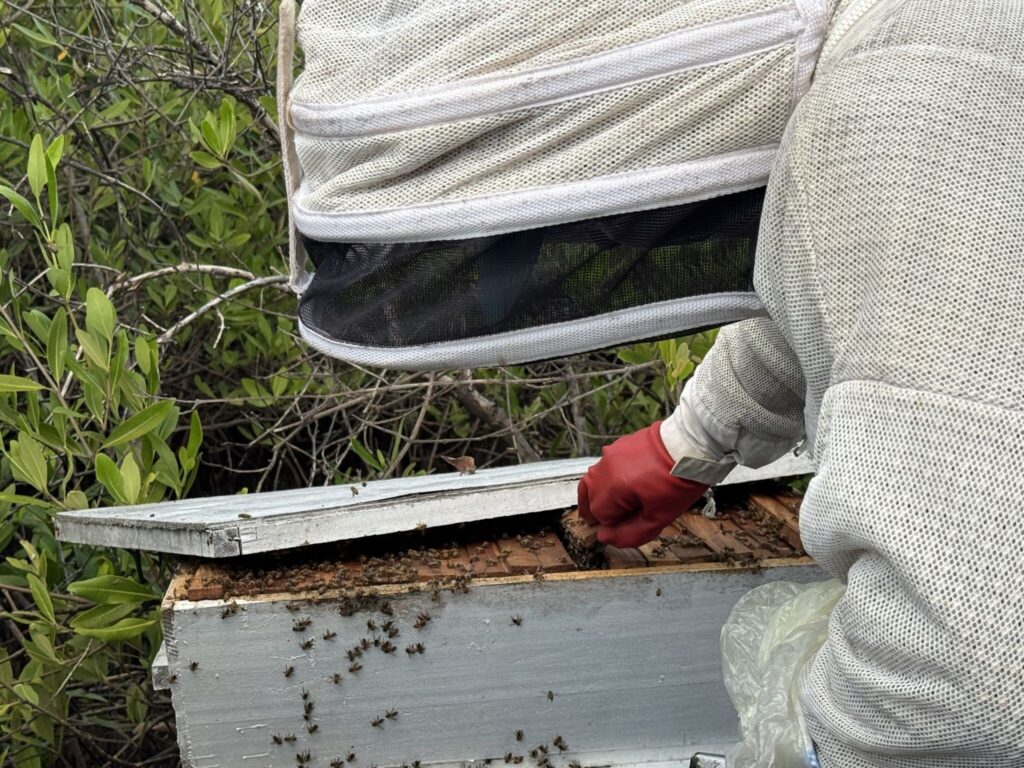
The Casamance mangroves are more than just a collection of trees; they are indispensable natural assets. They serve as a formidable natural barrier against coastal erosion, storm surges, and the relentless rise of sea levels, a growing concern for low-lying coastal communities worldwide. Furthermore, these ecosystems are a cornerstone of the local economy and culture, providing essential resources such as fish, oysters, and honey, which form the basis of livelihoods for numerous communities. The loss of even a small area of mangroves can have cascading negative impacts on biodiversity, coastal protection, and the socio-economic well-being of the region.
Global Mangrove Watch: A Technological Leap for Conservation
The challenge of effectively managing and protecting extensive mangrove areas has long been a significant hurdle for conservation organizations and government agencies. Limited resources, vast geographical expanses, and the often-inaccessible nature of these coastal wetlands make comprehensive, manual patrolling an almost impossible task. This is precisely where the innovative application of remote sensing technology, as embodied by Global Mangrove Watch, offers a transformative solution.
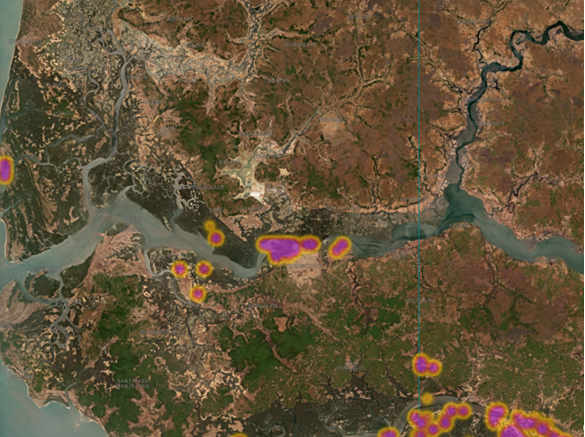
Global Mangrove Watch is an accessible online platform that provides vital data and analytical tools for the continuous monitoring of mangrove ecosystems globally. By utilizing high-resolution satellite imagery and sophisticated algorithms, GMW can detect changes in mangrove cover, including deforestation, degradation, and even signs of recovery. This high-fidelity information is invaluable for a wide range of stakeholders, including Marine Protected Area managers, conservationists, policymakers, and on-the-ground practitioners. It equips them with the empirical evidence needed to:
- Respond to illegal activities: Swiftly identify and investigate instances of illegal logging or encroachment.
- Pinpoint causes of loss: Understand the specific drivers behind mangrove decline in particular areas, whether they are human-induced or natural.
- Track restoration progress: Monitor the effectiveness of conservation and restoration initiatives, allowing for adaptive management strategies.
The training provided under Wetlands International’s "Rooted Resilience" project, generously supported by The Swedish Postcode Lottery Foundation, has been pivotal in empowering local stakeholders in the Casamance to harness the capabilities of GMW. This initiative has equipped rangers, local authorities, and students with the skills to interpret GMW data, enabling them to proactively monitor their entire operational areas. This shift from reactive to proactive conservation allows rangers to allocate their valuable time and limited resources more effectively, focusing on direct engagement with communities and implementing targeted conservation actions rather than solely on extensive patrols.
From Aquaculture to Sustainable Livelihoods: The Séléki Model
The situation in Séléki serves as a compelling case study for the integration of technological insights with community-based conservation strategies. The initial identification of mangrove loss through GMW alerted authorities to the issue. The subsequent investigation revealed the complex interplay between development activities and ecological health. The dikes, while intended to support aquaculture, were fundamentally altering the environment.
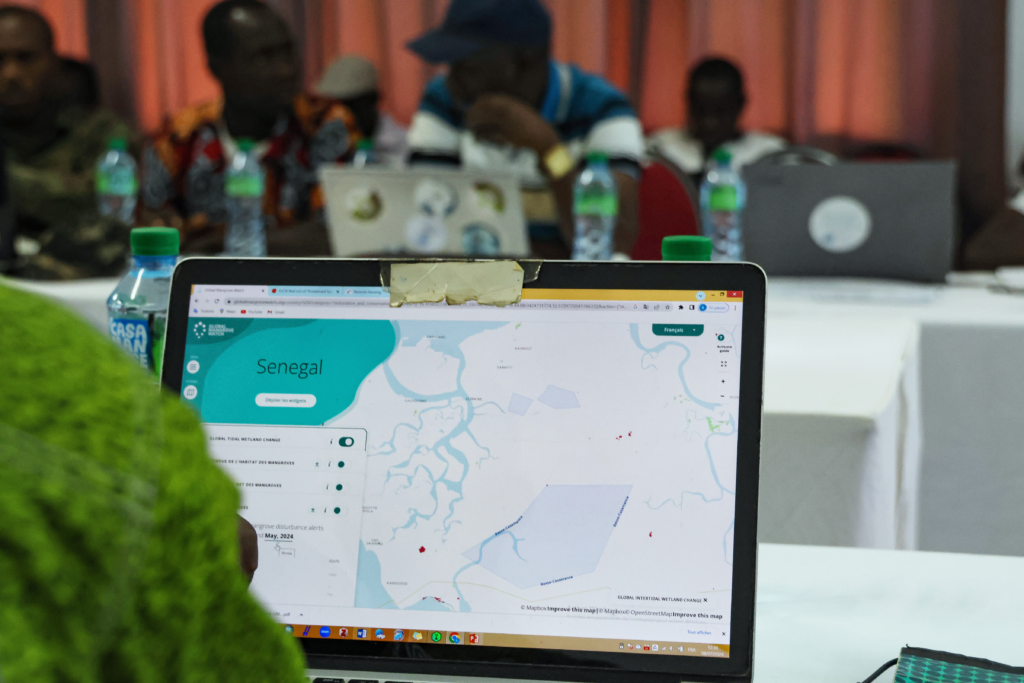
Wetlands International Afrique is now actively mediating discussions between the Séléki community, the National Aquaculture Agency, and the owner of the dikes. The objective is to collaboratively develop and implement alternative, sustainable livelihood strategies that do not compromise the integrity of the mangrove ecosystem. This approach emphasizes finding innovative solutions for food security that are compatible with the natural tidal rhythms essential for mangrove survival. A key component of this strategy involves the eventual removal of the dikes, allowing the ecosystem to heal and regrow naturally.
This approach aligns with the principles of Community-Based Ecological Mangrove Restoration (CBEMR). CBEMR is a participatory methodology that works hand-in-hand with local communities to restore the ecological conditions necessary for mangrove regeneration. It recognizes that the long-term success of conservation efforts hinges on the active involvement and empowerment of the people who live alongside these vital ecosystems. The potential for alternative livelihoods, such as the sustainable harvesting of mangrove honey from restored areas, as demonstrated in other projects under the "Rooted Resilience" initiative, offers a tangible pathway towards economic sustainability that is intrinsically linked to ecological health.
Natural and Human-Induced Threats: The Kalone-Bliss Kassa and Niamone-Kalounayes Alerts
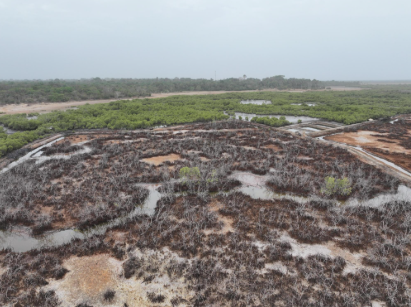
The utility of Global Mangrove Watch extends beyond addressing direct human impact. In the Kalone-Bliss Kassa (KBK) Marine Protected Area, GMW detected a significant mangrove loss of approximately 16 hectares, not due to logging or aquaculture, but to a natural phenomenon: the shifting of a large sand dune. This dune has effectively acted as a natural dam, impeding the vital inflow of water that sustains the mangrove forest. This scenario underscores the dynamic nature of coastal environments and the vulnerability of mangrove ecosystems to even natural geological processes. The loss in KBK is particularly concerning due to its importance for several bird species, including cormorants and egrets, highlighting the broader biodiversity implications of such environmental changes. An impact study is currently underway to assess the potential outcomes of various intervention strategies, demonstrating the multifaceted approach to conservation prompted by GMW alerts.
A third alert, issued for the Niamone-Kalounayes MPA, pointed to clear evidence of mangrove cutting. While the exact reasons for these cuttings remain under investigation, it is suspected that the wood may have been used for fencing vegetable gardens or for product transformation. The GMW alert has prompted increased patrolling of the area by MPA authorities to deter further degradation and to gather more information about the perpetrators and their motives. This proactive response, facilitated by the timely alert, is crucial in preventing the escalation of such activities and in reinforcing the presence of law enforcement in vulnerable areas.
A Holistic Approach to Coastal Resilience
The successful application of Global Mangrove Watch in the Casamance region represents a significant advancement in coastal conservation. By integrating cutting-edge satellite technology with robust community engagement and strong governmental partnerships, the initiative is building a more resilient future for the mangrove ecosystems of Senegal. The journey from a digital alert on a screen to the tangible recovery of a mangrove forest is a complex and often lengthy process. However, in places like Séléki, the initial steps towards healing and regeneration are already underway.
This proactive and data-driven approach offers hope to the communities that depend on these invaluable natural resources. The ability to detect threats early, understand their causes, and mobilize targeted interventions is paramount in an era of increasing environmental pressures. The ongoing work in the Casamance serves as a powerful testament to the efficacy of combining technological innovation with on-the-ground action, ensuring that these vital coastal guardians continue to protect the shoreline for generations to come. The lessons learned from these alerts and interventions are not only beneficial for Senegal but offer a scalable model for mangrove conservation efforts worldwide.
