
Surging global demand for sand, fueled by relentless population growth, rapid economic expansion, and pervasive urbanization, is now critically outpacing the planet’s capacity to sustainably replenish this vital resource. This alarming imbalance poses profound threats to global water and food security, undermines climate resilience, jeopardizes biodiversity, and impedes sustainable development, according to a stark warning issued in a comprehensive new report by the United Nations Environment Programme (UNEP).
The report, titled "Sand and Sustainability: An Essential Resource for Nature and Development," meticulously details the escalating crisis, urging governments and industries worldwide to fundamentally re-evaluate their perception and management of sand. It calls for a profound recognition of sand’s indispensable value, not only as a bedrock of modern societies and economies but also as a critical component of natural systems that underpin life and planetary health. The report emphasizes the urgent need to fully integrate these multifaceted values into sand governance frameworks.
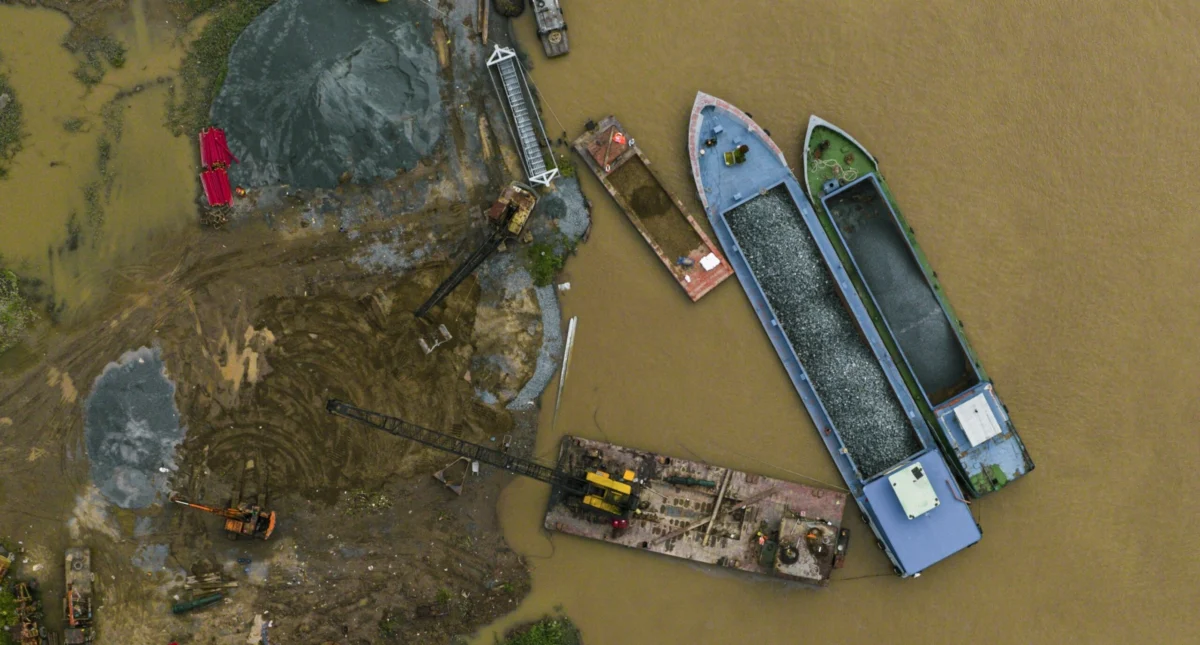
Sand, a seemingly ubiquitous material, is in reality the world’s largest extractive industry by volume. An astonishing 50 billion tonnes of sand are mined annually, predominantly from the planet’s freshwater systems and coastal wetlands. This colossal extraction is primarily driven by the insatiable demand for materials essential for critical infrastructure projects, ranging from the concrete that constructs our buildings to the asphalt that paves our roads. These are the very foundations upon which modern societies, thriving economies, and global development are built.
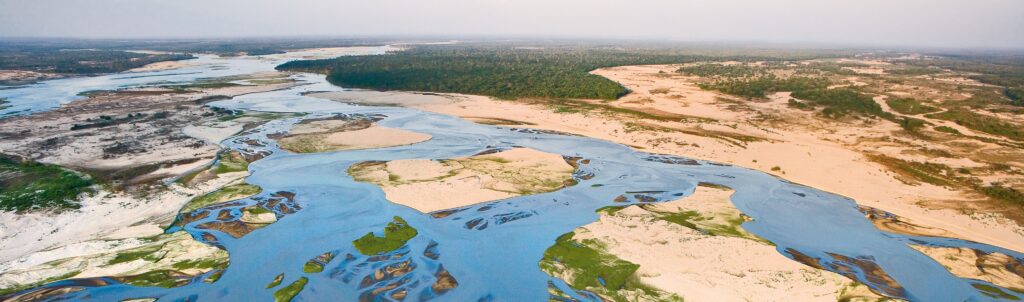
The geological processes responsible for creating sand are exceptionally slow, occurring over vast timescales through gradual erosion. Humanity’s current rate of sand consumption is vastly exceeding this natural replenishment cycle. Projections indicate that the gargantuan extraction of sand is set to accelerate even further, with the demand for building materials alone anticipated to surge by up to 45 percent by 2060. This trajectory paints a concerning picture of escalating resource depletion and its cascading environmental and social consequences.
"Sand is sometimes referred to as the unrecognized hero of development, but its essential role in sustaining natural services that we depend on is even more overlooked," stated Pascal Peduzzi, Director of the UNEP Global Resource Information Database in Geneva (GRID-Geneva). "Sand is our first line of defense against sea level rise, storm surges, and salination of coastal aquifers, all hazards exacerbated by climate change."
The Dual Nature of Sand: A Critical Nexus
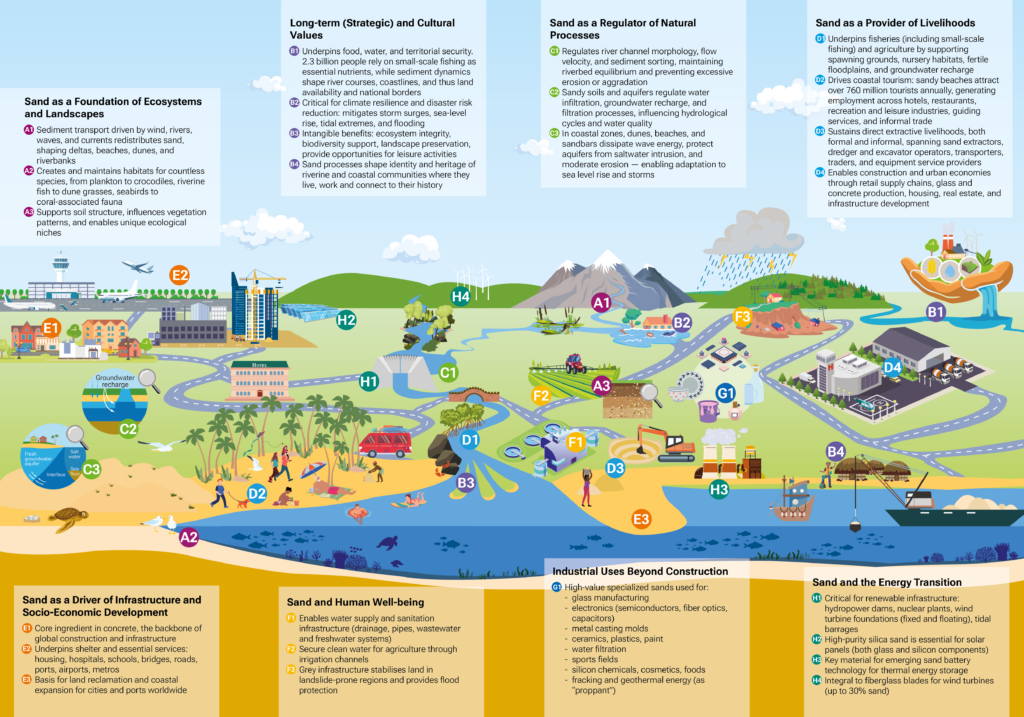
The UNEP report meticulously distinguishes between "dead" sand and "alive" sand, highlighting the fundamental tension between their competing uses. "Dead" sand, once extracted and transformed into materials like concrete, asphalt, and glass, is effectively lost from natural systems. It serves its purpose in the built environment but no longer contributes to ecological functions. In stark contrast, "alive" sand, found within rivers, deltas, and coastal zones, plays an ongoing and crucial role in maintaining landscape stability and supporting essential ecosystem functions.

This "alive" sand is instrumental in filtering water, regulating river flows, protecting shorelines from erosion, maintaining the integrity of deltas, preventing the intrusion of saltwater into coastal aquifers, and sustaining rich biodiversity. Its continuous presence and movement are vital for the health and resilience of these dynamic environments.
Richard Lee, Global Head of Communications at Wetlands International, who reviewed the report, emphasized this crucial interdependence: "Sand is not only a cornerstone of our societies and economies, but also a critical component of the very fabric of the ecosystems that our societies and economies are built on – in many cases, literally. Sand helps shape the structure of rivers, floodplains, beaches and deltas, maintaining the land beneath hundreds of millions of people’s homes, fields & feet."
The Cascading Consequences of Unsustainable Extraction
The report underscores the severe ramifications of over-extracting "alive" sand. The consequences are often disastrous, leading to:
- Loss of Lives and Livelihoods: River and coastal erosion, exacerbated by unchecked sand mining, can undermine buildings and vital infrastructure, threatening human safety and economic stability.
- Forced Migration: As deltas sink and shrink due to the removal of sediment, communities that depend on these fertile lands are forced to abandon their homes and relocate.
- Water Insecurity: Falling water tables and the intrusion of saltwater into freshwater aquifers, driven by altered hydrological regimes resulting from sand extraction, lead to widespread water scarcity.
- Worsening Food Security: The inundation of agricultural fields due to coastal erosion and altered river flows, coupled with the decline of fisheries that rely on healthy coastal and riverine habitats, directly impacts food availability and accessibility.
The report highlights that sand provides critical habitats for a vast array of species, including fish, birds, and crustaceans, playing a fundamental role in maintaining ecological balance. The excessive removal of this resource disrupts these delicate ecosystems, leading to a decline in biodiversity and the degradation of essential ecological services.
A Call for Strategic Resource Management and Governance
UNEP’s third Sand and Sustainability report issues a clear mandate to governments and industries: to acknowledge the indispensable values of sand to people, nature, and climate. It advocates for treating sand not merely as a commodity but as a strategic resource that underpins both our built environment and economic development, while simultaneously sustaining biodiversity and vital ecosystem services.
Timeline and Key Developments in Sand Resource Awareness
While the current report brings the issue into sharp focus, the growing concern over sand extraction and its impacts has been building over time:
- Early 2000s: Increased scientific observation of coastal erosion and deltaic degradation in regions like the Mekong Delta and parts of Africa began to highlight the potential role of unsustainable sand mining.
- Mid-2010s: The scale of global sand extraction started to be quantified more accurately, revealing its immense volume and its position as the largest extractive industry. Initial reports began to link sand extraction to environmental damage and social conflict.
- 2019: The first UNEP "Sand and Sustainability" report, "Sand and Sustainability: Towards Responsible Sand Management," was published, bringing global attention to the issue and calling for better governance. This marked a significant turning point in raising awareness among policymakers and international organizations.
- 2021: The second report, "Sand and Sustainability: Challenges and Opportunities," built upon the initial findings, offering further analysis and proposing solutions. It emphasized the need for data, policy development, and stakeholder engagement.
- May 2026: The release of the latest report, "Sand and Sustainability: An Essential Resource for Nature and Development," serves as a critical update, reinforcing the urgency of the situation with updated data and a stronger call for integrated management.
Supporting Data and Emerging Trends
- Global Extraction Volume: Approximately 50 billion tonnes of sand are extracted annually worldwide.
- Primary Extraction Locations: Freshwater systems (rivers, lakes) and coastal wetlands are the primary sources of extracted sand.
- Projected Demand: The demand for sand for construction is expected to increase by up to 45% by 2060.
- Marine Protected Areas (MPAs): Data from Marine Sand Watch indicates that roughly half of dredging companies operate within MPAs, accounting for 15% of the total dredged volume. This raises serious concerns about the effectiveness of conservation efforts.
- Economic Value: While difficult to quantify precisely, the economic value of sand as a raw material for construction and other industries is in the trillions of dollars annually.
Official Responses and Recommendations
The UNEP report is not merely an observation of a problem; it provides actionable recommendations for governments, industries, and international bodies:
- Integrated Governance: Establishing coordinated governance mechanisms across different sectors and scales is crucial. This includes collaboration between ministries of environment, water, land, and economy.
- Improved Data and Monitoring: Enhanced data collection, mapping, and monitoring are essential to identify areas of high ecological value and to assess the cumulative impacts of sand extraction. Transparency in extraction permits, project approvals, and financing flows is paramount.
- Recognition of "Alive" Sand: Valuing sand in its natural state within ecosystems is key. This means understanding its role in flood control, coastal protection, and biodiversity support.
- Long-Term Planning: Developing long-term strategies that balance the demand for sand with the imperative of ecosystem protection is vital.
- National and Sectoral Roadmaps: Countries are urged to develop comprehensive roadmaps for responsible sand management, building upon existing tools and best practices.
- Global Governance Mechanisms: Given the global nature of sand trade and demand, enhanced regional coordination and the potential development of global governance mechanisms are recommended.
- Utilizing Assessment Tools: The report provides an assessment tool designed to support more sustainable sand management at local, national, and regional levels.
Broader Impact and Implications
The implications of the sand crisis extend far beyond the immediate environmental damage. A failure to address this issue could lead to:
- Economic Stagnation: Shortages of essential building materials could hinder infrastructure development and economic growth, particularly in rapidly developing nations.
- Increased Climate Vulnerability: The degradation of coastal ecosystems, which rely on sand for protection, will leave coastal communities more vulnerable to the impacts of climate change, such as rising sea levels and more intense storms.
- Social Unrest: Competition for dwindling sand resources and the displacement of communities due to environmental degradation can fuel social tensions and conflict.
- Loss of Ecosystem Services: The degradation of wetlands and coastal areas will result in the loss of vital ecosystem services, including water purification, carbon sequestration, and habitat provision, with far-reaching consequences for human well-being.
The report concludes with a powerful call to action, emphasizing that whether for development or nature, sand is an essential resource for our future. The choices made today regarding its extraction and use will profoundly shape the planet’s environmental, social, and economic landscape for generations to come. The message is clear: we must choose wisely and use this fundamental resource with utmost care and foresight.
