
Published on: May 5, 2026
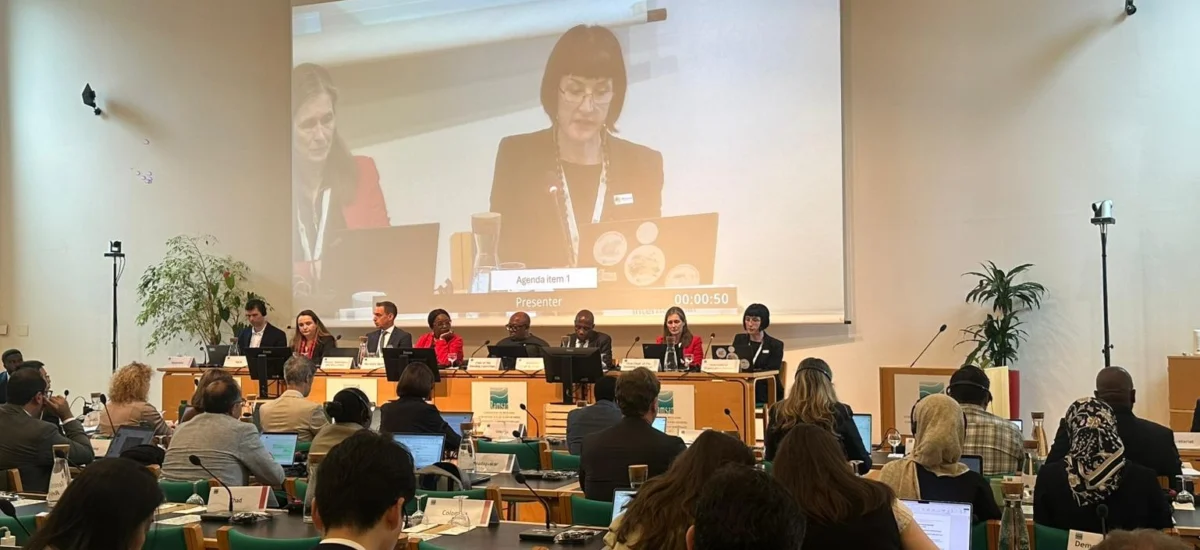
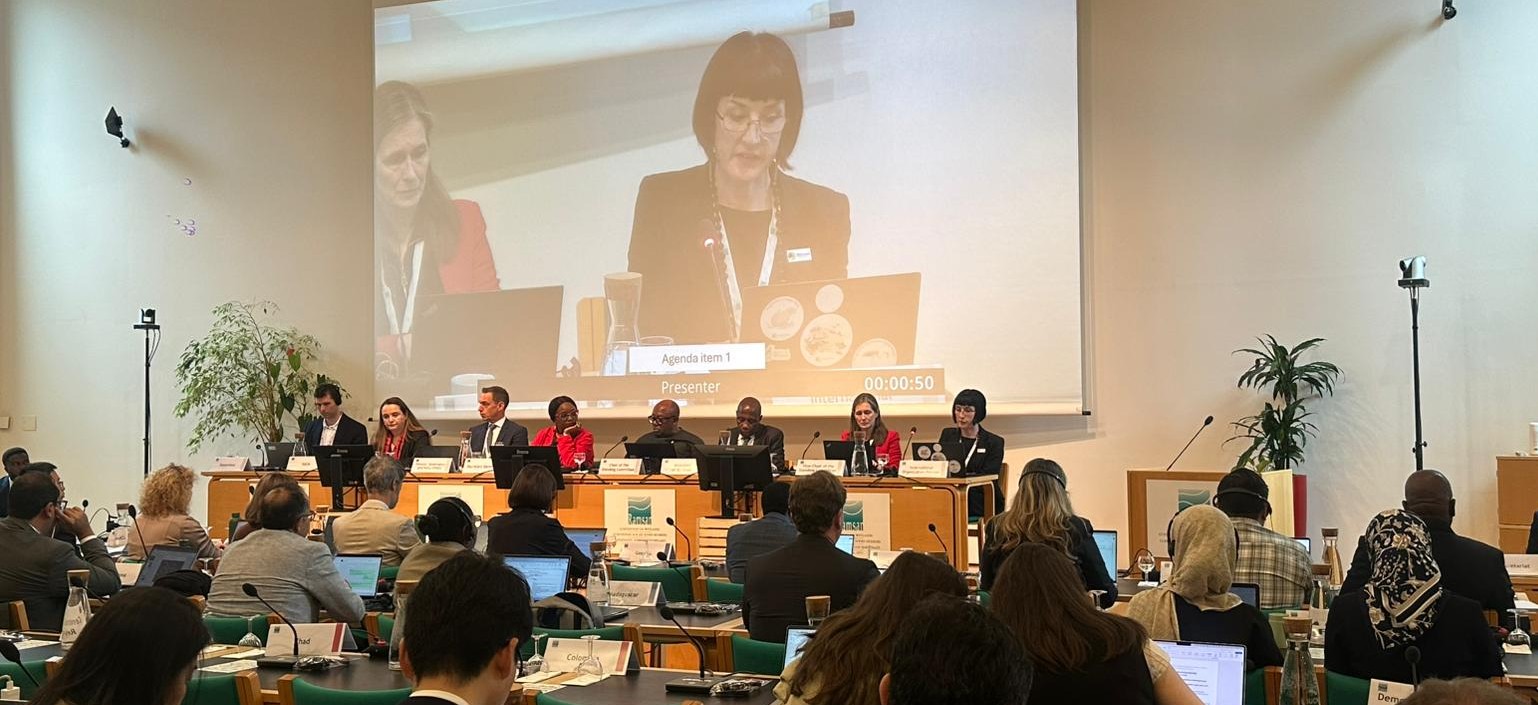
The global community of wetland conservationists is converging at the 67th meeting of the Standing Committee of the Convention on Wetlands (Ramsar Convention), a critical juncture for charting the future of these vital ecosystems. In a powerful opening address, Laura MacKenzie, Senior Advocacy Officer for Wetlands International, speaking on behalf of six prominent International Organisation Partners – Birdlife International, IUCN, IWMI, Wetlands International, WWF, and WWT – underscored the urgent need for accelerated action in wetland protection and restoration. The statement, delivered amidst the significant momentum generated by the recent COP15 in Victoria Falls and the anticipation of COP16 in Panama, highlighted key priorities for the coming years, emphasizing the irreplaceable benefits wetlands offer to people, nature, and the climate.
The successful adoption of the 5th Ramsar Strategic Plan, alongside numerous crucial resolutions addressing areas such as migratory flyways, freshwater ecosystems, Other Effective area-based Conservation Measures (OECMs), and innovative finance mechanisms, sets a robust framework. However, the focus now squarely shifts to effective implementation. MacKenzie articulated three paramount priorities, drawing on the collective on-the-ground experience of the partner organizations operating across diverse wetland landscapes worldwide.
Addressing the Root Causes: Finance and Economic Decision-Making
The foremost priority identified is the critical need to address the fundamental drivers of wetland loss and degradation, particularly within the realms of finance and economic decision-making. MacKenzie unequivocally stated that unlocking increased funding for wetlands is a paramount objective. However, this aspiration is starkly contrasted by the findings of the Global Wetland Outlook, which clearly indicates a concerning rise in nature-negative public and private financial flows. The UNEP State of Finance for Nature report paints a grim picture, revealing that for every dollar invested in nature conservation, a staggering thirty dollars are expended on its destruction.
This alarming imbalance necessitates a significant shift in focus during the current triennium. A concerted effort must be made to reduce and redirect subsidies and financial flows that actively harm wetlands. The Intergovernmental Science-Policy Platform on Biodiversity and Ecosystem Services (IPBES) business and biodiversity assessment serves as a potent reminder of the pivotal role governments play. Policy, legal, and regulatory frameworks wield considerable influence over the actions of businesses and financial institutions. By aligning fiscal policies and incentives with biodiversity goals, governments can steer economic activities towards more sustainable pathways.
Furthermore, rapid progress is essential in integrating the intrinsic and instrumental value of wetlands into economic policy. For too long, wetland safeguards have been eroded, rather than strengthened, under the guise of development. Concrete examples illustrate the tangible consequences of this approach. The recent weakening of legislation protecting glacier areas, for instance, exacerbates the threats posed by lithium mining to the fragile wetland ecosystems and vital water security of the High Andes. Similarly, the proposed dilution of the EU Water Framework Directive has generated profound concerns among environmental advocates, signaling a potential retreat from established water protection standards. These instances underscore a systemic failure to adequately value and protect wetlands within broader economic planning.
Reconfiguring Human-Wetland Relationships: Embracing New Paradigms
The second key priority centers on the imperative to reconfigure the fundamental relationship between humanity and wetlands. Wetlands International and its partners warmly welcomed the adoption of several IUCN resolutions concerning the rights of nature, including the rights of rivers, which were endorsed by governments, Indigenous Peoples’ Organizations, and NGOs in October.
There is a growing anticipation to explore how "rights of wetlands" approaches can catalyze transformative change. This aligns with the critical findings of IPBES, which have highlighted the necessity of such transformative shifts, and is further echoed in the Ramsar Strategic Plan. The concept of granting legal standing or rights to natural entities like wetlands challenges anthropocentric legal and economic frameworks, proposing instead a more holistic and ecocentric perspective. By recognizing wetlands as rights-bearing entities, it is argued that their protection and restoration can be pursued with greater legal and ethical force, moving beyond purely utilitarian justifications. This paradigm shift has the potential to foster a deeper sense of stewardship and responsibility towards these crucial ecosystems.
Wetlands as Vital Connectors: Integrating Across Multilateral Environmental Agreements
The third strategic priority emphasizes the crucial role of wetlands as indispensable contributors to the effective implementation of other Multilateral Environmental Agreements (MEAs). The statement called for wetlands to be recognized and prioritized as the critical watery conduits that flow through the agendas of the three Rio Conventions (CBD, UNFCCC, UNCCD), the UN Water Conference, and indeed, all Sustainable Development Goals (SDGs), as stipulated in Resolution XV.4 on synergies.
The UN SDG 6 Synthesis Report powerfully reinforces the notion of water as a "Super Connector," underscoring its pervasive influence across all conventions and SDGs. Wetlands, with their intricate hydrological functions and biodiversity support, are intrinsically central to this interconnectedness.
The year 2026 has already commenced with promising developments. Parties to the Convention on Migratory Species (CMS) have adopted decisions specifically addressing flyways, connectivity, and migratory wetland species. The Pantanal Declaration, a landmark initiative, has championed the multifaceted role of wetlands, not only as havens for biodiversity but also as critical regulators of climate, providers of water security, and essential pillars of community livelihoods. These successes vividly illustrate the profound impact of cross-border cooperation and visionary political leadership.
Looking ahead, the strengthening of coherence across monitoring and reporting systems is deemed essential for effective implementation. In this regard, the proposed indicator framework for the 5th Ramsar Strategic Plan has been welcomed, with a strong encouragement for the Standing Committee to formally adopt it. Such a framework will provide a standardized and robust mechanism for tracking progress and ensuring accountability.
Synergies and Opportunities Across Global Forums
The upcoming international forums present significant opportunities to advance wetland conservation. The UN Convention to Combat Desertification (UNCCD) COP17 in Mongolia offers a crucial platform to accelerate action on freshwater ecosystems and peatlands. This can be achieved by building upon the existing incorporation of wetlands into land degradation neutrality targets and drought resilience plans, ensuring that these vital areas are explicitly considered in efforts to combat desertification and mitigate drought impacts.

At the Convention on Biological Diversity (CBD) COP17 in Armenia, the global review process must unequivocally showcase how reversing wetland loss and degradation is not merely beneficial, but absolutely critical to achieving the ambitious 2030 biodiversity targets. Demonstrating this linkage will elevate the importance of wetlands in the broader biodiversity conservation agenda.
Furthermore, at the UNFCCC COP31 and the UN Water Conference, discussions surrounding water security, climate resilience, and mitigation efforts must herald a significant paradigm shift in investment. This shift should move decisively from "grey" infrastructure (e.g., concrete dams, engineered water systems) towards "green" and "blue" infrastructure, which leverage natural systems like wetlands for hydrological and climate benefits.
The statement also highlighted the vital role of "whole of society" voluntary initiatives. Programs such as the Freshwater Challenge, featured in Resolution XV.15, the Mangrove Breakthrough, and the Peatland Breakthrough, represent powerful examples of collaborative action. The partner organizations warmly encouraged more Contracting Parties to actively engage with and join these crucial initiatives, recognizing their potential to drive significant on-the-ground impact.
The Indispensable Role of Scientific and Technical Outputs
Finally, the exceptional value and importance of the outputs from the Scientific and Technical Review Panel (STRP) were underscored. These outputs are considered indispensable to the conservation and wise use of wetlands. Wetlands International expressed its pleasure in contributing to numerous priority tasks, including those related to GEOwetlands (a global Earth observation initiative for wetlands), the water cycle, transformative change pathways, and the development of the next Global Wetland Outlook, which will focus on urban wetlands. The insights and recommendations generated by the STRP provide the scientific foundation upon which effective policy and action are built, ensuring that conservation efforts are informed, evidence-based, and impactful.
As the Standing Committee meeting progresses, Wetlands International and its partner organizations look forward to a week of constructive dialogue and collaboration. Their commitment to working closely with Contracting Parties, the Ramsar Secretariat, and a wide array of stakeholders remains unwavering, as they collectively strive to achieve shared wetland goals and secure a healthier future for these invaluable ecosystems and the planet. The urgency is palpable, but so too is the potential for transformative action, fueled by scientific understanding, political will, and a growing global recognition of the indispensable role wetlands play in sustaining life on Earth.
