
In the dynamic realm of nature photography, one artist is distinguishing themselves by deliberately venturing into the extreme ends of established techniques, asserting that it is at these fringes where distractions recede, essential elements are magnified, and the inherent narrative within an image gains unparalleled strength. This philosophy transcends mere technical proficiency, evolving into a profound methodology for conveying the raw impressions and complex emotions experienced in the wild. By employing ultra-wide or super-telephoto lenses, mastering blackout or whiteout exposures, experimenting with extended shutter speeds, and adopting unconventional compositions, this photographer seeks to capture and communicate the otherwise elusive soul of nature.

The fundamental challenge for any nature photographer lies in translating a multi-sensory, often chaotic, natural experience into a compelling two-dimensional visual. Nature, in its unfiltered state, frequently presents as an overwhelming tapestry of elements—dense forests, migrating herds, or intricate avian plumage. The artist’s pursuit is to unearth the hidden structures and underlying patterns within this apparent disarray, rendering them into a cohesive visual form that resonates deeply with the viewer. This demanding task has led directly to the adoption of extreme photographic techniques, providing a robust framework for crafting powerful visual narratives that effectively convey the artist’s unique emotional and experiential journey.
The Quest for Emotional Resonance: Beyond the Visual

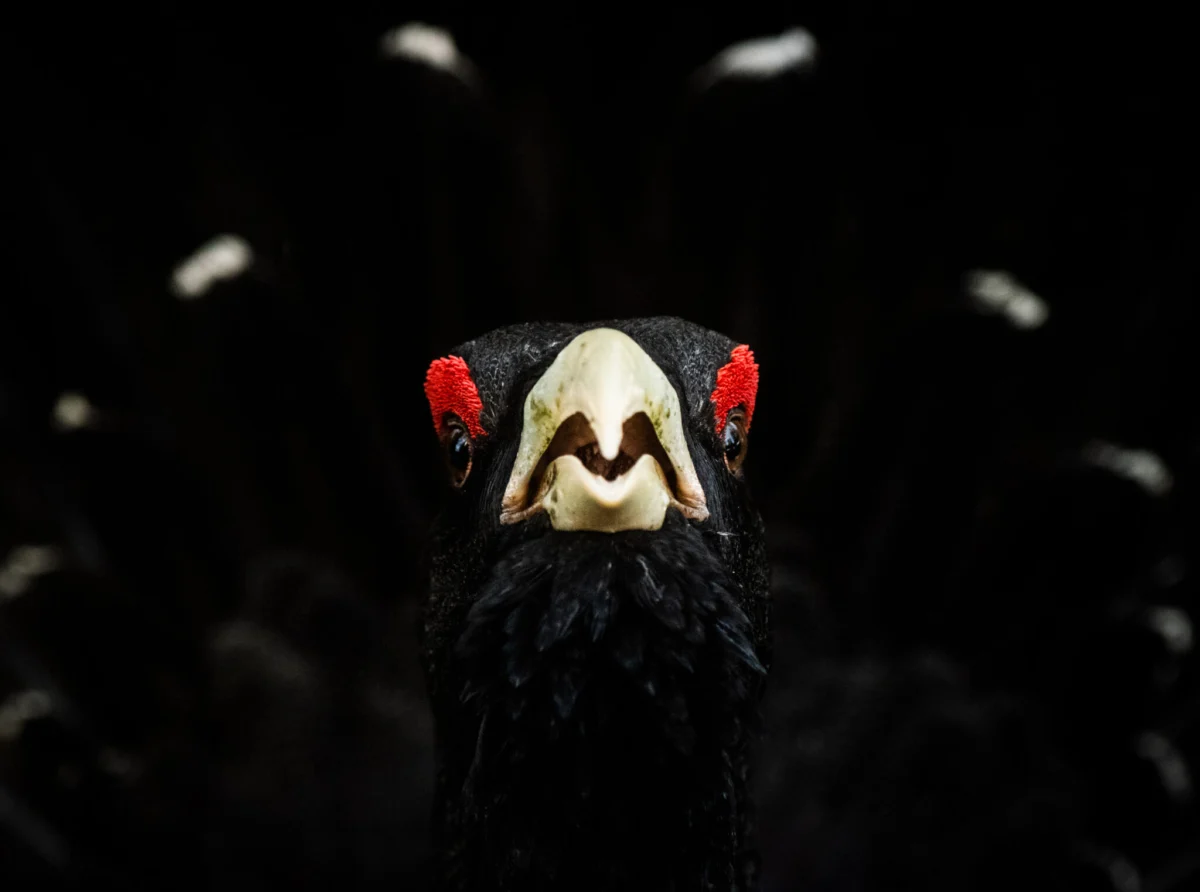
One of the most significant hurdles in still photography is the inherent limitation of relying solely on sight to recreate a holistic natural encounter. The immersive symphony of smells, textures, and sounds that collectively forge a complete impression in the field are absent in a photograph. This often results in a common feeling of artistic inadequacy, where the captured images fail to evoke the intense emotional resonance felt during the actual experience. To bridge this sensory gap and immortalize the profound atmospheres and emotions encountered in nature, the photographer employs extreme exposure techniques: the dramatic underexposure of "blackout" images and the ethereal overexposure of "whiteout" images.
These techniques are more than mere technical adjustments; they are a language for emotion. Dark, moody scenes, often rendered through blackout, inherently convey drama, mystery, and a heightened sense of atmosphere. Psychologically, darker tones can evoke introspection, solemnity, or even a sense of the sublime, stripping away unnecessary details to focus on a singular mood. Conversely, bright, airy images achieved through whiteout tend to project purity, elegance, and a sense of calm. This technique is particularly effective in isolating a subject or highlighting pristine surroundings, drawing the viewer’s attention to delicate details or the serene beauty of a scene. The deliberate choice between light and dark becomes a critical expressive tool, directly guiding the viewer toward the specific emotions the photographer experienced. This intentional manipulation of light stands in stark contrast to the pursuit of a "perfectly exposed" image, prioritizing emotive impact over strict technical neutrality. Historically, artists from the chiaroscuro masters of the Renaissance to minimalist photographers of the 20th century have understood the profound psychological impact of light and shadow, a principle effectively translated into contemporary nature photography through these extreme exposure methods.

Mastering Perspective: From Macro to Cosmic
Beyond exposure, perspective fundamentally redefines the viewer’s relationship with the photographic subject. Focal length, a cornerstone of the photographer’s toolkit, serves as a primary mechanism for altering the appearance of a subject relative to its environment. The spectrum from ultra-wide-angle to super-telephoto offers distinct narrative possibilities, with the most pronounced effects found at the extremities. The further a photographer deviates from standard focal lengths, the more potent the visual impact, reinforcing the intended story.

Technological advancements, particularly in mirrorless camera systems over the last decade, have significantly expanded these possibilities. Mirrorless technology has led to lighter, more compact, and often more affordable telephoto lenses. Crucially, the improved performance of teleconverters, even with less expensive telezoom lenses, now allows for extreme focal lengths (e.g., up to 1200mm or beyond) while maintaining usable autofocus and commendable image quality. This democratisation of extreme telephoto capabilities has opened entirely new worlds of perspective for many photographers.
A compelling example of this multifaceted approach is seen in the photographer’s work on Hornøya, a seabird island situated above the Arctic Circle in Norway. Here, European shags breed amidst harsh, snow-covered conditions and exquisitely beautiful light. The photographer utilized a broad range of focal lengths, from 24mm to an astonishing 1200mm, to construct a comprehensive visual narrative of the shags’ breeding season—capturing everything from expansive environmental shots illustrating their challenging habitat to intimate, detailed close-ups of their plumage and behavior, and creative perspectives that convey their struggle against the elements. This deliberate combination of focal lengths within a single project allows for a depth of storytelling impossible with a singular perspective, painting a rich picture of the species within its dramatic context. The ability to switch between showing the vastness of their isolated environment and the intensity of their individual struggles offers a powerful, nuanced view of nature’s resilience.

Manipulating Time: The Art of Shutter Speed Extremes
At its essence, photography is the art of freezing or extending moments to tell a story. The appeal of working with shutter speeds that capture what the human eye cannot perceive is particularly strong for this artist. Long exposures, especially when combined with Intentional Camera Movement (ICM), unlock a new dimension of photographic expression. No longer confined to merely documenting the static landscape, colors, and forms, the photographer can "paint" the image with the very structures and movements of the entire scene, all within a single exposure. This technique transforms reality into an abstract interpretation, blurring the lines between photography and painting.

ICM images are inherently unique and irreplicable due to the dynamic and unpredictable nature of camera movement during a long exposure. This individuality, however, comes at a cost: a significant number of "failed" images are an intrinsic part of the process, demanding considerable patience and a substantial learning curve. Yet, it is within this experimental space that truly groundbreaking and personal visions emerge. The artistic movement of ICM, gaining traction in contemporary nature photography, emphasizes subjective interpretation over objective documentation, inviting viewers to engage with a scene on an emotional rather than purely literal level.
Conversely, recent mirrorless camera advancements have also pushed the boundaries of ultra-fast shutter speeds, well beyond the 1/8000 second limit common in the DSLR era. Modern mirrorless cameras can achieve shutter speeds of several ten-thousandths of a second (e.g., 1/32000s or faster). This capability proves invaluable in extremely bright conditions, such as shooting directly into the midday sun, where traditional cameras would "blow out" the highlights. The camera’s ability to capture intricate details within such intense light allows for intriguing images that reveal the subtle textures of the sun and the backlit clouds, details imperceptible to the naked eye. This demonstrates a dual mastery over time: both expanding and compressing it to reveal hidden aspects of the natural world.

Redefining Vision: The Power of Unconventional Composition
Composition in photography is often governed by well-established rules, such as the Rule of Thirds or the Golden Ratio, which are widely endorsed for their ability to produce balanced and aesthetically pleasing images. While these guidelines offer a solid foundation, rigid adherence can inadvertently stifle creativity. The artist posits that no rule is absolute, and sometimes, the most compelling images arise from a deliberate departure from convention.

A classic compositional guideline, for instance, dictates leaving "looking space" in the direction a subject is facing. However, consistently following this rule might lead to missed opportunities for more dynamic and engaging compositions where an alternative element within the frame provides balance, even if the main subject is positioned unconventionally, perhaps at the very edge or corner. For this photographer, composition transcends rigid rules, evolving into an intuitive understanding of how elements within the frame interact to create a holistic visual experience.
In certain instances, an unconventional composition can dramatically amplify the power and narrative impact of an image. By purposefully placing subjects off-center, cropping tightly, or using leading lines in unexpected ways, the photographer can create a sense of tension, intimacy, or surprise that traditional compositions might lack. The key lies in developing a discerning eye—a visual literacy that allows the photographer to perceive the interplay of shapes, forms, light, and shadow, irrespective of conventional frameworks. This refined perception, the artist argues, is paramount to elevating photography beyond mere documentation into a realm of artistic expression and unique storytelling. Breaking rules thoughtfully requires a deep understanding of those rules in the first place, making the unconventional a conscious choice rather than a random act.

The Engine of Innovation: Creativity and Experimentation
A prevalent norm in photographic education and practice is the emphasis on intentionality: every creative choice, from framing to shutter speed, should serve a clear purpose or vision. While this systematic approach often leads to consistent results, balanced exposures, and predictable outcomes—qualities that are undoubtedly valuable in bringing order to nature’s inherent chaos—it can also inadvertently constrain pure creativity and playful exploration.

For this photographer, fostering "creativity for creativity’s sake," unburdened by a predetermined purpose or specific vision, is equally vital. This approach acts as a crucial counterbalance to rigid systematic thinking, encouraging a spirit of artistic playfulness. Not every truly magical photograph can be fully pre-visualized; the human eye and mind are incapable of predicting all the serendipitous coincidences and random occurrences—unexpected reflections, transient movements, or sudden shifts in light—that can inject that "missing piece of magic" into an image.
This experimental methodology, while leading to a considerable number of "unsuccessful" shots, is framed not as failure but as a vital part of the discovery process. Among the many discarded images, moments of "gold" emerge. Sometimes, this gold is a spectacular, groundbreaking image that defies expectation. More often, it is the discovery of a new effect, a subtle interaction of light or movement, or an unconventional perspective that can then be consciously developed and integrated into the photographer’s evolving artistic practice. This iterative process of exploration and refinement is fueled by an insatiable curiosity about how the natural world interacts with the photographic medium.

Broader Implications and the Future of Nature Photography
The deliberate embrace of extreme photographic techniques—from radical exposures to innovative focal length applications, temporal manipulations, and bold compositional choices—represents a significant trend in contemporary nature photography. This approach transcends traditional documentation, pushing the boundaries of what is visually possible and emotionally evocative. When viewers encounter images that defy conventional understanding and spark questions about their creation, it signifies a successful foray into uncharted artistic territory.

This artistic philosophy underscores that true innovation in nature photography stems from a combination of playfulness, relentless experimentation, and a profound interest in the natural world. Technological advancements, particularly in mirrorless camera systems, have undeniably provided the tools necessary for such exploration, making previously inaccessible techniques (like ultra-long telephoto with teleconverters or extremely fast shutter speeds) available to a broader audience. However, the ultimate driver remains human curiosity. It is this innate desire to question, to experiment, and to see beyond the obvious that serves as the most potent creative tool for nature photographers. By daring to ignore conventional rules and actively exploring the nuanced interaction between subject, environment, and camera, artists like this photographer not only carve out unique styles but also inspire the wider photographic community to look beyond the literal and engage with the natural world on a deeper, more expressive plane. This continuous push towards the extremes ensures that nature photography remains a vibrant, evolving art form, capable of revealing the world in ever more captivating and thought-provoking ways.
