
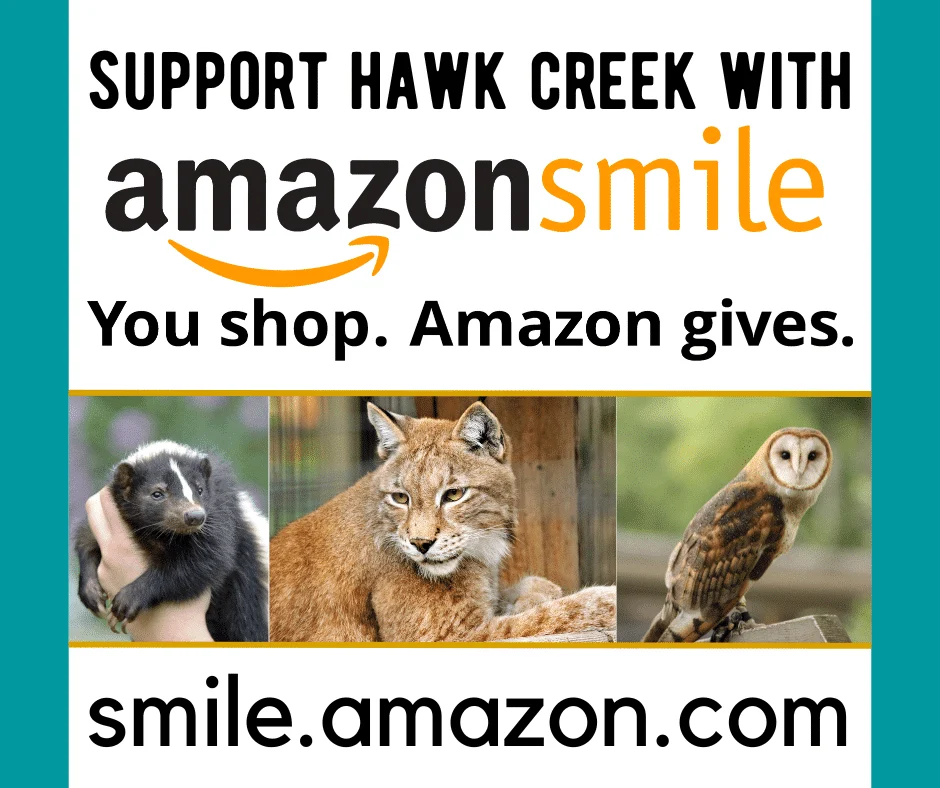
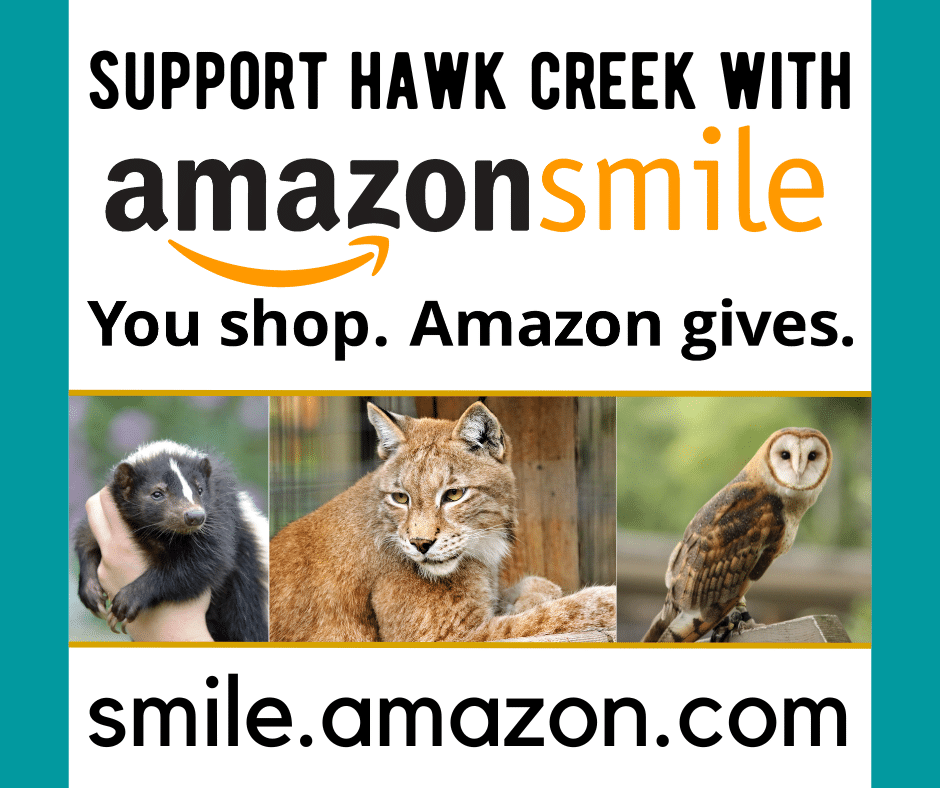
Your everyday online shopping habits can now directly contribute to the vital work of the Hawk Creek Wildlife Center, an organization dedicated to the rehabilitation and conservation of local wildlife. Through the Amazon Smile program, consumers have the opportunity to make a tangible difference without incurring any additional personal expense. This initiative allows a portion of eligible purchases made on Amazon to be donated to a designated charity, and Hawk Creek Wildlife Center is actively encouraging its supporters and the broader community to select it as their preferred recipient.
The mechanics of supporting Hawk Creek through Amazon Smile are straightforward and accessible. For individuals who primarily shop via their computer, the process involves a simple redirection to a specific Amazon web address: smile.amazon.com. Upon arriving at this dedicated portal, users are prompted to select a charitable organization. By searching for and choosing "Hawk Creek Wildlife Center," shoppers ensure that their subsequent purchases automatically trigger a donation. Amazon then contributes 0.5% of the price of eligible items to the selected charity. While this percentage may seem modest on an individual purchase, the cumulative effect of widespread participation can provide a significant and consistent stream of funding for the center’s operations.
For those who prefer the convenience of mobile shopping, the Amazon app also integrates the Smile program. The process here requires a few additional steps within the app’s settings. Users need to navigate to the "Settings" menu, then select "Amazon Smile," followed by "Charity." Within this section, a search for "Hawk Creek Wildlife Center" will allow for its selection. The app is designed to facilitate tracking, enabling users to monitor the total amount their purchases have generated in donations, offering a transparent view of their impact. This feature aims to foster a greater sense of engagement and encourage continued support.
The Amazon Smile program, launched in 2013, was designed to harness the power of e-commerce for philanthropic purposes. The platform operates on the principle of a shared economy of good, where businesses and consumers can collaborate to support non-profit organizations. According to Amazon’s own reporting, as of its cessation in early 2023, the program had generated over $300 million in donations to hundreds of thousands of charities worldwide. The program’s success underscored a growing trend of consumers seeking to align their purchasing decisions with their values, a phenomenon often referred to as "conscious consumerism."
Hawk Creek Wildlife Center, located in the greater region served by its operations, has been a cornerstone of local wildlife conservation efforts. Founded with the mission to rescue, rehabilitate, and release injured or orphaned wild animals, the center also plays a crucial role in public education. Through various outreach programs and on-site educational initiatives, they strive to foster a deeper understanding and appreciation for native wildlife and the importance of habitat preservation. The center relies heavily on public support, including donations, volunteer efforts, and grants, to sustain its operations. The funds generated through Amazon Smile are instrumental in covering a wide array of costs, from veterinary care and specialized diets for the animals to the maintenance of enclosures and the operational expenses of their rehabilitation facilities.

The Significance of E-commerce for Non-Profits
The integration of charitable giving into mainstream e-commerce platforms like Amazon Smile represented a significant development for non-profit organizations. Prior to such initiatives, individuals typically supported charities through direct donations, fundraising events, or volunteering. While these avenues remain vital, the Amazon Smile program offered a passive yet effective way for individuals to contribute without altering their existing shopping routines. This accessibility broadened the potential donor base considerably, allowing individuals who might not have had the time or resources for active participation to still make a meaningful contribution.
For organizations like Hawk Creek Wildlife Center, the predictability of revenue generated through such programs is invaluable. It allows for more robust long-term planning, enabling them to invest in crucial infrastructure upgrades, expand their rehabilitation capacity, or develop new educational programs. The average donation generated per purchase through Amazon Smile, while small, accumulates rapidly when amplified by a large number of participants. This sustained financial support is particularly critical for wildlife rehabilitation centers, which often face unpredictable caseloads and the ongoing need for specialized medical supplies and skilled personnel.
A Timeline of Support and Community Engagement
While the specific launch date of Hawk Creek Wildlife Center’s participation in the Amazon Smile program is not detailed in the provided announcement, its promotion signifies an ongoing effort to leverage digital platforms for fundraising. The announcement itself, likely made in late 2022 or early 2023, reflects a proactive approach to engaging the community during a period when online shopping experienced a significant surge. The COVID-19 pandemic, for instance, led to a substantial increase in e-commerce activity globally, making platforms like Amazon Smile even more critical for non-profit fundraising.
The message from Hawk Creek emphasizes the ease of participation: "On your computer all you have to do is type in smile.amazon.com when you shop and choose Hawk Creek Wildlife Center as your charity!" This direct call to action, coupled with clear instructions for mobile users, suggests a strategic campaign to maximize participation. The implication is that the center recognizes the shift in consumer behavior towards online purchasing and is adapting its fundraising strategies accordingly.
Supporting Wildlife Through Everyday Purchases: A Deeper Dive
The impact of each individual donation, though seemingly small, is amplified by the collective action of a community. For Hawk Creek Wildlife Center, these funds can translate into:
- Veterinary Care: The cost of treating injured wildlife can be substantial. This includes diagnostic tests, surgeries, medications, and specialized rehabilitation therapies. A percentage of Amazon Smile donations can directly offset these critical expenses, ensuring that more animals receive the care they need to recover.
- Specialized Diets: Different species have unique dietary requirements. Providing appropriate and nutritious food for rescued animals, from insects for amphibians to specialized formulas for orphaned mammals, incurs ongoing costs.
- Habitat and Enclosure Maintenance: The center requires safe, secure, and species-appropriate enclosures for the animals under its care. Maintaining these facilities, including cleaning, repairs, and the provision of enrichment items, is essential for the animals’ well-being and recovery.
- Educational Programs: Hawk Creek Wildlife Center is committed to educating the public about local wildlife and conservation. Funds can support the development of educational materials, outreach events, and the maintenance of educational exhibits, fostering a greater understanding and respect for the natural world.
- Operational Costs: Like any organization, the center has essential operational expenses, including utilities, administrative costs, and staff support, which are vital for its day-to-day functioning.
The ability for shoppers to "see how much your purchases generate" through the Amazon app adds a layer of transparency and accountability. This feature can motivate continued participation by demonstrating the tangible results of their conscious consumer choices. It transforms a routine activity into a meaningful act of support for a local cause.
Broader Implications and the Future of Philanthropy
The success of programs like Amazon Smile highlights a broader trend: the increasing integration of social responsibility into commercial activities. Consumers are more empowered than ever to choose businesses and platforms that align with their values. For non-profit organizations, this presents both an opportunity and a challenge. The opportunity lies in tapping into a vast and engaged consumer base. The challenge involves effectively communicating their mission and impact to stand out amidst a crowded digital landscape.
The discontinuation of the Amazon Smile program in early 2023, a decision attributed by Amazon to evolving company priorities and customer preferences, marked a significant shift in the philanthropic landscape. While the program itself is no longer active, its legacy underscores the potential of e-commerce platforms to facilitate widespread charitable giving. Many organizations, including Hawk Creek Wildlife Center, are now actively seeking alternative digital fundraising strategies to replace the revenue stream previously generated by Amazon Smile. This includes exploring other donation platforms, enhancing their own website’s donation capabilities, and leveraging social media for targeted fundraising campaigns.
The experience with Amazon Smile serves as a valuable case study for non-profits, emphasizing the importance of adapting to technological advancements and consumer behavior. It demonstrates that even seemingly small, passive contributions from a large number of individuals can collectively make a substantial difference to organizations working to protect and preserve wildlife and their habitats. As consumer consciousness continues to grow, the demand for transparent and accessible ways to support meaningful causes is likely to remain a significant force in both the commercial and philanthropic sectors. Organizations that can effectively integrate their mission into the digital lives of their supporters will be best positioned for sustained success.
The announcement from Hawk Creek Wildlife Center, though concise, represents a critical component of their ongoing fundraising efforts. It speaks to their commitment to utilizing all available avenues to secure the resources necessary for their vital work. By encouraging supporters to engage with the Amazon Smile program, they are not only seeking financial contributions but also fostering a sense of community ownership and shared responsibility for the well-being of local wildlife. The proactive communication about this readily available support mechanism underscores the center’s dedication to its mission and its innovative approach to securing the future of its conservation and rehabilitation initiatives.
