
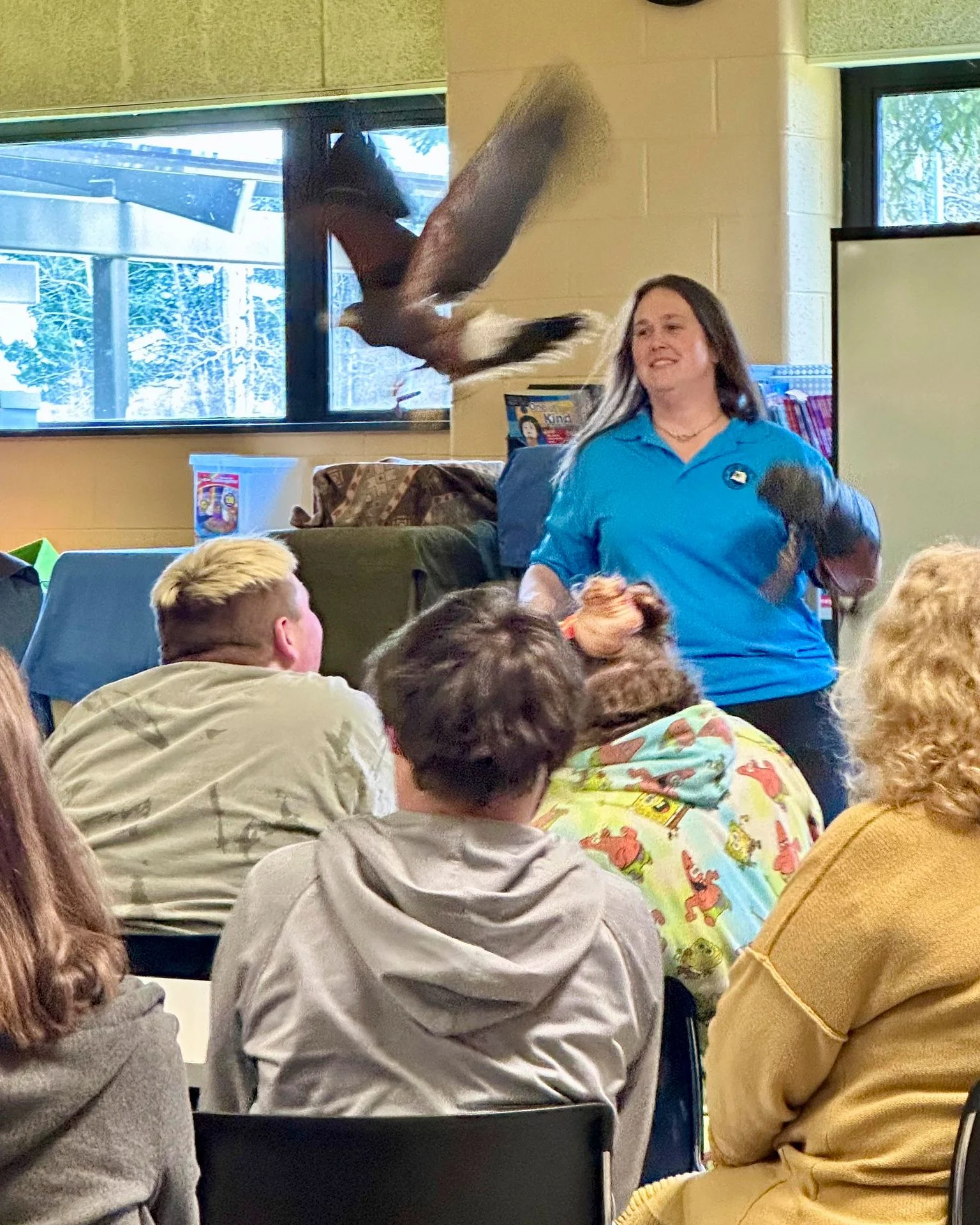
The Hewes Educational Center recently hosted a unique educational outreach program led by the Hawk Creek Wildlife Center, an organization dedicated to the rehabilitation, conservation, and public education of native and exotic species. This initiative, designed to bridge the gap between classroom theory and ecological reality, provided students with a rare, up-close engagement with a diverse array of animal species. By bringing wildlife directly into the learning environment, the program aimed to foster a deeper understanding of biodiversity, animal behavior, and the critical role of environmental stewardship.
The Objective of Interactive Wildlife Education
Educational outreach programs like the one conducted at the Hewes Educational Center serve as a vital component of modern science curricula. According to pedagogical research, interactive, experiential learning—often referred to as "place-based" or "hands-on" education—significantly improves student retention rates regarding biological concepts. By observing live animals in a controlled setting, students move beyond the limitations of textbook diagrams, gaining a visceral understanding of anatomy, habitat requirements, and ecological niches.
Hawk Creek Wildlife Center, based in Western New York, operates with the core mission of fostering compassion and restoring balance to the natural world. Their methodology emphasizes that when students are exposed to the majesty of wildlife in a controlled, respectful setting, they are more likely to develop a long-term commitment to environmental conservation. The visit to Hewes was meticulously planned to align with biological studies, ensuring that the animals presented—ranging from birds of prey to reptiles and small mammals—served as educational ambassadors for their respective species.
A Chronology of the Educational Engagement
The event unfolded through a series of structured demonstrations led by two senior wildlife naturalists. The session was divided into distinct phases to maximize student engagement and safety.
In the first phase, naturalists provided an introduction to the specific challenges faced by wildlife in the modern era, touching upon habitat fragmentation, pollution, and climate change. This contextual framing is essential, as it helps students understand that the animals they are viewing are not merely biological curiosities but are representatives of species currently navigating a rapidly changing planet.

The second phase involved the introduction of the animals. The lineup was curated to demonstrate diverse evolutionary adaptations. Students were introduced to snakes, which served as a focal point for discussions on cold-blooded metabolism and the vital role of predators in controlling rodent populations. Following the reptiles, the naturalists introduced various mammals, focusing on behavioral traits and the importance of ecological balance within forest and meadow ecosystems.
The culminating moment of the session occurred during the raptor demonstration. By allowing a bird of prey to fly directly over the students, the naturalists provided a demonstration of avian flight mechanics and predatory prowess that cannot be replicated through traditional audiovisual media. This "soaring" demonstration serves as a signature of Hawk Creek’s programs, emphasizing the sheer scale and agility of these apex predators.
Supporting Data on Wildlife Outreach Efficacy
The significance of such programs can be measured by the growing disconnect between modern youth and the natural world, a phenomenon often described as "Nature Deficit Disorder." Data from environmental studies organizations suggest that consistent exposure to wildlife education increases the likelihood of students pursuing STEM (Science, Technology, Engineering, and Mathematics) careers, specifically in fields related to biology, veterinary science, and environmental policy.
For organizations like the Hawk Creek Wildlife Center, the metric of success is not limited to the number of students reached, but the depth of the educational impact. Programs of this nature typically track:
- Knowledge Acquisition: Measured through pre- and post-visit assessment surveys conducted by participating educators.
- Behavioral Intent: Assessing whether students express an increased desire to participate in local conservation efforts or adopt sustainable practices.
- Engagement Metrics: Tracking student participation rates, question frequency, and overall interest levels during the presentation.
Perspectives from the Educational Community
While the students were the primary beneficiaries of the visit, the educators at the Hewes Educational Center have noted the broader institutional value of such programs. Bringing specialized experts into the classroom allows for a depth of knowledge that standard faculty may not possess, particularly regarding the nuances of animal handling and welfare.
From the perspective of the Hawk Creek Wildlife Center staff, these visits are part of a broader, year-round effort to ensure that the public understands the complexities of wildlife rehabilitation. Every animal brought to the Hewes Educational Center is typically a permanent resident of the center—often an individual that could not be released back into the wild due to injury or dependency. Therefore, the visit serves a dual purpose: it educates the public while providing the animals with environmental enrichment, which is crucial for their mental and physical well-being while in captivity.

Broader Impact and Environmental Implications
The visit to the Hewes Educational Center occurs against a backdrop of increasing ecological instability. Globally, species extinction rates are accelerating, and public awareness is the first line of defense in protecting biodiversity. By humanizing the plight of individual animals, the Hawk Creek Wildlife Center facilitates a personal connection that statistics alone cannot achieve.
When a student observes the eyes of a raptor or the movement of a reptile, they are participating in an ancient human experience: the observation of the "other." This connection is foundational to developing an environmental ethic. Analysts in the field of conservation biology note that the "ambassador animal" model—where specific animals are trained to interact with humans for the sake of education—remains one of the most effective tools for lobbying, funding, and grassroots conservation.
Furthermore, the logistical success of this visit highlights the importance of partnerships between vocational centers and specialized wildlife organizations. By integrating these programs into the school year, institutions like the Hewes Educational Center are demonstrating a commitment to "whole-child" development, which includes not only technical skills but also an appreciation for the natural world that sustains human life.
The Path Forward: Sustaining Wildlife Advocacy
The success of the recent outreach at the Hewes Educational Center underscores a growing demand for experiential science education. Moving forward, the challenge for both educational institutions and wildlife centers will be to scale these interactions without compromising the welfare of the animals or the quality of the student experience.
The Hawk Creek Wildlife Center continues to rely on community support, donations, and grant funding to sustain its operations. Because the center is not government-funded, its ability to reach schools depends heavily on the fiscal participation of the public. This economic reality highlights the symbiotic relationship between the center and the community it serves: the public provides the financial resources required to maintain the facility, and in return, the center provides the educational experiences that shape the next generation of environmental stewards.
In conclusion, the visit by the Hawk Creek Wildlife Center to the Hewes Educational Center represents a successful integration of professional wildlife care and modern educational outreach. Through the careful coordination of naturalists, the use of ambassador animals, and a commitment to scientific accuracy, the program provided a memorable and impactful experience for students. As environmental challenges continue to mount, the necessity for such initiatives will only increase, cementing the role of wildlife centers as essential pillars of the community and vital partners in the pursuit of a sustainable future.
