
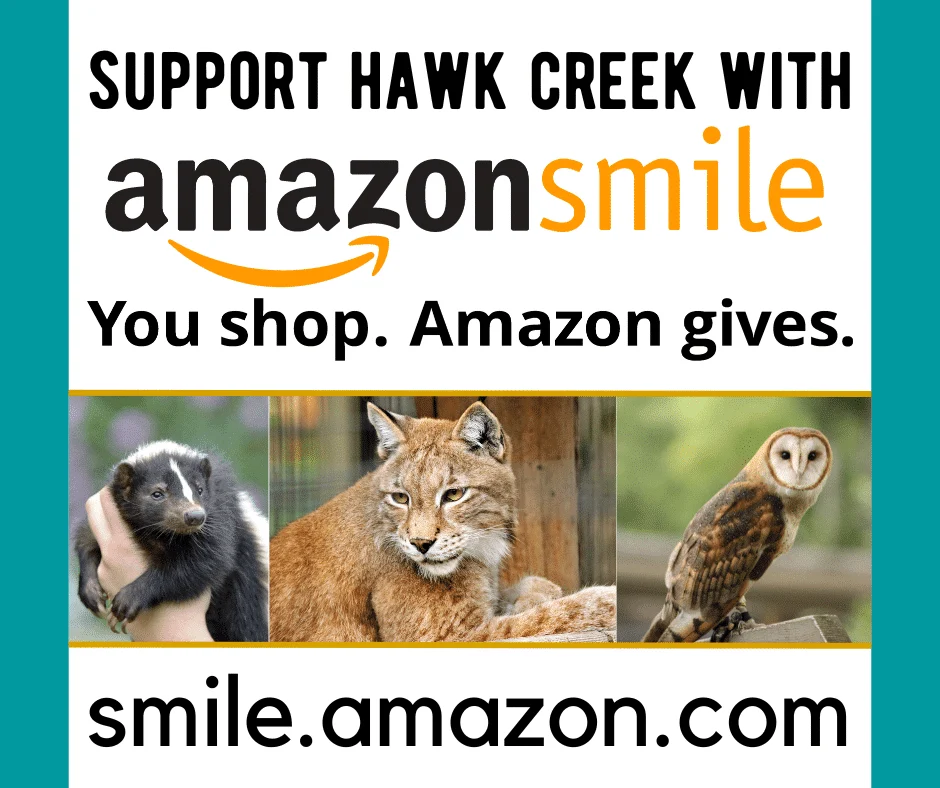
The intersection of e-commerce and wildlife conservation has become an increasingly vital lifeline for non-profit organizations, particularly those operating with limited operational budgets. Among these initiatives, the Amazon Smile program has served as a significant mechanism for public support, allowing consumers to direct a portion of their online spending toward specific charities. For organizations like the Hawk Creek Wildlife Center, this program represents a bridge between daily consumer habits and the preservation of biodiversity. By leveraging the scale of global digital marketplaces, small-scale non-profits can supplement their fundraising efforts without imposing additional financial burdens on their donors.
The Mechanism of Passive Philanthropy
Passive philanthropy, often referred to as "round-up" or "percentage-based" giving, has transformed how charities sustain their operations in the 21st century. The Amazon Smile program functions by allocating 0.5% of the purchase price of eligible products to a charity of the user’s choosing. This process is designed to be frictionless, requiring only a one-time selection of a preferred organization within the user’s account settings.
For the Hawk Creek Wildlife Center, which relies on the support of the community to provide medical care, rehabilitation, and habitat maintenance for various species, this passive income stream is critical. Unlike traditional fundraising campaigns that require active donor engagement, advertising, and direct solicitation, Amazon Smile operates in the background of the user’s regular shopping experience. This creates a sustainable model where the cost of the donation is covered by the retailer, not the consumer, effectively decoupling the act of giving from the consumer’s disposable income.
A History of Wildlife Rehabilitation and Public Engagement
The Hawk Creek Wildlife Center, situated in Western New York, has maintained a long-standing commitment to the education of the public and the rehabilitation of sick, injured, or orphaned wildlife. Established as a non-profit organization, its mission encompasses not only the immediate care of animals but also the broader goal of fostering an appreciation for natural ecosystems.
Over the decades, the center has evolved from a small rescue operation into a comprehensive facility that manages complex medical cases for avian and mammalian species. The operational costs associated with this mission—including specialized veterinary supplies, high-quality food, environmental enrichment, and the maintenance of large-scale flight enclosures—are substantial. Historically, non-profits of this nature have struggled with the volatility of donation cycles, often peaking during holiday seasons and dipping during the winter and spring months. Programs like Amazon Smile help to mitigate these seasonal fluctuations by providing a more consistent, albeit variable, flow of revenue based on general consumer activity.

Chronology of E-Commerce Integration
The integration of non-profits into digital ecosystems began in earnest during the early 2010s as retailers recognized the potential for social responsibility to drive customer loyalty. Amazon introduced its charitable arm in 2013, providing a platform for organizations to register and receive quarterly disbursements.
- 2013: Amazon launches the Smile program, enabling users to generate donations for registered 501(c)(3) public charitable organizations.
- 2015–2018: Hawk Creek Wildlife Center adopts the platform to diversify its revenue streams, encouraging supporters to shift their standard Amazon traffic to the dedicated portal.
- 2020: The COVID-19 pandemic forces a shift in donor behavior. As physical fundraising events are canceled due to health restrictions, the reliance on digital platforms like Amazon Smile becomes a focal point for organizational solvency.
- 2022–2023: The program continues to serve as a baseline support system, with the center updating its digital outreach to ensure that both desktop and mobile app users are aware of the configuration process.
Supporting Data and Financial Implications
While 0.5% may appear to be a modest figure, the cumulative impact of such donations can be significant when aggregated across a large donor base. Statistics regarding charitable e-commerce suggest that as digital literacy increases, so too does the participation rate in passive donation programs. For a facility like Hawk Creek, which maintains a specialized staff and high-end medical equipment, the annual revenue generated through such programs can cover the costs of routine medications or specialized dietary supplements for residents.
Analyses of non-profit funding structures indicate that "digital-first" donors are more likely to support organizations that demonstrate a high degree of transparency and ease of participation. By removing the barrier of entry—specifically, the need for a donor to write a check or enter credit card information for a separate transaction—the Amazon Smile model effectively lowers the "cost of acquisition" for the non-profit. The data suggests that for every 1,000 active supporters, the impact of a 0.5% donation rate can result in hundreds, or sometimes thousands, of dollars in annual, recurring revenue.
Official Guidelines and Operational Adjustments
For supporters wishing to contribute to the Hawk Creek Wildlife Center, the process is streamlined to ensure minimal disruption to the shopping experience. On desktop environments, the primary requirement is the usage of the smile.amazon.com URL. For mobile users, the Amazon App offers a specific "Settings" configuration, where users navigate to "Amazon Smile" and select the charity from a searchable database.
The center has emphasized that these contributions do not increase the price of the items purchased. This is a point of frequent clarification for potential donors who may be concerned about the impact on their personal budgets. By functioning as a corporate social responsibility (CSR) initiative, the program ensures that the donation is deducted from the retailer’s gross margin rather than being passed on to the consumer as a surcharge.
Broader Impact on Conservation Efforts
The implications of this model extend beyond immediate financial support. By engaging with supporters through digital platforms, Hawk Creek Wildlife Center maintains a consistent "top-of-mind" awareness among its donor base. Even if the actual dollar amounts fluctuate, the act of selecting the center as a preferred charity acts as a continuous, subtle endorsement of the organization’s mission.
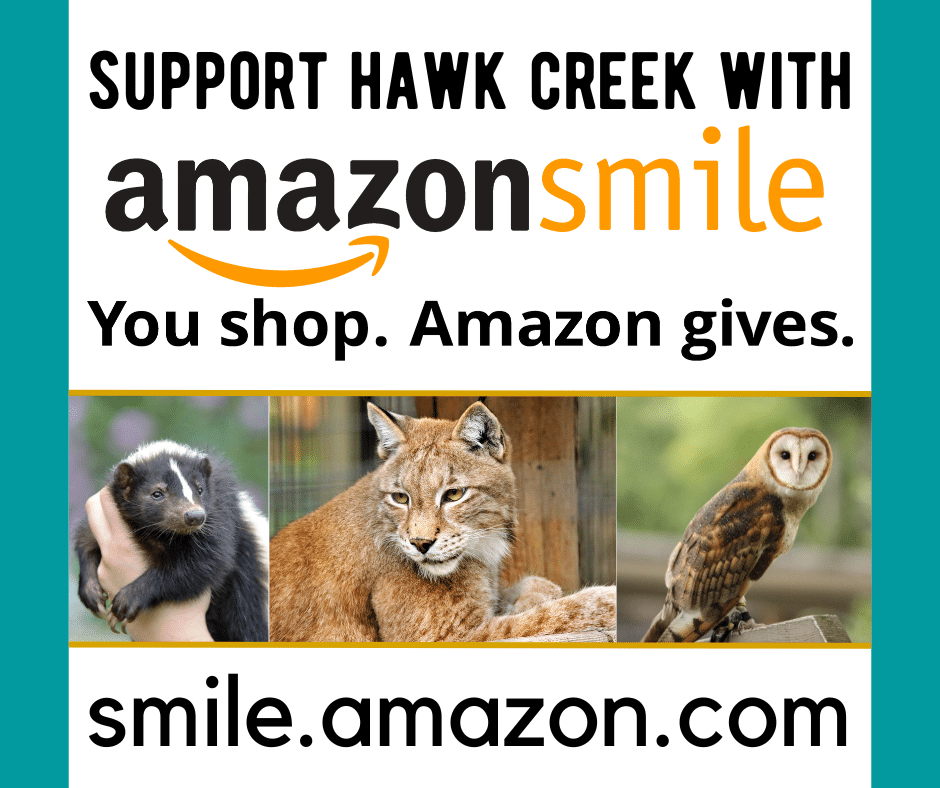
Furthermore, this method of fundraising aligns with the modern values of a digitally native generation. Younger demographics, who are statistically more likely to shop online and prioritize ethical consumption, are more inclined to participate in organizations that integrate social good into their everyday life. This long-term donor cultivation is essential for the longevity of the wildlife center. As the cost of veterinary medicine and habitat management continues to rise due to inflation and the increasing complexity of wildlife rescue, the need for diverse funding streams becomes an existential necessity.
Challenges and Future Considerations
While the Amazon Smile program offers a convenient avenue for funding, non-profits must remain wary of over-reliance on any single corporate platform. Changes in corporate policy, such as the discontinuation or modification of charitable programs, can impact a non-profit’s bottom line. Consequently, organizations like Hawk Creek often pair these programs with more direct fundraising channels, such as memberships, wildlife sponsorships, and educational programming.
The future of conservation funding will likely rely on a hybrid model. The digital ease of Amazon Smile, combined with the personal connection of local events and educational outreach, creates a robust financial framework. By diversifying how supporters can contribute, the Hawk Creek Wildlife Center ensures that its mission to protect local wildlife remains shielded from the vulnerabilities of the broader economic landscape.
Conclusion
The commitment of supporters to the Hawk Creek Wildlife Center remains the cornerstone of its success. Through simple, consistent actions—such as selecting the center as a preferred charity on digital platforms—the public plays a direct role in the survival and well-being of the animals in the center’s care. As the facility looks toward the future, the integration of these digital tools will continue to be a vital component of its strategy to provide high-quality care for wildlife in need, proving that even the smallest contributions, when gathered together, can result in a significant positive impact for the natural world.
