
The Hawk Creek Wildlife Center has officially unveiled its schedule for three high-profile events taking place throughout June, designed to blend immersive educational experiences with community engagement and fundraising efforts. The center, a non-profit organization dedicated to the rehabilitation, education, and preservation of wildlife, intends to showcase its diverse collection of ambassador animals—ranging from predatory raptors to exotic mammals—through interactive sessions, specialized photography opportunities, and international-themed fundraising galas. These events represent a significant shift toward experiential learning, aiming to bridge the gap between human visitors and the natural behaviors of species often hidden from public view.
A Chronology of June Conservation Programming
The June programming schedule is strategically staggered to cater to different demographics, starting with family-oriented education, moving into professional-grade photography, and concluding with an adult-focused charitable initiative.
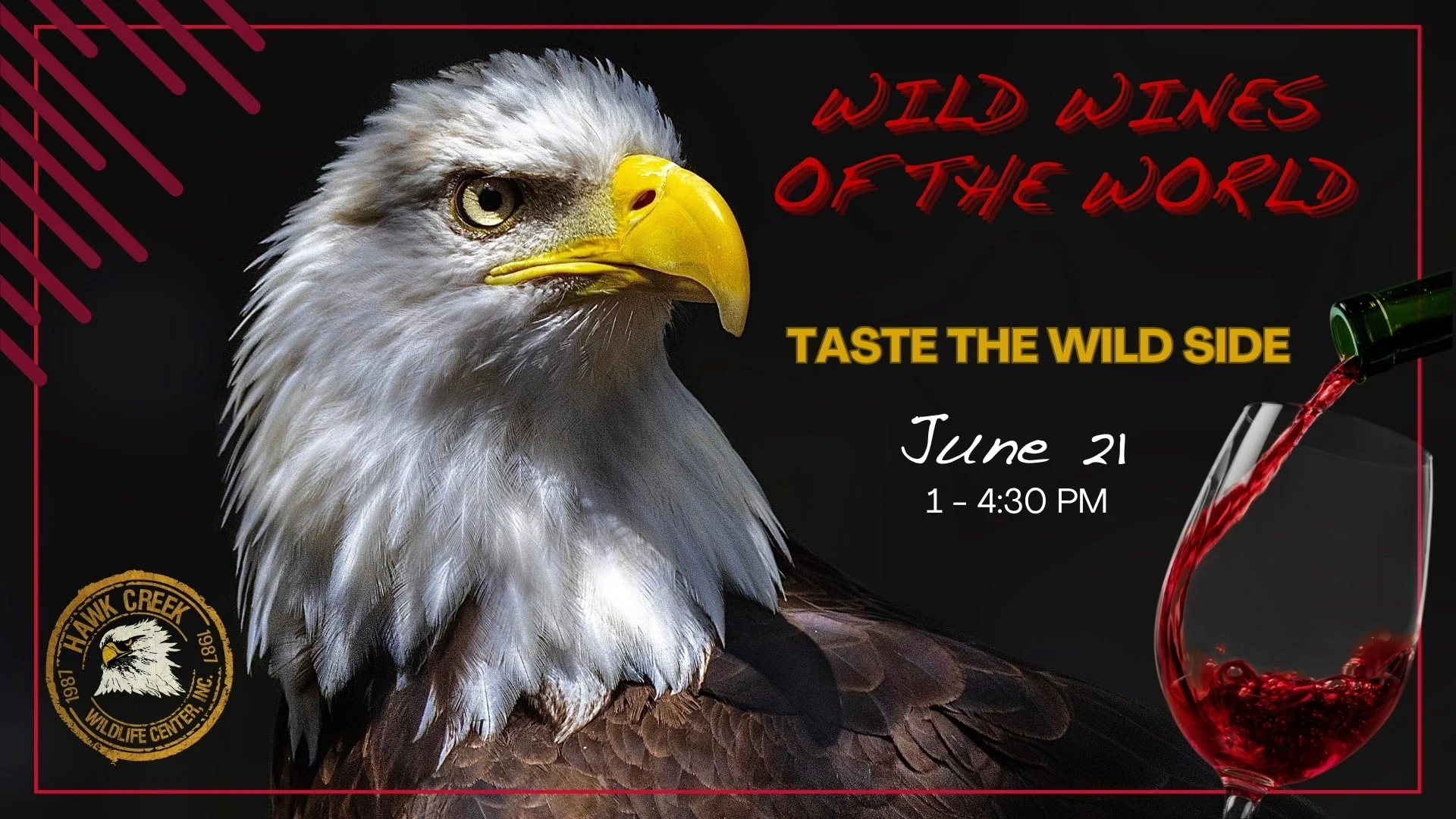
The series commences on June 14 with Animal Play Day, scheduled from 1:00 p.m. to 4:00 p.m. This event serves as the cornerstone of Hawk Creek’s public outreach, focusing on the biological necessity of environmental enrichment. On June 17, the center shifts its focus to a niche audience with Wild Photo Day, operating from 10:00 a.m. to 12:30 p.m. This event is designed to facilitate high-quality wildlife imagery in controlled, barrier-free environments. Finally, on June 21, the center will host its third annual "Wild Wines of the World" fundraiser from 1:00 p.m. to 4:30 p.m. This event serves as the primary financial engine for the month, utilizing a global theme to correlate the habitats of resident animals with international viticulture.
Animal Play Day: Bridging the Gap Between Behavior and Enrichment
The primary objective of the June 14 Animal Play Day is to demystify the rigorous training and enrichment protocols used at Hawk Creek. Animal enrichment—the practice of providing sensory experiences that encourage natural behaviors—is a vital component of captive wildlife welfare.
According to conservation biologists, the cognitive stimulation provided by puzzle-solving and foraging is essential to prevent stereotypic behaviors in captive animals. During the event, visitors will witness the practical application of these theories. The itinerary includes live demonstrations of corvids (such as crows and ravens) interacting with complex puzzles, wild cats exhibiting natural stalking behaviors, and mammals engaging in foraging simulations.
The educational value of this event is underscored by the inclusion of flying raptor demonstrations. These sessions allow the public to observe the physiological power of birds of prey, providing a firsthand look at the aerodynamics and flight mechanics that sustain these apex predators. By opening these "behind-the-scenes" processes to the public, Hawk Creek aims to foster a deeper understanding of the labor and expertise required to maintain high standards of animal husbandry.
Professional Wildlife Documentation: The Wild Photo Day Initiative
On June 17, the center will pivot to address the needs of the photography community. Wildlife photography is a significant sub-industry, yet many enthusiasts lack access to "up-close" environments where they can document animals without the interference of safety caging or plexiglass barriers.
Wild Photo Day is restricted by pre-registration to ensure that the environment remains calm for both the animals and the photographers. By limiting the attendance, the center maintains a professional atmosphere conducive to high-resolution documentation. Participants will have access to eagles, owls, and various wild cats, providing a diverse portfolio of subjects. This initiative reflects a broader trend in wildlife education where institutions act as facilitators for hobbyists and professionals alike, encouraging the dissemination of high-quality wildlife imagery to aid in public advocacy and awareness.
Wild Wines of the World: A Strategic Fundraising Model
The June 21 fundraiser, "Wild Wines of the World," highlights the evolving business models of non-profit wildlife sanctuaries. As public grants for conservation become increasingly competitive, institutions are diversifying their revenue streams through event-based philanthropy.
This event is uniquely curated to pair the geographic origins of the center’s ambassador animals with regional wines. For instance, the center’s Egyptian Vulture, Cleo, provides a thematic anchor for wines originating from the Mediterranean region, while the Bobcat, Rufus, represents North American varieties. This pedagogical approach serves a dual purpose: it educates attendees on the natural habitats of these species while simultaneously providing a high-end social experience that justifies the premium ticket pricing.
Beyond the tasting, the event functions as an intimate gala. The inclusion of live music, the opportunity to feed a porcupine, and the ability to hold a non-native raptor under staff supervision are designed to create a sense of exclusivity. This "VIP" experience is a tactical approach to donor retention, ensuring that long-term supporters feel personally connected to the individual animals they are helping to sustain.
Data-Driven Conservation and Operational Logistics
The logistics of these events are managed to maximize accessibility while maintaining strict safety standards. For the Animal Play Day, the center has tiered its pricing to ensure affordability for families, with free admission for children aged four and under and discounted rates for veterans and seniors. This reflects a commitment to community accessibility, ensuring that economic status does not act as a barrier to wildlife education.
In terms of operational sustainability, Hawk Creek’s decision to operate these events "rain or shine" demonstrates a high level of logistical planning, requiring significant investment in onsite facilities. The center’s reliance on ticket sales—which can be processed via digital platforms or at the gate—demonstrates an integration of modern ticketing infrastructure to manage crowd flow and gather attendee analytics.
Broader Impact and Implications for Wildlife Advocacy
The implications of these events extend beyond the immediate fiscal benefit to the center. By creating a schedule that integrates education, photography, and fundraising, Hawk Creek is positioning itself as a hub for community engagement. In the context of modern wildlife conservation, the role of the public is twofold: as a financial donor and as a witness to the realities of animal rehabilitation.
The "Wild Wines of the World" event, in particular, illustrates the intersection of social consumption and conservation advocacy. By linking the enjoyment of wine to the plight of endangered or rescued animals, the center creates a memorable experience that reinforces the message of environmental stewardship. This strategy is increasingly common among accredited zoological institutions that recognize the power of "edutainment" in driving public interest in habitat protection.
Furthermore, the focus on enrichment during the Animal Play Day serves a secondary function: it demonstrates to the public that the animals are not merely on display, but are active, intelligent, and autonomous beings. This serves to counteract common criticisms of wildlife centers that rely solely on visual displays. By showing the training process, Hawk Creek validates its ethical standards and transparently communicates its welfare protocols.
Official Stance and Future Outlook
While specific statements from the center’s leadership on these exact events remain focused on the educational outcomes, the broader philosophy of the organization is clear: the survival of wild species depends on public empathy, which is best fostered through direct interaction. As urban sprawl continues to encroach on natural habitats, the role of centers like Hawk Creek becomes increasingly critical as a repository for species that can no longer survive in the wild.
The June schedule is not merely a collection of events but a deliberate campaign to solidify the center’s position within the local community. By offering varied entry points—from the family-centric Animal Play Day to the sophisticated fundraising environment of the wine event—Hawk Creek is maximizing its outreach potential.
As the center prepares for these events, the coordination between its conservation experts, animal trainers, and administrative staff remains the primary factor in ensuring the safety of the animals and the satisfaction of the public. Attendees are encouraged to book early, as events like the Wild Photo Day have capped attendance numbers to maintain the integrity of the photographic experience. Through these initiatives, Hawk Creek continues its mandate to foster a society that values, understands, and actively participates in the preservation of the natural world.
