
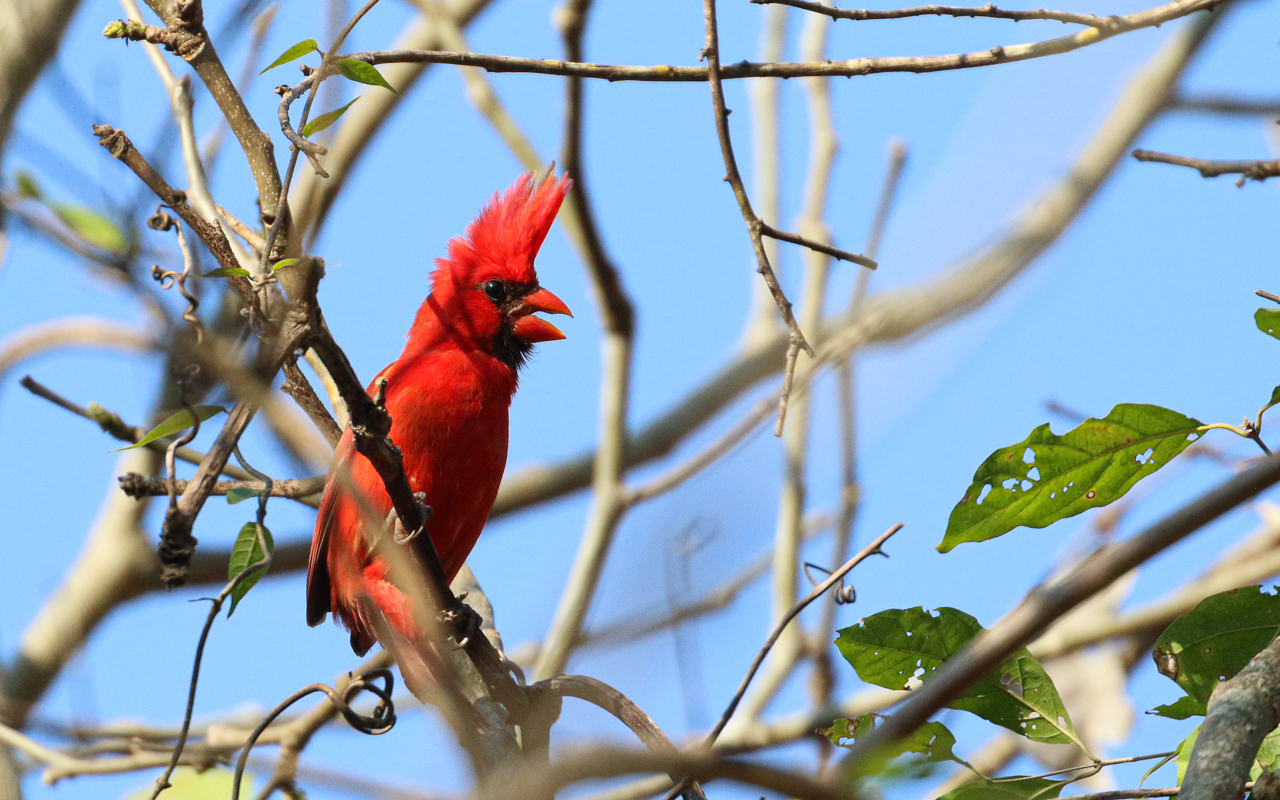
Southern Mexico has long been recognized as a global hotspot for avian biodiversity, serving as a critical bridge between Nearctic and Neotropical eco-zones. A recent 14-day ornithological expedition through the states of Oaxaca, Chiapas, Campeche, and Tabasco has underscored this status, documenting a remarkable 407 species of birds, with an additional 21 species recorded through vocalizations. This survey, which traversed a vast array of ecosystems—from xeric scrub and high-altitude cloud forests to humid tropical jungles and expansive freshwater marshes—highlights the biological complexity of the region and the ongoing importance of habitat conservation for both endemic and migratory species.

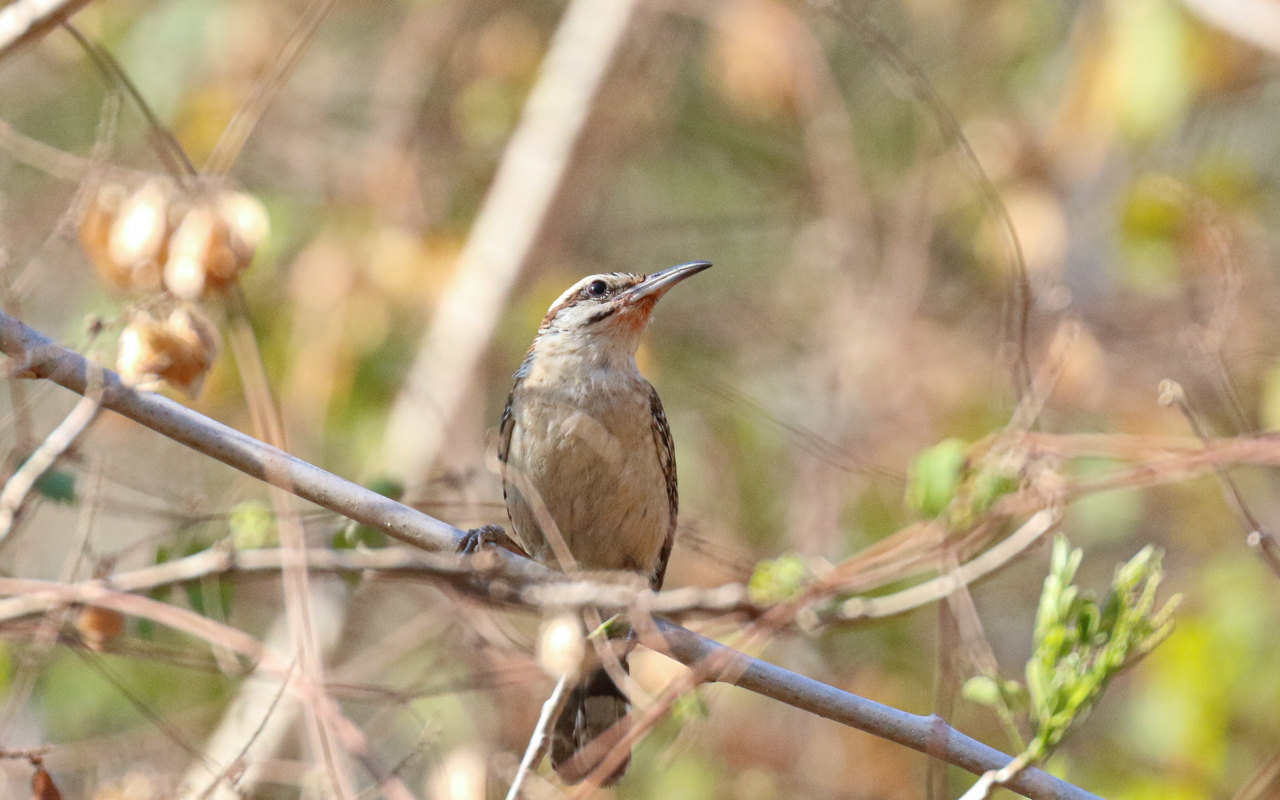
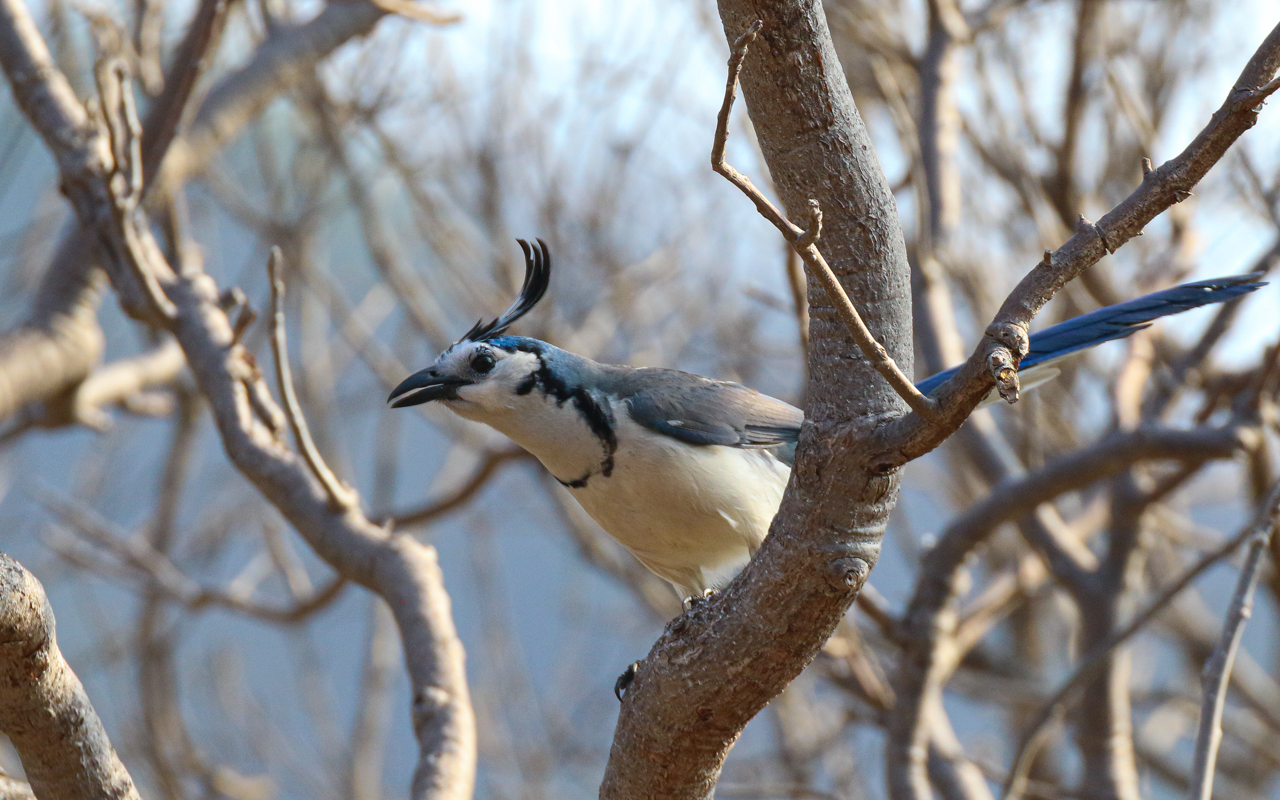
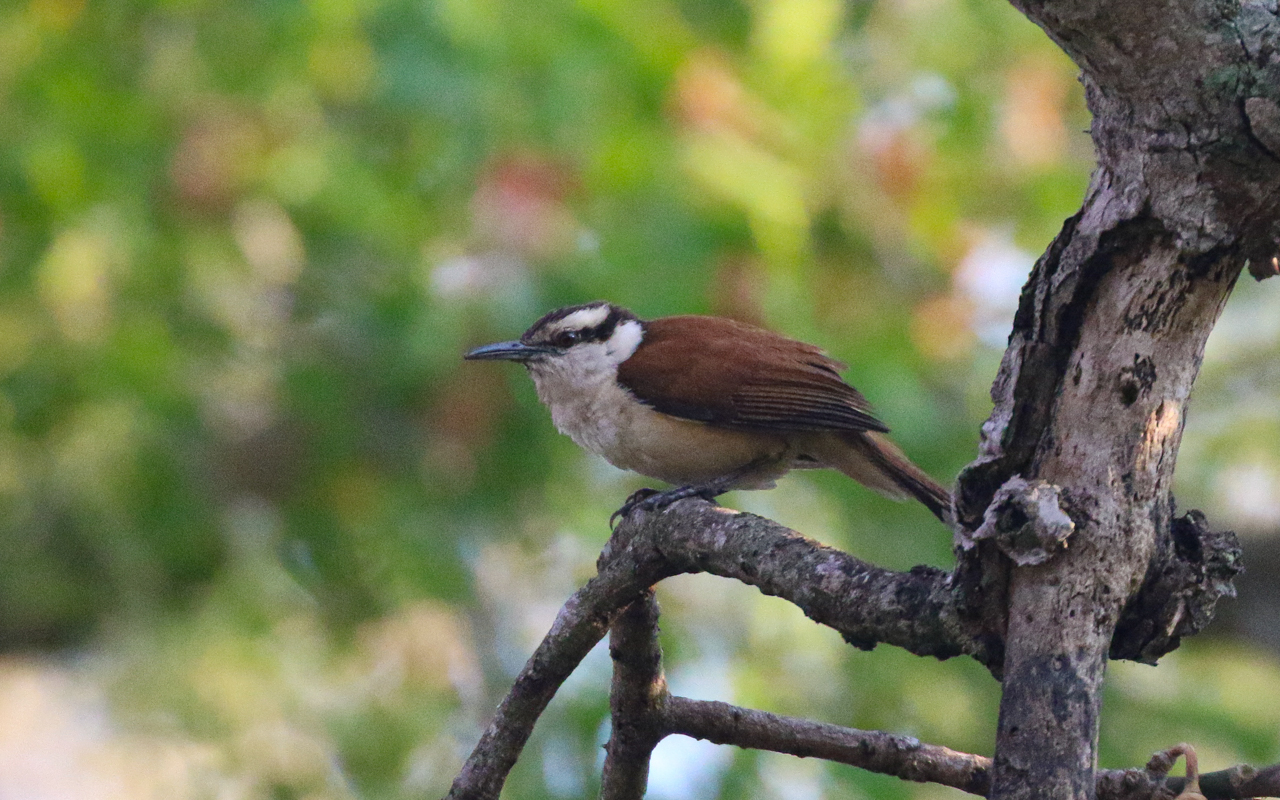
The expedition’s findings were dominated by several key families that characterize the richness of Mesoamerican birdlife. Observations included 26 species of hummingbirds, 6 species of trogons, 12 species of woodpeckers, 8 species of jays, 16 species of wrens, 18 species of sparrows, 36 species of warblers, and 8 species of orioles. These figures represent a significant cross-section of the region’s resident birds and highlight the seasonal influx of migratory species moving along the Mesoamerican corridor.

The Oaxacan Highlands: Endemism in Xeric and Temperate Forests
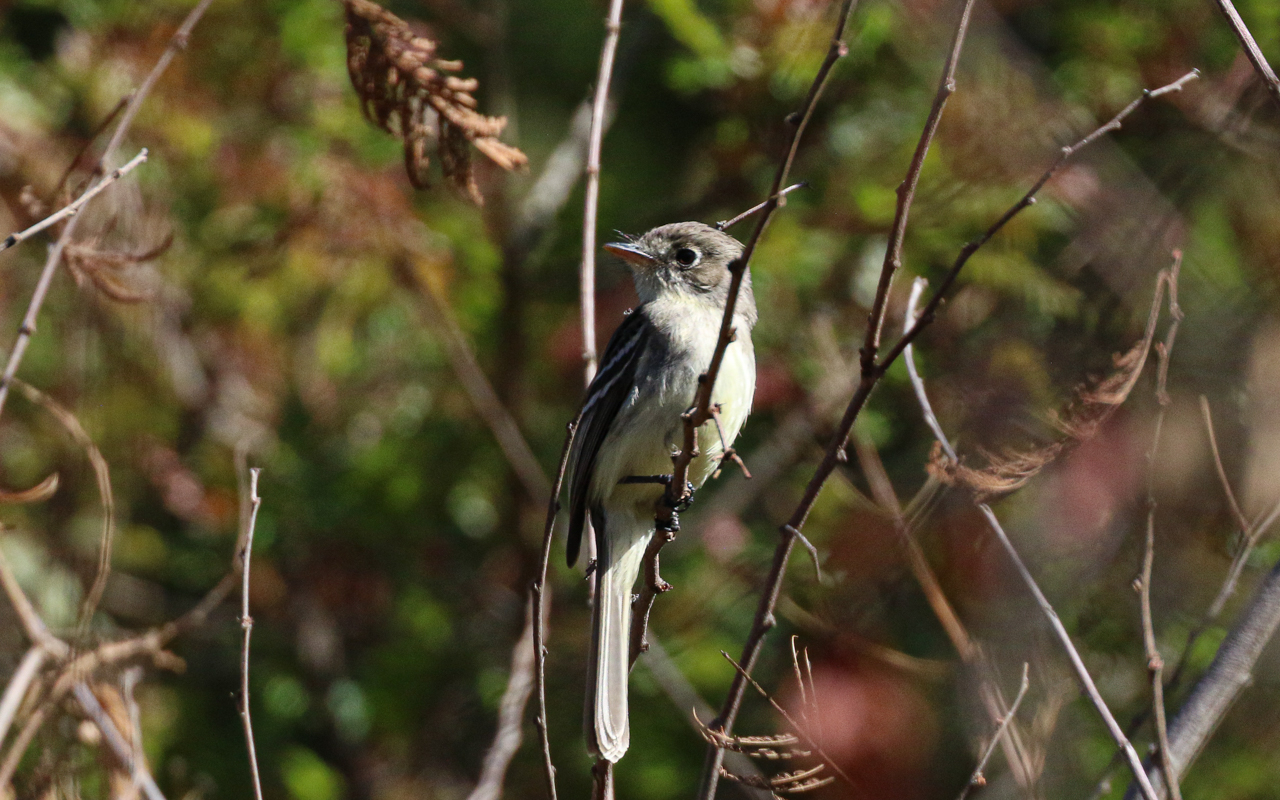
The survey commenced in the Central Valley of Oaxaca, a region defined by its rain-shadow effect and unique xeric scrub vegetation. At the foot of the Sierra Madre de Oaxaca, the group documented several high-priority endemics, including the West Mexican Chachalaca, Pileated Flycatcher, and the Oaxaca Sparrow. The presence of the Dwarf Vireo and Blue Mockingbird further confirmed the health of these scrubland ecosystems, which are often overlooked in favor of more lush tropical environments.
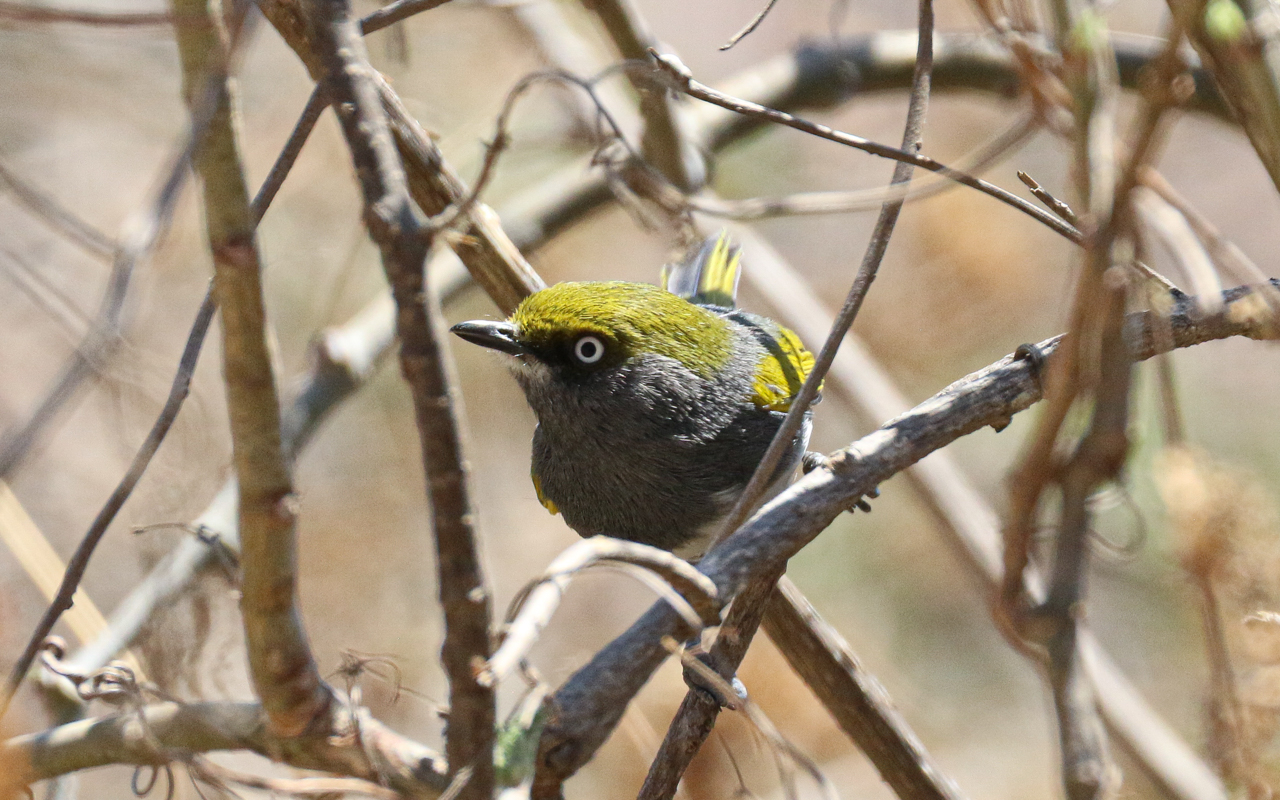
As the expedition ascended the Sierra Madre de Oaxaca towards the northern reaches of Teotitlán del Valle, the habitat transitioned into oak and pine-oak forests. This altitudinal shift revealed a different suite of species, including the Painted Redstart and the South Mexican subspecies of the Hairy Woodpecker. The group also integrated cultural analysis into their itinerary, visiting traditional Zapotec weaving workshops in Teotitlán del Valle, where natural dyes derived from the environment reflect the deep historical connection between the local community and the regional ecology.
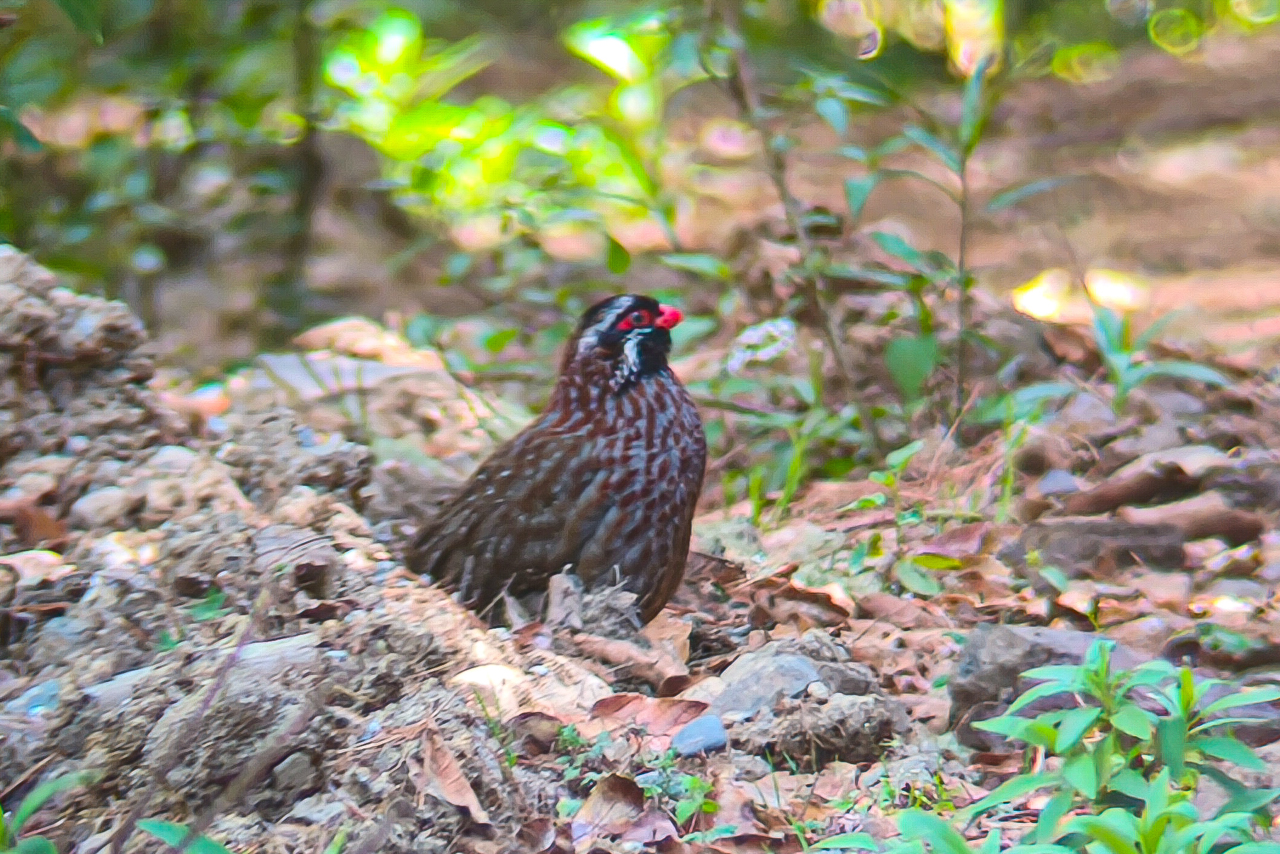
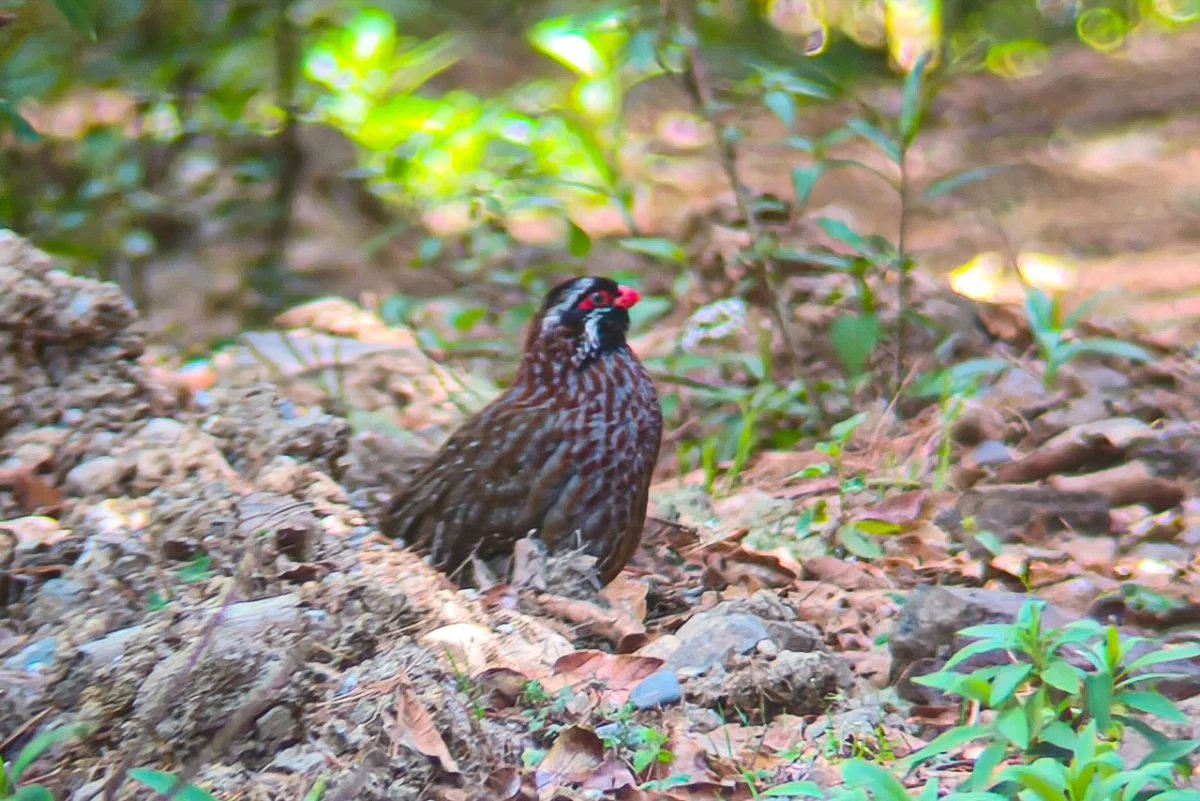
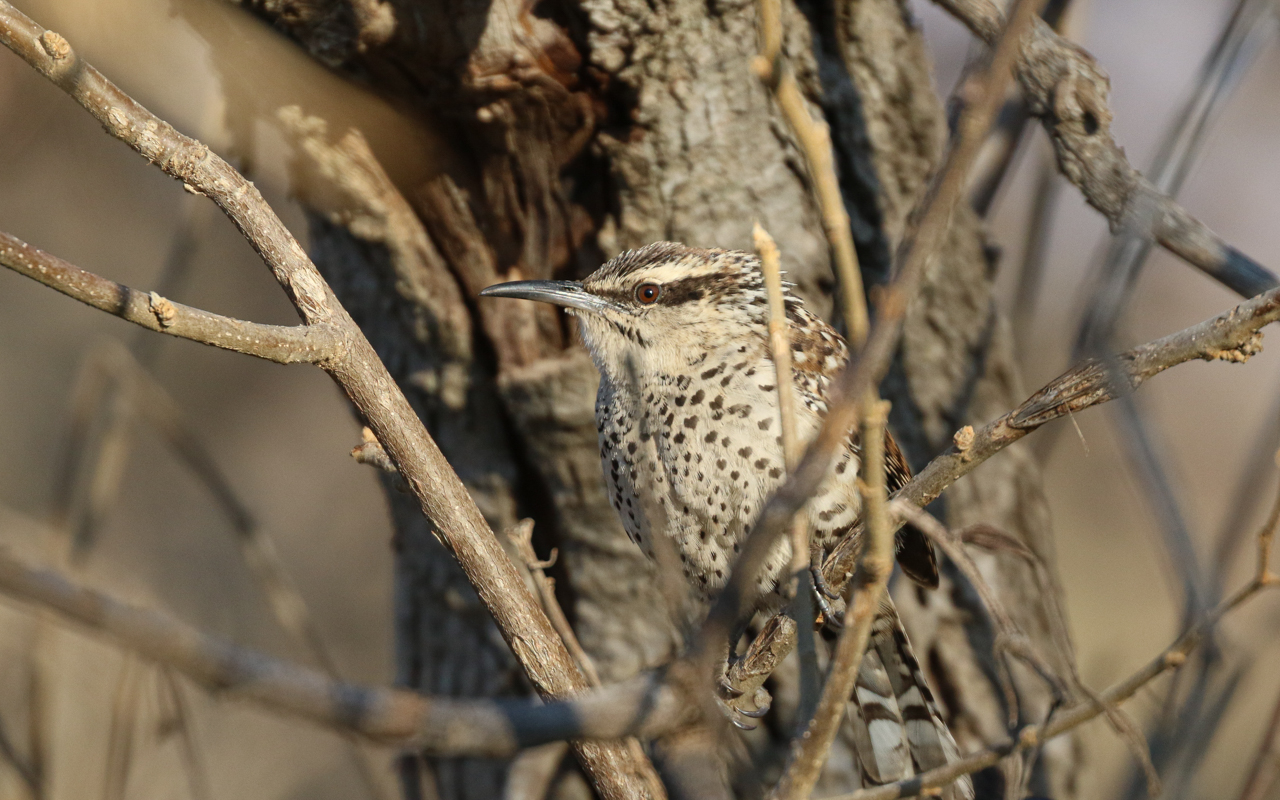
At higher elevations, specifically within the core area of Cumbre Ixtepeji, the survey recorded the Red Warbler (White-cheeked) and the Mountain Trogon. One of the most significant sightings in this humid pine-oak zone was a mixed-species flock of Gray-barred Wrens and Dwarf Jays. Such associations are of high interest to behavioral ecologists, as these species often travel together to increase foraging efficiency and predator detection. The observation of a Long-tailed Wood-Partridge, a species typically known for its reclusive nature, provided rare data on the species’ presence in moss-covered oak glens.

Archaeological Zones as Avian Refuges: Monte Albán and Palenque
A recurring theme of the expedition was the role of archaeological zones as de facto nature reserves. At Monte Albán, a Zapotec metropolis dating back to 500 BC, the surrounding protected vegetation supported populations of Boucard’s Wren and the Ocellated Thrasher. The survey successfully recorded five individuals of the latter, a species frequently sought by researchers for its complex vocalizations. The appearance of a Slaty Vireo and a Lesser Roadrunner within the archaeological perimeter emphasizes how these historical sites provide essential "islands" of habitat amidst encroaching agricultural and urban development.
Later in the journey, the expedition reached the Mayan ruins of Palenque in Chiapas. Situated within the humid tropical forests of the Petén region, Palenque offered a stark contrast to the dry highlands of Oaxaca. The site served as a vantage point for observing canopy-dwelling species such as the Keel-billed Toucan, Scarlet Macaw, and the Bat Falcon. The integration of high-canopy rainforest with ancient stone structures creates a unique micro-environment where species like the White-collared Swift and various hermit hummingbirds thrive.
Trans-Isthmian Dynamics and the Pacific Slope
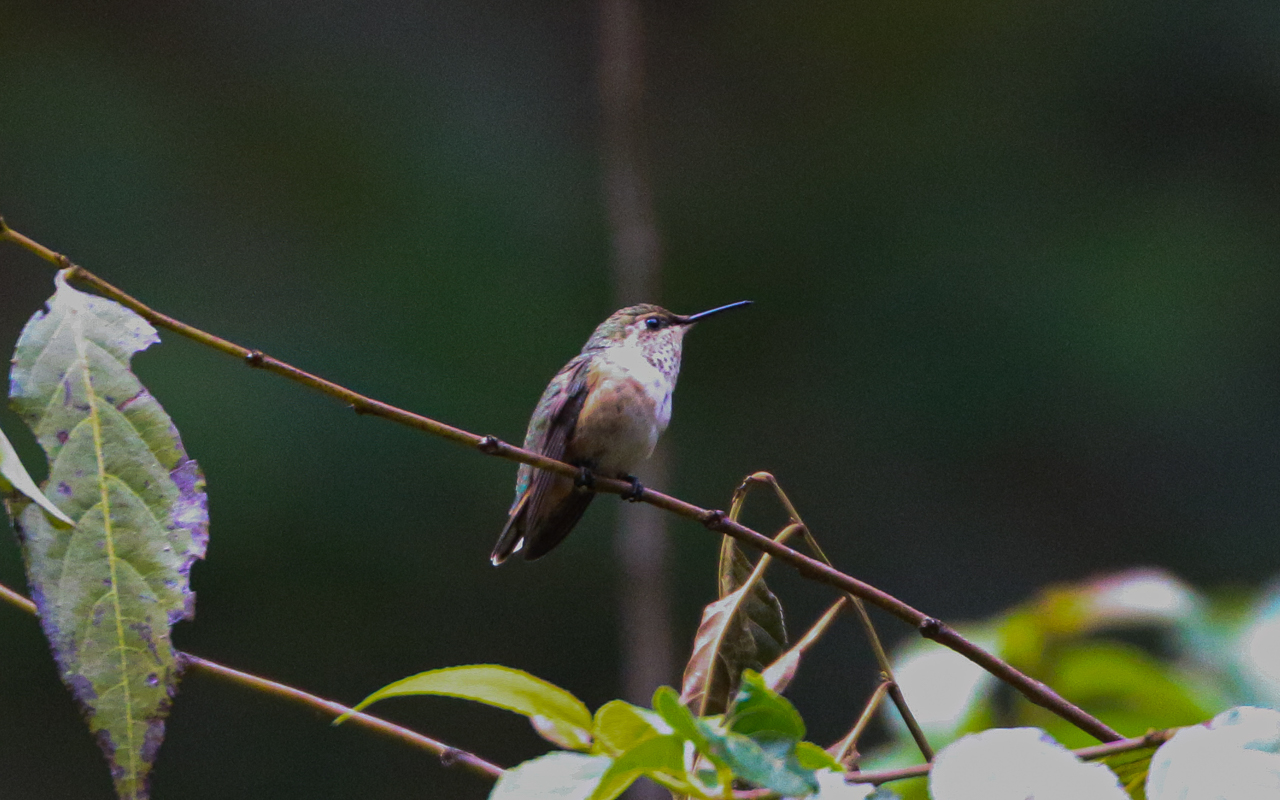
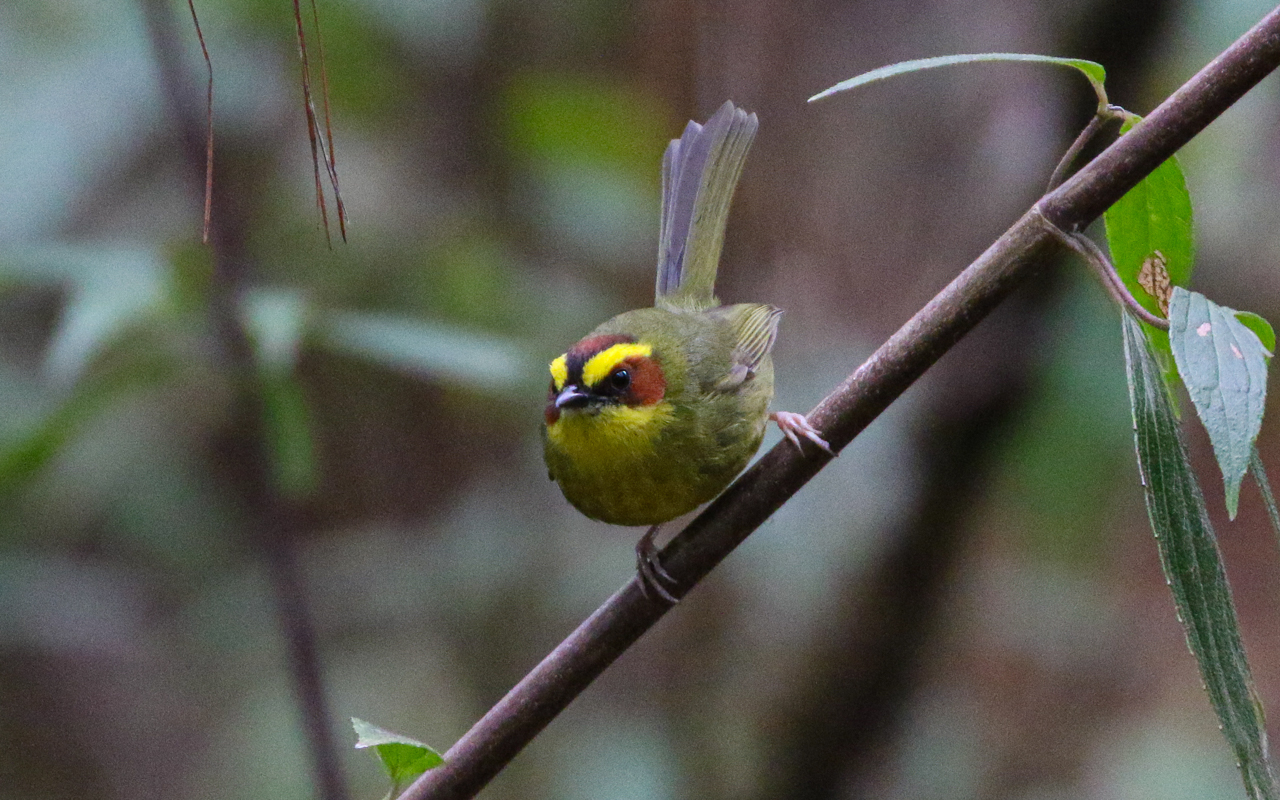
Moving south into the Sierra Madre del Sur, the survey documented the transition from cloud forest to Pacific tropical dry forest. In the high-altitude gardens of Cabañas Puesta del Sol, the presence of the Mexican Hand Tree (Chiranthodendron pentadactylon) acted as a major attractant for nectar-feeding species, including the Cinnamon-bellied Flowerpiercer and the Blue-throated Mountain-gem. The group also recorded the Bumblebee Hummingbird, one of the smallest avian species in the world, alongside the Golden-browed Warbler.
The descent to the Pacific coast through Huatulco National Park revealed a surge in endemism related to the Western Mexican biome. Notable records included the Turquoise-crowned Hummingbird, Citreoline Trogon, and the Lilac-crowned Amazon. The Isthmus of Tehuantepec, the narrowest point between the Gulf of Mexico and the Pacific Ocean, presented a challenging environment characterized by low-stature trees and high winds. Despite these conditions, the survey located the Rose-bellied Bunting (also known as Rosita’s Bunting), a micro-endemic species whose range is restricted to a small area of the Isthmus.
The Chiapas Depression and the Sumidero Canyon
The expedition’s transit through Chiapas included a detailed survey of the Sumidero Canyon, a geological marvel with vertical walls rising nearly 1,000 meters. The canyon acts as a vertical transect of ecosystems, ranging from dry deciduous forest at the base to temperate oak elements at the rim. Here, the group witnessed a spectacular mixed-species flock feeding on an ant swarm, a phenomenon that included the Red-throated Ant-Tanager and the Ivory-billed Woodcreeper.
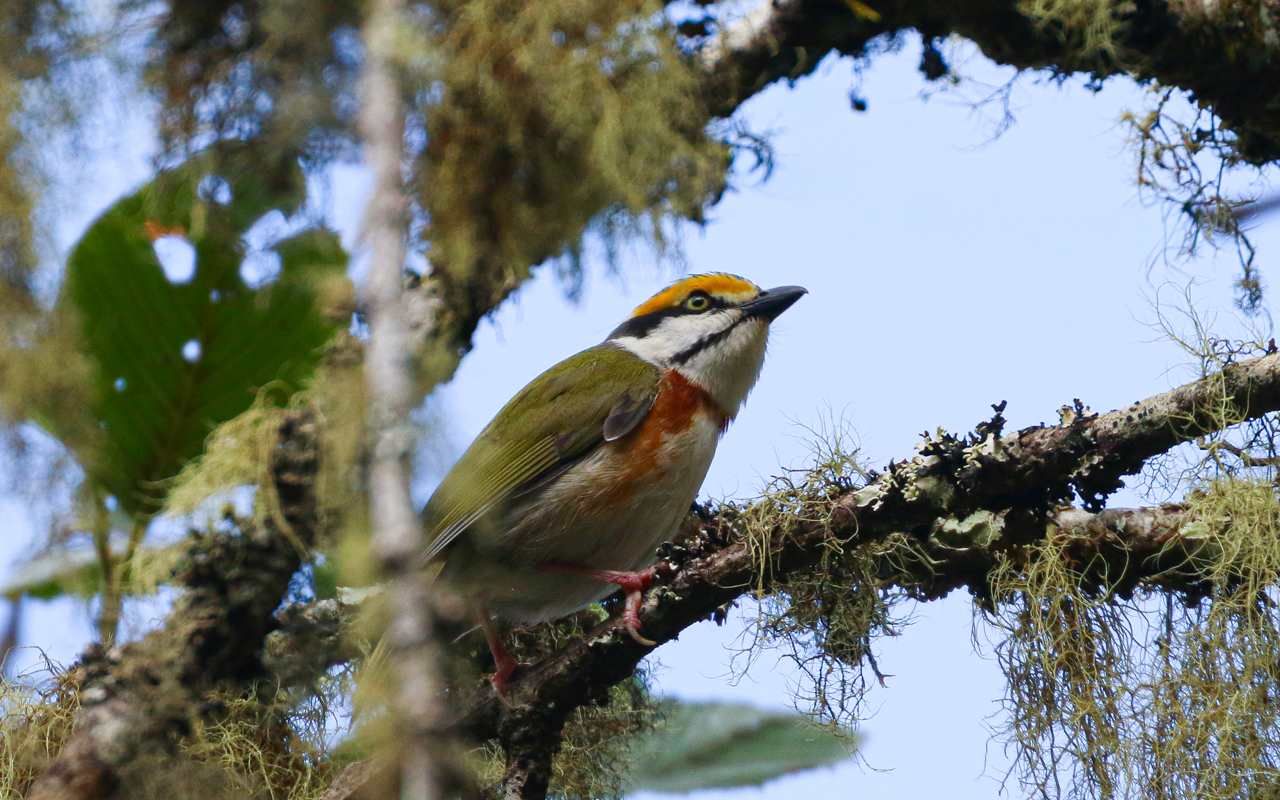
In the highlands near San Cristóbal de las Casas, the survey focused on the Montetik Reserve and Tzontehuitz. These areas are critical for the survival of the Pink-headed Warbler, a high-altitude specialist whose striking plumage makes it an icon of Chiapas birdlife. The group also documented the Belted Flycatcher and the Unicolored Jay, species that are increasingly threatened by habitat fragmentation in the Central American pine-oak corridors.
The Aquatic Frontiers: Centla Marshes and the Jabiru
The final leg of the expedition took place in the state of Tabasco, specifically within the Centla Marshes, often referred to as "Mexico’s Little Pantanal." This vast wetland complex at the confluence of the Grijalva and Usumacinta rivers is one of the most important hydrological systems in North America. The survey recorded a massive concentration of waterfowl and wading birds, including 31 individuals of the Jabiru, the largest stork in the Americas and a species of significant conservation concern in Mexico.
The marshes also yielded sightings of the Pinnated Bittern and a diverse array of migratory shorebirds, such as the Pectoral Sandpiper and Greater Yellowlegs. The presence of migrating Mississippi Kites—observed in a group of thirty—signaled the seasonal movement of raptors through the Tabasco lowlands, a vital flyway for birds returning to northern breeding grounds.

Implications for Conservation and Ecotourism
The documentation of 407 species over a 14-day period serves as a powerful indicator of the ecological health and diversity of Southern Mexico. However, the expedition also noted the ongoing pressures of land-use change. The reliance on protected areas, such as the El Ocote Biosphere Reserve—where the group successfully located the micro-endemic Nava’s Wren—underscores the necessity of formal conservation frameworks.
The data gathered during this tour contributes to a broader understanding of species distribution and seasonal timing. From a socio-economic perspective, the success of such birding expeditions demonstrates the viability of high-value ecotourism as a sustainable alternative to extractive industries. By providing economic incentives to local communities, such as the workshop participants in Oaxaca or the guides in Chiapas, birding tourism fosters a grassroots commitment to environmental stewardship.
In conclusion, the survey of Southern Mexico’s avian populations reveals a landscape of immense biological value. The transition from the arid valleys of Oaxaca to the lush wetlands of Tabasco represents one of the most diverse ecological transects in the Western Hemisphere. Continued monitoring and habitat protection will be essential to ensure that these 400-plus species, including the rare Jabiru and the elusive Nava’s Wren, continue to thrive in an increasingly changing world.
