
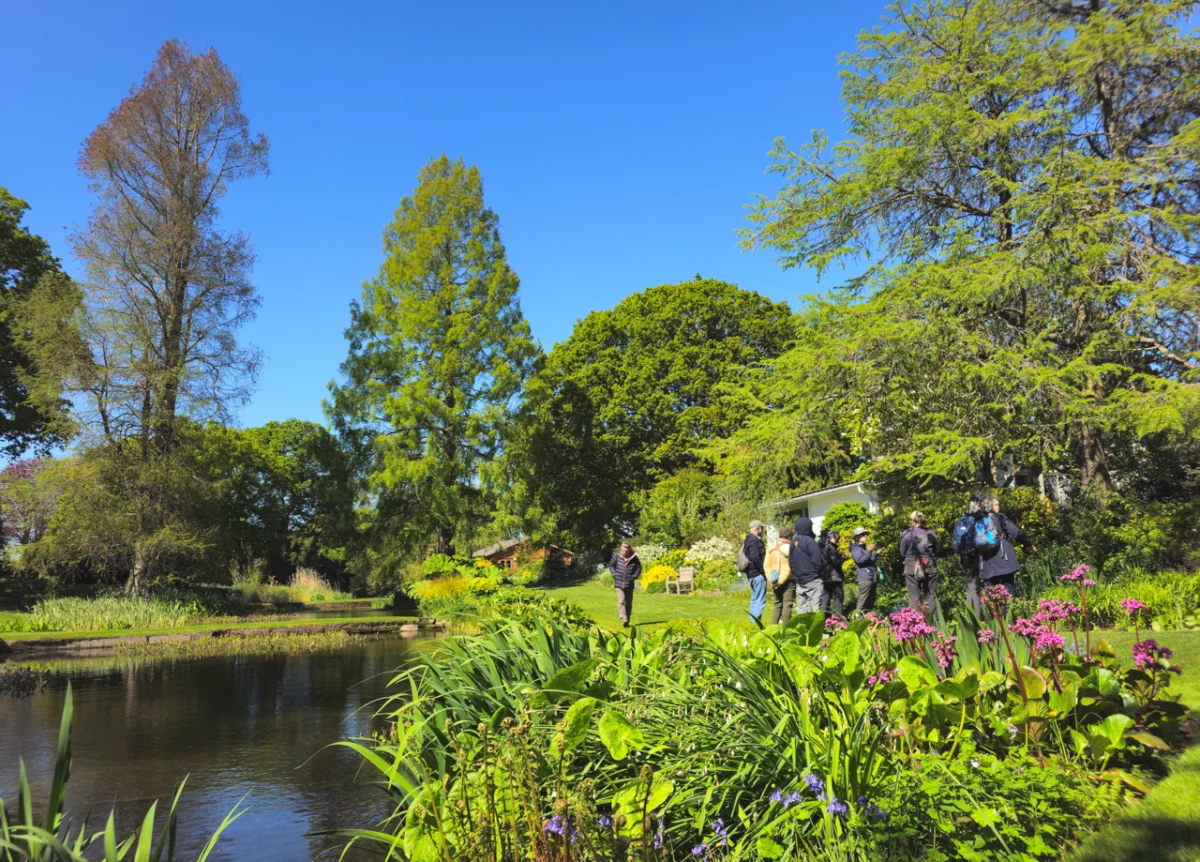
The intersection of professional horticulture and ornithological exploration reached a new pinnacle this season during a ten-day guided tour across the diverse landscapes of Eastern England. Spanning from the historic glasshouses of London to the wild, windswept marshes of the North Norfolk coast, the expedition provided a rigorous survey of the region’s most significant biological and botanical assets. The itinerary was strategically designed to highlight the synergy between managed formal gardens and the preservation of native avian habitats, a theme increasingly relevant in contemporary conservation discourse. Participants documented an impressive array of species, ranging from the elusive Dartford Warbler to the exotic-looking Eurasian Spoonbill, while gaining intimate access to world-renowned gardens such as the Royal Botanic Gardens, Kew, and the ecological masterpiece of Beth Chatto.
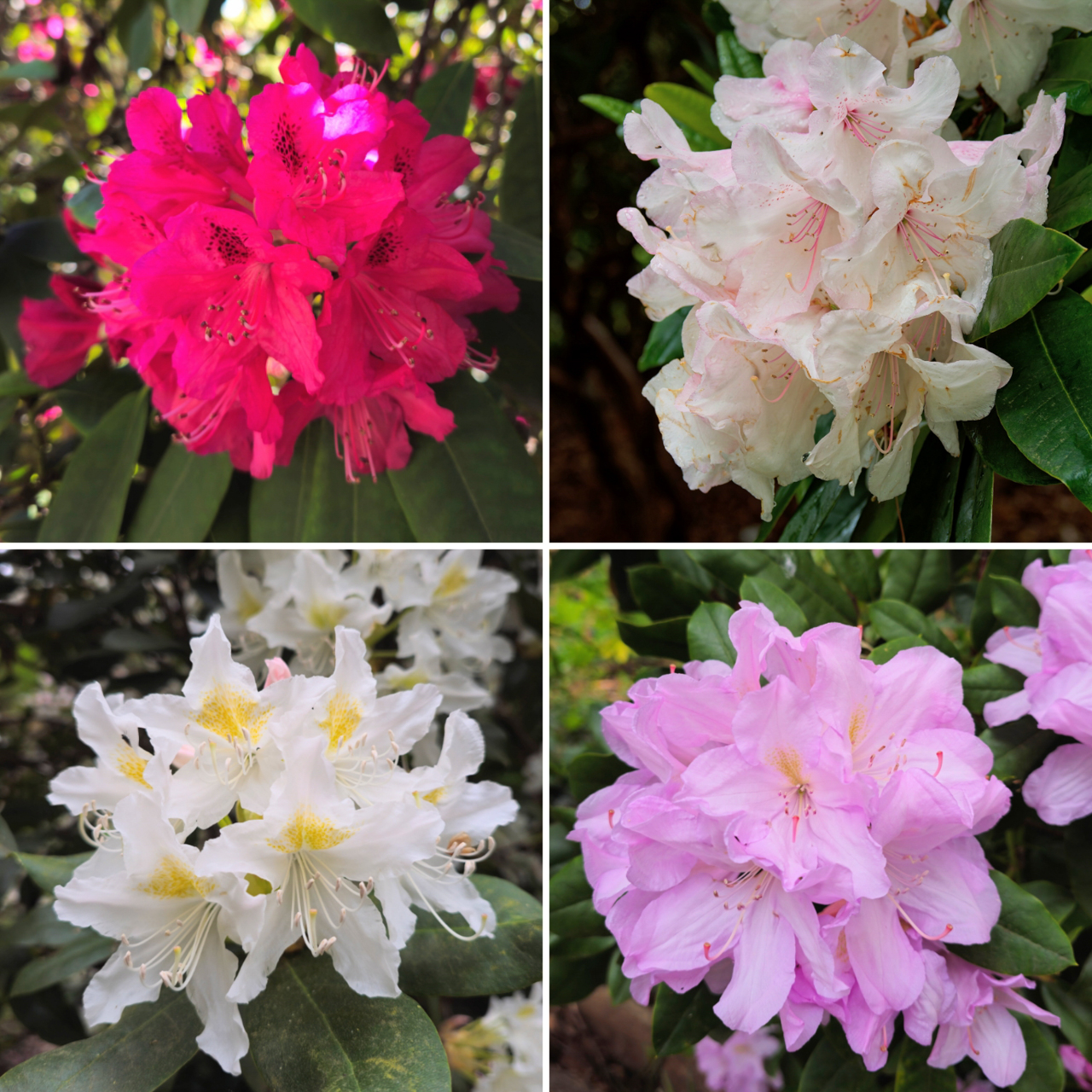
The Botanical Gateway: London and the Thames Corridor
The tour commenced at the Royal Botanic Gardens, Kew, a UNESCO World Heritage site that serves as a global leader in plant science and conservation. Situated on the western fringe of London, Kew provides a unique urban oasis where native British wildlife interacts with a vast international collection of flora. The initial phase of the journey focused on the River Thames, where observers identified the Grey Heron and the prolific Rose-ringed Parakeet. The latter, an Afro-Asian species that has successfully naturalized in the United Kingdom, served as a primary example of avian adaptation within urban ecosystems.
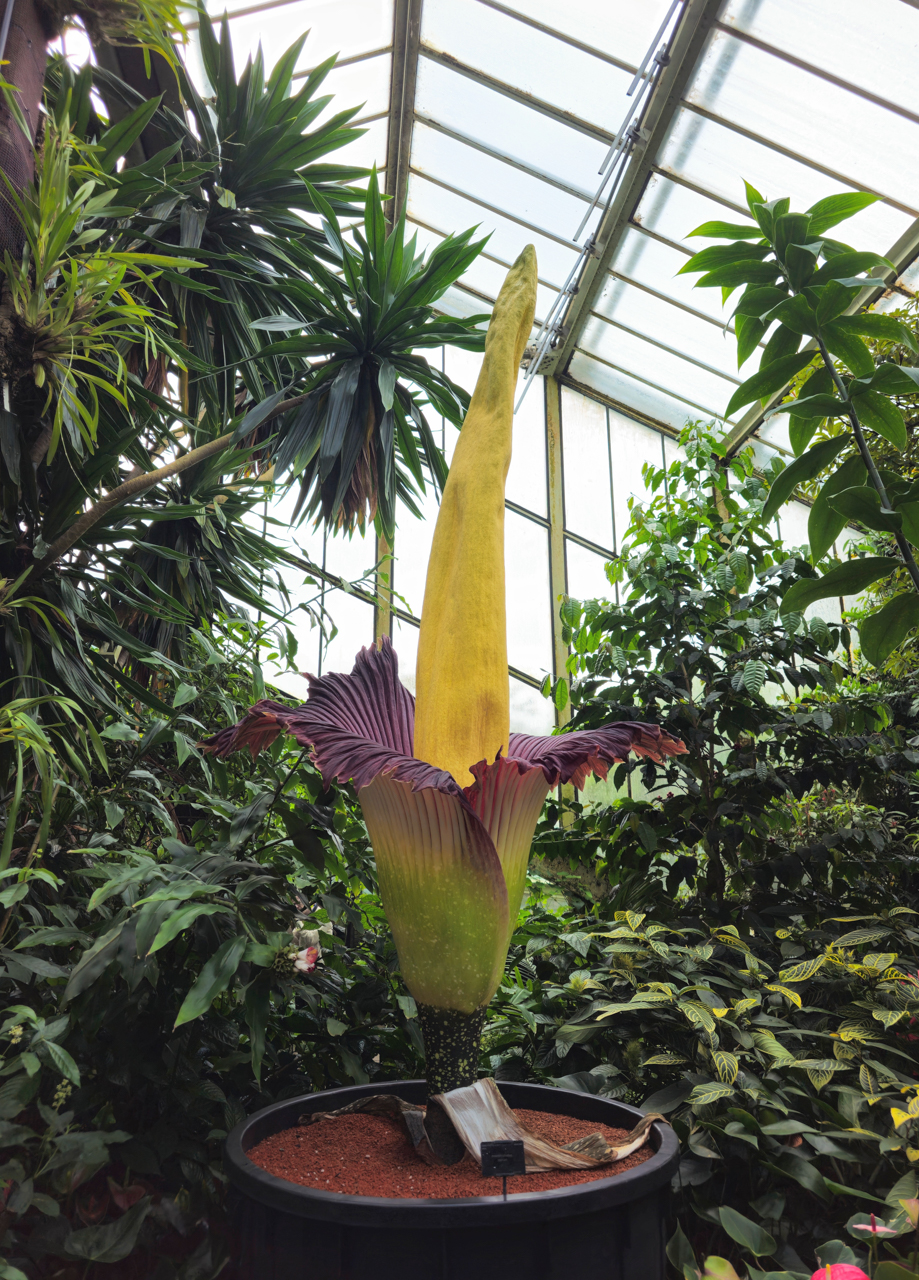
A significant highlight of the visit to Kew was the rare blooming of the Amorphophallus titanum, commonly known as the Titan Arum or "corpse flower." Native to Sumatra, this plant is famous for its massive inflorescence and pungent odor, which mimics decaying organic matter to attract pollinators. The timing of the tour coincided with the peak of this botanical event, offering a rare opportunity to observe one of the world’s most dramatic horticultural displays. Beyond the exotic, the gardens provided sightings of Mistle Thrushes and Eurasian Green Woodpeckers, emphasizing the value of high-quality urban green spaces for resident bird populations.
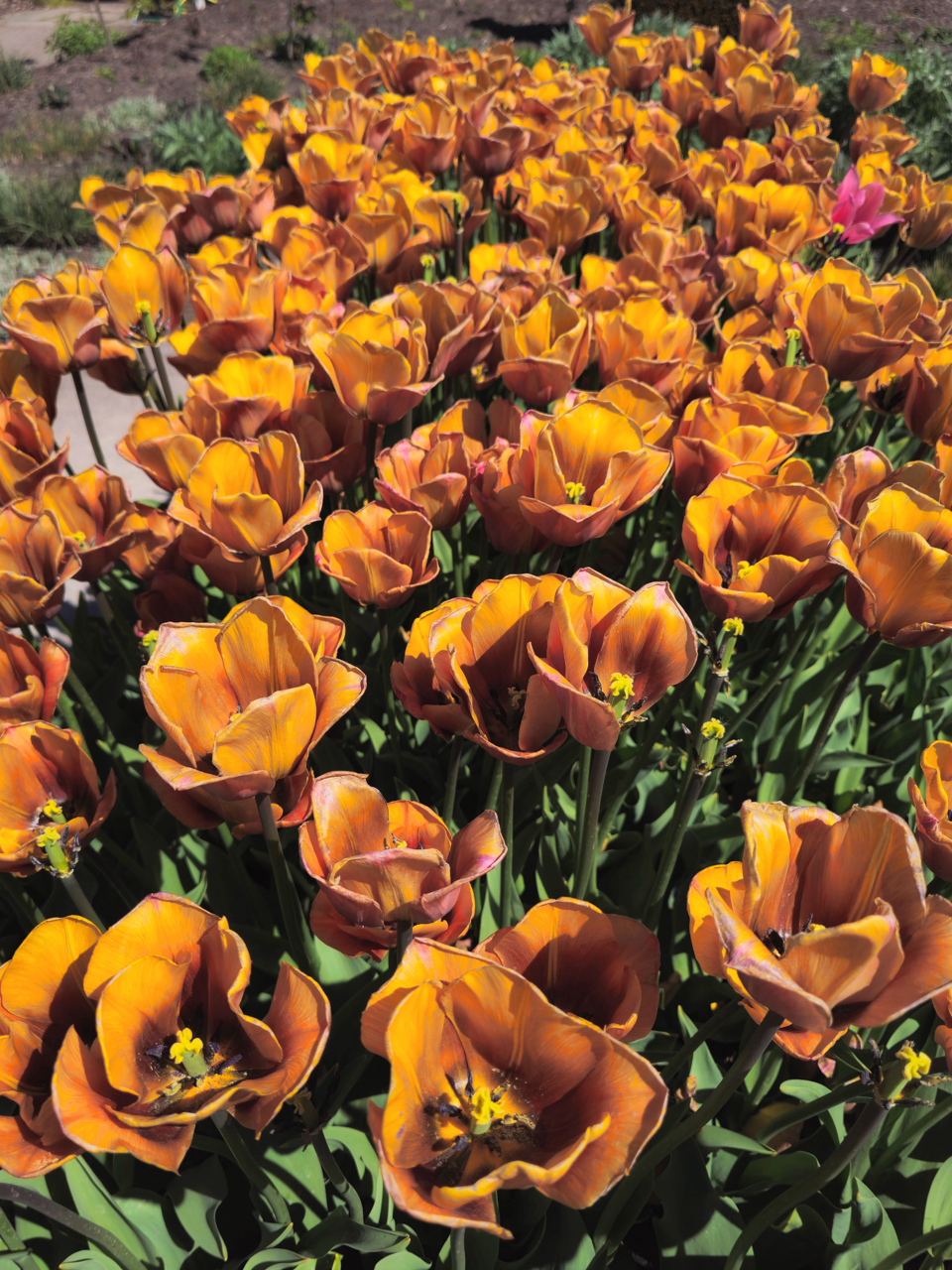
Transition to the Essex Hinterlands: Innovation in Arid Gardening
The second leg of the expedition moved eastward into Essex, focusing on the management of water resources and the challenges of gardening in a drying climate. At Abberton Reservoir, one of Europe’s premier wetland sites, the group observed the critical role of man-made infrastructure in supporting biodiversity. Despite adverse weather conditions characterized by high winds, the reservoir hosted newly arrived Common Swifts and a nesting colony of Eurasian Spoonbills—a species that has seen a remarkable recovery in the UK over the last two decades.
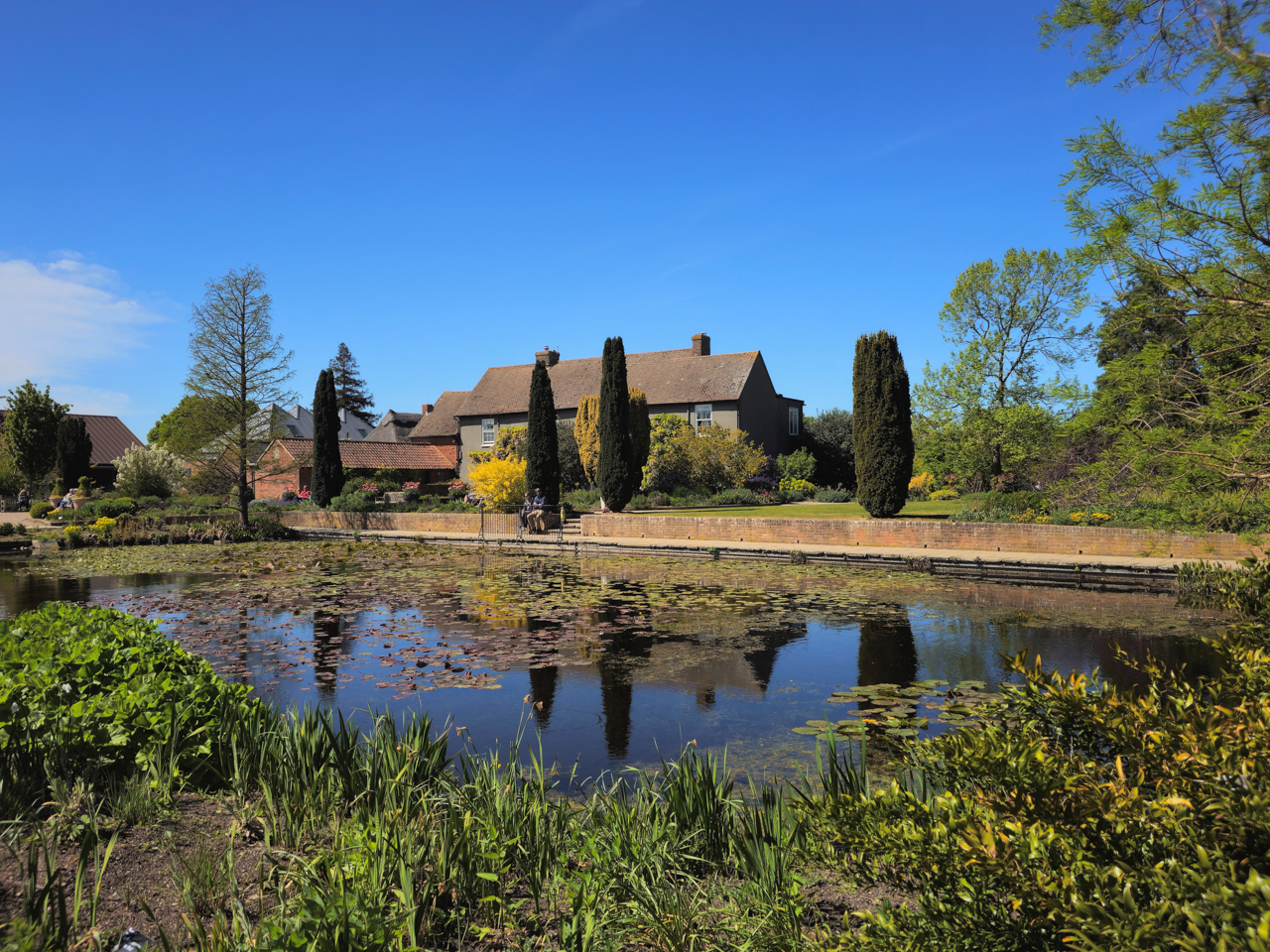
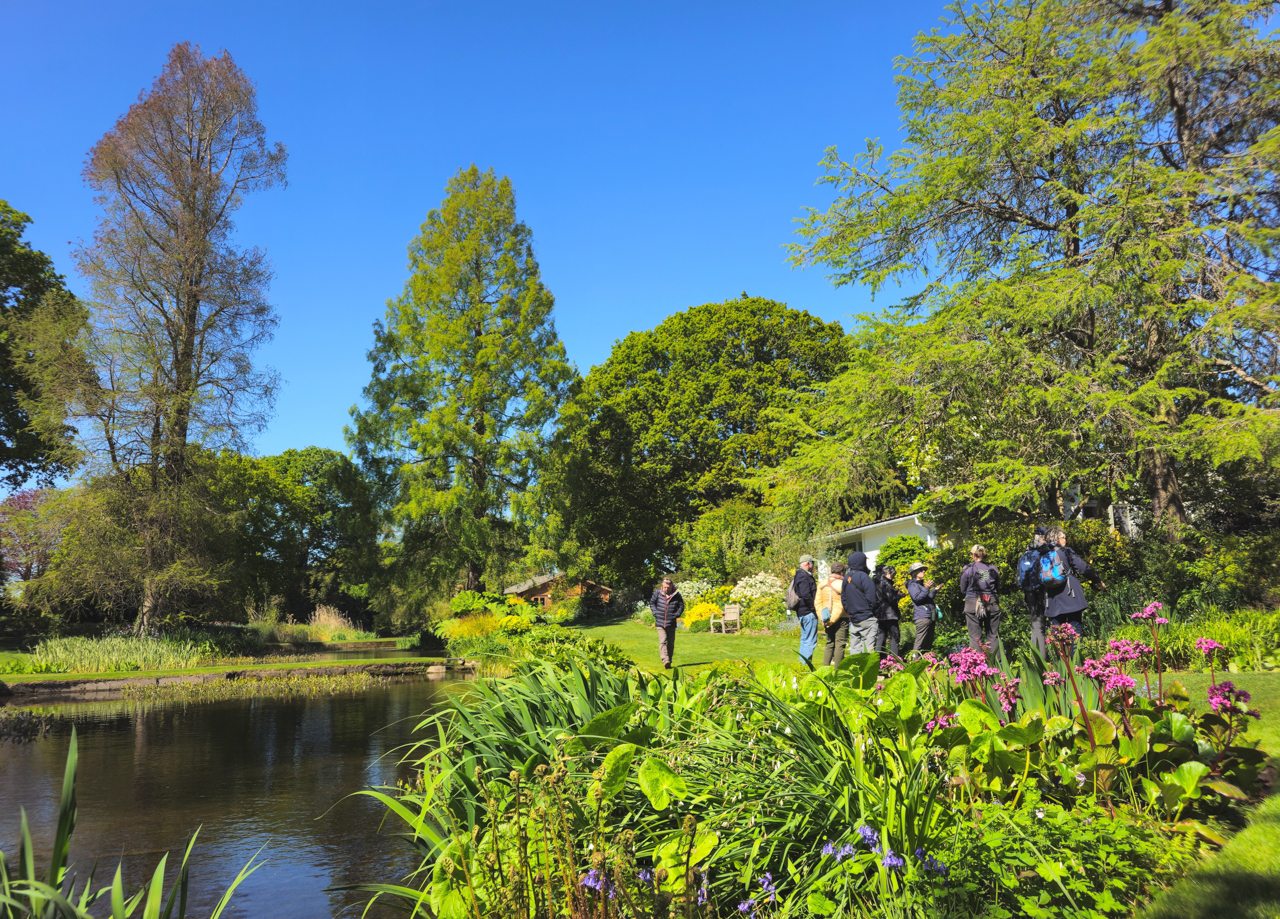
The visit to RHS Hyde Hall provided a stark contrast to the verdant expanses of Kew. As part of the Royal Horticultural Society’s portfolio, Hyde Hall has become a flagship for "dry gardening" techniques. The site’s Hilltop Garden and experimental vegetable plots demonstrate how Mediterranean and drought-tolerant species can thrive in the UK’s driest county. This focus on climate-appropriate horticulture was echoed at the Beth Chatto Gardens. Chatto, a pioneer of the "right plant, right place" philosophy, transformed an area of overgrown farmland and boggy hollows into a series of ecological niches. The tour of this site, led by Head Gardener Malin, highlighted the integration of native woodland and dry-zone planting, which in turn supports a robust population of pollinators, including the Green Hairstreak and Orange-tip butterflies.
The Suffolk Sandlings: A Refuge for Rare Heathland Specialists
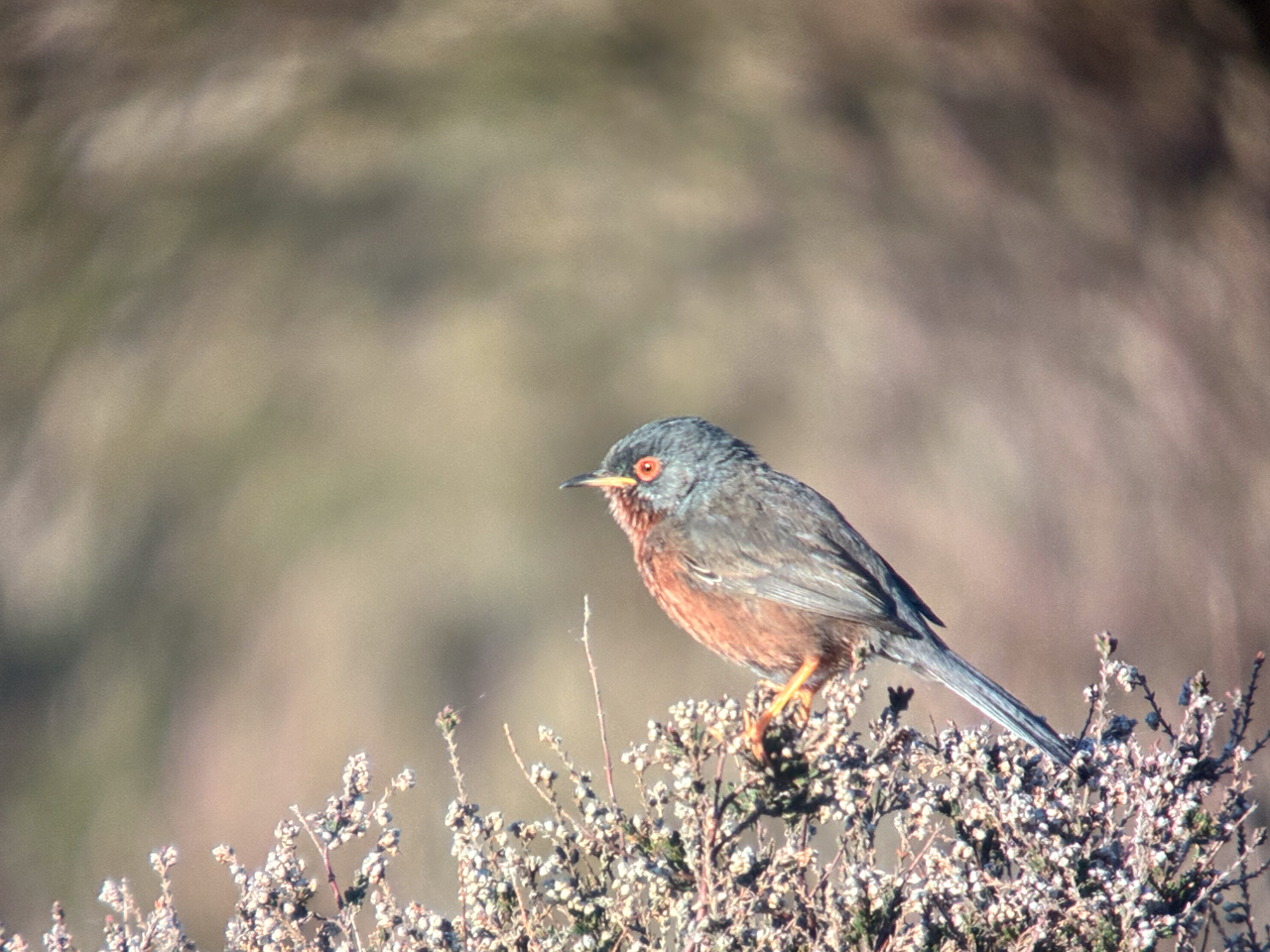
The middle phase of the tour was centered in the county of Suffolk, specifically the "Sandlings" heaths and the coastal marshes of Minsmere. This region is characterized by acidic, sandy soils and gorse-dominated heathland, a habitat that has become increasingly fragmented across Western Europe. At Dunwich and Westleton Heaths, the group achieved significant success in locating the Dartford Warbler. Once nearly extinct in the UK following the severe winter of 1962-63, the species has benefited from targeted habitat restoration and milder winters, though it remains a sensitive indicator of heathland health.
Further inland, the group observed the Eurasian Thick-knee (Stone-curlew), a cryptic and largely nocturnal shorebird that breeds on the stony soils of East Anglia. The presence of a vagrant Woodchat Shrike—a species typically found in Southern Europe—added a layer of ornithological prestige to the visit. The historical context of the region was provided by a survey of the Dunwich ruins, where the remnants of a medieval Franciscan abbey stand as a testament to the power of coastal erosion, with much of the former city now submerged beneath the North Sea.
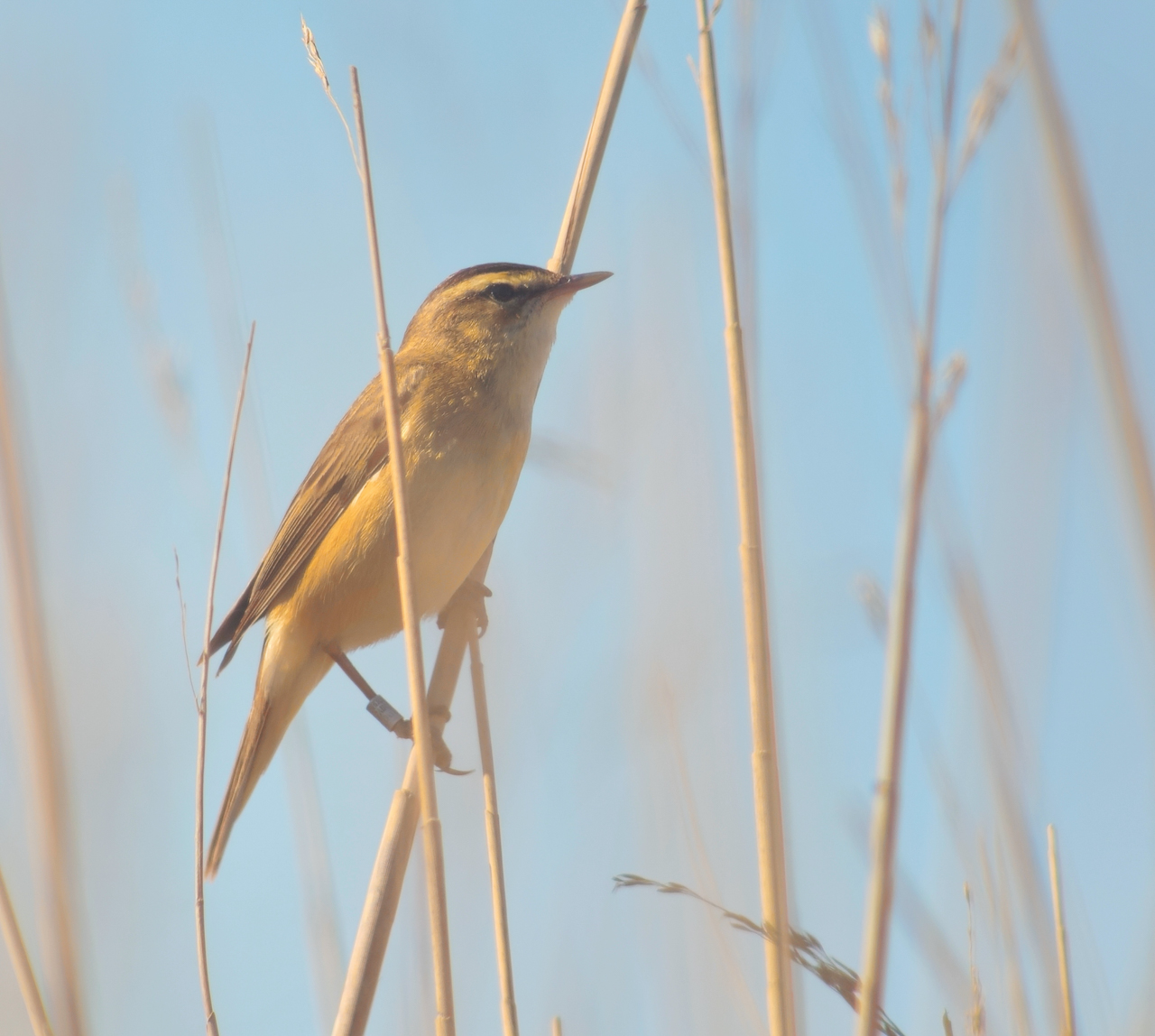
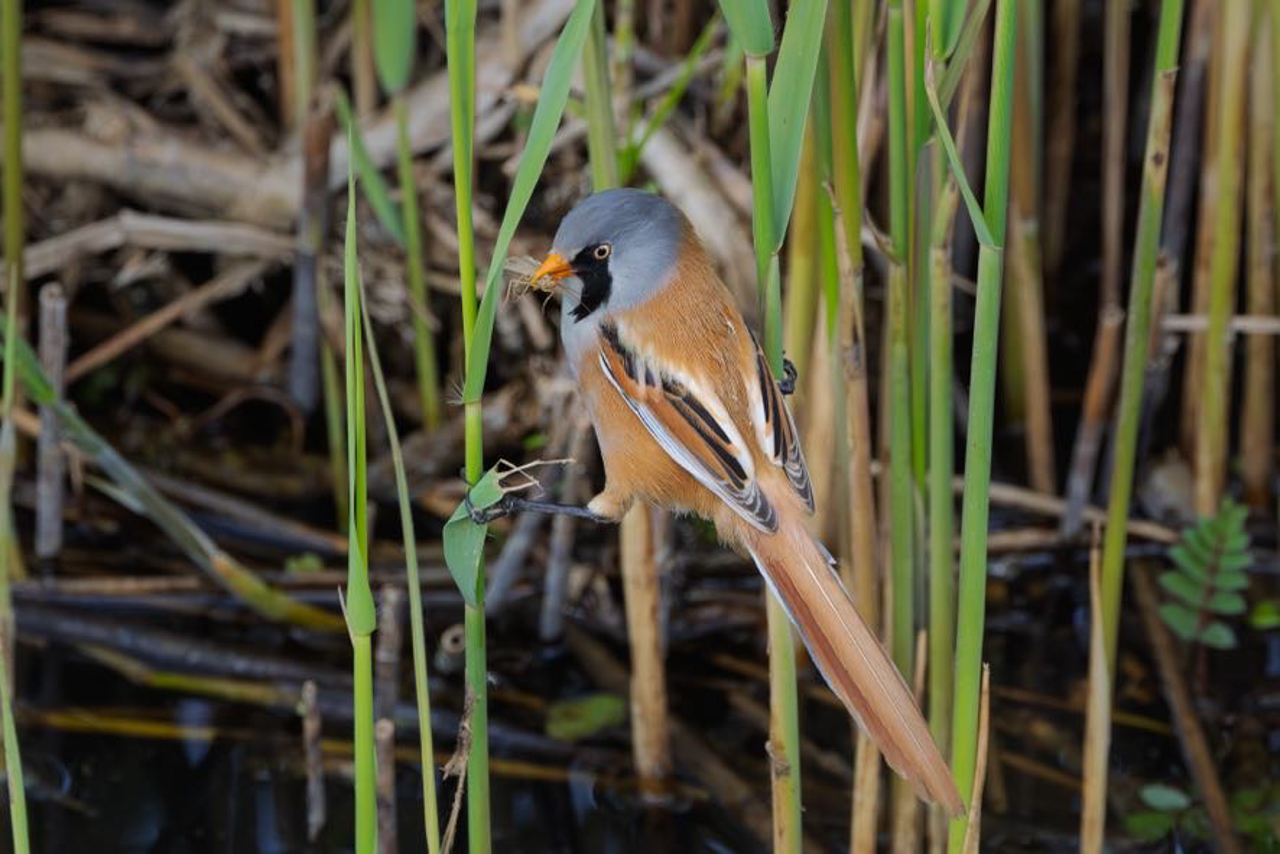
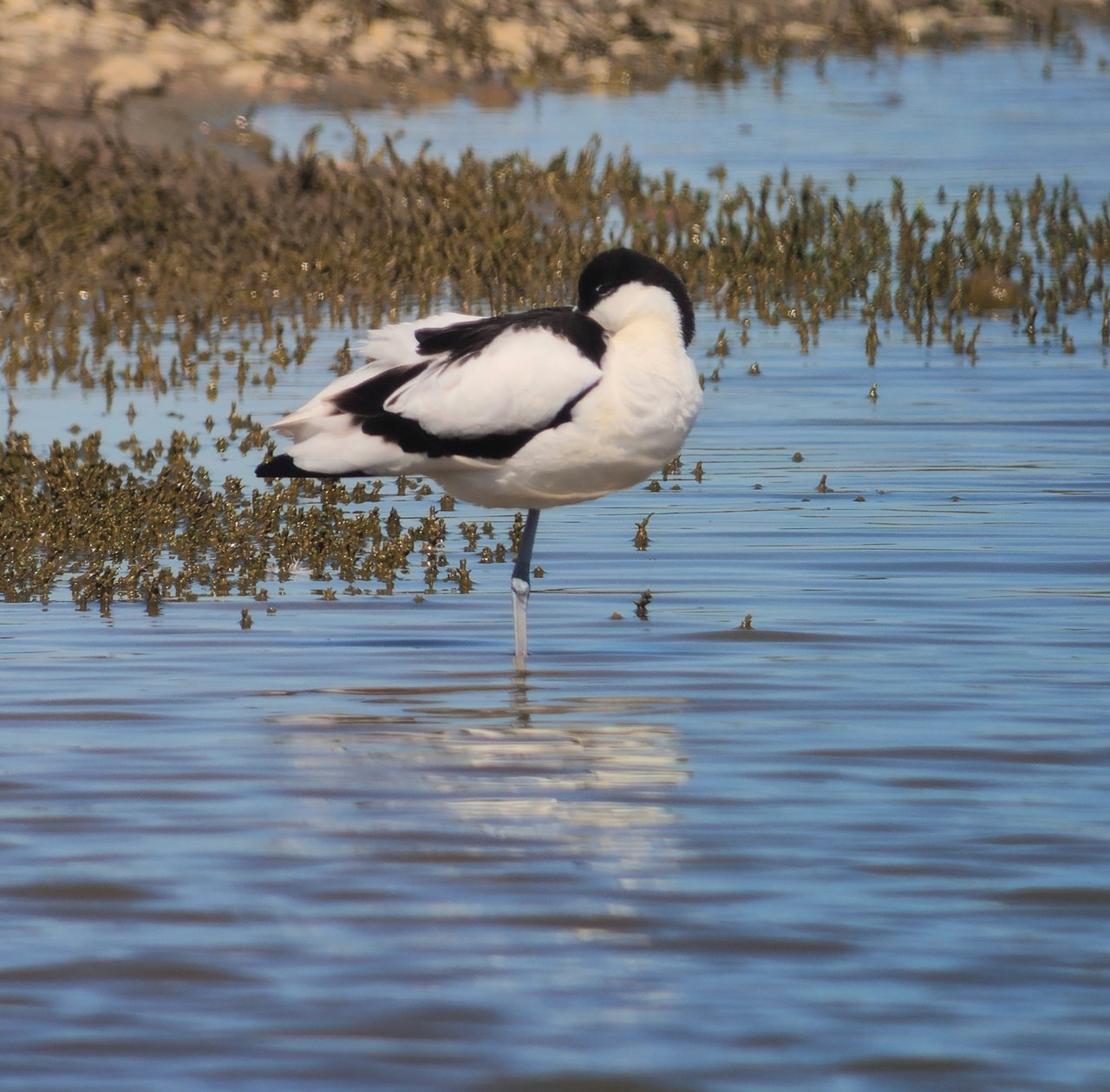
RSPB Minsmere, arguably the most famous nature reserve in the United Kingdom, served as the focal point for wetland birding. The reserve’s history is inextricably linked to the Second World War; the marshes were deliberately flooded in 1940 as a defense against a potential German invasion. This accidental creation of a massive reedbed habitat led to the return of the Pied Avocet as a breeding species in 1947. Today, Minsmere remains a stronghold for the Avocet, the Bearded Reedling, and the Bittern. While the Bitterns remained largely hidden within the reeds, their distinctive "booming" calls confirmed their presence, while the Bearded Reedlings provided exceptional views for the group.
The Norfolk Broads and the Breckland Frontier
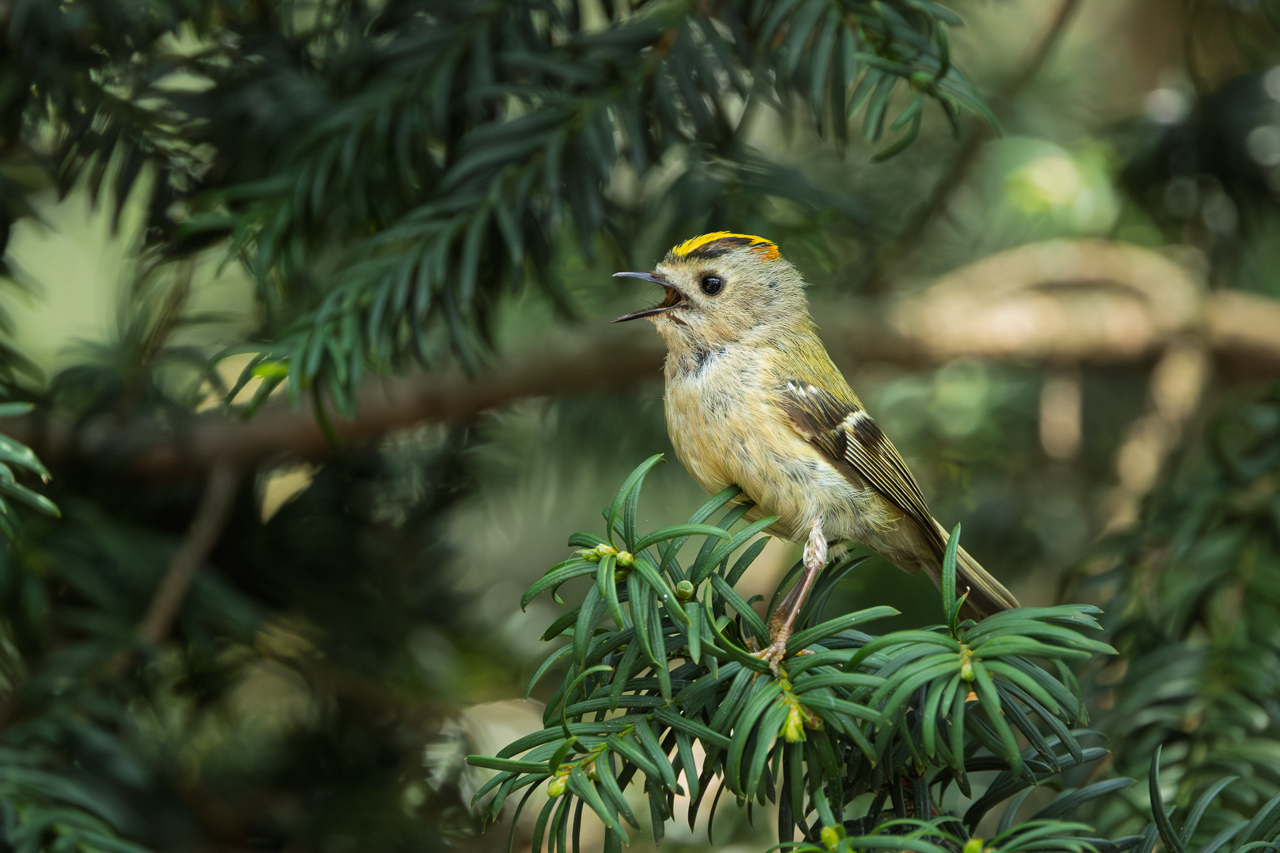
The tour’s progression into Norfolk introduced two distinct ecosystems: the arid Brecklands and the water-logged Norfolk Broads. The Breckland region, located on the border of Norfolk and Suffolk, possesses a unique semi-continental climate. At Lynford Arboretum, the group targeted specialized forest species, successfully identifying the Firecrest and Red Crossbill. The latter is a specialist feeder whose crossed mandibles allow it to extract seeds from conifer cones, particularly the Sitka Spruce common in the region’s commercial forestry plantations.
In contrast, the Norfolk Broads—a network of navigable rivers and lakes formed by medieval peat digging—offered a glimpse into the success of large-scale wetland restoration. At Hickling Broad, the group witnessed the triumphant return of the Common Crane. After disappearing as a breeding bird in the UK for four centuries, a small group returned to the Norfolk Broads in 1979. Through intensive protection and habitat management, the population has expanded significantly, and the tour group observed several pairs in flight, characterized by their evocative trumpeting calls.
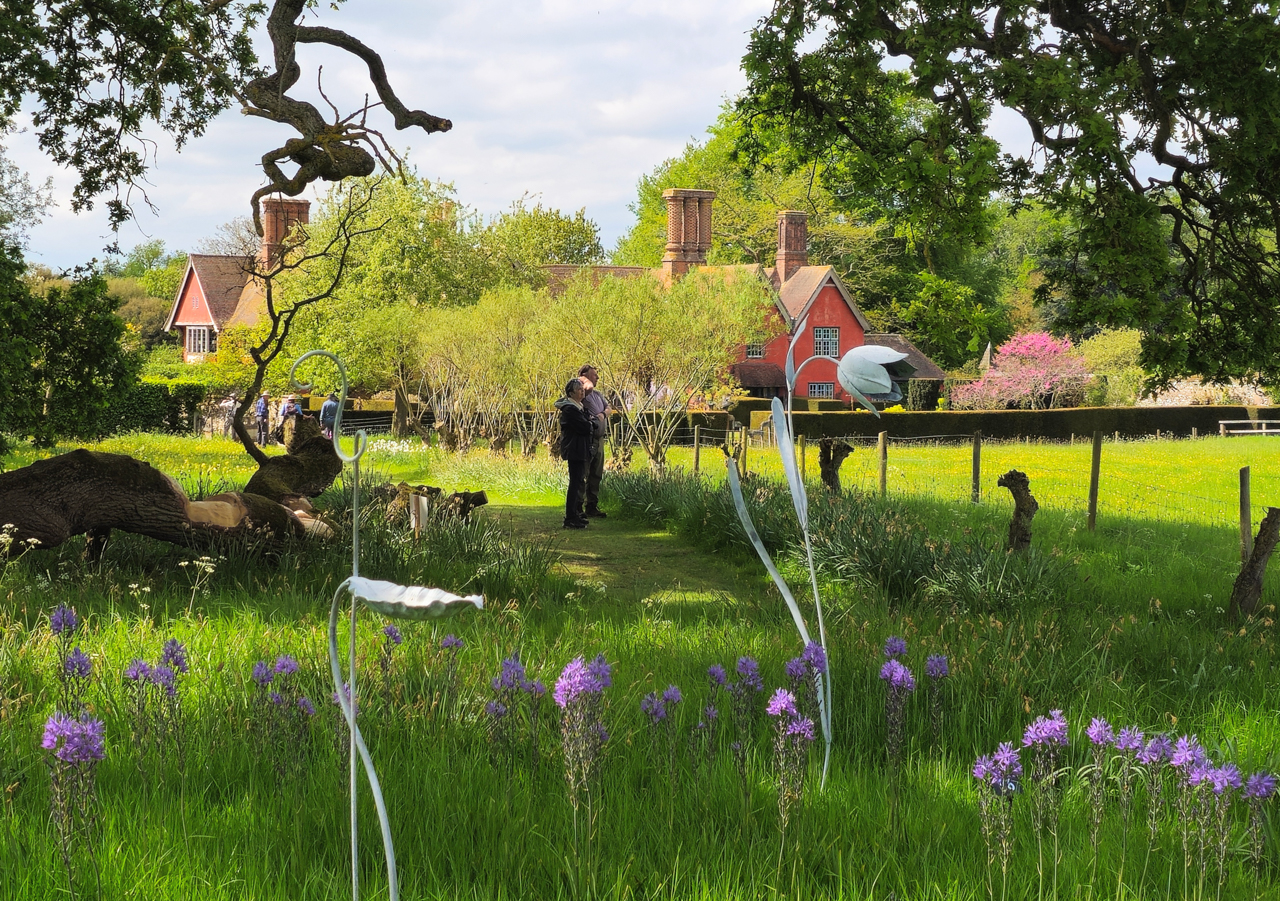
Botanical interests were maintained with visits to Bressingham Gardens and East Ruston Old Vicarage. Bressingham, developed by Adrian Bloom, is renowned for its "Foggy Bottom" garden, which utilizes conifers and heathers to create year-round structure and color. East Ruston, a 32-acre private garden, demonstrated the microclimatic benefits of "hedged rooms," allowing for the cultivation of exotic species that would otherwise struggle in the North Sea winds.
North Norfolk: The Pinnacle of British Birding
The final stages of the journey were concentrated on the North Norfolk coast, specifically Cley Marshes. Established in 1926, Cley is the oldest county wildlife trust reserve in the UK and serves as a critical landfall for migratory birds. The group’s survey of the marshes revealed a high density of passage shorebirds, including Bar-tailed Godwits, Wood Sandpipers, and Ruffs in their elaborate breeding plumage.
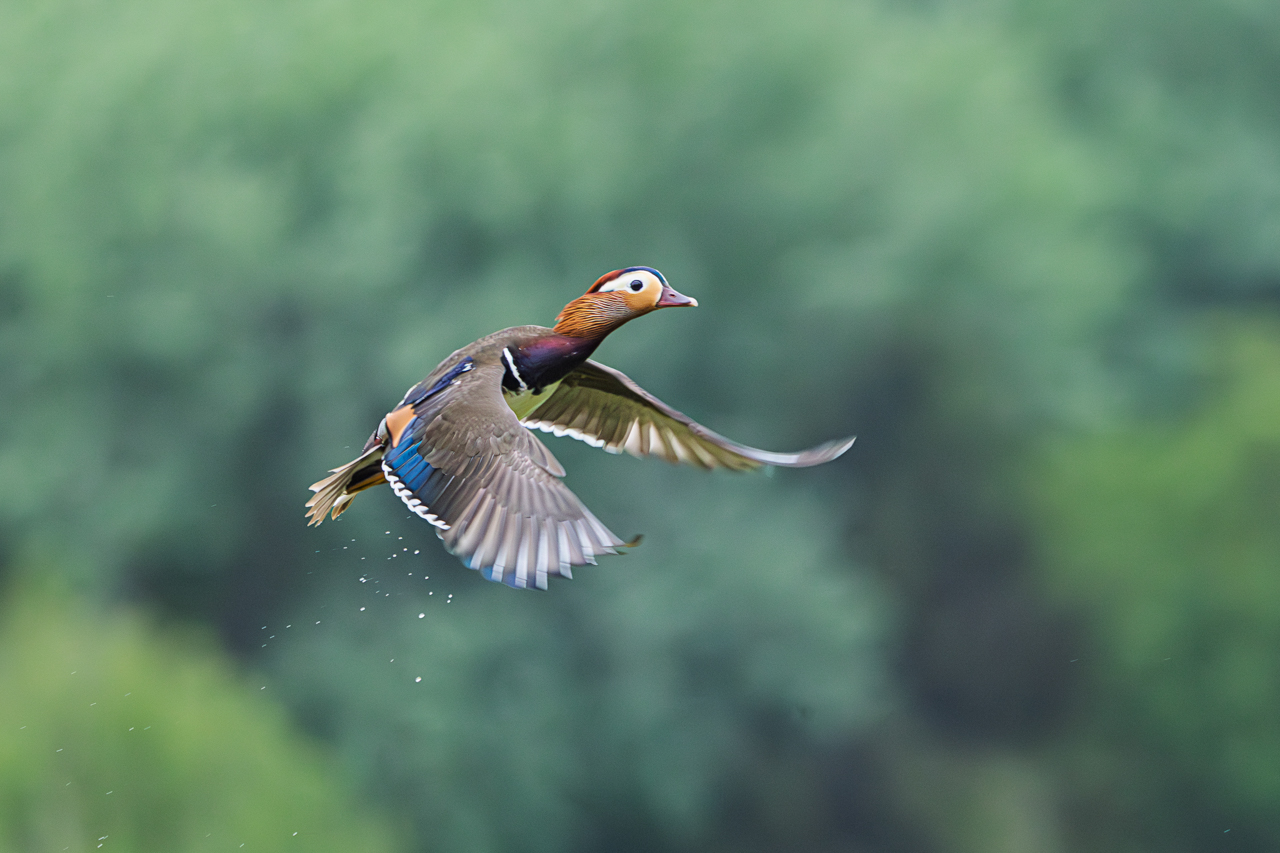
The inclusion of the "Greenland" race of the Northern Wheatear provided a lesson in the scale of avian migration. These birds stop in Norfolk to refuel before continuing their journey across the Atlantic to breeding grounds in the high Arctic. The presence of Marsh Harriers, now a common sight in the region after decades of persecution and pesticide-related declines, served as a powerful reminder of the efficacy of legal protection and habitat management.
Conclusion and Implications for Ecotourism
The tour concluded in Rutland at Barnsdale Gardens, the site made famous by the late Geoff Hamilton through the BBC program Gardeners’ World. Barnsdale’s 38 individual gardens are designed to be accessible and "wildlife-friendly," reinforcing the tour’s central thesis: that human-managed landscapes can and should serve as vital extensions of natural habitats.
Data Summary and Analysis
| Category | Key Statistics / Species Documented |
|---|---|
| Total Duration | 10 Days |
| Regions Covered | London, Essex, Suffolk, Norfolk, Rutland |
| Key Avian Sightings | Dartford Warbler, Bearded Reedling, Common Crane, Woodchat Shrike |
| Botanical Highlights | Titan Arum (Kew), Beth Chatto’s Dry Garden, Barnsdale Display Plots |
| Conservation Status | Focus on SSSI (Sites of Special Scientific Interest) and RSPB/NWT Reserves |
The broader implications of such tours are significant for the local economy and conservation funding. Ecotourism in East Anglia provides a direct financial incentive for the maintenance of biodiversity. Furthermore, the integration of formal gardening with wildlife observation reflects a growing trend in the UK toward "nature-positive" land management. By documenting the success of rare species like the Common Crane and the Dartford Warbler alongside innovative horticultural practices, this tour highlights a viable path forward for the cohabitation of human aesthetics and wild ecosystems. The data collected by such groups contributes to long-term citizen science projects, helping researchers track the shifts in bird populations and flowering times in response to a changing climate.
