
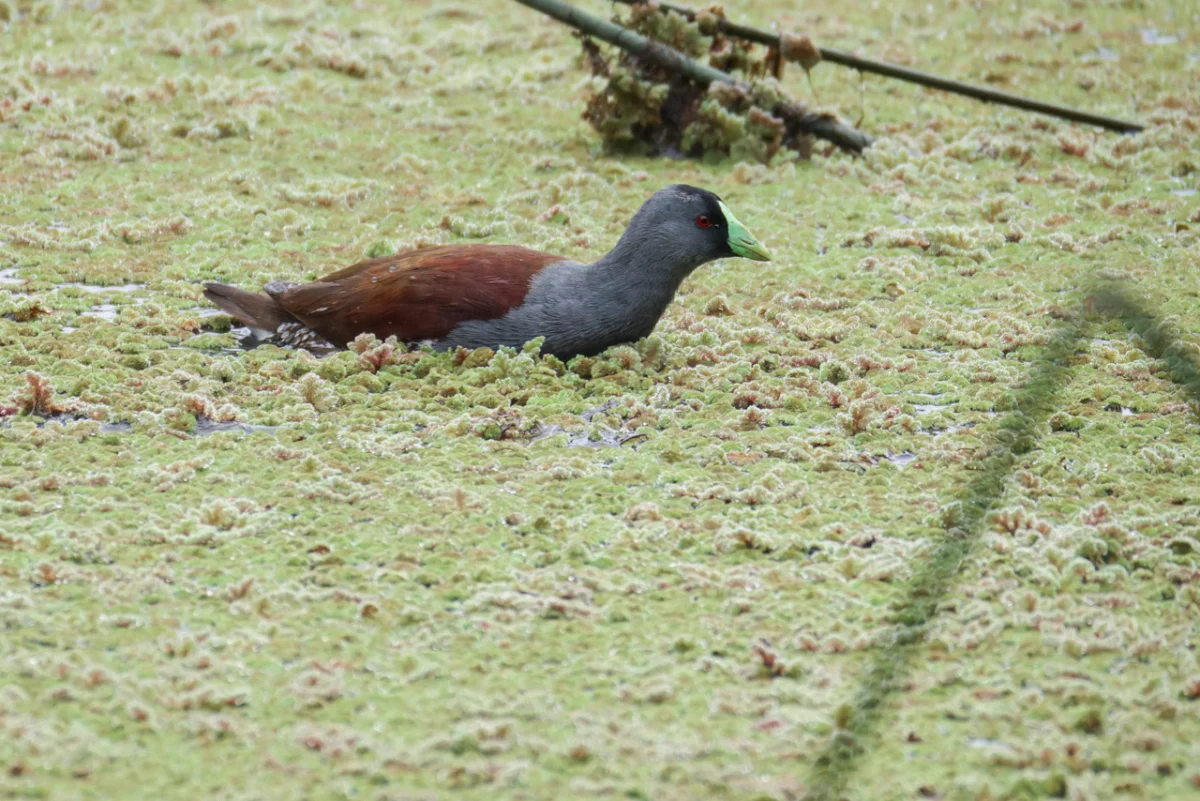
The Colombian Andes, a global epicenter of avian biodiversity, recently served as the backdrop for an extensive 14-day ornithological expedition that documented 419 distinct bird species. Spanning the Eastern, Central, and Western cordilleras, the survey highlighted the critical role of specialized habitats—ranging from high-altitude páramos to lowland wetlands—in sustaining some of the world’s most endangered and endemic bird populations. The expedition, led by a team of expert guides and international observers, underscored the increasing importance of community-led conservation and eco-tourism in protecting Colombia’s natural heritage.
The Eastern Andes and High-Altitude Ecosystems
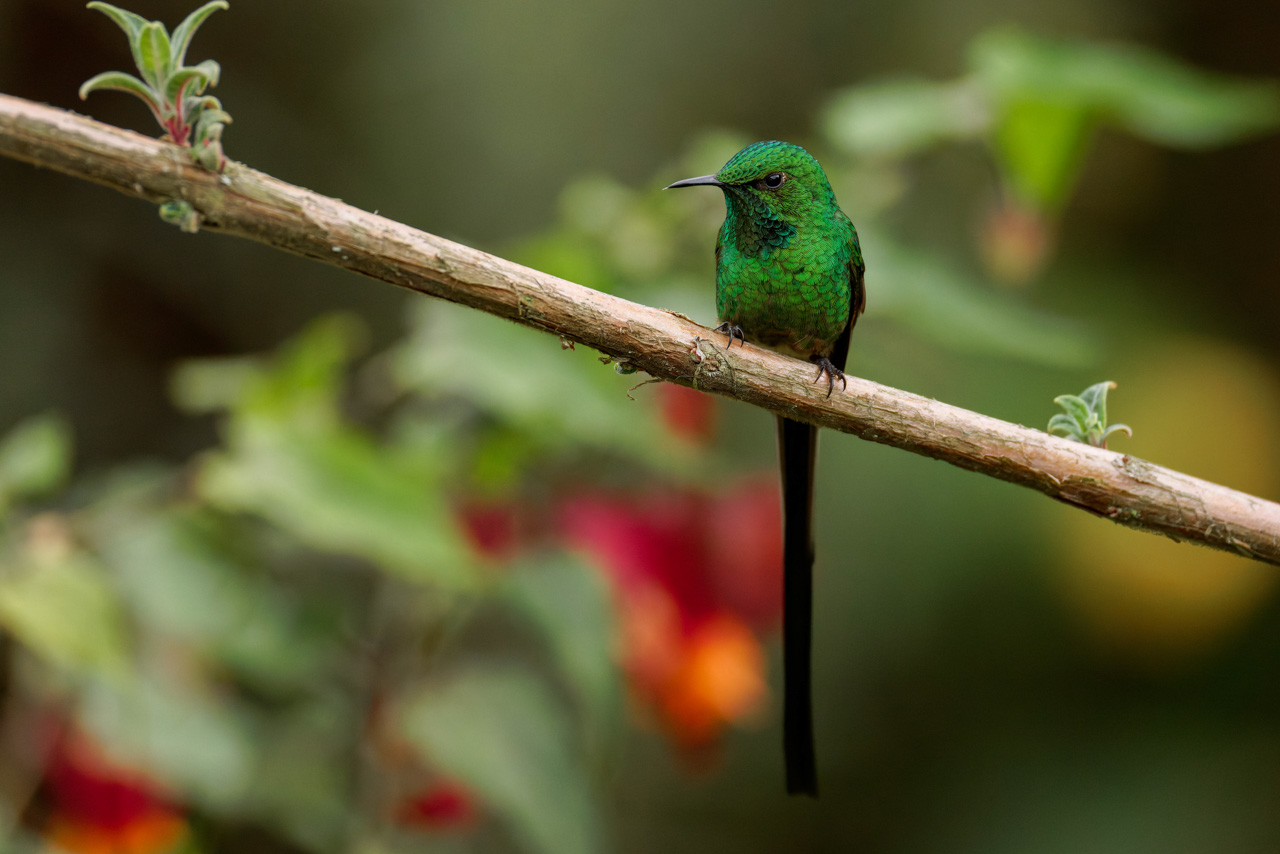
The survey commenced in the Eastern Andes, focusing on the unique ecosystems surrounding the capital city of Bogotá. The initial phase targeted the Sumapaz páramo, a high-altitude tundra-like habitat found only in the northern Andes. At elevations reaching 3,500 meters (approximately 11,500 feet), the team recorded the Green-bearded Helmetcrest (Oxypogon guerinii), a hummingbird endemic to this specific mountain range. The presence of the Helmetcrest is a biological indicator of the health of the Espeletia (frailejones) plants, which are essential for water regulation in the region.
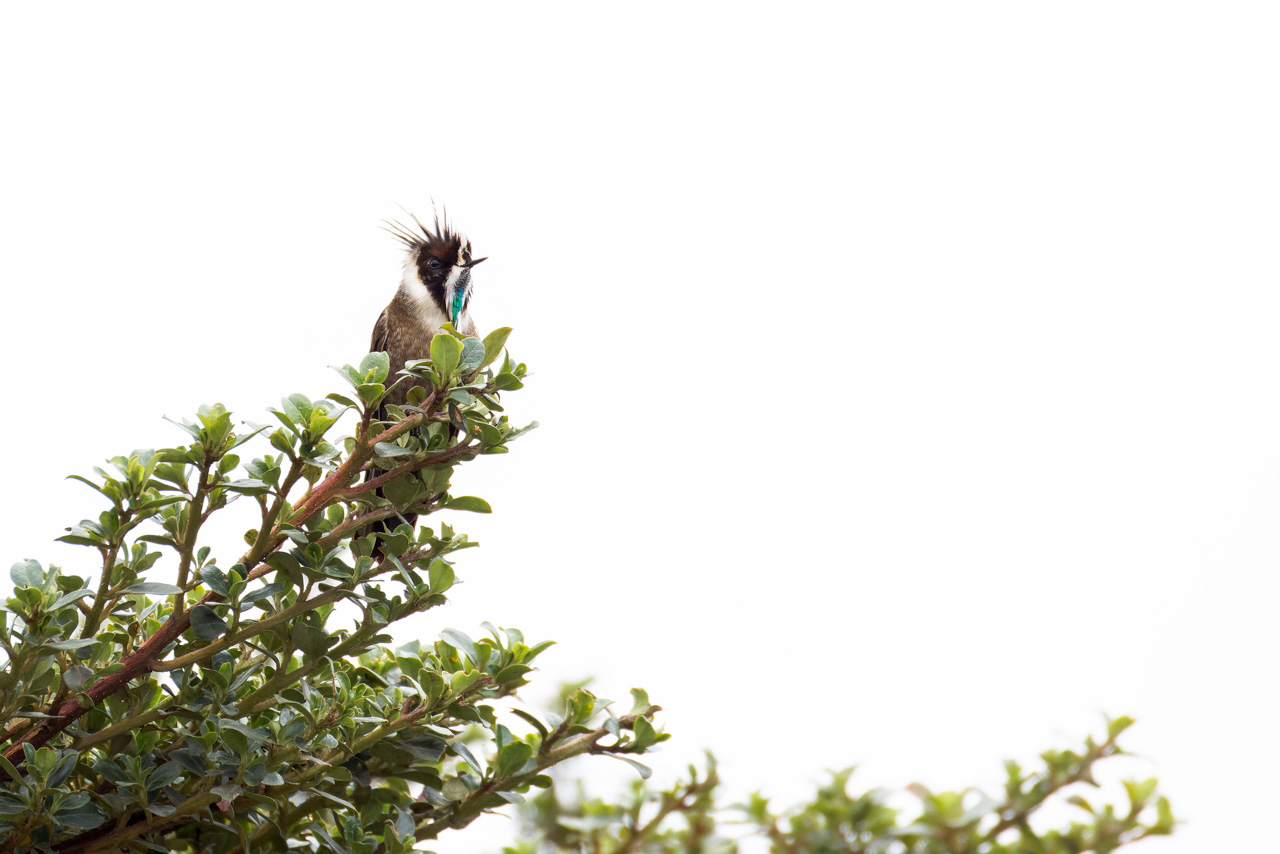
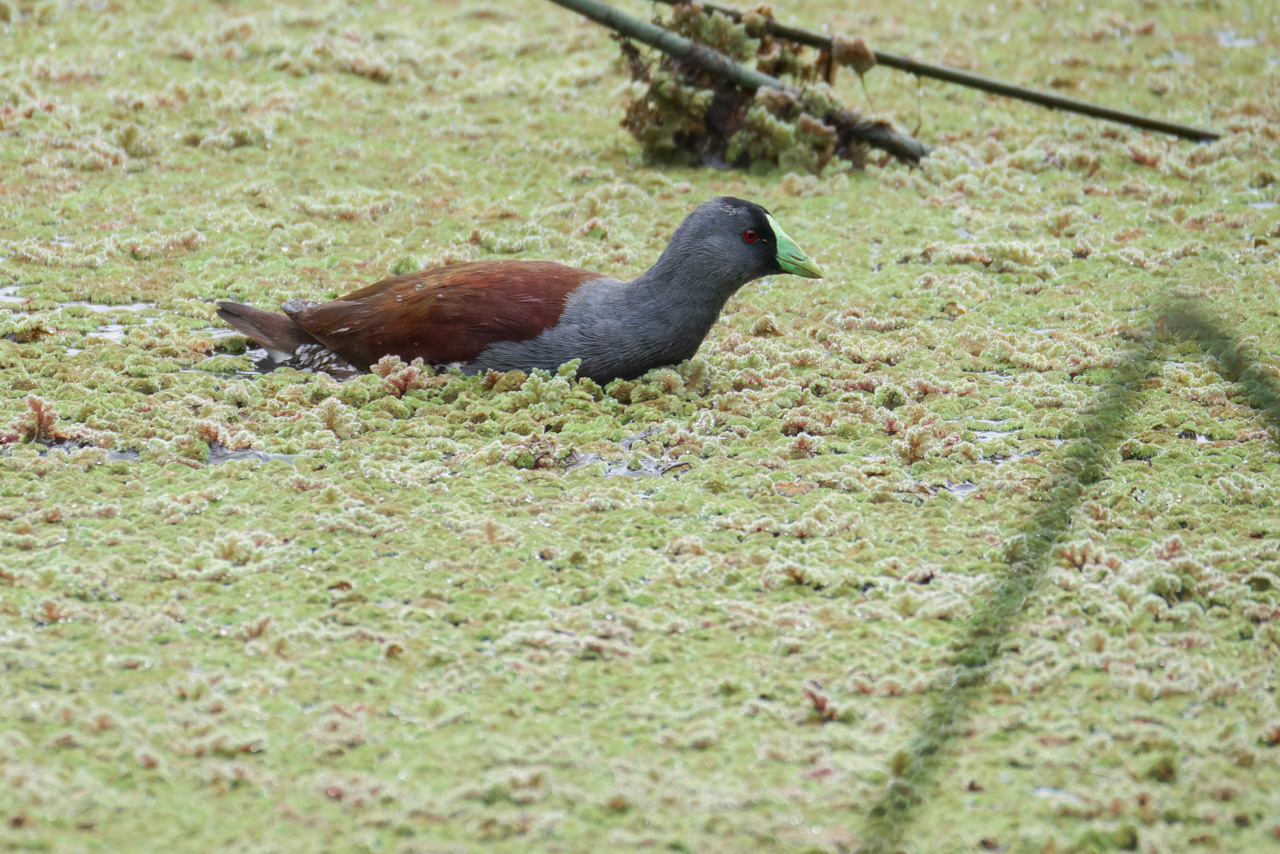
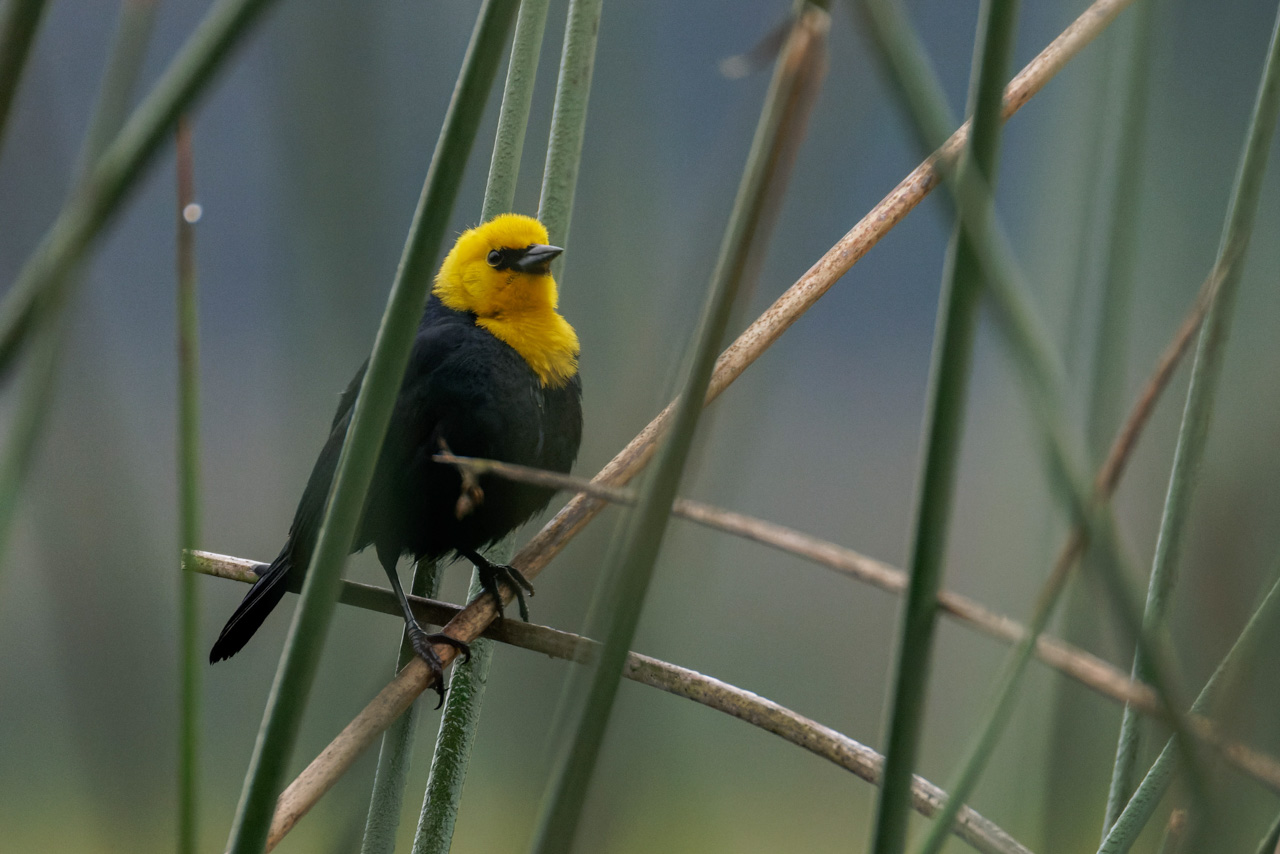
In addition to the páramo specialists, the expedition surveyed the Reserva Chiguaza and the wetlands of Parque La Florida. The latter provided critical data on the Bogotá Rail (Rallus semiplumbeus), an endangered endemic species whose habitat has been severely restricted by urban expansion. Despite their vocal nature, the rails remain elusive, highlighting the challenges of monitoring species within fragmented urban wetlands. Other significant sightings in the Eastern range included the Yellow-hooded Blackbird and the Apolinar’s Wren, both of which rely on the increasingly rare reed beds of the Bogotá savanna.
Transition to the Central Andes and Conservation Success Stories
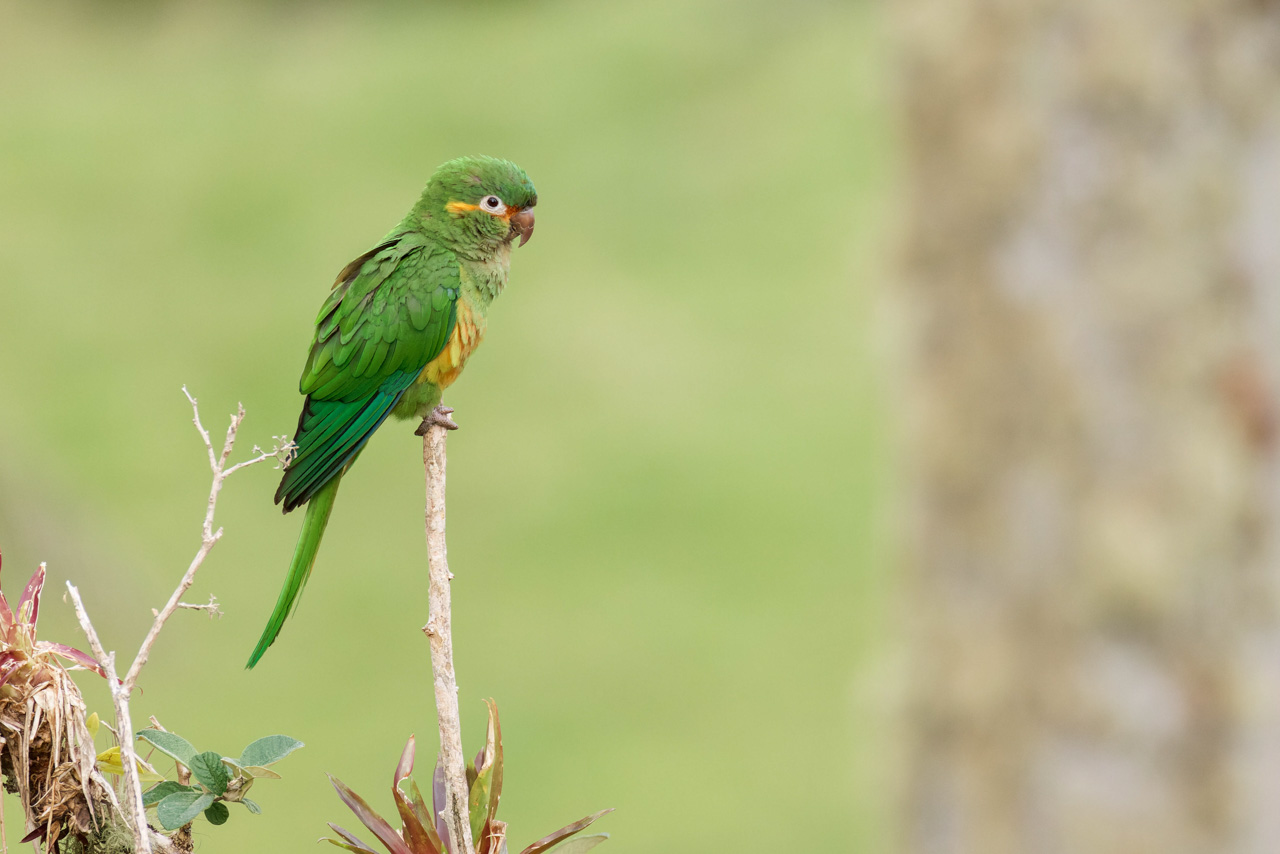
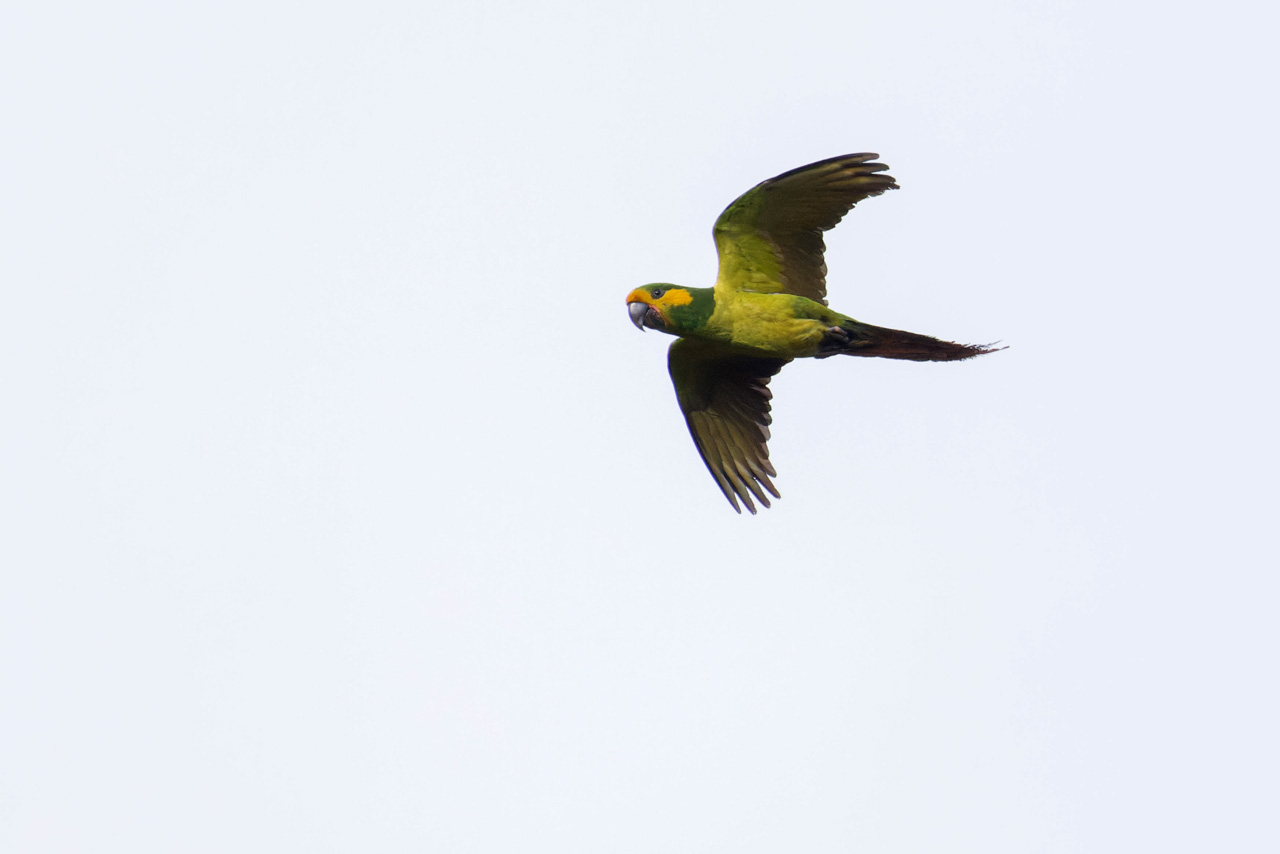
As the expedition moved toward the Central Andes, the focus shifted to the recovery of critically endangered species. In the Vereda Potosí region, the team documented flocks of the Yellow-eared Parrot (Ognorhynchus icterotis). Once on the brink of extinction due to the harvesting of the wax palms they nest in, the Yellow-eared Parrot has become a symbol of Colombian conservation success. Collaborative efforts between NGOs and local communities have seen the population rebound from just dozens to several thousand individuals.
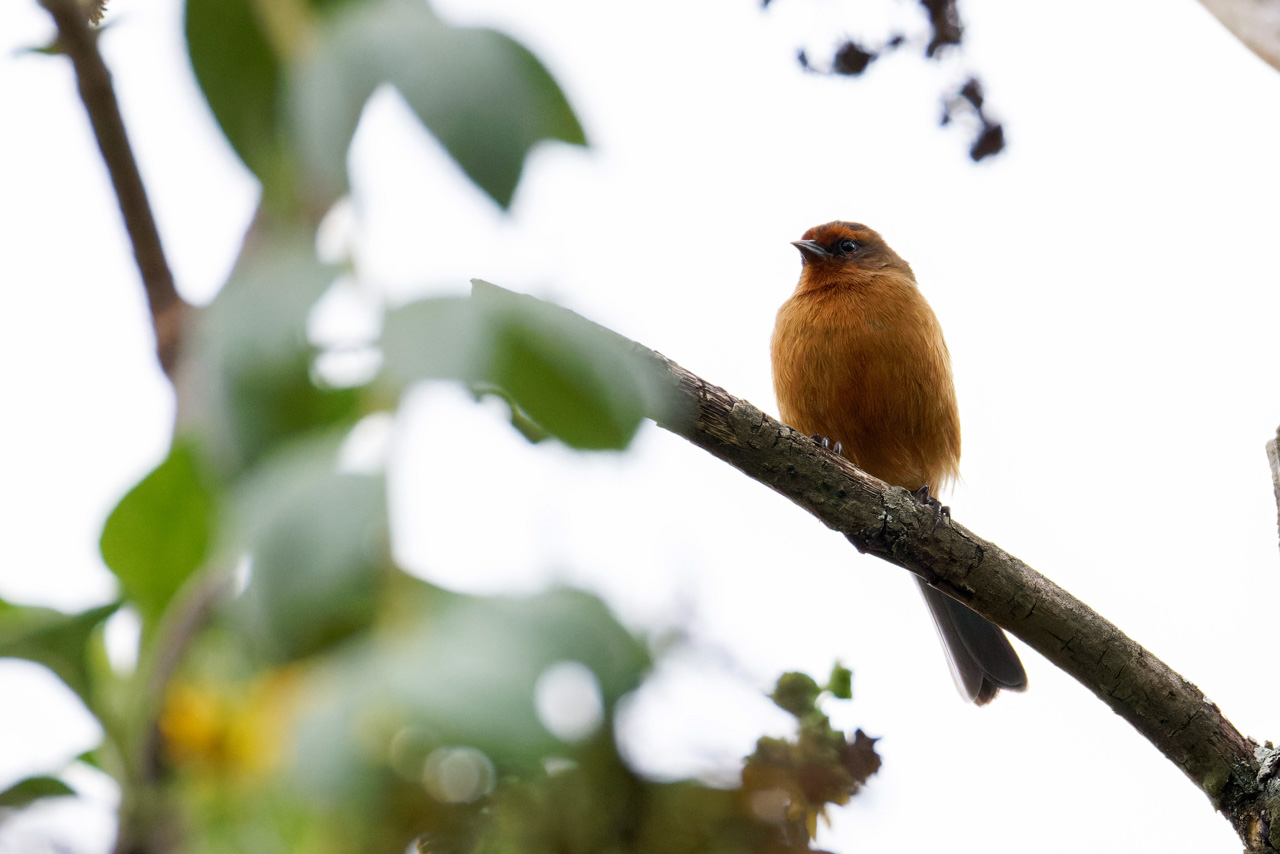
The Central Andes also offered a look at the "feeder culture" that has revolutionized birding tourism in Colombia. At sites like Hacienda El Bosque and Reserva Ecológica Río Blanco, the use of specialized feeding stations has allowed for the observation of "skulking" species that were previously nearly impossible to see in the wild. This includes the Equatorial Antpitta, the Brown-banded Antpitta (a Central Andean endemic), and the Chestnut-crowned Antpitta. These reserves demonstrate a sustainable economic model where local landowners transition from traditional agriculture to conservation-based tourism.
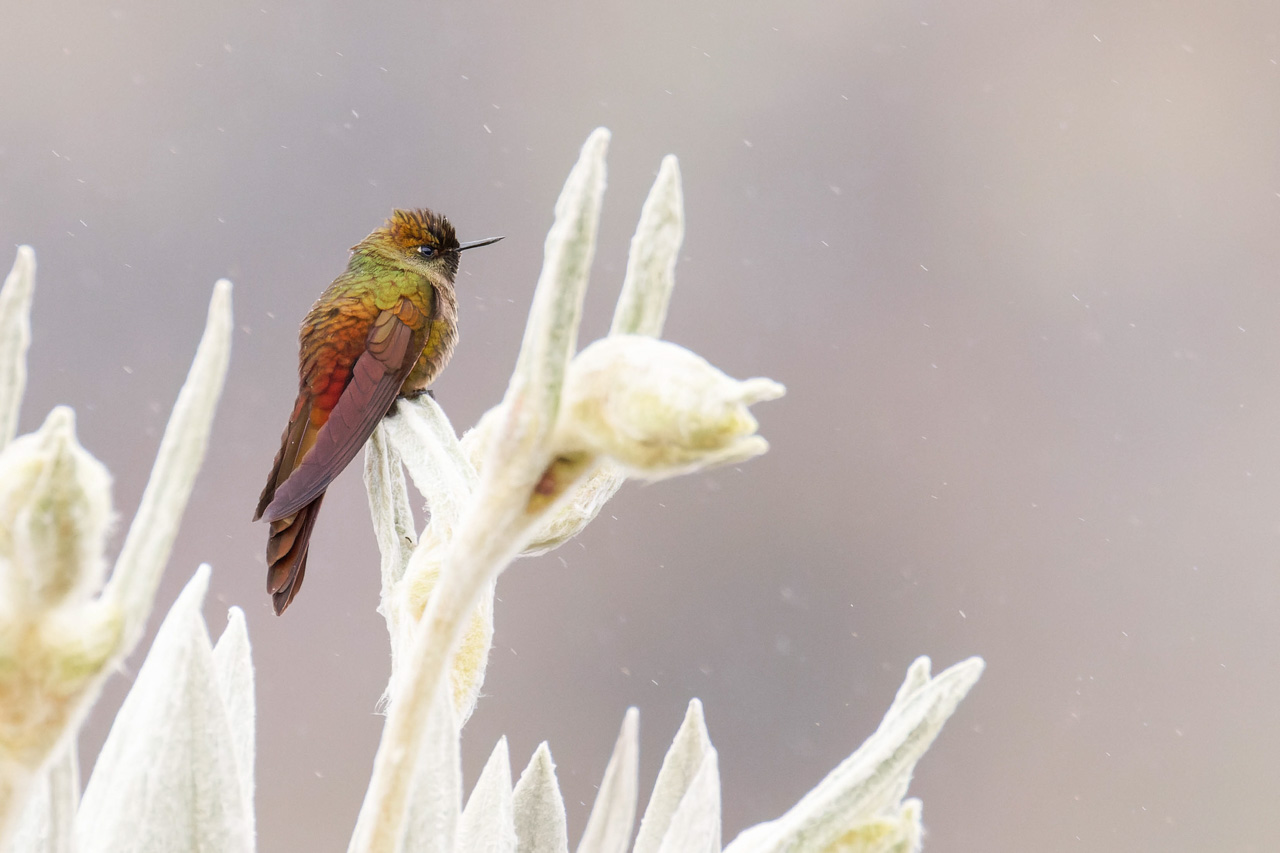
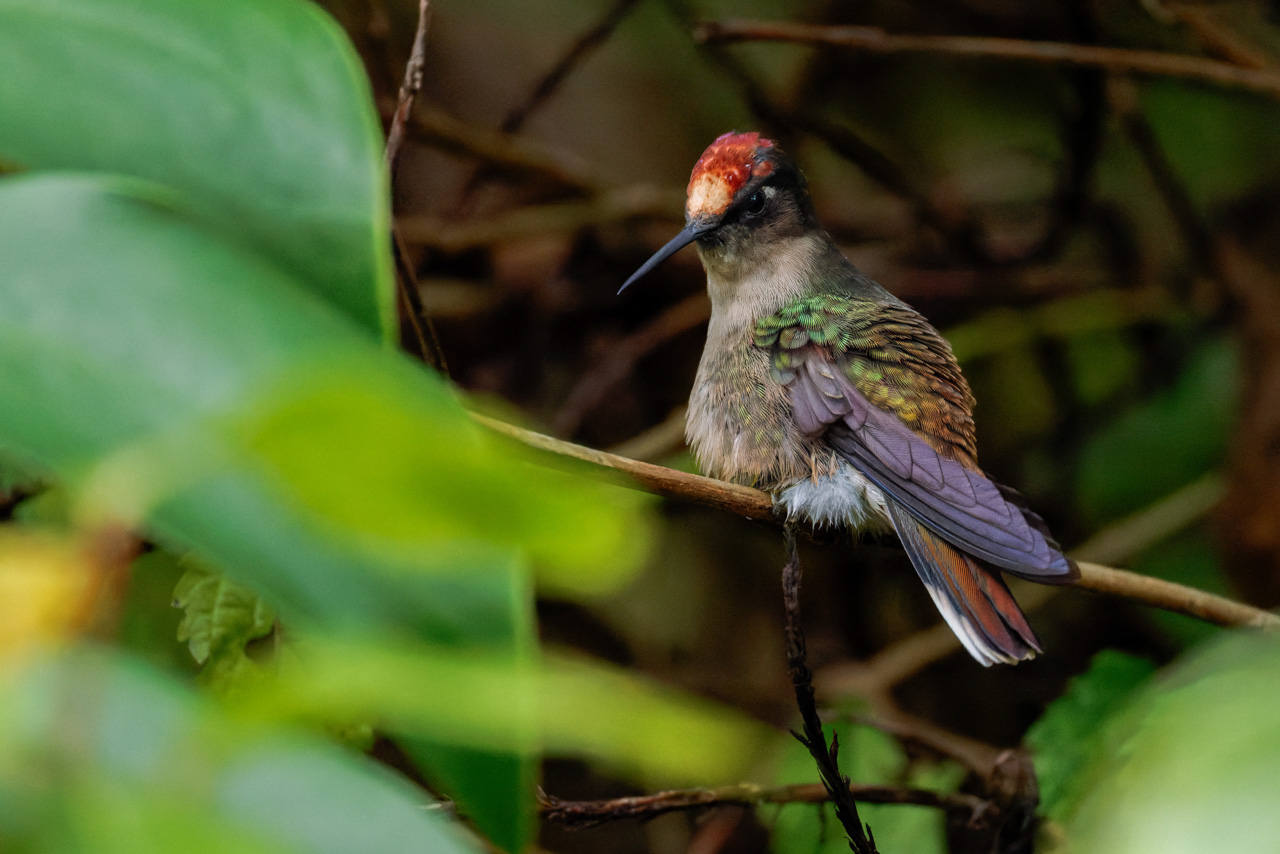
The survey reached its highest point at Nevado del Ruiz, ascending to 4,200 meters (13,800 feet). Here, the team successfully recorded the Buffy Helmetcrest (Oxypogon stuebelii), another range-restricted endemic that survives in the thin air and extreme temperatures of the volcanic slopes. The observation of the Great Sapphirewing, the world’s second-largest hummingbird, further emphasized the unique evolutionary adaptations found in these high-altitude corridors.
The Western Andes and the Chocó Bio-region
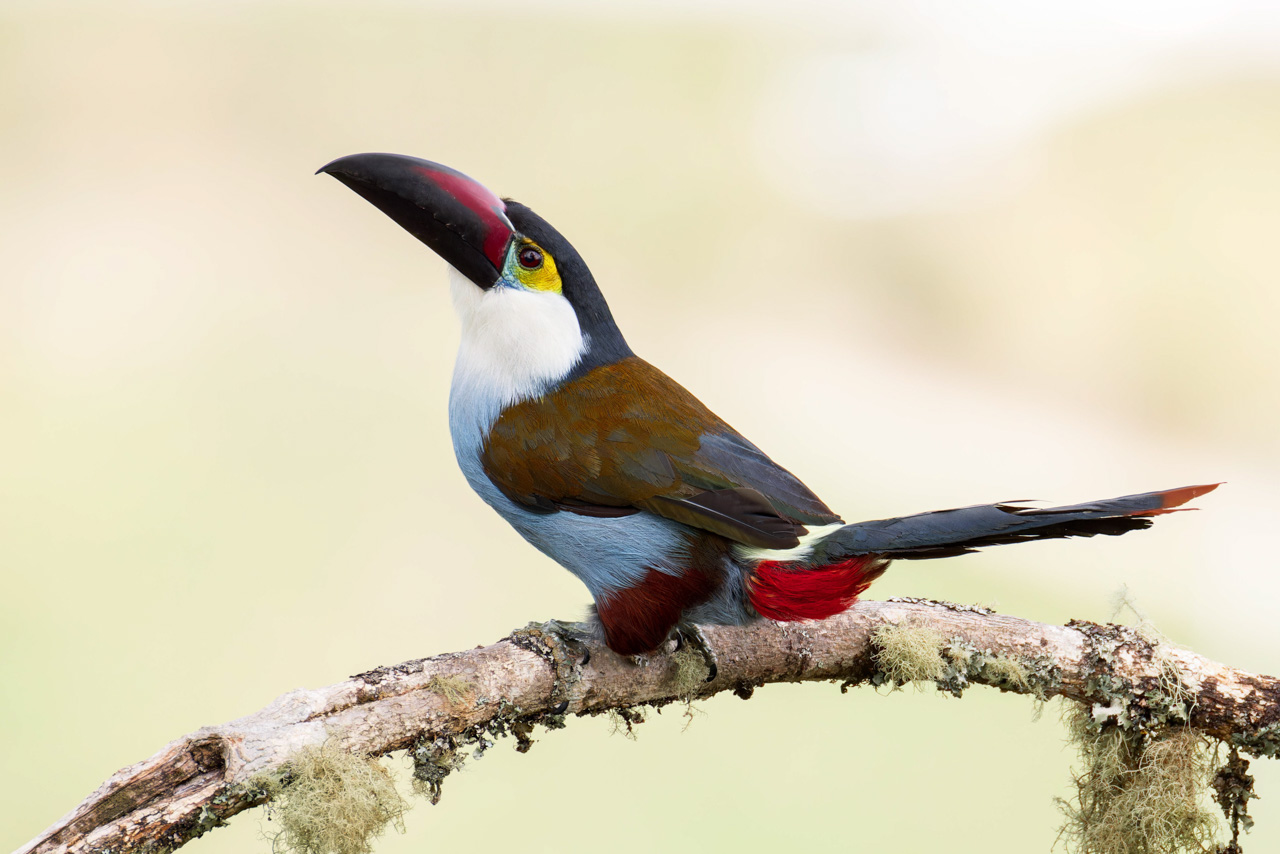
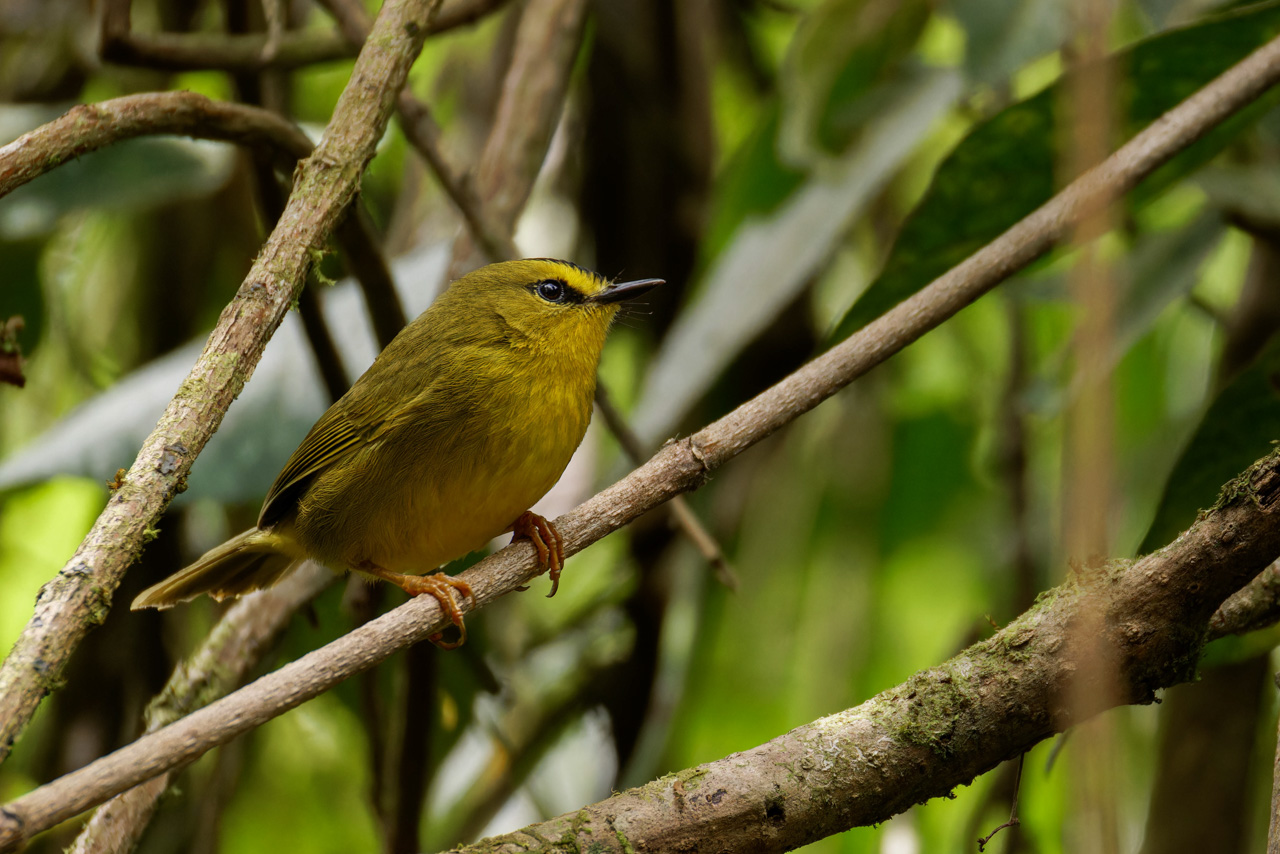
The third phase of the survey took place in the Montezuma area of the Western Andes, a region that serves as a transition zone between Andean cloud forests and the humid Chocó lowlands. Montezuma is widely regarded as one of the premier birding destinations in South America due to its high concentration of endemics. Over three days, the team identified 15 endemic or near-endemic species, including the Gold-ringed Tanager, the Munchique Wood-Wren, and the Black-and-gold Tanager.
The logistical complexity of birding in the Western Andes, often requiring 4×4 convoys to navigate steep, unpaved access roads, is offset by the sheer density of species. The Montezuma rainforests are part of the Tatamá National Park, a protected area that remains one of the most pristine wildernesses in Colombia. The survey noted the presence of the Toucan Barbet and the Glistening-green Tanager, species that are highly sought after by the international scientific community for their striking morphology and specific habitat requirements.
Lowland Wetlands and the Cauca Valley
Descending from the mountains, the expedition surveyed the Laguna de Sonso, the largest remaining wetland in the Cauca River valley. Wetlands in this region have historically faced pressure from sugarcane cultivation and industrial drainage. However, the Laguna de Sonso remains a vital sanctuary for aquatic and riparian species.
The team’s findings at the lagoon included the Horned Screamer (Anhima cornuta), a primitive-looking bird related to geese, and five roosting Common Potoos. The survey also documented several species of kingfishers (Ringed, Green, and Amazon) and the Spectacled Parrotlet. The presence of these birds indicates a functioning wetland food web, though researchers noted that continued water-level management is necessary to prevent the encroachment of invasive vegetation that can choke the lagoon’s biodiversity.
The Final Survey Phase: Cali and the Anchicayá Valley
The expedition concluded in the cloud forests above Cali, specifically at the Doña Dora and La Florida (Bosque de Las Aves) reserves. These locations provided data on the Andean Cock-of-the-rock, a species known for its elaborate communal breeding displays, or "leks." The team observed at least six males engaging in territorial displays, a behavior essential for mate selection and population stability.
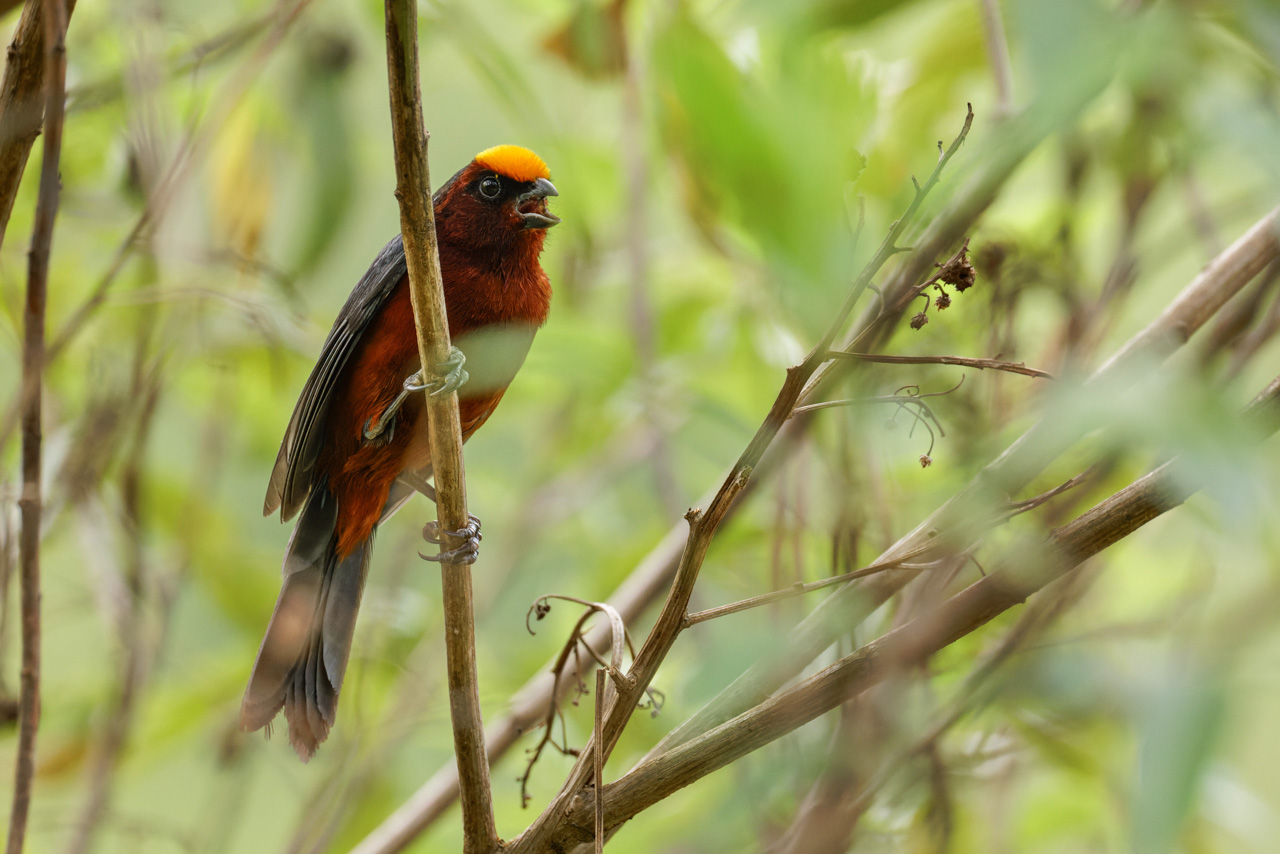
A primary highlight of the final days was the Multicolored Tanager (Chlorochrysa nitidissima), a species endemic to the interior of Colombian cloud forests. Listed as "Vulnerable" by the IUCN due to habitat loss, the Multicolored Tanager’s presence in these protected private reserves suggests that small-scale conservation plots are effectively acting as corridors for the species. The documentation of the Chestnut Wood-Quail, another elusive endemic, further validated the success of the habitat restoration efforts in the Cali highlands.
Data Analysis and Broader Implications
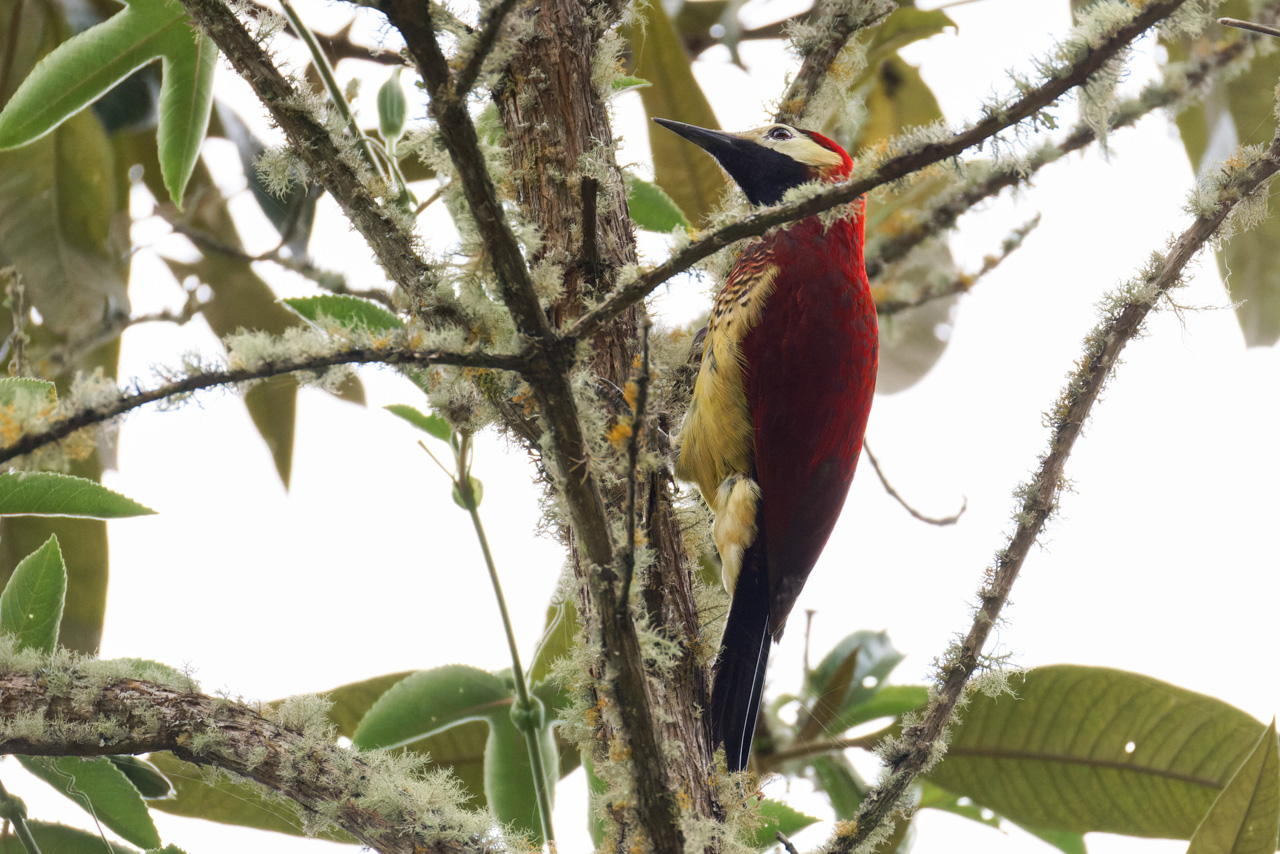
The recording of 419 species over 14 days provides a snapshot of Colombia’s immense biological wealth. With over 1,900 recorded bird species—the highest of any country on Earth—Colombia is a critical pillar of global biodiversity. The expedition’s findings suggest several key trends:
- Economic Impact of Avian Tourism: The reliance on local guides (such as Luz and Pablo mentioned in the field reports) and specialized lodges indicates that birding tourism is a significant driver of rural economic development. This "green economy" provides a viable alternative to extractive industries or deforestation.
- Effectiveness of Private Reserves: A substantial number of the rare and endemic species were recorded on private lands or community-managed reserves rather than in large national parks alone. This highlights the necessity of supporting small-scale conservation initiatives to create a "mosaic" of protected habitats across the Andes.
- Climate Change Sensitivity: The dependence of species like the Helmetcrests on high-altitude páramos makes them particularly vulnerable to global warming. As temperatures rise, these "sky island" habitats shrink, leaving the birds with nowhere higher to migrate.
- Conservation Success: The sightings of once-rare birds like the Yellow-eared Parrot and the Cauca Guan (which was feared extinct in the 20th century) prove that targeted conservation interventions can lead to significant population recoveries.
Conclusion
The 14-day survey through the Colombian Andes serves as a testament to the resilience of the region’s ecosystems when supported by dedicated conservation efforts and sustainable tourism. By documenting 419 species, including numerous rare endemics, the expedition provided valuable data that will assist in the ongoing monitoring of Andean biodiversity. As Colombia continues to develop its eco-tourism infrastructure, the protection of these avian corridors remains paramount for both ecological stability and the nation’s growing reputation as the world’s leading destination for ornithological study. The success of the tour reflects a broader shift toward valuing natural capital, ensuring that the vibrant colors and songs of the Andes remain for future generations.
