

The Himalayan Kingdom of Bhutan, known locally as Druk Yul or the Land of the Thunder Dragon, recently served as the backdrop for an extensive 18-day ornithological and mammalian survey that traversed the country’s diverse altitudinal gradients. Beginning in the low-lying Assamese plains of northeastern India and concluding in the high-alpine regions of western Bhutan, the expedition documented an extraordinary 351 species of birds and 19 species of mammals. This biological census highlights the critical importance of Bhutan’s environmental policies, which mandate that at least 60 percent of the nation remains under forest cover, a standard that currently stands at approximately 71 percent.
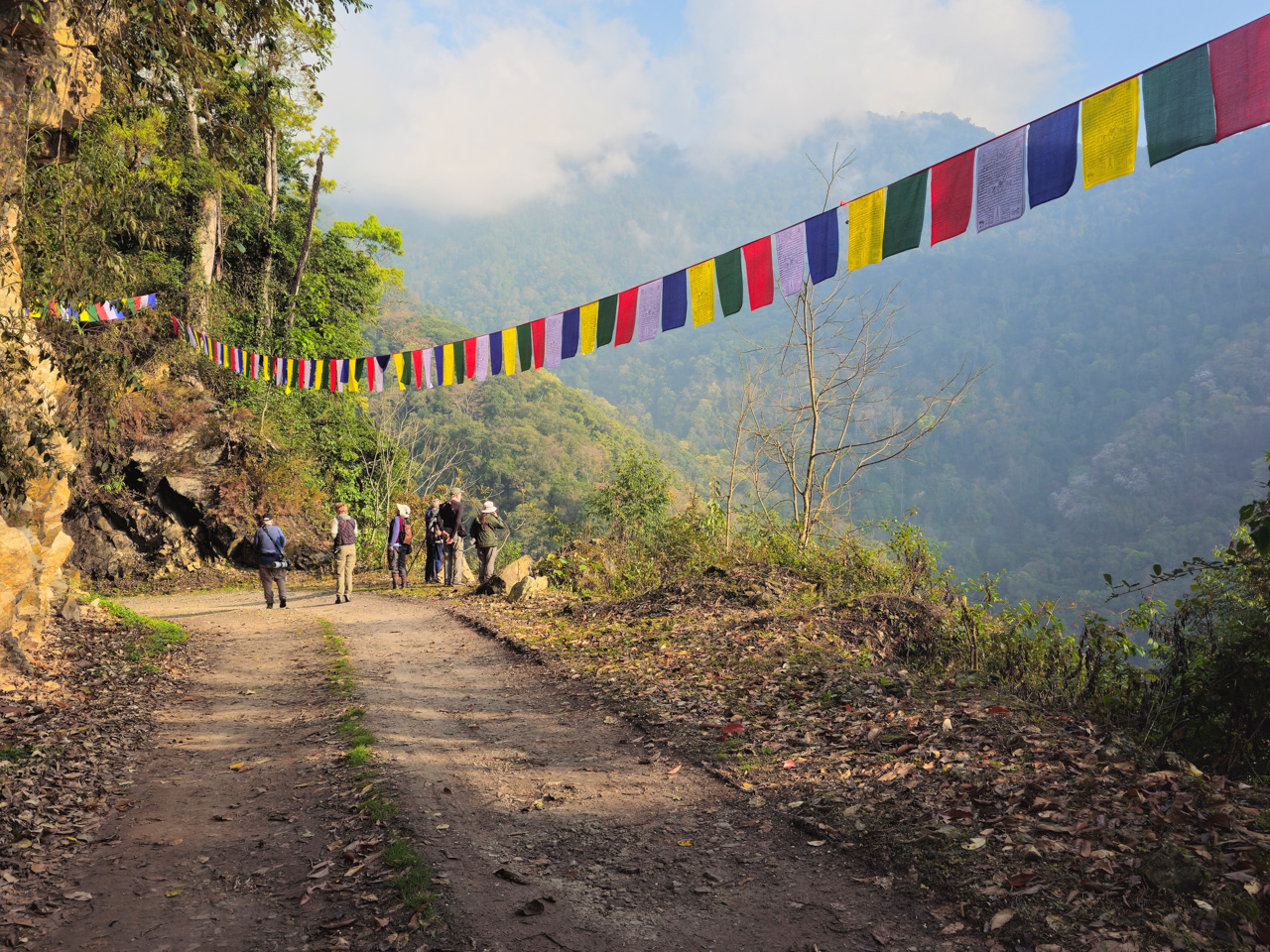
By entering the country through the southeastern border at Samdrup Jongkhar, the expedition was able to observe the transition of ecosystems from subtropical forests to alpine meadows. This journey provided a rare glimpse into the health of one of the world’s last remaining intact Himalayan ecosystems, where two-thirds of the natural habitat remains undisturbed by large-scale industrialization.
The Indo-Bhutanese Gateway: From Delhi to the Assamese Plains
The expedition commenced in the urban landscape of Delhi, India, where researchers and observers noted the resilience of avian life amidst rapid urbanization. Initial sightings included the Alexandrine Parakeet (Psittacula eupatria), Jungle Babbler, and Purple Sunbird. However, the focus shifted toward conservation-critical species upon the group’s arrival in Guwahati, Assam.
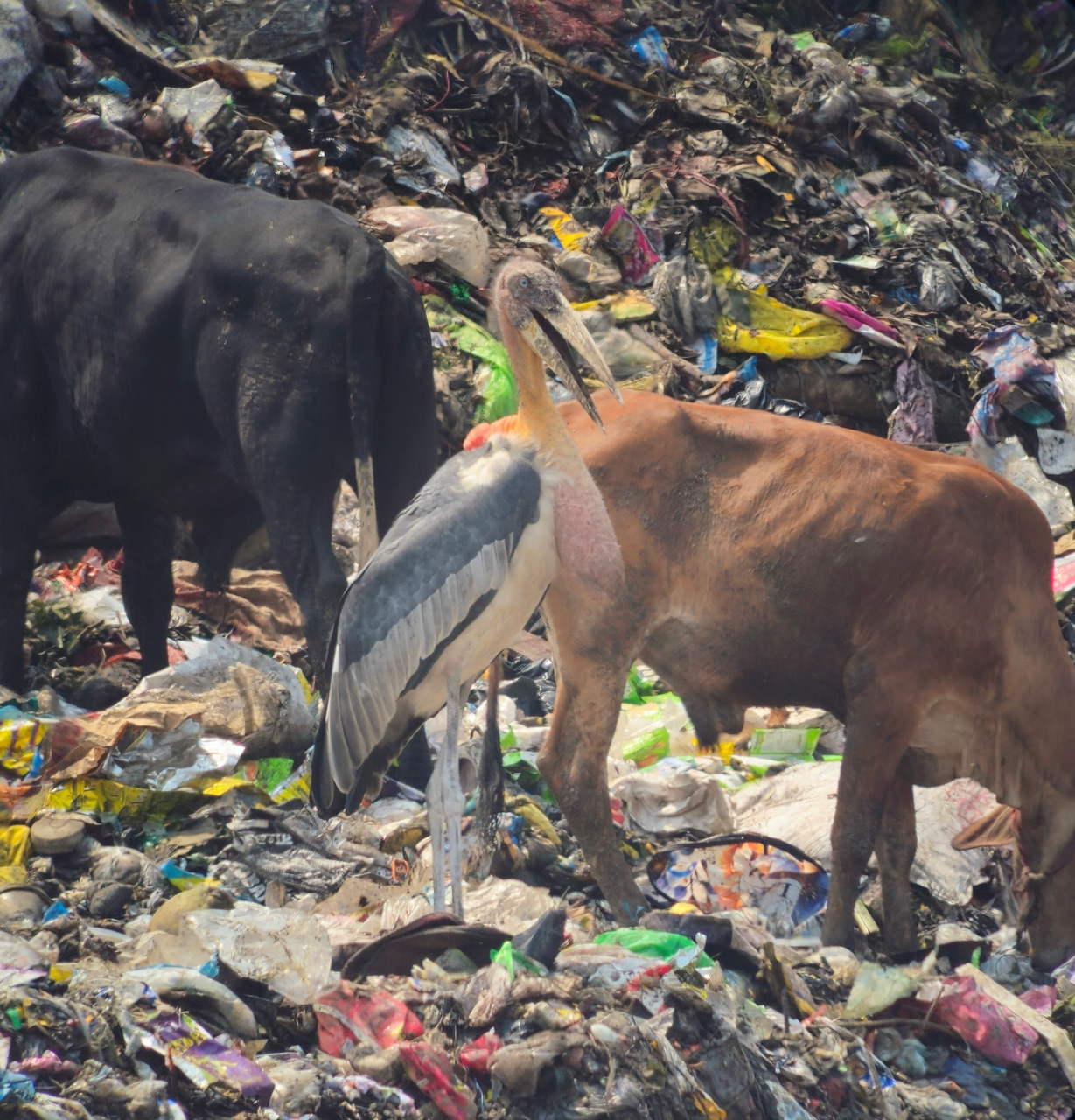
At the Guwahati waste disposal site, the team observed the Greater Adjutant (Leptoptilos dubius), a stork species classified as Endangered by the IUCN. This site, while reflecting the challenges of waste management in developing regions, serves as a vital feeding ground for the storks. The presence of these birds in such proximity to human activity underscores the complex relationship between wildlife and anthropocentric landscapes in the Indian subcontinent.

Crossing the border into Bhutan at Samdrup Jongkhar, the transition in habitat was immediate. The lowland border town provided sightings of the Asian Barred Owlet and several subcontinent endemics, including the Yellow-footed Green-pigeon. The expedition also confirmed the presence of the Dark-rumped Swift and Blyth’s Kingfisher, both of which are highly sought after by researchers due to their restricted ranges and specific habitat requirements.
Eastern Bhutan: The Ascent to Morong and Trashigang
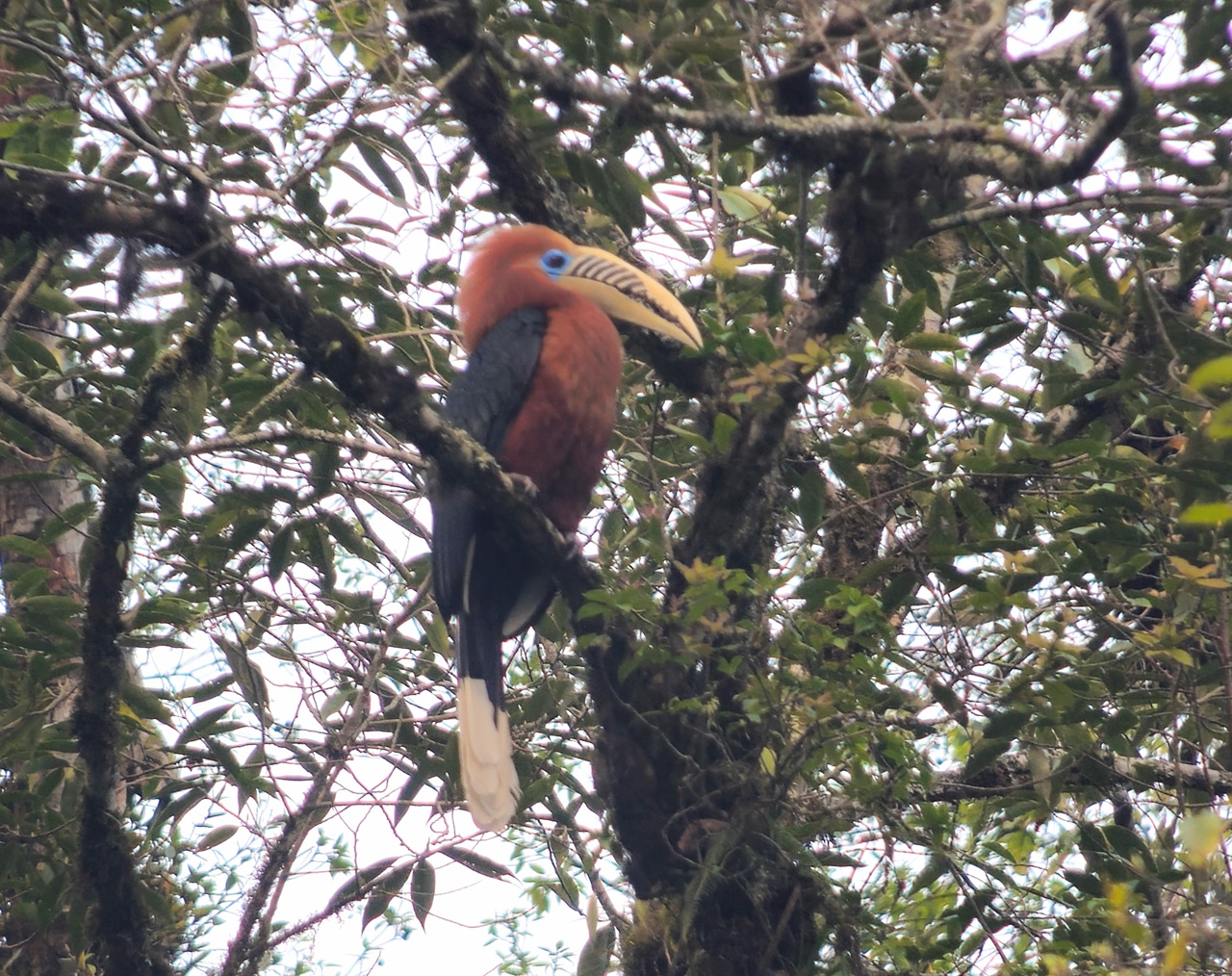
As the expedition moved inland toward Morong, the elevation rose to approximately 1,700 meters above sea level. This mid-elevation zone is characterized by Himalayan broadleaved forests, which are home to the Rufous-necked Hornbill (Aceros nundulatus). This species is a primary indicator of forest health, as it requires large, old-growth trees for nesting.
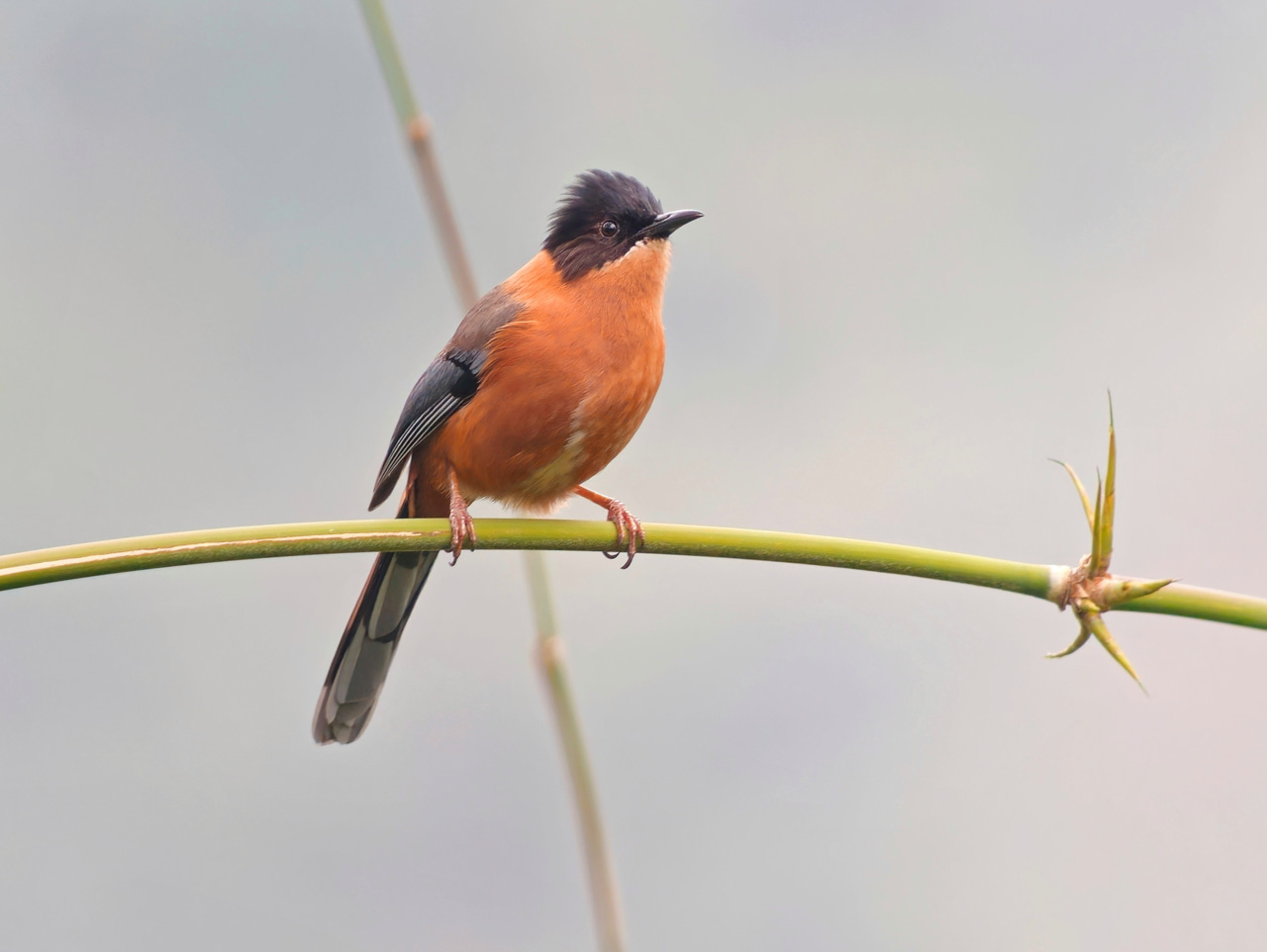
The journey continued through Trashigang, where the team encountered the Spotted Elachura, a bird of significant taxonomic interest. Formerly classified as a wren-babbler, genetic analysis has revealed it to be a unique evolutionary lineage basal to other passerines. The observation of the Bhutan Laughingthrush, a near-endemic species, further solidified the region’s status as a biodiversity hotspot.
The Lingmethang Road: A Critical Biodiversity Corridor
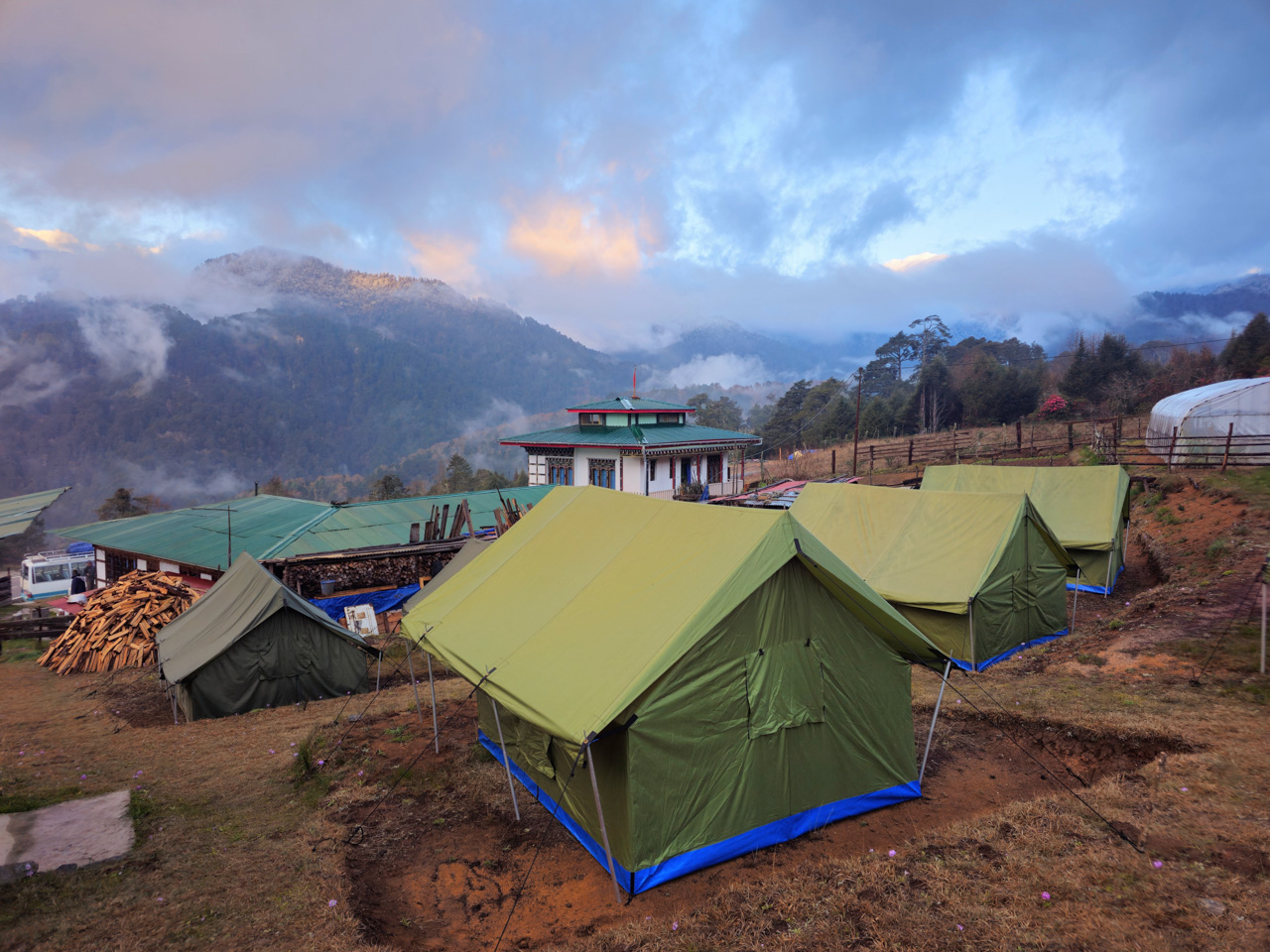
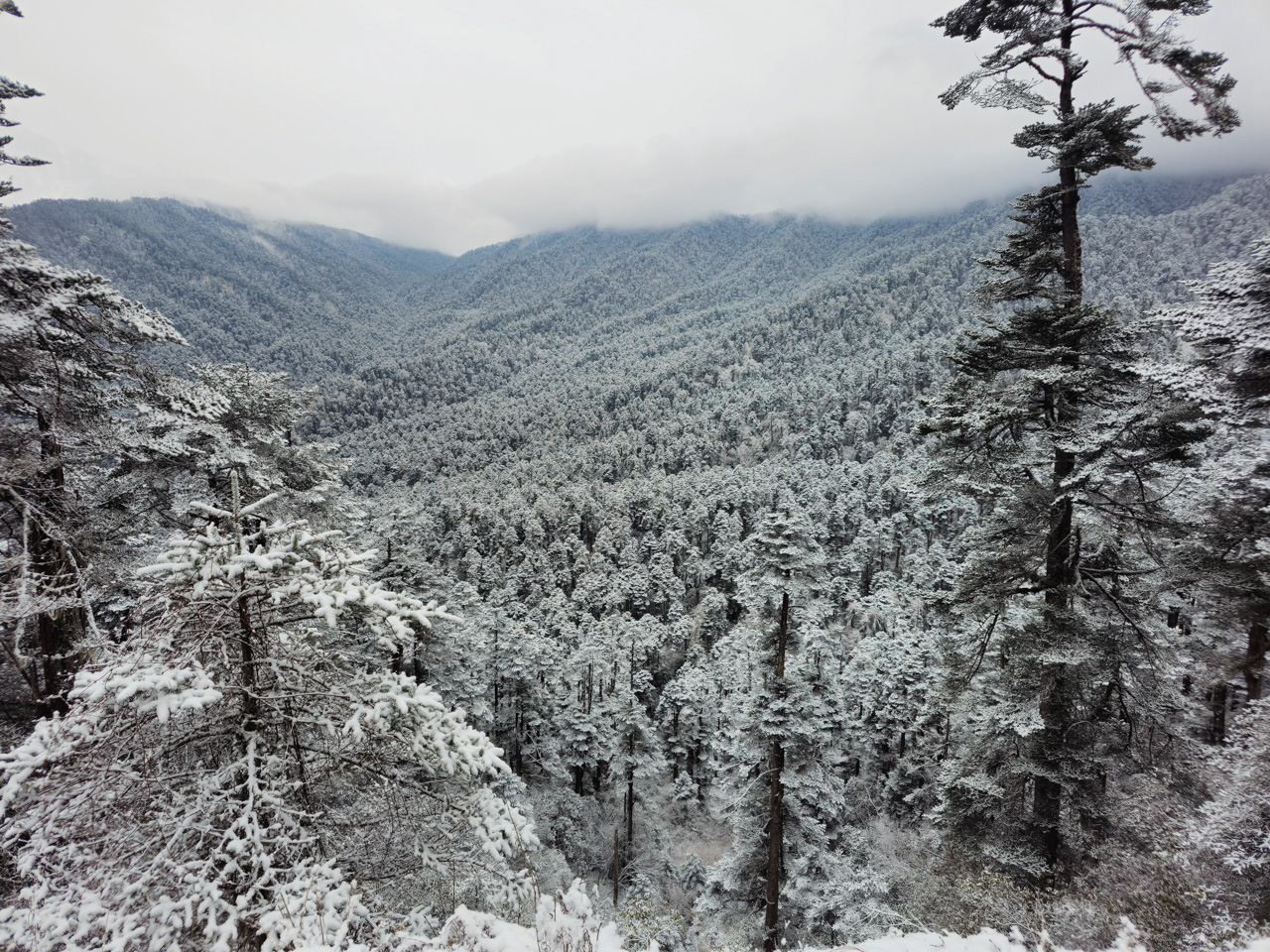
A significant portion of the survey was dedicated to the Lingmethang Road, a 55-kilometer stretch of terrain within the Phrumsengla National Park. This corridor is world-renowned among ornithologists for its unbroken forest cover, spanning elevations from 600 to over 3,000 meters. Despite unseasonably cold weather and late-season snow, the team recorded several "Eastern Himalayan specials."
A primary highlight was the Beautiful Nuthatch (Sitta formosa), a species that is notoriously difficult to locate due to its preference for the high canopy of primary forests. The survey documented two separate pairs, suggesting a stable, albeit localized, population. Other significant sightings included:
- Ward’s Trogon: A strikingly hued bird that serves as an icon of the Eastern Himalayan avifauna.
- Himalayan Cutia: An active forager found in epiphyte-clad hill forests.
- Yellow-rumped Honeyguide: A unique species known for its symbiotic-like relationship with bee colonies.
The team also conducted nocturnal surveys, identifying the Bhutan Giant Flying Squirrel and the Hairy-footed Flying Squirrel, contributing valuable data to the under-studied mammalian records of the Phrumsengla region.
Central Bhutan: Wetland Conservation and Rare Migrants
As the expedition moved toward Tingtibi and the Royal Manas National Park, the focus shifted to riverine habitats. The Mangde Chhu valley yielded a sighting of the White-bellied Heron (Ardea insignis), a bird classified as Critically Endangered. With a global population estimated at fewer than 60 individuals, the presence of this heron in Bhutan is of international conservation significance. The bird was observed in a pristine forested river valley, emphasizing the need for continued protection of Bhutan’s free-flowing river systems against hydroelectric encroachment.
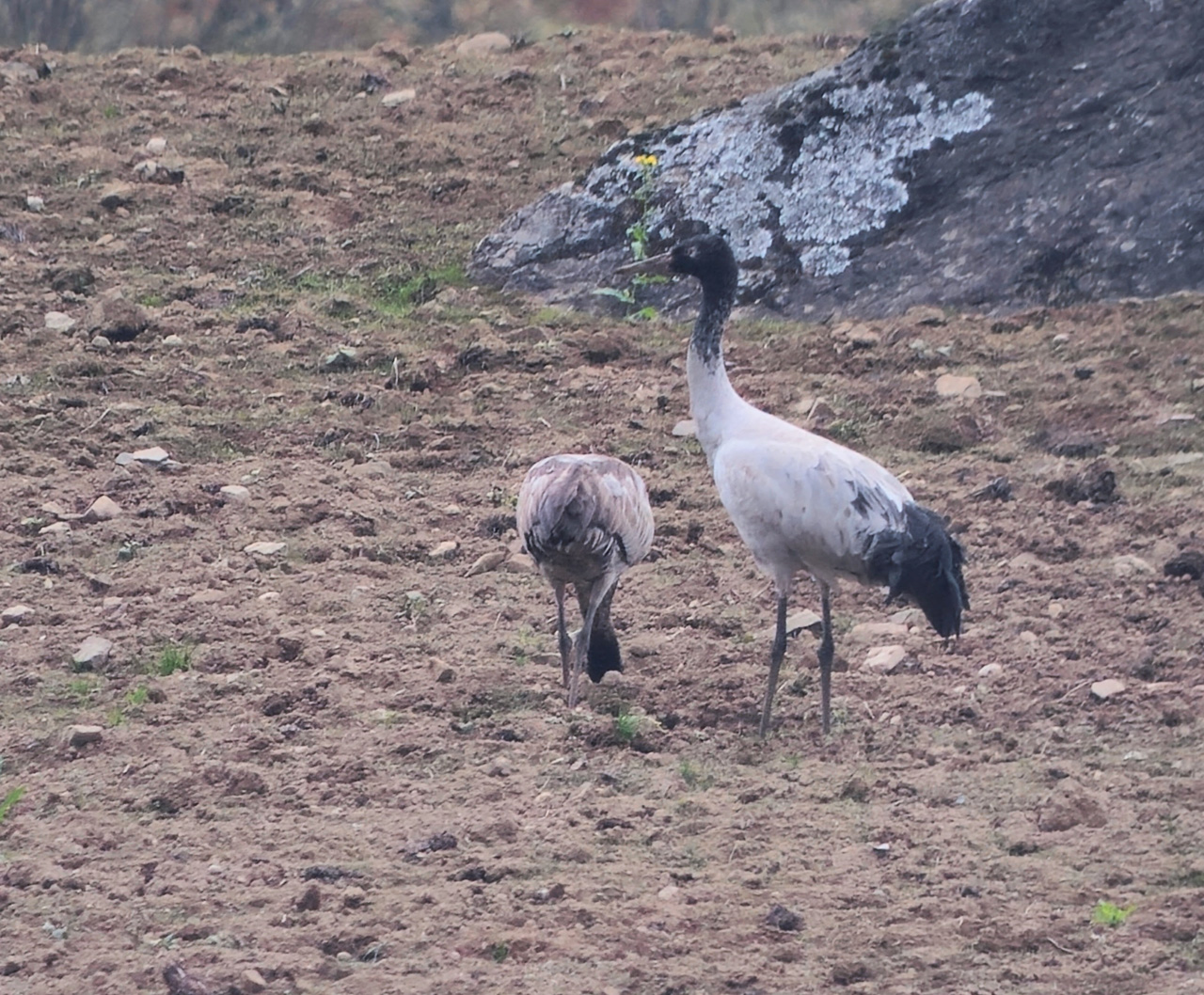
In the Phobjikha Valley, a glacial valley famous for its wintering population of Black-necked Cranes (Grus nigricollis), the team observed a pair that had delayed their migration to the Tibetan Plateau. The presence of these cranes, which are revered in Bhutanese culture as "heavenly birds," highlights the valley’s role as a sanctuary for migratory species.
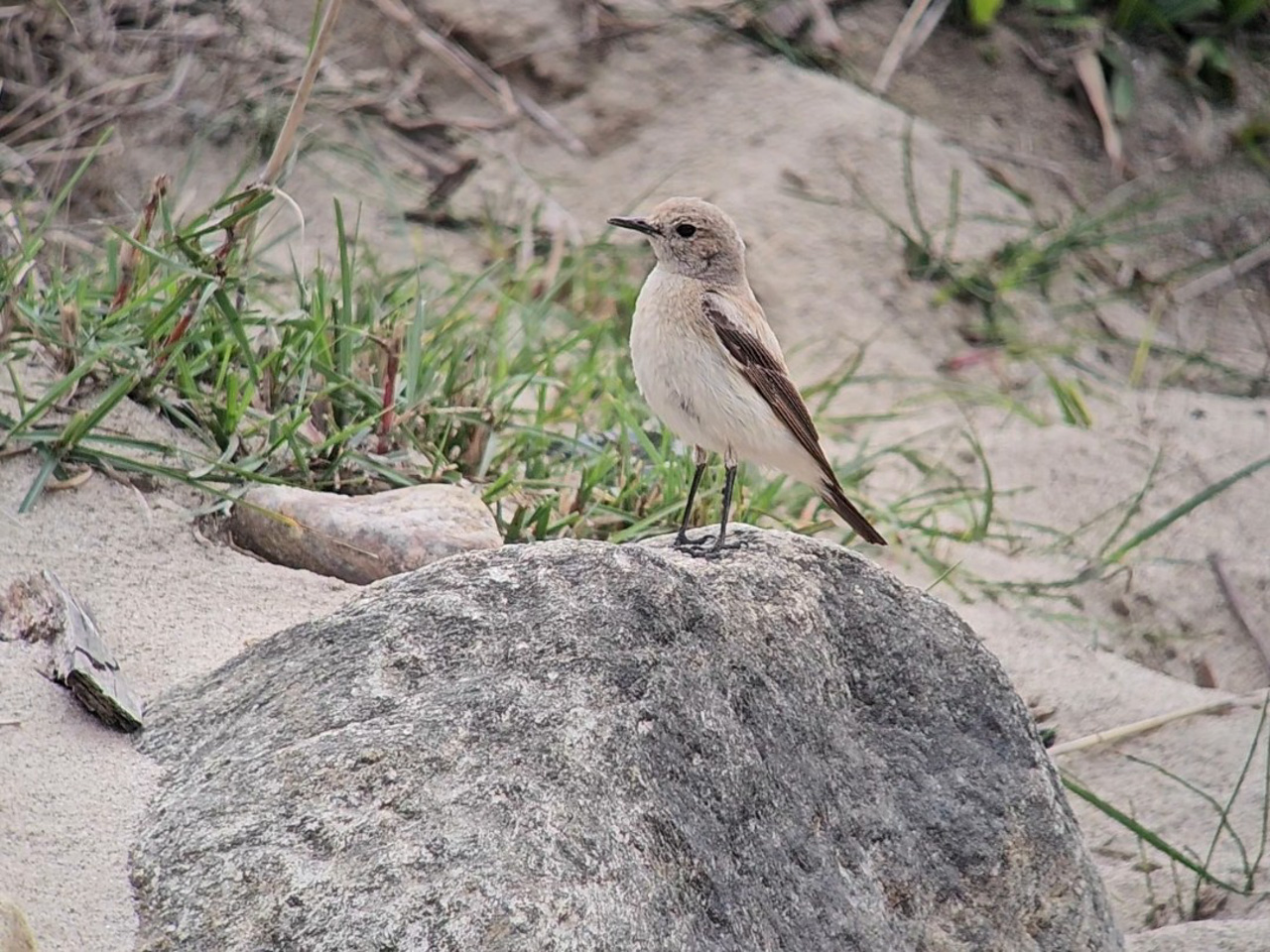
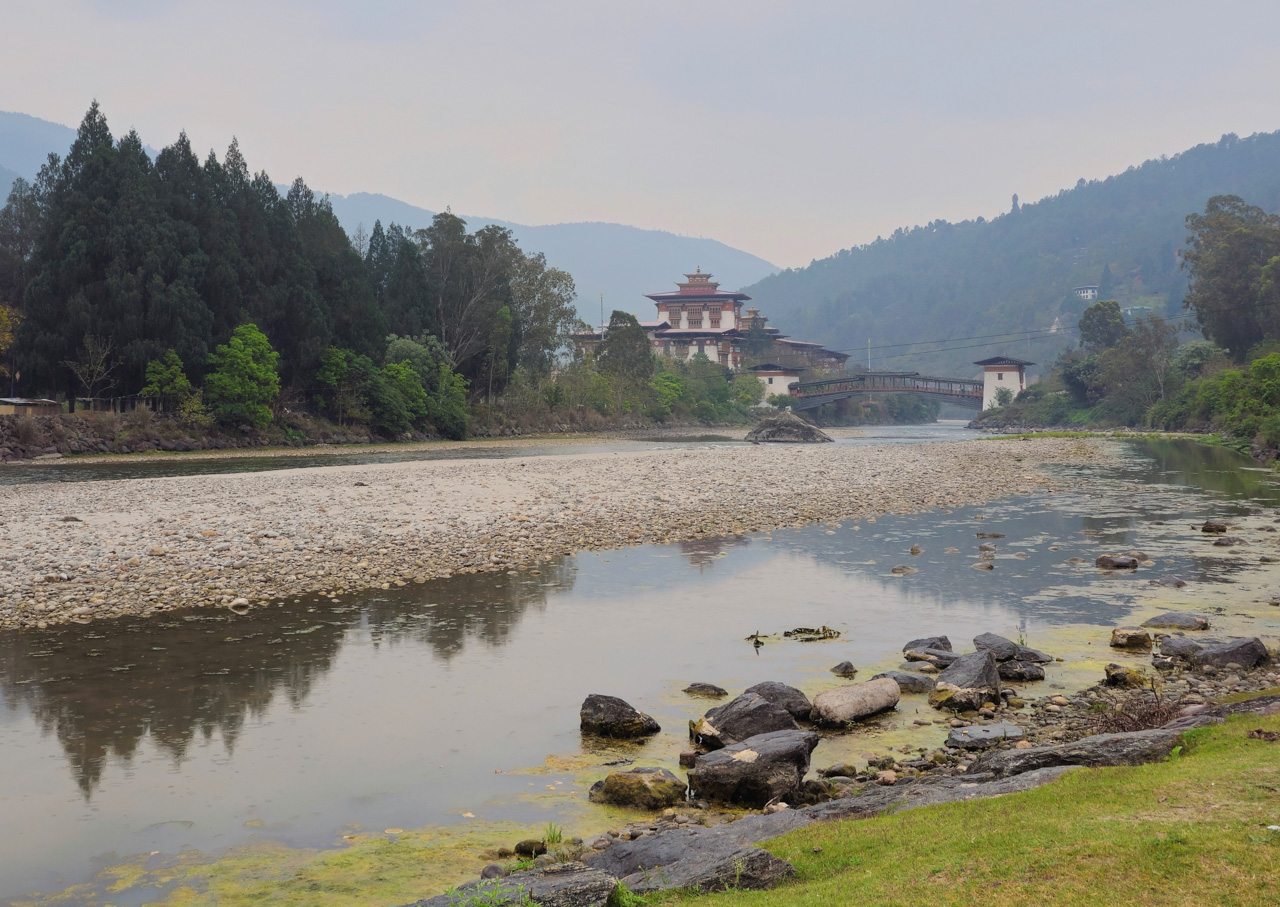
The expedition also recorded an extraordinary event at the Puna Tsang Chhu river. Acting as a migration flyway, the river hosted a variety of rare passage migrants likely grounded by inclement weather. This included the Desert Wheatear, marking what is believed to be only the fourth recorded sighting of the species in Bhutanese history. Other recorded migrants included the Tibetan Sandplover, Pallas’s Gull, and the Falcated Duck.
High-Altitude Surveys: Pele La and Chele La
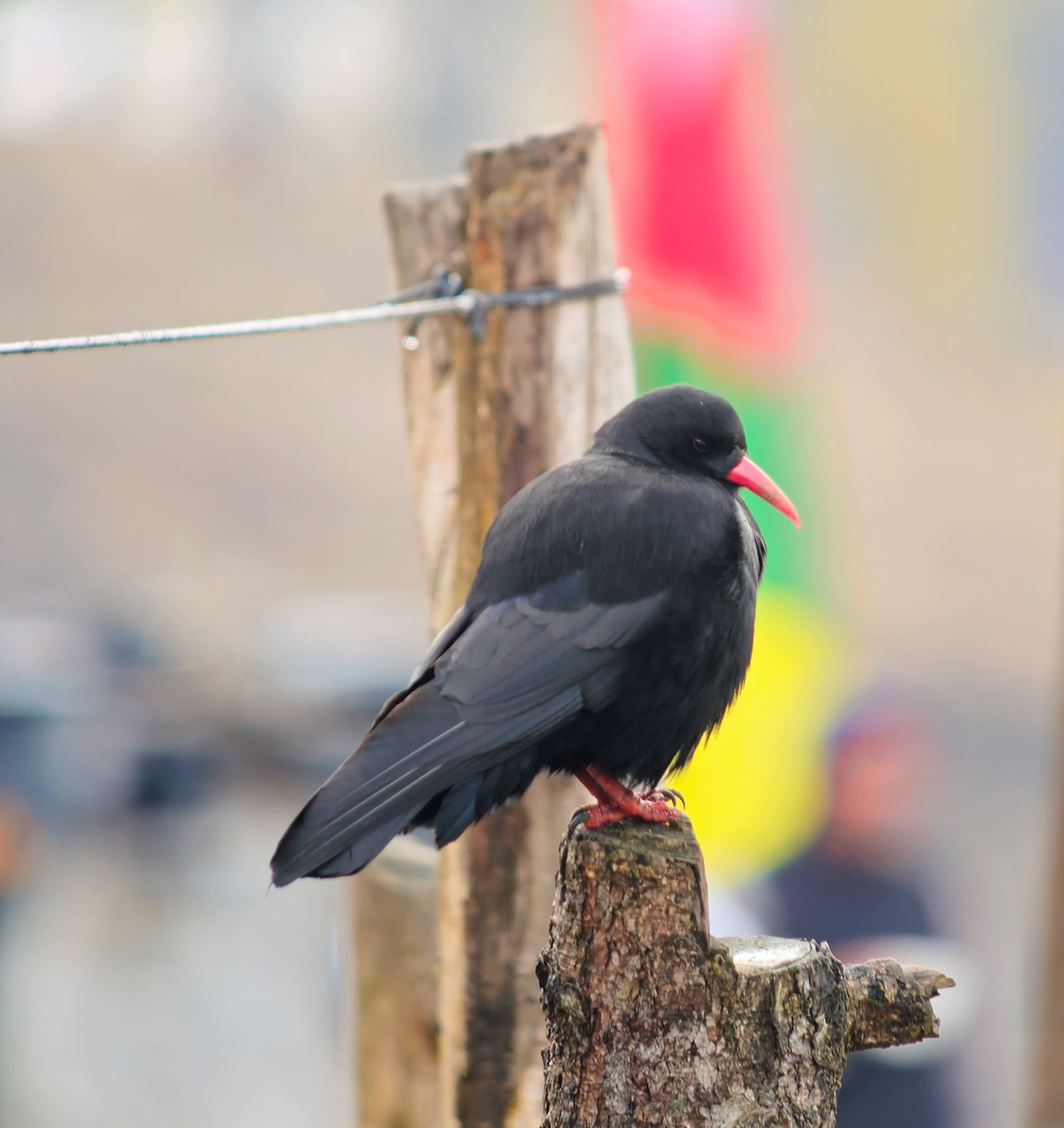
The final stages of the expedition targeted the highest accessible altitudes, reaching nearly 4,000 meters at the Chele La pass. These alpine zones provided a starkly different suite of species. The survey documented four species of pheasants in a single morning: the Satyr Tragopan, Himalayan Monal, Blood Pheasant, and Kalij Pheasant. The Himalayan Monal, with its iridescent plumage, is a flagship species for high-altitude conservation in the Himalayas.
At these elevations, the team also observed:
- Fire-tailed Myzornis: A brilliantly colored nectar-feeder often associated with flowering rhododendrons.
- Grosbeaks: Both White-winged and Collared Grosbeaks were noted in the coniferous forests.
- Mammalian Adaptations: The survey recorded the Sikkim Pika and the Large-eared Pika, as well as the Himalayan Brown Goral, a goat-antelope species adapted to steep, rocky terrain.
Cultural Integration and Sustainable Tourism
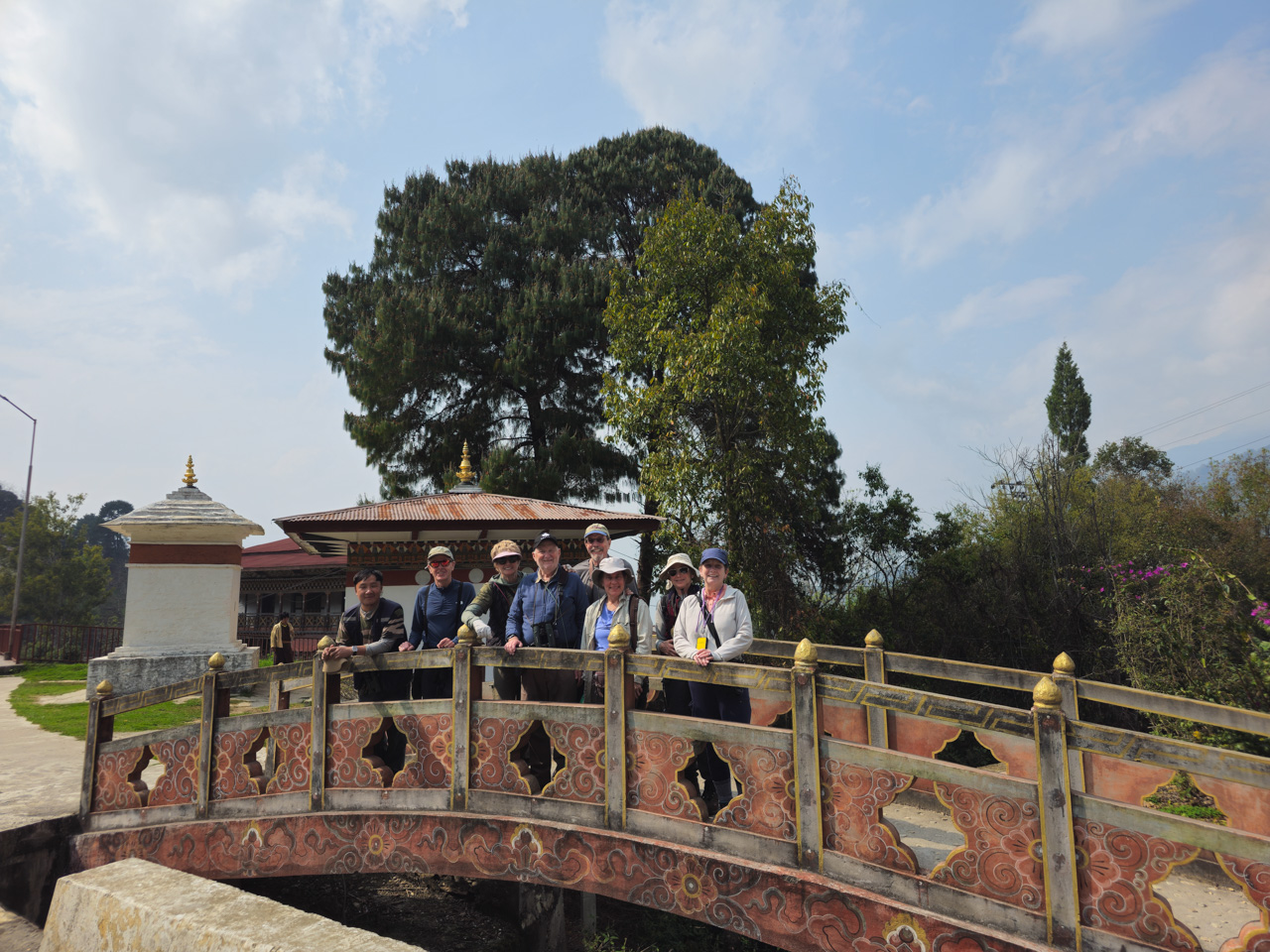
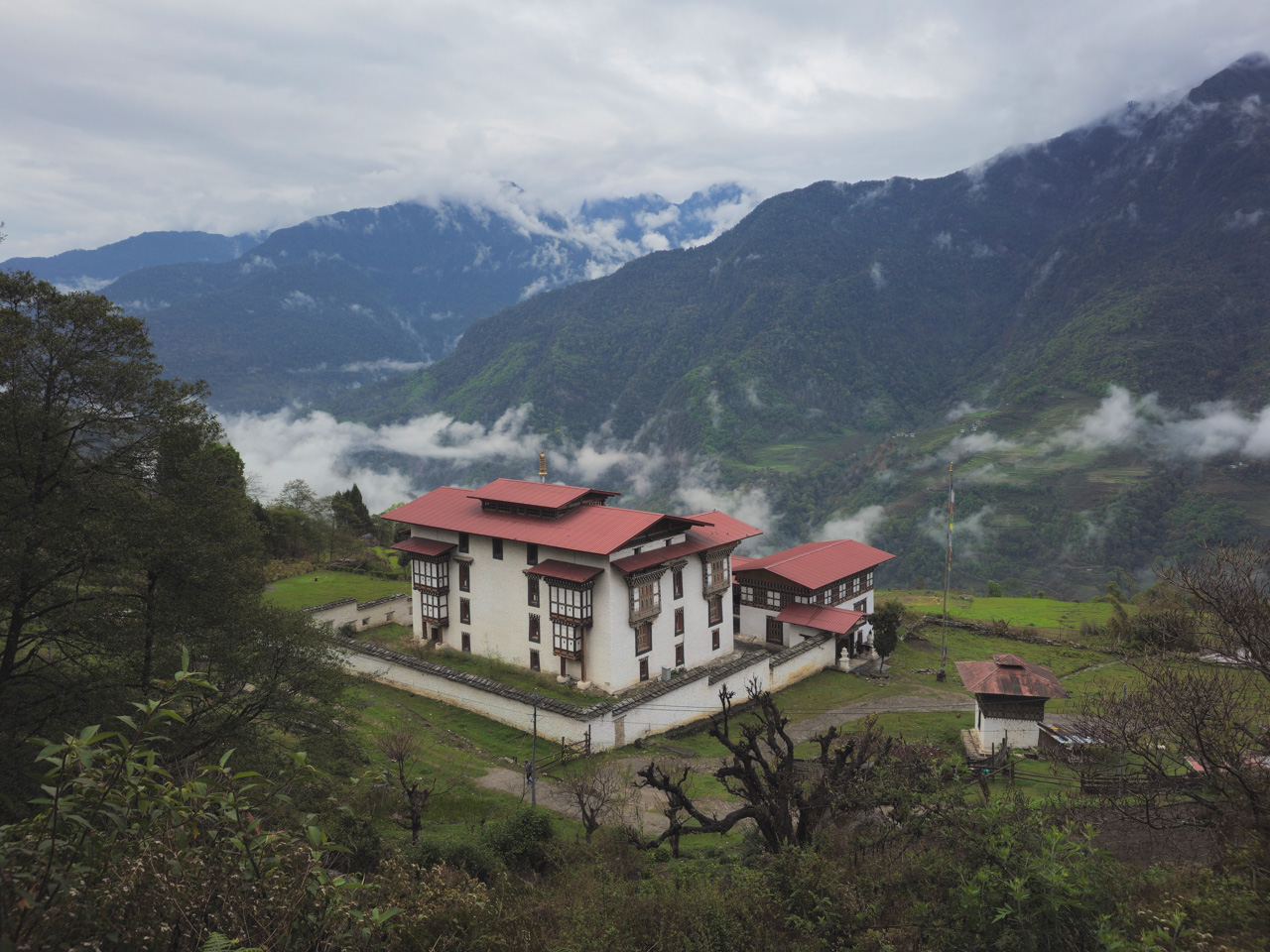
The expedition’s success was not solely defined by biological data but also by the integration of cultural heritage. Visits to the Trashigang Dzong, Punakha Dzong, and the iconic Paro Taktsang (Tiger’s Nest Monastery) provided context for Bhutan’s "Middle Path" approach to development. This philosophy seeks to balance economic growth with environmental and cultural preservation.

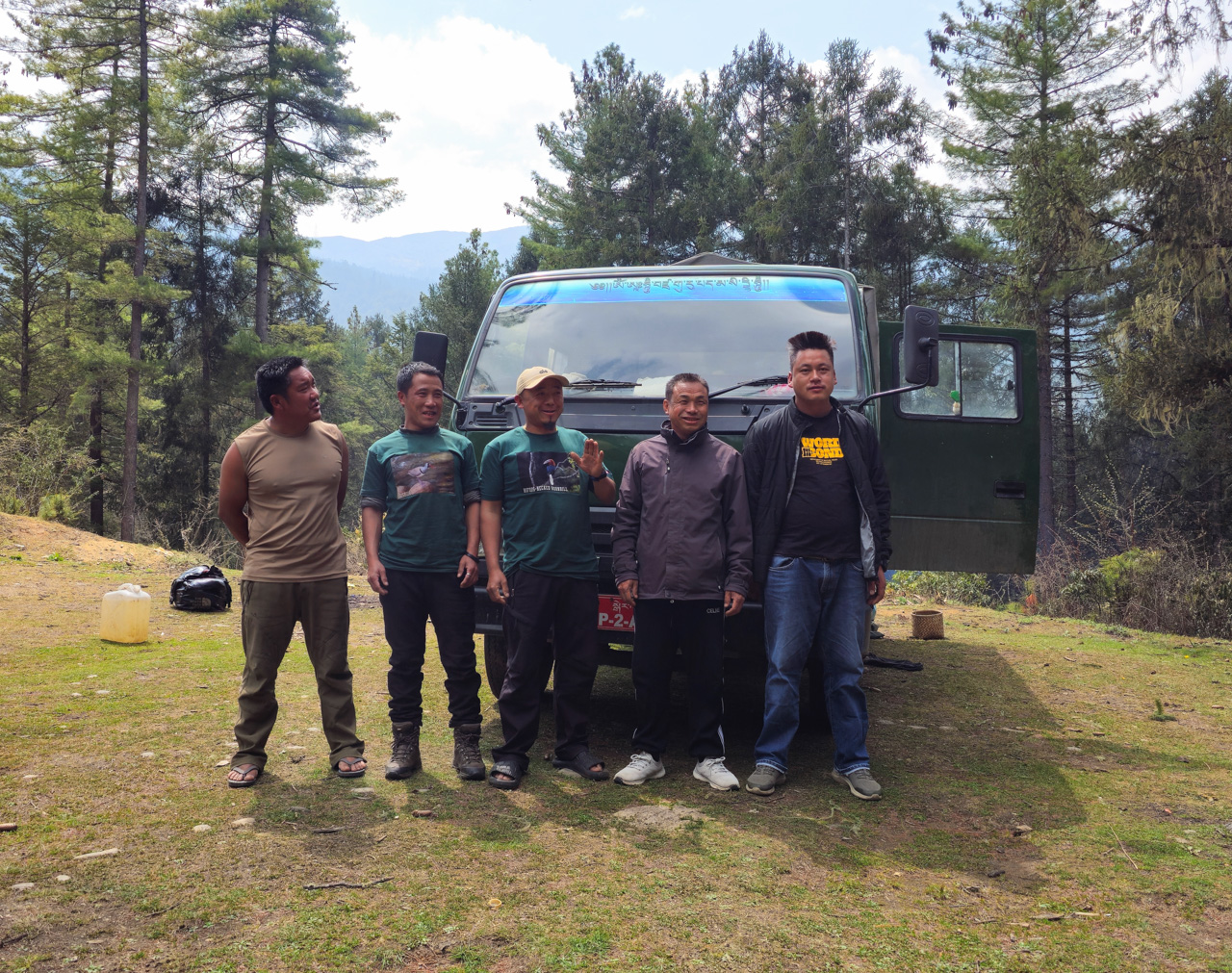
The role of the local crew—including guides, drivers, and camp staff—was instrumental. The logistics of maintaining a mobile camp across varying altitudes and weather conditions reflect the professional infrastructure that supports Bhutan’s high-value, low-volume tourism model. This model ensures that tourism revenue contributes directly to conservation and local livelihoods without overwhelming the delicate ecosystems.
Analysis of Implications and Conservation Outlook
The documentation of 351 bird species and 19 mammals over an 18-day period serves as a powerful testament to Bhutan’s status as a "Global Biodiversity Hotspot." However, the data also points to emerging challenges. The reliance of species like the White-bellied Heron and the Rufous-necked Hornbill on specific, undisturbed habitats makes them vulnerable to climate change and infrastructure development.
The unseasonable snow and rain encountered during the tour suggest a shift in weather patterns that can impact the timing of migration and breeding for many Himalayan species. The discovery of rare migrants like the Desert Wheatear indicates that Bhutan may play an even larger role in regional migration than previously understood, necessitating further trans-boundary conservation efforts with India and China.
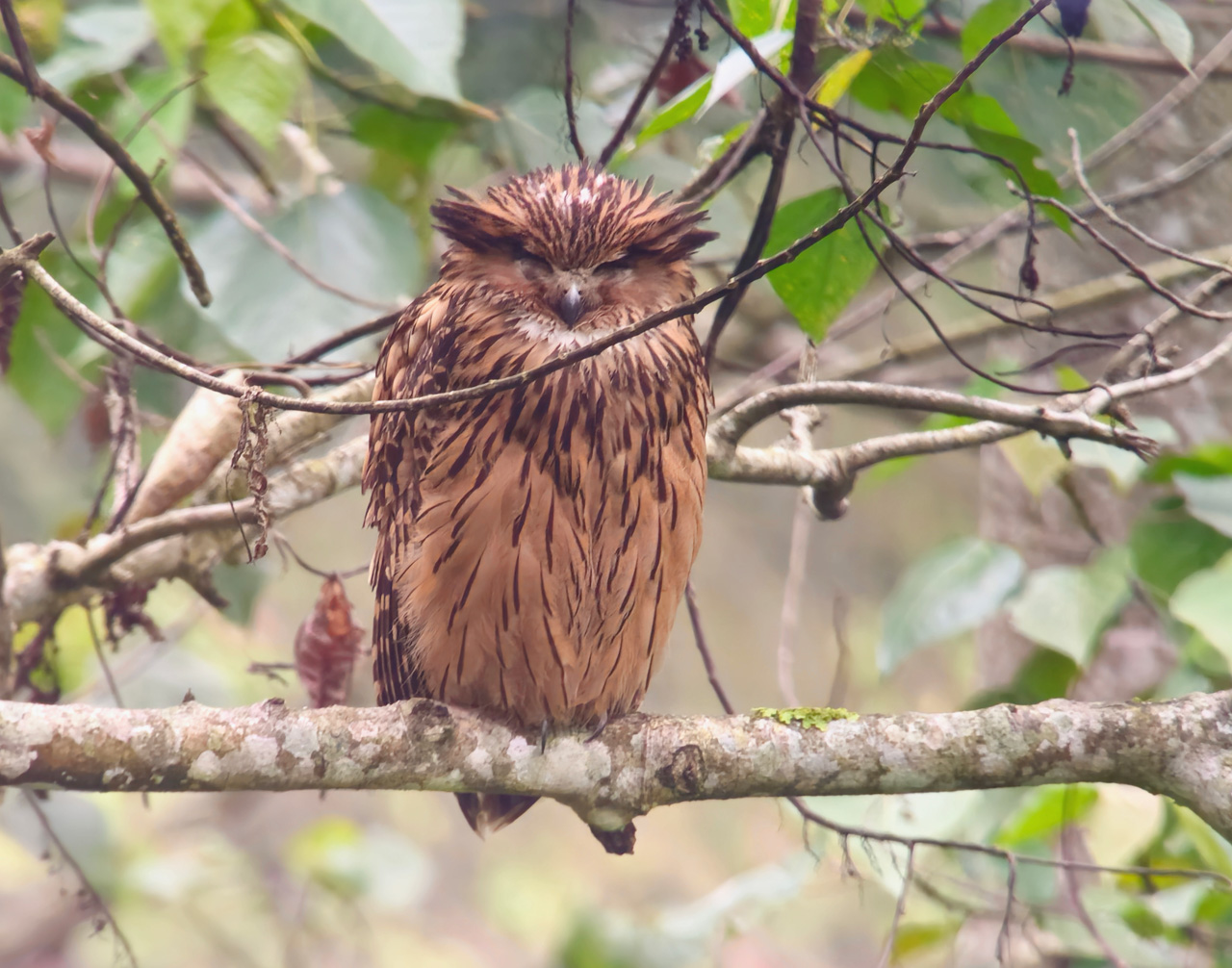
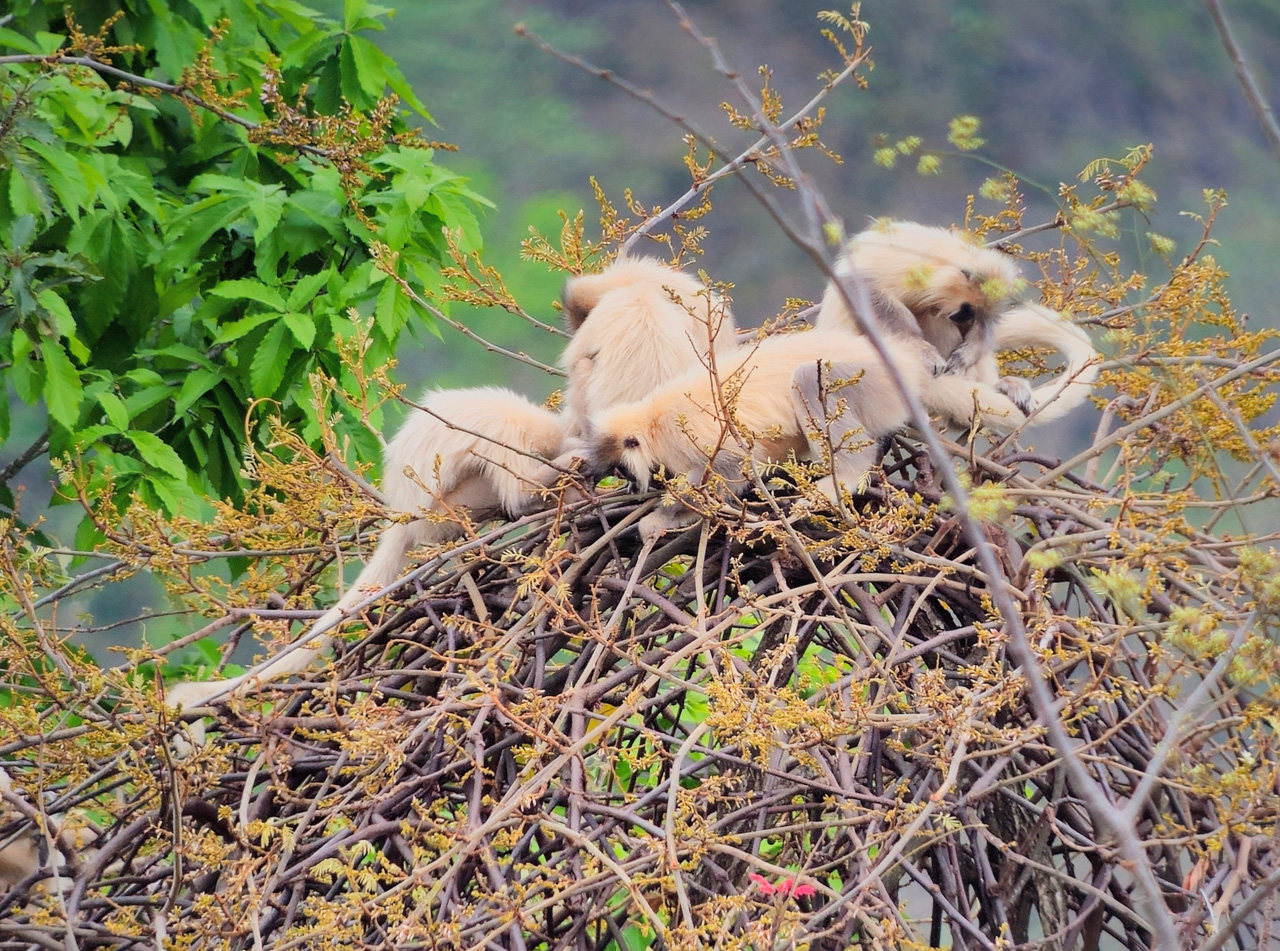
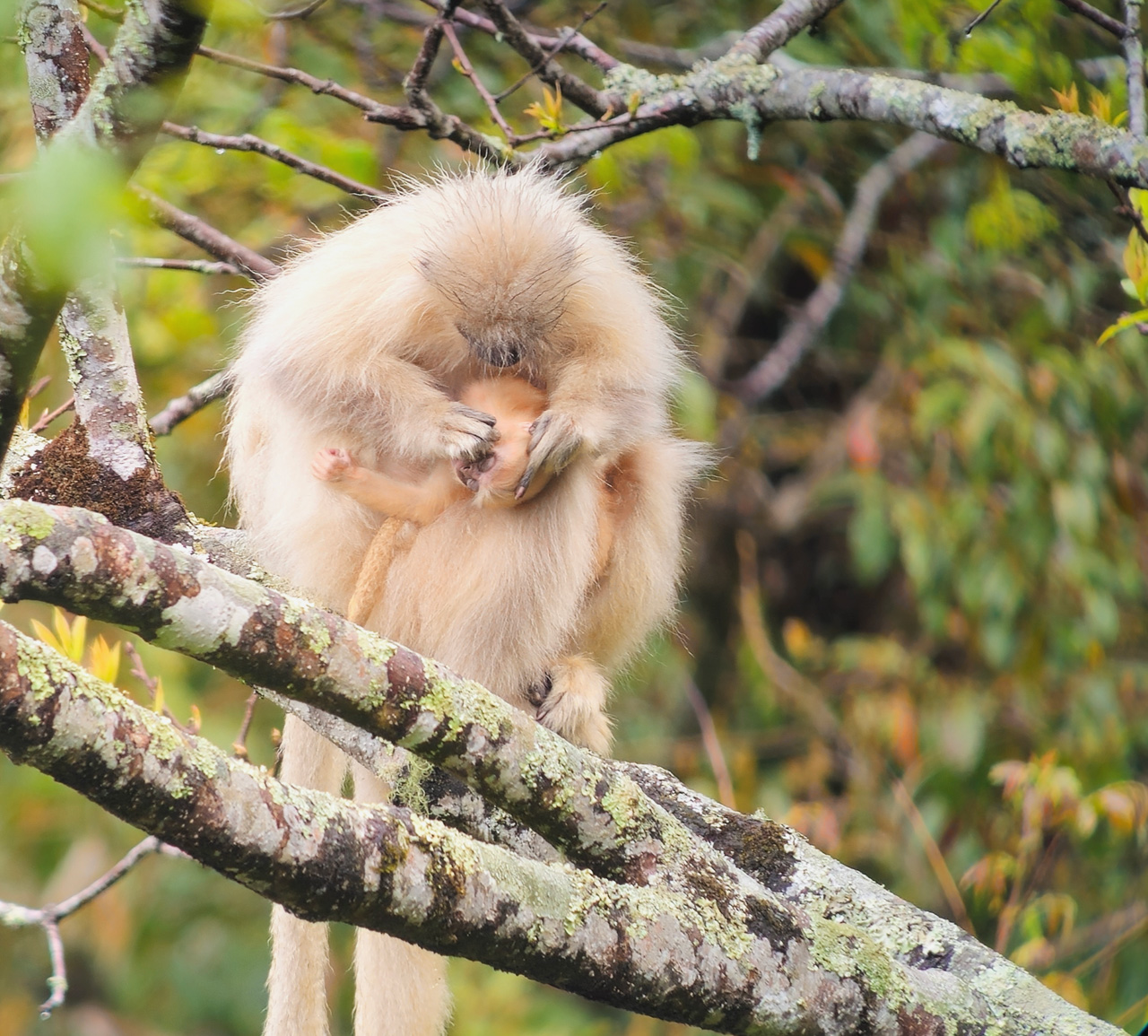
In conclusion, the expedition across the Land of the Thunder Dragon confirms that while much of the world’s biodiversity is in retreat, Bhutan remains a vital stronghold. The continued protection of its altitudinal corridors—from the subtropical lowlands to the alpine peaks—is essential not only for the survival of iconic species like the Satyr Tragopan and the Golden Langur but also for the ecological stability of the entire Himalayan region. The findings of this survey provide a baseline for future research and underscore the global importance of Bhutan’s environmental stewardship.
