

An intensive 11-day ornithological expedition across Ontario’s premier migratory hotspots and breeding habitats has concluded with the recording of 190 distinct bird species. The journey, which spanned from the urban shorelines of Toronto to the globally recognized "migration funnel" of Point Pelee National Park and the rugged boreal landscapes of Algonquin Provincial Park, highlights the critical importance of Ontario’s diverse ecosystems during the peak of spring migration. Experts and participants noted that the high species count, which included 26 varieties of warblers and several regional rarities, underscores the province’s role as a vital corridor for neo-tropical migrants moving toward their northern nesting grounds.
The Significance of the Ontario Migratory Corridor
The expedition took place during the month of May, a period widely considered the zenith of avian movement in North America. Southern Ontario sits at the confluence of the Atlantic and Mississippi flyways, creating a geographical "funnel" effect, particularly along the north shore of Lake Erie. As birds cross the Great Lakes, they often seek the first available land for rest and refueling, making locations like Point Pelee and Long Point indispensable stopover sites.
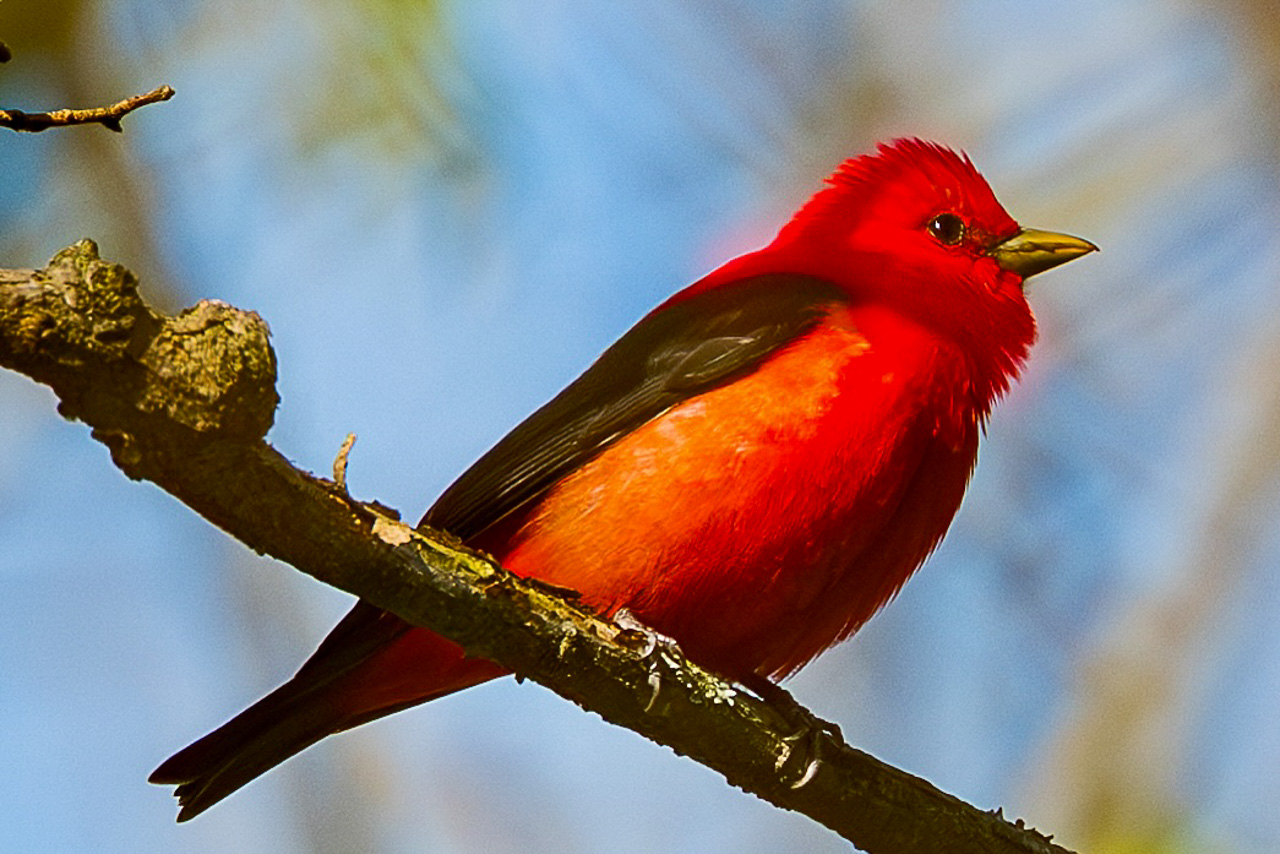
The diversity recorded—nearly 200 species in under two weeks—reflects the variety of habitats traversed, including Carolinian forests, limestone alvars, freshwater marshes, and the mixed coniferous-deciduous forests of the Canadian Shield. These environments support a wide range of avian life, from endangered residents like the Prothonotary Warbler to rare vagrants such as the White-faced Ibis and Summer Tanager.
Chronology of the Expedition: From Urban Shorelines to the Deep Woods
The survey began on May 11 in Toronto, serving as a baseline for urban-adjacent biodiversity. Early observations at Colonel Samuel Smith Park on May 12 revealed a robust presence of waterfowl and early-season migrants. A breeding colony of Red-necked Grebes was documented, alongside a lone Horned Grebe and initial waves of warblers. This phase of the trip demonstrated how managed urban green spaces provide essential "stepping stone" habitats for birds navigating the heavily developed Golden Horseshoe region.
Following the initial survey in Toronto, the focus shifted to the Leamington area, the gateway to Point Pelee National Park. Point Pelee is a UNESCO Biosphere Reserve and arguably the most famous birding destination in Canada. From May 13 to May 15, the expedition conducted intensive monitoring at "The Tip," the southernmost point of mainland Canada.
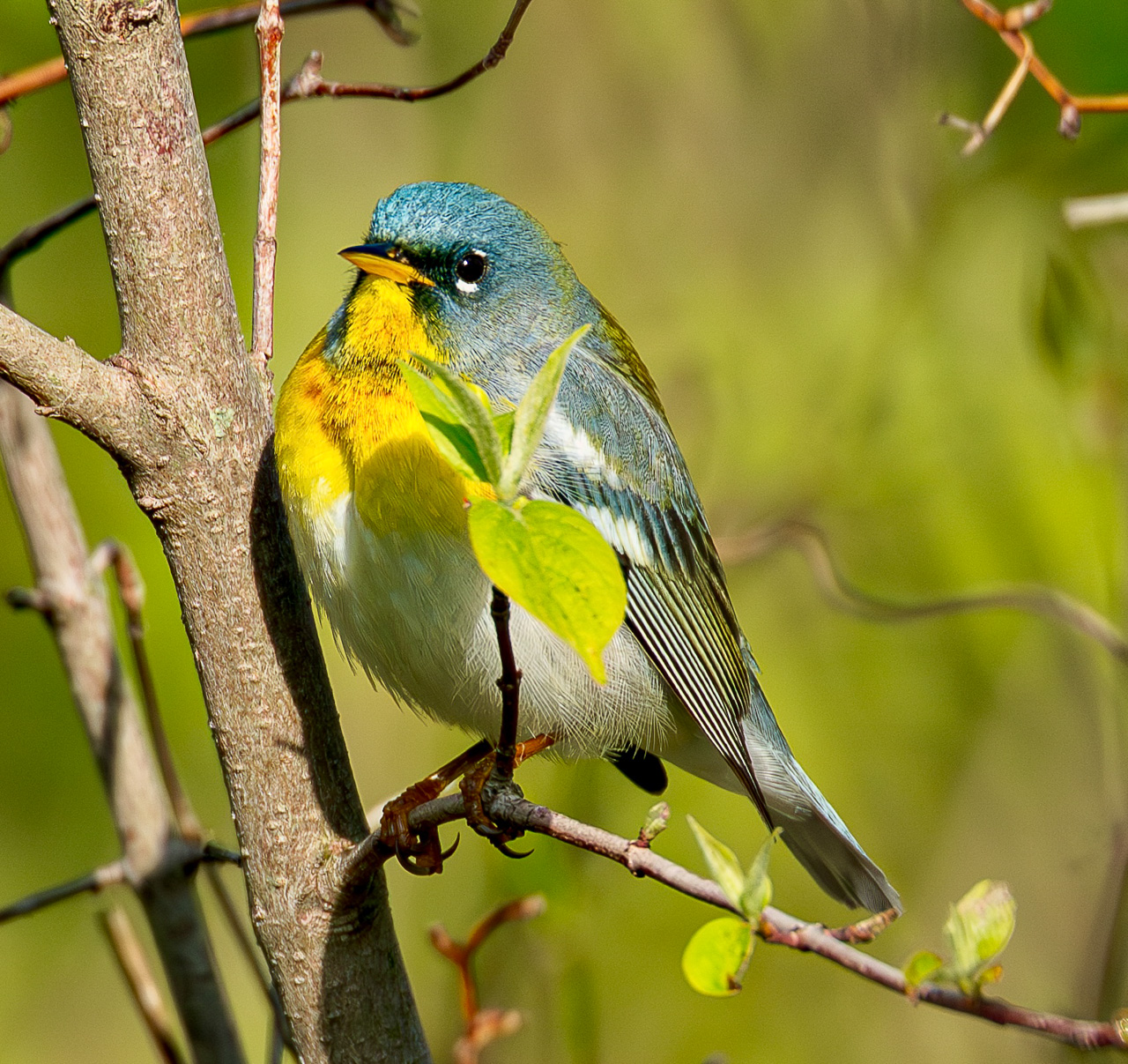
During this window, the group documented significant shorebird activity at Hillman Marsh Conservation Area, including a massive flock of approximately 300 Short-billed Dowitchers. Within the park’s interior, observers recorded a Golden-winged Warbler—a species currently listed as "Threatened" under the Species at Risk Act (SARA)—and a highly cooperative Prothonotary Warbler. The latter is of particular interest to conservationists, as its Canadian breeding range is restricted to very specific swamp forest habitats in Southern Ontario.
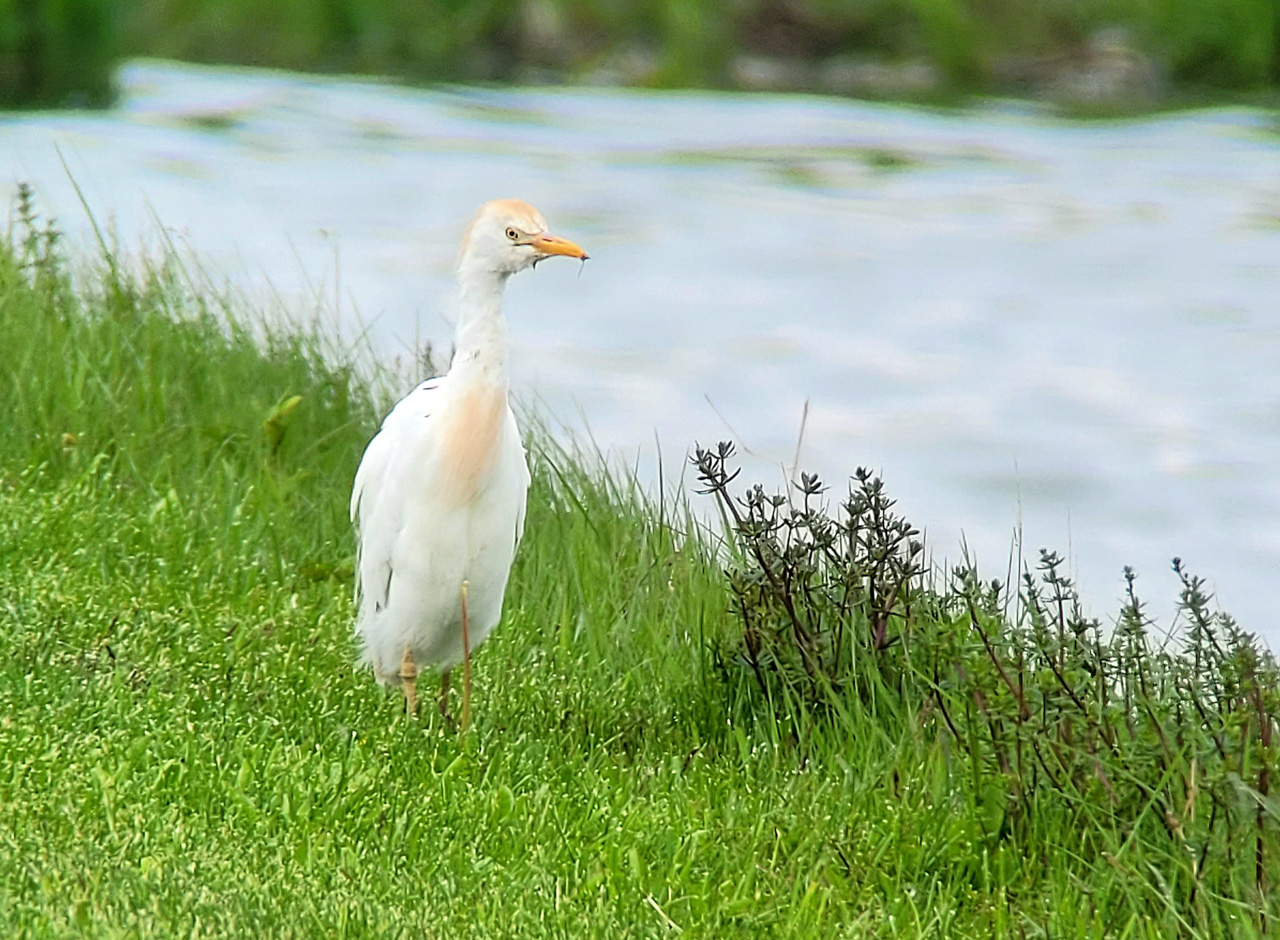
On May 16, the expedition moved to Rondeau Provincial Park. Despite a passing weather system, the group successfully located Red-headed Woodpeckers actively working on a nesting site. This species has faced significant population declines across its range due to habitat loss and competition for nesting cavities. The day concluded with the observation of a Cattle Egret near Port Stanley, a notable find for the region.
Scientific Observation and Conservation at Long Point
May 17 was dedicated to the Long Point region, home to the Long Point Bird Observatory (LPBO), the oldest bird observatory in the Western Hemisphere. The group participated in observing banding activities at the Old Cut station, a process that provides critical data on population trends, migratory timing, and the physical health of birds.
Banding allows for the "in-hand" inspection of species that are otherwise difficult to observe in the canopy, such as the Ovenbird and Northern Waterthrush. Observations in the surrounding Big Creek National Wildlife Area added Sandhill Cranes and Common Gallinules to the tally, while the West Quarter Line provided sightings of grassland specialists, including Eastern Bluebirds and Grasshopper Sparrows. The presence of Blue-winged and Hooded Warblers in this area highlights the success of local conservation efforts in maintaining the Carolinian forest structure.
Transitioning to the Carden Alvar and Algonquin Highlands
As the expedition moved north toward Orillia and the Carden Alvar on May 19, the species composition shifted dramatically. The Carden Alvar is a rare ecosystem characterized by thin soils over limestone bedrock, supporting birds that are increasingly scarce elsewhere in the province.
The group recorded Eastern Meadowlarks and Bobolinks—both species that have suffered from the loss of native grasslands. High-value sightings included the Upland Sandpiper and the reclusive American Bittern. A significant highlight was the observation of a Brewster’s Warbler, a rare hybrid of the Blue-winged and Golden-winged Warblers, which provides insight into the complex interbreeding dynamics of these two species.

The final leg of the journey, from May 20 to May 21, took place in Algonquin Provincial Park. This region represents the transition from the southern deciduous forests to the northern boreal woods. Despite recent storm damage that destroyed a known Black-backed Woodpecker nest at the Old Airfield, the expedition successfully identified several boreal specialties. These included Evening Grosbeaks, Pine Siskins, and various diving ducks like the Hooded Merganser and Ring-necked Duck. The observation of a Common Nighthawk and the aerial displays of the American Woodcock provided a comprehensive look at the region’s crepuscular and nocturnal avian activity.
Data Analysis: Species Highlights and Rare Occurrences
The final count of 190 species is a testament to the high level of biodiversity present in Ontario during the spring. The 26 species of warblers recorded represent nearly 70% of the warbler species that regularly occur in the province.

Key Rare Species Recorded:
- White-faced Ibis: A rare vagrant from the west, found at Hillman Marsh.
- Cattle Egret: Typically found in more southern or agricultural climates, spotted near Port Stanley.
- Summer Tanager: A southern species that occasionally "overshoots" its breeding range during spring migration.
- Prothonotary Warbler: An endangered species in Canada, noted for its brilliant yellow plumage and specific habitat requirements.
- Brewster’s Warbler: A hybrid that serves as an indicator of the overlapping ranges of its parent species.
The expedition also noted the prevalence of common but ecologically significant species. The "peenting" and sky-dance of the American Woodcock were observed at multiple sites, from Leamington to Algonquin, indicating a healthy distribution of this popular game bird.
Broader Implications for Avian Conservation
The findings of this 11-day expedition contribute to a broader understanding of the health of North America’s bird populations. While the high number of species is encouraging, the reliance of these birds on specific, often fragmented habitats underscores the need for continued environmental stewardship.
The success of the "Point Pelee funnel" as a stopover site highlights the necessity of protecting Great Lakes shorelines from over-development. Similarly, the sightings at the Carden Alvar emphasize the importance of preserving non-forested habitats like grasslands and alvars, which are often overlooked in favor of reforestation projects.

The economic impact of birding in Ontario is also a factor. Towns like Leamington and Simcoe see significant seasonal revenue from birding tourism, which in turn incentivizes the protection of local parks and conservation areas. The presence of 190 species over such a short duration confirms Ontario’s status as a world-class destination for ecological tourism and scientific study.
Conclusion
The expedition concluded on May 22 in Toronto, with participants and guides reflecting on a decade-long tradition of spring birding that continues to yield impressive results. The 190 species recorded provide a snapshot of a landscape in flux—a moment where millions of lives converge on a single province in a ancient cycle of renewal. As climate change continues to shift migratory patterns and habitat availability, such intensive surveys remain vital for monitoring the resilience of the avian world. Professional guides and ornithologists involved in the trek emphasized that while the rarities draw the crowds, it is the continued presence of the "common" migrants that signifies a healthy, functioning ecosystem across the Ontario corridor.
