

The spring avian migration represents a critical biological event in North America, with southern Ontario serving as one of the continent’s most significant migratory funnels. From May 5 to May 16, a detailed field expedition involving a group of five experienced observers documented the arrival and transit of numerous species across a variety of ecosystems, ranging from the urban waterfronts of Lake Ontario to the rare Carolinian forests of Lake Erie and the boreal fringes of Algonquin Provincial Park. This period is historically characterized by the "peak" of neotropical migrant arrivals, where birds that have wintered in Central and South America return to their breeding grounds in the Canadian North. The 2024 observation window provided significant data regarding species diversity, the impact of local weather patterns on migration timing, and the continued importance of protected habitats in the Great Lakes basin.

Urban Stopovers and the Lake Ontario Shoreline
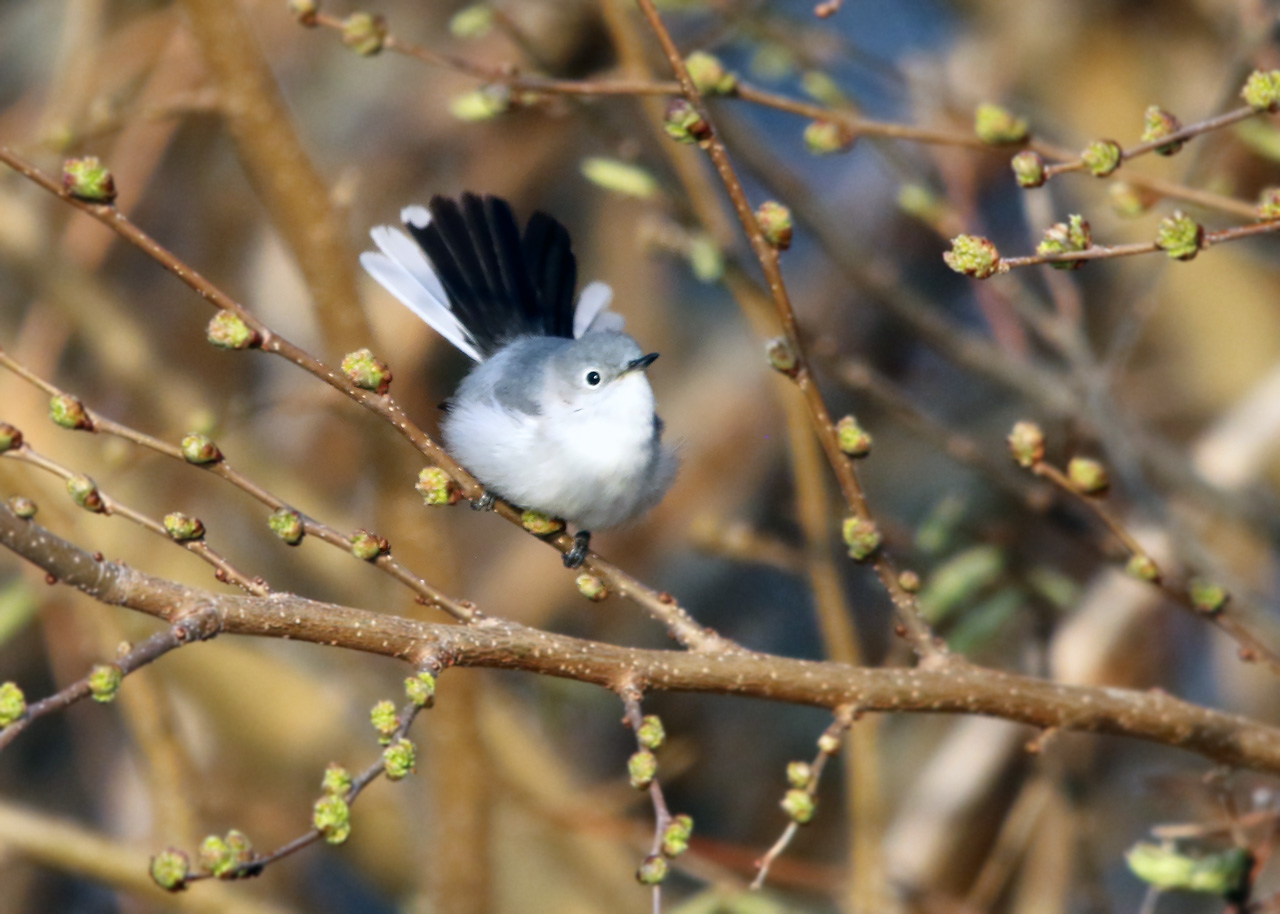
The expedition commenced in Toronto, Canada’s most populous urban center, which despite its density, offers vital "stopover" habitats for exhausted migrants. Observations at Colonel Sam Smith Park on May 5 and 6 revealed that even localized green spaces act as crucial refugia. Despite a period of low-pressure weather characterized by drizzle and cool temperatures—conditions that often suppress bird activity—the group identified several early-season migrants. Species such as the Ruby-crowned Kinglet (Corthylio calendula), Palm Warbler (Setophaga palmarum), and Blue-gray Gnatcatcher (Polioptila caerulea) were recorded.
Urban birding sites like Colonel Sam Smith Park are increasingly recognized by conservationists for their role in the "migratory chain." The presence of two Black-crowned Night Herons (Nycticorax nycticorax) roosting in a single tree provided a notable data point, as this was the only occurrence of the species during the ten-day period. Additionally, the presence of nesting Red-necked Grebes (Podiceps grisegena) near the marina suggests a stable local breeding population, while lingering waterfowl such as Red-breasted Mergansers and Long-tailed Ducks indicated a late transition from wintering to breeding plumage for some northern-bound species.
The Point Pelee Funnel and the Phenomenon of Reverse Migration
Moving southwest toward the southernmost point of mainland Canada, the expedition focused on Point Pelee National Park from May 7 to 9. Point Pelee is globally renowned among ornithologists due to its geographic position; it acts as a peninsula extending into Lake Erie, catching birds as they cross the water from the United States.
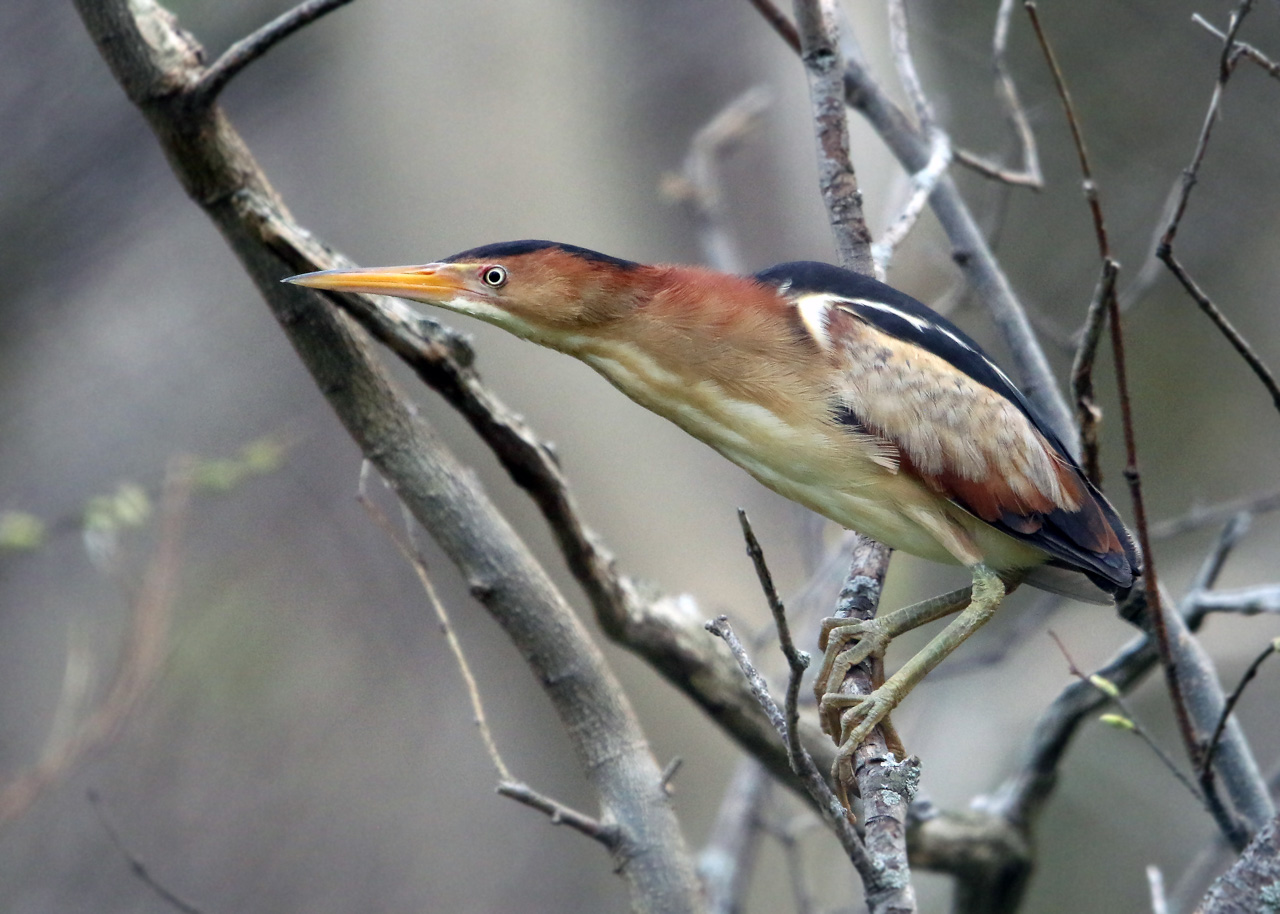
Observations at the "Tip" of the park allowed the group to witness "reverse migration." This phenomenon occurs when birds arrive at the shoreline at dawn, realize they are at the end of a landmass, and fly back inland or even southward briefly to find suitable foraging habitat before continuing their northward journey. Despite winds that were not perfectly aligned for a massive "fallout" (an event where thousands of birds descend simultaneously due to weather), the diversity remained high. Notable sightings included the Red-headed Woodpecker (Melanerpes erythrocephalus), a species of conservation concern, and the Least Bittern (Ixobrychus exilis), a secretive marsh bird that is rarely seen in open view.
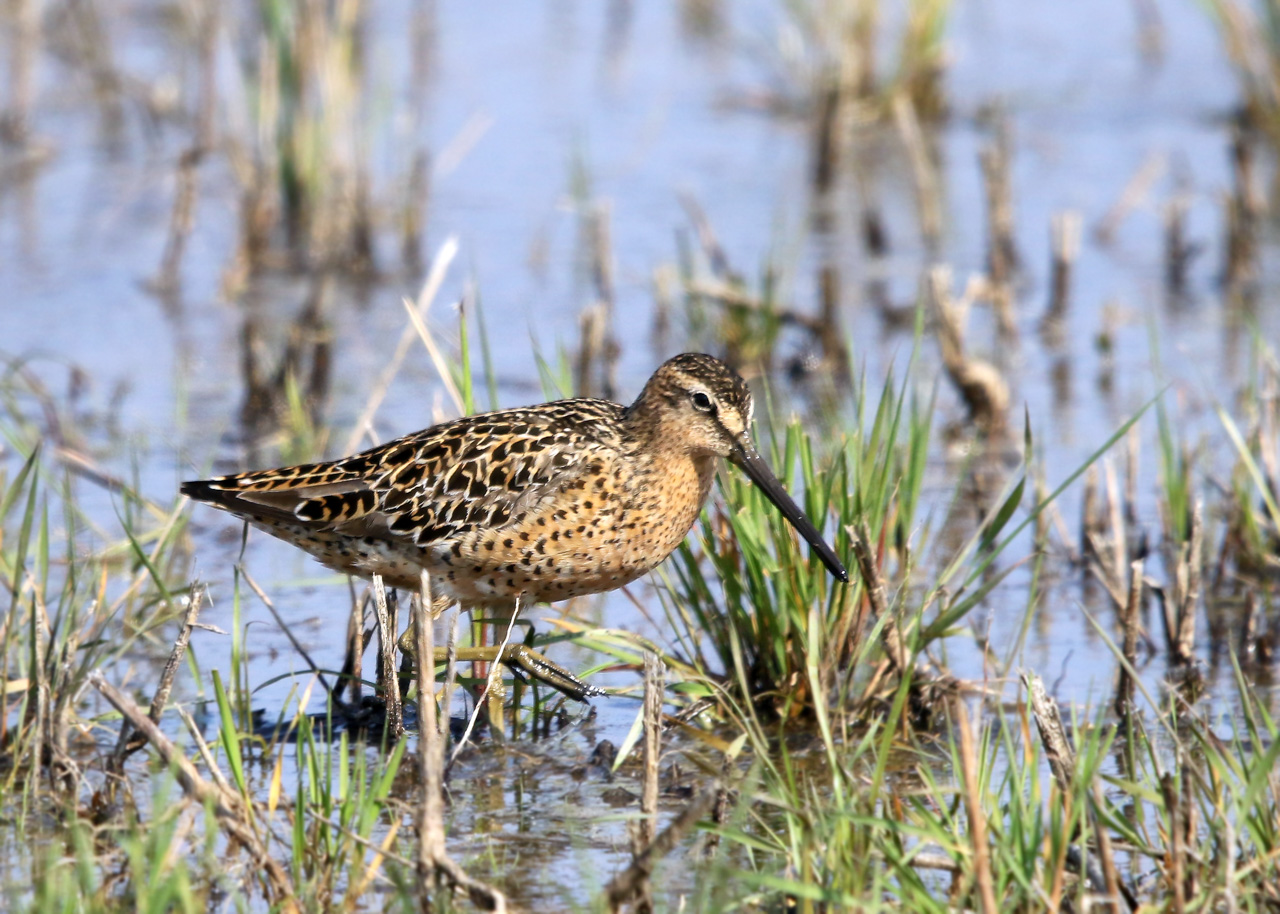
The expedition also documented the Prothonotary Warbler (Protonotaria citrea), a species specifically tied to flooded deciduous forests. In Canada, this warbler is listed as endangered under the Species at Risk Act (SARA), making its presence at Point Pelee a significant indicator of the health of the park’s swamp forest ecosystems. Nearby, at Hillman Marsh, the group observed a significant concentration of shorebirds, including Wilson’s Snipe, Black-bellied Plover, and both Short-billed and Long-billed Dowitchers. Managed wetlands like Hillman Marsh are essential for these species, which require specific mudflat depths to forage for invertebrates during their long-distance flights from the Southern Hemisphere to the Arctic.
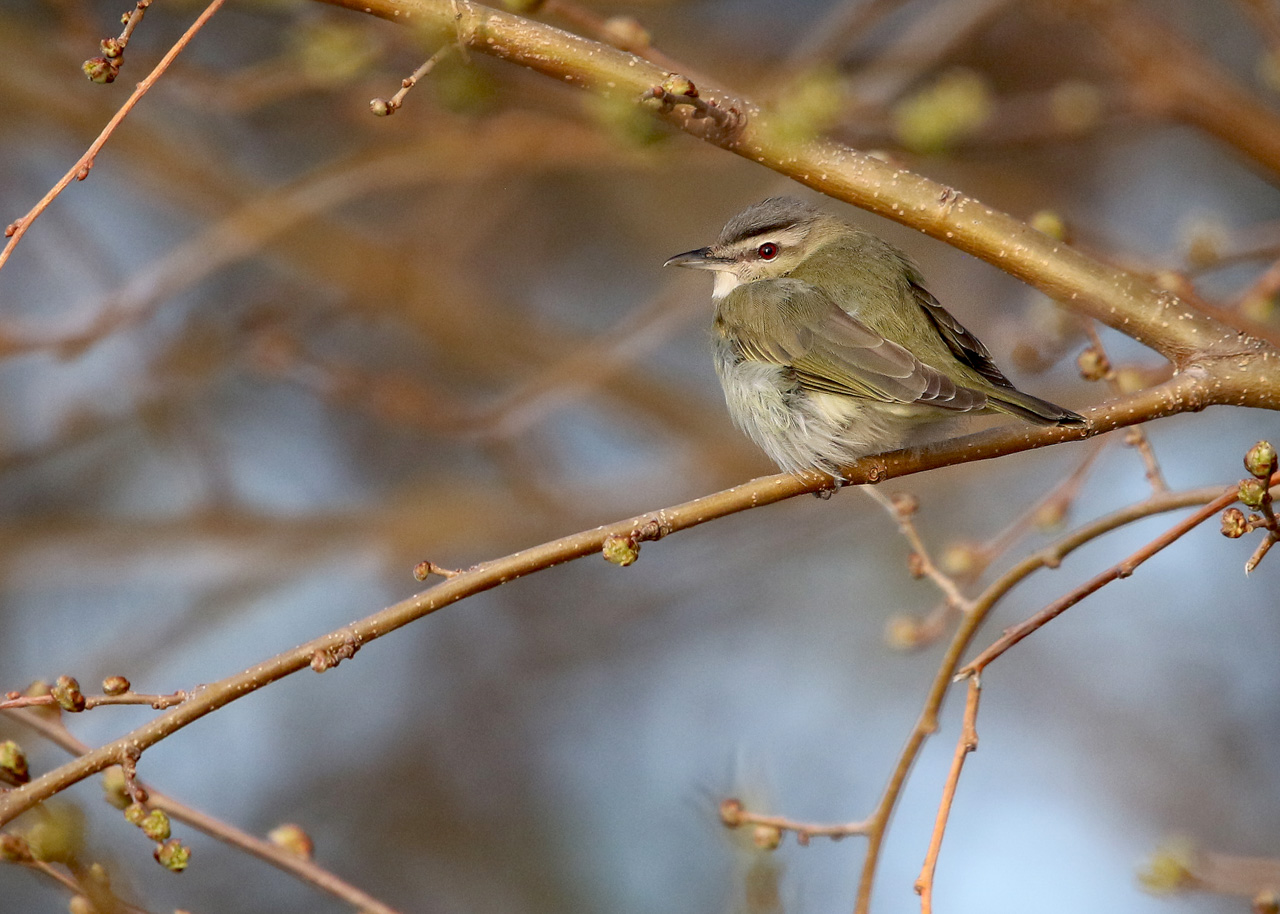
Carolinian Diversity: Rondeau and Long Point
On May 10, the focus shifted to Rondeau Provincial Park, which contains some of the best-remaining examples of Carolinian forest in Canada. This life zone, found only in the extreme south of Ontario, supports a higher diversity of flora and fauna than any other ecosystem in the country. The expedition recorded 15 species of warblers in a single morning, including the Blackburnian Warbler (Setophaga fusca) and the Cape May Warbler (Setophaga tigrina).
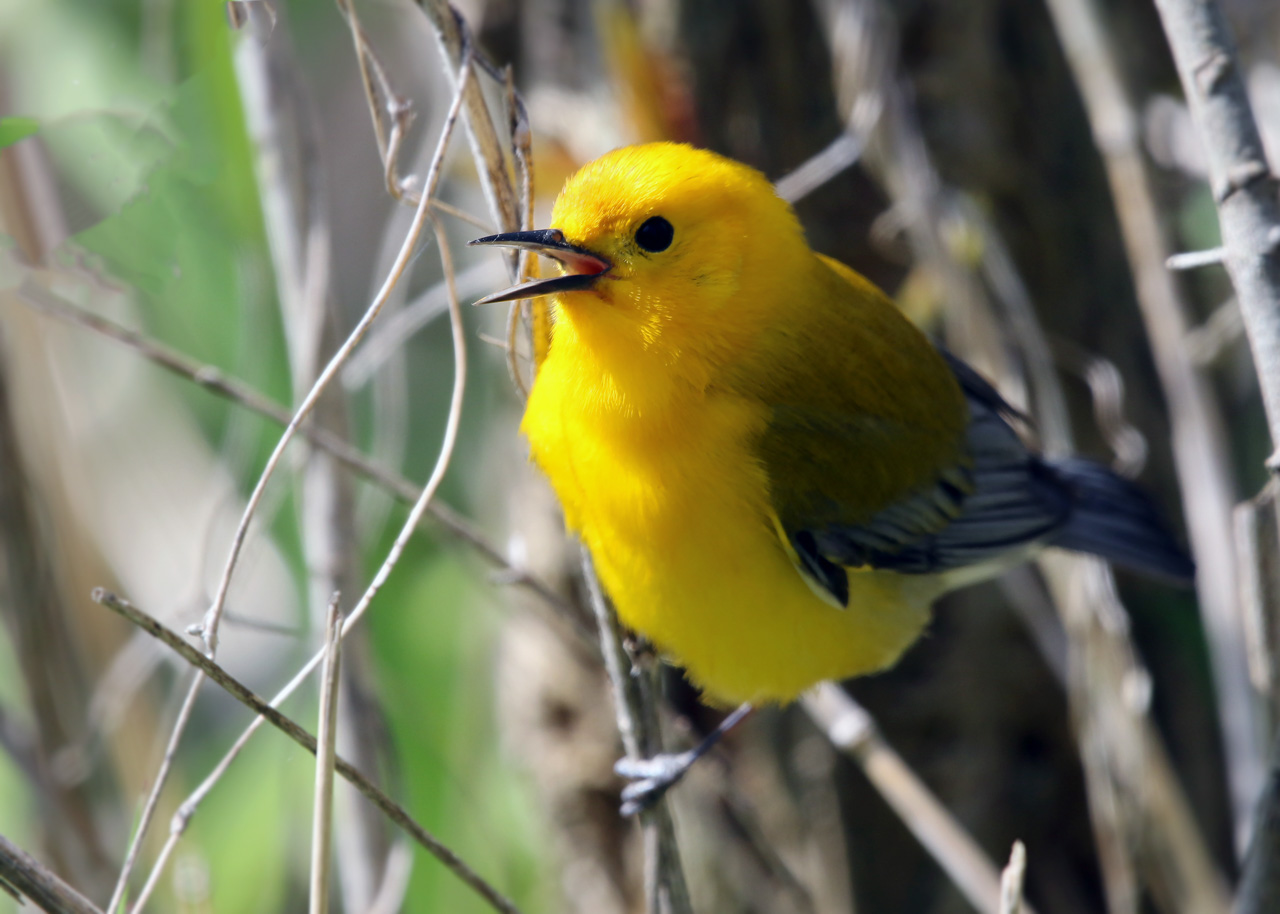
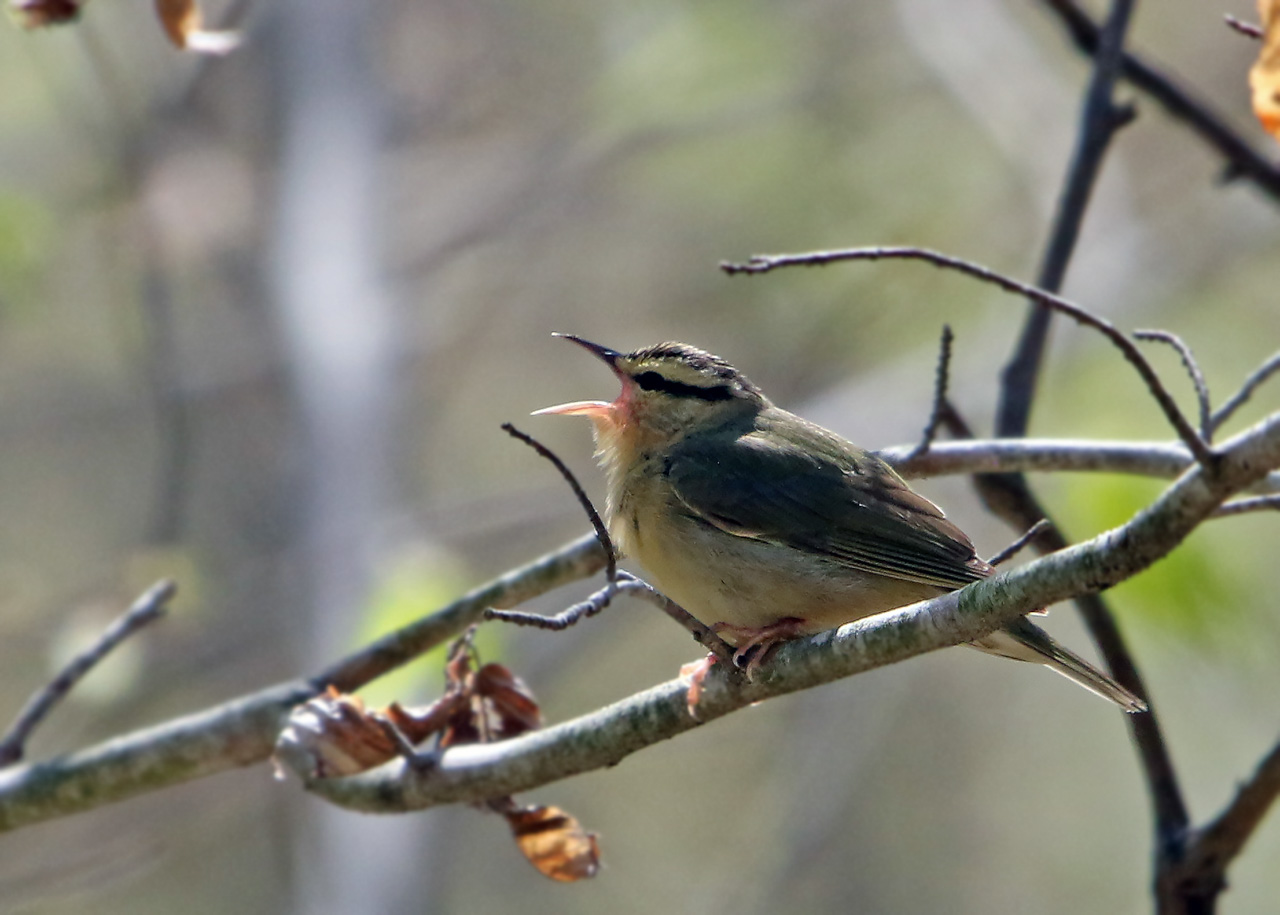
A rare observation of a Worm-eating Warbler (Helmitheros vermivorum) foraging in the Tulip Tree Trail’s flooded forest highlighted the park’s role as a magnet for "overshoots"—birds that fly further north than their typical breeding range due to strong southern winds.
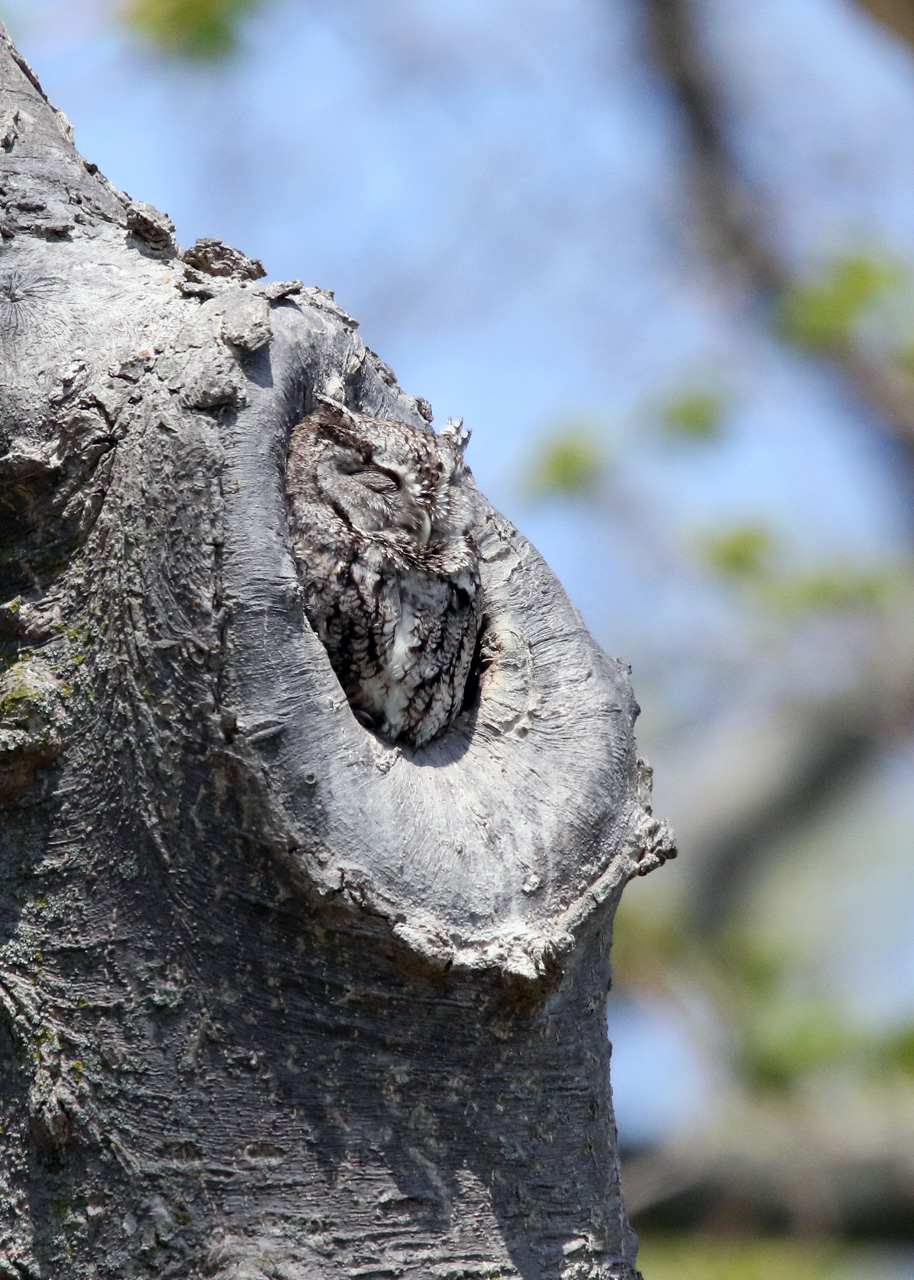
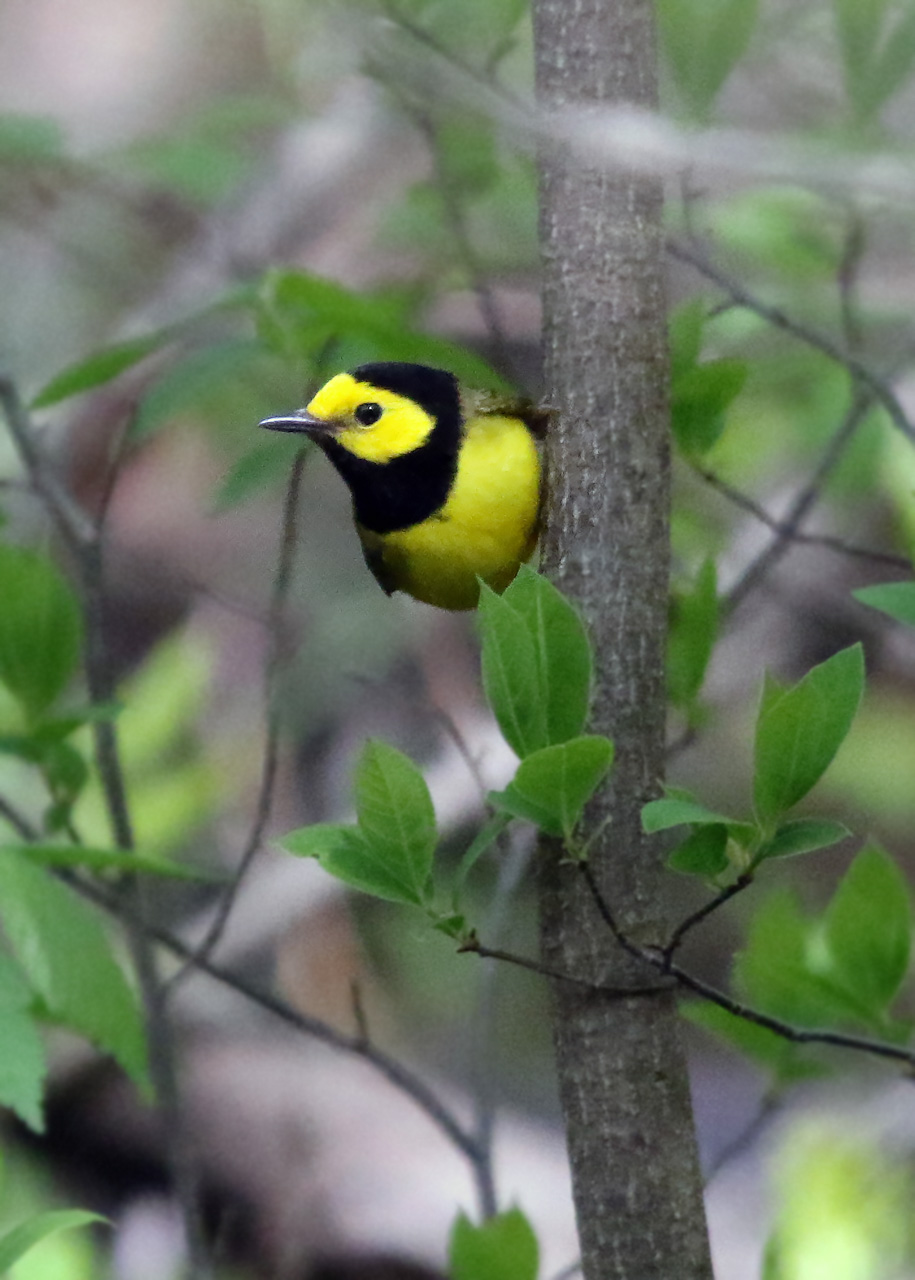
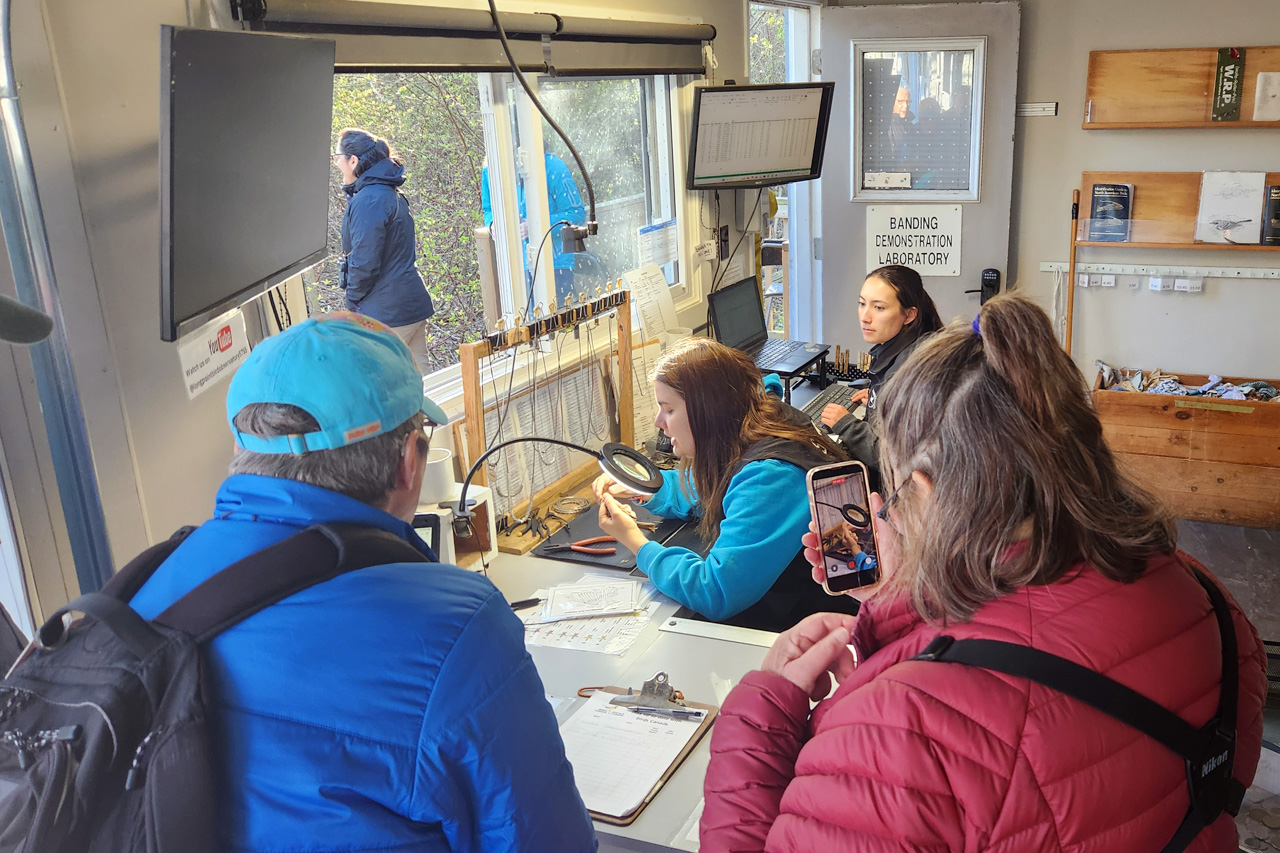
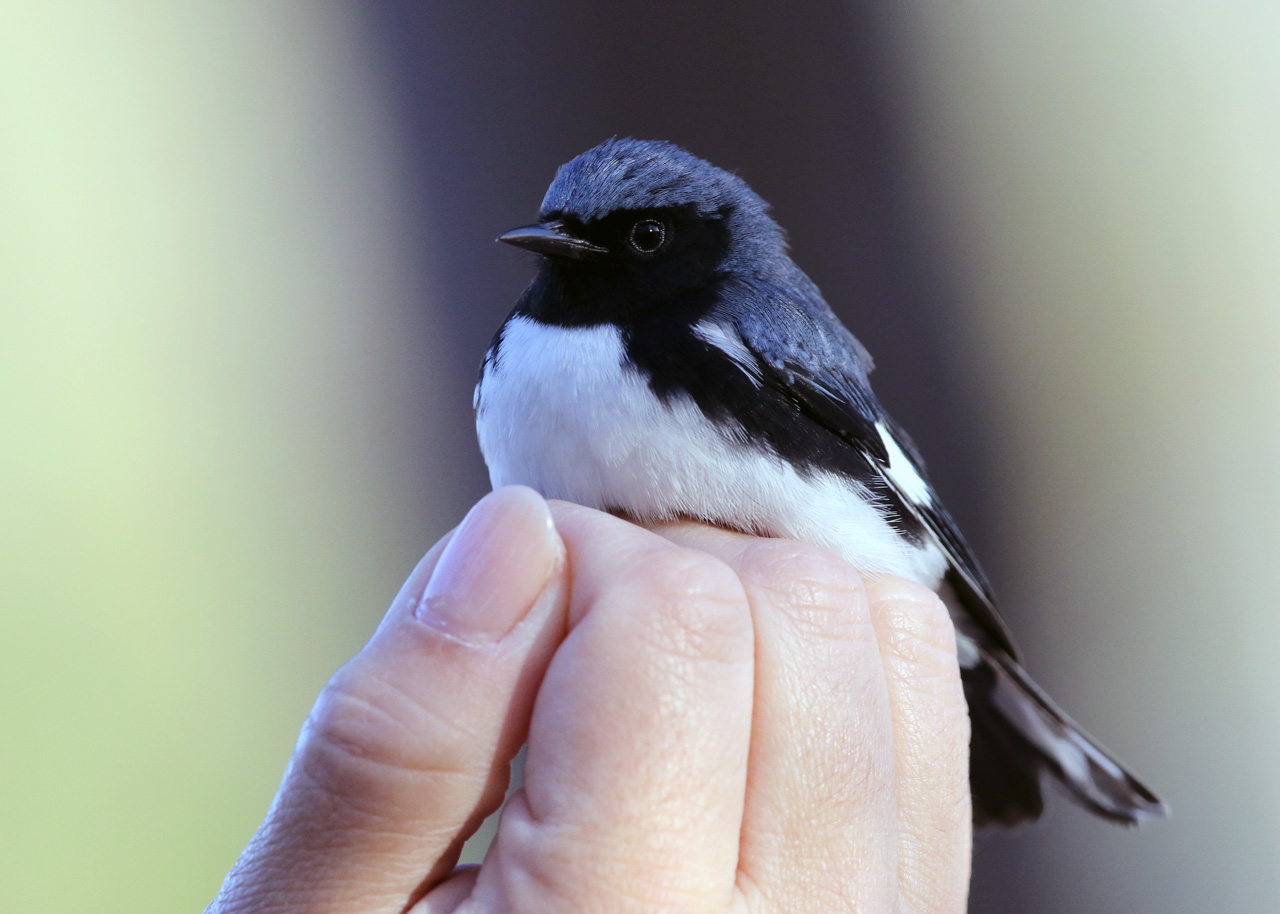
The subsequent days (May 11-12) were spent in the Long Point area, a UNESCO Biosphere Reserve. At the Old Cut Banding Station, operated by Birds Canada, the group participated in an educational demonstration of mist-netting and bird banding. Data collected at such stations since the 1960s has provided the scientific community with long-term trends regarding avian population health and migration timing. Species handled during the demonstration included the Black-throated Blue Warbler and the White-crowned Sparrow. The expedition also visited Backus Woods, an old-growth forest where species like the Scarlet Tanager (Piranga olivacea) and Hooded Warbler (Setophaga citrina) were found in high densities, underscoring the necessity of preserving mature forest interiors.
The Carden Alvar: A Globally Rare Ecosystem
On May 13, the expedition moved north of the Carolinian zone to the Carden Alvar Provincial Park. An "alvar" is a rare ecosystem characterized by thin soil over limestone bedrock, creating a unique grassland habitat. This area is one of the few places in Ontario where grassland-dependent species can still be found in significant numbers.
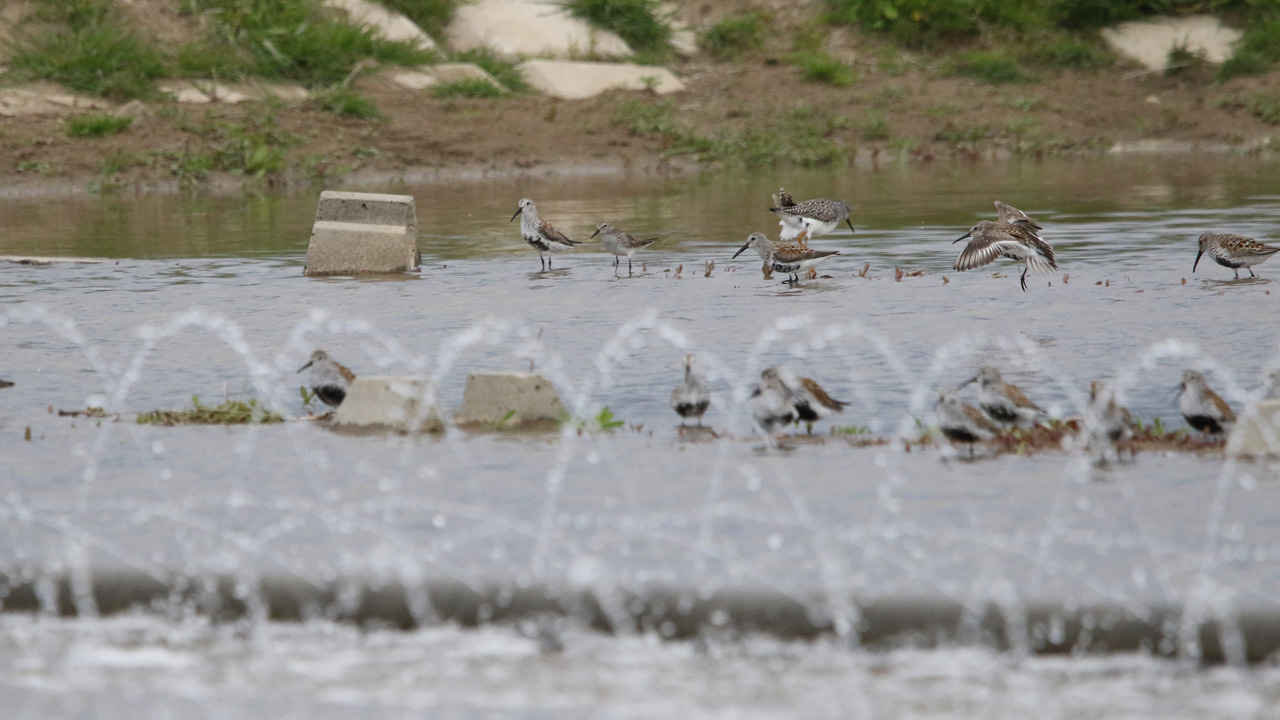
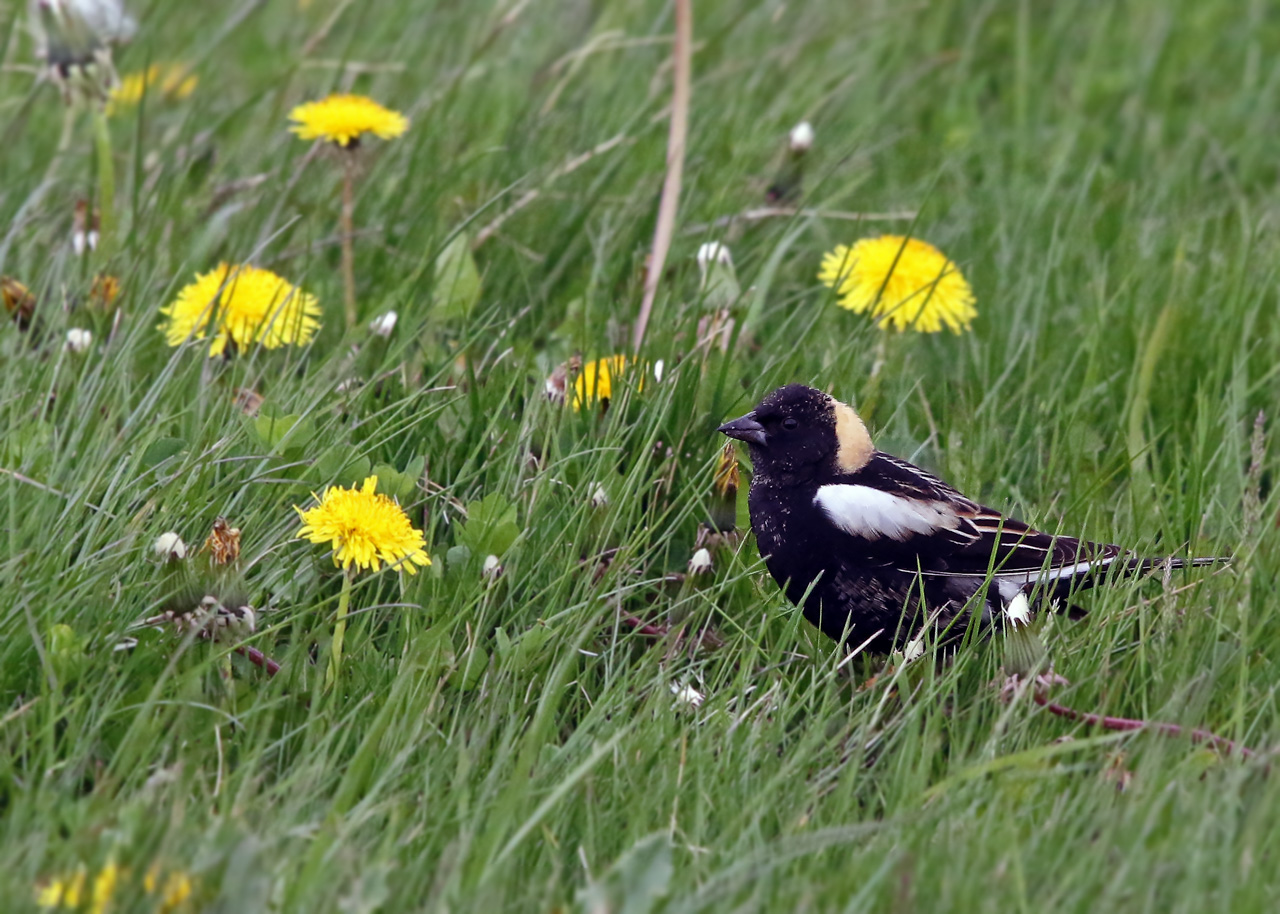
The group documented the Eastern Meadowlark and Bobolink, both of which are listed as threatened in Ontario due to habitat loss in the agricultural sector. While the group "dipped" (failed to find) the critically endangered Loggerhead Shrike, they recorded other significant species including the Golden-winged Warbler (Vermivora chrysoptera) and Virginia Rail. The Carden Alvar represents a critical transition zone between the southern agricultural landscapes and the northern shield forests, providing a unique ecological niche for species that cannot survive in dense woodlands.
Boreal Transition in Algonquin Provincial Park
The final leg of the tour (May 14-15) took place in Algonquin Provincial Park, representing the southernmost reach of the boreal forest in Ontario. This landscape of granite outcrops, peat bogs, and coniferous forests offers a stark contrast to the deciduous woods of Lake Erie.
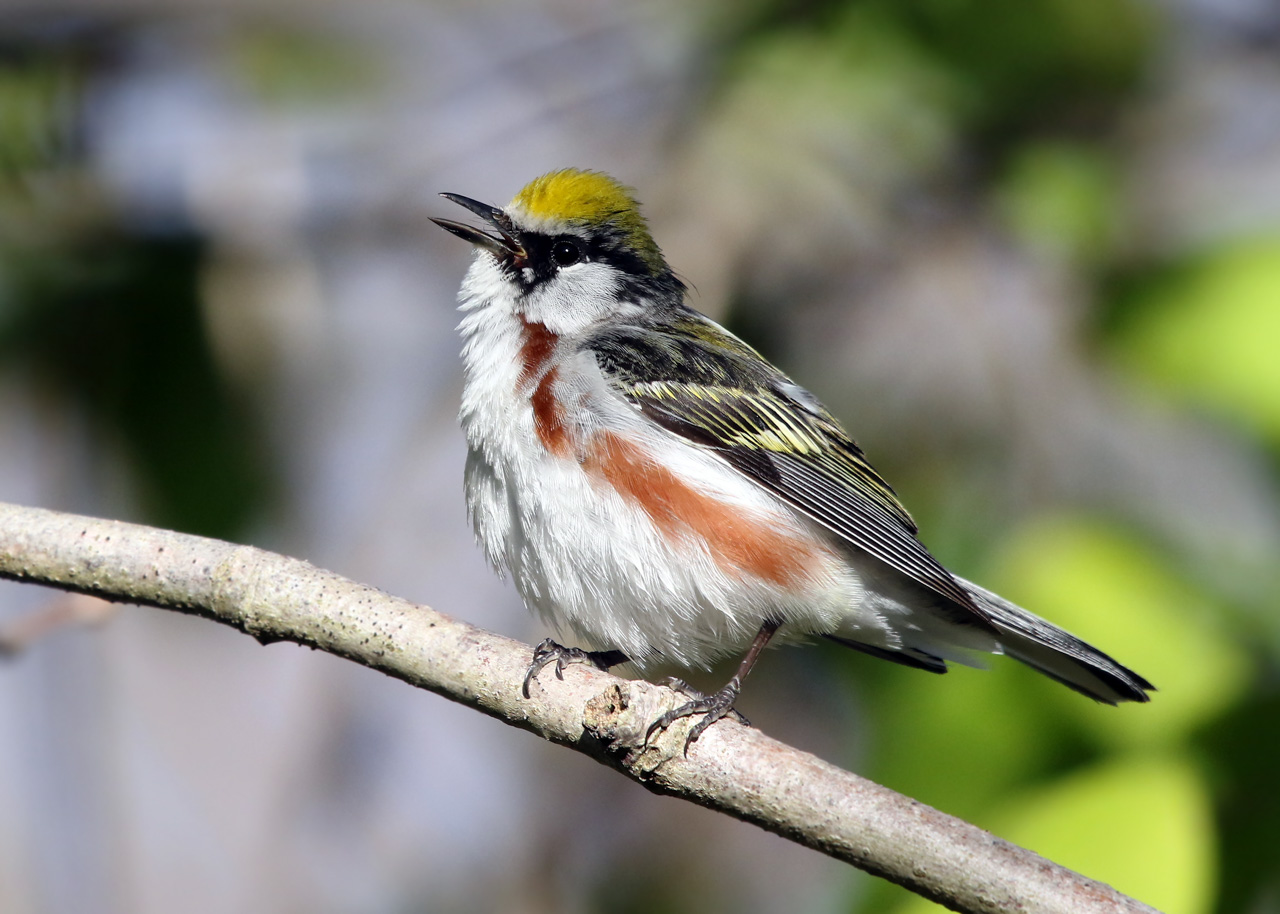
Observations in Algonquin highlighted the shifting ranges of boreal species. Field reports from recent years have suggested that species such as the Boreal Chickadee and Gray Jay are retreating northward as temperatures rise, a likely consequence of climate change. However, the expedition successfully located a Black-backed Woodpecker (Picoides arcticus) on a charred tree, demonstrating the species’ reliance on fire-disturbed or diseased wood for foraging.
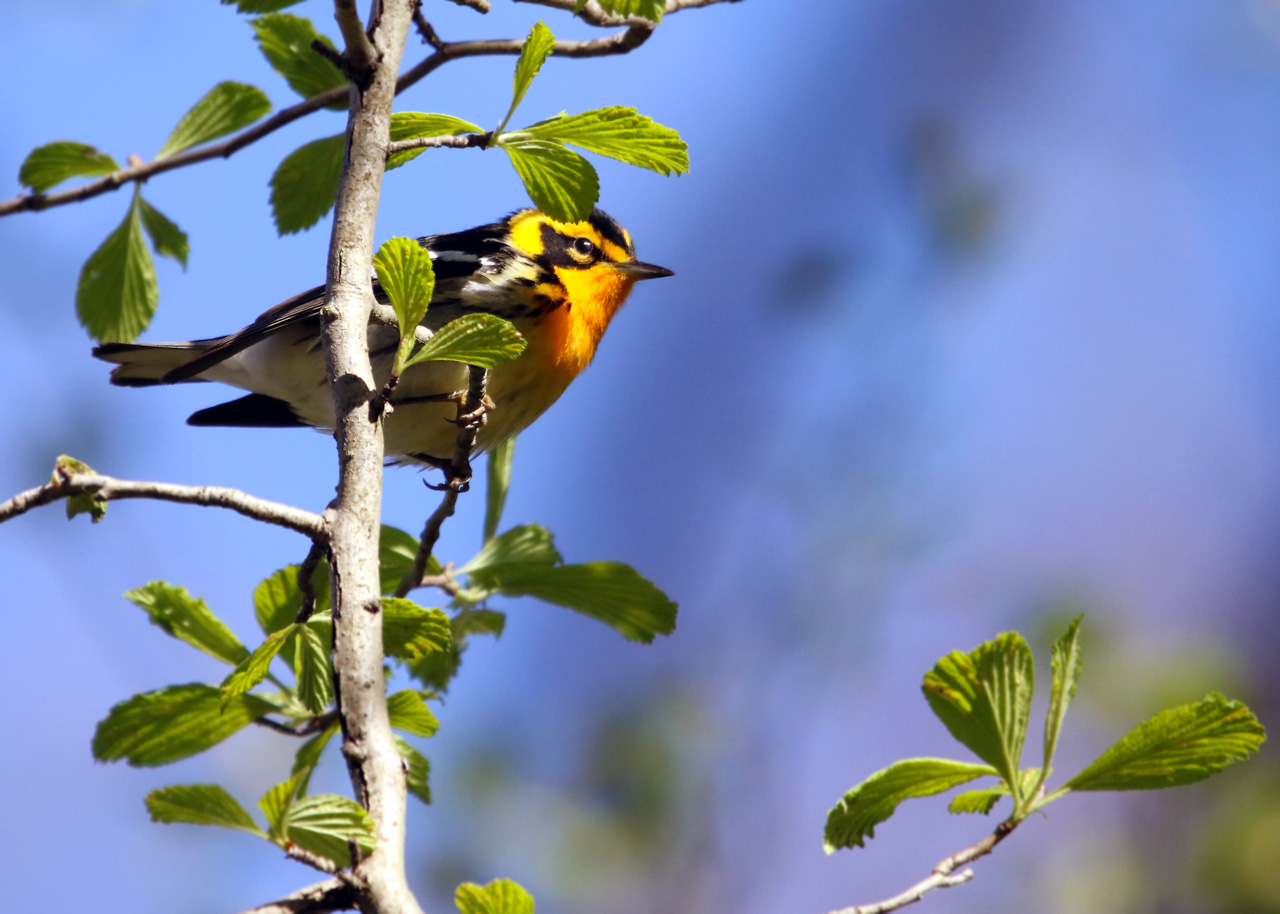
Additional sightings included the Spruce Grouse and the American Woodcock, the latter of which was observed performing its elaborate "sky dance" courtship display. The transition to the boreal zone also allowed for the documentation of large mammals, including Moose (Alces alces) and North American Beaver (Castor canadensis), which play a fundamental role in shaping the hydrology of the park through dam construction.
Analysis of Ecological Implications and Economic Impact
The ten-day expedition concluded with a total of 24 warbler species recorded, representing nearly two-thirds of all warbler species that regularly occur in Eastern North America. This high success rate underscores the effectiveness of southern Ontario’s network of provincial and national parks as a migratory corridor.
From a conservation perspective, the data gathered reinforces the importance of the "archipelago" of protected lands. For neotropical migrants, the journey is a series of high-energy flights punctuated by critical feeding stops. If any link in this chain—such as the mudflats of Hillman Marsh or the old-growth stands of Backus Woods—is degraded, the survival rate of these species drops significantly.
Furthermore, the expedition highlights the growing economic impact of "avtourism" in Ontario. During the month of May, communities such as Leamington, Port Rowan, and Simcoe experience a significant influx of domestic and international visitors. Estimates from previous years suggest that birdwatching contributes millions of dollars to local economies through hospitality, guiding services, and park fees. The "festival" atmosphere at Point Pelee, where hundreds of birders gather daily, serves as a powerful argument for the economic value of biodiversity.
Chronological Summary of Species and Locations
- May 5-6 (Toronto): Focus on urban stopovers. Key species: Black-crowned Night Heron, Red-necked Grebe.
- May 7-9 (Point Pelee/Hillman Marsh): Focus on the "Tip" and reverse migration. Key species: Least Bittern, Prothonotary Warbler, various shorebirds.
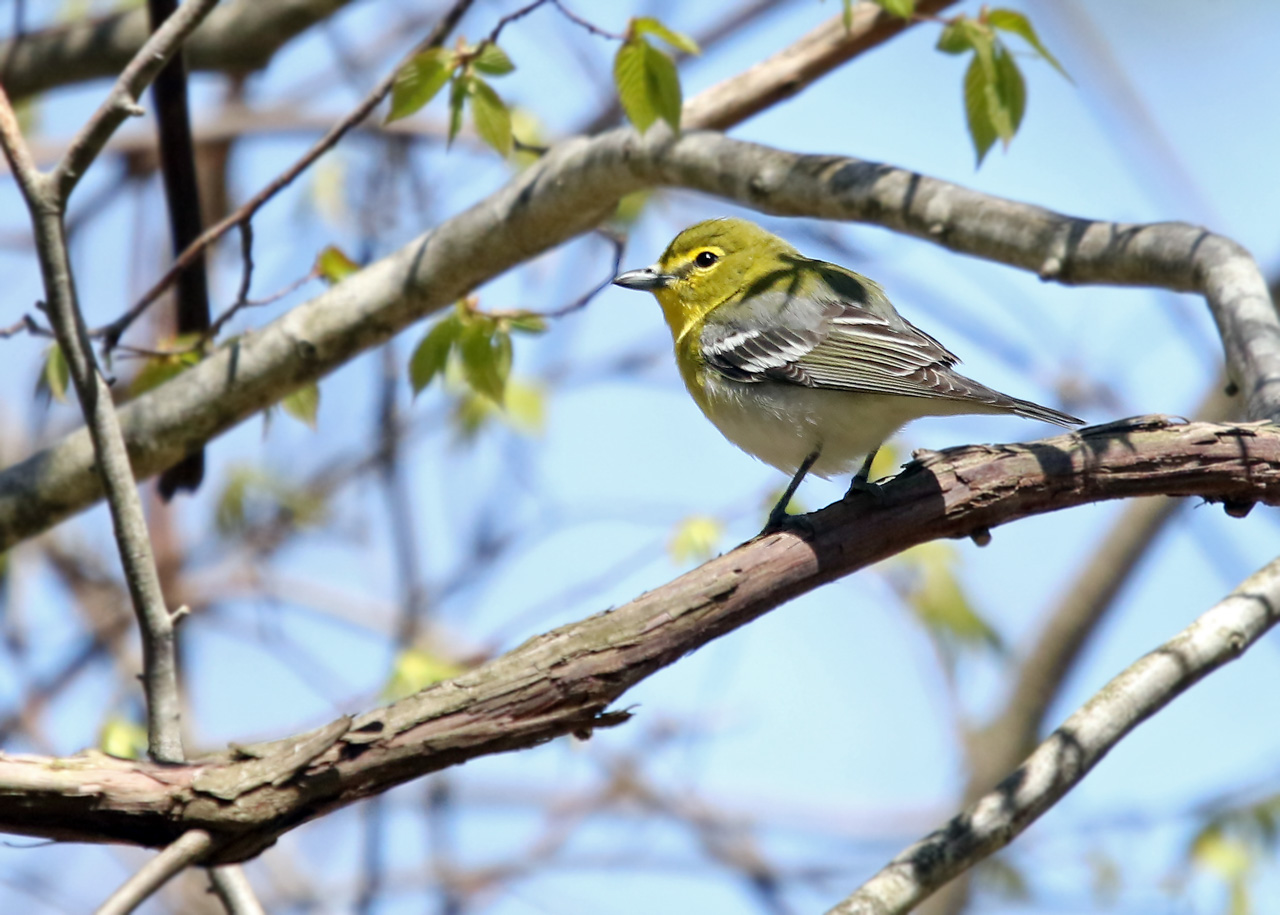
- May 10 (Rondeau): Focus on Carolinian forest interior. Key species: Worm-eating Warbler, Yellow-throated Vireo.
- May 11-12 (Long Point): Focus on citizen science and banding. Key species: Scarlet Tanager, Hooded Warbler.
- May 13 (Carden Alvar): Focus on limestone grasslands. Key species: Eastern Meadowlark, Virginia Rail.
- May 14-15 (Algonquin): Focus on boreal specialties. Key species: Black-backed Woodpecker, Evening Grosbeak, Moose.
The 2024 spring migration observations confirm that while some species face ongoing pressures from climate change and habitat fragmentation, the southern Ontario corridor remains a vital and vibrant artery for North American birdlife. The success of the expedition in locating rare and endangered species suggests that targeted conservation efforts within these key "hotspots" continue to yield positive results for avian biodiversity.
