
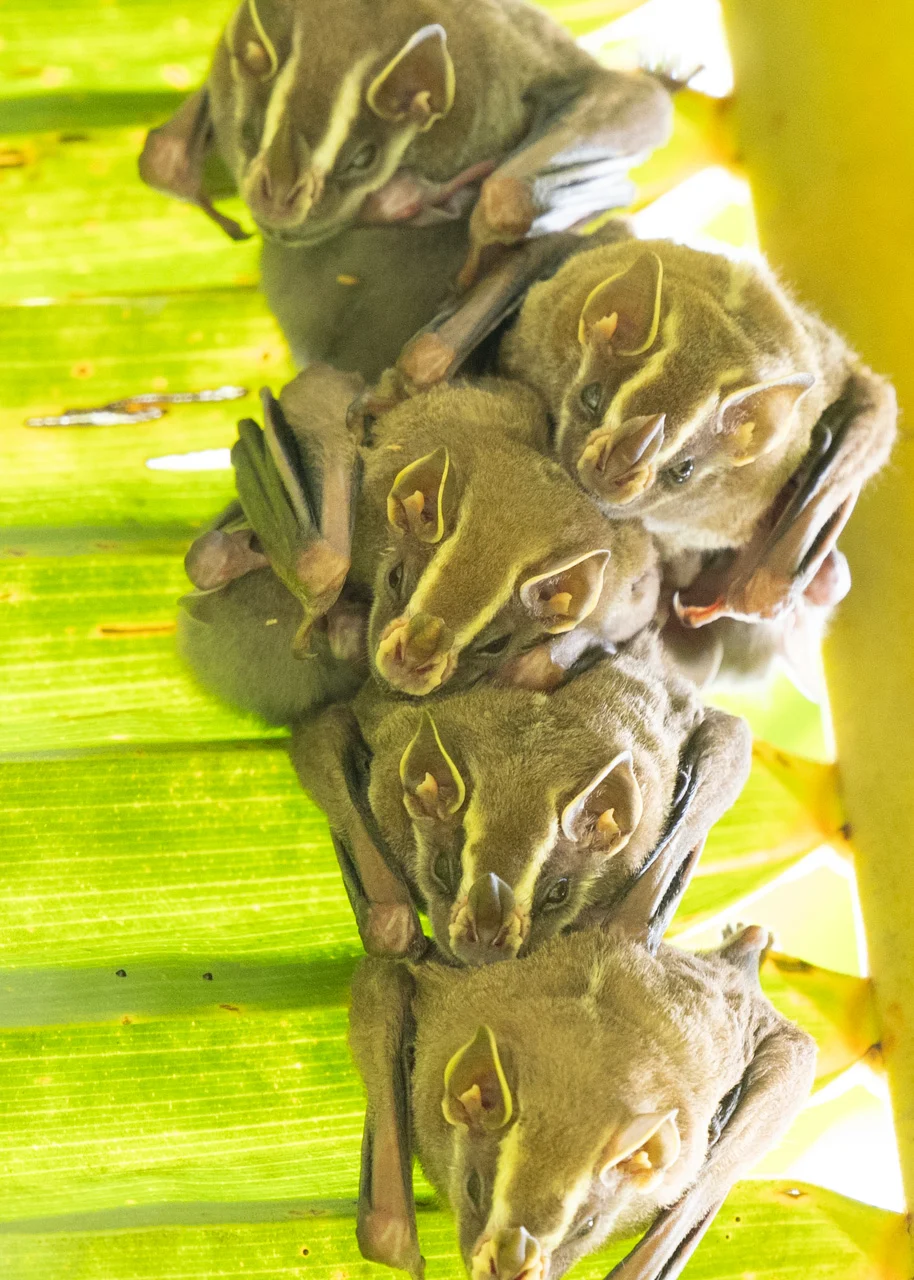
A multi-day ornithological survey conducted across the Republic of Panama has concluded with the documentation of 295 distinct bird species, highlighting the country’s critical role as a biological corridor between North and South America. The expedition, which spanned from the high-altitude cloud forests of Cerro Azul to the lowland rainforests of the Darien region and the wetlands of the Panama Canal, underscores the ecological richness of the Isthmus of Panama. Led by expert guides and field researchers, the survey provided a detailed snapshot of avian health and diversity in several of the region’s most significant protected areas, including Chagres National Park and Soberania National Park.
Scientific Context and Regional Importance
Panama occupies a unique position in the global biosphere. Since the closure of the Isthmus approximately three million years ago, the land bridge has facilitated the "Great American Biotic Interchange," allowing for a massive crossover of flora and fauna. Today, Panama hosts more than 1,000 bird species—more than the United States and Canada combined—within a landmass roughly the size of South Carolina. This expedition sought to document specific migratory patterns and resident population densities during a transition period between seasons, providing valuable data for conservationists and eco-tourism stakeholders.
The survey was structured to move through various microclimates, beginning in the Central Cordillera and moving eastward toward the Darien Gap, before returning to the Pacific and Caribbean drainage basins near the Panama Canal. This transect allowed the team to observe the vertical and horizontal distribution of species across disparate habitats.
Chronology of the Expedition
Phase I: The Highlands of Cerro Azul and Chagres National Park
The expedition commenced with an initial assessment of the foothills adjacent to Panama City. On the second day of the survey, the team ascended to Cerro Azul, a community nestled within the buffer zone of Chagres National Park. This park is vital for the metropolitan area, as it protects the watershed of the Alajuela Lake, which provides the water necessary for the operation of the Panama Canal and the consumption of the capital city.
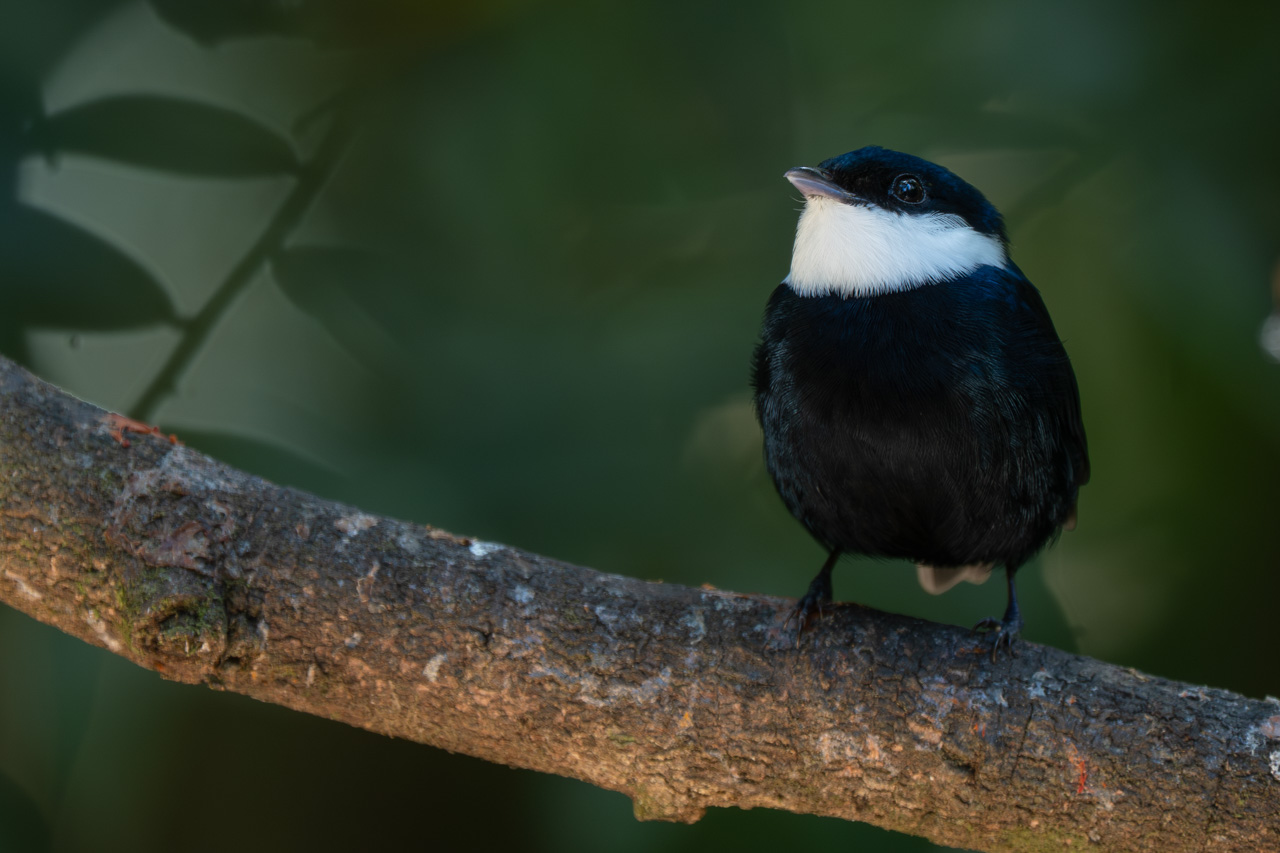
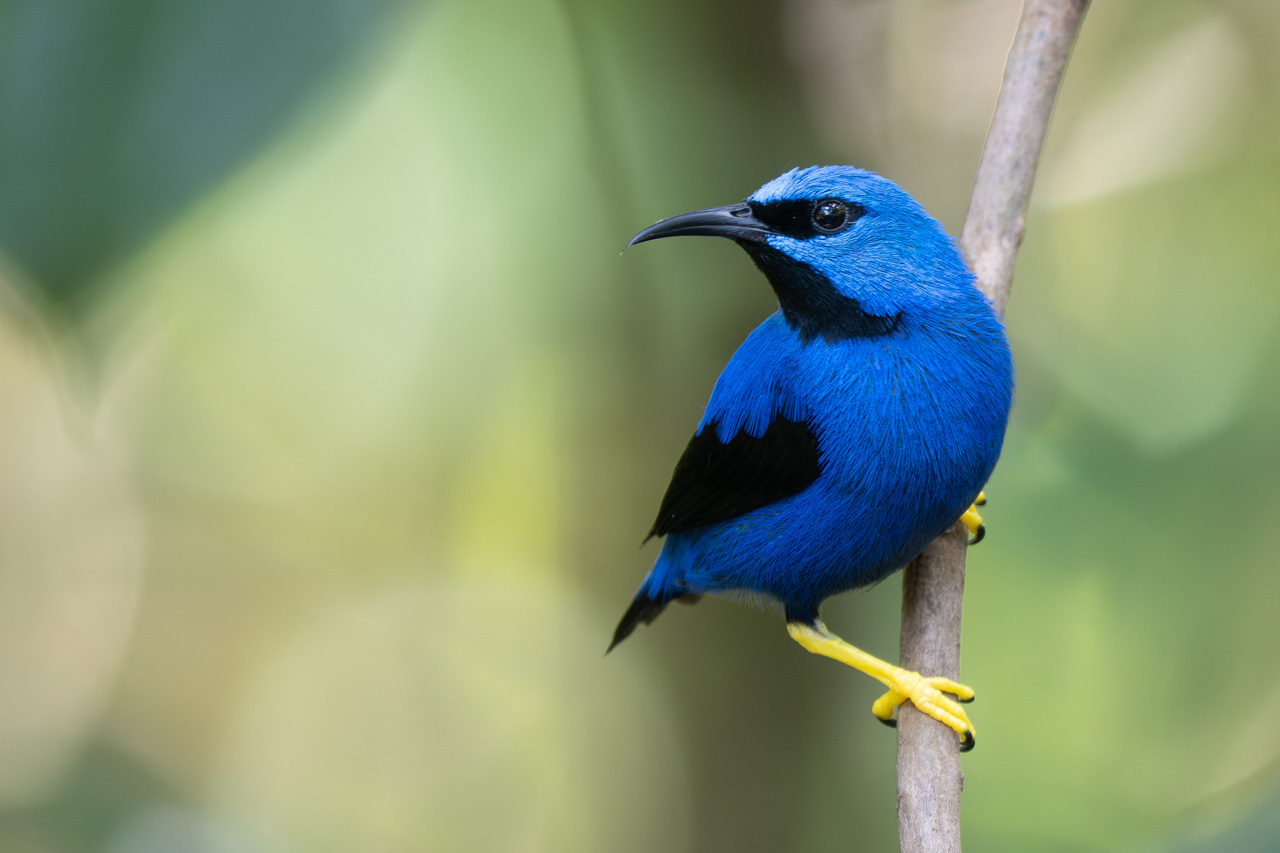
In Cerro Azul, the team utilized established long-term feeder stations to observe high-metabolism species. Documentation included seven species of hummingbirds, notably the White-necked Jacobin (Florisuga mellivora) and the Crowned Woodnymph (Thalurania colombica). The presence of three species of honeycreepers—Shining, Red-legged, and Green—indicated a healthy availability of nectar and fruit-bearing flora. Significant observations also included the White-ruffed Manakin (Corapipo altera), a species typically associated with primary forest understory, suggesting that even modified landscapes in Cerro Azul maintain sufficient cover for sensitive species.
Phase II: The Eastern Frontier and the Darien Region
On the third day, the survey moved southeast along the Pan-American Highway toward Torti, a gateway to the Darien Province. The Darien is widely considered one of the most biodiverse regions on Earth, characterized by its status as the only break in the Pan-American Highway.
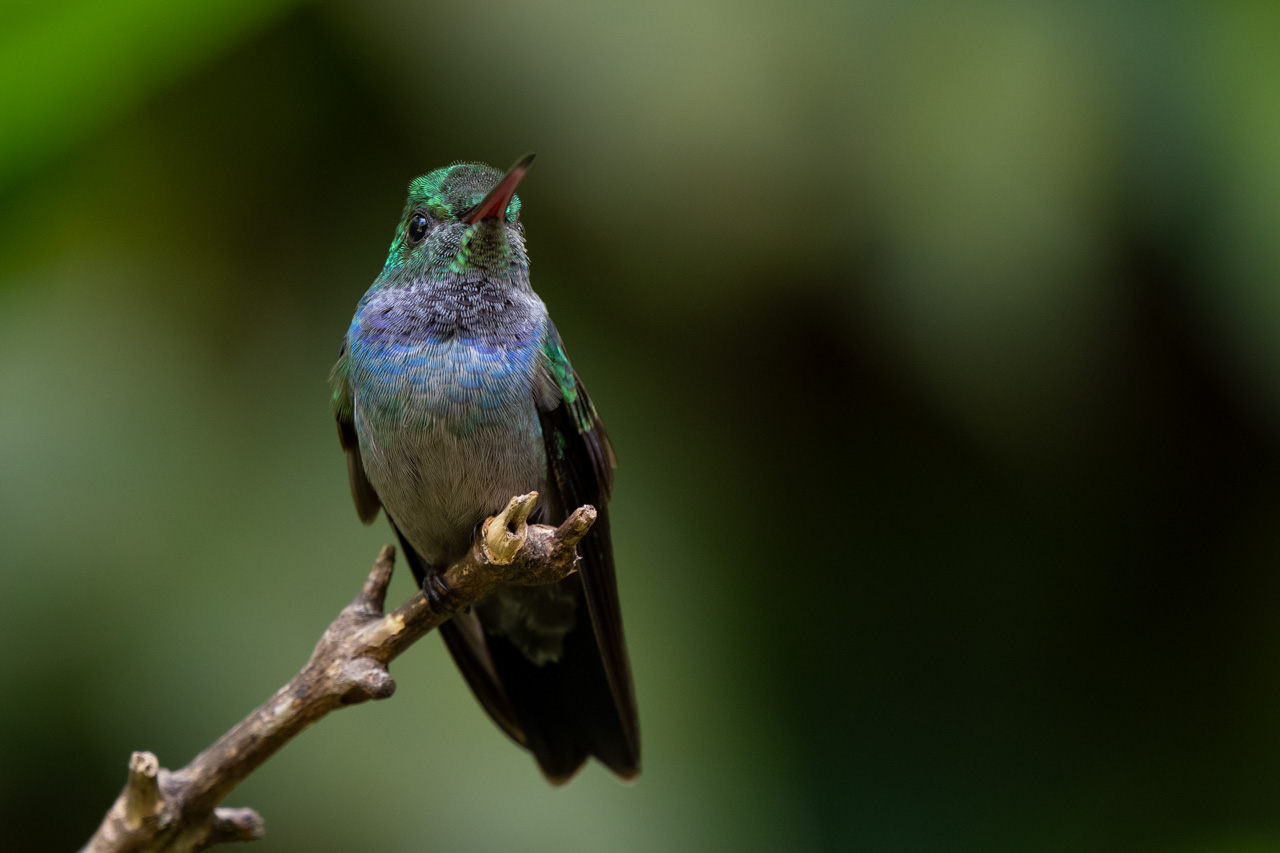
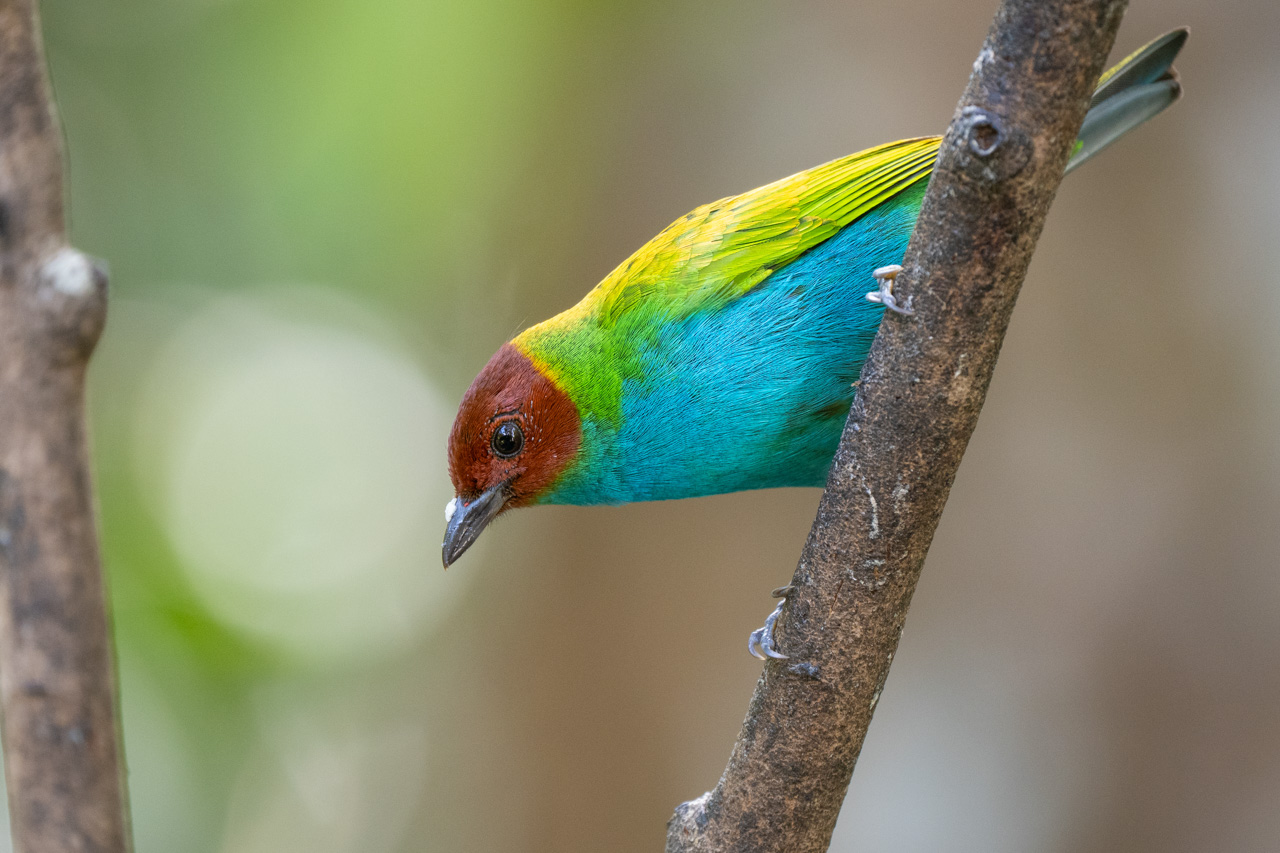
The team conducted surveys along the Camino de Tanara and the San Blas road. In the dry forest and wetland mosaics, the Panama Flycatcher (Myiarchus panamensis) and Sapphire-throated Hummingbird were recorded. The transition into the Guna Yala indigenous province provided sightings of the Velvety Manakin and mixed-species flocks containing various tanagers, such as the Sulfur-rumped and Tawny-crested varieties. These mixed flocks are of particular interest to researchers as they demonstrate complex inter-species social structures used for foraging and predator evasion.
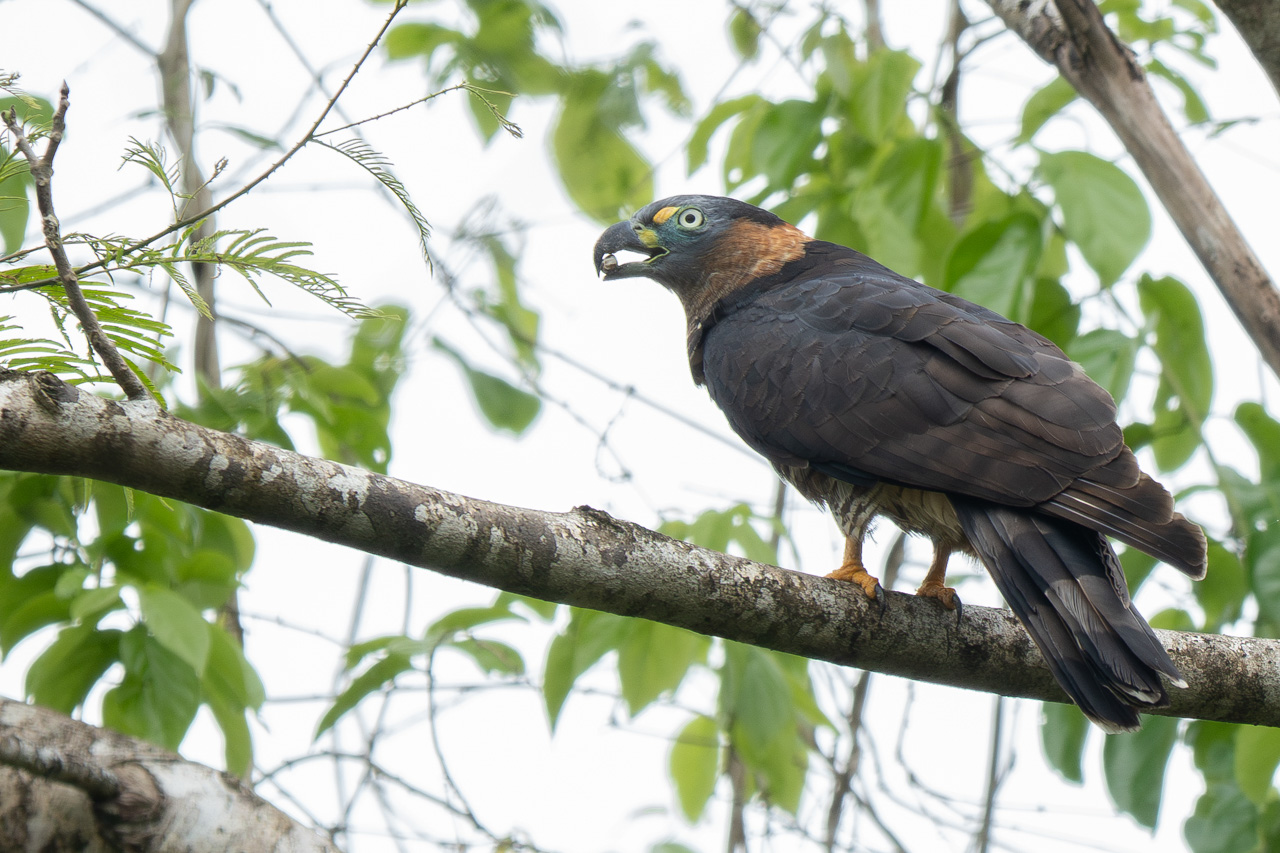
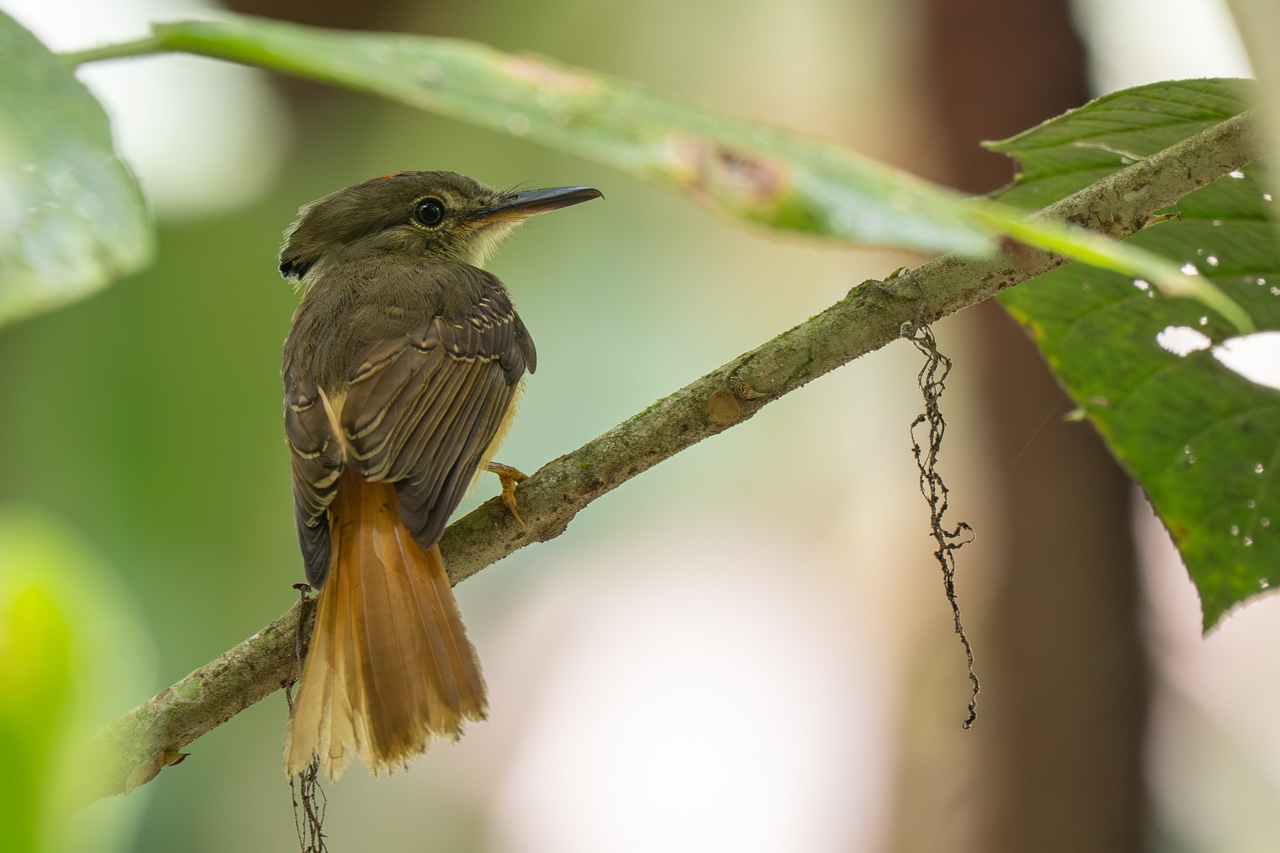
By the fourth day, the expedition reached the San Francisco Reserve. This private conservation area served as a critical data point for lowland rainforest health. The team documented 11 species of flycatchers in a single morning, alongside apex aerial predators such as the King Vulture (Sarcoramphus papa) and the White Hawk (Pseudastur albicollis). The observation of the Tropical Royal Flycatcher (Onychorhynchus coronatus) near forest streams was a highlight, as the species is often used as an indicator of undisturbed riparian corridors.
Phase III: The Culmination of the Pan-American Highway
The fifth day involved a deep-penetration survey of the El Salto road, ending at Yaviza—the definitive end of the Pan-American Highway. The morning yielded significant data on psittacines (parrots), with sightings of Chestnut-fronted Macaws and Mealy Amazons. The team also recorded the Grey-cheeked Nunlet, a reclusive species of the puffbird family. The expedition’s reach to the Chucunaque River provided a glimpse into the avian life of Panama’s largest river system, where the team documented a high concentration of migratory Bay-breasted Warblers and resident Crimson-backed Tanagers.
The Canal Zone: A Global Biodiversity Hub
The final phase of the expedition (Days 6 through 8) focused on the Panama Canal Zone, specifically the Gamboa Rainforest Reserve and the world-renowned Pipeline Road. Pipeline Road is historically significant in the field of ornithology; it once held the world record for the highest number of bird species identified in a 24-hour period (357 species in 1985).
At the Rainforest Discovery Center, the team documented the Pheasant Cuckoo (Dromococcyx phasianellus), a secretive species rarely seen in the open. The use of an observation tower allowed for the monitoring of canopy species, such as the Blue Cotinga (Cotinga nattererii), whose vibrant plumage is a hallmark of the Central American rainforest canopy.
The survey of the Chagres River by boat on Day 8 provided data on aquatic and semi-aquatic species. The team recorded the Snail Kite (Rostrhamus sociabilis), a specialist feeder that relies on the apple snail, and the Rufescent Tiger-Heron. The presence of these birds, along with sightings of the Peregrine Falcon, indicates a robust food web within the canal’s freshwater ecosystems.
Final Assessments and Coastal Observations
On the ninth and final day, the team conducted a dual-environment survey. The morning was spent in the Parque Metropolitano, the only tropical forest park located within the city limits of a major Latin American capital. Despite the proximity to urban infrastructure, the park yielded sightings of the Lance-tailed Manakin, proving the efficacy of urban green corridors in maintaining avian biodiversity.
The expedition concluded at the mudflats near the Panama Viejo ruins. This area is part of the Bay of Panama, a Ramsar Site of International Importance. The team documented a variety of migratory shorebirds, including Hudsonian Whimbrels, Marbled Godwits, and Short-billed Dowitchers. The observation of Elegant and Royal Terns among the resident Laughing Gulls provided a final count for the expedition, bringing the total to 295 species.
Supporting Data and Environmental Implications
The recording of 295 species in just nine days represents nearly 30% of Panama’s total avian diversity. This density is a testament to the country’s conservation strategies, particularly the "Green Corridor" initiative which links various national parks to prevent habitat fragmentation.
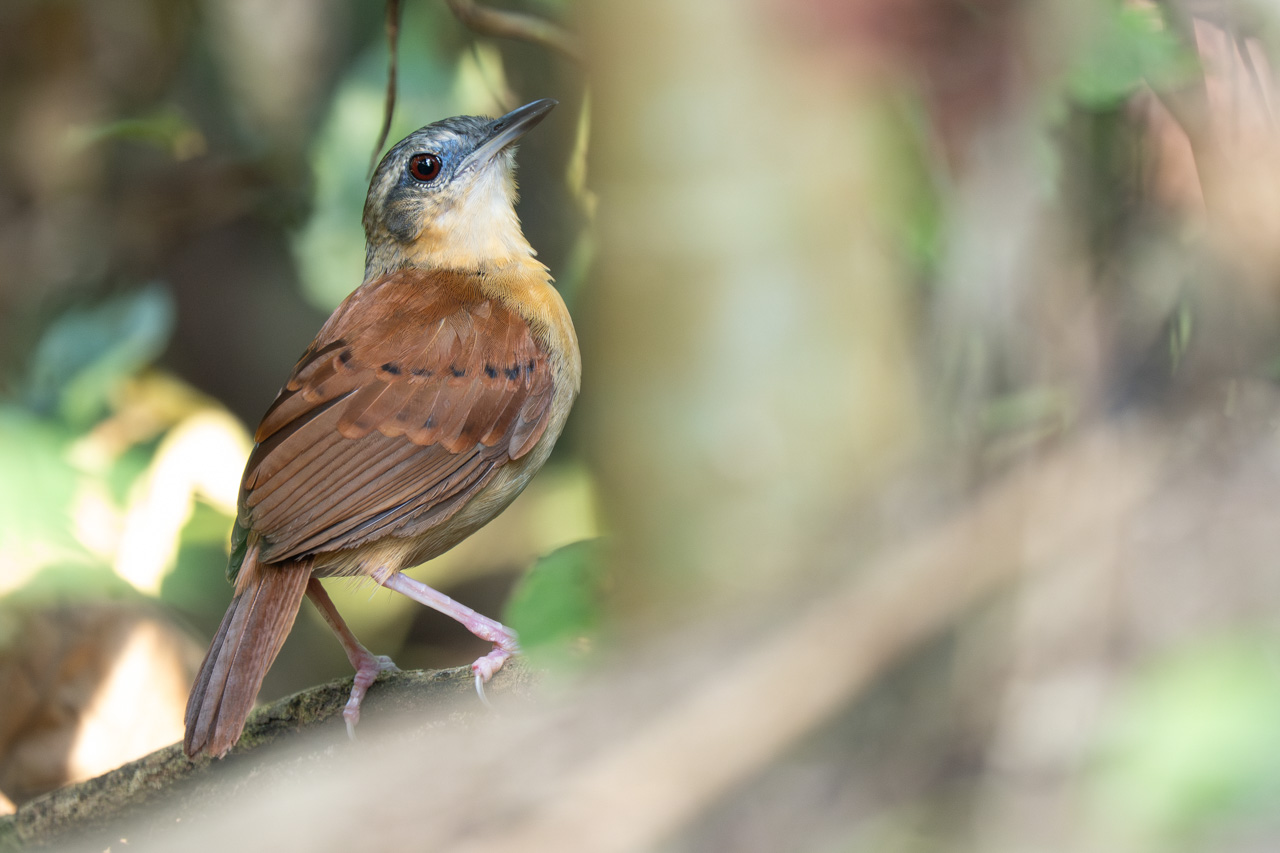
Key Data Points:
- Total Species Recorded: 295
- Most Diverse Family Observed: Tyrannidae (Flycatchers), with over 25 species identified.
- Significant Migrants: Bay-breasted Warbler, Tennessee Warbler, and Northern Waterthrush.
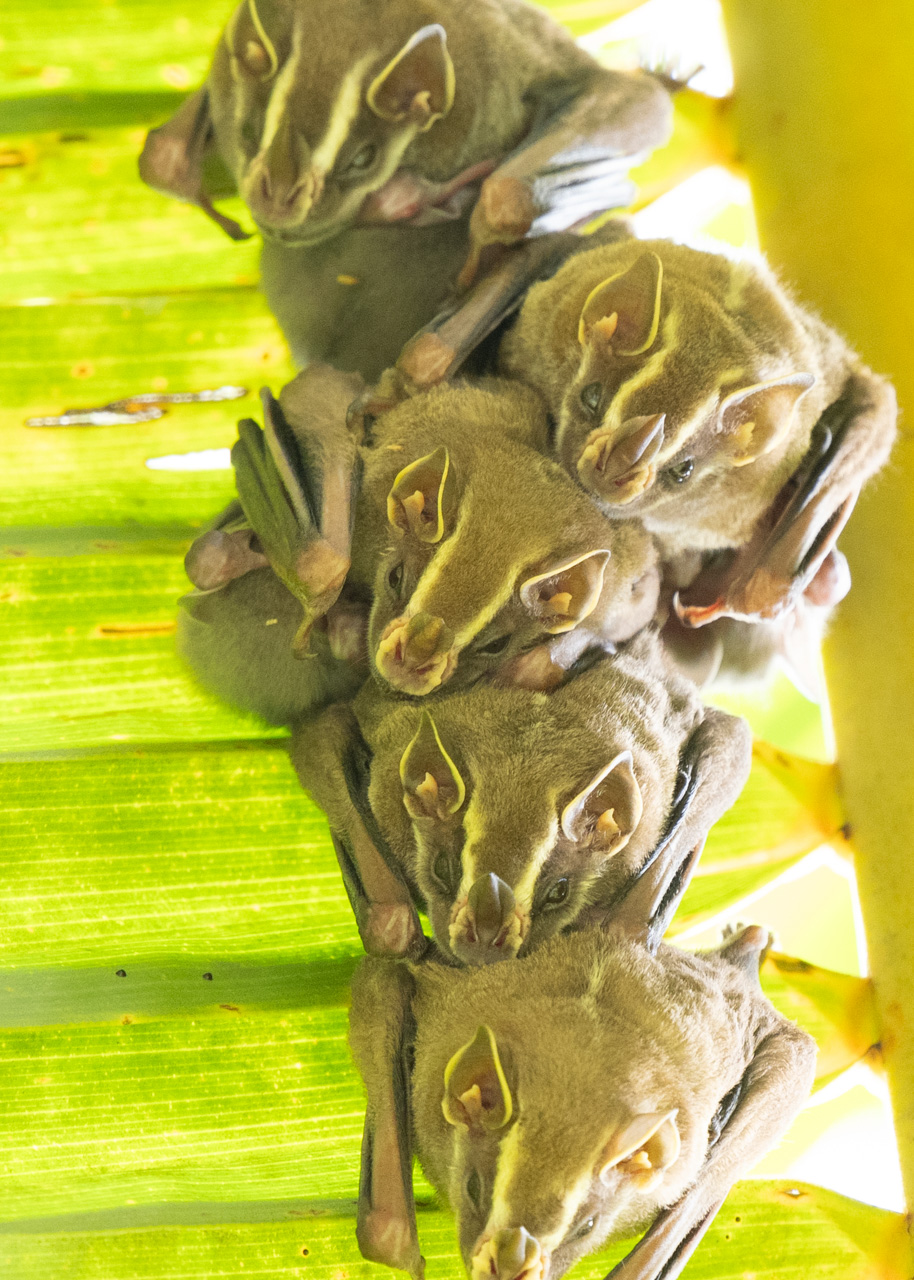
- Mammalian By-catch Observations: During the avian survey, the team also documented Three-toed Sloths, Nine-banded Armadillos, Capybaras, and Geoffroy’s Tamarins, indicating a healthy multi-taxa ecosystem.
Analysis of Findings
The expedition’s findings suggest that while primary forests remain the gold standard for biodiversity, secondary forests and "edge" habitats (like those found in Cerro Azul and the San Francisco Reserve) are playing an increasingly important role in supporting diverse populations. The high number of flycatchers and tanagers suggests a robust insect and fruit base, which are essential components of the tropical food chain.
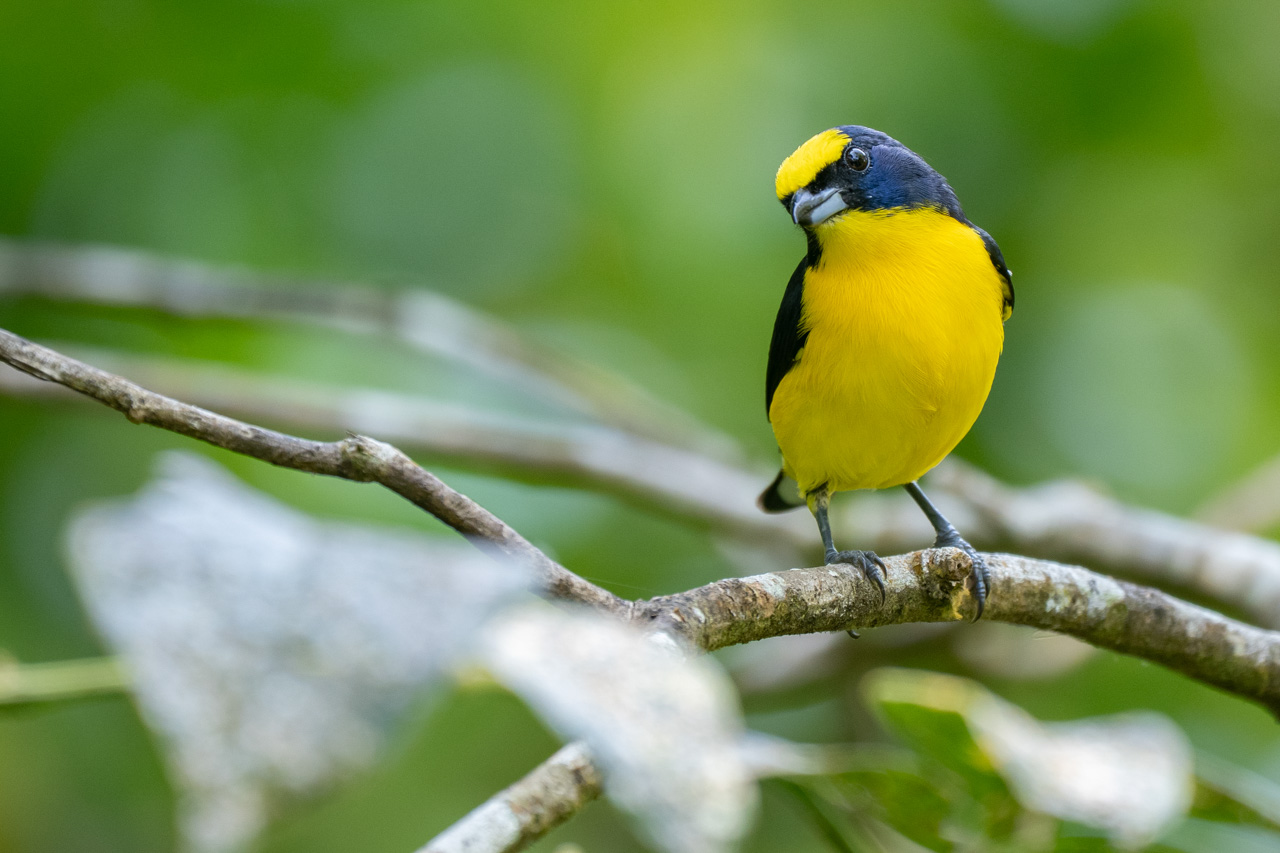
However, the team noted that some target species, such as the Sapayoa, were "heard only," highlighting the challenges of monitoring rare species in dense foliage and the potential impact of climate-related noise (such as rain patterns) on vocalization data.
Conclusion and Broader Impact
The success of the nine-day survey reinforces Panama’s status as a premier destination for biological research and eco-tourism. The data gathered provides a baseline for future seasonal comparisons and offers evidence for the continued protection of the Darien and Canal Zone corridors.
For the international scientific community, the documentation of 295 species serves as a reminder of the fragility and resilience of tropical ecosystems. As climate change alters migratory timelines and habitat boundaries, consistent field surveys like this one are vital for the development of adaptive conservation management plans. The expedition concluded with a final consensus: Panama remains a critical stronghold for global bird populations, requiring vigilant protection of its diverse landscapes from the Atlantic to the Pacific.
