
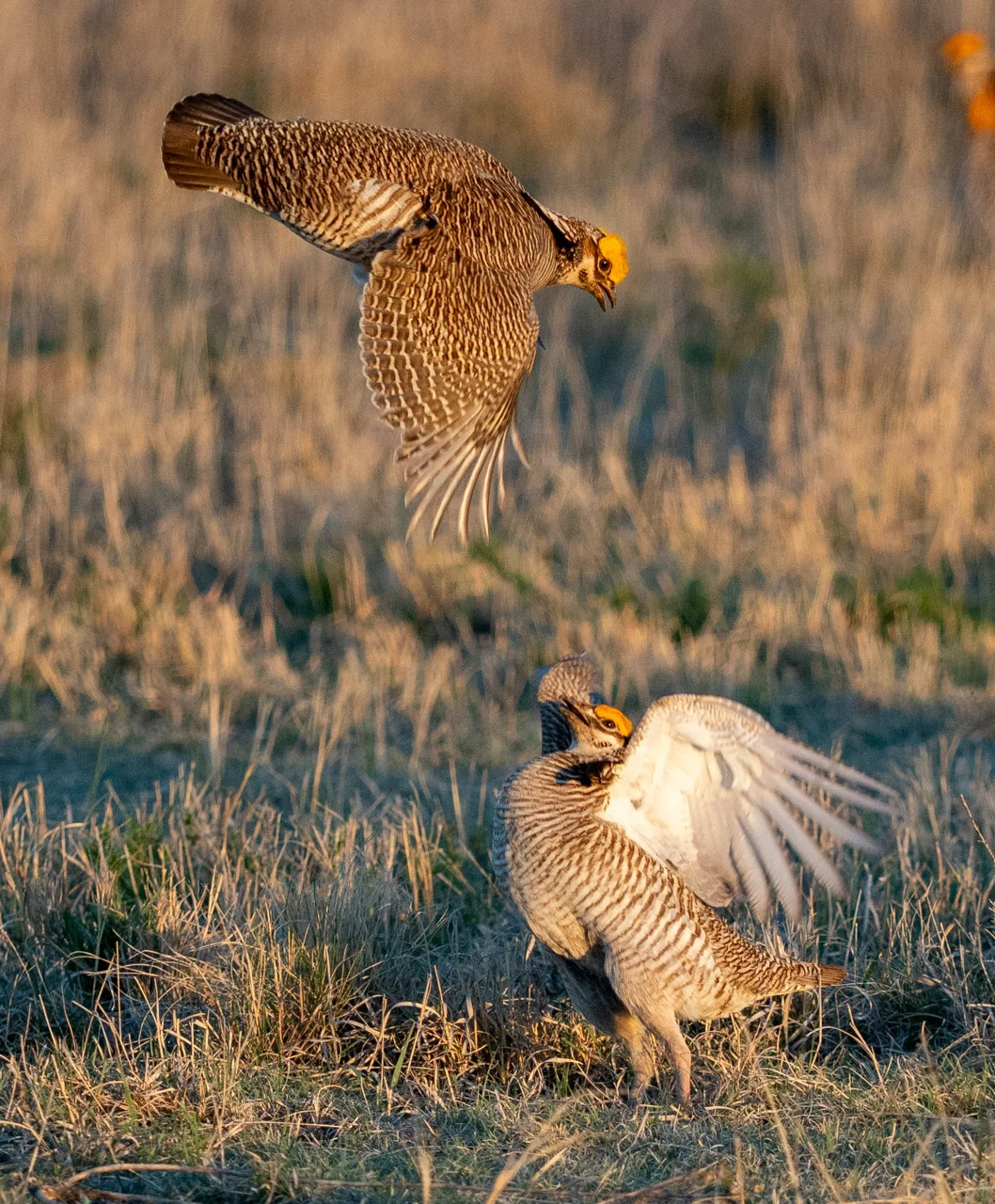
The beauty of Colorado in April is a study in ecological dynamism, transitioning from the snowcapped peaks of the Southern Rockies and lime-green aspen stands to the vast sage steppe, diverse riparian corridors, and seemingly endless prairies. The Eagle-Eye 2026 Colorado Grouse tour recently concluded an extensive exploration of these habitats, timing the expedition to coincide with the peak lekking behavior of five distinct grouse species: the Lesser Prairie-Chicken, Greater Prairie-Chicken, Sharp-tailed Grouse, Greater Sage-Grouse, and the endangered Gunnison Sage-Grouse. This annual phenomenon, where male birds congregate to perform competitive mating displays, serves as a critical indicator of the health of the American West’s grassland and sagebrush ecosystems.
Expedition Commencement: From the Mile-High City to the Shortgrass Prairie
The tour began in Denver, situated in the foothills of the Rockies, where the expeditionary group assembled to outline the rigorous itinerary ahead. The first foray into the field took place at the Rocky Mountain Arsenal National Wildlife Refuge. Once a site for chemical manufacturing, the refuge has been transformed into a 15,000-acre haven for wildlife on the edge of the metropolitan area.
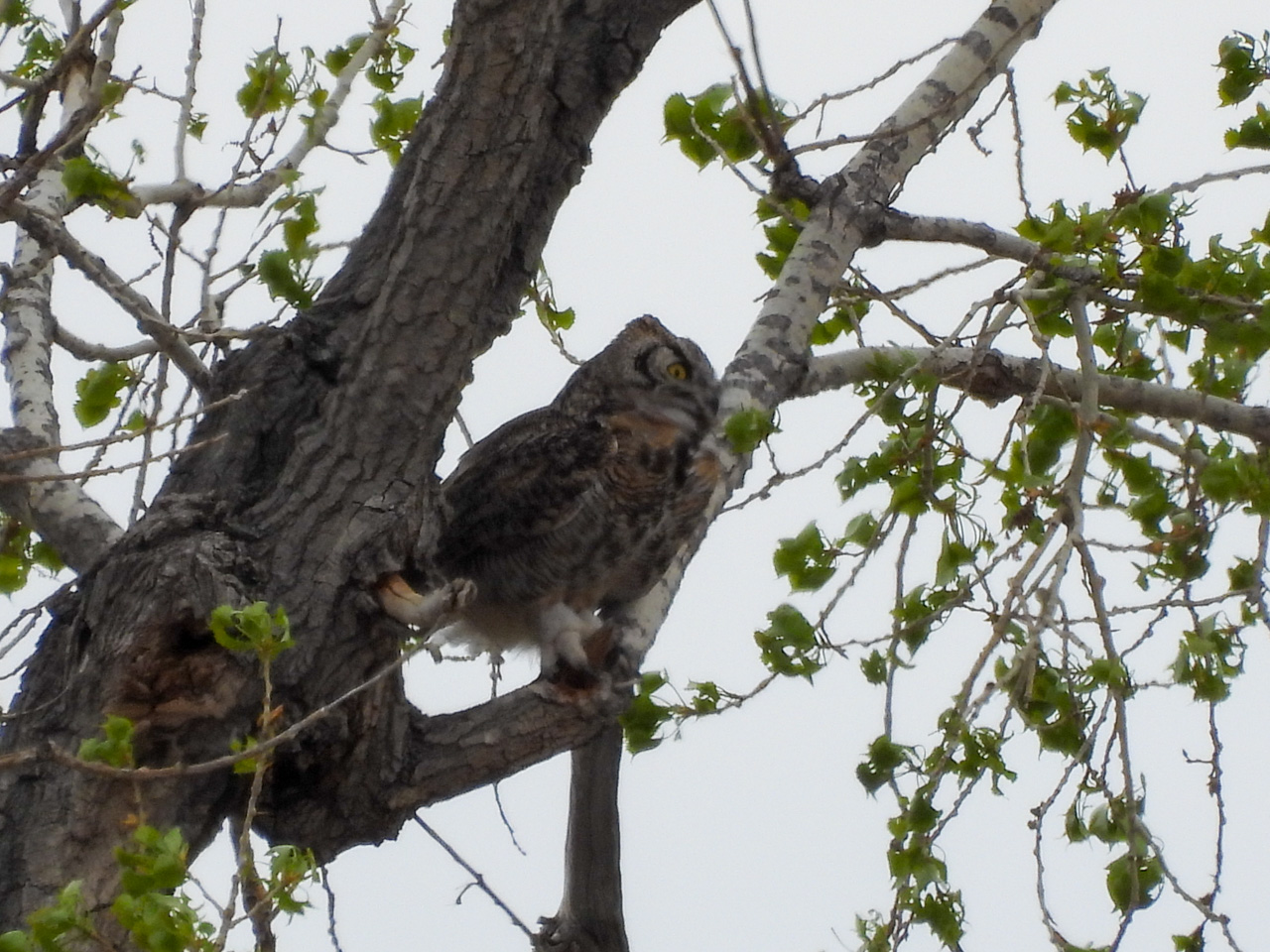
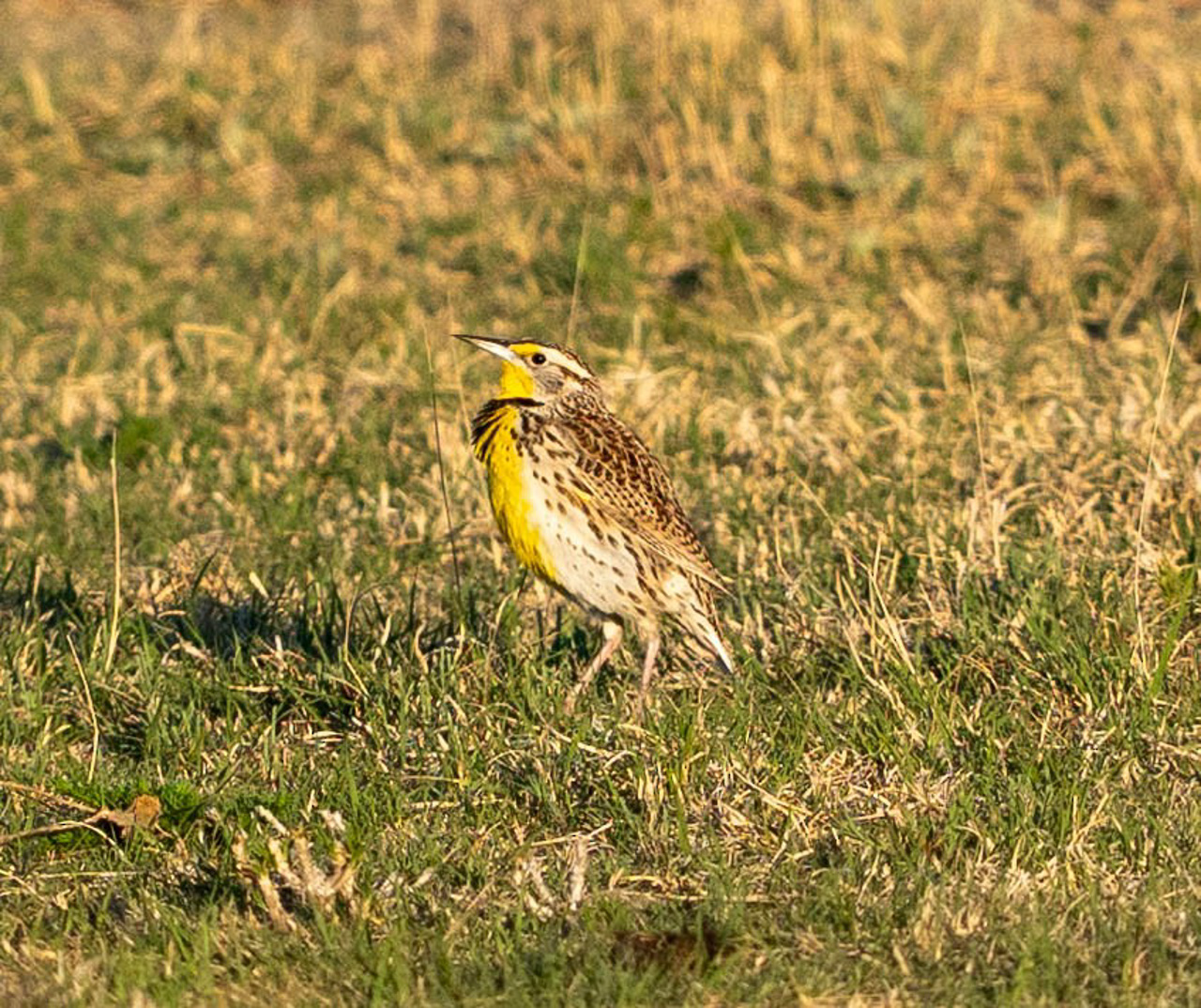
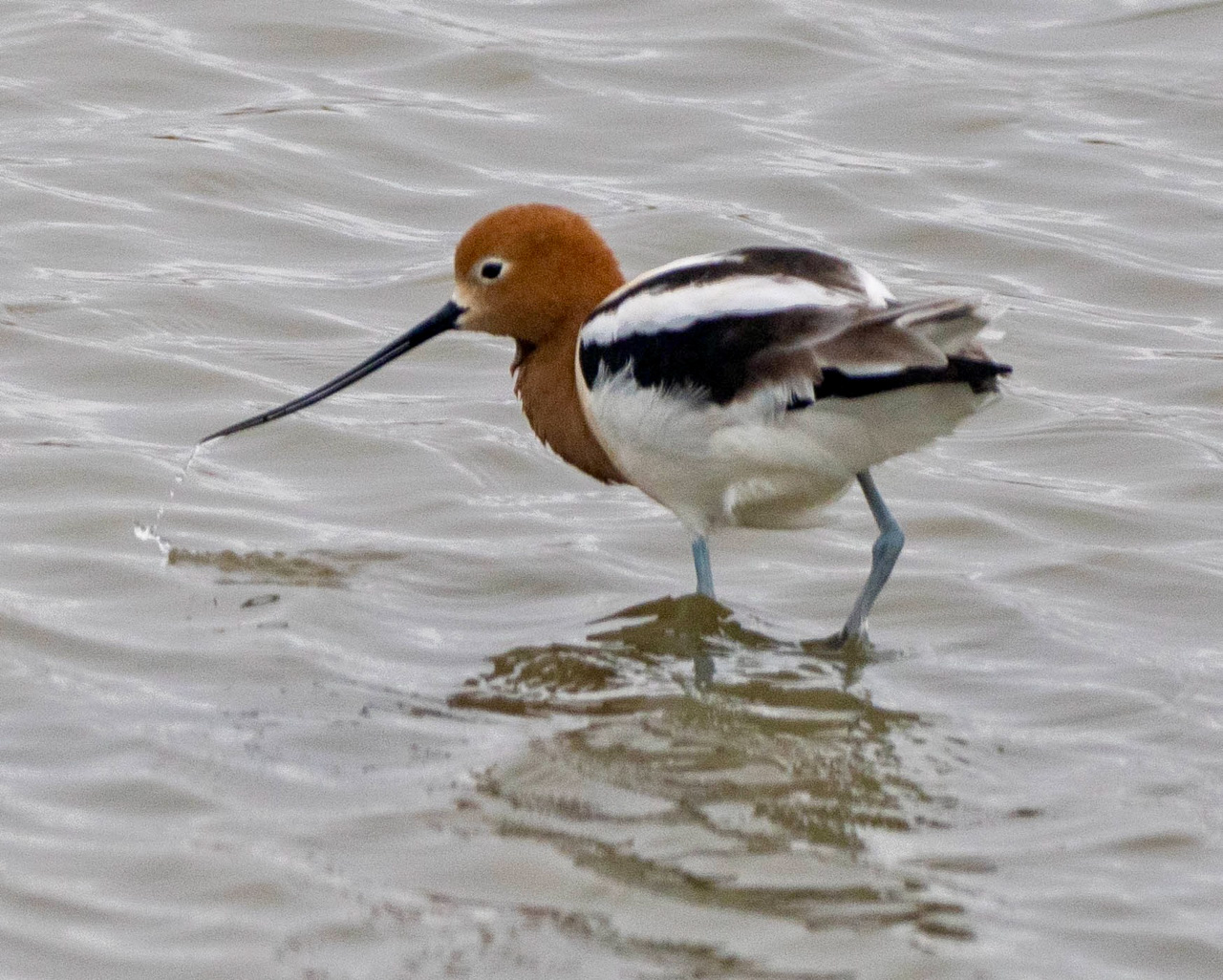
Early observations at the refuge included a nesting Great Horned Owl under harassment by a Common Raven, a common interspecies conflict in the avian world. The grasslands and marshes of the Wildlife Drive loop provided sightings of Black-billed Magpies and Coyotes, while the Western Meadowlark—the state bird of several Western states—provided a constant acoustic backdrop. Waterfowl diversity was high at the refuge’s ponds, with sightings of Pied-billed Grebe, American Avocet, American Wigeon, Gadwall, and Bufflehead.
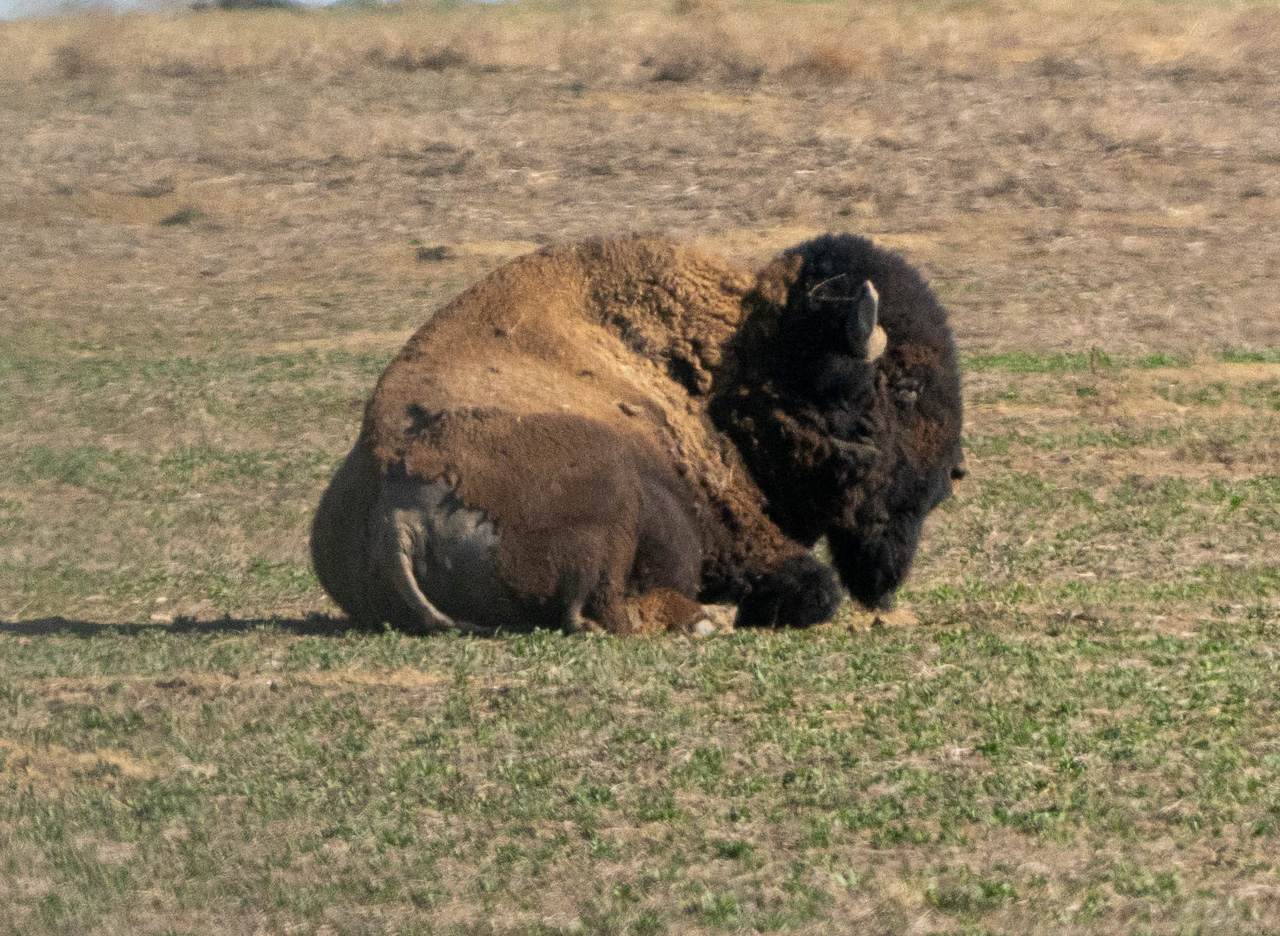
A significant highlight of the initial phase was the encounter with Long-billed Curlews in a Black-tailed Prairie Dog town. These curlews, North America’s largest shorebirds, utilize the shortgrass prairie for foraging. The group also observed American Bison herds and the first Say’s Phoebes of the season.
The Eastern Frontier: Tracking the Prairie-Chickens
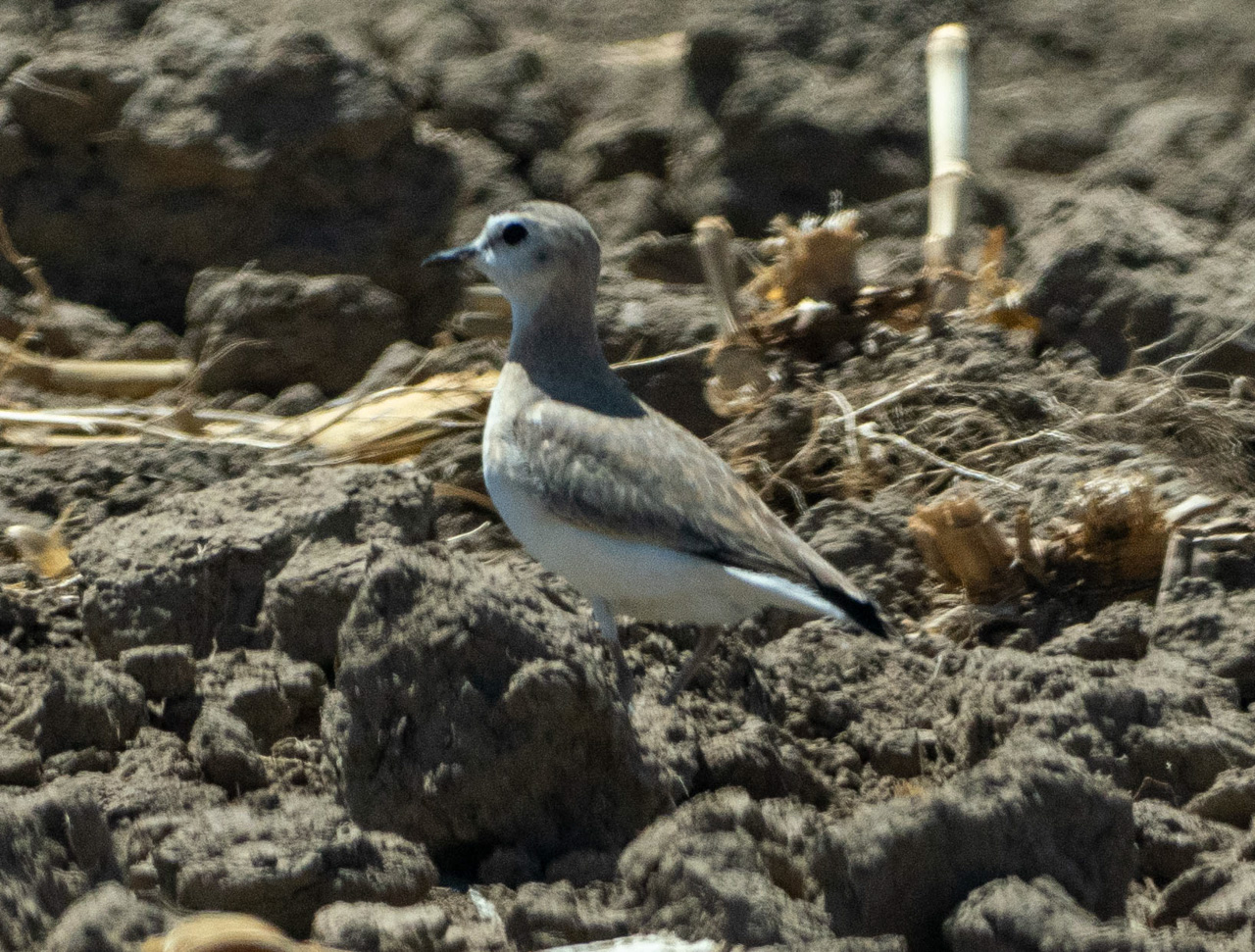
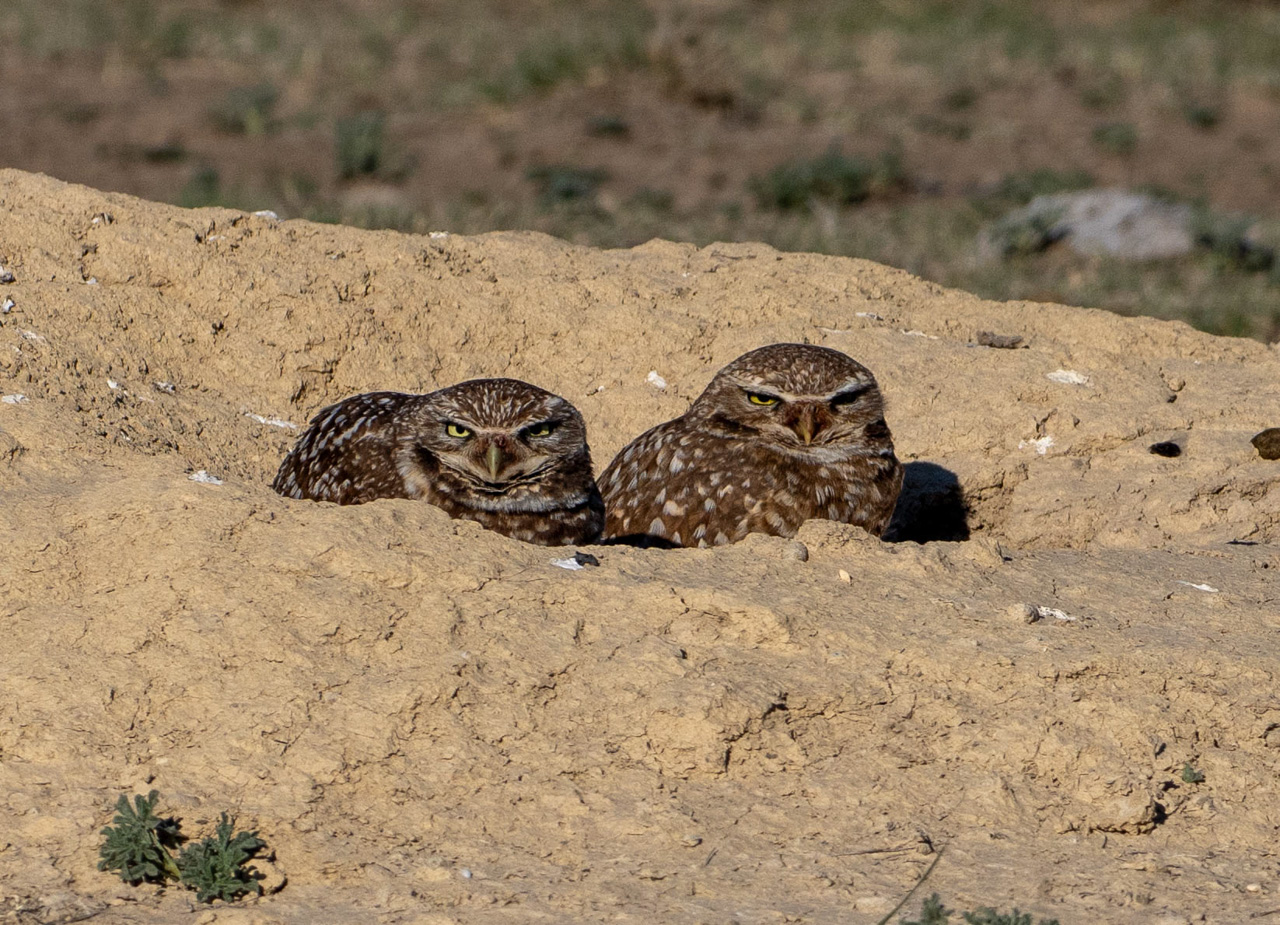
As the expedition moved east toward the Kansas border, the focus shifted to specialized grassland breeders. In the barren, dry fields of eastern Colorado, the group successfully located the Mountain Plover, a "near threatened" species that relies on heavily grazed or disturbed shortgrass habitats. Following this, the tour encountered its first Burrowing Owl, a species that utilizes abandoned prairie dog burrows for nesting.
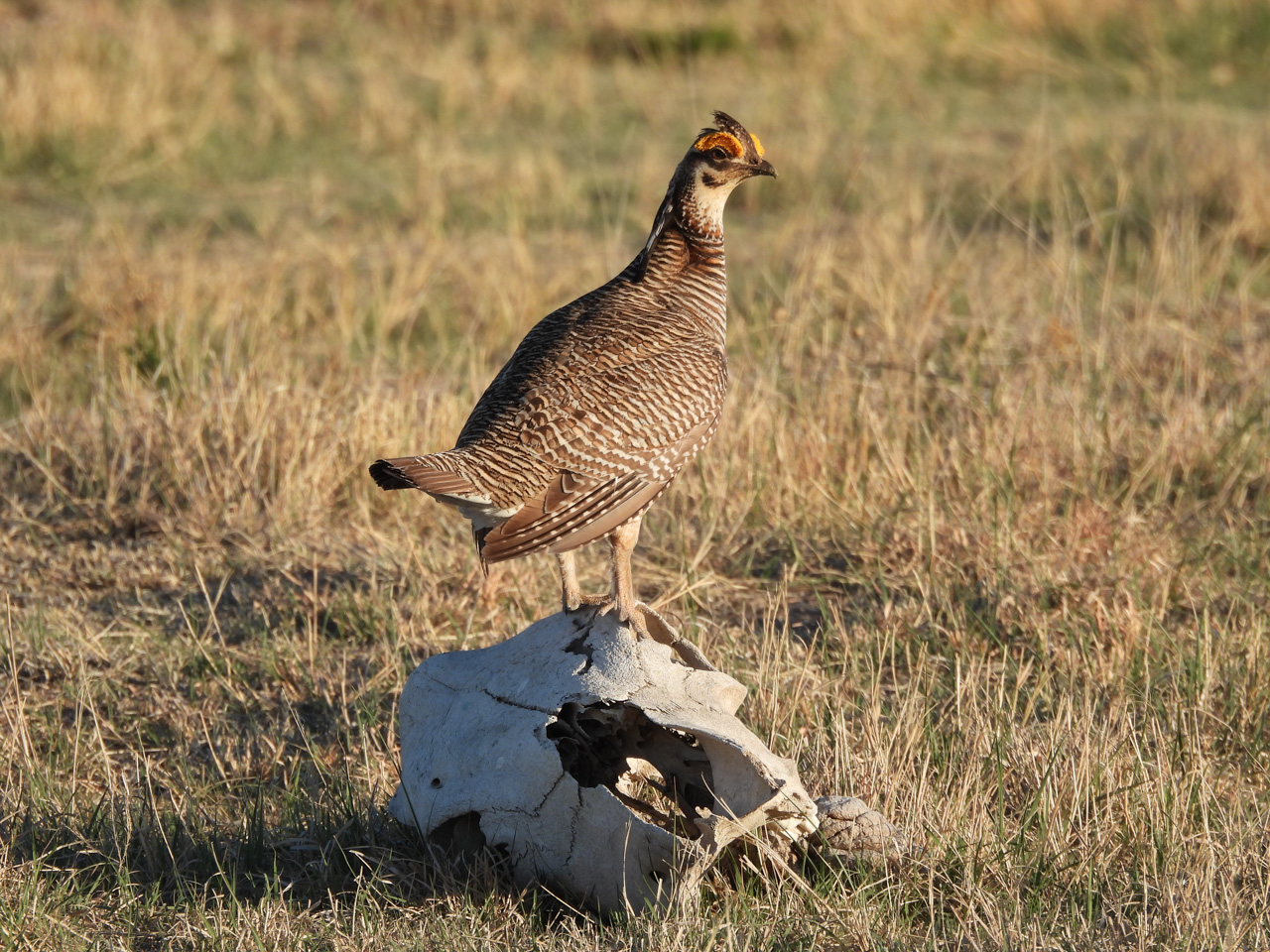
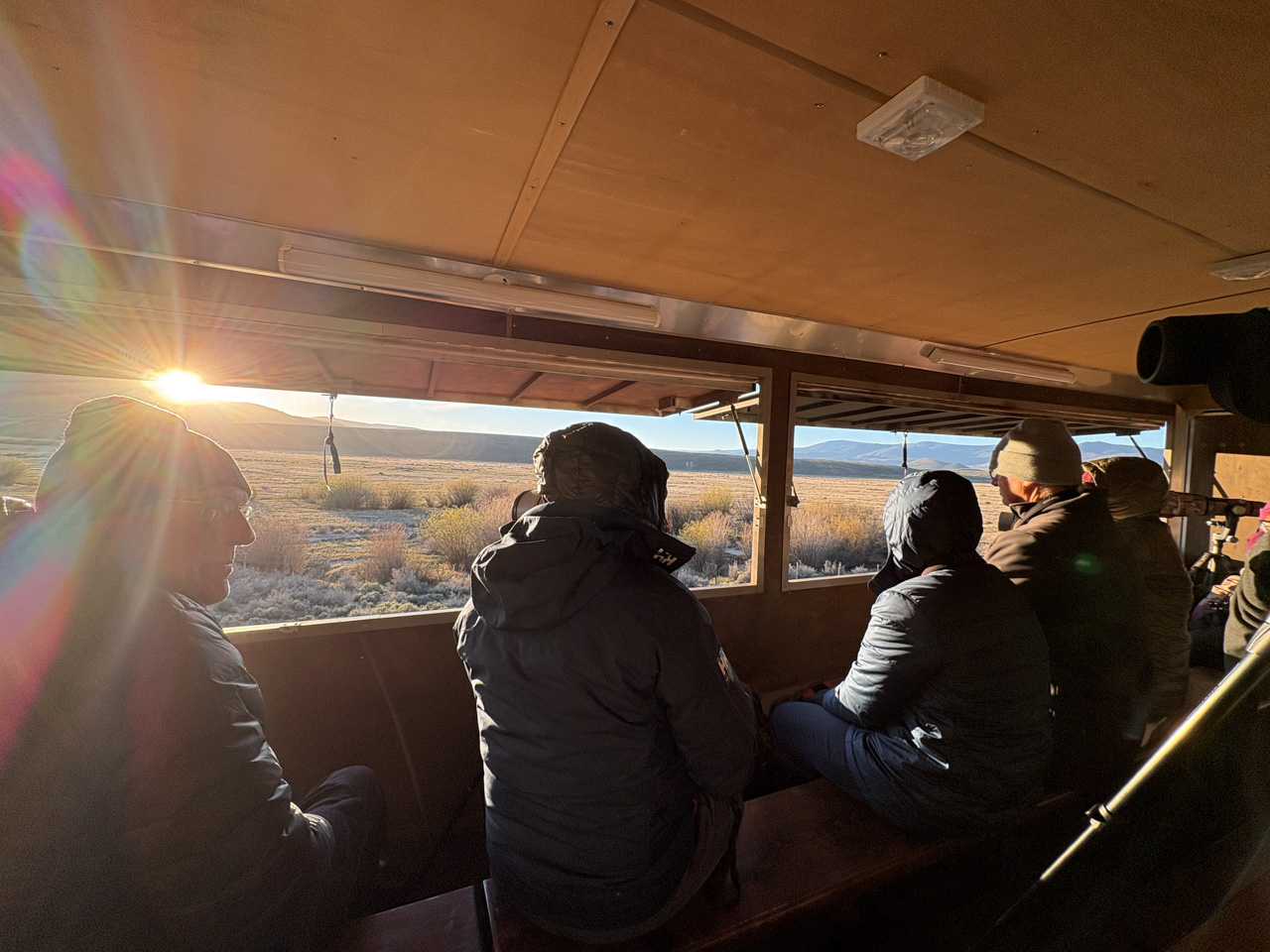
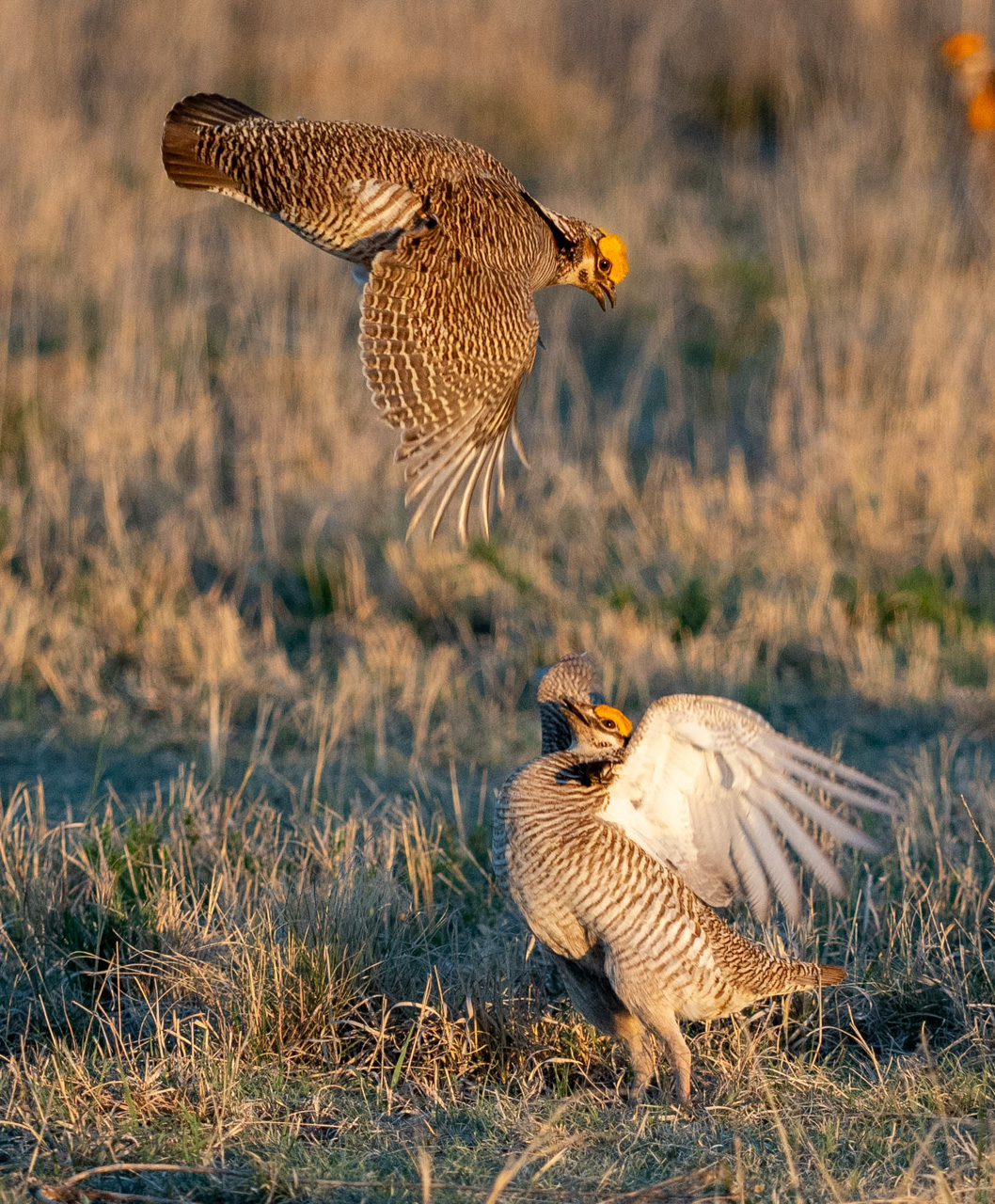
The second day marked the first of several pre-dawn lek visits. Arriving in the twilight near Oakley, Kansas, the group witnessed the aggressive territorial displays of the Lesser Prairie-Chicken. The "bubbling hoots" and rhythmic stomping of these birds are central to their reproductive success. The Lesser Prairie-Chicken has been a focal point of conservation litigation and habitat preservation efforts due to its declining numbers across the southern Great Plains.
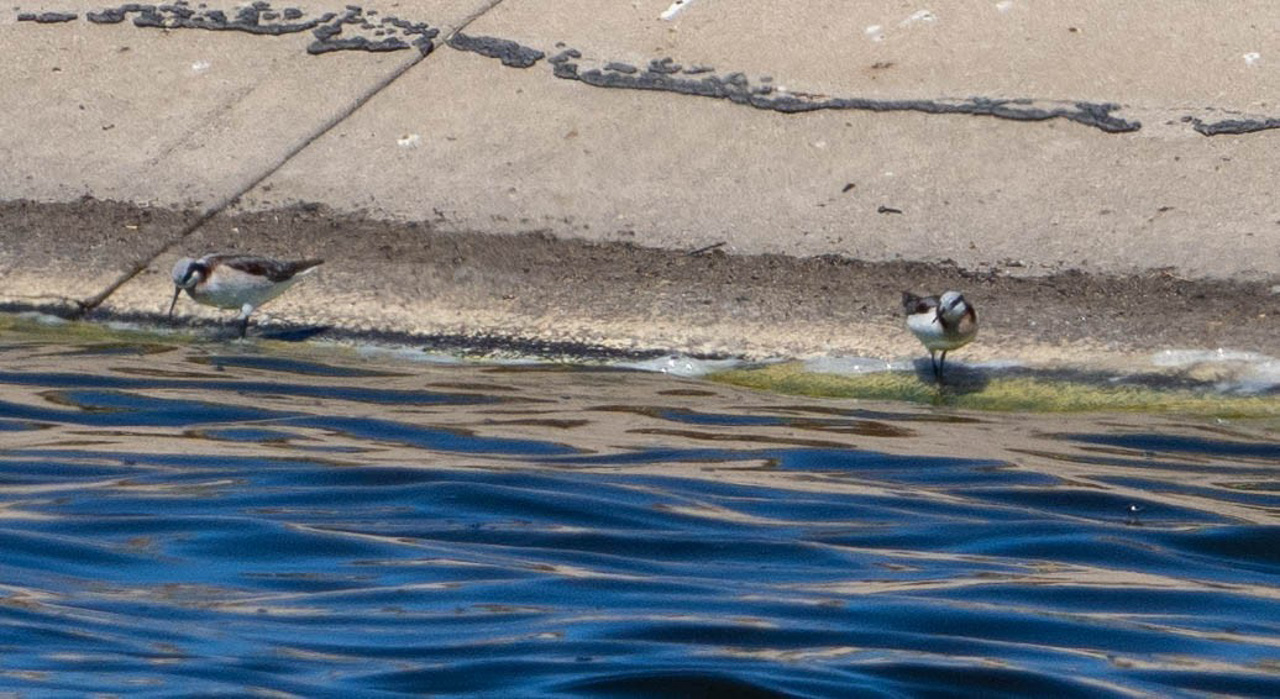
The tour continued through Nebraska and back into Colorado, toward the town of Wray. This transition zone yielded sightings of Swainson’s Hawks, Northern Harriers, and various shorebirds, including Wilson’s Phalarope and Baird’s Sandpiper at local water treatment facilities. In Wray, the group observed the Greater Prairie-Chicken. Despite cold and windy April conditions, the birds performed their "booming" displays, characterized by the inflation of orange neck sacs and a low-frequency vocalization that can carry for over a mile across the plains.
The Pawnee National Grasslands and the Poudre Canyon
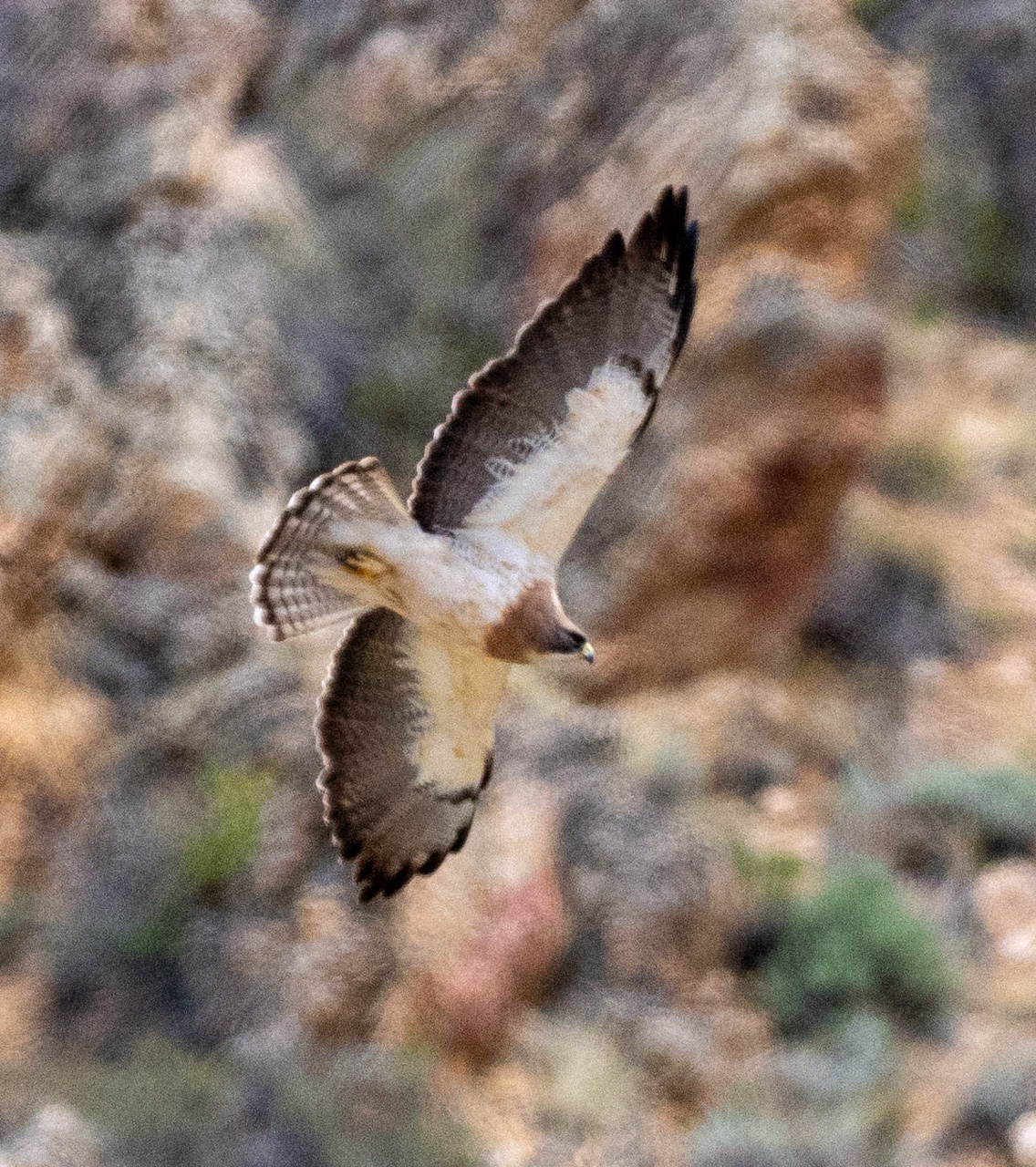
The expedition’s fourth day focused on the Pawnee National Grasslands, a 193,060-acre complex of shortgrass prairie. At the Pawnee Buttes, the group observed Golden Eagles and Prairie Falcons utilizing the cliffs for hunting. The shortgrass habitat also provided world-class views of incubating Swainson’s Hawks and hunting Ferruginous Hawks. A notable sighting included the Chestnut-collared and Thick-billed Longspurs, two species that are highly sought after by birders for their specific habitat requirements and striking breeding plumages.
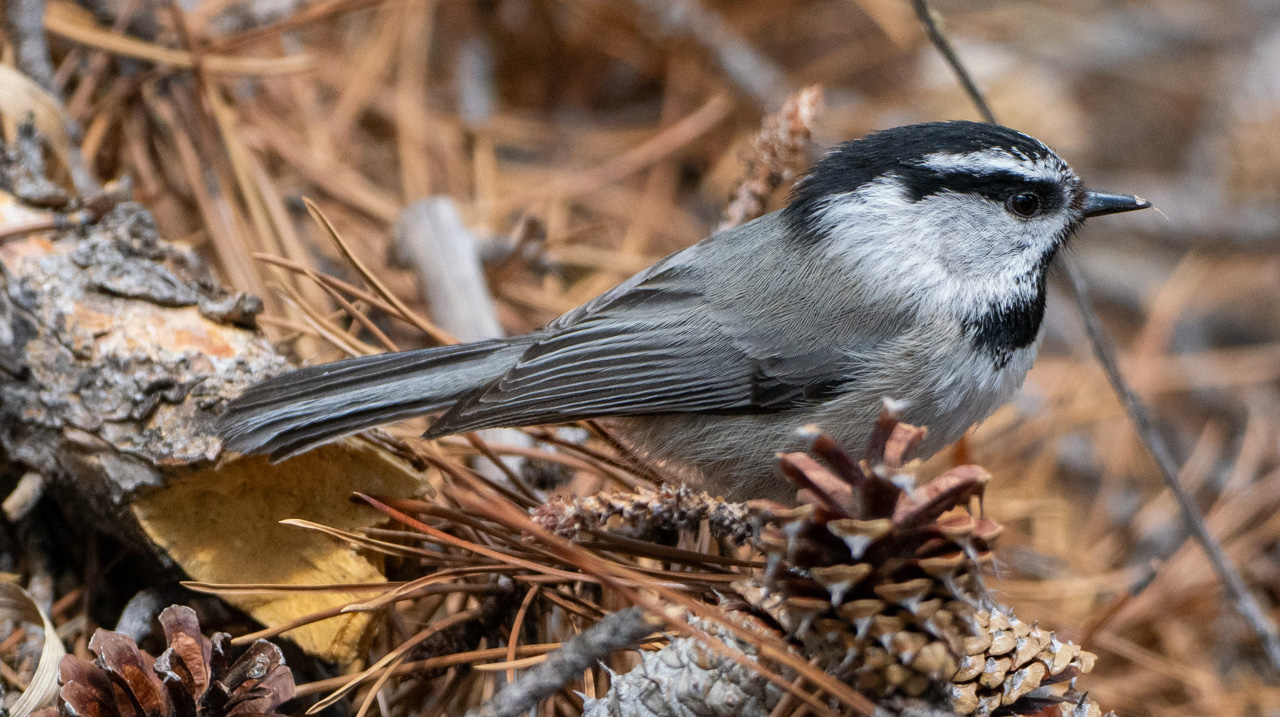
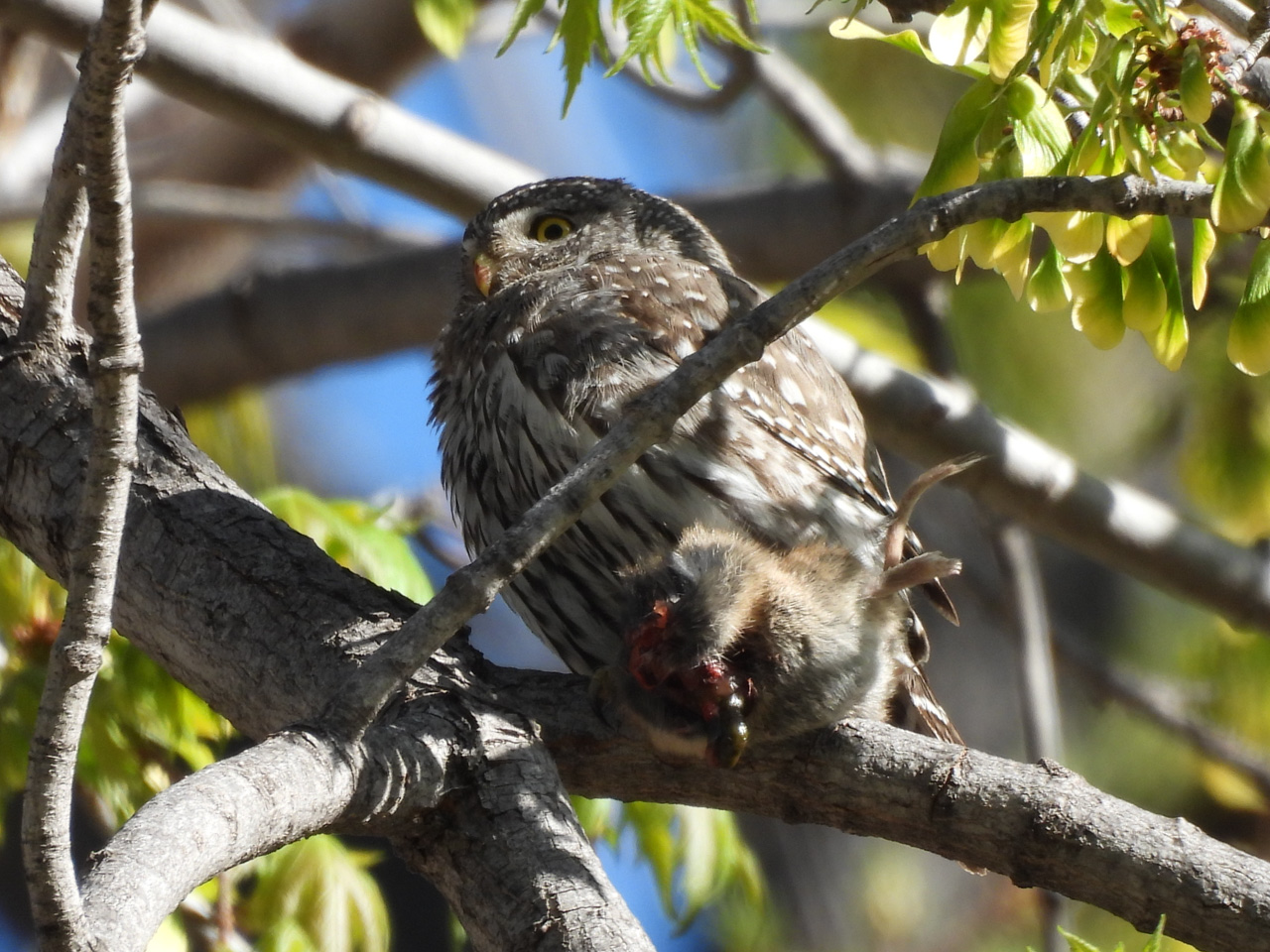
Moving from the plains into the mountains, the tour explored the Poudre Canyon along the Poudre River. The change in elevation brought a shift in species composition, featuring Mountain Chickadees, Red-breasted Nuthatches, and the Broad-tailed Hummingbird, whose metallic wing trill is a hallmark of the Rocky Mountain spring. A rare highlight in the cottonwood stands was a Northern Pygmy-Owl successfully hunting a vole. This pint-sized diurnal predator is often difficult to locate due to its size and camouflage.
In the high-altitude wetlands of the Arapahoe National Wildlife Refuge and Walden Reservoir, the group documented American White Pelicans, California Gulls, and Eared Grebes. The presence of Sandhill Cranes and Osprey further emphasized the importance of these mountain parks as migratory stopovers.
The Sage-Grouse of the Western Slope
The itinerary then moved toward Craig, Colorado, for the third lek experience: the Greater Sage-Grouse. The Greater Sage-Grouse is known for one of the most iconic displays in the animal kingdom. Males inflate large, yellow-green esophageal air sacs and fan their spiked tails in a complex choreography designed to attract hens. These birds are "obligate" species, meaning they are entirely dependent on healthy sagebrush ecosystems for food and cover.
Following the sage-grouse observation, the group encountered Evening Grosbeaks and explored the Yampa River, where Cedar Waxwings and various swallow species were active. An unexpected sighting of a Sharp-tailed Grouse on a sagebrush tangle provided a preview of the next day’s objective.
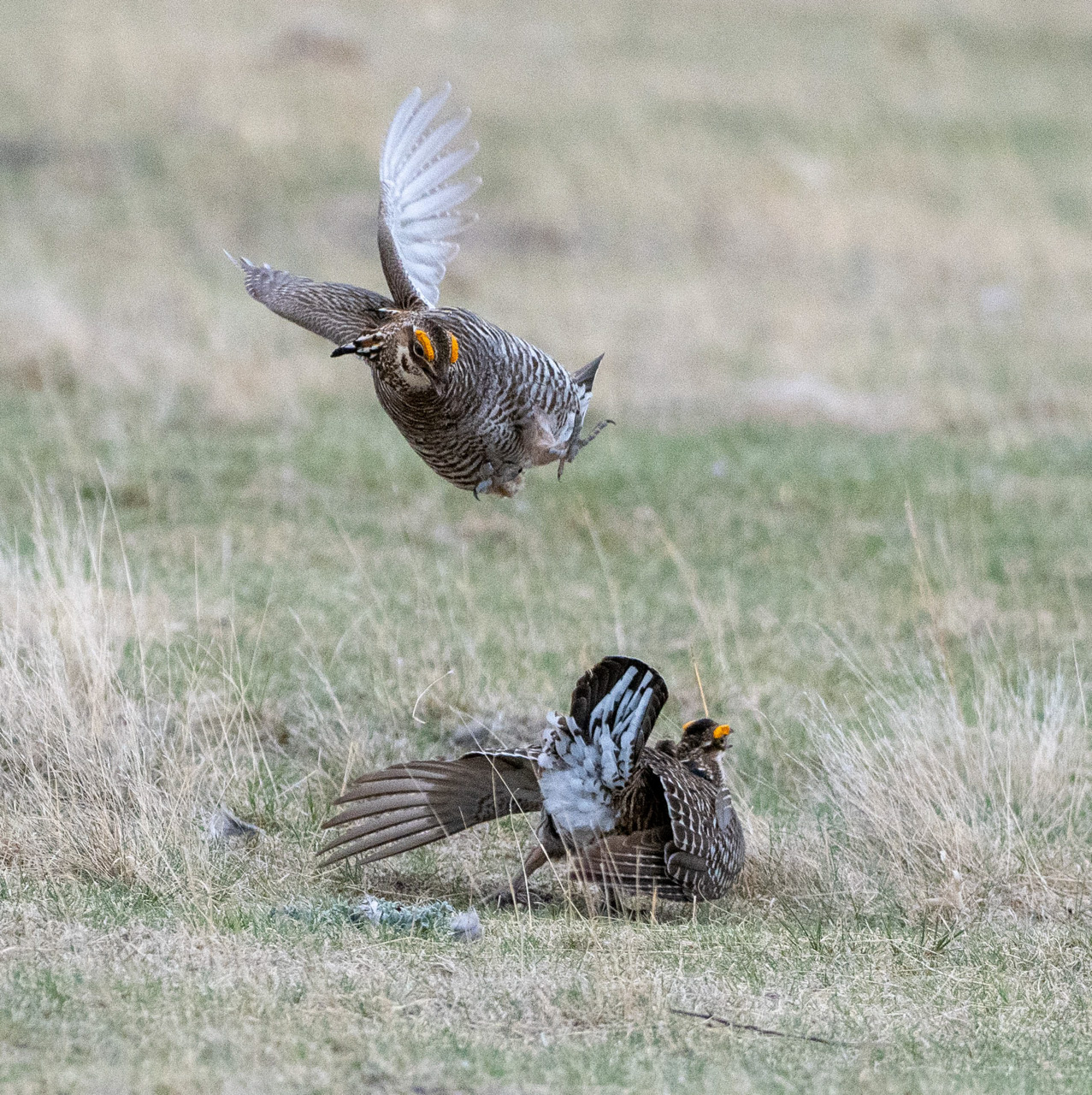
On day eight, the group visited a Sharp-tailed Grouse lek. Known as one of the most energetic phasianids, the "sharptails" engage in rapid-fire foot-stomping and wing-fluttering jumps. The tour leaders noted the importance of private land conservation in this region, specifically citing the hospitality of local landowners like Ken Bekkedahl, whose stewardship of the land allows these leks to persist.
Geological Wonders and the Endangered Gunnison Sage-Grouse
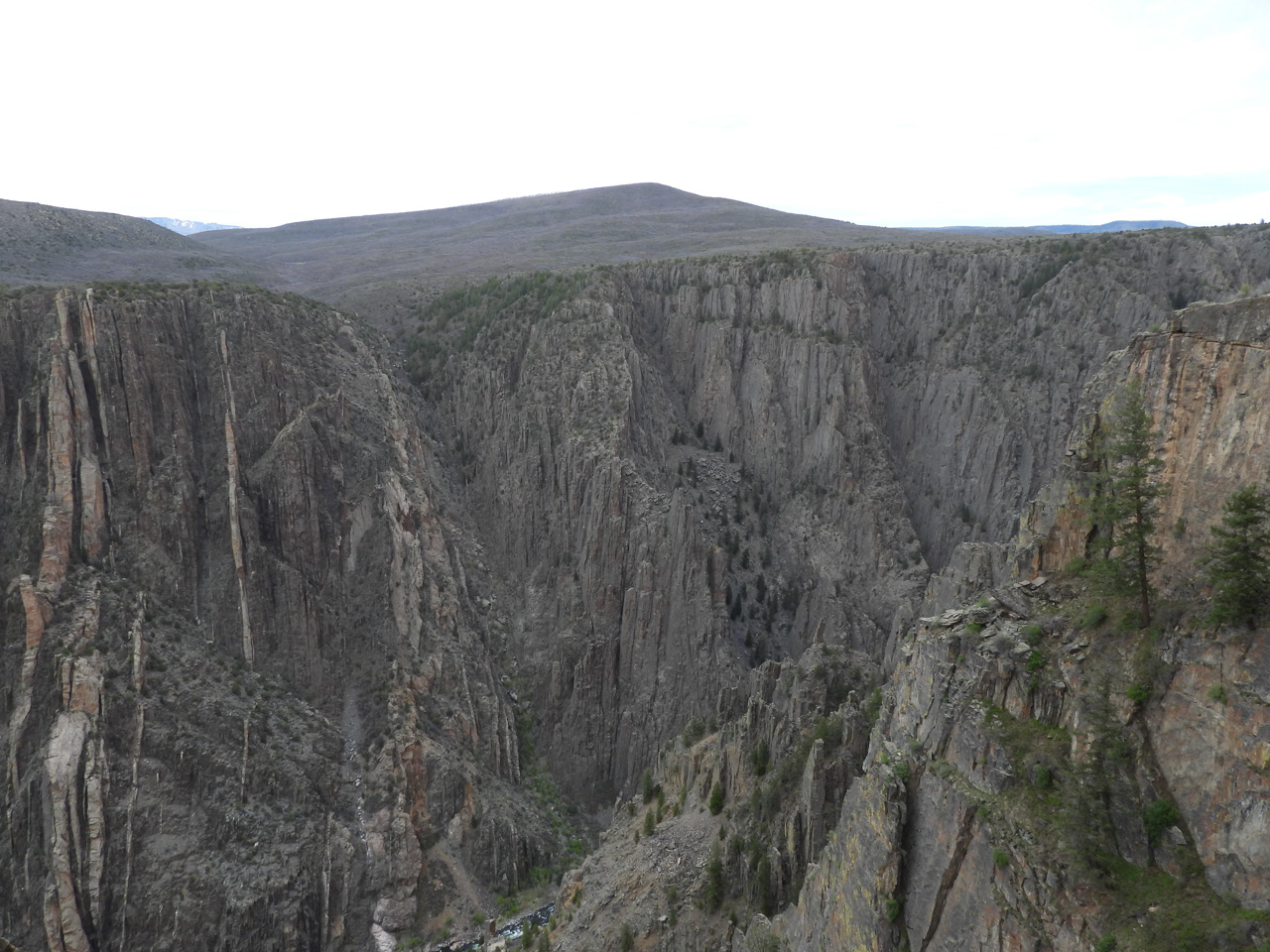
The expedition proceeded to the Colorado National Monument and the Black Canyon of the Gunnison National Park. The Pinyon-Juniper woodlands of the monument provided habitat for the Juniper Titmouse, Gray Vireo, and Black-throated Gray Warbler. Night birding at the Audubon Nature Preserve in Grand Junction yielded Western Screech-Owls and Boreal Chorus Frogs.
At Fruitgrower’s Reservoir, the group observed White-faced Ibis and Western Grebes, including a single Clark’s Grebe. A pair of Lewis’s Woodpeckers—distinctive for their pink bellies and dark green backs—were seen excavating a nesting cavity in a cottonwood tree.
The final lek visit took place in the Gunnison Basin to observe the Gunnison Sage-Grouse. This species was only recognized as distinct from the Greater Sage-Grouse in 2000 and is currently listed as endangered. With a total population of fewer than 5,000 individuals, the sighting of 44 birds at the lek site was a significant event for the tour. The Gunnison Sage-Grouse is smaller than its "Greater" cousin and possesses distinct filoplumes (neck feathers) and different vocalization patterns.
The Alpine Tundra and the White-tailed Ptarmigan
The tour concluded with a high-altitude search in the alpine tundra of Loveland Pass. At elevations exceeding 11,000 feet, the group sought the White-tailed Ptarmigan. This bird is the only member of the grouse family to turn completely white in the winter, providing near-perfect camouflage against the snow. Despite high wind chills, the group successfully located an individual, observing its specialized plumage and listening to its vocalizations.
Additional high-altitude highlights included the Brown-capped Rosy-Finch and the American Three-toed Woodpecker. A rare mammalian encounter with a Pine Marten—a member of the weasel family that is typically elusive—provided a fitting end to the wildlife observations.
Conservation Context and Economic Impact
The Eagle-Eye 2026 tour underscores the critical intersection of eco-tourism and conservation. The "Grouse Trail" in Colorado is a significant driver of seasonal tourism for rural communities like Wray, Craig, and Gunnison. However, the survival of these species remains precarious.
According to data from the North American Bird Conservation Initiative, grassland birds have declined by 53% since 1970, more than any other terrestrial biome. The sage-grouse species, in particular, face threats from habitat fragmentation due to energy development, invasive cheatgrass, and changing wildfire cycles. The tour’s success relied heavily on the cooperation of conservationists and private landowners, including Stacy Hoeme and Bob Bledsoe, who manage their lands to support both agricultural production and wildlife habitat.
The 2026 expedition documented a diverse array of mammals alongside the avian targets, including Yellow-bellied Marmots, three species of Prairie Dogs (Black-tailed, White-tailed, and Gunnison’s), and various ground squirrels and chipmunks. This biodiversity highlights the importance of preserving large, contiguous tracts of habitat across varying elevations.
As the group returned to Denver for a final review of the trip’s findings, the overarching theme was one of gratitude for the fragile beauty of the American West. The tour serves as an annual reminder of the biological wealth contained within Colorado’s borders and the ongoing necessity of rigorous conservation efforts to ensure these ancient lekking rituals continue for future generations.
