
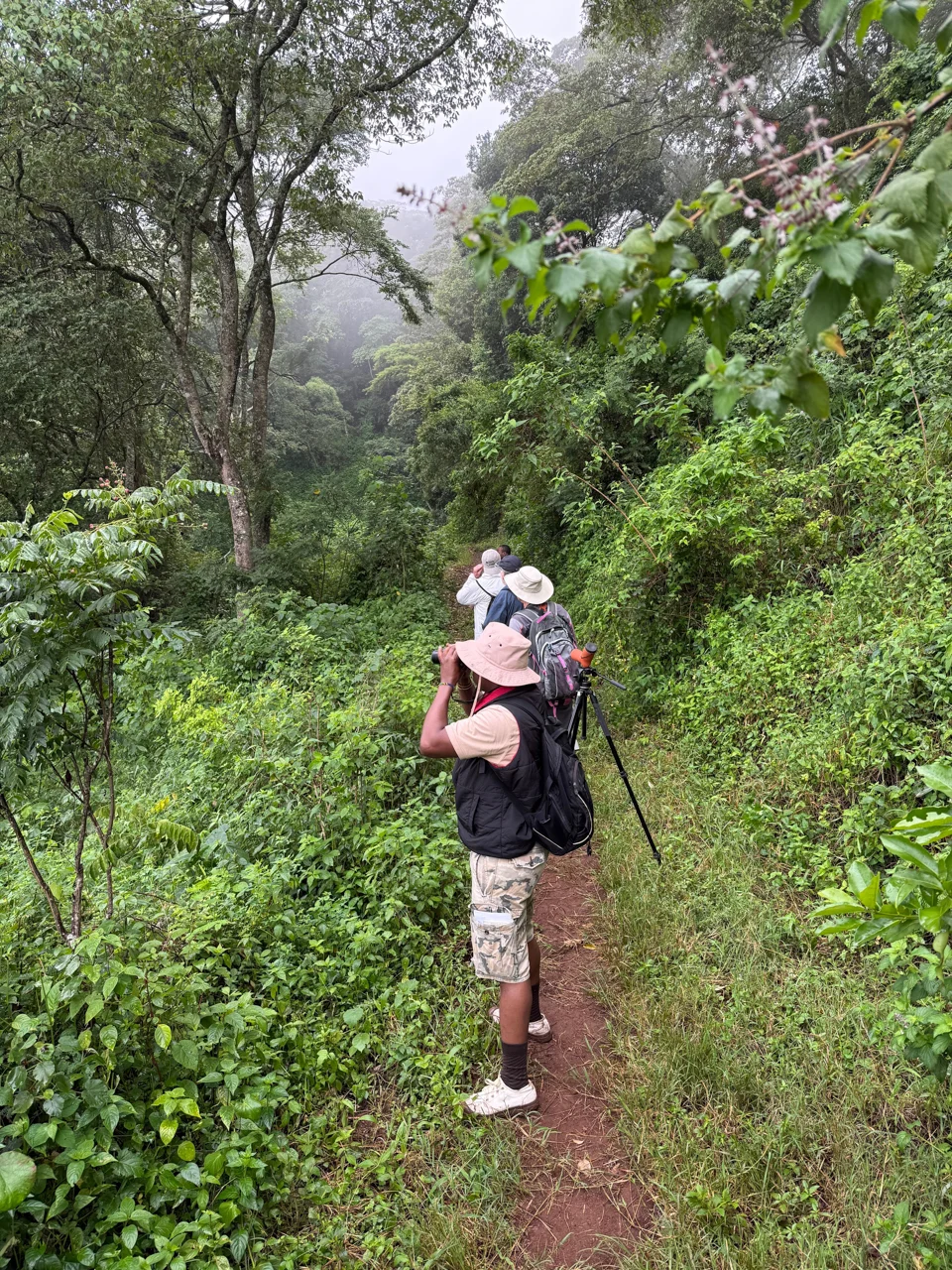
The April 2026 EET Tanzania Safari has concluded with record-breaking observations, successfully documenting over 400 distinct bird species alongside comprehensive sightings of the "Big Five" African megafauna. Led by veteran guide James Wolstencroft and driver-guide Frank, the expedition navigated the diverse ecosystems of Northern Tanzania during the region’s "Green Season," a period characterized by lush landscapes and the presence of both resident and migratory species. The group, comprised of six international participants, represented a strategic balance between specialized ornithological interests and general wildlife viewing, highlighting the growing trend of "multi-interest" ecotourism in East Africa.
Expedition Overview and Strategic Objectives
The primary objective of the April 2026 safari was to leverage the unique ecological conditions of the Tanzanian rainy season to maximize biodiversity encounters. Traditionally, the "Green Season" (March through May) is viewed as a challenging time for travel due to heavy precipitation. However, the 2026 season was marked by "balmy weather" and intermittent, non-disruptive showers, which facilitated uninterrupted access to remote areas of the Serengeti ecosystem and the Great Rift Valley.
For the participants, the tour was a study in ecological scale. The group was divided almost equally between "birders"—travelers focused on avian diversity—and those seeking the "Big Five" (lion, leopard, rhinoceros, elephant, and Cape buffalo). This dual focus required a specialized guiding approach to ensure a balanced itinerary that catered to the minute details of avian identification while maintaining the patience required for tracking large predators.
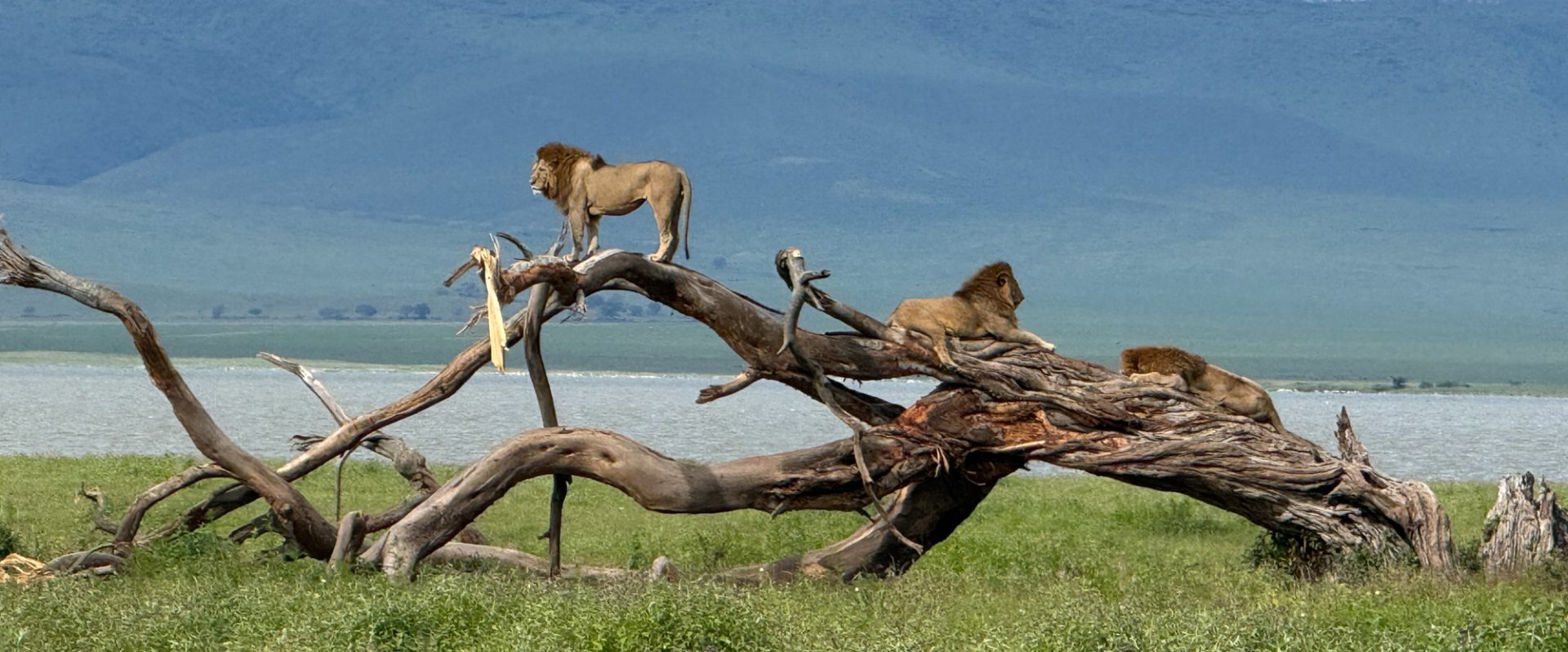
By the conclusion of the journey, the expedition had surpassed the 400-bird-species benchmark. Additionally, the group recorded 26 lions, three leopards, and two cheetahs, as well as eight critically endangered Black Rhinoceroses in the Ngorongoro Crater, marking the trip as a significant success for both conservation monitoring and tourism.
Chronological Progress: From Kilimanjaro to the Rift Valley
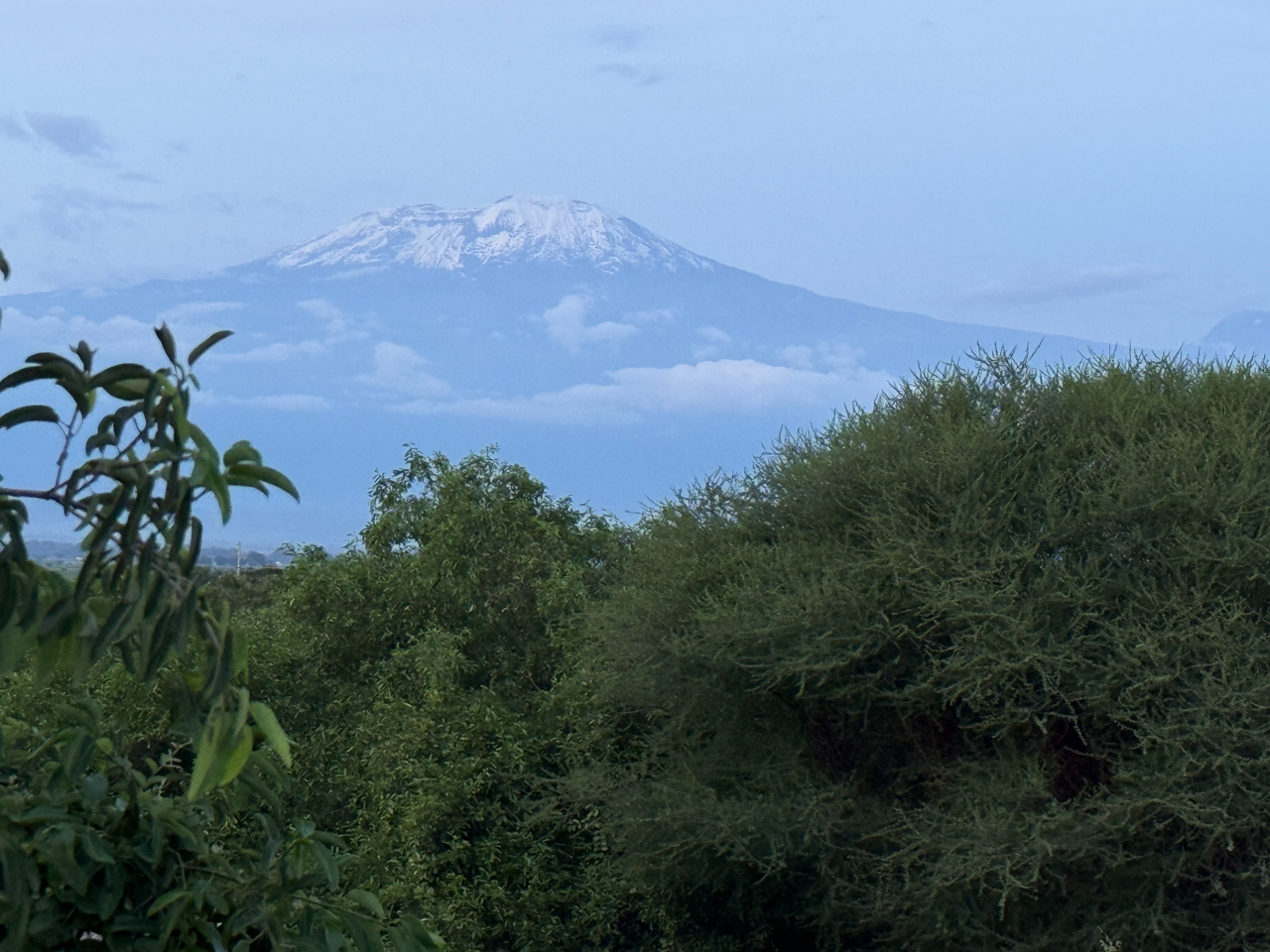
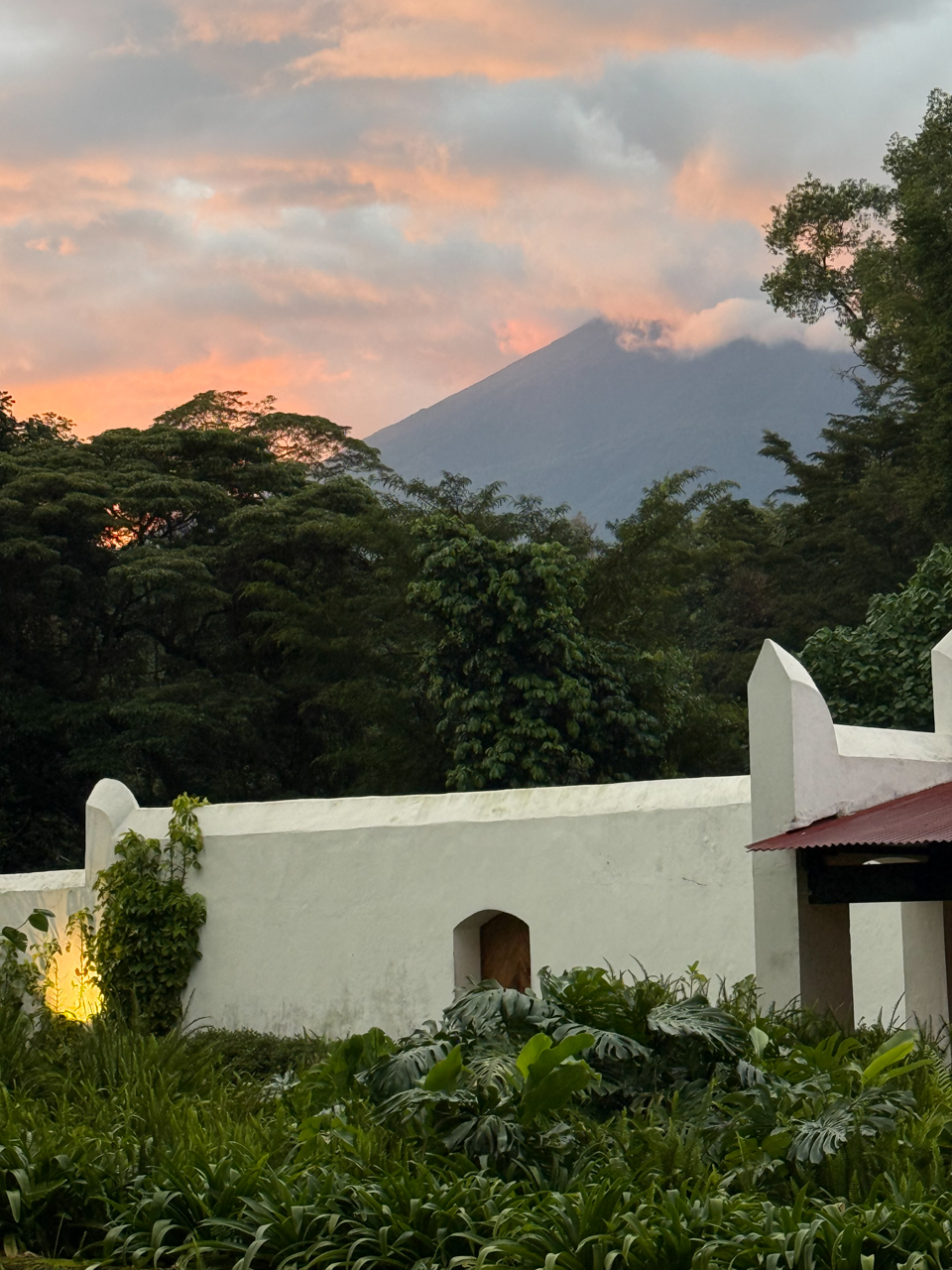
The expedition commenced at the KIA Lodge, situated adjacent to the Kilimanjaro International Airport. This location serves as a critical staging point for Northern Circuit safaris. In April 2026, the grounds were exceptionally verdant following prolific early rains in March. Initial sightings included the resident family of Spotted Eagle-Owls and approximately six Slender-tailed Nightjars, species that are typically difficult to locate during the day.
On April 2, the team transitioned into the field, observing breeding-plumage Yellow Bishops and various "rains seed-eaters" in the tall grasslands surrounding the airport airstrip. The presence of Palearctic migrant shorebirds, such as the Wood Sandpiper and Little Stint, alongside resident Blacksmith Lapwings, provided early data on the overlapping migratory patterns that define the East African spring.
Arusha National Park: Biological Diversity and Primate Populations
Arusha National Park served as the group’s formal introduction to the biological wealth of the region. The park is noted for its varied topography, ranging from montane forests to alkaline lakes. A significant highlight was a "tower" of Masai Giraffes that temporarily blocked the expedition route, offering close-quarters observation of their social dynamics.
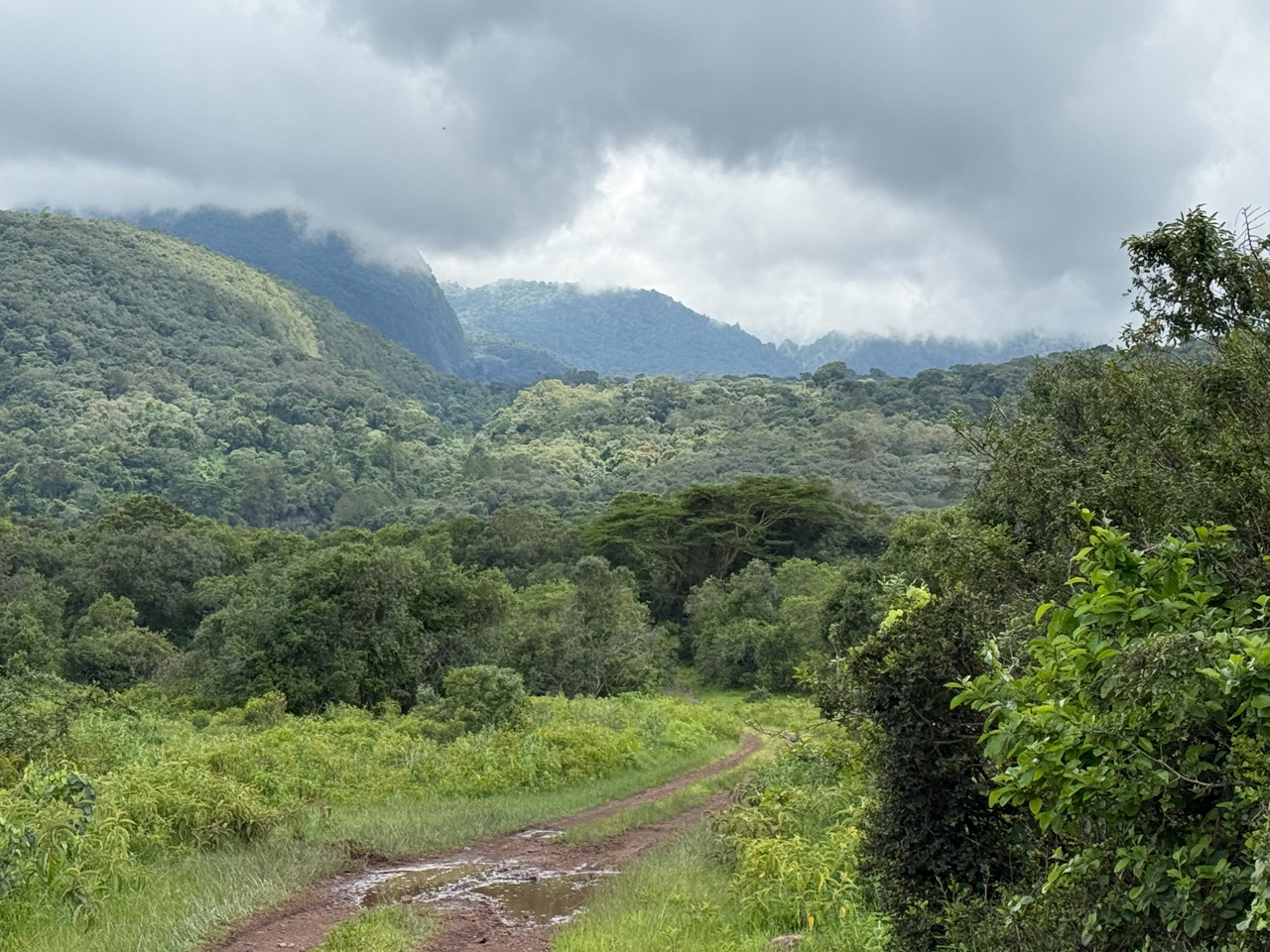
Ornithologically, the park yielded a rare sighting of a pale morph Booted Eagle, a migrant from Asia. At the Momella Lakes, the group documented a rare occurrence: the Isabelline Shrike and Turkestan Shrike—two closely related Palearctic migrants—hunting in the same clearing. The expedition also observed the Hamerkop, a taxonomically unique African bird, displaying its characteristic "foot-paddling" behavior to flush prey in shallow pools.
The park’s primate populations were well-represented, with sightings of Blue Monkeys and the iconic Black-and-white Colobus Monkeys. Notably, the group achieved rare views of the Suni, one of East Africa’s smallest antelopes, browsing in a shaded glade—a sighting often missed due to the animal’s secretive nature.
The Great Rift Valley: Tarangire and Lake Manyara
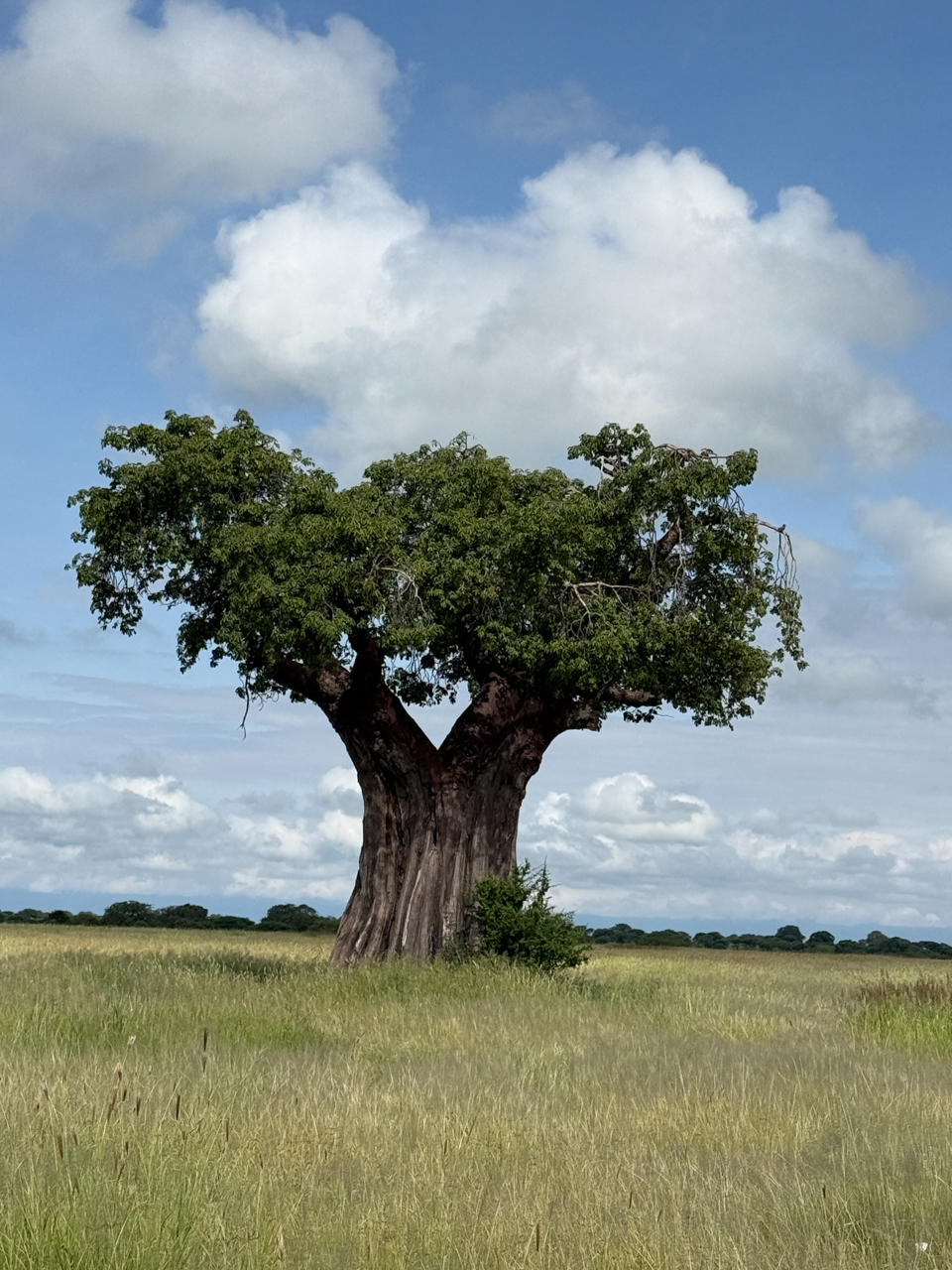
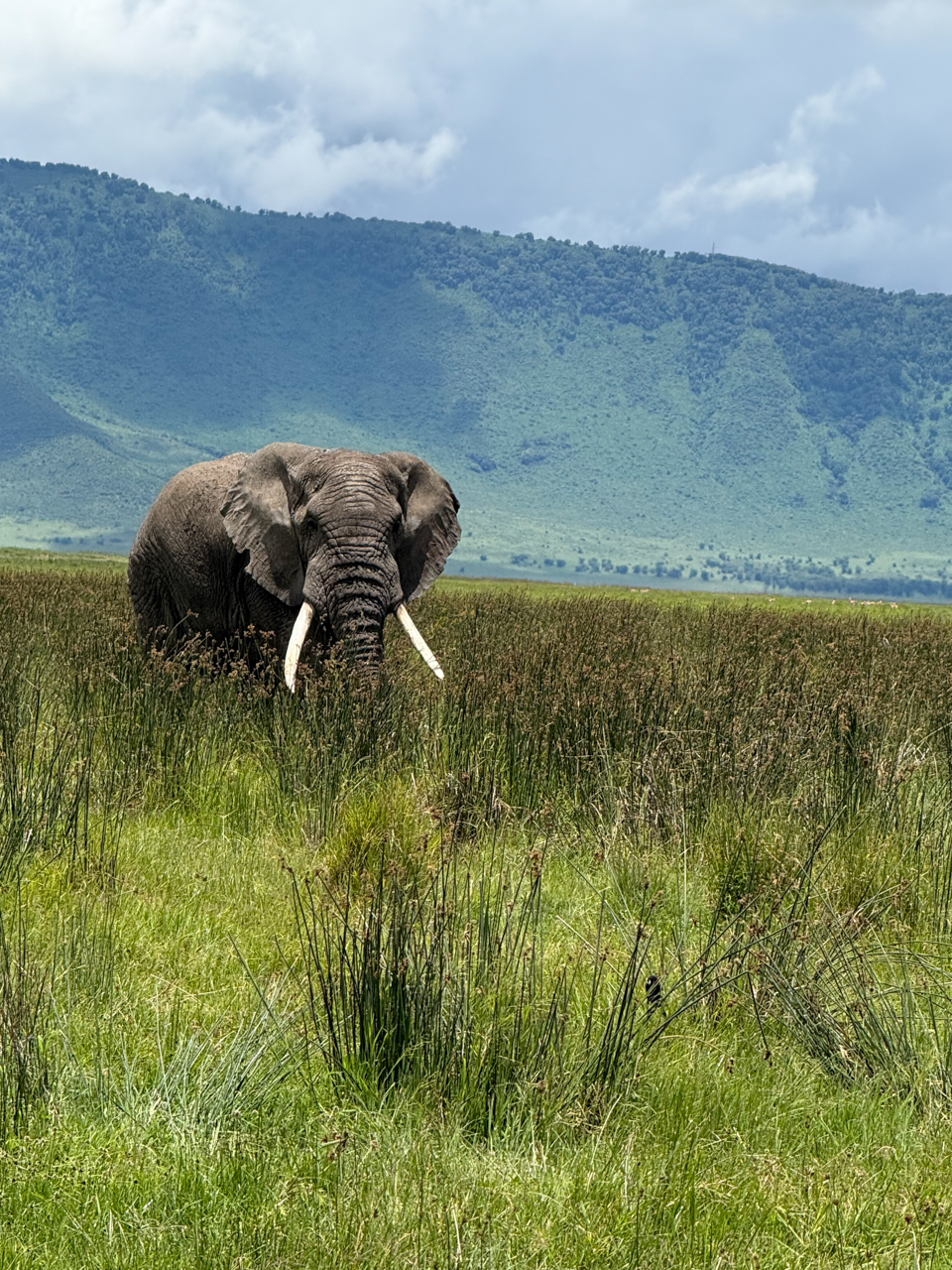
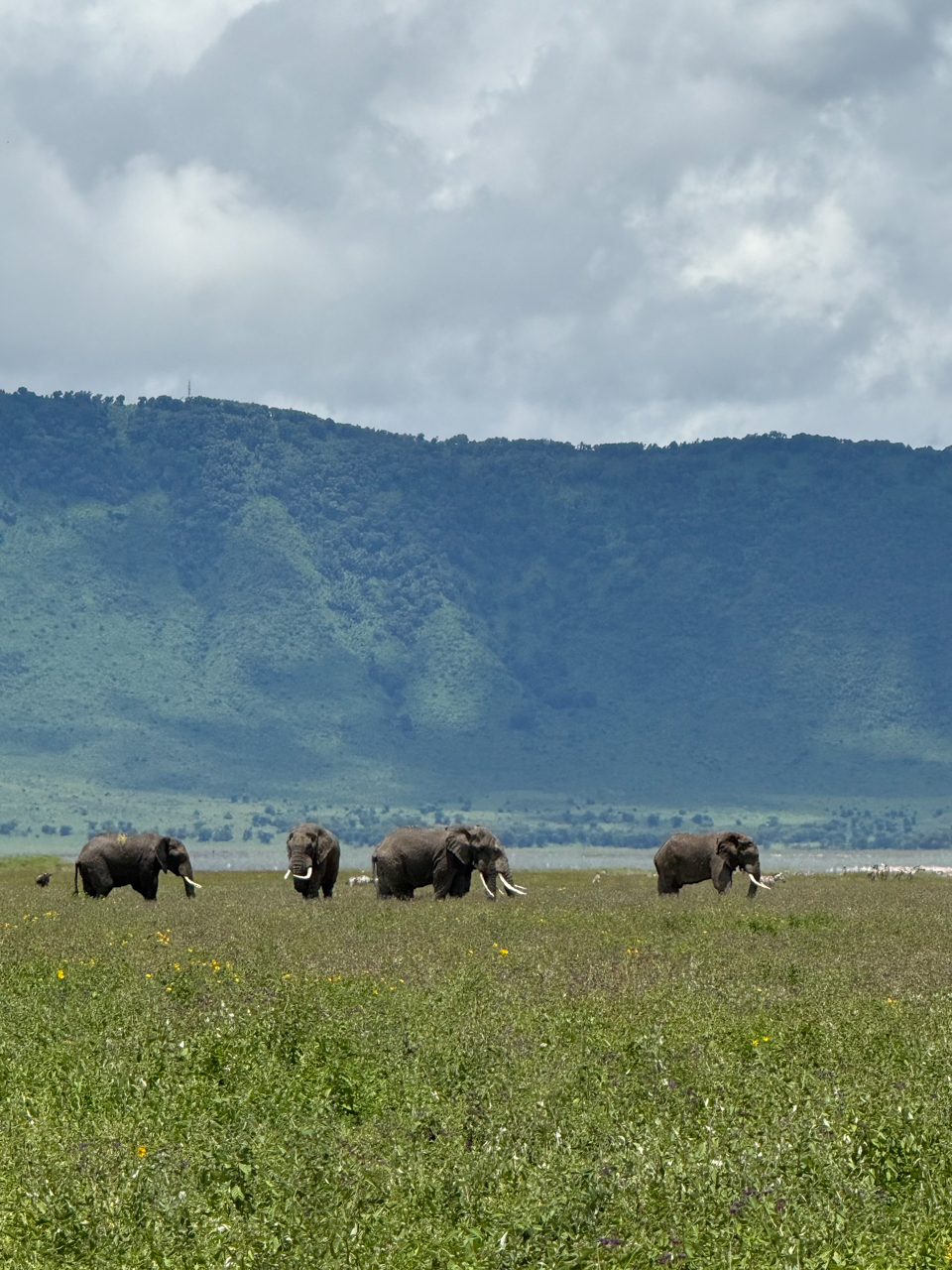
Moving south into the Great Rift Valley, the expedition visited Tarangire National Park, famed for its ancient Baobab trees and large elephant herds. Tarangire’s savanna produced sightings of the Lilac-breasted Roller and a rare pair of Cuckoo-finches (Parasitic Weavers). The latter is an irruptive species that had not been recorded by the lead guide in over a decade, emphasizing the unpredictability and value of Green Season excursions.
In Lake Manyara National Park, the focus shifted to groundwater forests and alkaline lake margins. The group observed three young Olive Baboons engaged in social play, providing insights into primate development. Specialized avian sightings included three species of whydahs, Black Bishops, and the secretive Eastern Crested Guineafowl, which was found foraging in the forest leaf litter.
The Ngorongoro Conservation Area: A Geological and Biological Pilgrimage
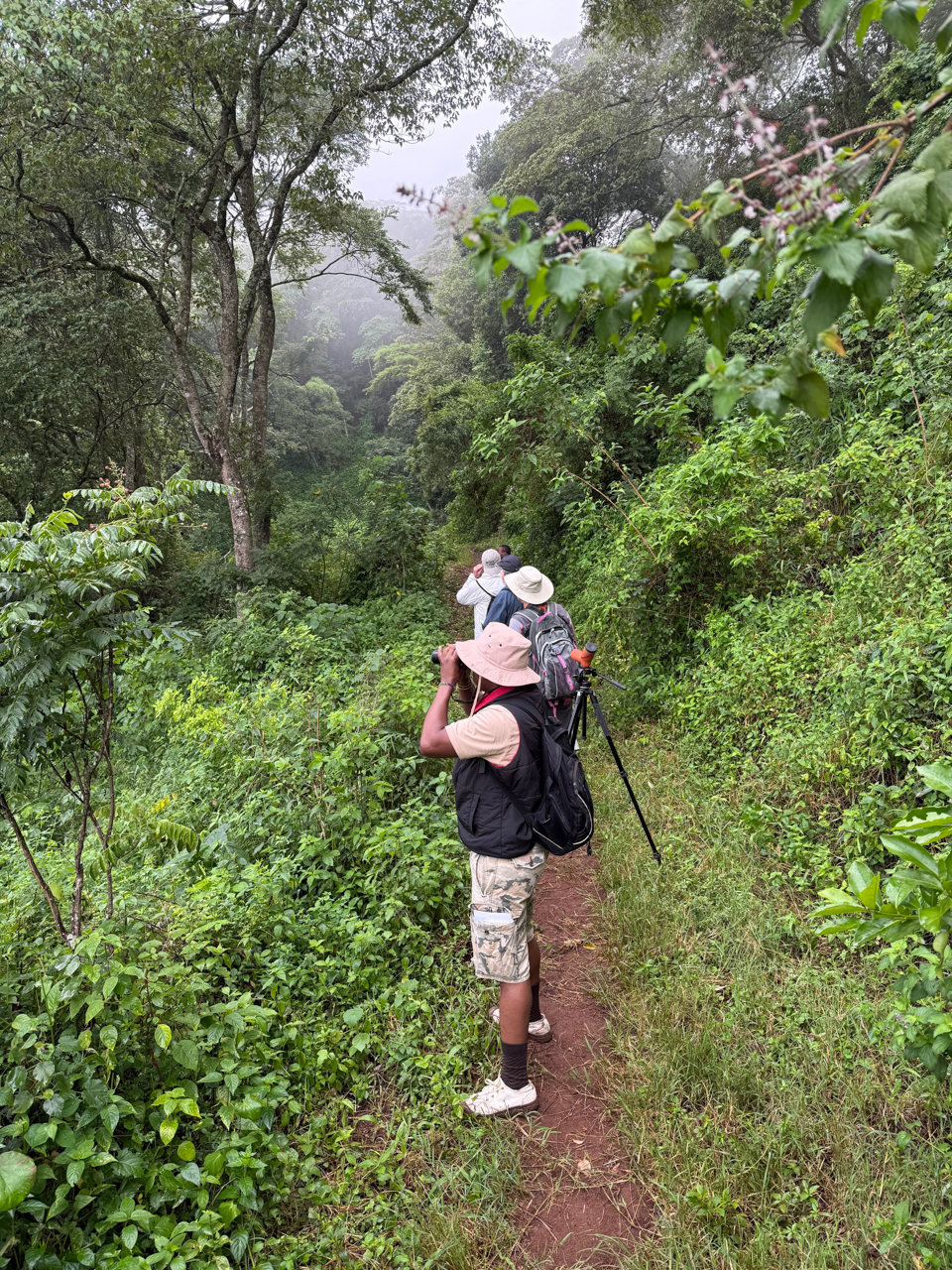
The ascent into the Crater Highlands marked a shift in climate and ecology. Staying at "The Retreat" near Karatu, the group explored the Endoro Forest, documenting the Schalow’s Turaco and the White-tailed Blue Flycatcher. A significant find was the nest of a pair of Sharpe’s Starlings, a species restricted to montane forest habitats.
The descent into the Ngorongoro Crater, a UNESCO World Heritage site, is a highlight of any Tanzanian safari. The 2026 expedition recorded 138 bird species within the crater in a single day. The "Crater Day" also secured the "Big Five" with the sighting of eight Black Rhinoceroses. These animals are part of a protected population that has remained relatively secure from poaching due to the crater’s natural geography and intensive ranger patrols.
Raptor sightings were particularly strong in the highlands, including the Crowned Eagle—Africa’s most powerful eagle—and a pair of African Hawk-Eagles. In the freshwater pools of the crater floor, the group located the Yellow-billed Duck and the Rufous-bellied Heron, an austral migrant.
The Serengeti Ecosystem: Migration and Big Cats
The final leg of the journey took the group to Lake Ndutu and the central Serengeti. Ndutu is the traditional calving ground for the Great Migration, and while the peak calving season occurs earlier in the year, the "short grass plains" remained active with vast herds of Western Wildebeest in April 2026.
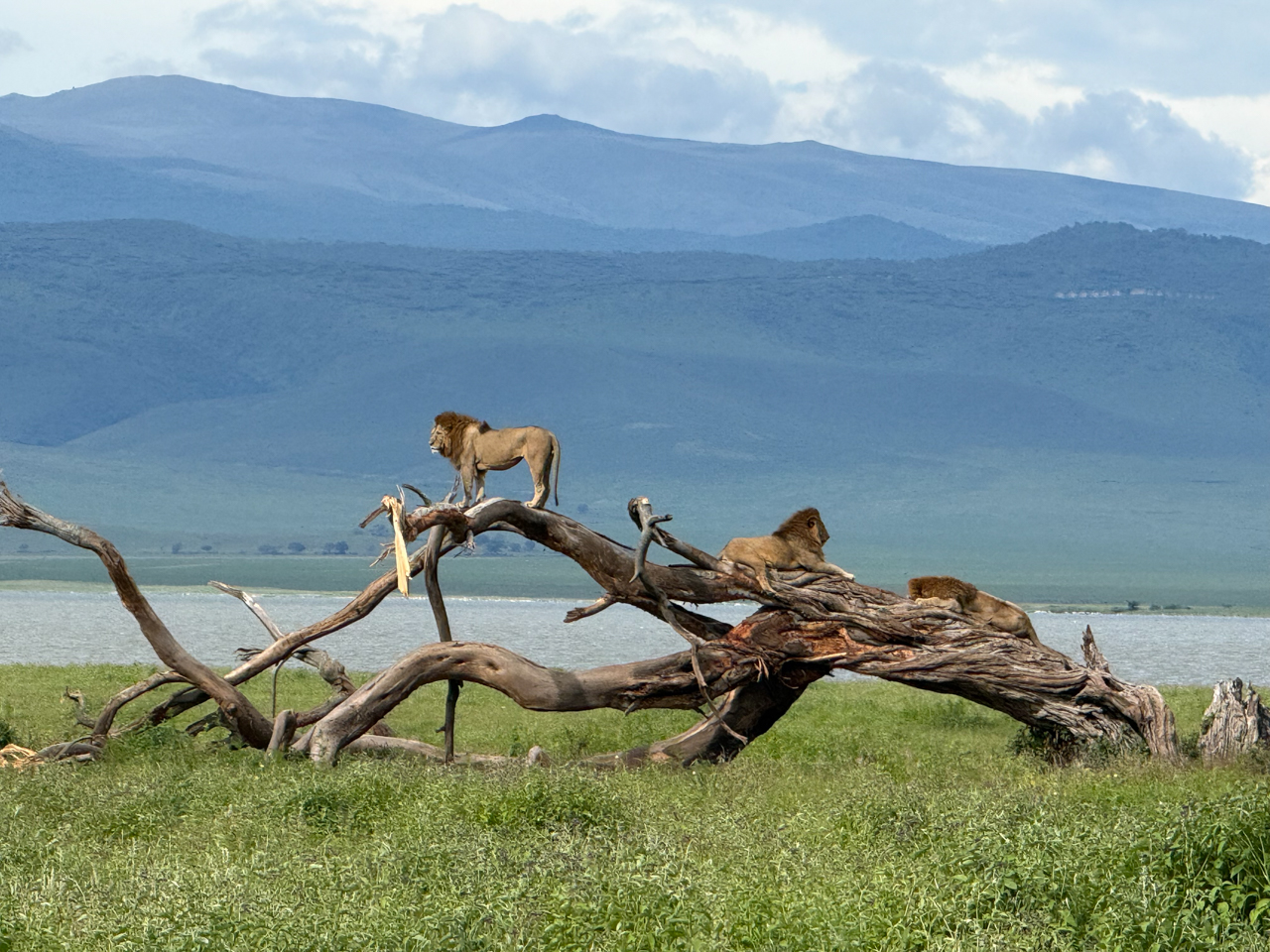
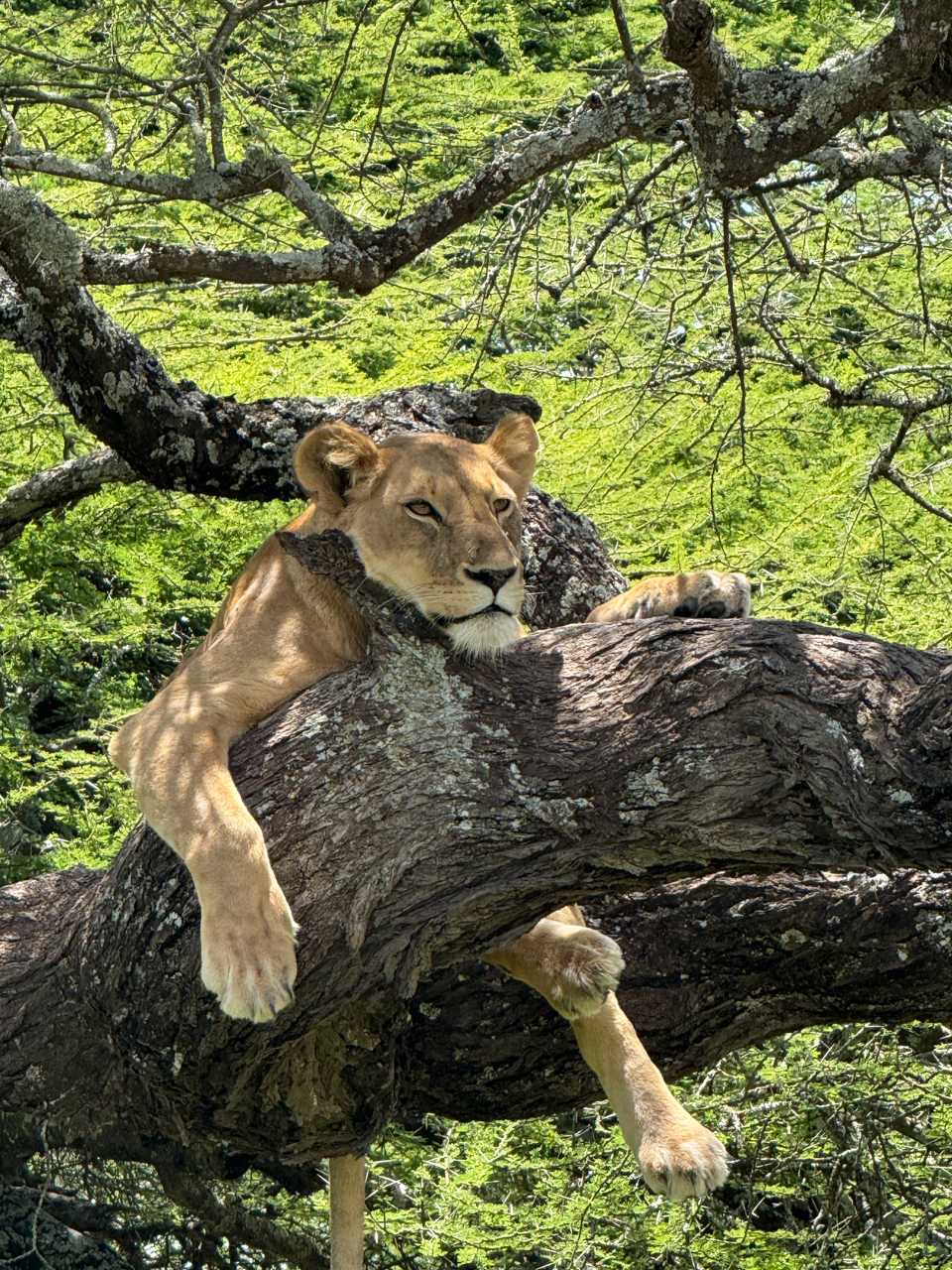
In the Ndutu region, the group tracked a pair of Cheetah brothers and a lioness resting in an acacia tree. The alkaline margins of Lake Ndutu hosted twelve Chestnut-banded Plovers, a restricted-range species. As the expedition moved toward Seronera in the central Serengeti, the focus turned to leopards. The area’s dense concentration of large cats did not disappoint, with multiple successful leopard sightings recorded.
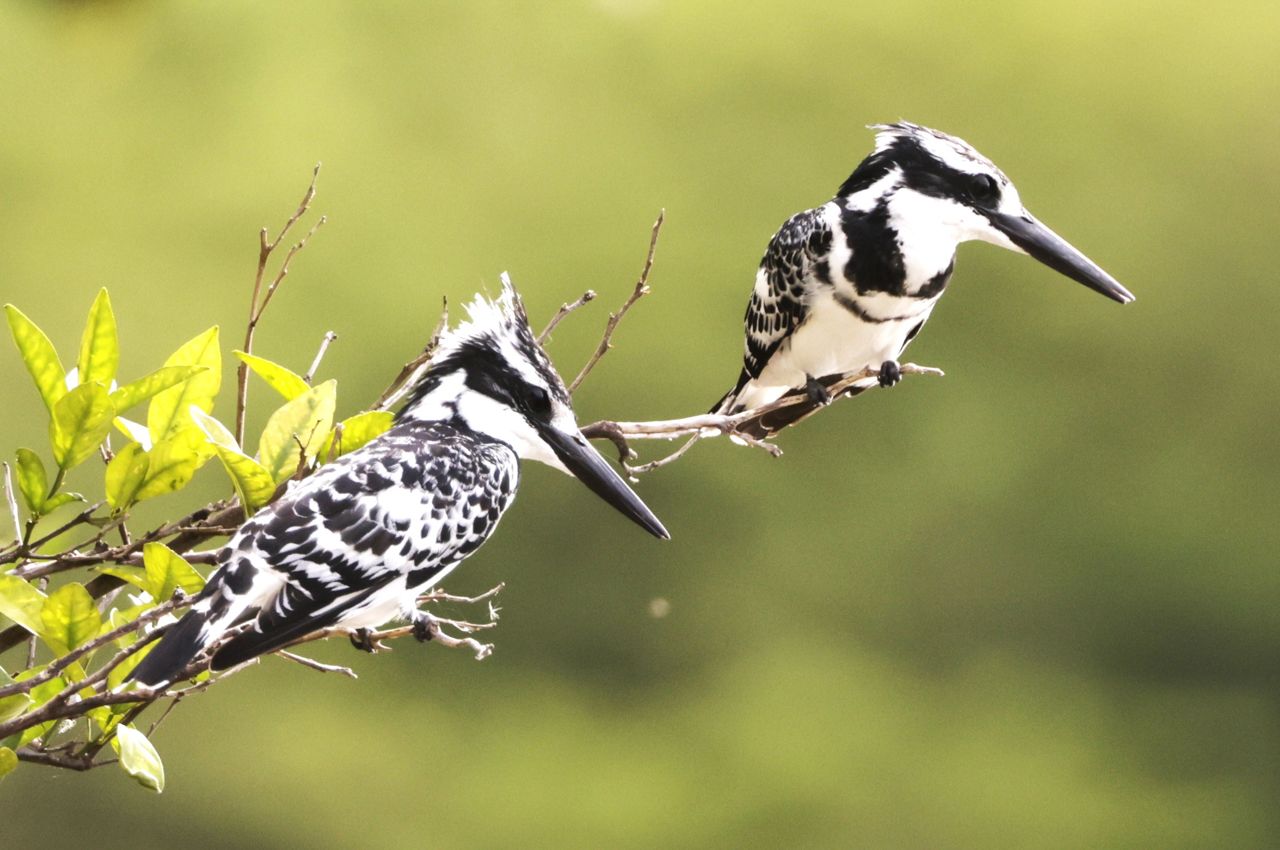
The Serengeti also provided a platform for observing unique raptor behaviors, including the Secretary-bird—a terrestrial bird of prey—seen carrying a small snake. The expedition concluded its field observations at Speke Bay Lodge on the shores of Lake Victoria. This location allowed for walking safaris, yielding sightings of the Broad-billed Roller, Three-banded Courser, and various lake-specialist weavers and kingfishers.
Analysis: The Significance of the 2026 Green Season Results
The success of the April 2026 safari carries several implications for the Tanzanian tourism industry and regional conservation efforts.
1. Ecological Indicators
The recording of 400 bird species suggests a healthy, high-functioning ecosystem capable of supporting diverse migratory and resident populations. The presence of rare species like the Parasitic Weaver and the consistent sightings of the Black Rhinoceros indicate that despite global environmental pressures, Tanzania’s northern protected areas remain robust biodiversity hotspots.
2. The Economic Viability of the Green Season
Traditionally, the "Low Season" in Tanzania sees reduced revenue for lodges and parks. However, the 2026 expedition demonstrates that the Green Season offers superior birding opportunities and high-quality megafauna viewing without the vehicle congestion typical of the dry season (July–September). This supports a push for more sustainable, year-round tourism models that distribute economic benefits more evenly across the calendar.
3. Conservation Through Tourism
The data collected during these expeditions—ranging from nest locations to predator counts—often assists local conservationists and park rangers in monitoring wildlife trends. The sighting of eight rhinos in the Ngorongoro Crater, for instance, serves as a testament to the efficacy of the Ngorongoro Conservation Area Authority’s (NCAA) protection strategies.
Conclusion
The April 2026 EET Tanzania Safari stands as a benchmark for modern ecotourism. By successfully balancing the demands of specialized ornithology with the broader appeal of Africa’s iconic large mammals, the expedition highlighted the unparalleled biodiversity of the Serengeti-Ngorongoro ecosystem. As the group departed from Mwanza Airport for their return flight to Kilimanjaro, the final tally of 400 bird species and the full "Big Five" roster confirmed that the Tanzanian "Green Season" remains one of the premier wildlife experiences on the planet.
The expedition’s findings will be documented in the Eagle-Eye Tours annual report, contributing to a multi-year database of wildlife sightings that helps track the migratory shifts and population health of East African fauna in a changing climate. For the six participants and their guides, the journey was more than a holiday; it was a comprehensive survey of one of the world’s last great wild places.
